
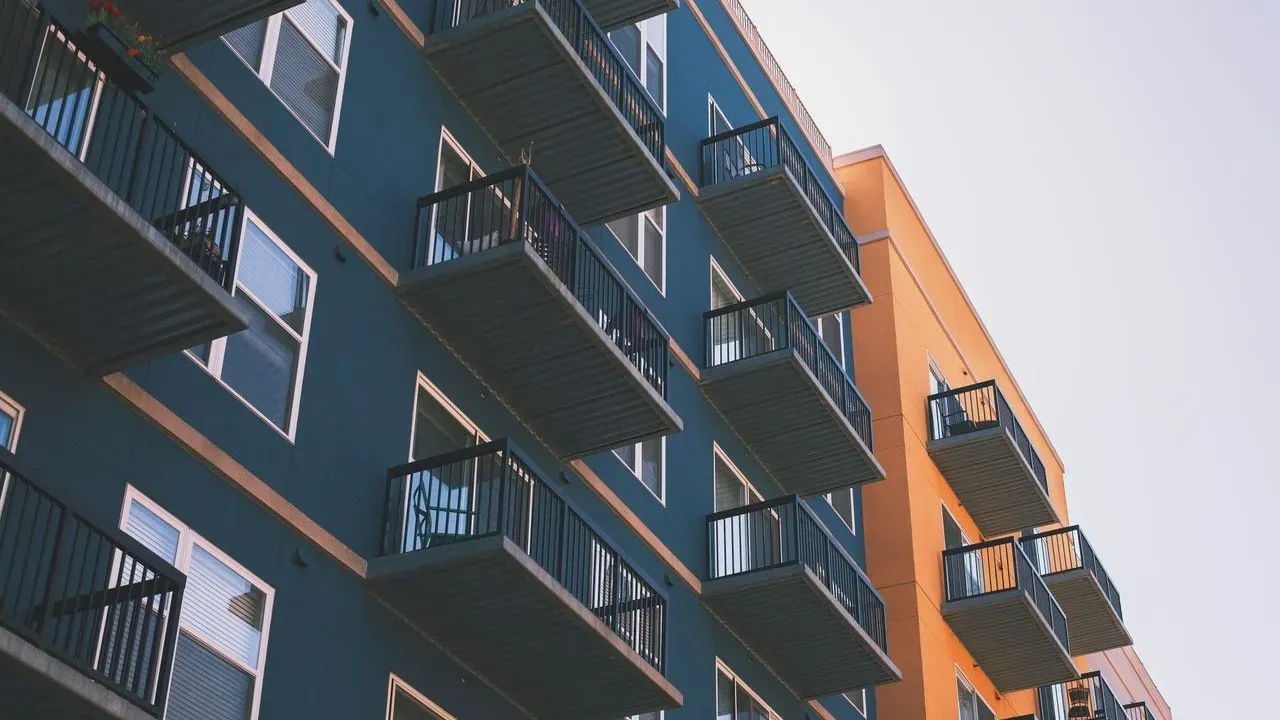

St. Louis has long offered residents and visitors a rare kind of continuity in an era when housing costs elsewhere have climbed sharply. Research from the Federal Reserve Bank of Philadelphia shows that inflation-adjusted home prices in the city rose just 6 percent between 1890 and 2024, the smallest increase recorded among major U.S. cities examined. ([1])That measured pace has helped preserve neighborhoods and public spaces in ways that continue to shape daily life and travel experiences today.
A Timeline of Measured Growth
The span from 1890 to 2024 covers more than 130 years of national economic shifts, including industrialization, suburban expansion, and recent housing pressures. Throughout those decades, St. Louis maintained a housing market that avoided the steep escalations seen in many peer cities. This steadiness has meant that long-term residents could remain in their homes while newcomers found entry points that did not require outsized financial commitments.
Stakeholders range from multi-generational families who have watched their blocks evolve slowly to small business owners who benefit from consistent foot traffic. The practical result is a city where the built environment reflects layers of history without the rapid turnover that can erase character elsewhere. Travelers notice this continuity in the intact streetscapes and the unhurried rhythm of local routines.
Architecture and Neighborhoods That Reward Exploration
Stable housing values have supported the preservation of distinctive buildings across the city. Brick row houses, early 20th-century commercial blocks, and landmark structures remain in active use rather than facing replacement cycles driven by rapid price swings. Walking through these areas reveals details that reward close attention, from ornate cornices to quiet courtyards tucked behind main streets.
Neighborhoods retain a lived-in quality that invites visitors to linger rather than rush through. The absence of intense speculative pressure has allowed community institutions, from corner shops to cultural venues, to adapt gradually while keeping their essential identities intact. This creates an environment where discovery feels organic and respectful of the people who call the city home.
Cultural Access Made More Attainable
The same economic continuity that shapes housing also influences how visitors engage with St. Louis’s offerings. Museums, performance spaces, and public gardens operate within a framework where entry and participation remain within reach for a broad range of travelers. Local food traditions, from longstanding bakeries to family-run restaurants, continue without the constant pressure of rising overhead that can alter menus or close doors.
Events and festivals unfold against this backdrop of relative affordability, drawing both residents and out-of-town guests into shared experiences. The result is a cultural scene that feels grounded rather than curated solely for tourism. Travelers often find that a single day can encompass historic sites, live music, and neighborhood markets without the sense that costs are escalating beyond comfortable limits.
What the Pattern Suggests for Future Visits
The Federal Reserve findings highlight a city that has absorbed national trends without losing its essential accessibility. For those planning trips, this translates into opportunities to engage with architecture, cuisine, and community life in settings that have evolved at a human scale. The stability does not promise unchanged conditions forever, yet it currently supports a form of travel that prioritizes depth over spectacle.
Residents and visitors alike continue to benefit from the balance the city has maintained. As interest in places that combine history with everyday livability grows, St. Louis offers a concrete example of how measured development can sustain both local continuity and welcoming exploration.
AI Disclaimer: This article was created with the assistance of AI tools and reviewed by a human editor.