
There’s a particular kind of magic that happens in small American college towns when football season arrives. The streets that feel quiet and walkable on a Tuesday morning become something else entirely by Friday night. Grills appear from nowhere, parking lots fill before sunrise, and a town of 40,000 people somehow absorbs crowds that rival mid-sized cities.
State College, Pennsylvania, is perhaps the most vivid example of this transformation anywhere in the country. On game days, the little hamlet of State College turns into one of the biggest cities in Pennsylvania. What happens here over those fall weekends is more than sports. It’s closer to a recurring civic festival with a scoreboard attached.
A Town That Doubles, Then Triples Its Population
Football weekends at Penn State are a big deal. Football games can draw as many as 115,000 fans to a town that has a population of roughly 42,000. That ratio is extraordinary. It means the visiting crowd can outnumber permanent residents nearly three to one before a single play is snapped.
This kind of surge doesn’t just fill the stadium. It fills every hotel corridor, parking structure, front lawn, and restaurant patio within a wide radius. Change is inevitable, but tailgate traditions and regional quirks span generations. Whether you’re coming from the next town over or traveling across several states, arriving for a college football weekend means seeing your temporary home at its best.
The Economics of a Saturday in Fall
A report by nonprofit organization Destination Ann Arbor shows just how valuable those handful of weekends can be. The 2024 football season at Michigan brought in $226.7 million in direct spending, roughly $28 million per home game. That’s an extraordinary figure for a single day of activity, and it underscores just how much a college football calendar functions as an economic engine for the surrounding region.
The effect reaches smaller programs too. For Champaign, Illinois, home to the University of Illinois, a home game can generate $3 million of local economic impact in one weekend, over $20 million a season. According to some reports, businesses in small college towns rely on game days for roughly half of their annual revenue. That’s a striking dependency, and it explains why local merchants track the football schedule as closely as any fan.
South Bend and Notre Dame: Where Every Game Is a Homecoming
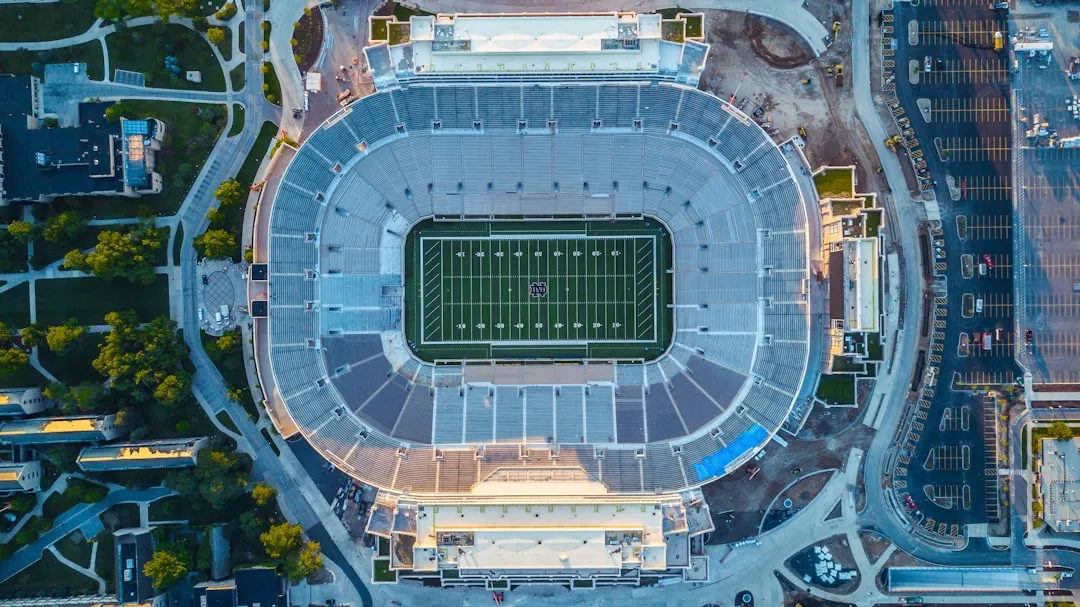
For each Notre Dame football home game, Economic Solutions determined that the regional economy sees an influx of $26.4 million, with 660,000 visitors throughout the season spending $133 million on lodging, food, transportation, and retail purchases. South Bend’s municipal budget for 2024 sits at $417 million, which puts football’s contribution to local revenue in stark perspective.
The crisp air of South Bend on a fall Saturday, with the leaves changing colors all around, is an elite atmosphere for college football. The pep rally the night before each home game includes the Notre Dame Drumline performing their traditional Drummers’ Circle at midnight on campus. For many visitors, that Friday night moment is every bit as memorable as Saturday kickoff.
Tuscaloosa: A City Held Together by Crimson
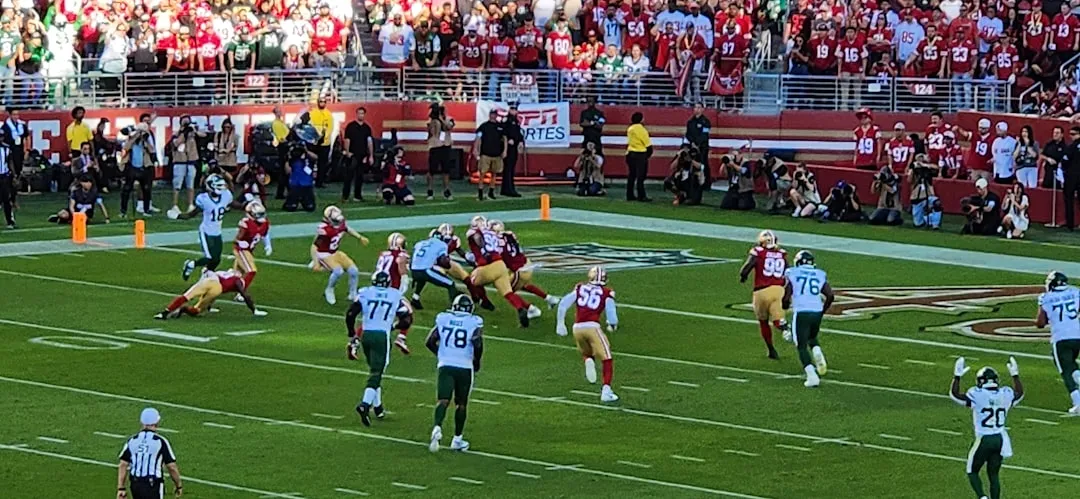
Football adds close to $17 million per week on average to Tuscaloosa city revenue from game-related tourism, which includes hotels, dining, and shopping. Given that the general fund for the city is approximately $175 million, Alabama football is critical to Tuscaloosa. It would be difficult to overstate how central these Saturdays are to the city’s financial rhythm.
Tuscaloosa isn’t unusual in this dependence. Across the country, college towns with major football programs have built entire service economies around the fall schedule. Most alumni and the broader fan base of college football are more focused on the games than on the economic impact created. That said, there’s no denying that college football generates important revenue and jobs for the cities and towns where teams are based.
The Tailgating Culture That Starts Before Dawn
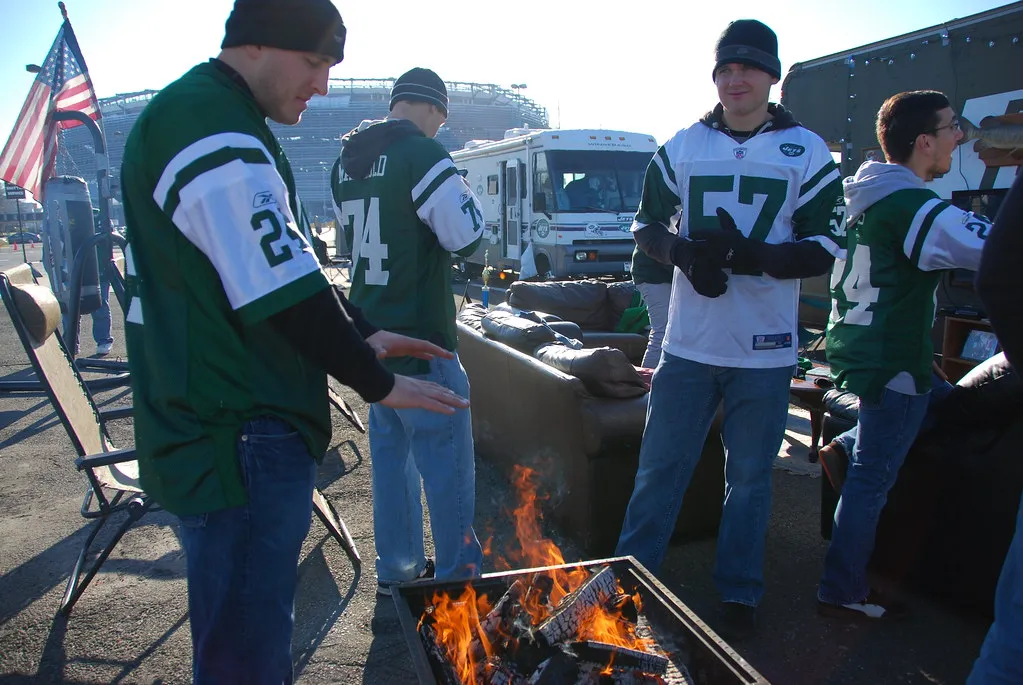
Game day for Penn State football is no joke. Die-hard fans spend hours preparing and packing for tailgates before making their way to iconic Beaver Stadium to cheer on the Nittany Lions. Many of those fans arrive well before sunrise, claiming their lot, setting up canopies, and starting fires while the rest of the town is still sleeping.
Hundreds of cars line the tailgating lots around Beaver Stadium on Penn State game days, as students, families, and friends gather to support their team. The culture here stretches across generations. As one longtime tailgater put it, “It is a culture. Some people joke that it’s close to a religion.” That comparison gets repeated across college towns, and it rarely feels like an exaggeration.
Game Day Rituals and the Pageantry of Arrival
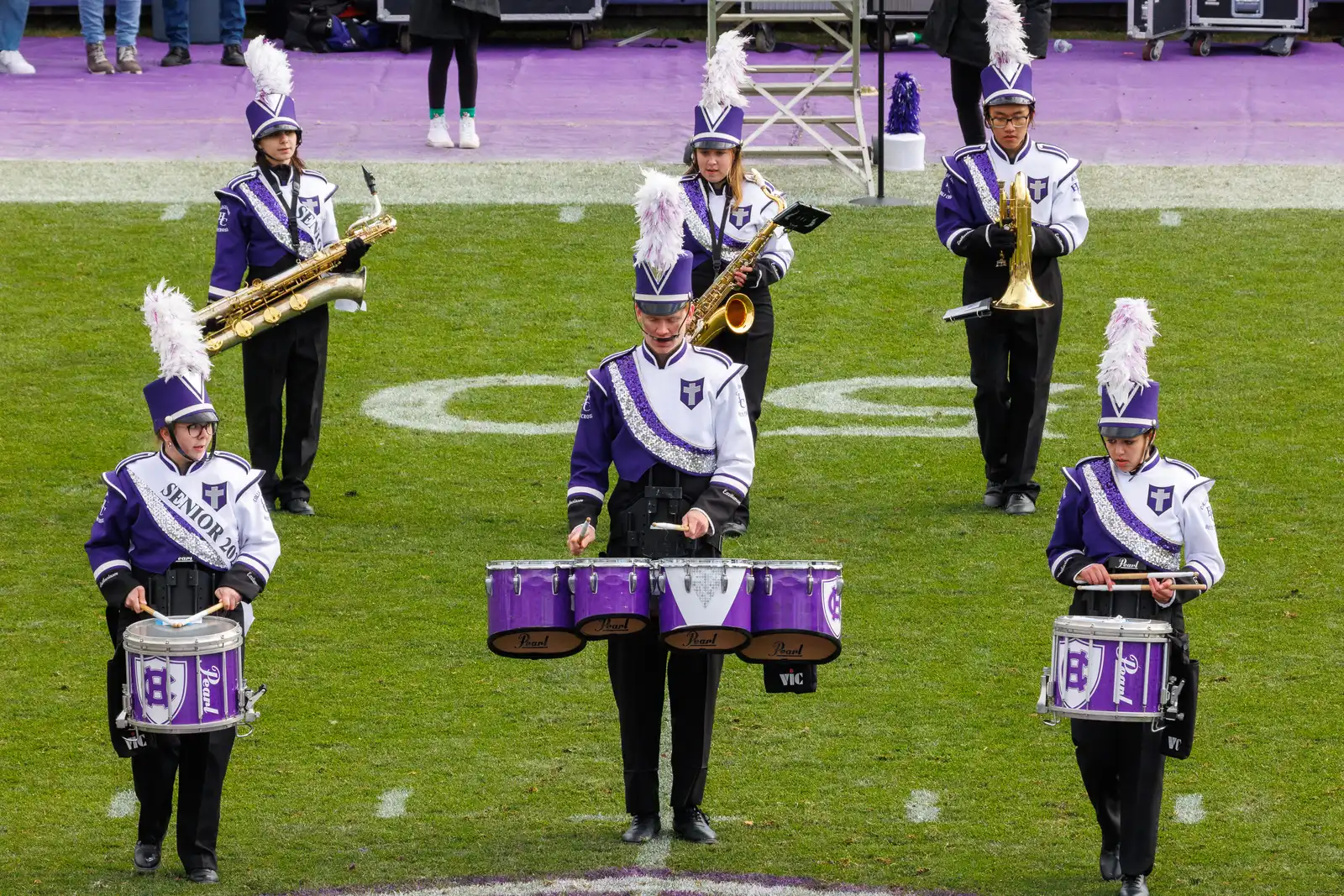
From the moment the Blue Band marches in, to the echoing “We Are” chants, to the iconic roar of the crowd during a whiteout game, every second is immersive. These choreographed moments have been refined over decades, and for many fans, they’re the whole reason for the trip.
In 1971, drum major Jeff Robertson did away with the baton twirl and shocked fans in Beaver Stadium with a backflip. The rest, as they say, is history. Now viewed as one of the most recognizable pregame traditions in the game, the drum major flip has delighted fans for decades. Small rituals like this carry enormous weight. They give each home game its own texture, separate from the score.
Downtown Comes Alive After the Final Whistle
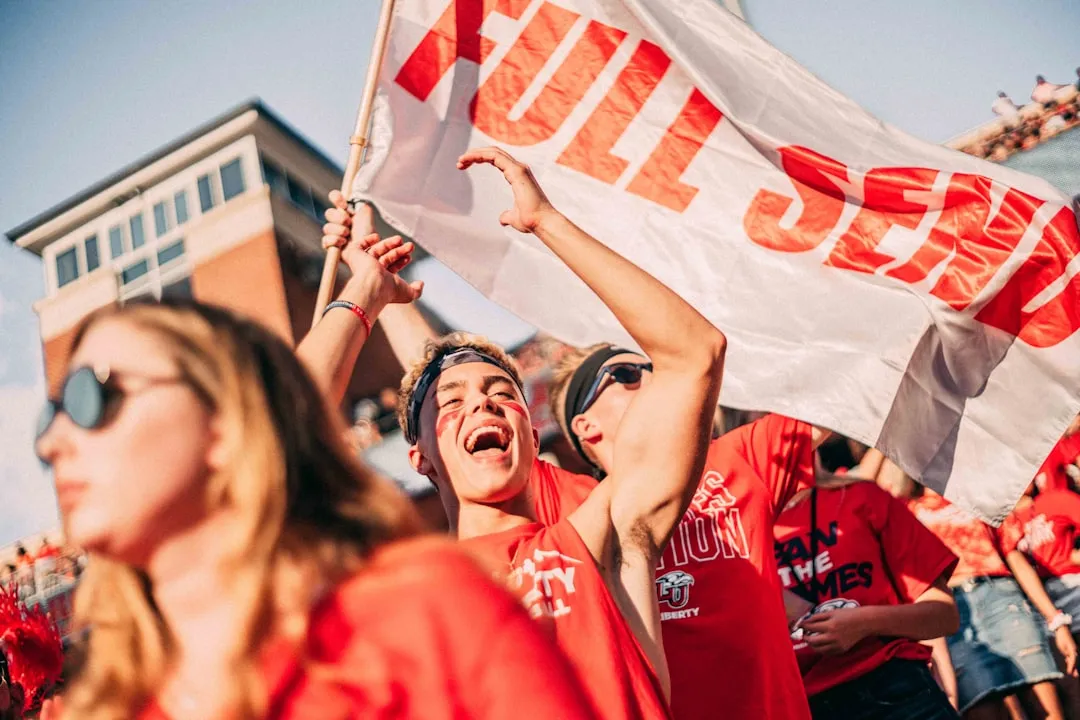
After the game, win or lose, the celebrations continue. State College comes alive, with fans flocking to bars like Champs, Café 210 West, Doggie’s Pub, and Primanti Brothers for food, drinks, and a recap of big plays. The postgame atmosphere in most college towns is its own distinct chapter of the weekend, different in energy but just as communal.
This is the part of the game-day experience that doesn’t appear in any stadium guide. The conversations that happen in diners at midnight, the slow dispersal of fans trading opinions in parking lots, the way a town exhales after a close win – all of it is part of the same festival. Win or lose, everyone has an excuse to eat, drink, and socialize like they’re undergrads again.
How Short-Term Rentals Reshaped the Landscape
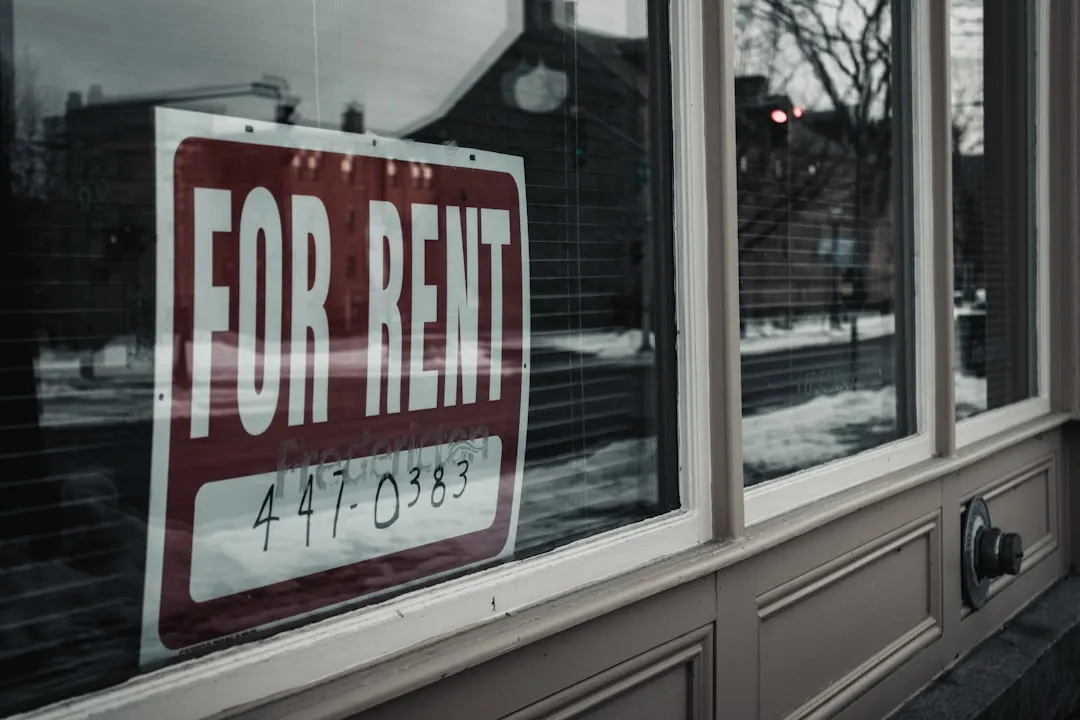
Because of the overall smaller total number of residential homes in most college towns, the massive influx of demand for short-term rentals has an outsized impact on local housing markets. In some neighborhoods, entire blocks shift from year-round residences to weekend accommodations during the football season. It’s a practical tension that many college communities are still navigating.
In Starkville, Mississippi, home to Mississippi State University, the median home sale price increased 63 percent over the last ten years. A majority of that growth happened because of gameday home development. The City of College Station voted unanimously to require short-term rental owners to register with the city, submit hotel occupancy tax, and have a health and safety inspection. State College, Pennsylvania, recently passed a similar ordinance.
The Infrastructure Built to Handle the Surge
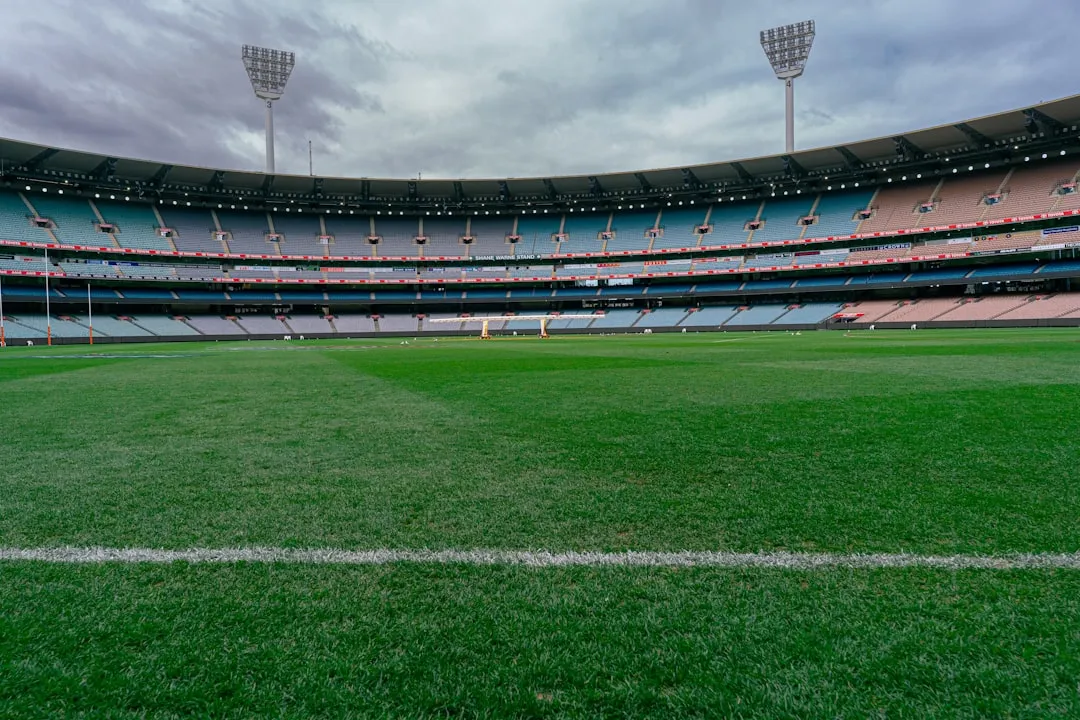
Penn State approved a $700 million renovation to Beaver Stadium in May 2024. The three-phase project is expected to be completed a phase at a time over the next three seasons, with full completion by 2027. Included in the project are a 21,000-square-foot welcome center, expanded luxury seat options, widened concourses, improved wifi and cell connectivity, better video boards, and a winterized field.
Investments of this scale reflect how seriously host communities take the game-day experience, not just inside the stadium but across the entire town. During the first four home game weekends in 2024, the Altoona hotel market performed four percent better than the State College hotel market in total hotel revenue compared to the prior year. The ripple effect extends well beyond the campus edge.
What the Research Actually Says About the Long-Term Picture

The weekend transformation is real and visible. The long-term economic picture is more layered. The influx of fans can spike earnings for hospitality and retail by as much as 200 percent over the course of a game weekend. Those short-term spikes are genuinely significant for small-business owners.
Academic research offers a more cautious view of the lasting effects, though. Some analyses find no statistically significant evidence that college football games contribute positively to a host’s broader economy. Studies of metropolitan areas that play host to major college football programs find that neither the number of home games played nor the winning percentage of the local team has a discernible impact on overall employment or personal income. The festival atmosphere is real. The long-term macroeconomic lift is harder to measure and less certain than booster figures often suggest.
The Takeaway
What makes the college-town game-day experience so enduring isn’t the economics, or even the football itself. It’s the way a single shared event compresses an entire community’s identity into one weekend. In the corners of America where college football is the universal religion, home games are transformative. Parking lots fill up. Portable grills fire up. A rhythm that hasn’t changed much in generations begins again.
For visitors drawn to the spectacle, the invitation is a generous one. These towns don’t just tolerate the influx. They’re built around it, celebrate it, and in many ways depend on it. The stadium is the anchor, but the town is the event. That distinction is worth holding onto the next time you find yourself walking into one of these places on a crisp fall Saturday morning, with the smell of charcoal already drifting through the air.
AI Disclaimer: This article was created with the assistance of AI tools and reviewed by a human editor.