
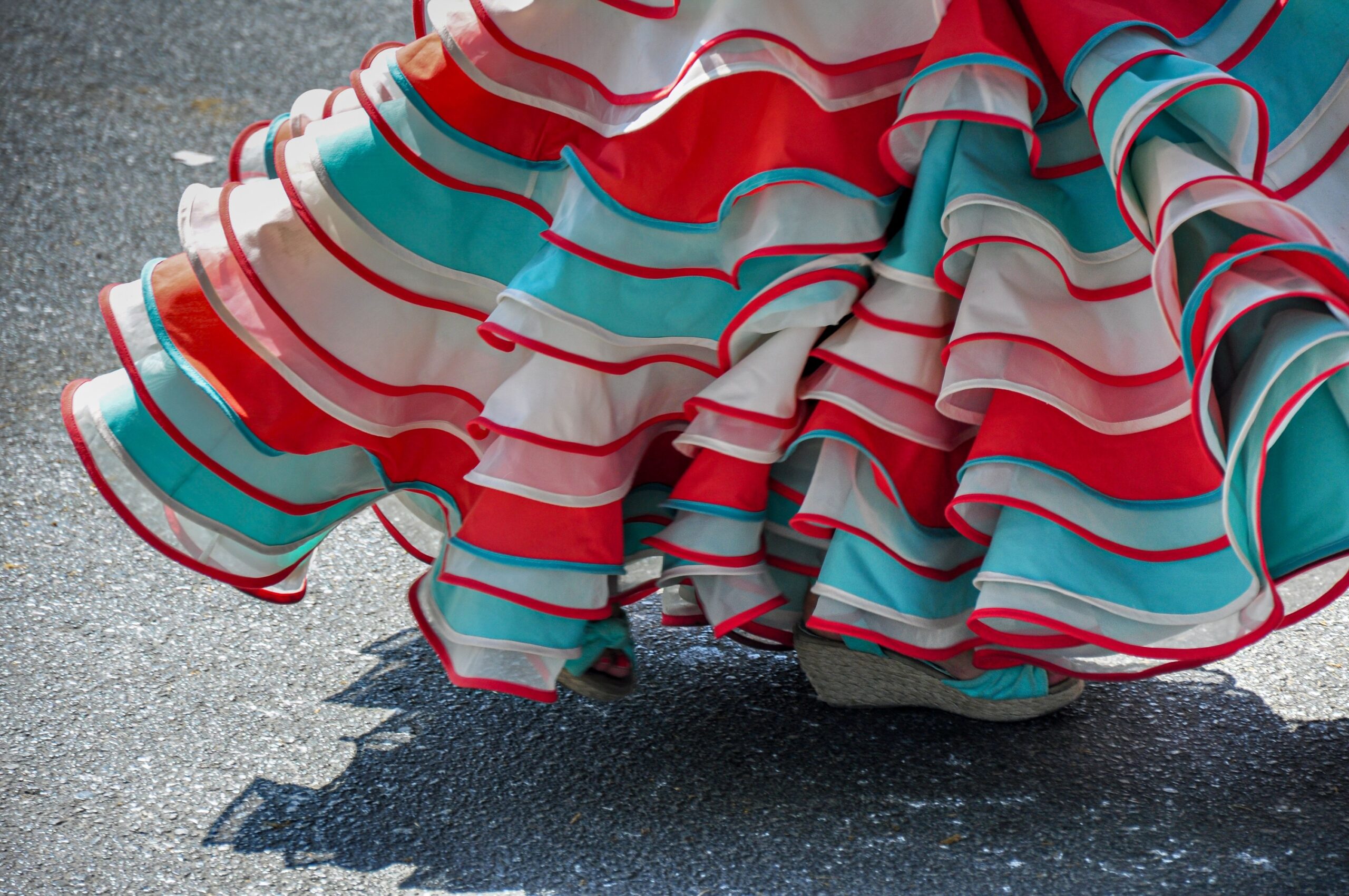
Seville doesn’t need a stage to perform. The city itself feels choreographed, with its tiled facades, orange-blossomed alleys, and stone plazas that seem designed for one specific purpose: to let music and movement breathe. Flamenco wasn’t born in a theater here. It was born in neighborhoods, in courtyards, and in open squares where people gathered simply because the night was warm and the spirit was willing.
With over three million tourists visiting annually and a local population of around 700,000, Seville is the third most visited city in Spain, and flamenco is no small part of that draw. The city’s deep Romani roots made it a hotspot for this burgeoning art form, and by the 19th century, cafés cantantes appeared across the city, cementing its status as a flamenco epicenter. These six plazas carry that legacy into every evening.
1. Plaza de España: Arches, Tiles, and Spontaneous Souls
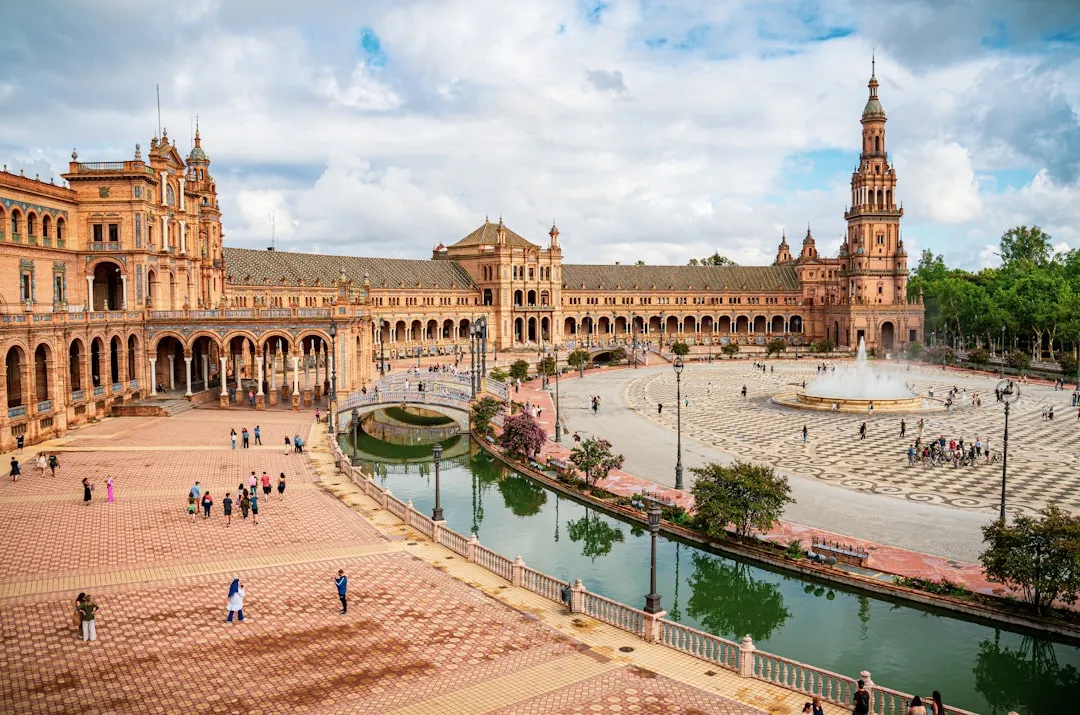
Crowds gather in the shady archways of the Plaza de España, where talented dancers spin and whirl accompanied by singers, guitarists, and the rhythmic keeping of claps. The semicircular colonnade creates an accidental amphitheater, its ceramic panels and stone benches lending a grandeur that no indoor venue could replicate. The acoustics here are entirely natural, and somehow that makes every footstep land harder.
These performances at Plaza de España are technically free of charge, though voluntary donations are subtly encouraged after each performance. Visitors have reported seeing free flamenco shows here on multiple consecutive afternoons, the performers and setting combining for something genuinely memorable. Come before sunset when the fading light catches the tiled alcoves and the crowd instinctively grows quiet.
2. Plaza del Salvador: The City’s Living Room After Dark
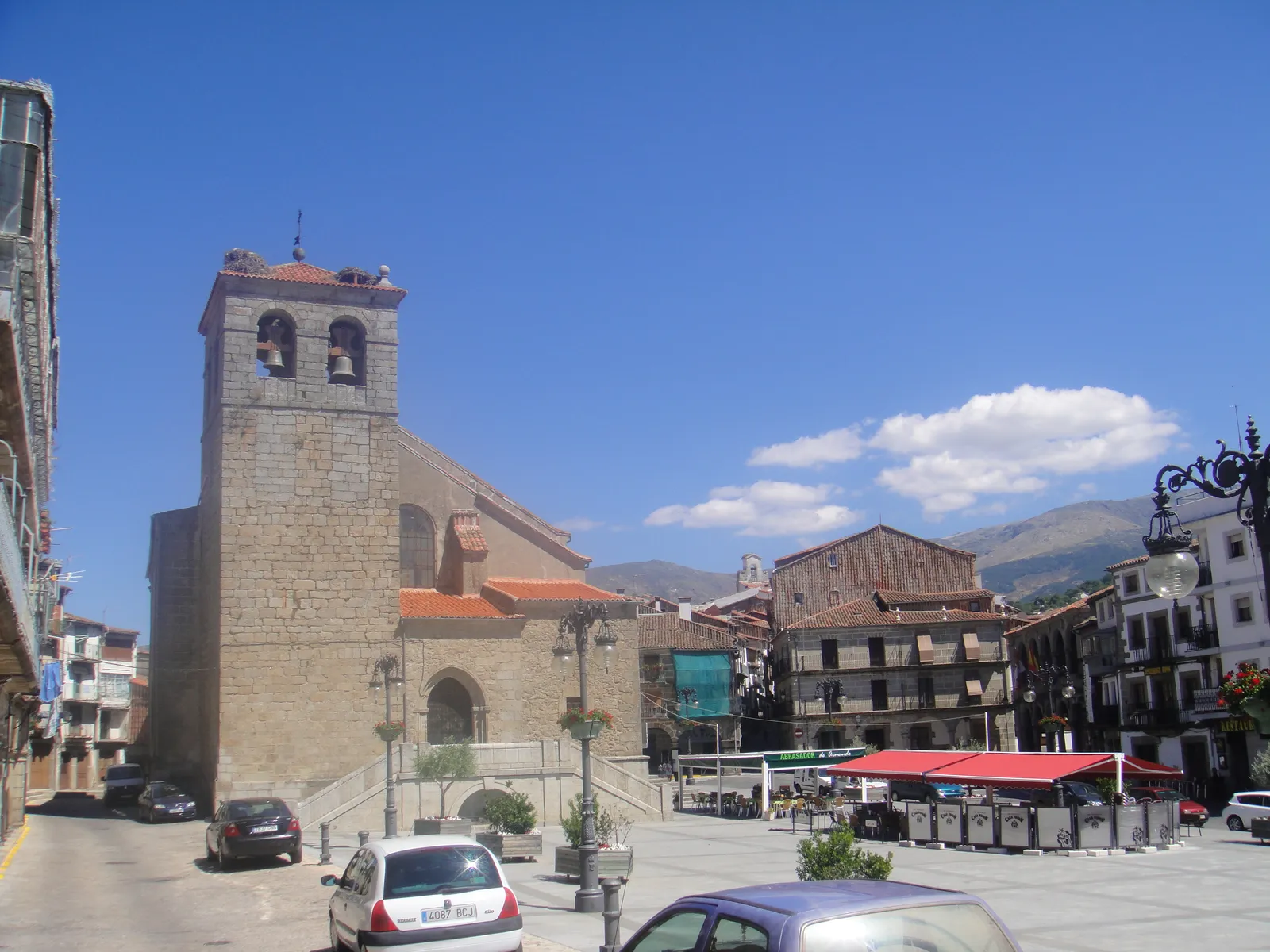
There are performances in the plaza in front of Salvador Church during the busy evening meal time, which in Seville means roughly from nine o’clock onward. The square functions as a natural gathering point for locals and visitors alike, with tapas bars spilling chairs onto the cobblestones and the smell of fino sherry drifting between tables. When a dancer appears, people don’t rush over. They simply turn, glass in hand.
Salvador Church, which gives the square its name, is the second-largest church in the city after the cathedral, built across the 17th and 18th centuries. That weight of history backs every performance. The flamenco here feels woven into something older than tourism, something the city has always done on warm evenings without needing anyone’s permission.
3. Plaza del Alfalfa: Small Square, Outsized Energy
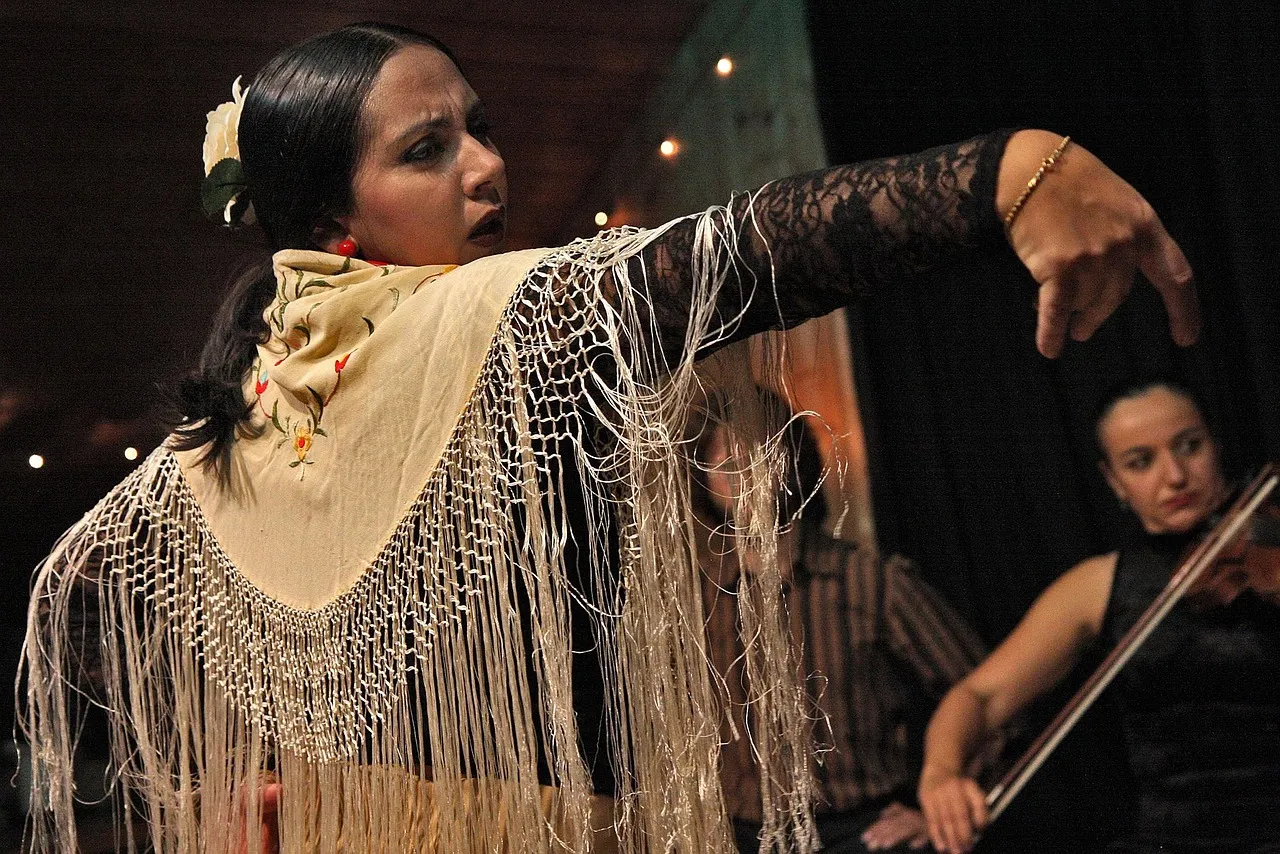
Flamenco performances appear in the Plaza del Alfalfa during busy meal times, and that timing is everything. This compact square in the old center hums with a neighborhood energy that the larger tourist-facing plazas can’t quite match. It’s where younger Sevillanos drink beer on stone ledges, and visiting performers seem to feed off that casual, unselfconscious crowd.
The Alfalfa district is thought to have been the site of the original Roman forum when Seville was known as Hispalis, and today it is known for its pleasant mix of tapas bars, attractive squares, and small independent stores. Flamenco in Plaza del Alfalfa rarely announces itself in advance. It simply arrives, and the square absorbs it without missing a beat.
4. Plaza de Doña Elvira: Quiet Beauty That Earns Every Note
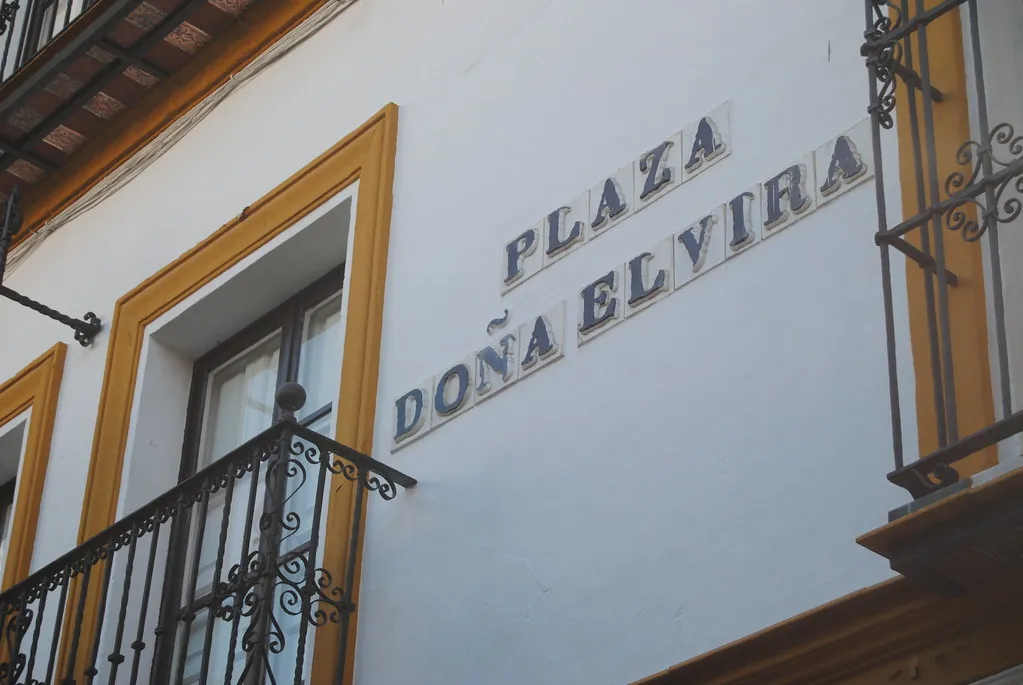
Tucked inside the Santa Cruz quarter, Plaza de Doña Elvira is one of those rare corners that looks exactly how people imagine Seville in their most romantic version of it. Orange trees, a central fountain, wrought-iron benches, and whitewashed walls with trailing bougainvillea. When flamenco finds its way here in the evenings, it feels less like a performance and more like a discovery.
The historic Triana district and the Santa Cruz neighborhood are particularly famed for producing legendary flamenco artists, and even today, the area remains a pilgrimage site for flamenco aficionados. Plaza de Doña Elvira sits at the quiet heart of that world. The intimacy of the space means you hear everything, the breath between phrases, the creak of the dancer’s shoe, the silence that comes just before the stamp.
5. Plaza de la Contratación (near the Alcázar): Heritage at Its Most Vivid
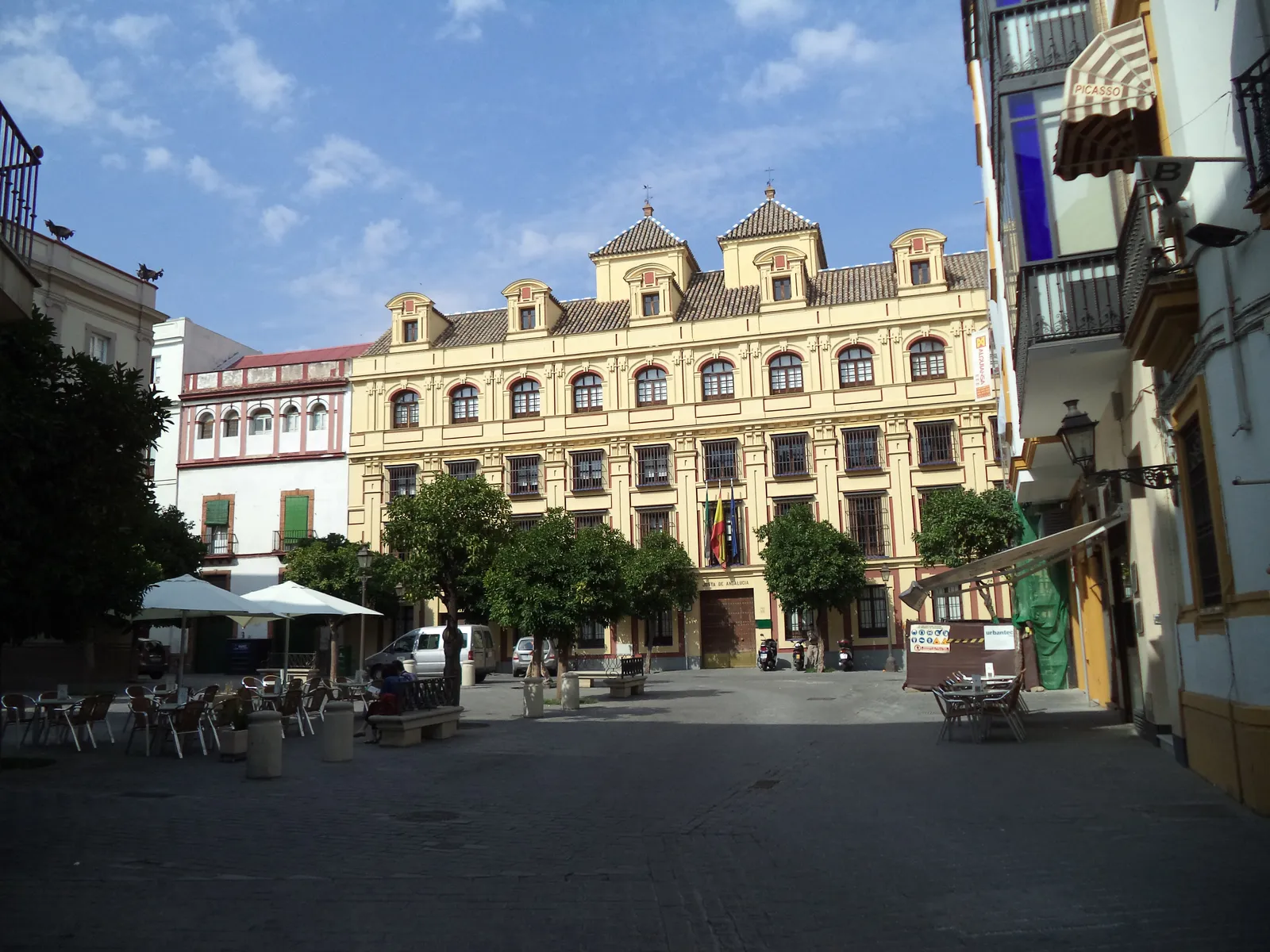
Just beside the walls of the Royal Alcázar, this plaza carries the weight of centuries on its stones. Originally founded as a Roman city, Seville is now home to three UNESCO World Heritage Sites, and this area sits within that protected cultural zone. Evening performances that appear near the Alcázar walls tend to draw a crowd almost instantly, the setting doing half the storytelling before the music even begins.
Flamenco’s connection to this part of the city runs deep. Flamenco’s origins trace back hundreds of years to the Andalusian region of southern Spain, emerging from a blend of people who inhabited Andalucía, including Jewish communities, Romani populations, and Moors from North Africa. Near the Alcázar, those layered histories feel tangible. The performances here carry that weight, consciously or not.
6. Plaza Nueva: Civic Heart, Evening Rhythm
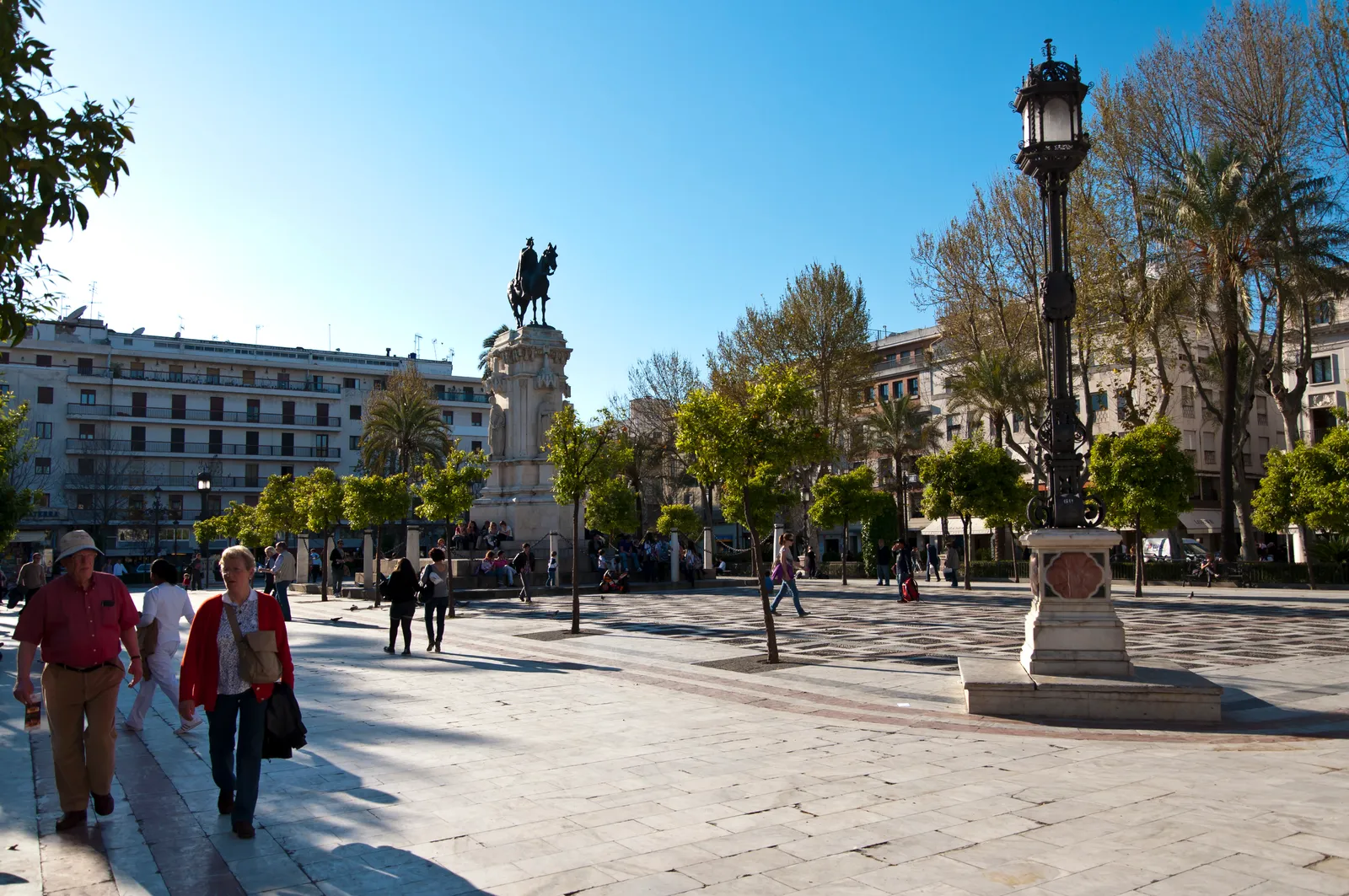
On weekends, flamenco performers appear in the afternoon and evening in the vicinity of the city hall, with performances near Hotel Alfonso XIII also occurring on weekend afternoons and evenings. Plaza Nueva sits at the civic center of Seville, flanked by the town hall’s Renaissance facade on one end and the Jardines del Valle on the other. It’s a broad, dignified space that transforms after dark when the city loosens its collar.
Weekend evenings here feel distinctly Sevillano. Families walk slowly, couples share churros on benches, and whenever a flamenco group sets up near the fountain, the whole plaza reorganizes itself around them without anyone giving an order. Today, flamenco can be found in many places around Seville, from street performers to tablaos, with opportunities to catch an authentic performance every day of the week. Plaza Nueva is proof that the most civic of spaces can also be the most soulful.
Why the Biennial Still Matters
The XXIV edition of the Bienal de Flamenco takes place in Seville from September 9 to October 3, 2026, with nearly 50 performances across several venues, and the festival occurs every other year in even-numbered years. This event sets the rhythm for flamenco’s cultural calendar in Seville and draws artists and audiences from across the world. It elevates the entire city’s relationship with the art form, even in its plazas and side streets.
In addition to main shows, numerous complementary activities are planned covering literature, cinema, and exhibitions, extending the celebration to the city’s neighborhoods with free performances to encourage community participation. That last part matters most. The Biennial keeps flamenco from becoming a closed, ticketed experience and sends it back where it belongs, into the open air of the city’s public squares.
What Makes a Plaza a Flamenco Space
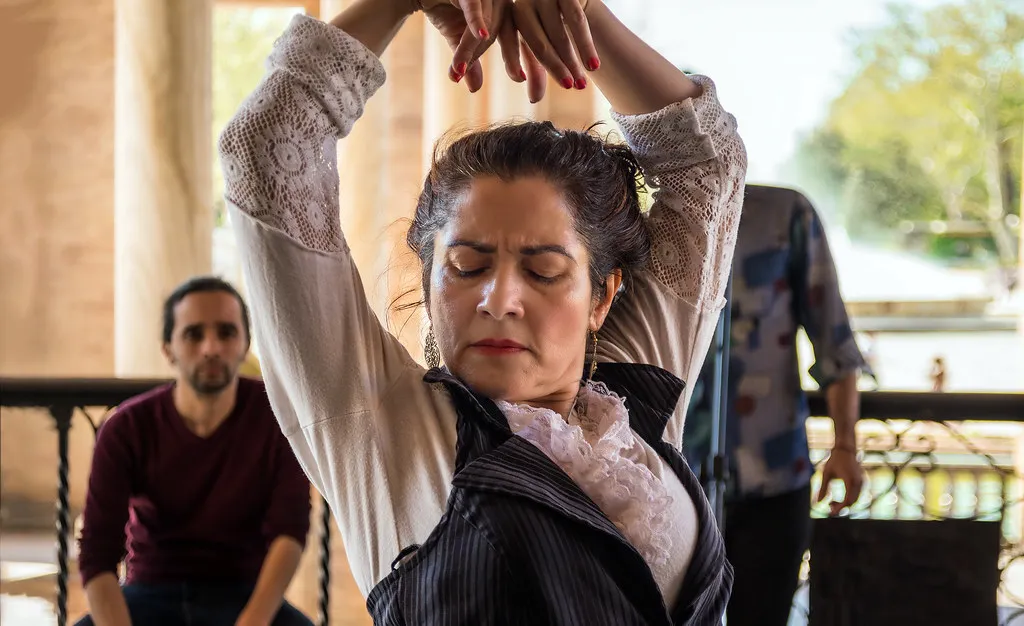
Not every open square earns the title. The ones that work share a few things: natural acoustics from surrounding walls, enough foot traffic to build a spontaneous audience, and a physical intimacy that lets the performers connect with people rather than project at them. Flamenco dancing is a significant part of Seville’s identity, and visitors love to watch performances at local venues, but the plazas offer something no tablao can replicate: the city itself as backdrop.
There’s also no cover charge for the open-air version, which means the audience is always mixed. Locals, tourists, children, elderly couples, solo travelers with nothing planned. That mix gives outdoor flamenco its particular emotional charge. It’s not curated. It just happens, and it finds you wherever you’re standing.
Practical Notes for Evening Plaza Visits
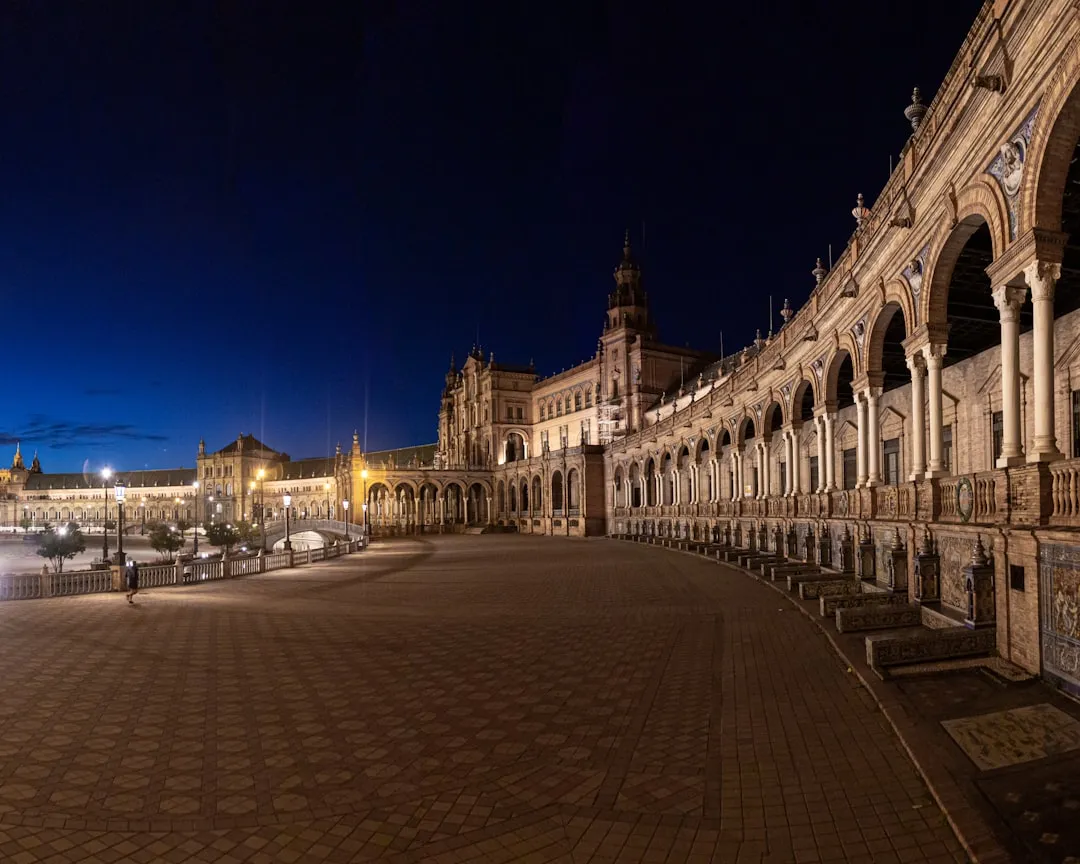
Arriving early matters. Most performances don’t have numbered seating or formal setups, so coming ahead of time lets you find a better vantage point before the crowd fills in. For plaza performances specifically, the same principle applies. Position near the walls rather than directly in front, where latecomers will block your view. The archways of Plaza de España and the steps around Plaza del Salvador are particularly good spots.
The Instituto de Estadística y Cartografía de Andalucía reports that 36.2 million tourists visited Andalucía in 2024, and Seville draws a significant share of that number during spring and autumn. These are the busiest seasons for evening plaza performances. Summer evenings are warm and long, which also draws performers out, though the heat of July and August thins the local crowd somewhat. Late September through November remains the most rewarding window.
Flamenco in the Open Air: A Different Kind of Knowing
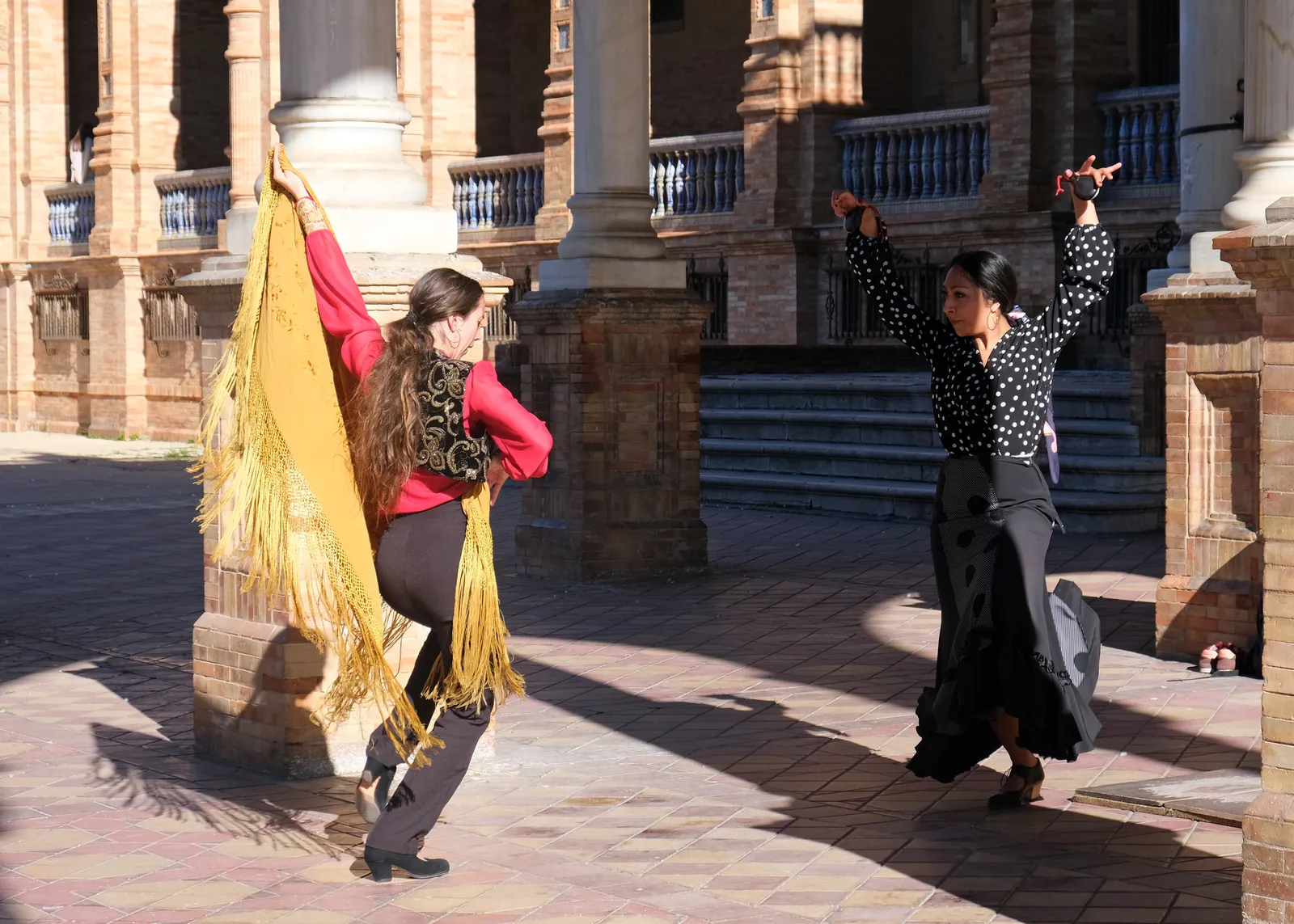
There’s a real difference between watching flamenco inside a tablao and watching it in a plaza. Inside, you observe it. Outside, you’re caught up in it. The city’s noise and light and movement become part of the experience rather than something to block out. A car horn two streets over, the laughter from a nearby terrace, the smell of olive oil from a kitchen window. None of it diminishes the performance. It contextualizes it.
Seville is one of the best places in the world to experience flamenco, and that reputation rests as much on these unscripted plaza moments as it does on any formal stage. The art form has always been about presence and feeling rather than polish. The plazas keep that truth alive every evening, whether anyone is watching or not.
The Takeaway
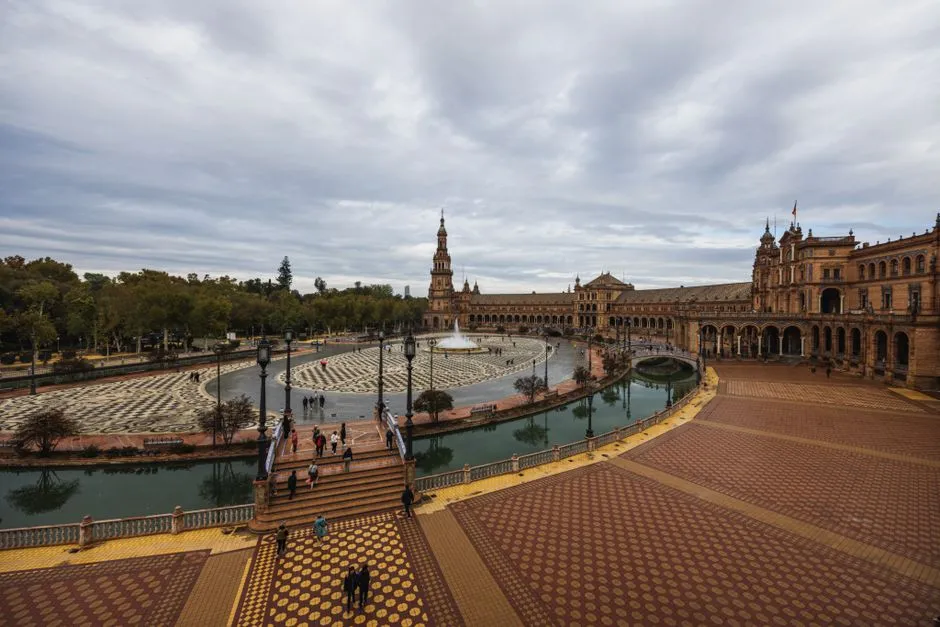
Seville’s plazas don’t compete with its tablaos. They complement them, offering something rawer and more immediate, a reminder that flamenco grew from community rather than commerce. Each of these six squares holds a slightly different character, a different crowd, a different hour when it comes alive. The reward for seeking them out on foot, without a fixed plan, is the kind of evening you’ll struggle to describe afterward but won’t forget.
The city is the venue. You just have to show up.
AI Disclaimer: This article was created with the assistance of AI tools and reviewed by a human editor.