
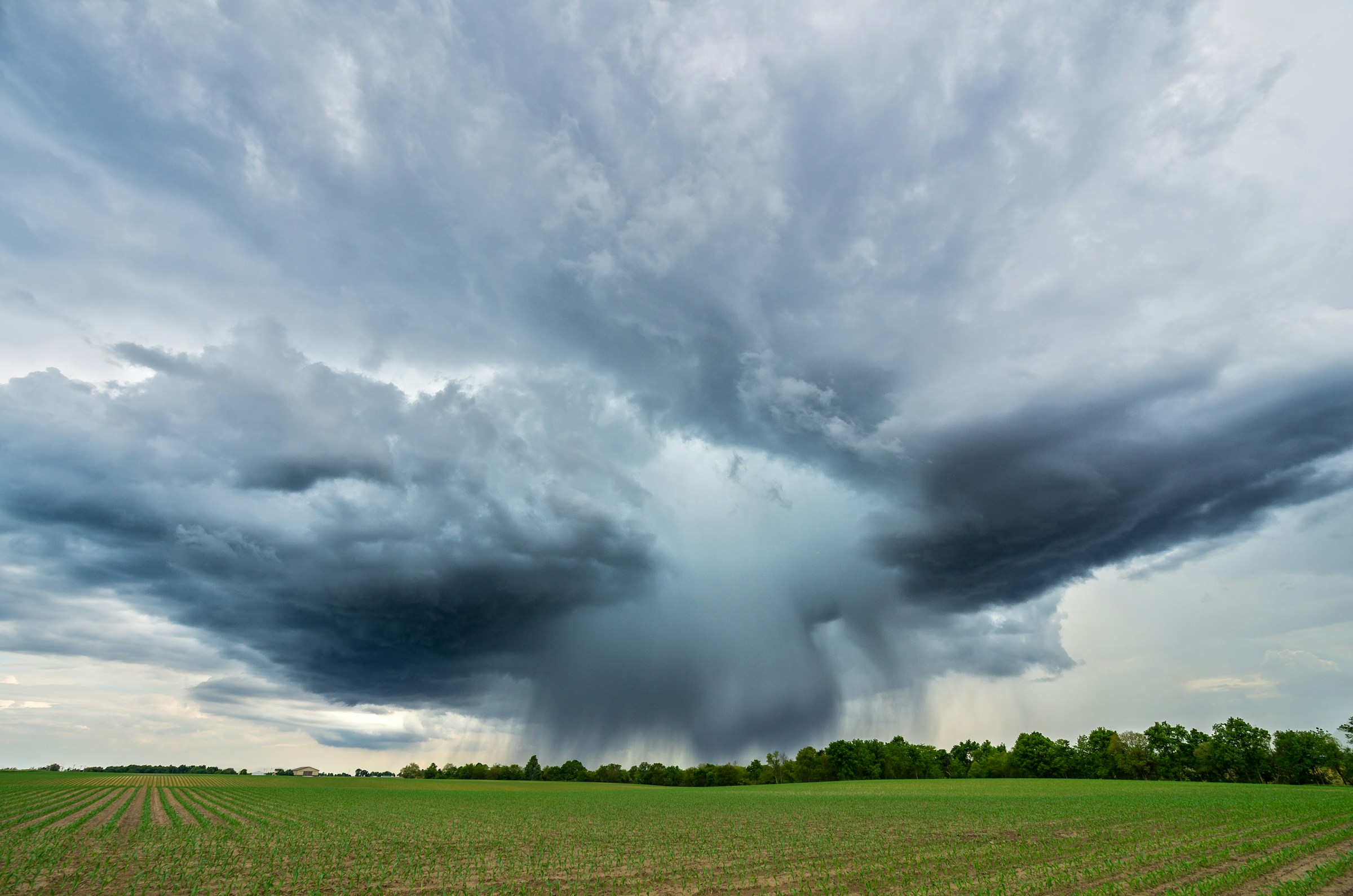

There’s a reason travel insurance claims spike in late summer. August sits at a particularly uncomfortable crossroads: peak hurricane season, maximum air traffic, and frequent convective storms converge all at once, creating conditions that can unravel even the most carefully planned trips. It’s not just bad luck. Meteorologists have a clear, data-driven explanation for why this month consistently produces the worst outcomes for travelers.
The numbers behind August’s disruption record are striking. Flights are fuller, weather systems are more powerful, and the aviation system has almost no buffer when things go wrong. Understanding what’s actually driving these delays can help you make smarter choices, whether you’re booking next week or three months from now.
August Sits at the Statistical Peak of Atlantic Hurricane Season
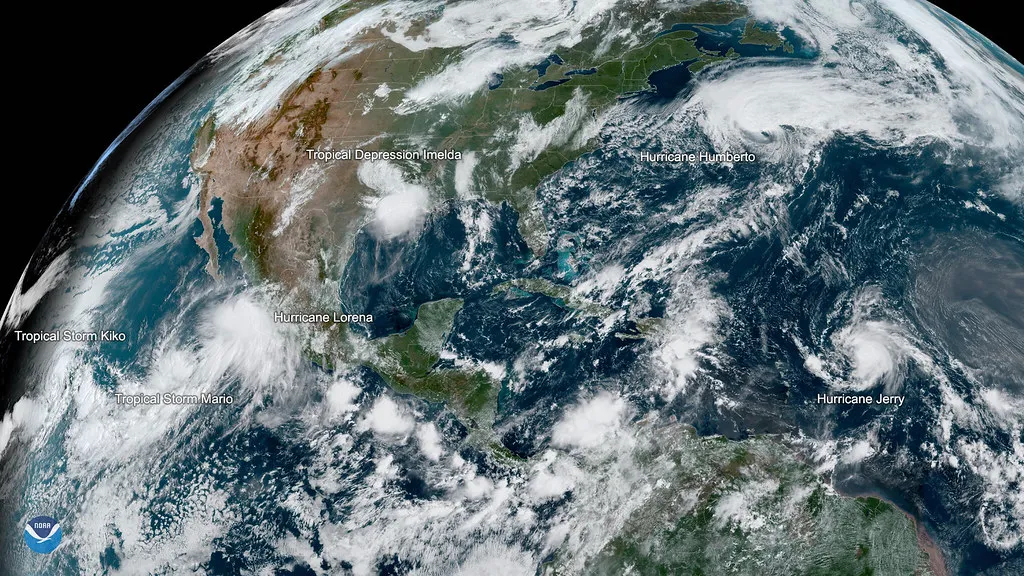
The Atlantic hurricane season officially runs from June 1 through November 30, but the period from mid-August through mid-October is when activity consistently peaks. The 2024 Atlantic hurricane season produced 18 named storms and 11 hurricanes, becoming one of the most active and costly on record, with combined damage reaching roughly $131 billion. That season served as a vivid reminder of what peak months are capable of.
In early August 2024, Hurricane Debby developed in the Gulf of Mexico before striking Florida and South Carolina, grounding flights and closing coastal airports with little warning. These are not rare outliers. They are the expected pattern of what August routinely delivers.
Summer Flight Disruption Rates Reach Their Annual High
Between June and August 2025, nearly three in ten flights were delayed or canceled, the highest seasonal disruption rate of the year. July recorded the single worst month, with roughly one in three flights disrupted, largely tied to air traffic congestion and widespread convective weather.
From June through August, an average of roughly one in four flights across the country were delayed, according to analysis of Bureau of Transportation Statistics data covering 2022 through 2024. That consistent multi-year pattern tells you this is structural, not seasonal noise. Passenger numbers peak during school vacations, airport schedules are stretched to capacity, and severe weather is frequent in some areas, with thunderstorms, hurricanes, and heat-related issues all causing delays.
Weather Accounts for Nearly a Third of All Arrival Delays
According to the U.S. Department of Transportation, roughly 29 percent of all arrival delays from August 2024 through July 2025 were due to weather. That’s a substantial share, and it becomes even more significant when you consider that August concentrates the most volatile weather events into a single month.
That figure translated into over 423,000 weather-delayed arrivals totaling more than 32 million minutes of lost time. For context, Airlines for America estimated delays cost U.S. carriers an average of roughly $100 per flight minute in 2024. The financial and logistical toll is immense, and travelers absorb much of it in the form of missed connections and overnight stays.
Thunderstorms Over Major Hubs Trigger Cascading Disruptions
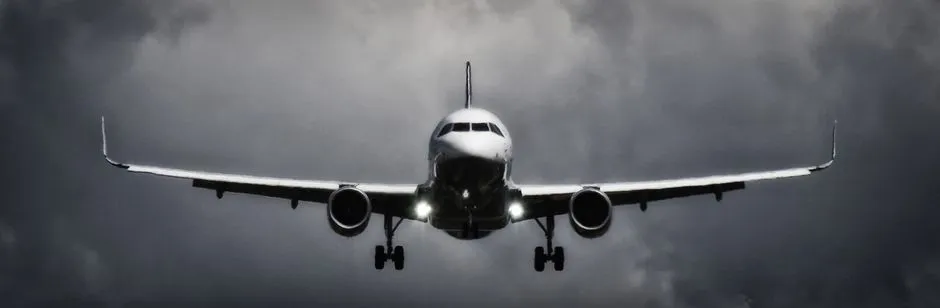
Convective weather and ground stops triggered widespread disruptions across the United States just this month, causing more than 3,800 delays and over 400 cancellations on August 9, 2026 alone. That single day captures exactly what meteorologists mean when they describe August’s compounding risk.
Thunderstorms over the Midwest and East Coast trigger traffic management initiatives that limit runway capacity, forcing aircraft to hold in local airspace or wait on the ground. The key for weather delays is when these storms move slowly. Instead of a 30-to-60-minute delay, flights can be pushed back for more than an hour if a cluster of thunderstorms takes its time. A slow-moving August storm system can cripple a hub airport for an entire afternoon.
Hurricanes Don’t Have to Hit You Directly to Ruin Your Trip
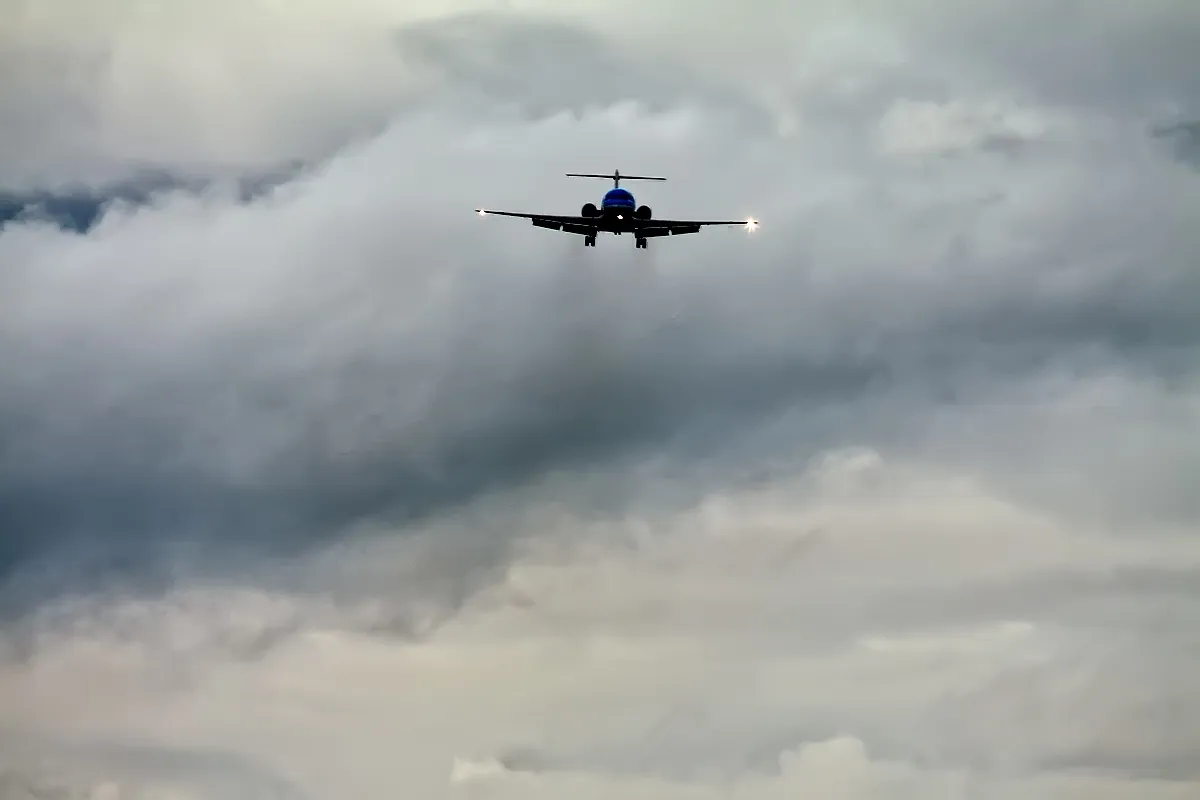
One of the most underappreciated dynamics of August travel risk is the ripple effect. Storms affecting one region routinely displace aircraft and crews far outside the direct impact zone. A major storm hitting during one of the year’s busiest travel periods means airlines operate near capacity with limited flexibility to rebook passengers.
Airline operations are tightly interlinked, meaning canceled flights can leave aircraft and crews out of position, complicating efforts to restore normal schedules. Once aircraft and crews are displaced by weather, recovery can take several days, particularly when storms arrive in quick succession. That recovery window is precisely what August rarely allows, because the next system is often already forming.
Hawaii and Coastal Destinations Face Amplified Risk This Season

Tropical Storm Lala, which strengthened into a hurricane before approaching Hawaii’s Big Island on August 15, 2026, disrupted flights and cruises across the region. It was a timely example of how Pacific storm systems add another dimension to August travel risk, one that often goes overlooked by travelers focused on the Atlantic basin.
A major air travel disruption spread across the United States, with nearly 3,000 flight delays and over 300 cancellations recorded nationwide on that same day. The disruption extended to secondary airports across the country, including Phoenix Sky Harbor, St. Louis Lambert, Austin-Bergstrom, and others, showing how localized weather events create a ripple effect throughout the entire transport network.
High Load Factors Leave the Aviation System With Little Slack
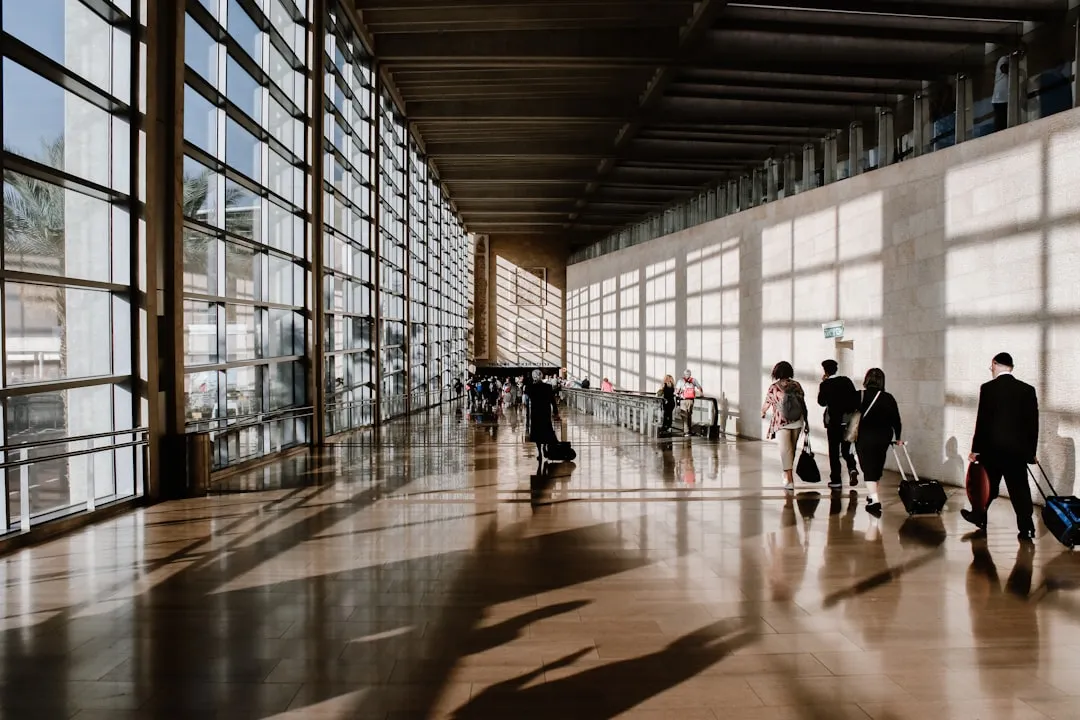
Travel industry analysts note that airlines are operating near capacity during peak months, leaving little slack in fleets and crew schedules when storms cause cascading delays. This is the hidden multiplier that makes August uniquely difficult. A storm in February hits a relatively uncrowded system. A storm in August hits one that is already running at its limits.
Severe storms, technology issues, and chronic staffing strains converged in early August 2026 to delay more than 5,400 flights and cancel hundreds of others, adding to a growing list of high-impact disruption days reinforcing concerns that the U.S. aviation system has little margin for error during peak travel seasons. In 2026, the combination of high load factors, reduced airport margins, and frequent summer thunderstorms encourages rapid operational backlogs.
Certain Airports Carry Far Greater Risk Than Others
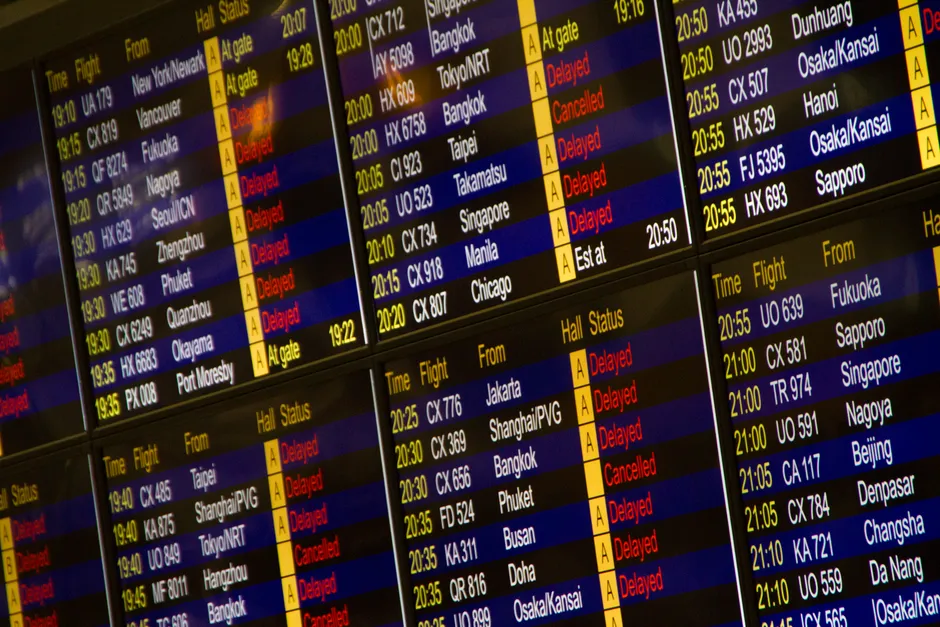
West Virginia, New Jersey, Virginia, Kansas, and Florida have the highest rate of delayed and canceled flights in the entire nation. Florida’s exposure is particularly direct, given its geography at the intersection of Gulf and Atlantic storm tracks during peak hurricane season. Travelers transiting through major Florida hubs during August are statistically the most exposed.
Major airport hubs including Chicago, Nashville, St. Louis, Houston, and Minneapolis face the potential for delays or cancellations whenever large storm systems cross the central or eastern United States. Houston’s proximity to the Gulf makes it especially prone to fog and tropical storms, with meaningful hurricane risk running primarily from June through September.
Insurance Claims Spike Precisely Because Travelers Underestimate August
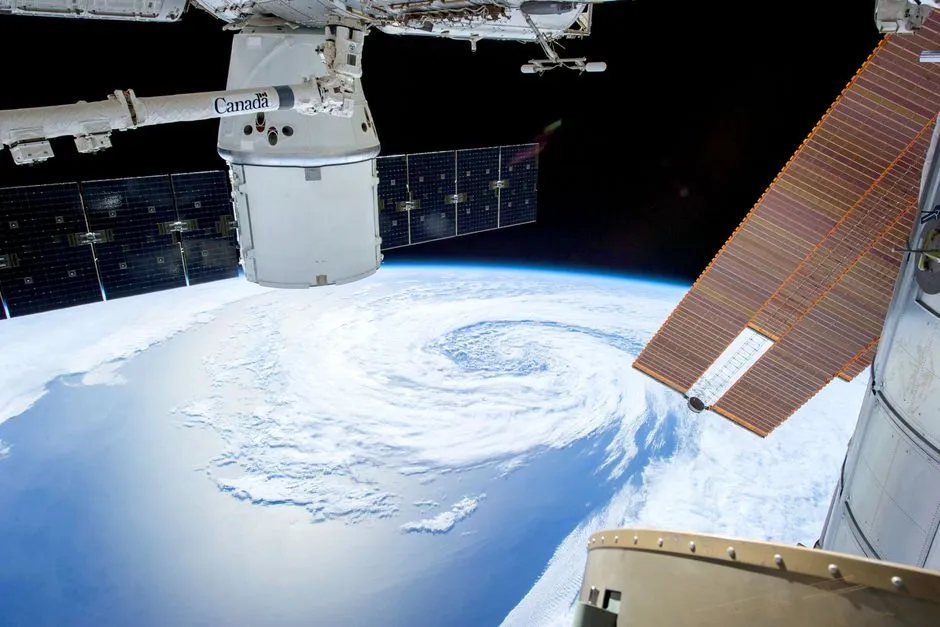
The invisible hazards of hurricane season, including diverted flights, flooded lodging, and coverage loopholes, prompted nearly 3,000 insurance claims related to hurricane disruptions in 2025 alone, according to data from Allianz Partners USA. Many of those travelers were caught without adequate protection because they didn’t expect storms to reach them.
Federal aviation resources stress that weather remains the leading cause of delays and cancellations in the National Airspace System, with summer convection and hurricane-season remnants among the most difficult events to manage. Travel insurance purchased before a storm is named is the clearest practical protection available, and August is exactly when it matters most.
The FAA and Airlines Are Managing, but Limits Are Real
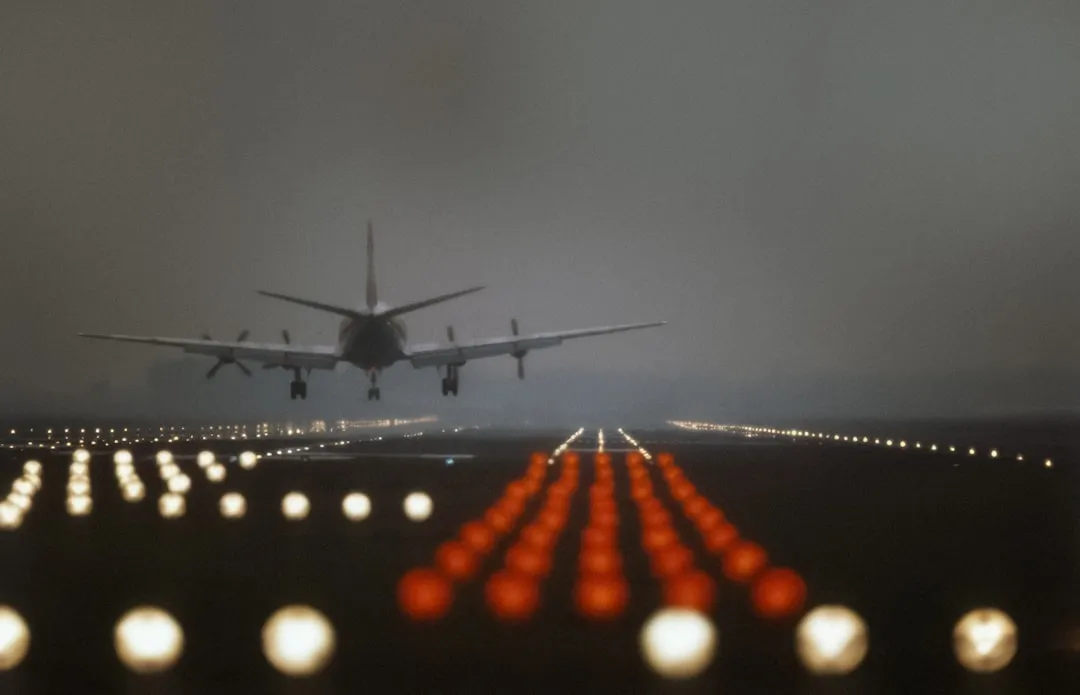
The Federal Aviation Administration’s command center works with airlines and meteorologists to reroute aircraft around storm cells and to meter traffic into saturated airspace, but when storms build directly over key hubs, the system has limited flexibility and disruption becomes inevitable. There is genuine expertise and coordination at work, but the physics of a major hurricane or a sprawling thunderstorm complex can overwhelm even well-managed systems.
Industry analysts suggest that, absent major structural changes, similar disruption patterns are likely to recur. Investments in next-generation air traffic technology, expanded controller training, and more robust airline crew buffers are frequently cited as key elements of a more resilient system, but many of those efforts will take years to bear fruit. For now, August remains the month where the system is most likely to be tested beyond its capacity.
Practical Moves That Can Protect Your August Travel Plans

Passengers are increasingly being advised to book earlier departures, build in longer connection times, and remain prepared for last-minute schedule changes during peak weather months. An early morning departure leaves the day’s convective build-up behind. A direct flight removes one more point of failure from an already strained network.
For travelers, storm-related disruptions can lead to missed connections, unplanned overnight stays, and hundreds of dollars in unexpected out-of-pocket costs. Monitoring flight status closely, checking airline waiver policies before you leave, and keeping accommodation flexible wherever possible are the practical habits that experienced August travelers tend to develop over time. The storms themselves are largely beyond anyone’s control. The preparation is not.
The Takeaway

August doesn’t earn its reputation through coincidence. It’s the convergence of a mature hurricane season, fully loaded airports, and summer convective weather that meteorologists track closely and travelers often overlook until it’s too late. The data from 2024 through 2026 consistently tells the same story: this is the month where weather and travel volume collide most forcefully.
The responsible approach isn’t to avoid traveling in August altogether. It’s to travel with clear eyes about the risks involved, the right insurance in place, and enough flexibility in your plans to absorb what the season might throw at you. A good trip in August is absolutely possible. It just requires a little more honesty about what you’re flying into.
AI Disclaimer: This article was created with the assistance of AI tools and reviewed by a human editor.