
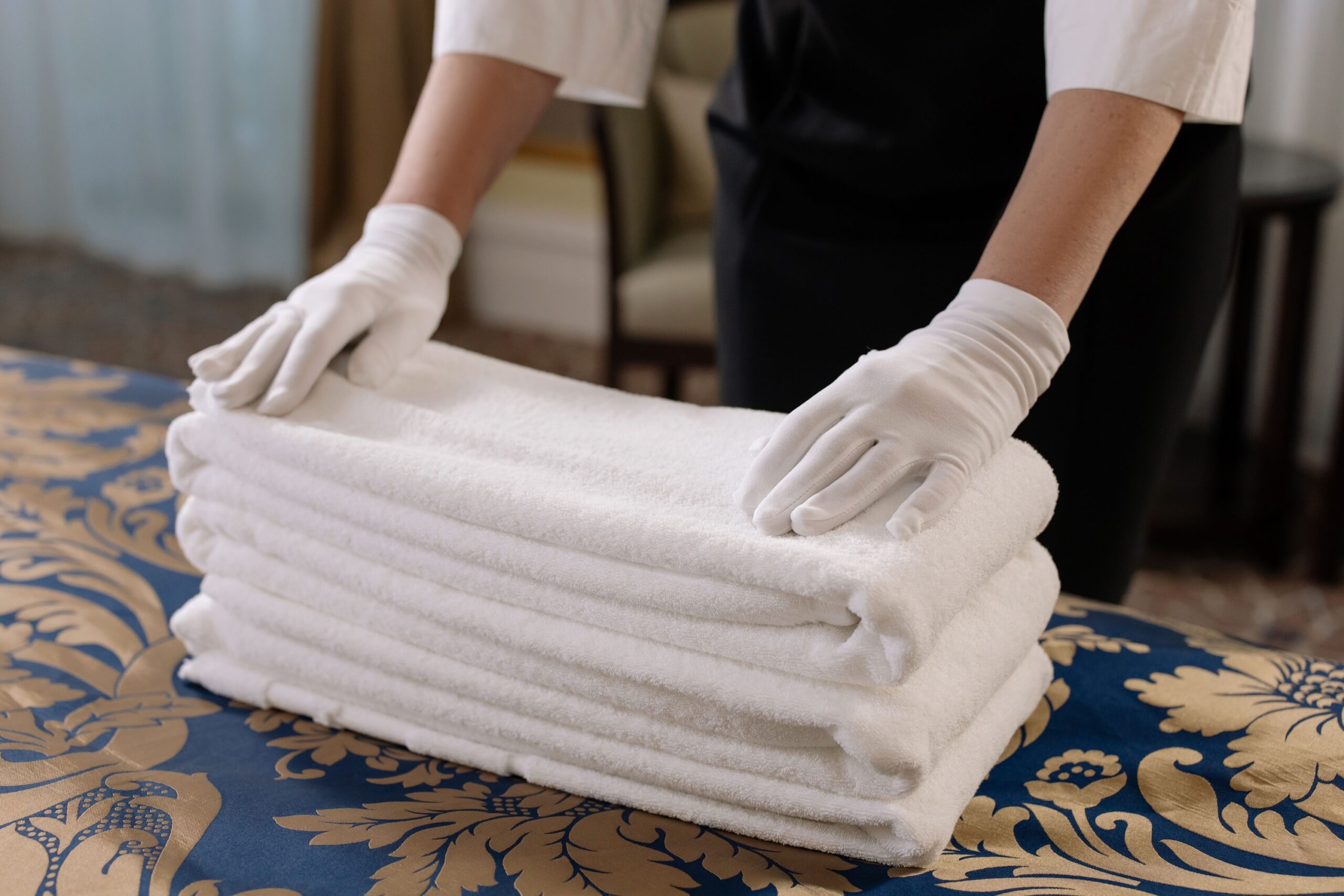
You pack carefully, choose outfits with intention, and bring that one piece you genuinely love. Then you hand it over to hotel laundry. What comes back two hours later can be a completely different story.
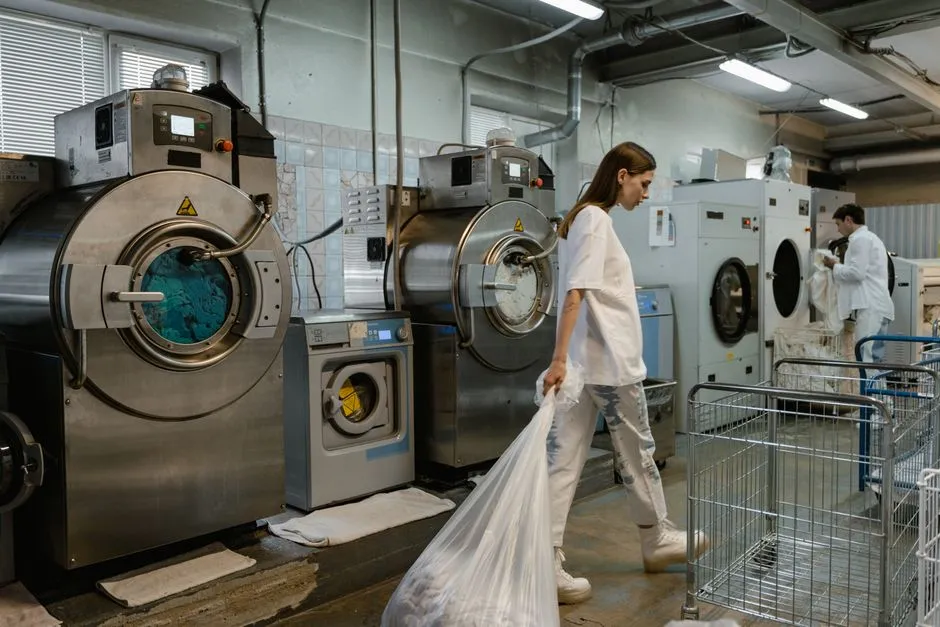
Hotel laundry rooms process enormous volumes daily. Major regional facilities wash approximately 50,000 to 100,000 kilograms of fabric every single day, and guest garments move through the same industrial pipeline as sheets and towels. That setup creates a set of very specific risks that most travelers never consider – until something goes wrong.
Ignoring Care Labels Is the Original Sin
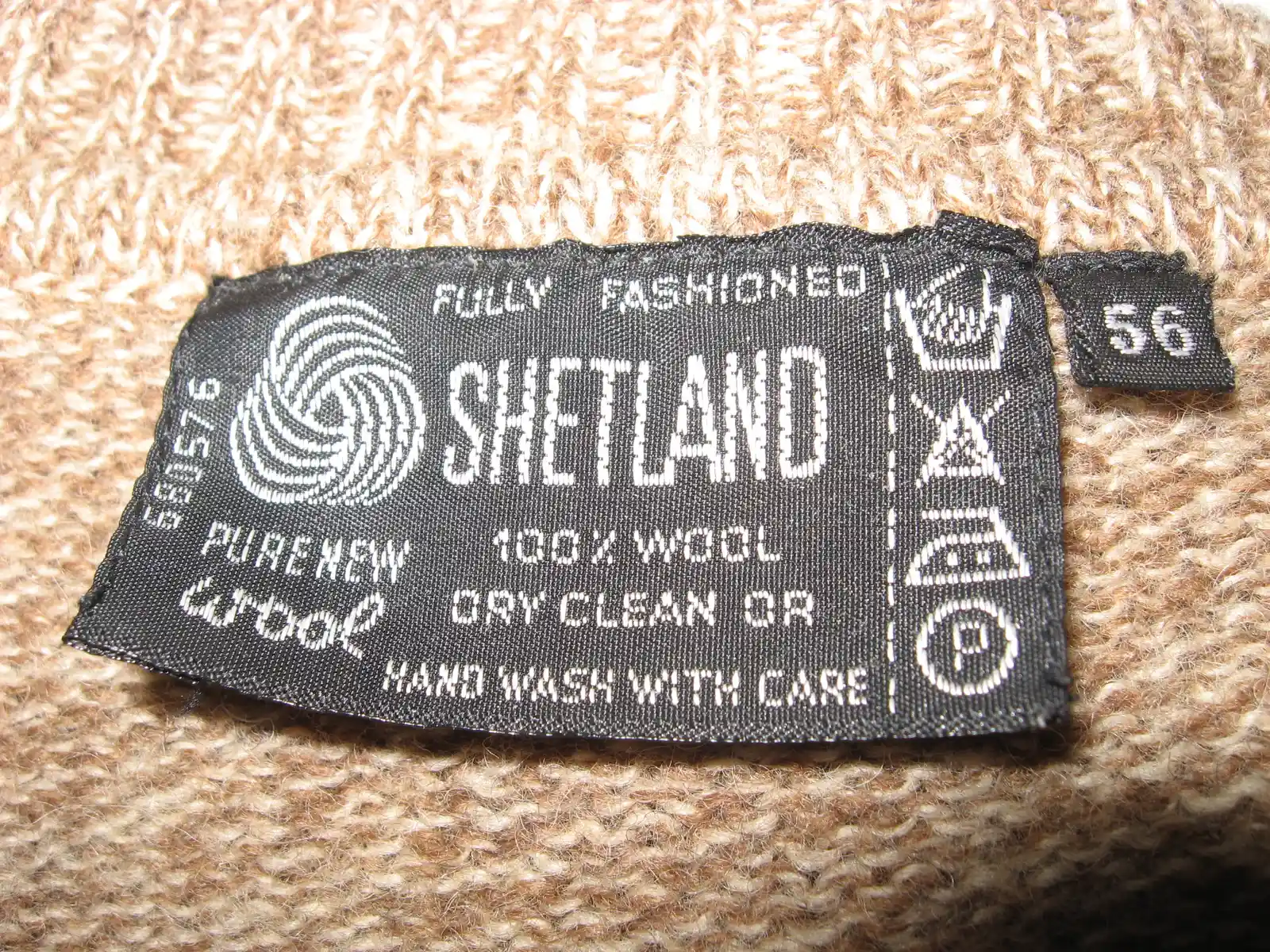
Every fabric has a language. It’s printed right there on the care label, and hotel laundry staff who work in well-run operations know to read it. To avoid fabric damage, fading, or shrinkage, professional hotel laundries always follow care instructions on garment labels. The problem begins when guests submit items without flagging special requirements, or when understaffed operations skip the label check entirely.
New employees, busy days, and different machine cycles can cause changes in temperature, detergent use, and washing time – and in that kind of rush, care labels become an afterthought. A silk blouse tossed into the same cycle as cotton shirts doesn’t stand a chance. That’s where the damage starts, and it’s almost always irreversible.
Excessive Heat Is the Most Damaging Invisible Force
Excessive exposure to heat beyond recommended levels can break down fibers, resulting in loss of strength and pliability, excessive shrinkage, scorching, and other damage to the fabrics, whether visible or not. This is one of the most consistent findings from fabric care research, and it applies equally to guest clothing sent to hotel laundry.
Overusing high temperatures can weaken fibers over time, leading to shrinkage and reduced durability. Industrial dryers run hot by default. Unless a garment is flagged for a gentler setting, it goes through the standard cycle – which is calibrated for towels and sheets, not your favorite merino wool sweater.
The actual defect is likely to be caused by excessive and/or improper exposure to heat during the drying process, yet many guests assume the garment arrived damaged or was poorly made. Hotels sometimes dispute these claims, but the heat damage is often the culprit.
Over-Drying Destroys Fibers Before You Even Notice
Over-drying is the most common mistake, and the damage is cumulative and invisible until the fibers start shedding. This is particularly damaging to cotton, which is the base fabric for the majority of vacation clothing people pack.
Much of cotton’s strength comes from its water content, which normally sits at around eight percent. When that water content is removed, the fiber becomes weaker and more brittle, losing up to twenty percent of its strength. That’s not a minor degradation. That’s why a shirt that felt perfectly soft when you packed it feels rough and thin when you get it back.
Over-drying is the fastest way to ruin clothes. Once the moisture is gone, the heat starts to bake the fibers, making them brittle. This leads to fading, shrinking, and weakening of the fabric all at once. The fix is straightforward: low heat and removing items while still slightly damp. Not every hotel laundry does this reliably.
Mixing Fabric Types in a Single Load
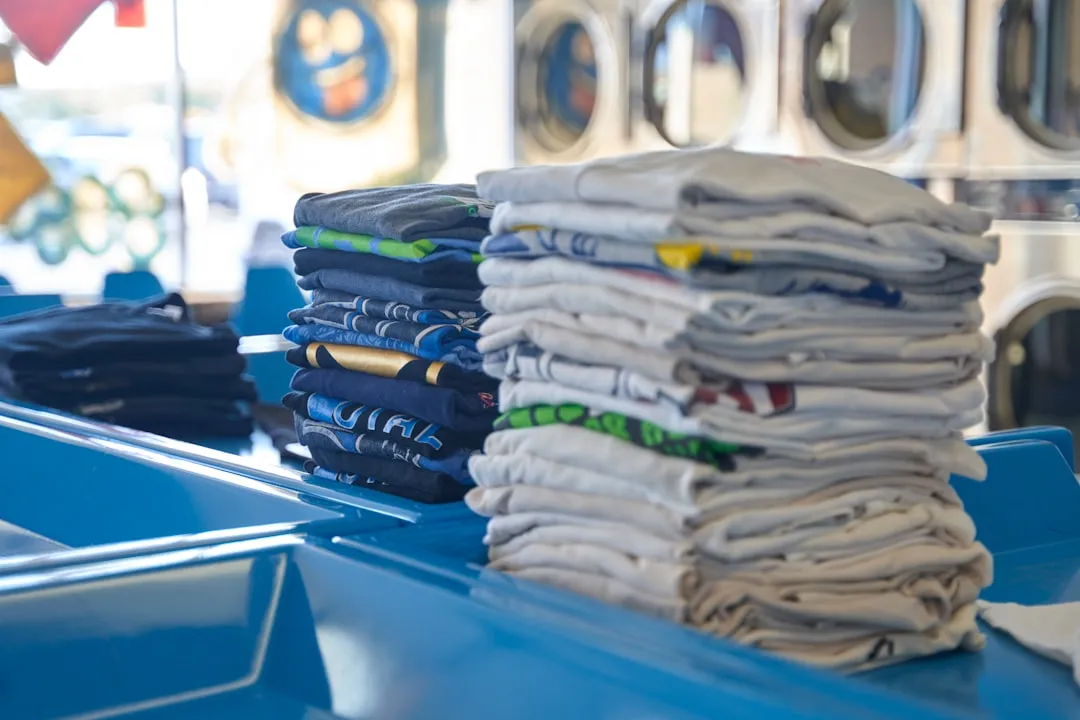
Throwing everything into one load when you’re in a rush can cause bleeding, pilling, and fading when lights, darks, and different fabrics are mixed together. In a hotel laundry environment processing hundreds of items, the temptation to batch similar-looking garments is real, even if the fabrics underneath behave completely differently.
The correct approach is to sort laundry not just by color, but also by fabric type and weight. Mixing heavy items like jeans or towels with lighter fabrics can cause unnecessary wear. A thin linen dress sharing a drum with heavier textiles is going to suffer. This is a structural risk in busy hotel operations, not just a careless one-off.
Chlorine Bleach Used Too Aggressively
Bleach is a major factor in fabric degradation. Chlorine bleach used in excess strips tensile strength from cotton fibers and produces a yellowed, gray-tinged appearance that guests read as dirty rather than worn. It’s counterintuitive: the chemical intended to make things cleaner actually makes them look worse over time.
Using excessive amounts of chlorine in a wash cycle can cause towels and sheets to yellow and weaken, resulting in a greater number of replacements needed. Guest clothes sent through the hotel laundry can fall victim to the same bleach protocols designed for white institutional linen. If your garment is even slightly off-white or colored, the risk is significant.
Too Much Detergent, Not Enough Rinse
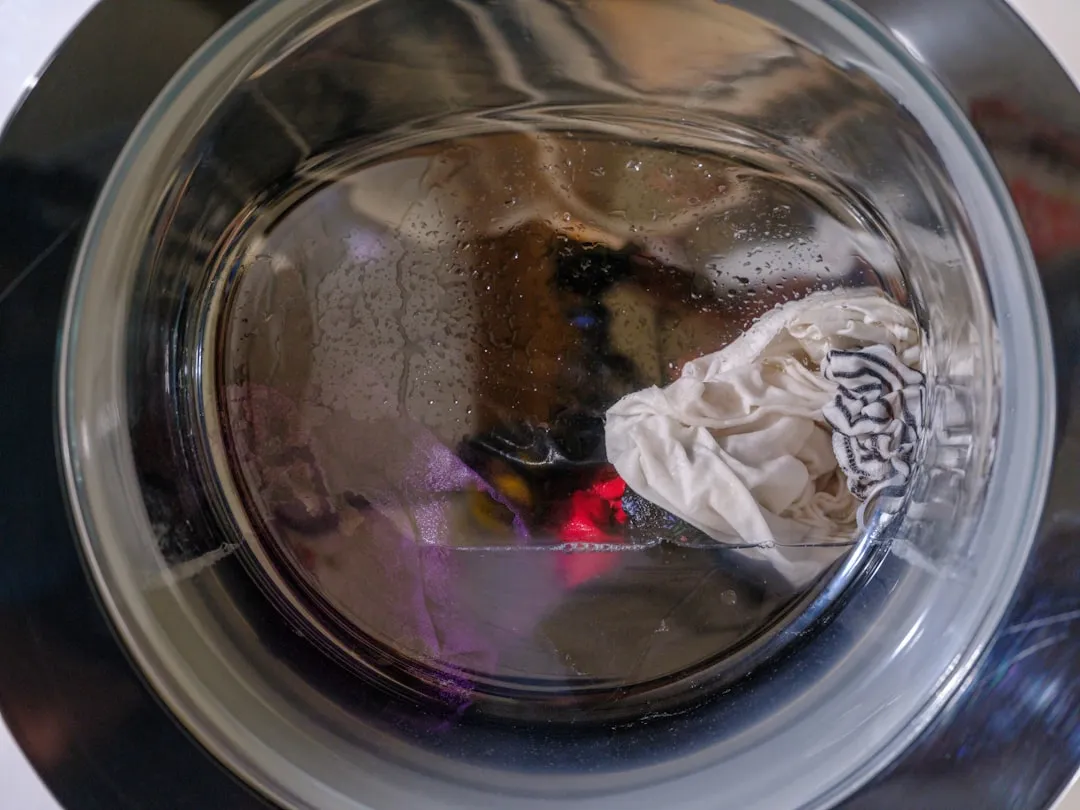
Travelers – and hotel laundry staff under pressure to get things clean – often use too much detergent, thinking more soap means cleaner clothes. In reality, too much detergent can cause buildup, attract dirt, and even irritate your skin. In industrial machines, excess detergent also doesn’t rinse out completely.
Excess detergent residue makes fabrics feel stiff and lifeless instead of soft and clean. This is especially noticeable with natural fabrics like cotton and linen. What comes back feeling board-stiff isn’t clean in any meaningful sense – it’s coated. Professional operations control detergent dosing carefully, but inconsistency still happens during high-volume periods.
Hard Water Quietly Degrades Every Fabric

Water hardness is the variable most hotels never measure. Hard water deposits calcium and magnesium onto cotton fibers, creating stiffness that no amount of fabric softener fixes. Guests staying in regions with naturally hard municipal water are especially at risk.
A very crucial step in protecting fabrics is to maintain the water hardness level below 100 parts per million. Most hotel guests have no idea whether the property even monitors this. The result shows up in garments that feel rough, look dull, and lose their drape far sooner than they should.
Synthetic and Performance Fabrics Are the Most Vulnerable
Modern wardrobes often include athleisure and performance wear, which rely heavily on synthetic fibers like polyester, nylon, and spandex. These fabrics are sensitive to heat and can lose their stretch, shape, or moisture-wicking ability if not washed correctly. A hotel laundry set up for cotton and linen is genuinely not equipped to handle these materials safely by default.
Fabric softeners can coat and clog performance fabrics, and high heat should never be used to dry them – air drying is best, or a low heat tumble setting. Most hotel industrial dryers don’t offer a dedicated low-heat cycle for synthetic athletic wear. When in doubt, these items are almost always better hand-washed in your room.
Overloaded Machines Create Unexpected Mechanical Damage
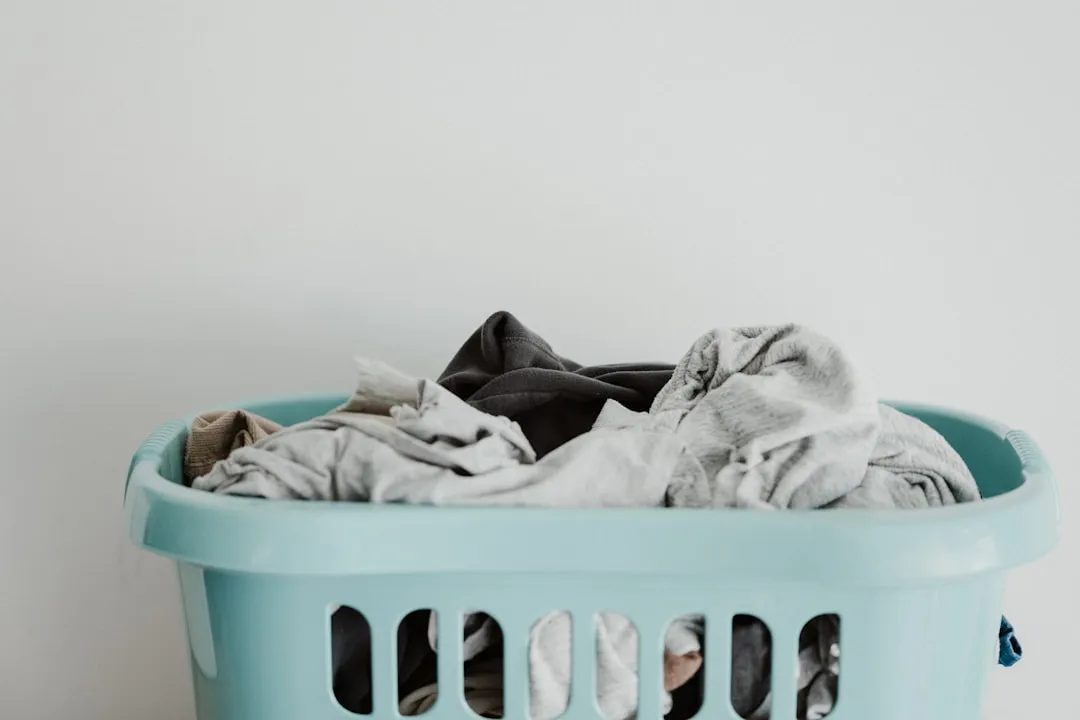
Overloading machines increases friction, causes uneven cleaning, and stresses fabric fibers. In a hotel laundry running at capacity, the incentive to push more into each cycle is strong. It speeds up turnaround time and reduces energy costs, but the clothes inside pay the price.
Washing towels with items that have zippers or hooks increases snagging and tearing, a major cause of preventable towel and garment damage. The same physics applies when delicate garments are washed alongside heavier items: the mechanical agitation isn’t neutral, it’s abrasive. Every laundering cycle exposes fabrics to mechanical motion, hot water, detergents, bleaches, steam finishing, and dryer heat – a constant stress that gradually weakens fibers.
What Guests Can Do Before Handing Over Their Clothes
When laundry is returned, guests should inspect for obvious issues such as new stains, color transfer, shrinkage, or damage like missing buttons. Doing this before leaving the hotel matters, because resolving claims is far easier in person than after checkout. Hotels often have policies for investigating missing or damaged items, which may involve checking storage areas, reviewing logs, and communicating with any outside laundry provider.
Before sending anything out, photograph your items and note special care requirements directly on the laundry form. Items that are genuinely irreplaceable – whether by price or sentiment – are almost always better hand-washed. Keeping a copy or photo of the original laundry form makes resolving any issues simpler and faster, allowing guests to reference specifics rather than relying on memory.
For synthetic activewear, delicate blends, or anything with a “dry clean only” label, the hotel laundry bag is not the right destination. The best outcome is a conversation with the concierge or front desk before anything is submitted – not after something comes back damaged.
The Takeaway
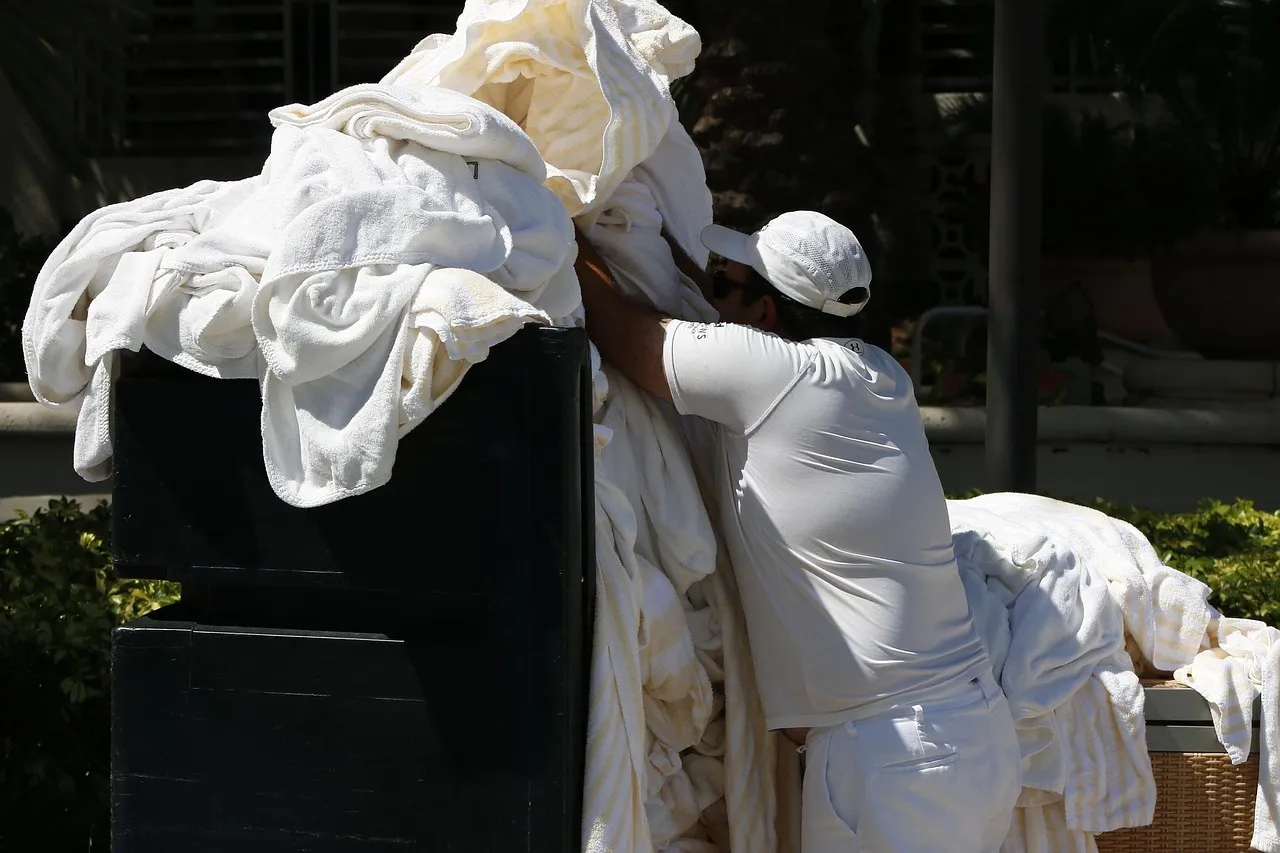
Hotel laundry services are convenient, sometimes essential, and genuinely useful for the right garments. Even small mistakes can affect hygiene, fabric quality, and guest satisfaction. The gap between what travelers assume happens to their clothes and what actually happens inside an industrial laundry room is wide enough to ruin a vacation outfit.
The fabric mistake that causes the most damage isn’t one single error. It’s the combination of high heat, wrong cycle settings, and a lack of communication about what the garment actually needs. Know your fabrics, flag special items clearly, and never assume the default setting is safe. Your clothes on vacation deserve the same attention you gave to packing them.
AI Disclaimer: This article was created with the assistance of AI tools and reviewed by a human editor.