
There’s a reason people return to Kyoto not once, not twice, but across a lifetime of seasons. The city doesn’t repeat itself. It reshapes, recolors, and reframes its ancient spaces with such deliberate grace that a garden you visited in April feels like an entirely different place come November. That transformation isn’t accidental. It’s built into the very philosophy of Japanese garden design, where each plant, stone, and reflection pool is chosen to participate in the rhythm of the year.
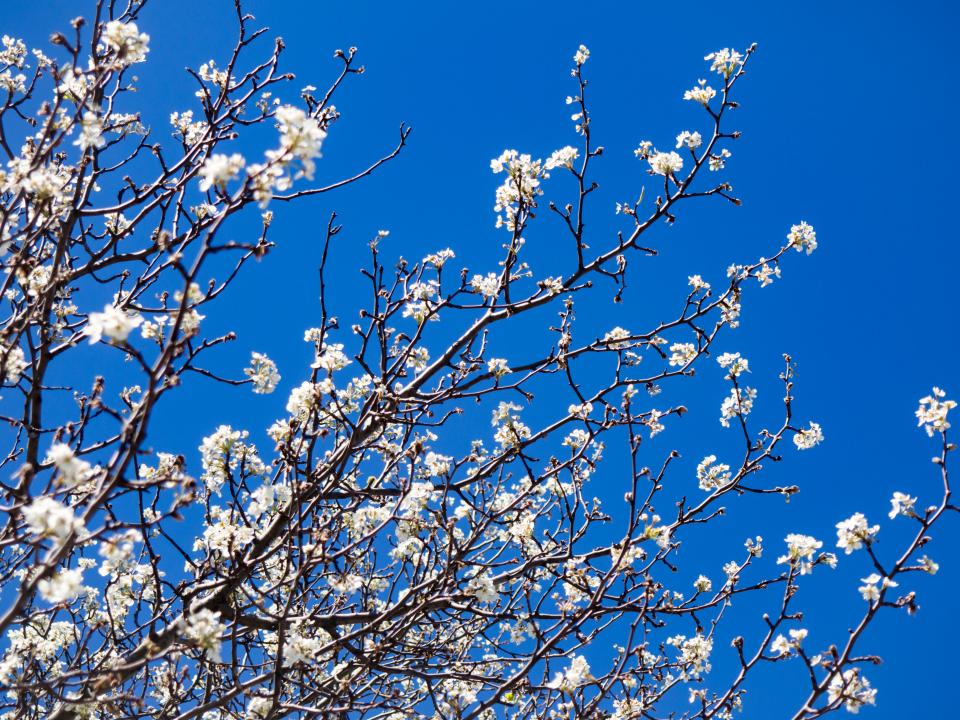
The five gardens profiled here each offer something rare: a visual identity that shifts dramatically with the calendar, yet remains unmistakably itself. Cherry blossoms typically bloom in late March and reach full bloom in early April, and despite the crowds that gather, the scenery at temples, canals, and gardens framed by pink blossoms is genuinely striking. Autumn brings its own logic entirely. The best time to see brilliant gold and crimson leaves in Kyoto is between early November and early December. Understanding these rhythms makes visiting any of these gardens far more intentional and far more rewarding.
1. Ryoanji Temple Garden: The Rock Garden That Changes Without Moving
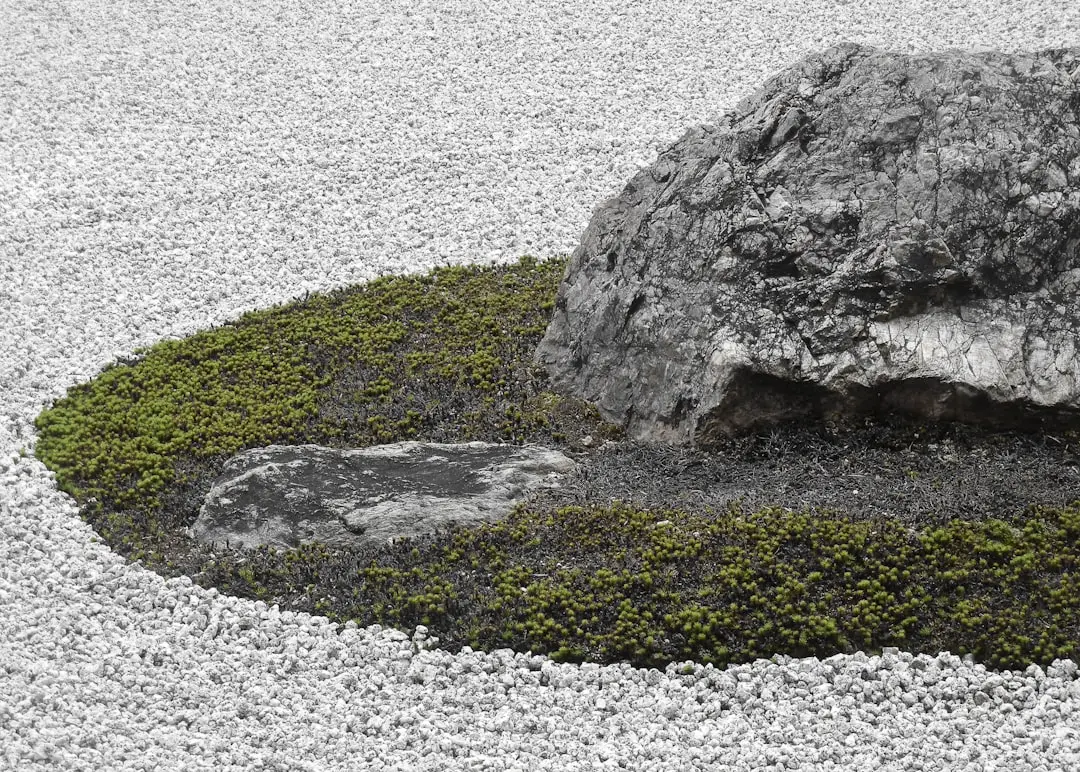
Originally an aristocrat’s villa during the Heian Period, the site was converted into a Zen temple in 1450, and Ryoanji has been drawing contemplative visitors ever since. It is one of Kyoto’s most famous gardens, so celebrated that the name has become synonymous with Japanese rock gardens worldwide, and it holds UNESCO World Heritage Site status.
The garden consists of a rectangular plot of pebbles surrounded by low earthen walls, with 15 rocks laid out in small groups on patches of moss. An interesting feature of the design is that from any vantage point, at least one of the rocks is always hidden from the viewer. That quiet puzzle keeps people coming back.
What most visitors overlook is that the grounds extend well beyond the famous karesansui. The temple grounds include a stroll garden centered around Kyoyochi Pond, which offers beautiful scenery throughout the seasons, including fresh greenery in spring and stunning autumn foliage. Surrounded by lush trees and seasonal flowers, the pond is home to ducks, koi, and herons, and in spring and autumn, the reflections of cherry blossoms and colored leaves make this spot especially scenic.
In 1994, Ryoanji was registered as a World Heritage Site as one of UNESCO’s “Historic Monuments of Ancient Kyoto.” Winter, interestingly, may be the most underappreciated season here. The stark gravel, the bare moss, and the near-silence create a scene that feels almost meditative in a way the crowded spring months rarely allow.
2. Heian Jingu Shin’en Garden: Four Gardens, Four Entirely Different Moods
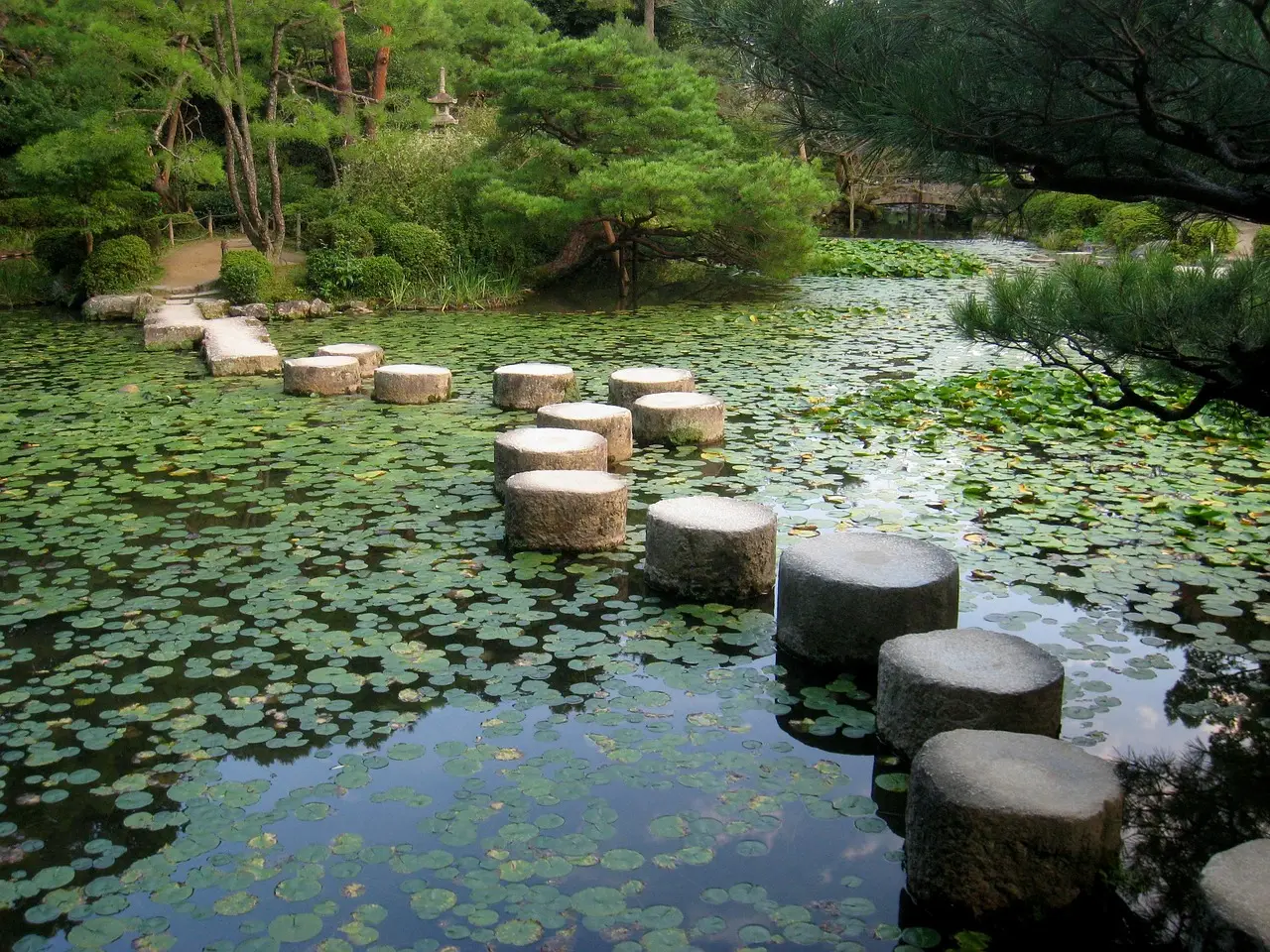
The Shin’en garden at Heian Jingu is a strolling pond garden made up of four gardens: East, Central, West, and South, surrounding the shrine buildings. With a total area of about 33,000 square meters, it is considered a masterpiece by the famed Meiji-era landscape gardener Ogawa Jihei VII.
This modern garden, designated a National Place of Scenic Beauty, offers beautiful scenery throughout the year. Spring here is particularly celebrated. The Shin’en is known as one of Kyoto’s top cherry blossom spots. In particular, the double weeping cherry blossoms reflected in Seiho-ike Pond in the East Garden are a highlight, and in early April each year, the Beni Shidare Concert is held, where visitors can enjoy illuminated cherry blossoms alongside music.
In summer, vibrant fresh greenery spreads across the Shin’en. In early June, the irises at Byakko-ike Pond in the West Garden reach their best viewing season. The tonal shift between the delicate pink of April and the deep, saturated green of June is one of the most compelling seasonal contrasts in all of Kyoto’s gardens.
Heian Jingu Shrine offers excellent paid gardens behind the main shrine courtyard, and is a must-visit during cherry blossom season when the weeping trees provide a brilliant splash of color to the design. However, the summer iris display and the quiet late-autumn afternoons here deserve far more attention than they typically receive.
3. Kyoto Prefectural Botanical Garden: Japan’s Oldest Public Garden Across All Four Seasons
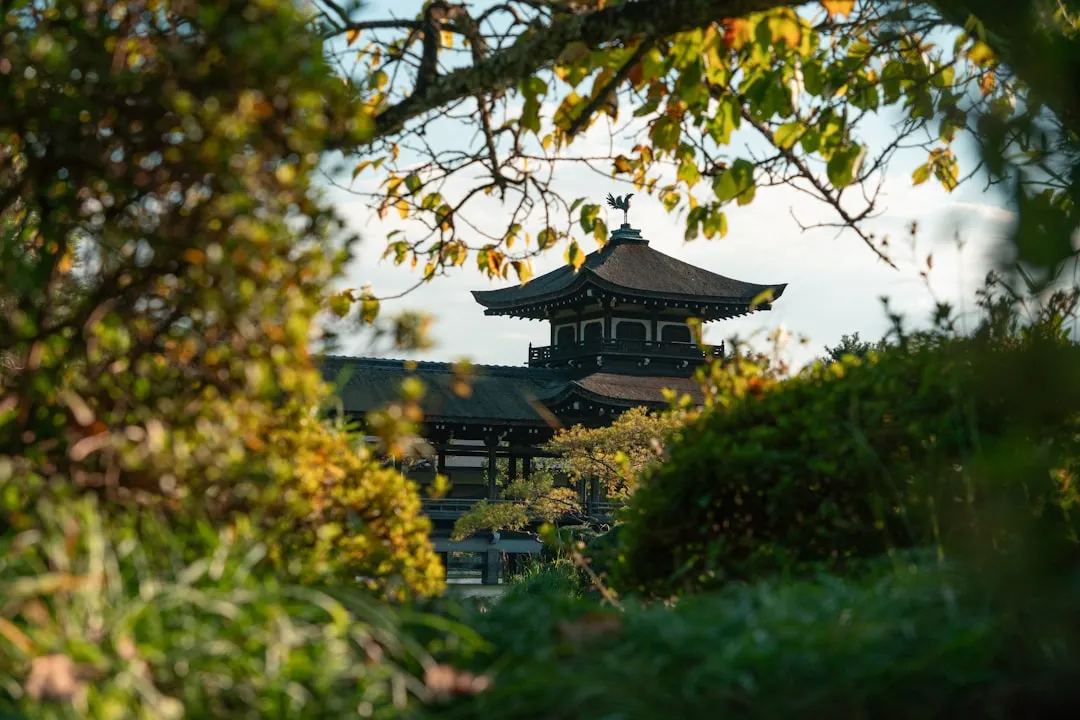
The Kyoto Botanical Garden is the oldest public botanical garden in Japan, marking its 100th anniversary in 2024, having opened in 1924. A century of growth shows in every corner of these grounds. The gardens span over 60 acres, giving visitors room to genuinely wander without the sense of being herded from one famous view to the next.
In late May, the garden bursts with countless varieties and colors of roses, creating a breathtaking display. Spring, meanwhile, draws visitors for its cherry blossoms, and the surrounding landscape transforms the entire experience into something almost overwhelmingly pink. The botanical gardens take you to another world full of beauty, charm, and bliss during cherry blossom season.
To mark ongoing celebrations, a project called LIGHT CYCLES KYOTO runs through 2026, described as an immersive experience that allows visitors to use all five senses to enjoy the new allure of plants interwoven with light and sound. Winter evenings, usually overlooked in garden travel, have genuinely become a season of their own here.
4. Ryoanji’s Kyoyochi Pond Garden vs. Its Famous Rock Garden: Two Seasons in One Visit
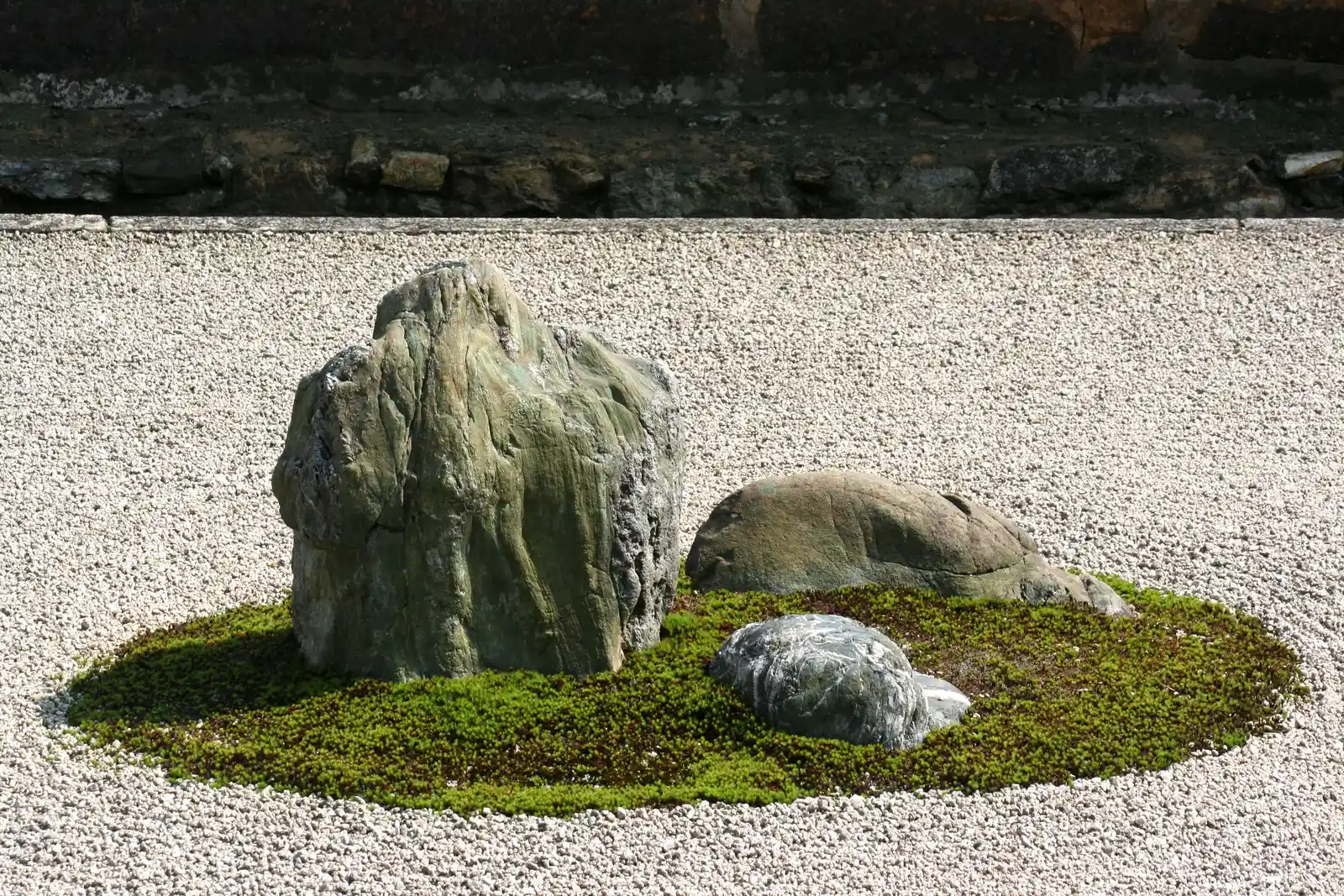
Many visitors spend the entirety of their Ryoanji visit seated in front of the rock garden, which is understandable. The highlight is its karesansui, or dry landscape rock garden, which consists of 15 stones carefully arranged on white gravel, but no matter where you stand, you can only see 14. That single detail has occupied philosophers, architects, and curious travelers for generations.
Beyond the rock garden, Ryoanji also features a beautiful Chisen stroll garden located in the southern part of the temple grounds, designed around Kyoyochi Pond and including hills and tea houses, preserving the garden style of the Heian period. In spring, the garden is filled with fresh green leaves, while in autumn, the vibrant red and orange leaves create a picturesque landscape. Walking through the garden allows you to immerse yourself in the changing beauty of the seasons.
The cherry blossoms and autumn leaves are beautiful here, but the winter scenery is equally remarkable. The snow-covered garden carries a different atmosphere than usual, and visitors can fully immerse themselves in the world of Zen. Allowing time for both the rock garden and the pond walk during a single visit rewards travelers with what amounts to two distinct seasonal moods in one afternoon.
5. Okochi Sanso Villa Garden: A Hillside Garden Designed by an Artist With Seasons in Mind
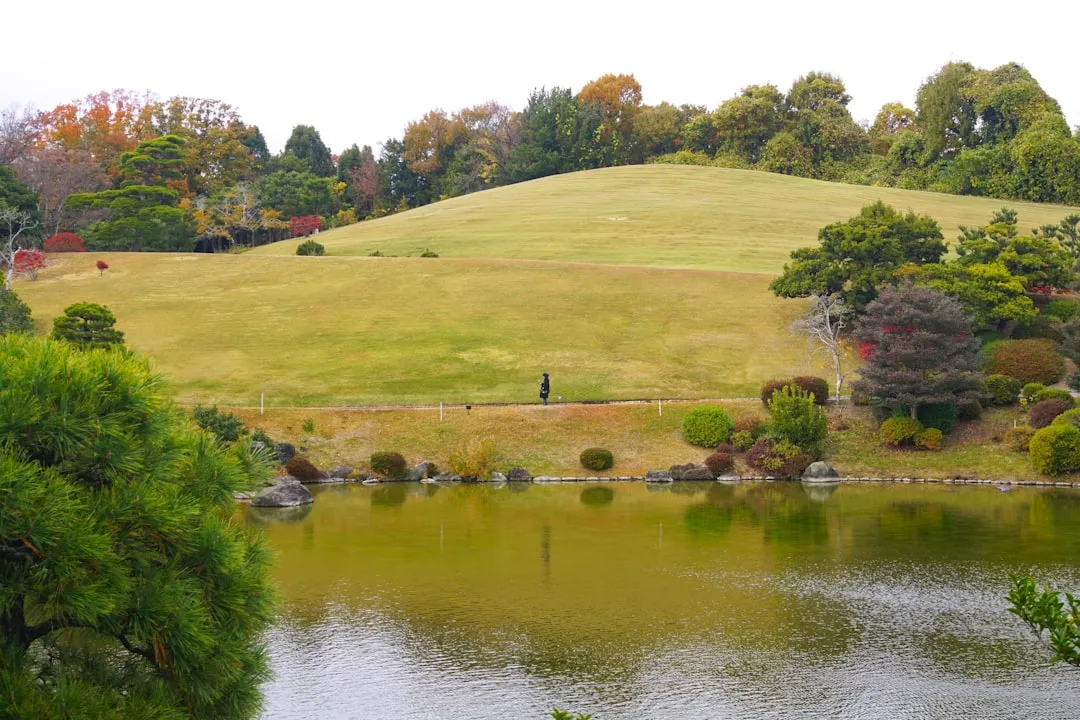
Okochi Sanso Villa is the former residence of Denjiro Okochi, a famous Japanese samurai actor who spent 30 years meticulously designing and constructing this villa and its gardens on the south side of Mount Ogura. His beautiful gardens evoke Kyoto’s four seasons and feature sublime design. The fact that one individual shaped this landscape over three full decades is visible in its coherence.
The grounds make for a lovely stroll and a great opportunity to escape Arashiyama’s crowds. Additionally, if you’re unable to score reservations to Kyoto’s famed villas such as Katsura Imperial Villa and Shugakuin Imperial Villa, Okochi Sanso might be your only alternative. That context matters. This is a garden that carries the cultural weight of those elite imperial spaces at a fraction of the logistical complexity.
The hillside position rewards visitors with elevated views that shift character with the seasons. In spring, pale cherry blossoms frame the Arashiyama rooftops below. In autumn, the garden’s maples ignite in shades that feel almost too deliberate to be natural. Winter strips things back to branch and moss, and that spare beauty is something the design clearly anticipates.
Why the Japanese Garden Tradition Makes Seasonal Change Its Central Purpose
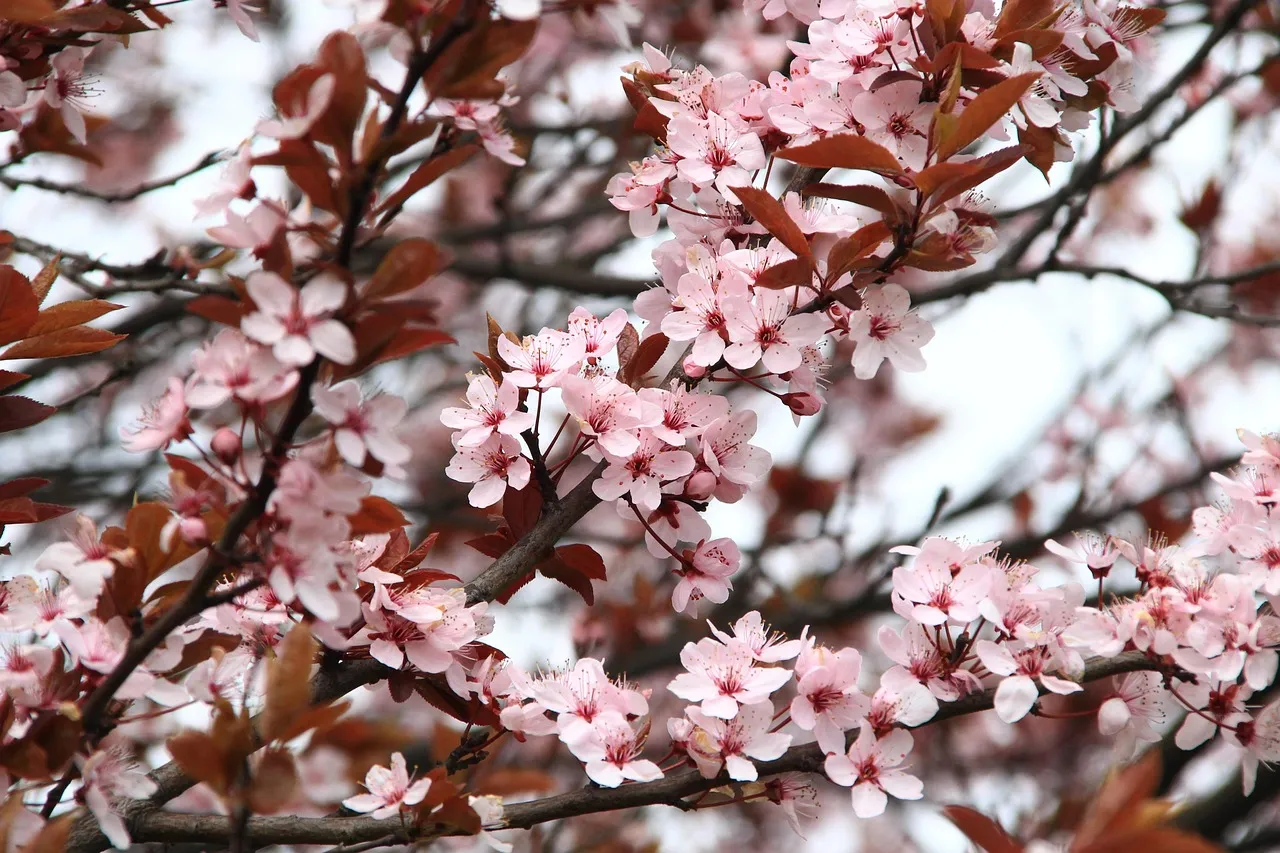
There’s a concept worth understanding before visiting any Kyoto garden: the deliberate Japanese aesthetic of embracing transience. Cherry blossoms are fairly transient, with about a week from budding to full bloom, and after a week of full bloom, they scatter onto streets and gardens to form sakura carpets, or onto ponds and rivers to become Hana Ikada, meaning a raft of flowers. The brevity is the point.
Japanese gardens are renowned the world over for their beauty, intricacy, and depth of meaning. That depth comes partly from the way they are designed not to look complete in any single moment, but to shift and unfold across time. The Muromachi period, when Ryoanji was built, was a time when Zen culture, which abandoned all attachments to the world, prospered, and its influence is strongly manifested in garden design.
Each season in Kyoto offers its own unique illumination aesthetic. Winter’s crisp, festive displays contrast beautifully with autumn’s natural drama of illuminated crimson and gold foliage reflected in temple ponds. Gardens here were never meant to be passive backdrops. They are calendars made of living material.
Planning Your Visit: What Each Season Actually Offers
Cherry blossoms usually bloom in late March and reach full bloom in early April. This is when Kyoto sees its highest visitor numbers, so booking accommodation and popular tours early is essential. If spring crowds concern you, arriving in early March offers a quieter Kyoto with the added anticipation of bloom still building.
Summer is an underrated season for garden visits. Vibrant fresh greenery spreads across Kyoto’s gardens in summer, and early June brings the irises at Byakko-ike Pond in the West Garden of Heian Jingu to their best viewing season. The humidity adds a quality to the air that makes the moss and ferns almost luminescent.
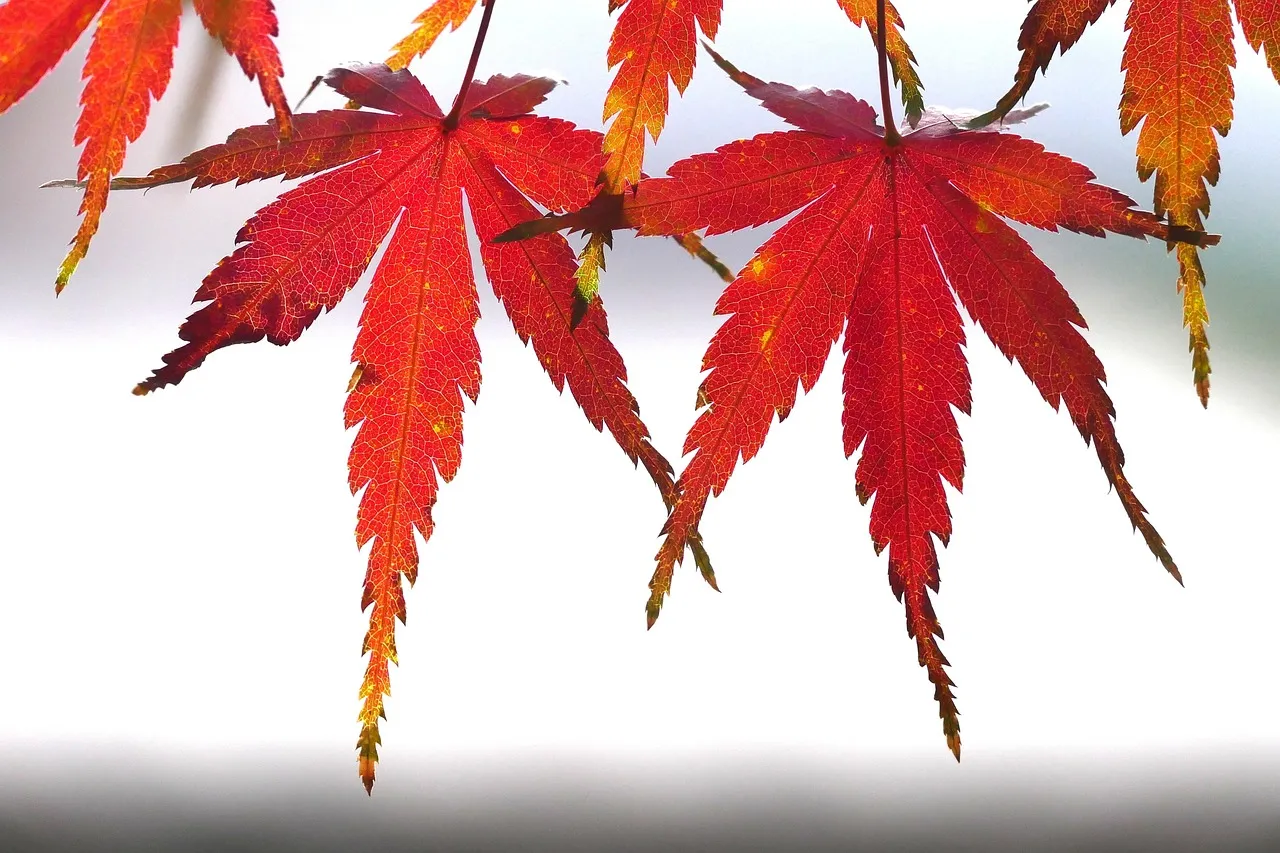
In late autumn, during the fall foliage season, Kyoto’s temples and shrines hold light-up events and festivals, creating a spectacular sight. The best time to see brilliant gold and crimson leaves is between early November and early December. Temples like Kiyomizu-dera, Eikando, and Tofukuji transform into enchanted wonderlands when their maple-filled gardens are bathed in carefully designed lighting.
The Seasonal Garden as a Form of Cultural Respect
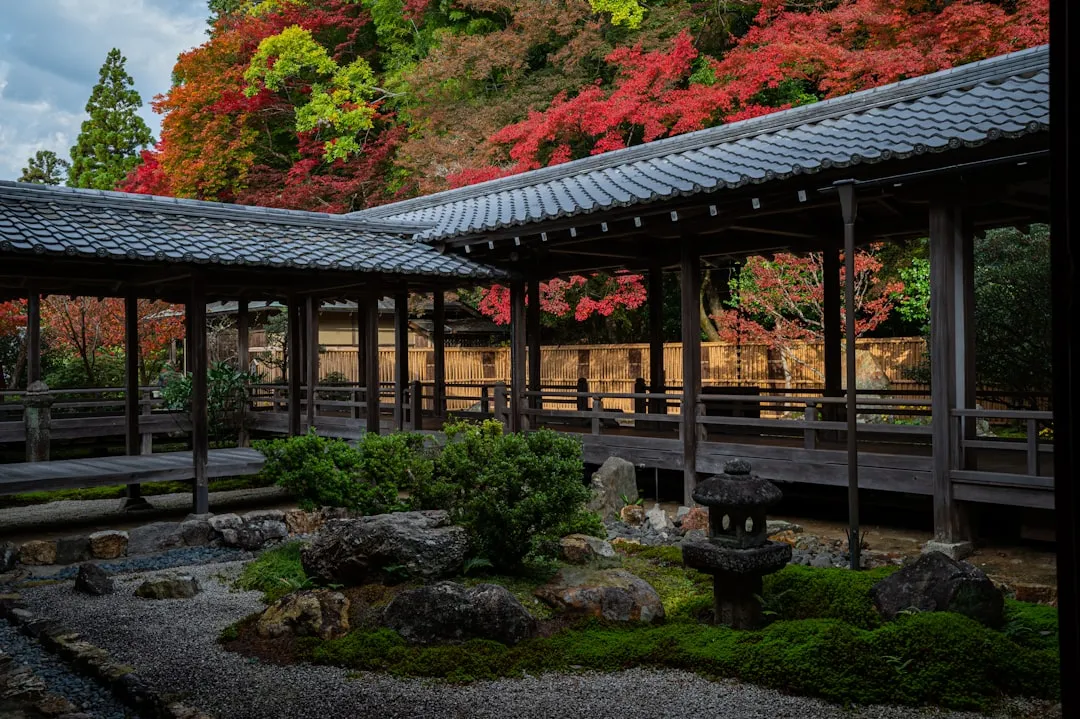
Visiting a Kyoto garden is not simply an act of sightseeing. It’s entering a living system that local communities have maintained, adapted, and protected across centuries. Many parks don’t have trash bins, so visitors are expected to take their waste back with them. Since popular spots can get crowded, avoiding blocking pathways and being considerate of fellow visitors matters.
Many temples and tea houses in Higashiyama host spring tea gatherings, and sipping matcha in a garden surrounded by blossoms is a genuinely serene seasonal experience. Participating in these rituals, rather than simply photographing them, deepens what a garden visit actually means. The gesture of pausing over a bowl of tea in a space that was designed for exactly that moment is not a tourist activity. It’s the garden working as intended.
Responsible visits also mean going in with calibrated expectations. Some gardens are crowded in peak season for a reason, and that popularity reflects genuine cultural value. Patience and timing, arriving early in the morning or on weekdays, generally make the experience quieter and more personal.
The Quiet Logic of Returning
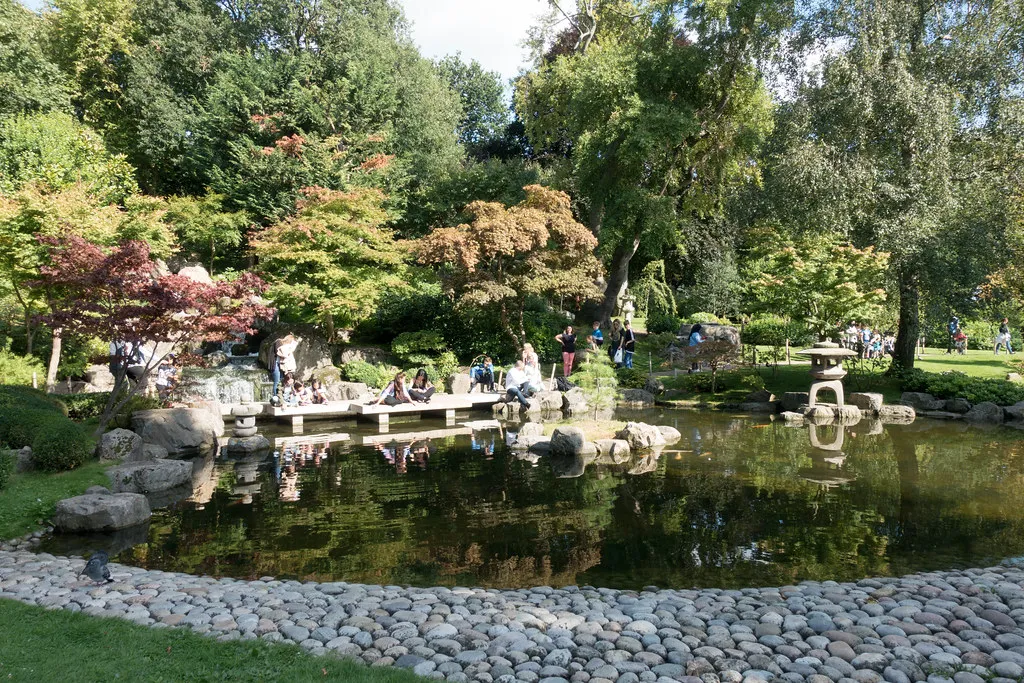
One visit to any of these gardens is memorable. Two or three visits, across different seasons, starts to feel like something else entirely: a relationship. The garden doesn’t change to impress you. It changes because that is what it does, and being there to witness it is simply good timing on your part. Kyoto’s cherry blossoms are a fleeting gift, appearing for just a short time each spring, and whether you seek the solitude of a mountain retreat or the charm of a traditional garden, there is a hanami spot waiting for you.
The same logic extends to every season. A moss garden in winter snow, a pond reflecting the first autumn maple, a dry rock garden in the haze of summer light. These are not lesser versions of the postcard image. They are different images entirely, and arguably more honest ones.
The Takeaway
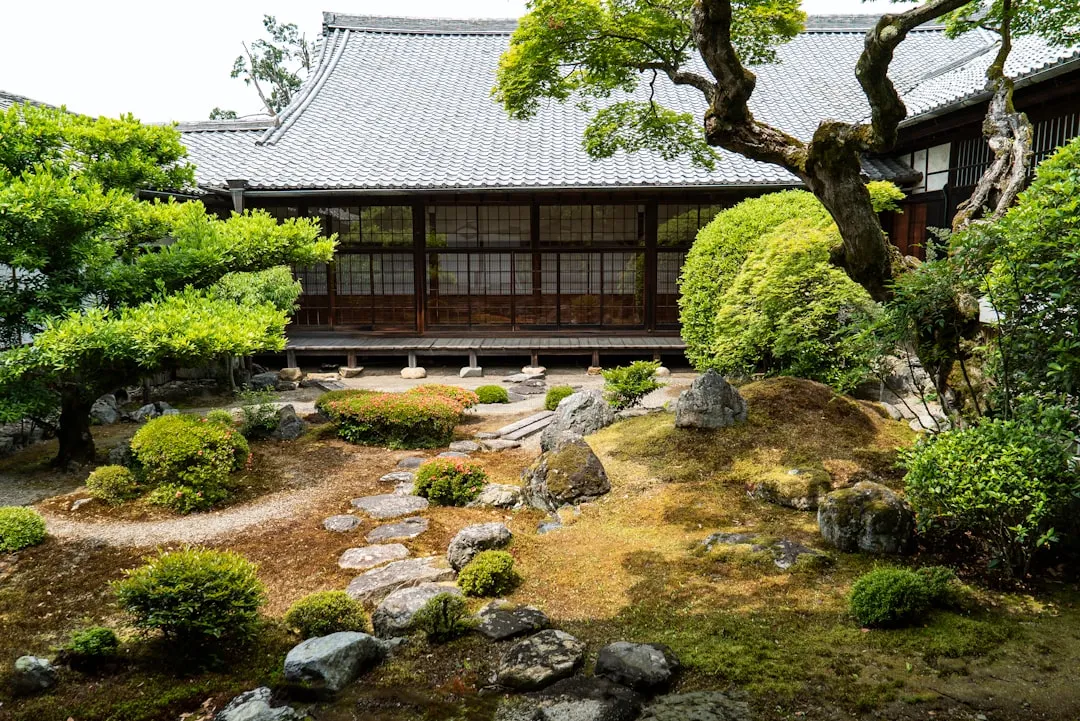
Kyoto’s greatest gardens were not designed for a single viewing. They were designed for time. The moss, the gravel, the carefully placed stone, the seasonal flowers chosen to bloom in sequence rather than simultaneously: all of it reflects a philosophy that rewards patience and revisitation. Seasonal events and experiences at these botanical spaces are built around the appreciation of changing seasons, and that intention runs through every garden profiled here.
If you can visit only once, come knowing what the season offers rather than what you wish it would offer. The strolling garden at Ryoanji, for example, lets you enjoy various scenery depending on the season, from cherry blossoms to autumn leaves, making the two distinct garden styles within the same temple its major attraction. That layered experience is available everywhere in Kyoto, for those who look for it.
The gardens here will outlast trends, travel lists, and even the visitors who love them most. That permanence, set against the brief perfection of each flowering or foliage season, is precisely what makes them worth returning to.
AI Disclaimer: This article was created with the assistance of AI tools and reviewed by a human editor.