

Why September 10th Is the Date Every Beach Traveler Should Know

The official Atlantic hurricane season runs from June 1 through November 30, and according to NOAA, the statistical peak of that season falls precisely on September 10, with most activity concentrated between mid-August and mid-October. That single date carries more weight than the entire six-month season label. Knowing it helps you build a trip around reality rather than fear.
September 10 is considered the climatological peak because it is the day you are statistically most likely to have a tropical storm active in the Atlantic basin. Research from Colorado State University found that roughly three quarters of Atlantic seasons since 1966 have had at least one named storm on that specific date. For beach travelers, this is not a reason to avoid the coast entirely. It is a reason to plan with precision.
The Real Cost of the 2024 Season That Shaped How Travelers Think Now

The 2024 Atlantic hurricane season proved to be one of the most destructive on record, producing 11 hurricanes and ranking as the third-costliest tropical cyclone season in history, with total damage reaching around $131 billion and 442 fatalities across all storms combined. That season understandably shifted how many travelers perceived coastal risk.
Hurricane Helene alone made landfall as a Category 4 storm on the Florida Gulf Coast on September 26, causing catastrophic flooding across the southern Appalachians and proving to be the deadliest hurricane to strike the continental United States since Katrina in 2005, with more than 150 direct fatalities. Events like these are exactly why understanding the actual storm window, rather than avoiding the coast year-round, matters so much.
What the Storm Window Actually Looks Like in Numbers
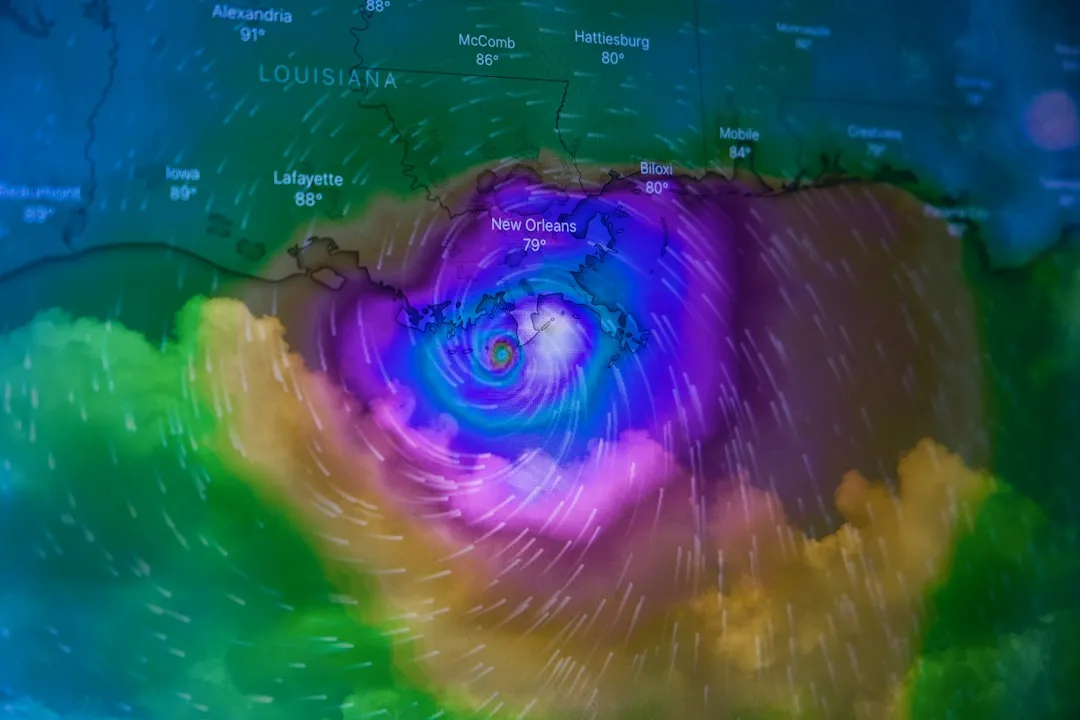
The Atlantic season runs June 1 through November 30 and peaks on September 10. On average, an Atlantic season produces its sixth named storm by August 29 and its eleventh by early October, meaning roughly five of the year’s approximately fourteen named storms occur in September alone, along with about three of its seven hurricanes.
According to NOAA and Colorado State University, the average Atlantic hurricane season between 1991 and 2020 contained about 14 named storms, 7 hurricanes, and 3 major hurricanes of Category 3 strength or higher. When you map that activity against a calendar, the concentration between mid-August and mid-October becomes the period that genuinely warrants thoughtful planning.
The Caribbean Sweet Spot Before the Storm Window Opens

For Caribbean destinations including the Bahamas, Jamaica, and Cancún, late April through mid-June represents the prime window before storms become a real concern. Rain is minimal during these weeks, ocean temperatures are warm, and the Atlantic hurricane season has not yet reached its threatening phase. August and September are when storms hit hardest.
The practical implication here is real. Travelers willing to plan a Caribbean trip in May or early June often find uncrowded beaches, cooperative weather, and rates that reflect the low-season calendar rather than the peak-season demand. It is genuinely one of the most underused windows in coastal travel.
The Mediterranean Shoulder Season and Why It Works

For Mediterranean coastlines across Greece, Italy, and Spain, late May through mid-June and again from mid-September through early October represent the most balanced windows. July and August tend to be sweltering and overcrowded, while early June still offers sea temperatures above 75°F with far more breathing room at seaside restaurants and beaches.
The September-to-October Mediterranean window deserves special mention. The summer crowds have left, water temperatures remain genuinely comfortable from months of sun exposure, and accommodation costs typically ease. Storm risk in the Mediterranean follows a different pattern than the Atlantic, making autumn a legitimate travel window rather than a compromise.
Florida and the Gulf Coast: October’s Hidden Gift

For Florida and the Gulf Coast, March through May and October tend to be the most reliable windows. July and August bring afternoon thunderstorms and high humidity, while October often delivers the clearest water of the entire year. That October calm is no accident. By mid-October, the most statistically active portion of hurricane season has largely passed, and the coastline settles into a quieter rhythm.
From September through November along the Southeast coast, the summer pace quiets considerably while warm days remain, particularly in early fall. September temperatures along areas like the Carolina coast often still reach the low 80s, with October and November cooling into the pleasant 70s and 60s, ideal for outdoor activities without the summer humidity. Savvy travelers who book October trips along the Gulf Coast often get the best of both worlds: genuine warmth and dramatically lower rates.
How to Read Local Risk Versus Basin-Wide Statistics
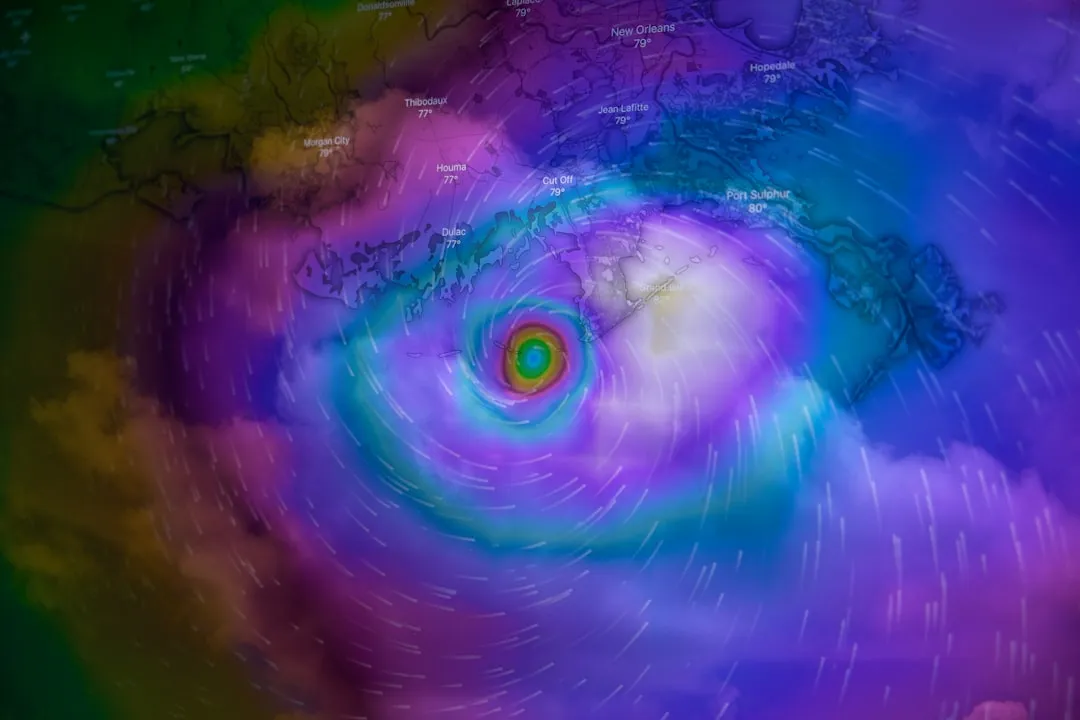
The statistical peak of Atlantic hurricane season falls on September 10, but it is important to understand that this describes activity across the entire Atlantic basin. The odds that a storm lands on any specific four-day stretch at a given coastal city are in the low single digits.
NOAA’s HURDAT2 database tracks every Atlantic storm’s position and intensity going back to 1851. Looking at 125 Septembers from 1900 through 2024, a storm of tropical-storm strength or higher passed within 75 miles of Charleston, South Carolina, approximately 21 times, roughly one September in six. That is genuinely useful context. Basin-wide risk and local risk are very different numbers, and treating them as identical leads to unnecessary avoidance.
The Pacific and Asia-Pacific Storm Windows Travelers Often Overlook

For Australia and Southeast Asia, the May through October window represents the dry season and the most reliable beach travel period. December through February brings cyclone and monsoon activity, making those months the period to approach with genuine caution rather than casualness.
The 2025 Pacific typhoon season produced 27 named storms and 13 typhoons, with total damage reaching approximately $10.8 billion, underlining how active the Western Pacific basin can be throughout its own season. Travelers planning coastal trips across Thailand, the Philippines, or Bali benefit considerably from understanding that the typhoon calendar there does not mirror the Atlantic one. May through early October genuinely is the safer and more pleasant window across much of Southeast Asia’s coast.
What Smart Travelers Actually Do Differently When Booking

Hurricane season officially runs from June 1 through November 30, with the highest statistical risk occurring between August and October. While severe storms remain relatively rare at any given beach destination, it is genuinely smart to stay weather-aware and consider flexible booking options or travel insurance when visiting during this period.
Travelers who do plan coastal trips during storm season benefit from monitoring weather updates consistently and considering travel insurance that specifically covers trip cancellations and interruptions due to severe weather. Booking refundable rates and purchasing insurance before any storm system has a name are the two most practical steps. Once a named storm exists, most insurers exclude it from new policies.
Shoulder Season as the Most Underrated Strategy in Beach Travel

Shoulder seasons, the transitional periods between peak and off-season, consistently offer the most compelling balance for beach travelers. Spring months like April and May, or fall months like September and October, still bring pleasant weather alongside fewer tourists, more affordable accommodation, and a calmer overall atmosphere.
The practical argument for shoulder-season beach travel is straightforward: visiting during a less busy month means feeling like a local rather than a tourist, and it almost always comes with better deals on flights, hotels, and tours. The off-season label can make these windows sound like a compromise. For travelers who understand the storm calendar, they are often the best option on the board.
The 2026 Outlook and What It Means for Coastal Planning Right Now

With the climatological peak of hurricane season approaching in early September, NOAA’s most recent assessment predicts below-normal Atlantic activity for the 2026 season, with forecasters expecting between 7 and 13 named storms, of which 2 to 6 could become hurricanes. A below-normal season does not mean a risk-free one. Individual storms are still capable of causing significant coastal disruption regardless of where the overall season lands statistically.
NOAA forecasters currently assign a 75% probability to below-normal activity, a 20% chance of a near-normal season, and just a 5% chance of above-normal activity for 2026. For beach travelers planning fall coastal trips this year, that outlook is genuinely encouraging, though the mid-August through mid-October window still warrants the same thoughtful booking approach regardless of seasonal forecasts. The storm window does not disappear in a quiet year. It simply narrows.
The Takeaway

Storm risk along the world’s coastlines is real, but it is also far more specific than the broad seasonal warnings suggest. The Atlantic’s genuine danger zone compresses into roughly eight weeks, from mid-August through mid-October, with September 10 sitting at the very center. Outside of that window, and with the right booking flexibility inside it, beach travel remains one of the most rewarding kinds of trip you can plan.
The travelers who get this right are not the ones who avoid the coast from June through November. They are the ones who understand precisely where the risk concentrates, read local data rather than only basin-wide statistics, and book accordingly. That combination of knowledge and flexibility is what separates a stressful coastal trip from an exceptional one.
AI Disclaimer: This article was created with the assistance of AI tools and reviewed by a human editor.