
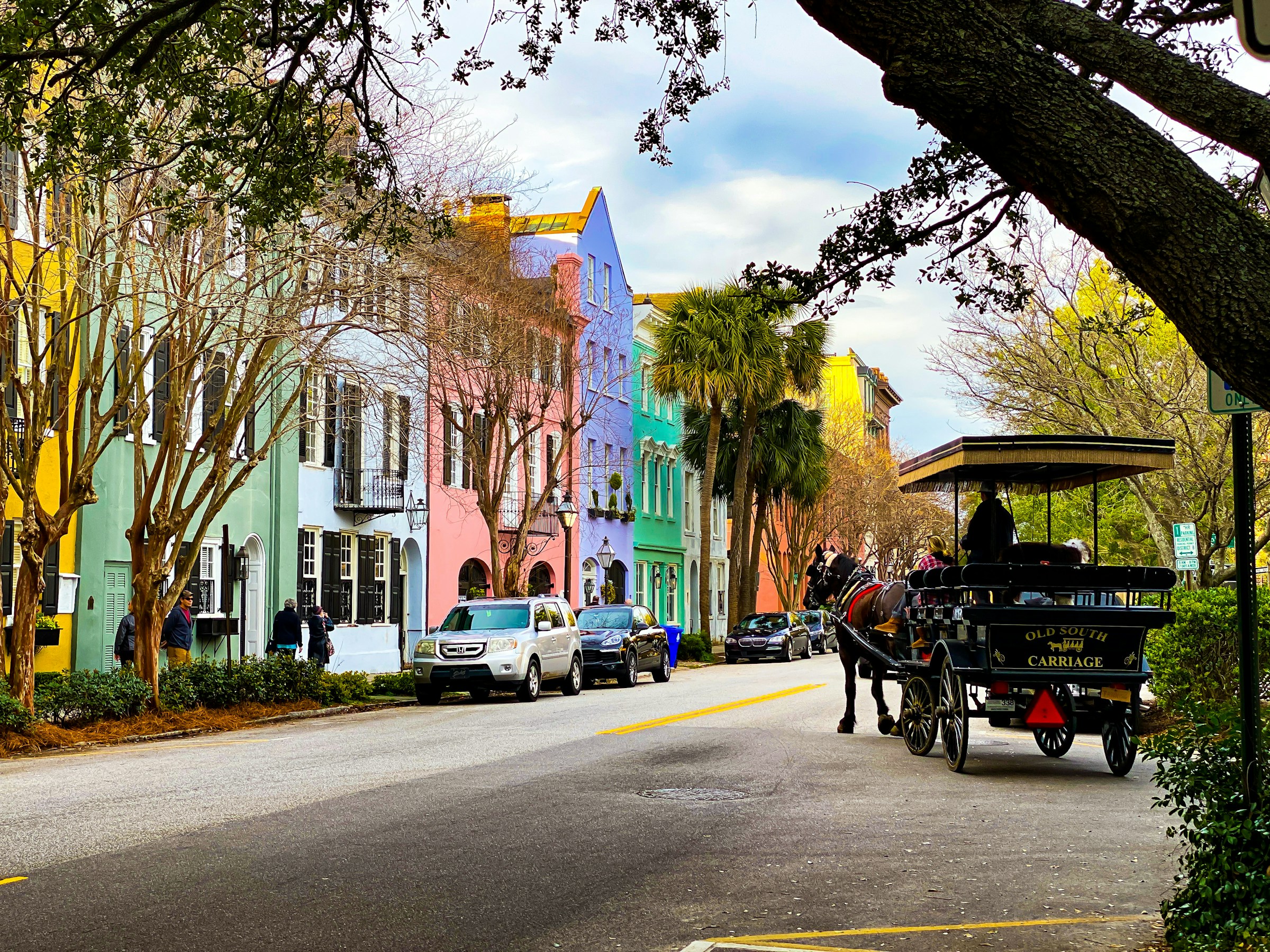

Charleston, South Carolina occupies a rare climatic sweet spot. Its subtropical Lowcountry setting means that even when most of the country is buried in gray winter dormancy, something is always in color here. From spring azaleas to summer daylilies to winter camellias, there’s something blooming year-round in South Carolina’s gardens.
That’s not marketing language. It’s simply the way this city works, seasonally and botanically. Among the famed botany names who were residents of Charleston over the years were Alexander Garden, for whom the Gardenia is named; Joel Poinsett, for whom the Poinsettia is named, and Philippe Noisette, for whom the Noisette Rose is named. Horticulture isn’t incidental to Charleston’s identity. It’s woven into the city’s very DNA. These five gardens show exactly why.
1. Magnolia Plantation and Gardens: America’s Oldest Public Garden
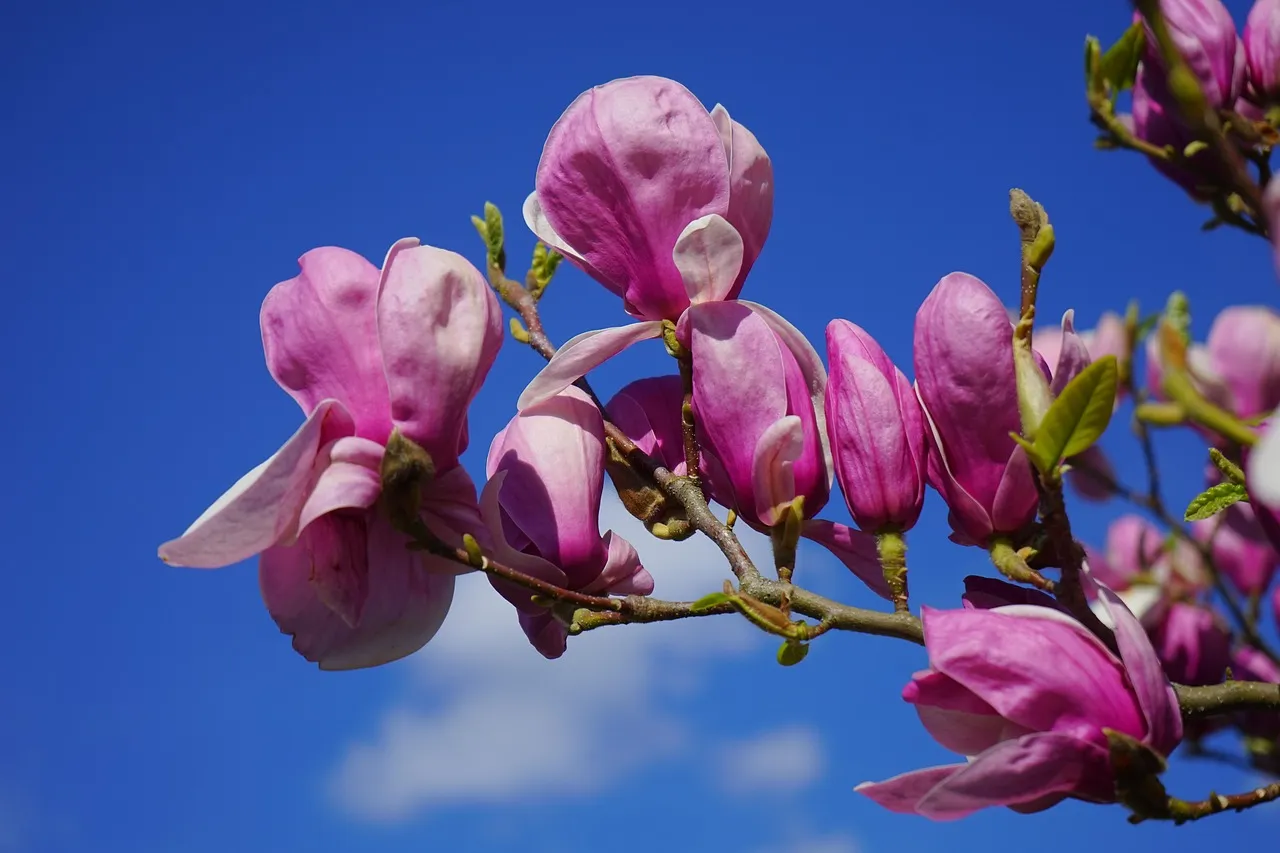
Few places in America carry the weight of living history quite like this one. Founded in 1676 by the Drayton family, Magnolia Plantation is the oldest public tourist site on the Carolina coast and the oldest public gardens in America, having opened its doors to visitors in 1870. That’s not a trivial claim. Nearly a century and a half of welcoming guests gives the place a settled, unhurried quality that’s hard to manufacture.
Magnolia Plantation and Gardens spans 464 acres along the Ashley River and is listed on the National Register of Historic Places. Today, 25 acres of the property are devoted to the gardens, 16 acres for the wide lawn surrounding the live oak allée, and 150 acres for a marsh and waterfowl conservatory.
The groves of azaleas and camellias at Magnolia Plantation and Gardens are among the largest collections in the nation. While Middleton Place’s gardens attract visitors who appreciate manicured order, Magnolia Plantation and Gardens appeals to lovers of wilder spaces and romantic-style gardens, with visitors coming to enjoy camellia and azalea season in early spring and wildlife throughout the year.
In addition to the romantic gardens, Magnolia Plantation also features a Reconstruction-era home, horticultural maze, antebellum slave cabins, a petting zoo and a blackwater cypress and tupelo swamp. In the late spring and early summer, the Audubon Swamp Garden rookery comes alive with hundreds of nesting heron, egrets and anhinga. Magnolia has been selected as one of “America’s Most Beautiful Gardens” by Travel + Leisure Magazine, and is the only garden honored with this distinction in the State of South Carolina.
2. Middleton Place: Where Formal Beauty Meets American History
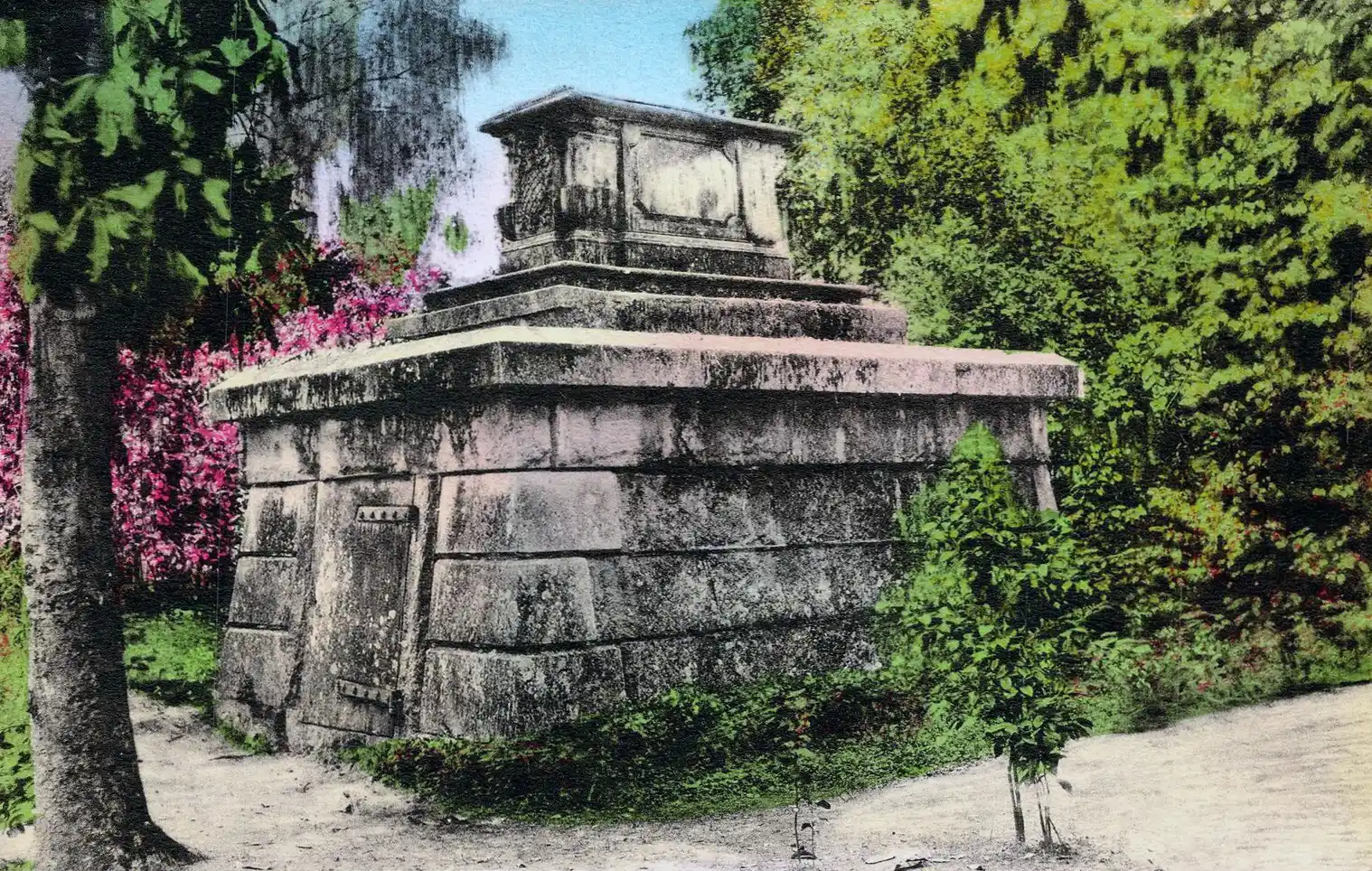
Middleton Place, a National Historic Landmark located along the Ashley River near Charleston, is home to America’s oldest landscaped gardens and was once the residence of Arthur Middleton, a signer of the Declaration of Independence. The garden’s origin story is remarkable on its own terms.
Middleton Place National Historic Landmark is home to America’s oldest and most important landscaped gardens, begun in 1741, with the historic site today encompassing 110 acres including the Gardens, House Museum, Stableyards, and Eliza’s House. That’s more than two and a half centuries of carefully tended landscape.
The 65 acres of formal European garden design feature the famous Butterfly Lakes, the Greensward, the Octagonal Garden, the Reflection Pool, and centuries-old camellias, azaleas, live oaks, and magnolias descending in terraced symmetry toward the Ashley River. They are a recreation of Henry Middleton’s original plans, which followed the same principles as the gardens at the Palace of Versailles in France.
Williams Middleton expanded the gardens, incorporating romantic garden influences, and brought azaleas to the plantation, now over 100,000 in number. In the early 20th century, Heningham Lyons Ellett Smith restored the landscape that had been largely neglected for nearly six decades following the Civil War, an effort that led the Garden Club of America to describe Middleton Place in 1940 as the “most important and interesting garden in America.”
3. Cypress Gardens: A Blackwater World Unlike Any Other
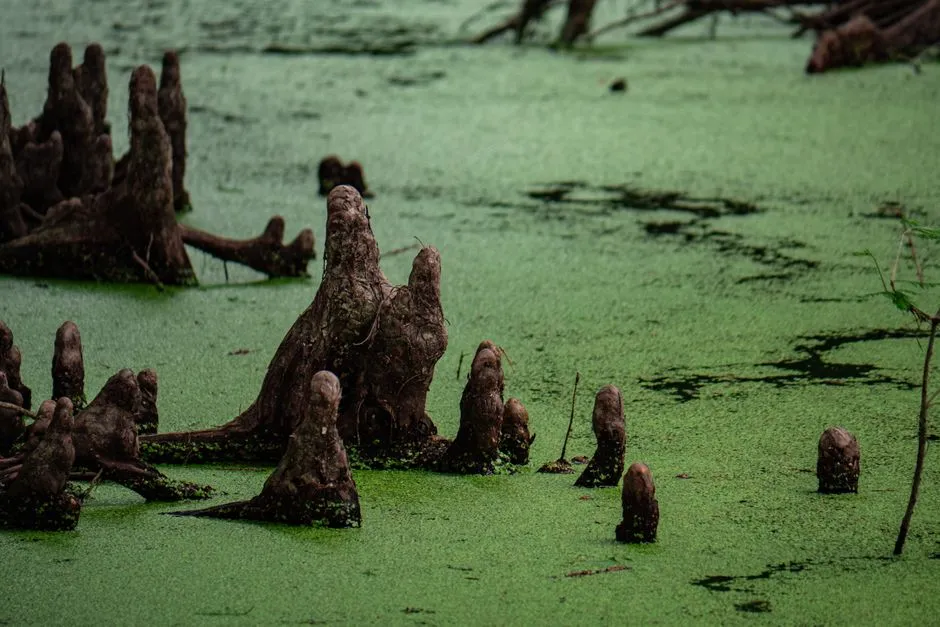
Roughly 30 miles north of the Charleston peninsula, Cypress Gardens delivers something none of the city’s formal plantation gardens can: the raw, atmospheric beauty of a Lowcountry blackwater swamp in full bloom. Since 1932, the beautiful Cypress Gardens has been a beloved destination for families and groups alike.
Cypress Gardens is a 170-acre preserve and gardens, with its centerpiece being the 80-acre blackwater bald cypress and tupelo swamp, surrounded by both boat and foot trails. The gardens were originally part of the 1750 Dean Hall rice plantation, which depended on fresh water from the Cooper River.
Nearly a century ago, one couple planted an overgrown cypress preserve with thousands of flowering species, including azaleas, camellias, magnolias, and more, and opened it to the public. The result is a garden that doesn’t feel designed so much as discovered. Flat-bottom boats glide quietly under the canopy of ancient trees, a genuinely transportive experience.
New as of 2025, the Cypress Gardens Splash Pad is open daily from 9am to 4:45pm, designed for children and featuring a tipping bucket, spray cannons, restrooms, and a picnic shelter. Visitors can stroll miles of garden trails, paddle through the cypress swamp, relax in a greenhouse with butterflies and flowers, and discover native and exotic reptile exhibits and the freshwater aquarium.
4. Colonial Lake and the Charleston Parks Conservancy Gardens: A City Garden Reborn
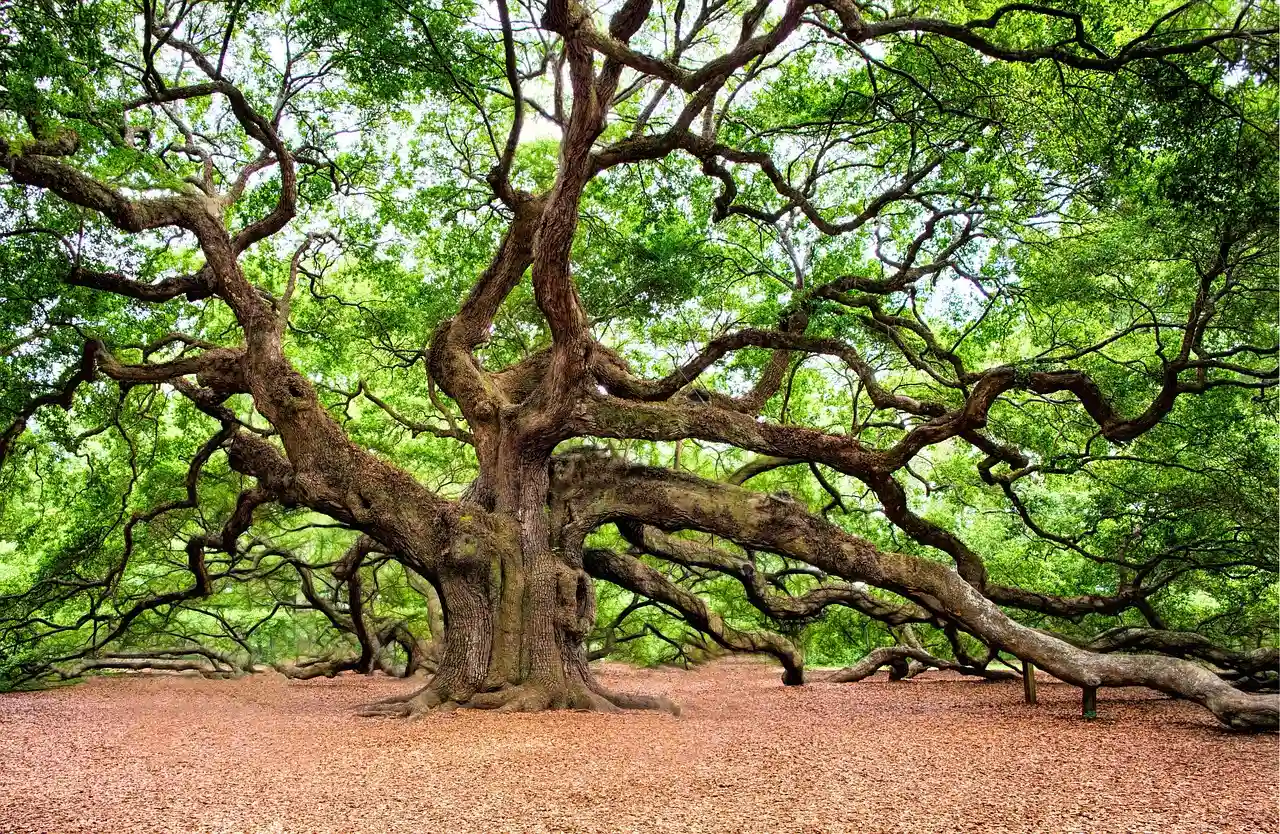
Not every remarkable Charleston garden sits outside the city on plantation grounds. Colonial Lake, tucked into the historic Harleston Village neighborhood, is proof that the spirit of Southern horticulture thrives right in the heart of the city. Colonial Lake is a tidal pond at 42 Ashley Avenue, covering 10 acres, with wide walkways around it used as a public park.
The lake acquired its name in 1881 in honor of the Colonial Commons established in 1768, with the lake and its park set aside by an Act of the Commons House of Assembly forever for public use. That permanence of public purpose is worth pausing on. This garden has been a common space for over 250 years.
In Spring 2024, the Charleston Parks Conservancy launched a fundraising campaign to revitalize the three acres of gardens at Colonial Lake, and in less than two months, the community surpassed the original $125,000 fundraising goal, allowing them to complete the revitalization in one year instead of the originally proposed two years. In December 2024, the Conservancy hired renowned designer Molly Hendry to lead the design of the new gardens at Colonial Lake, with planting beginning in April 2025 and the full installation completed in October 2025.
The Charleston Parks Conservancy announced a new fall festival, Bloom Charleston, to celebrate the unveiling of Charleston’s first Idea Garden at Colonial Lake, taking place October 17 to 18, 2025, with the festival’s centerpiece being the three acres of newly restored public gardens designed to inspire and empower anyone who wants to create beautiful and sustainable gardens of their own.
5. The Gardens of the Ashley River Road: A Living Corridor of History
Some of Charleston’s most compelling horticultural storytelling happens not at a single garden gate but along a stretch of road. Along old Ashley River Road, three plantations are open for public visitation – Drayton Hall, Magnolia Plantation, and Middleton Place – all renowned for their incredible garden displays, set among old rice ponds and terraced river banks, and high on visitors’ lists every year.
The region has a long tradition of horticultural splendor going back to eighteenth-century formal gardens, kept alive to the present by garden tours hosted by the Historic Charleston Foundation. Visitors can peek behind the garden gates and porch doors of Charleston’s most alluring private residences during the award-winning tours and educational events of the Historic Charleston Foundation’s Festival of Houses and Gardens.
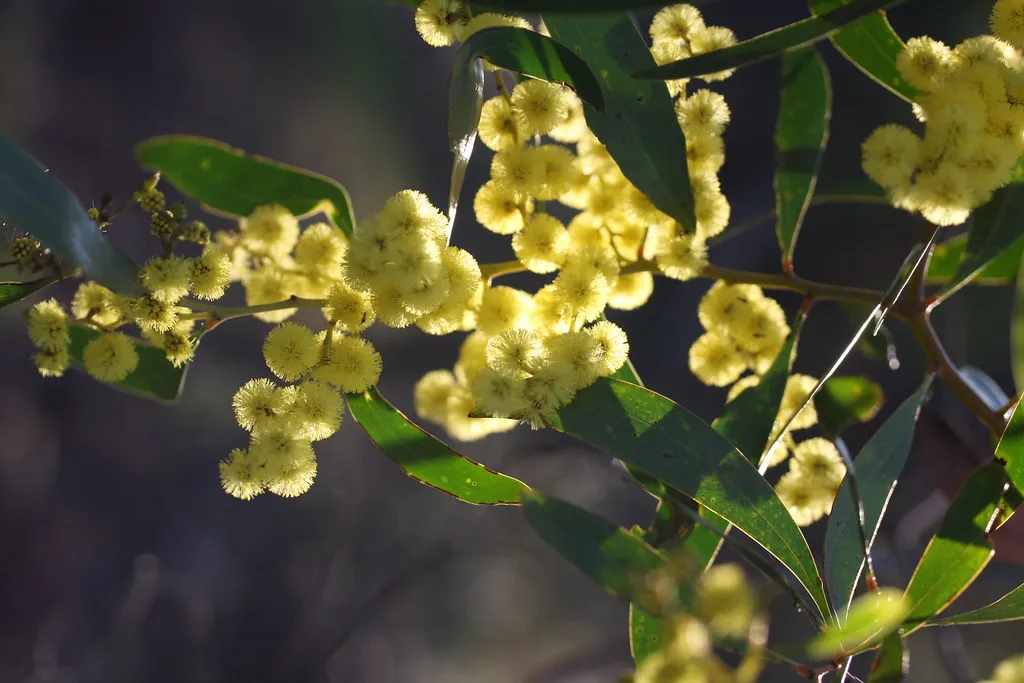
A major influence on the Ashley River corridor came from the royal gardener of French King Louis XVI, Andre Michaux, who was fascinated by Charleston, and it was here that he introduced the Crepe Myrtle and Mimosa to America. It was also here that Reverend John Drayton turned his aptly named Magnolia Plantation into a lush garden where he introduced the stunning Azalea to America.
The road itself functions almost as a living museum of American garden history, a slow drive through centuries of botanical ambition. Camellias don’t even open their eyes until November, and some varieties will not show their faces until February, while other flowers and berries put on a show all winter long. No matter the season, the corridor rewards a visit.
What Blooms Here and When: Charleston’s Year-Round Floral Calendar
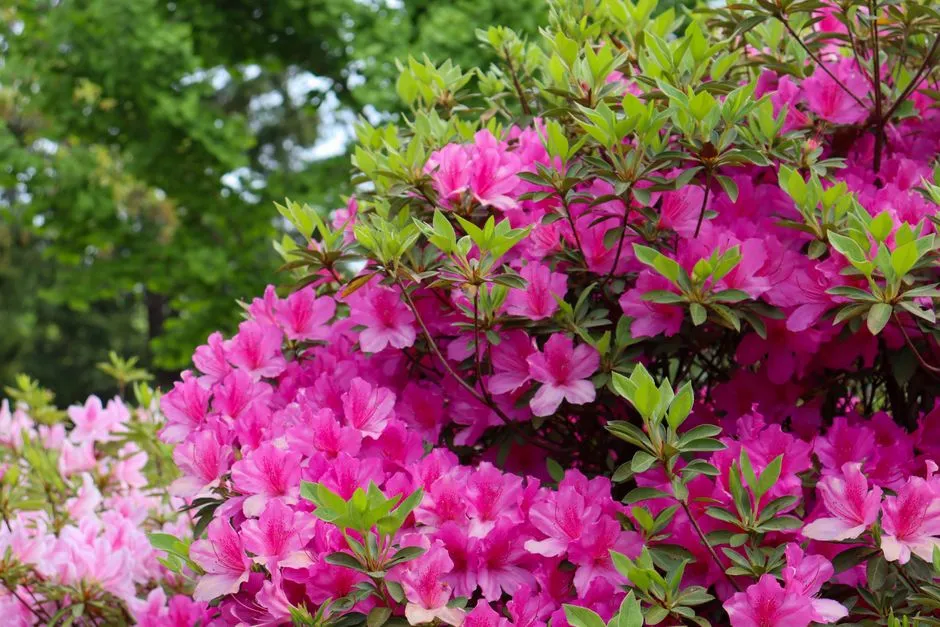
Understanding Charleston’s rhythm of blooms is genuinely useful, whether you’re planning a specific trip or simply want to know what you’ll encounter when you arrive. Nothing announces spring in Charleston quite like the flowers. By early March, the azaleas burst into a kaleidoscope of pinks, purples, and fiery reds, setting entire gardens aglow.
As azaleas begin fading in mid-to-late April, flowering dogwoods step into the spotlight with their elegant white and pink bracts, while native Southern magnolias peak later in May and June with their spectacular, lemon-scented white blossoms. May belongs to fragrance, as Confederate jasmine reaches its olfactory crescendo blanketing neighborhoods in sweet perfume, shortly followed by gardenias beginning to unfurl their creamy, waxy blooms.
Winter in Charleston is synonymous with vibrant citrus fruit, delicate paperwhite narcissus, and festive holly, not the bare branches one might expect from a northern winter. The usual time for hard freezes and frosts in Charleston is between December 10 and February 6, but many years are mild, and the gardens tucked away from the cold wind will continue to delight.
The Charleston Parks Conservancy: Keeping Public Green Spaces Alive
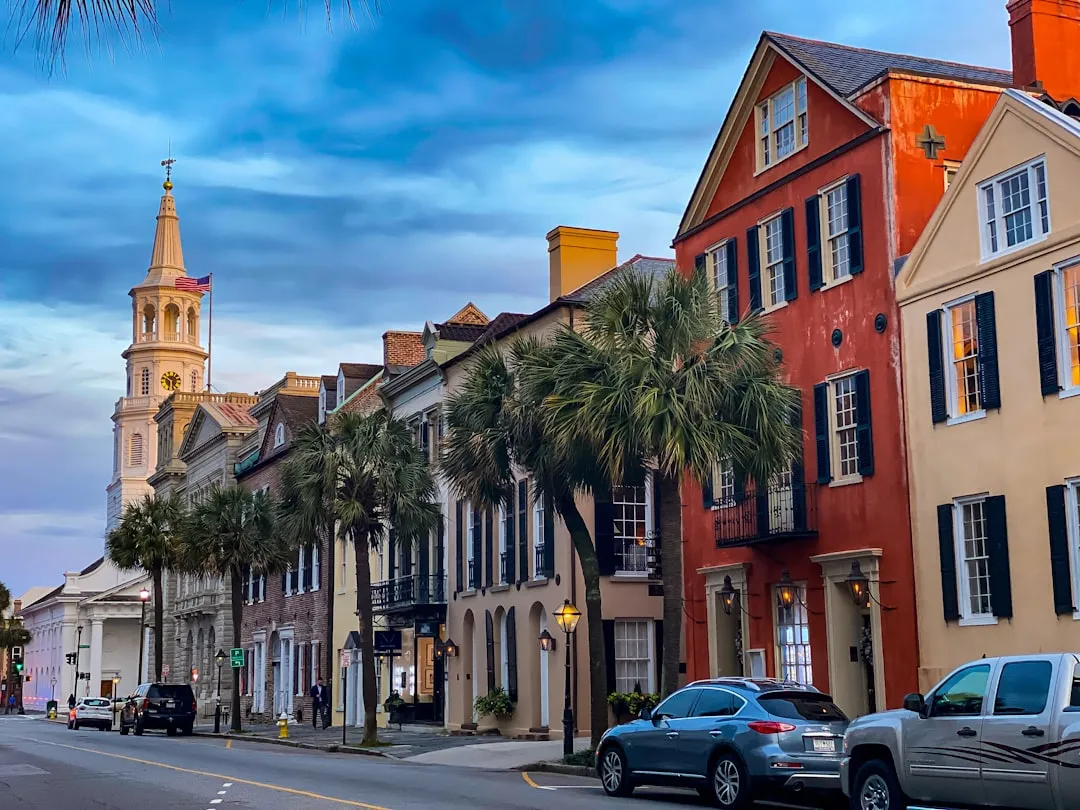
Behind many of Charleston’s public garden spaces is a quiet but remarkably effective nonprofit engine. The Charleston Parks Conservancy is a nonprofit organization dedicated to inspiring the people of Charleston to connect with their parks, securing 90 percent of the funding required to maintain 26 parks, gardens and trails across the city through private and corporate donations, while the City of Charleston covers 10 percent of costs.
In 2024 alone, the organization planted over 46,000 plants and 1,000 trees, donated two tons of fresh produce and 1,200 fresh flower bouquets grown in its parks and gardens, and advocated for the vital role of parks in urban life. Those aren’t small numbers. That’s a serious, sustained commitment to the living green fabric of the city.
The Conservancy team provides year-round park care, with a focus on strategic seasonal plantings, major park revitalizations, and sustainable maintenance. This kind of institutional backing is precisely what keeps Charleston’s urban gardens from looking like afterthoughts.
Gardens and Cultural Memory: Telling the Full Story
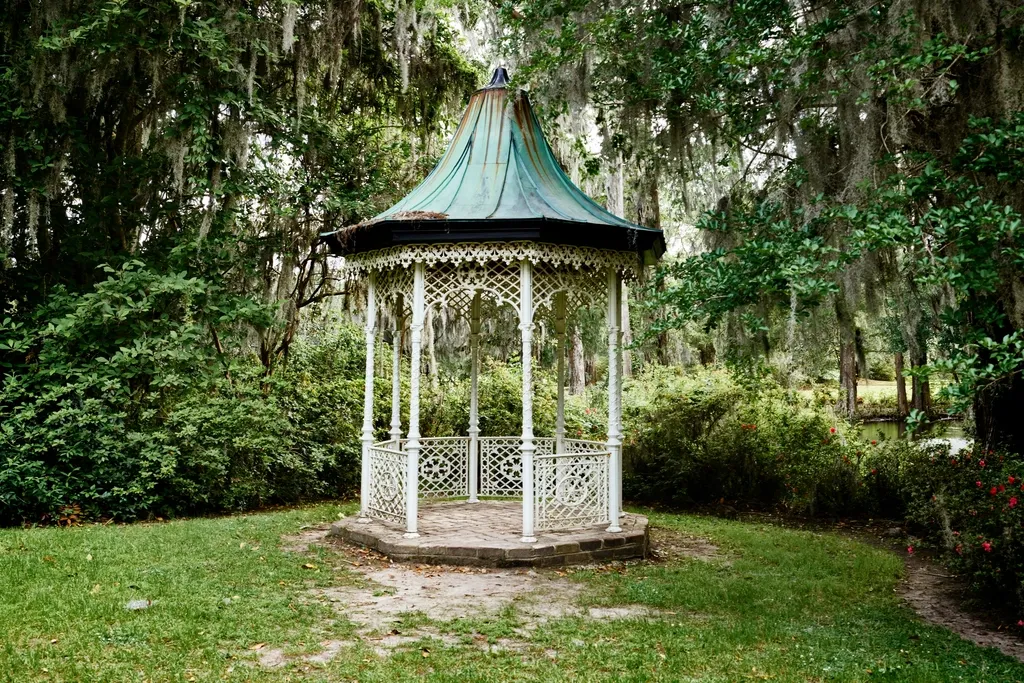
Any honest engagement with Charleston’s garden heritage requires acknowledging what made these landscapes possible. The stories of the Middleton family, including two Founding Fathers, and generations of enslaved people are interwoven throughout the property at Middleton Place. The land and its history are products of the work of generations of enslaved people, and the Middleton Place Foundation, which preserves the plantation, serves to share these stories.
Opened to the public in 1870, the gardens at Magnolia Plantation are credited with saving the plantation from ruin after the American Civil War and the end of the prosperous rice cultivation. The beauty that visitors experience today is layered over a complicated, often painful history that the best gardens here no longer shy away from presenting.
Artisans at Middleton Place demonstrate the work and share the lives of enslaved craftspeople, and the Beyond the Fields presentation gives a more in-depth look at the role Middleton Place played in the larger institution of American slavery. A visit to these gardens can be, and probably should be, a deeply educational experience as much as a visual one.
Visiting Tips: Getting the Most from Charleston’s Garden Experiences
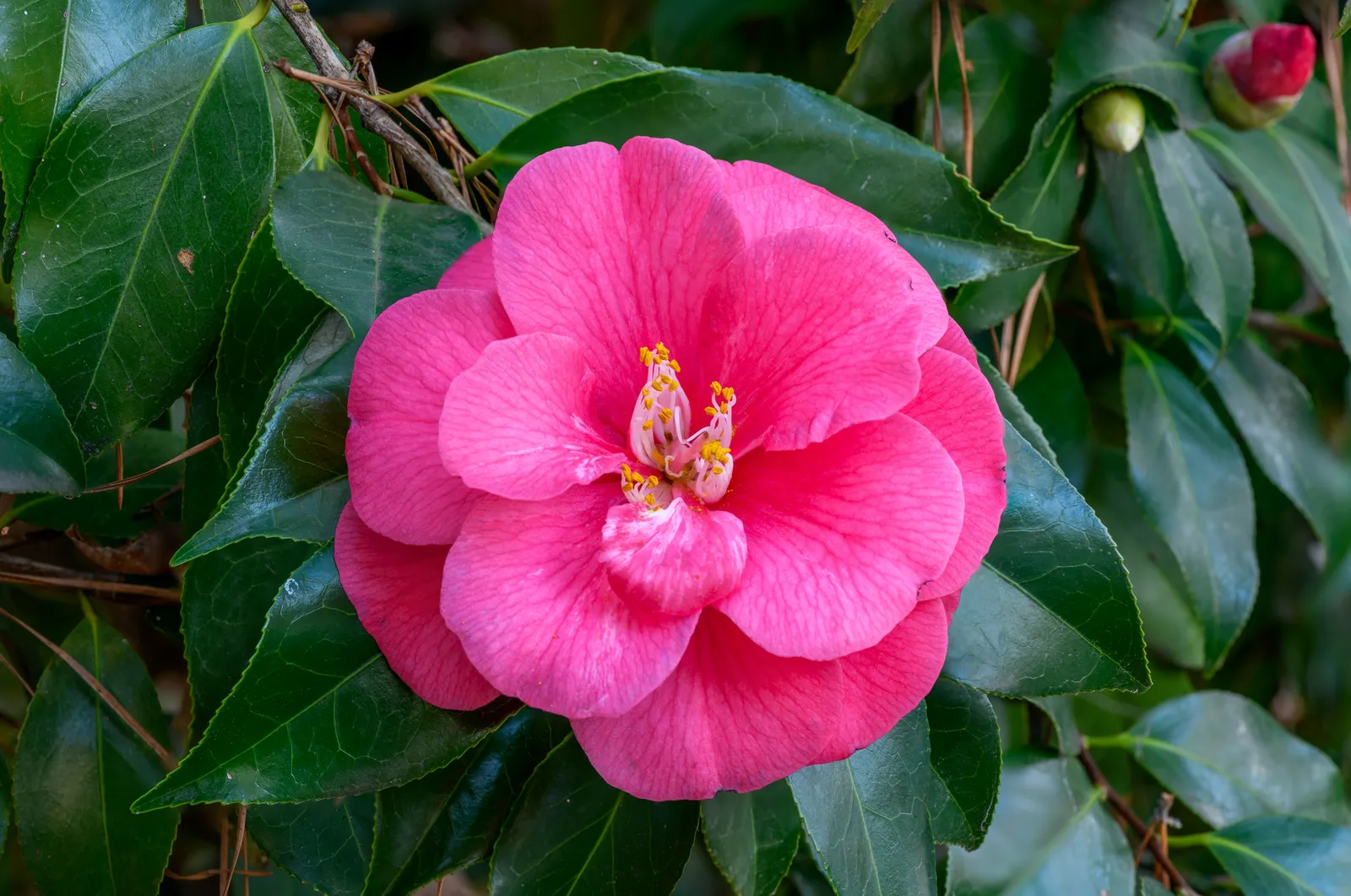
Spring draws the most visitors, and for good reason, but every season here has something distinct to offer. The gray days of winter hardly pay a visit to Charleston due, in part, to the centuries-old camellias that bloom this time of year, displaying ruffled blossoms in vibrant shades of pink, red and white throughout the city. A December or January visit can actually be quieter and surprisingly rewarding.
Middleton Place, Drayton Hall, and Magnolia Plantation are all clustered within a few miles of each other along Ashley River Road, making a two-plantation day very practical, with popular pairings including Drayton Hall with Middleton Place for architecture combined with gardens, or Magnolia with Middleton Place for romantic gardens alongside formal ones.
Every Sunday from 8:30 to 11 a.m., birding specialist Perry Nugent leads walks through Magnolia Plantation and the swamp garden, helping visitors spot some of the 260 birds that have been seen on the grounds. That kind of specialist-led access adds a dimension most garden visits simply don’t offer. Book ahead when you can, and allow more time than you think you’ll need.
The Takeaway
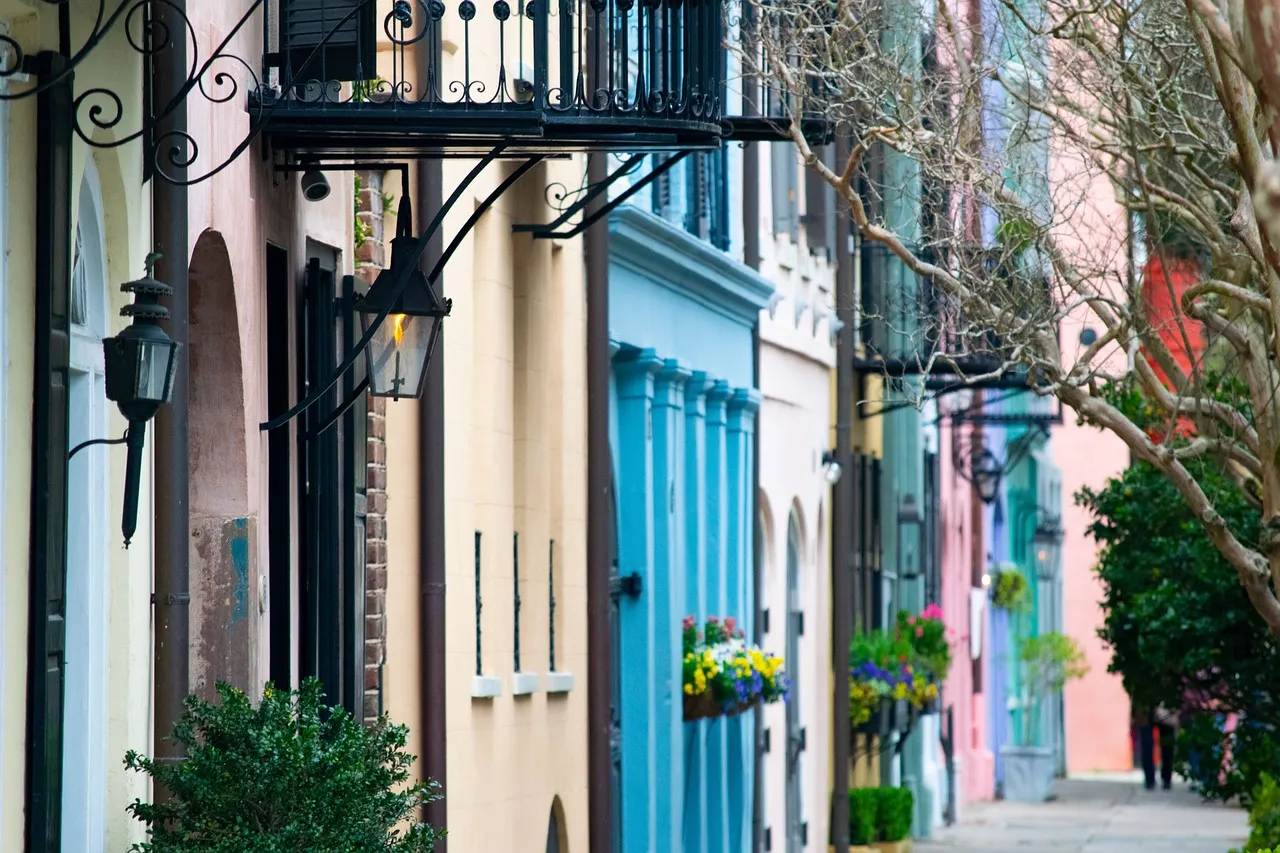
Charleston’s gardens are not seasonal destinations. They’re sustained, living ecosystems shaped by centuries of human care, botanical ambition, and a climate that simply refuses to stop producing color. The gardens of Charleston became the city’s first great tourist attraction, as both public and private areas are in full bloom much of the year, with every block of the old city radiant with color and many private gardens opened to the public each year in popular tours of homes and gardens.
What makes these five spaces genuinely worth your time isn’t just beauty. It’s the layered depth of what they carry: horticultural firsts, American history, ecological habitats, community memory, and an ongoing commitment to public green space that continues to evolve. Charleston’s floral calendar isn’t just a gardening schedule – it’s a visual rhythm that defines the city’s character month by month.
Come for the azaleas if you must. Stay for everything else.
AI Disclaimer: This article was created with the assistance of AI tools and reviewed by a human editor.