
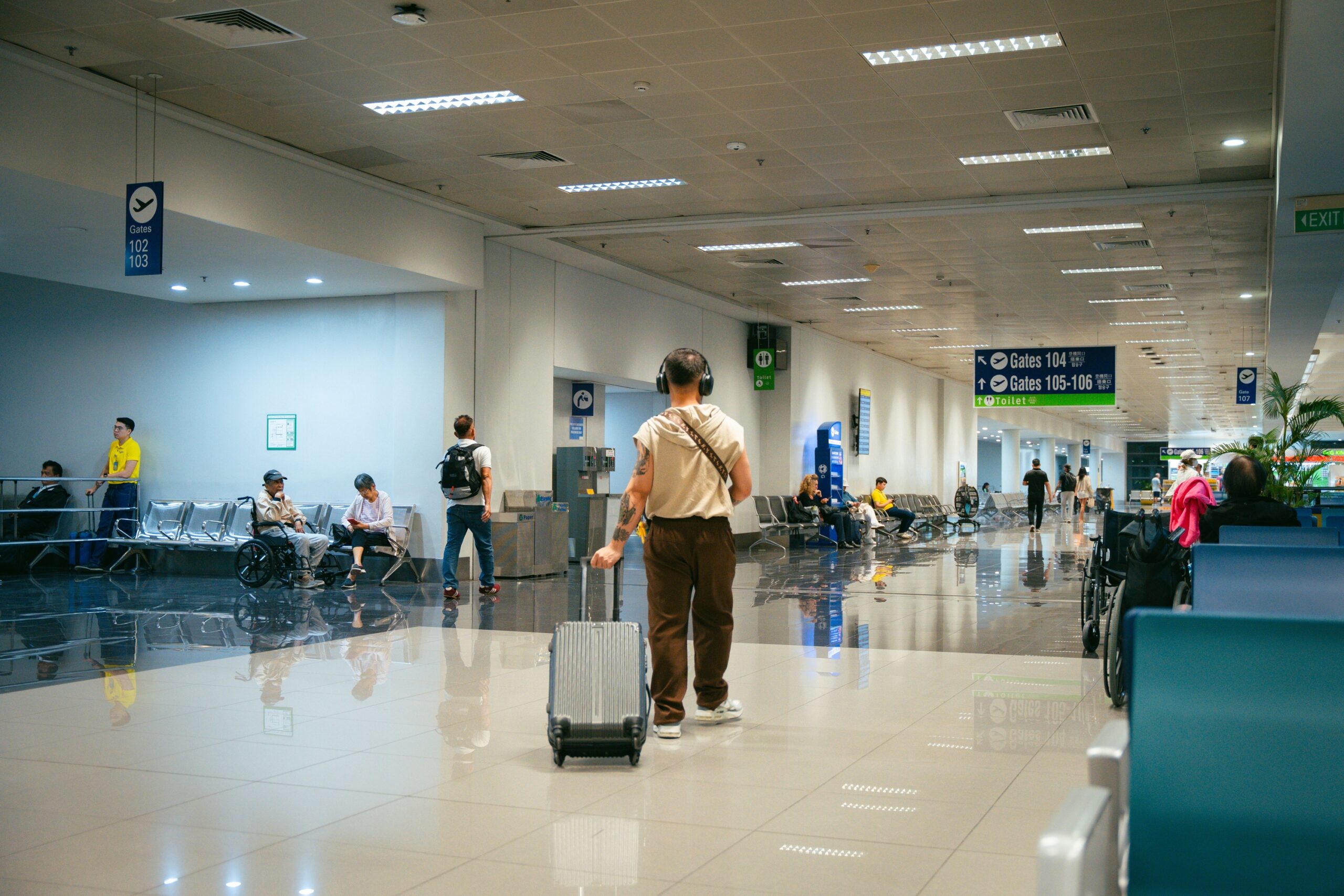

For millions of travelers, airport wheelchair assistance is the difference between a manageable journey and an exhausting ordeal. The terminal can be a gauntlet of long corridors, crowded security lines, and tight connection windows – and for passengers with mobility challenges, every minute counts.
What most travelers don’t realize is that a single, simple request – made at the right moment – can dramatically smooth the entire boarding process. Wheelchair attendants who navigate airports daily know exactly what works. Here’s what they want you to know.
Book the Assistance During Your Reservation, Not at the Airport
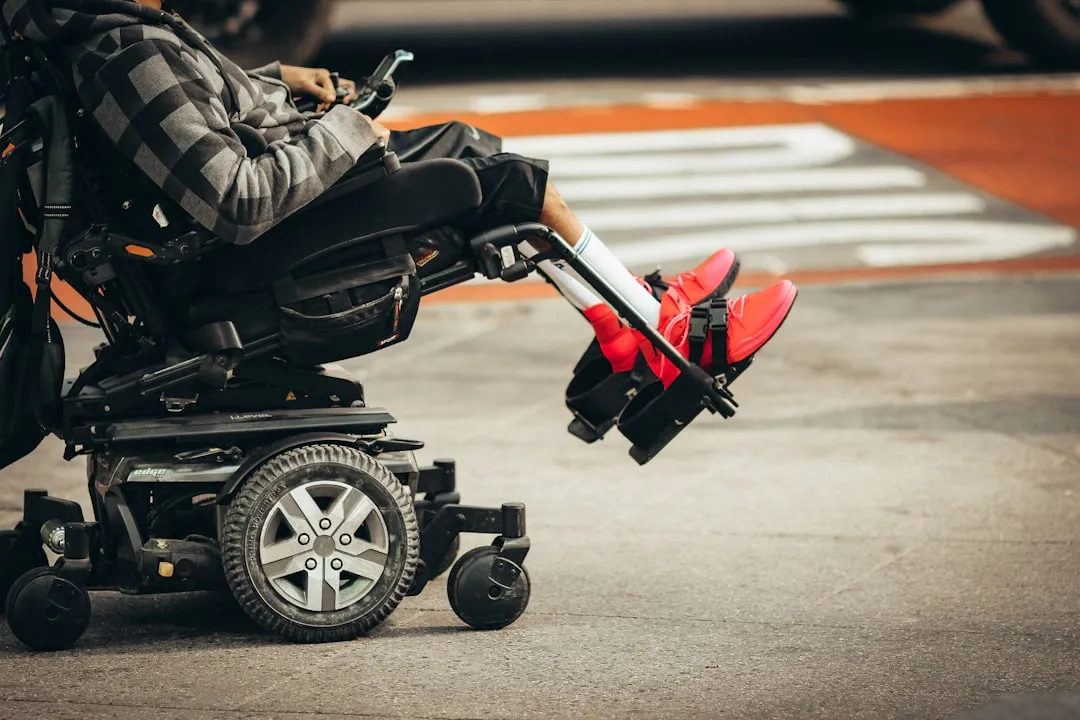
Most airlines allow passengers to request wheelchair assistance when booking their flight, and that is genuinely the best time to do it. Options typically appear under “special assistance” or “accessibility needs” during checkout. Showing up at the airport and asking for a chair on the spot is possible, but it creates a scramble that slows everything down.
Requesting assistance as far in advance as possible gives the system time to coordinate. Most airlines ask that you make your request at least 48 hours before your flight. The earlier the airline knows, the more smoothly the handoffs between attendants and gate staff tend to go.
Notify the Gate Agent the Moment You Arrive at the Gate
Check in with the gate agent as soon as you reach the gate. They don’t automatically know you’re there or that you’ll need extra time. The boarding process typically runs about 30 minutes, and if gate agents know ahead of time that passengers need more time, they can factor that into their boarding announcements.
Once at your gate, notifying the gate attendant that you’ve arrived and providing detailed information on the assistance you may need is one of the most effective steps a passenger can take. It removes ambiguity and puts the right people on notice well before the boarding rush begins.
Communicate Your Specific Needs Clearly and Early
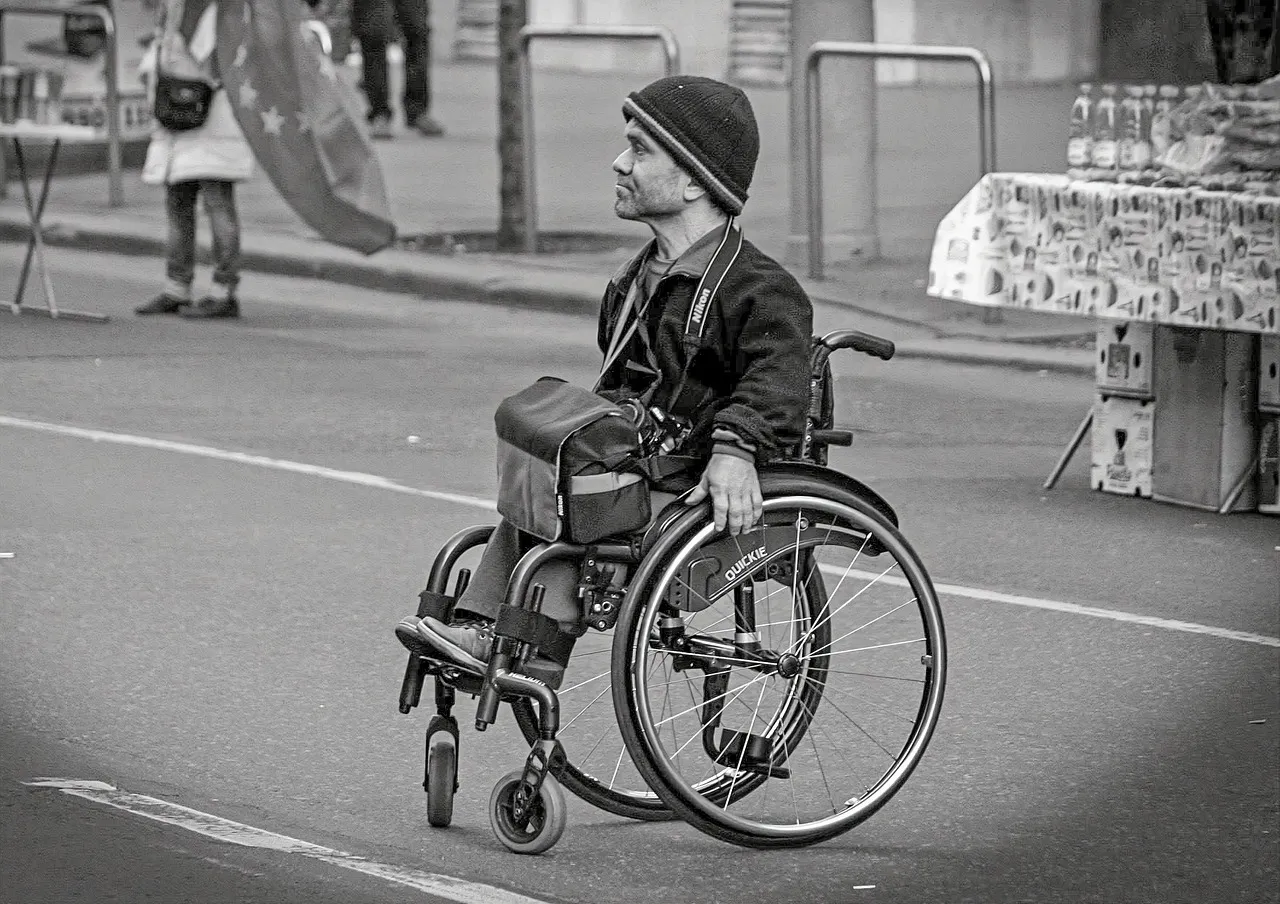
In 2024, IATA issued guidance material to help the air transport industry consistently assist disabled passengers. That guidance promotes active listening and encourages open communication so passengers can express concerns or preferences related to their disability freely. That philosophy only works, though, if passengers actually speak up.
Speaking your needs clearly to the transfer agent is important – your verbal direction is essential for the agent to assist you best. Whether it’s a preference for how you’re lifted, a concern about a specific injury, or information about your seating location, the more specific you are, the faster and safer the process becomes for everyone.
Request an Aisle Chair in Advance If You Cannot Walk to Your Seat
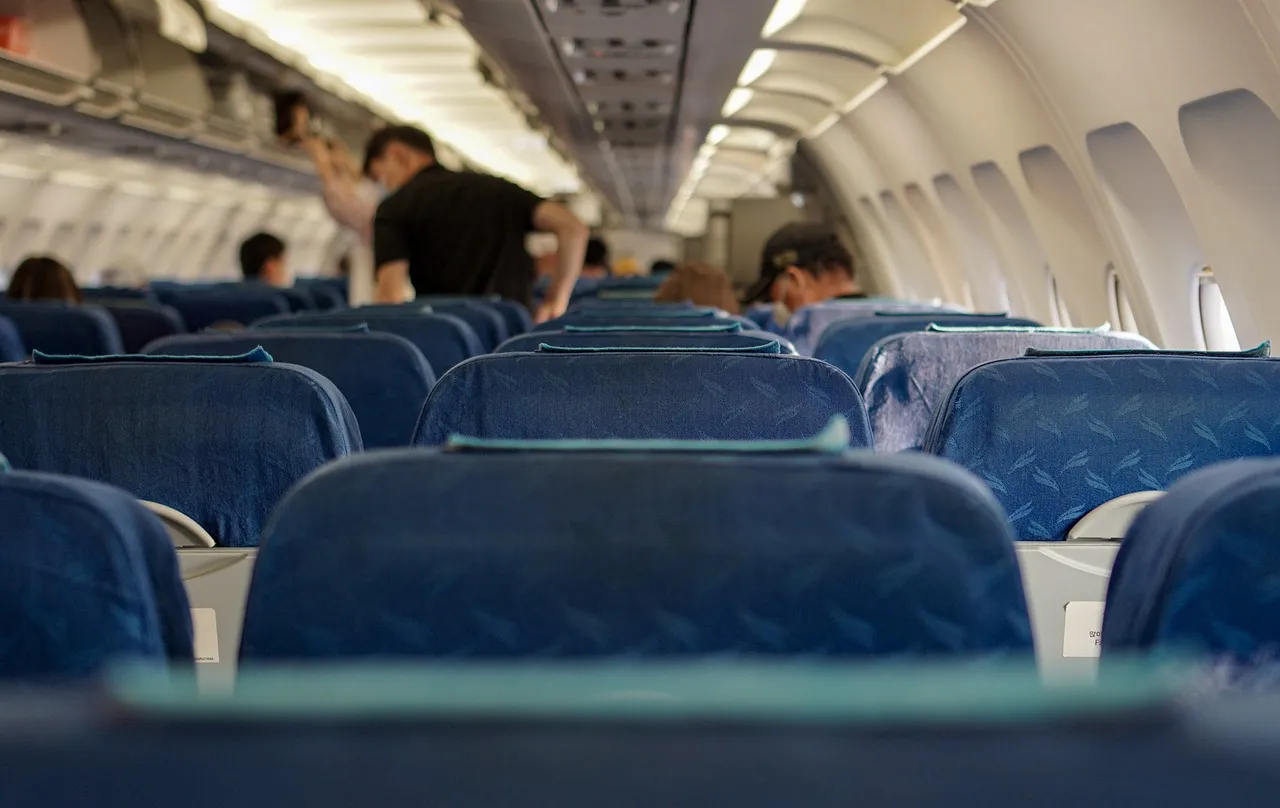
Passengers should notify their airline if they will need assistance boarding the aircraft. Staff need to arrange an aisle chair – a narrow wheelchair specifically designed to fit the aircraft aisle – that can safely transport a passenger from the gate and into their seat. This is not something that can be improvised at the last minute without delay.
If you are unable to walk to your seat, the attendant will transfer you from the standard airport wheelchair into a narrow aisle chair and then assist you into your assigned seat. Clarifying in advance whether you’ll have your own wheelchair or mobility device, and whether it will need to be gate-checked, also helps the process move without friction.
Use the Restroom Before Reaching the Gate

There are a few practical steps worth taking before reaching the departure gate: stop at a bathroom to use the facilities, find a pet relief area if traveling with a service animal, and pick up any snacks or food beforehand. These might sound like small details, but they have a direct impact on how smoothly the attendant can do their job.
Wheelchair attendants will stop at a restroom if there is time, but they likely won’t be able to drop passengers off for food. Handling personal needs before the final approach to the gate keeps the attendant’s schedule intact and helps everyone board on time.
Arrive at the Airport With Extra Time to Spare
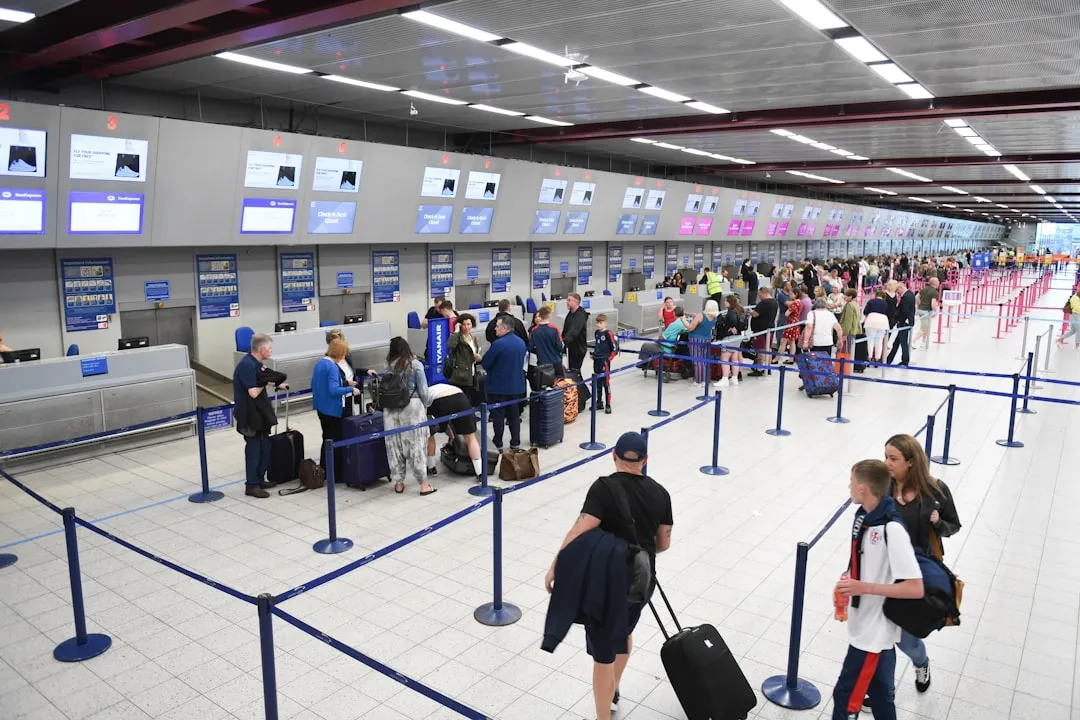
Preparing for delays in service and giving yourself extra time to get through security is especially necessary when flying solo and relying on a wheelchair attendant for assistance. Security lanes aren’t always faster for wheelchair users, and tight windows create stress that ripples through the entire process.
Wheelchair users may need to go through a slightly modified screening process at security. Staff will assist, but passengers may be asked to undergo a pat-down or other screening, and staff will help with necessary screening of mobility devices or medical equipment. None of that is a problem if there’s sufficient time built in from the start.
Understand That Pre-Boarding Is Your Legal Right
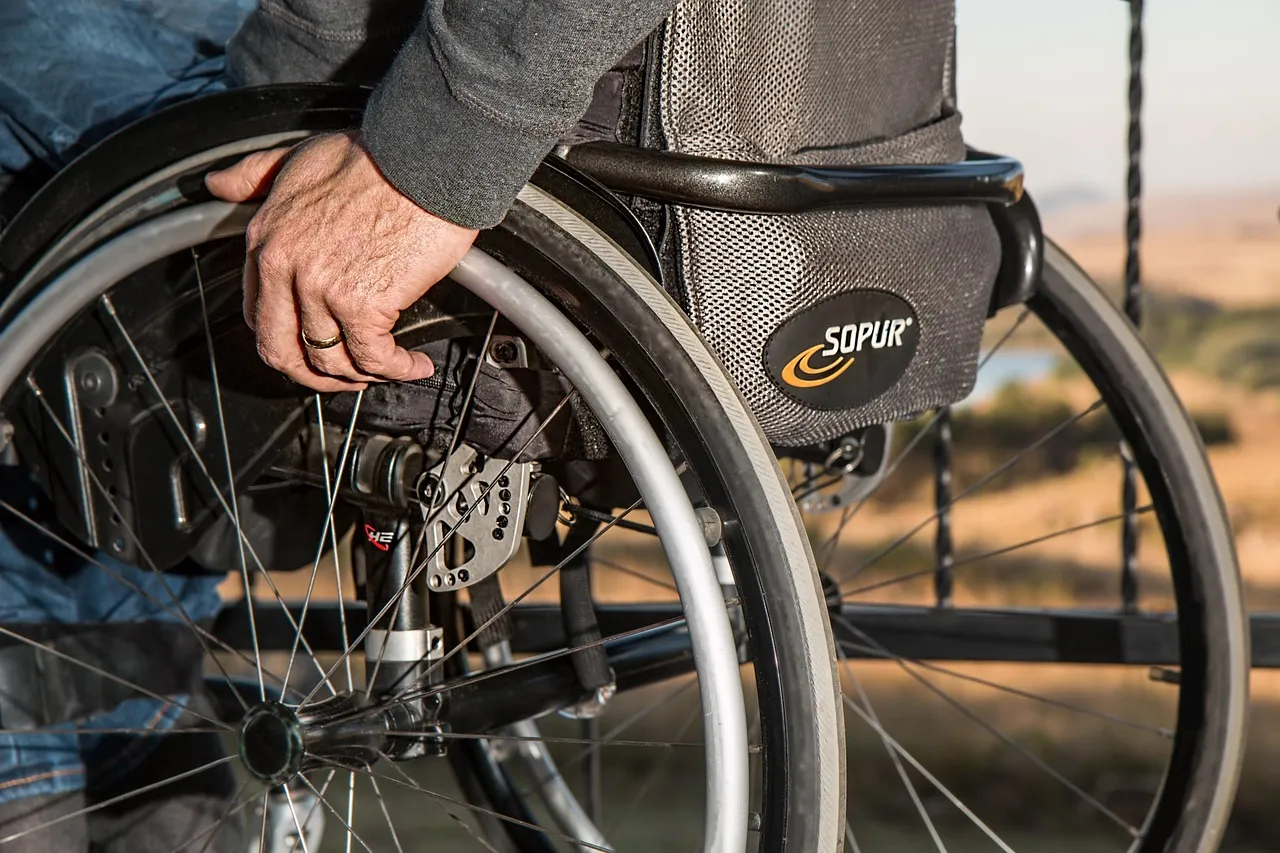
Airlines are required by law to provide free assistance including wheelchair transport, priority boarding, seat accommodations, and help with stowing and retrieving mobility devices. Many passengers don’t know this and feel hesitant to ask, which ironically makes boarding slower and harder to coordinate.
Passengers who require assistance are usually allowed to pre-board the aircraft before all other passengers, giving them extra time to settle into their seats. Requesting early boarding directly with the gate agent – especially when you need extra time or assistance – is encouraged by major carriers like American Airlines.
Know the Tip Norms So the Relationship Starts on the Right Foot
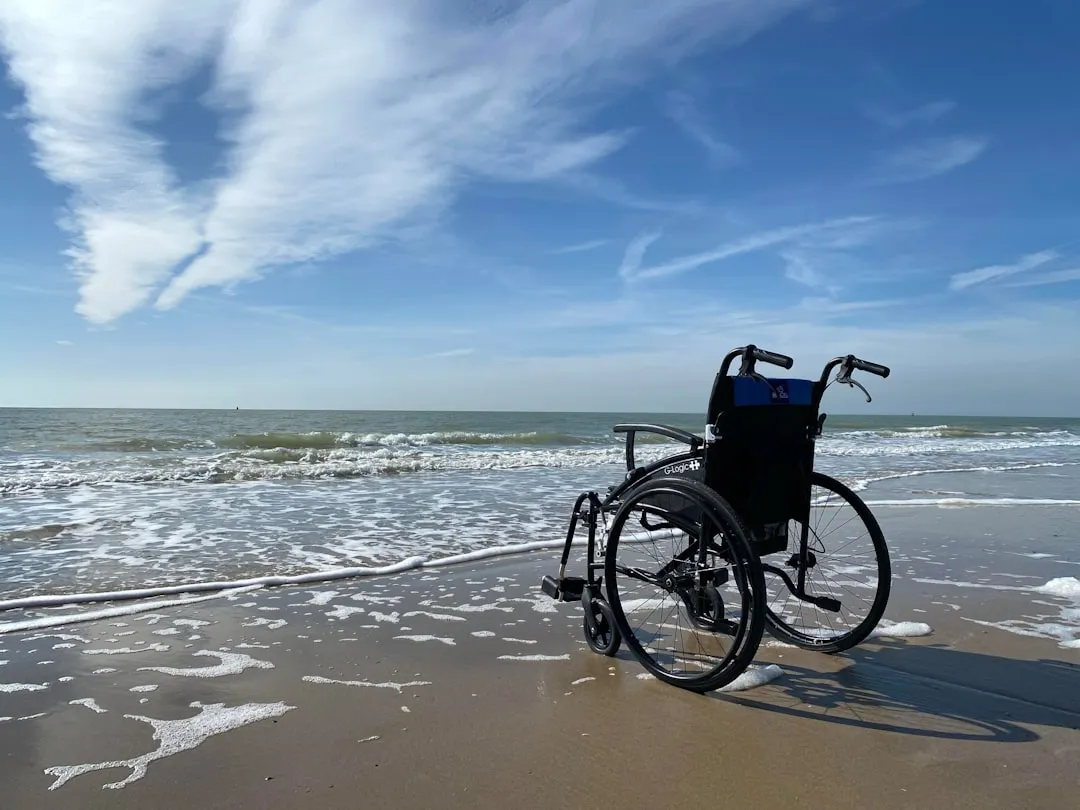
While tipping wheelchair attendants in the United States is a common practice, it is not mandatory. The work is similar to that of a porter or baggage handler, as it involves hands-on support that makes traveling easier. Still, a tip is widely understood as an acknowledgment of genuine effort and personal care.
For short and simple assistance, like being escorted from the curb to the security line, a tip of roughly three to five dollars is considered standard. For longer distances or gate-to-gate transfers, five to ten dollars is more appropriate. When the service involves navigating a large international terminal or help during a flight delay, ten to twenty dollars or more is a thoughtful way to show appreciation.
The Scale of Demand Is Growing – and That Changes Wait Times
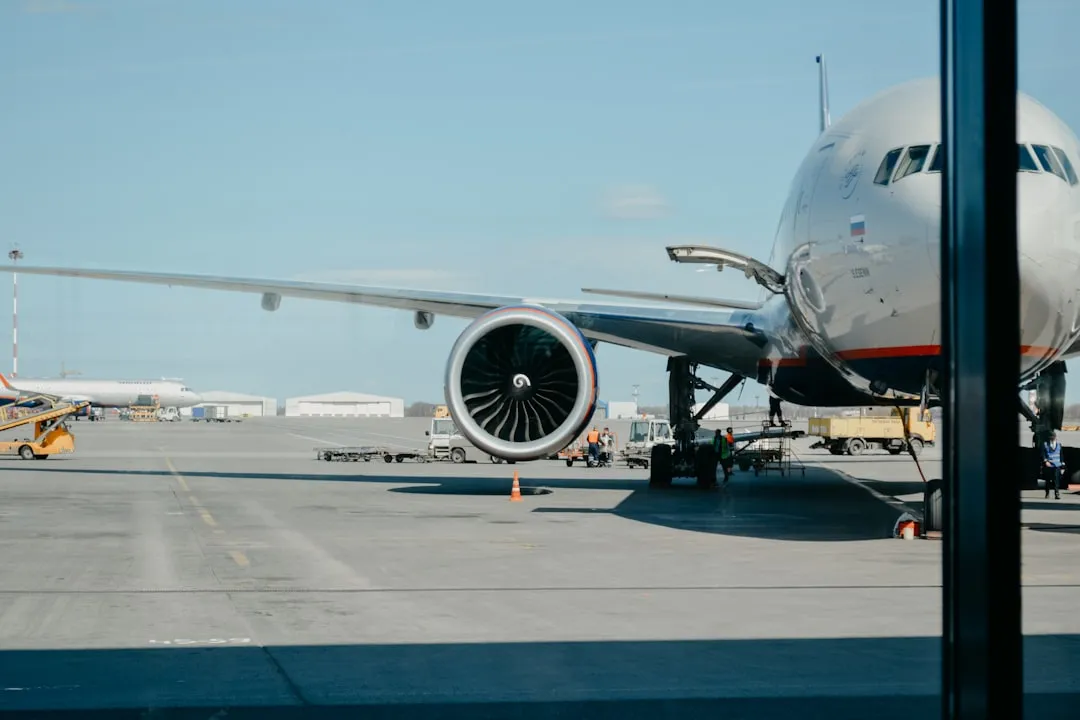
The increase in airport assistance requests is significant and continues to grow yearly, with increases of roughly 30 percent. That growth puts real strain on airport resources, particularly at peak travel times. Understanding this helps explain why advance requests matter so much – the system is being stretched, and last-minute needs are harder to absorb.
Approximately 27 million passengers with disabilities travel by air each year in the United States. That is a substantial portion of the traveling public, and airports are under increasing pressure to scale their assistance programs accordingly. Passengers who plan ahead simply get better, faster service as a result.
New Regulations Are Raising the Bar for Attendant Training

In October 2024, the U.S. Department of Transportation issued a landmark $50 million penalty against American Airlines for serious violations of laws protecting airline passengers with disabilities, including cases of unsafe physical assistance that at times resulted in injuries. That enforcement signaled a genuine shift in how regulators view the issue.
New rules now require annual training, including hands-on training, for airline employees and contractors who physically assist passengers with mobility disabilities or handle wheelchairs and scooters. Employees must be able to demonstrate their knowledge through competency assessments or certification exams. All relevant airline personnel must receive this training by June 2026. For travelers, that means the standard of care is formally rising across U.S. carriers.
The Takeaway
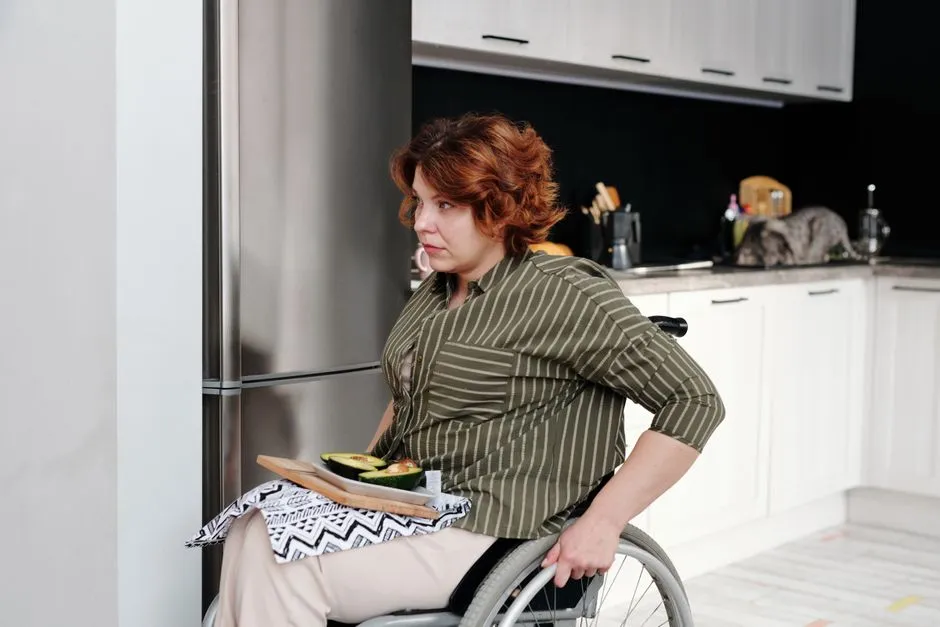
The request that most reliably speeds up boarding is also the simplest one: ask early, communicate specifically, and confirm at every stage of the journey. Wheelchair attendants aren’t working against you – they’re coordinating a complex process with multiple moving parts, and the passengers who arrive prepared consistently have the smoothest experiences.
The system is far from perfect. Airlines damaged more than ten thousand wheelchairs in 2023 alone. Advocacy, regulation, and training are all improving the picture, but none of that replaces the practical value of being your own informed advocate. Knowing your rights, speaking up early, and building in extra time are small actions with a disproportionately large impact on how the day unfolds.
AI Disclaimer: This article was created with the assistance of AI tools and reviewed by a human editor.