
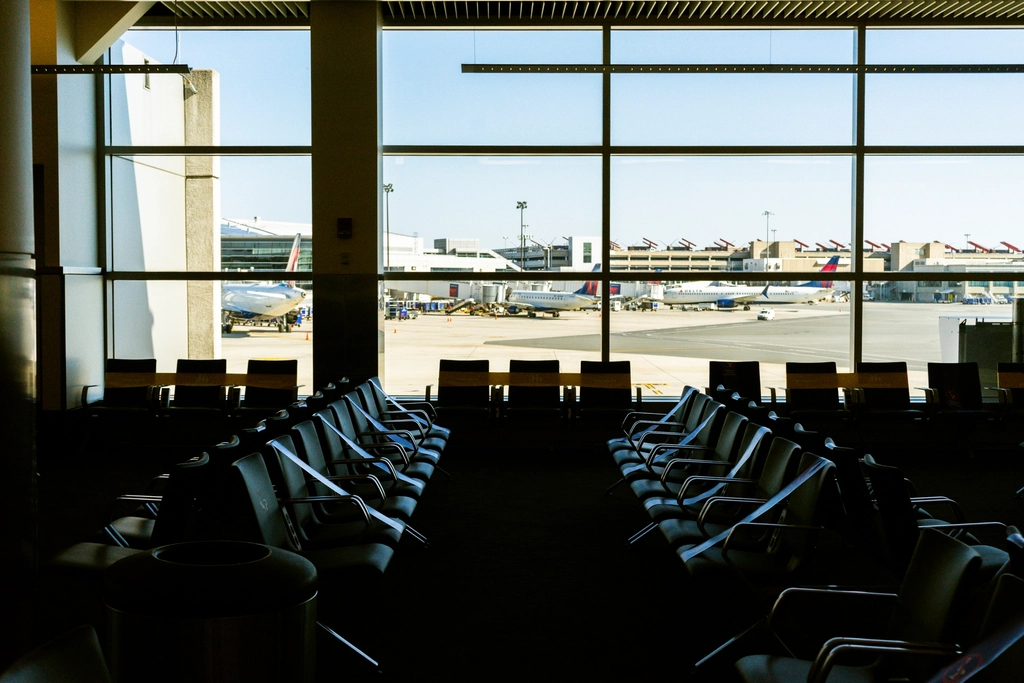

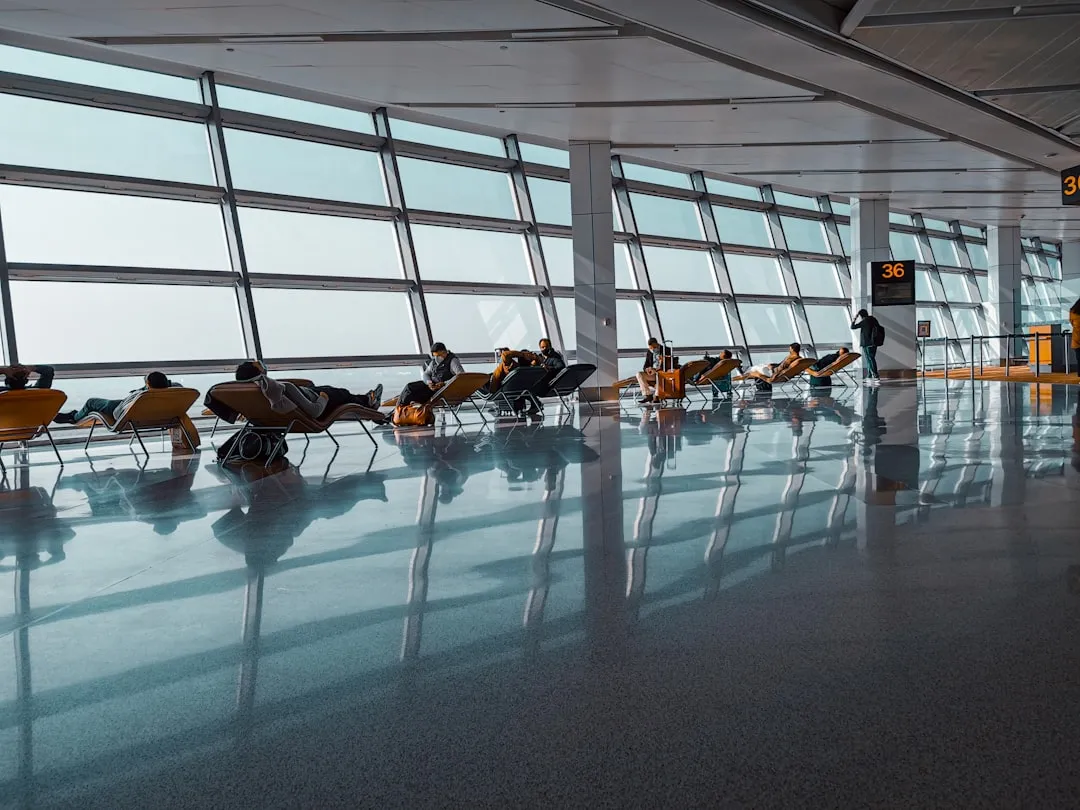
Walk through almost any major airport terminal today and you’ll spot the same scene: a cluster of people hunched over phones and laptops, cables draped across chairs, and a quiet tension hanging over every available outlet. Charging stations have become some of the most fiercely contested real estate in modern travel.
Most of the behavior that fuels that tension comes down to one recurring habit, which experienced travelers notice immediately. Knowing what it is, and understanding why it grates so much on frequent flyers, can make a genuine difference to your experience in the terminal.
The Core Offense: Staying Plugged In After Your Device Is Full
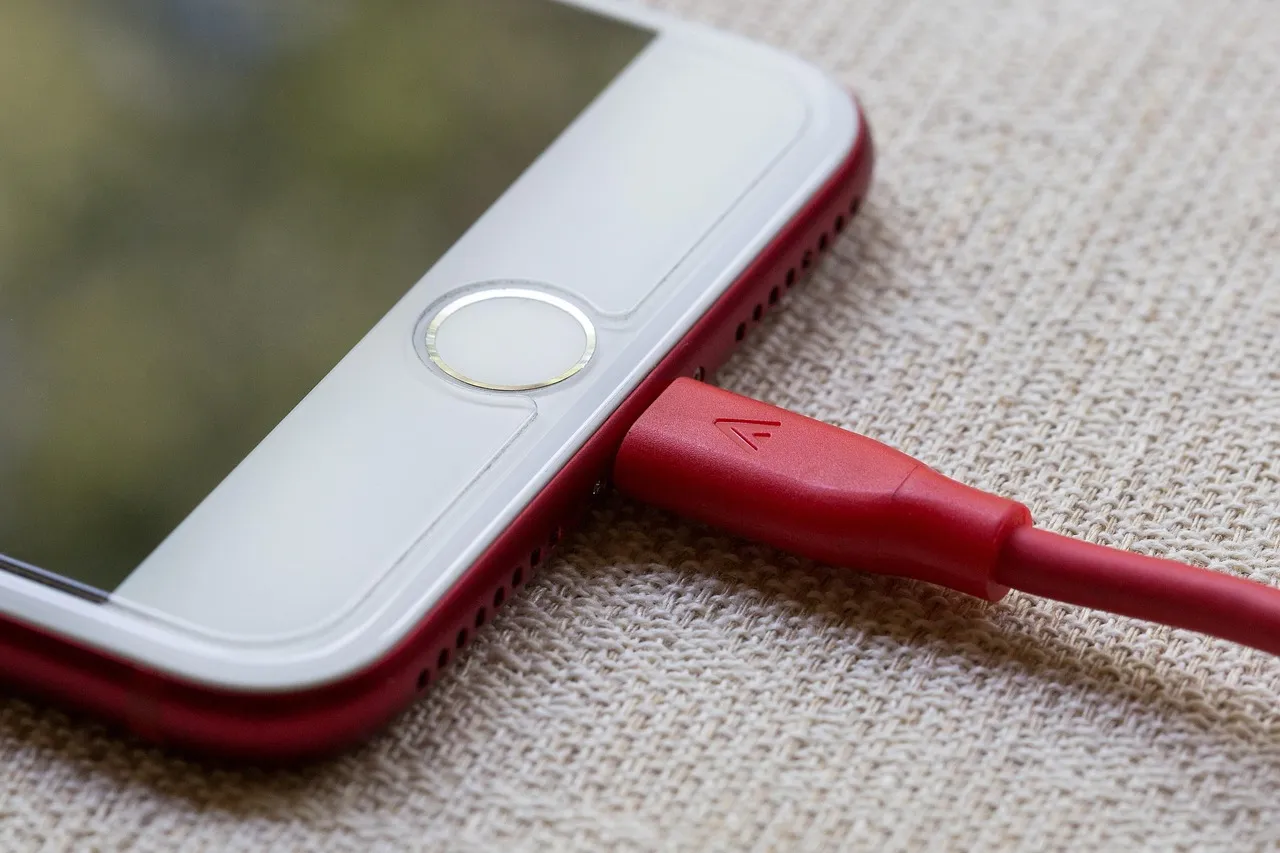
If you’re already done charging your device, the right move is to move away from the charging station to allow other travelers to power up before takeoff. That sounds simple, but a surprising number of people simply don’t do it. They plug in, get absorbed in a podcast or a meal, and forget to check back.
The result is a fully charged phone sitting in an outlet for 45 minutes while a line of anxious passengers waits nearby. A delay is exactly when a phone charged for a 90-minute layover runs flat, and passengers who planned for a short wait start actively hunting for outlets instead of browsing, eating, or resting. When outlets are occupied by devices that stopped charging long ago, that frustration compounds fast.
Why Demand Far Outpaces Supply
Global smartphone users have exceeded 6.8 billion people, and airport passenger traffic has surpassed 4.5 billion travelers annually across more than 9,000 commercial airports worldwide. That gap between device ownership and available infrastructure is the root of nearly every charging-station conflict you’ll witness in a terminal.
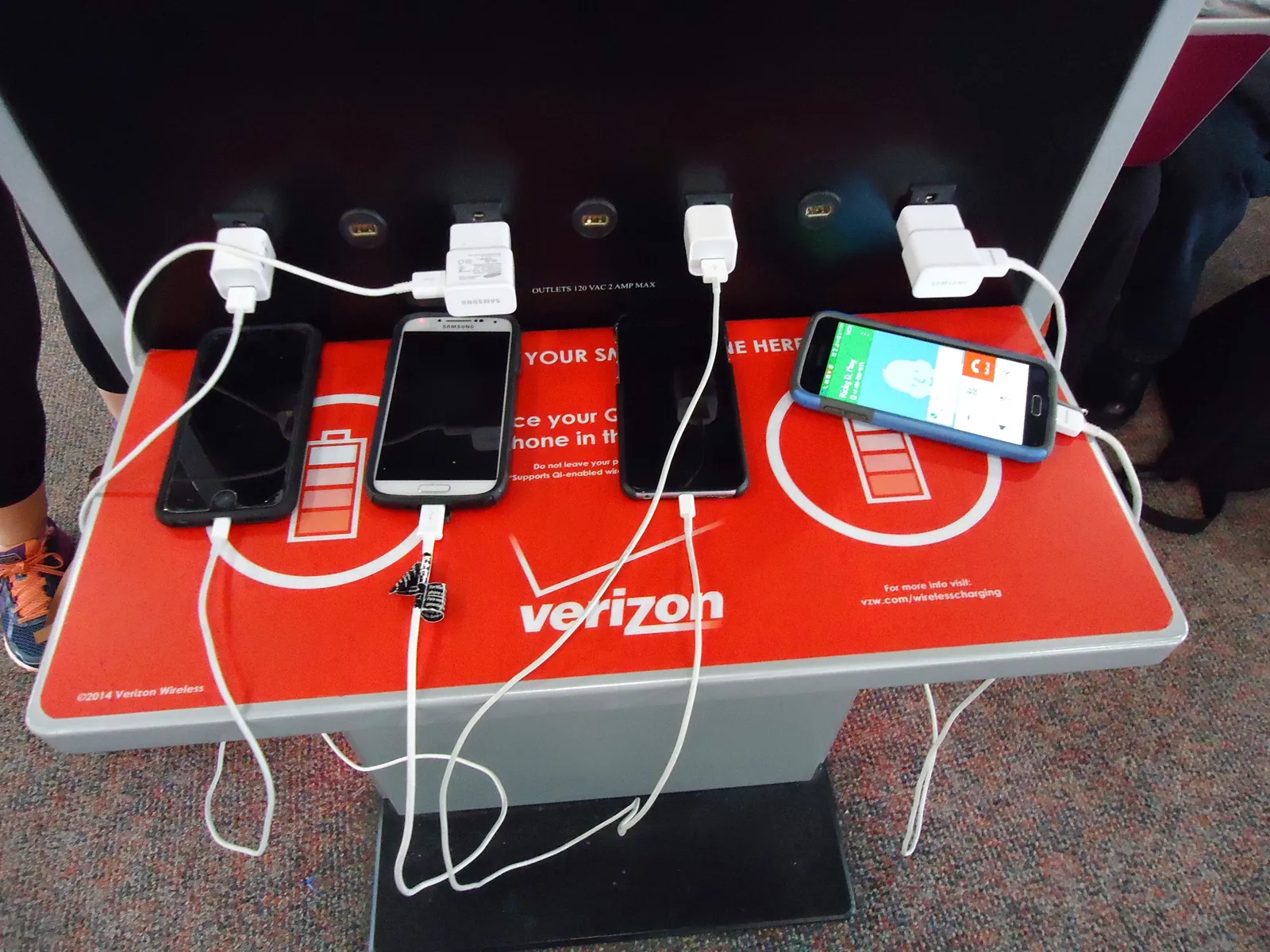
Modern airport terminals install charging stations capable of serving 8 to 24 devices simultaneously, and large international airports often deploy more than 200 charging ports per terminal, enabling passengers to charge devices during waiting periods that average 60 to 120 minutes. Still, at peak hours, that capacity often isn’t enough. Even the best-equipped airports struggle to keep up with demand, which is precisely why hogging a port matters so much.
Occupying a Seat Just to Hold the Outlet

There’s a closely related habit that frequent flyers find just as irritating: sitting at a charging station seat with no device to charge, simply to secure a physical space near power. Hogging power outlets is a genuine travel pet peeve. If you’re sitting near a coveted power source, sharing it with others who need it is the considerate thing to do.
Some travelers pull a bag or jacket onto the adjacent chair to block a second outlet while their phone charges from the first. Others settle in for a full meal, a phone call, and a streaming session, treating what is essentially shared infrastructure as a private lounge. The fact that nobody usually says anything out loud doesn’t mean nobody notices.
Spreading Multiple Devices Across Several Ports
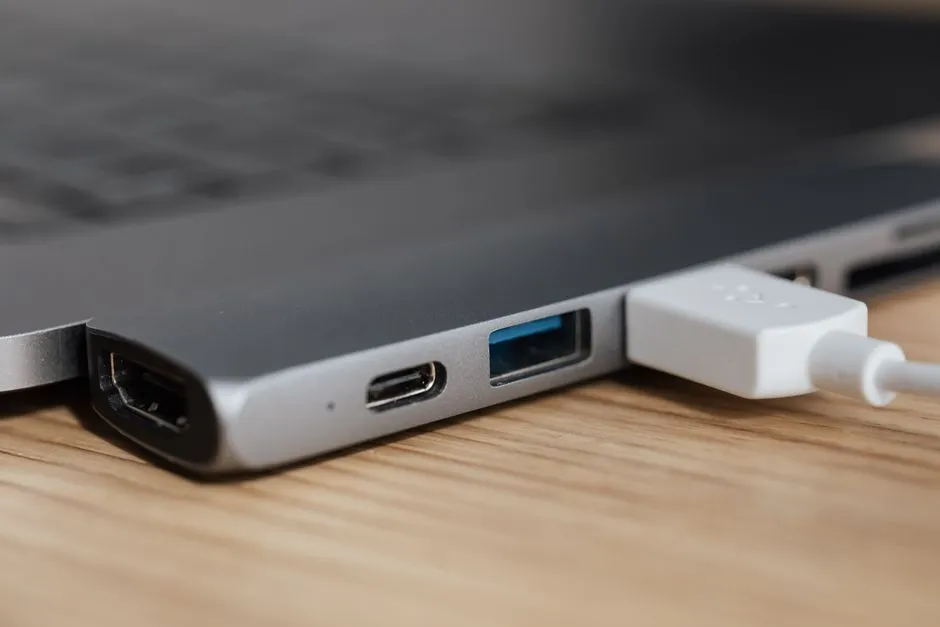
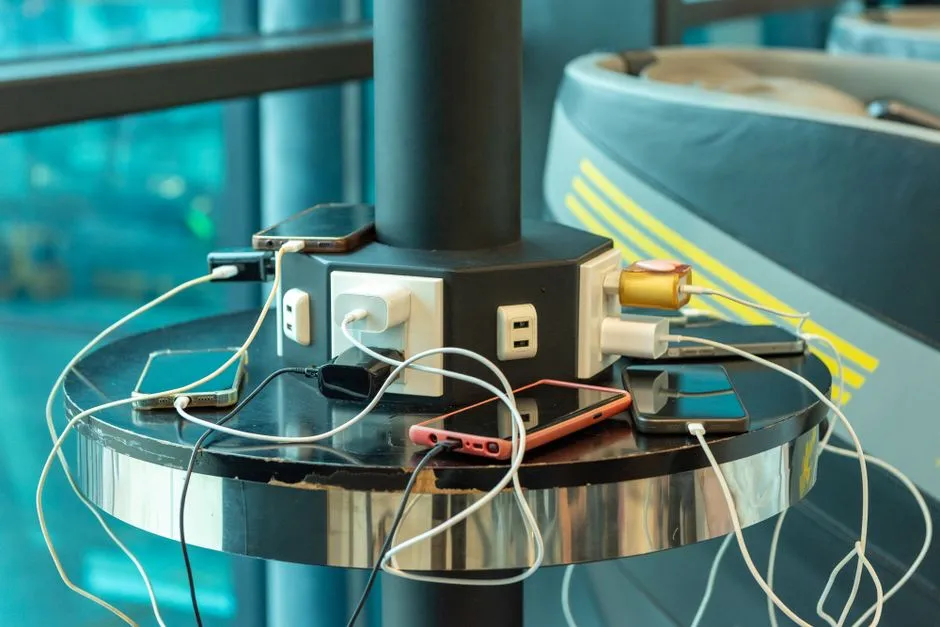
If you’re charging a laptop and a phone, the considerate move is to consolidate those devices and charge your phone via your laptop instead of using two precious public plugs. That one tip from the Washington Post’s travel etiquette guide cuts right to the heart of it. Using a multi-port adapter or charging smaller devices through a larger one frees up outlets for the next person without costing you anything.
Frequent flyers are well aware of this approach. When they see someone occupying three ports with a phone, a tablet, and a pair of wireless earbuds, all charging independently, the frustration is immediate and earned. The ports are shared. Using them as a private charging station for an entire gadget collection is genuinely inconsiderate.
Walking Away and Not Coming Back
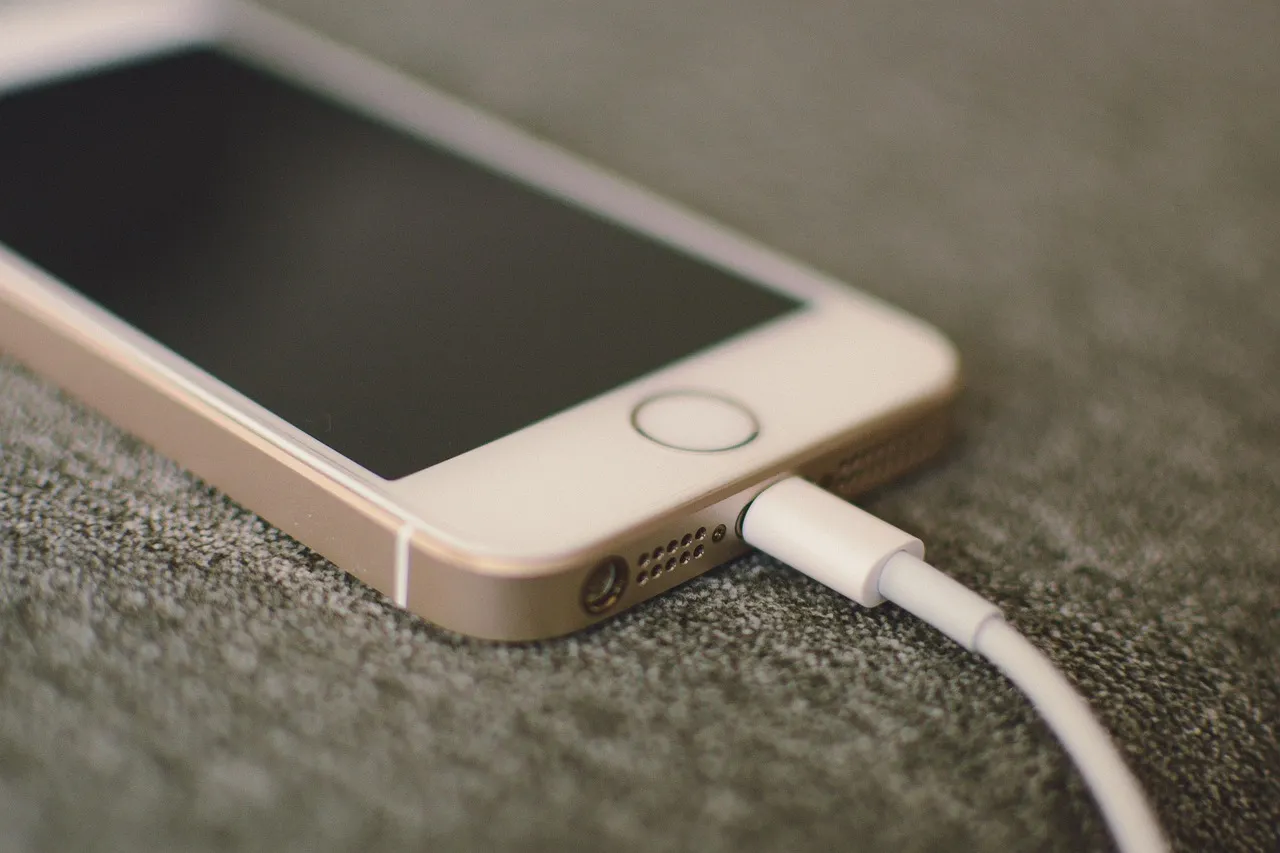
You should keep an eye on your device. Some charging stations have seating, so make yourself comfortable while waiting for your device to charge. If you must walk away from your device, return periodically to check on the charging progress. Abandoning a plugged-in device for long stretches is a significant part of the problem.
Unattended phones can be stolen, and what happens frequently is that people walk away and to the gate, forgetting the phone is plugged in. Beyond the security risk to the device itself, a phone left charging with no owner in sight creates a genuine dilemma for everyone nearby. Nobody wants to unplug a stranger’s device, but nobody wants to wait indefinitely either.
Unplugging Someone Else’s Device Without Asking

On the flip side of the abandoned-device problem sits another rude behavior: simply unplugging a stranger’s device to claim the outlet. If there are no empty spaces available to plug in, but you see someone else’s device is fully charged, don’t unplug it. First, identify whose device it is by asking passengers standing or seated near the charging station. Most people stand at or keep a close eye on their devices, so it shouldn’t be hard to find out who owns it.
Touching someone else’s belongings without permission, even with entirely good intentions, almost always lands badly. Asking first takes ten seconds. Most travelers will happily unplug a fully charged device if someone politely points it out, and that brief exchange is almost always more productive than silent frustration or unilateral action.
The Scale of the Market Tells You Everything About the Stakes
The airport charging stations market was valued at roughly 1.8 billion dollars in 2026 and is projected to expand to over 6 billion dollars by 2035, advancing at a nearly 15 percent CAGR over the analysis window. That kind of investment reflects just how essential charging infrastructure has become to the modern travel experience.
According to IATA’s own passenger survey, 44 percent of travelers already carry a backup battery, alongside 83 percent who carry a phone and 60 percent a laptop. More than half of travelers are relying on whatever charge they left home with. When so many people arrive at the airport already running low, how the available infrastructure gets shared matters enormously.
Why Frequent Flyers React So Strongly

People who fly regularly have simply seen this scenario play out hundreds of times. They’ve missed important calls because they couldn’t reach a charger. They’ve boarded flights with 8 percent battery because every outlet in the gate area was occupied by a device long past full charge. The repeated experience sharpens the frustration in a way that occasional travelers might not yet understand.
A poll of 9,000 travelers by the booking site Opodo found that the most common irritation, cited by nearly half of respondents, was people cutting in line at security or boarding. Charging-station hogging doesn’t register in formal polls as often, but in travel forums and frequent flyer communities, it comes up with remarkable consistency. The shared sentiment is simple: public infrastructure works best when people treat it as exactly that, public.
The Simple Fix Most Travelers Overlook
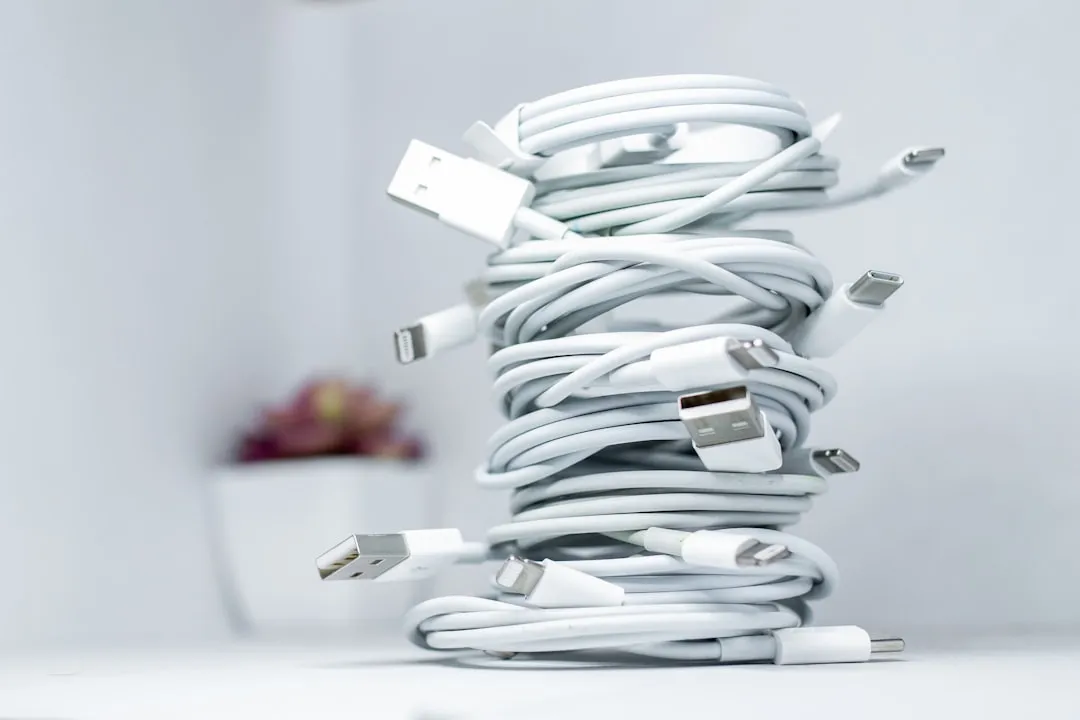
Packing a portable charger so you don’t have to enter the fray in the first place is probably the cleanest solution. Power banks have become more affordable and compact, and carrying one eliminates your dependence on airport outlets entirely. It’s the travel-savvy move that frequent flyers have largely adopted as standard practice.
For those who forget or whose power banks themselves need a top-up, the etiquette is straightforward. Plug in, stay nearby, unplug when you’re full, and move on. Phoenix Sky Harbor International Airport, for example, offers 240 electric outlets and 204 USB ports, including 36 sets of tables and chairs equipped with power outlets. Even well-supplied airports feel the squeeze when users linger past their charging window.
What the Broader Airport Etiquette Picture Tells Us

Charging-station behavior doesn’t exist in isolation. It’s part of a broader pattern of how travelers treat shared spaces under stress. After analyzing etiquette survey data, one key takeaway is that Americans generally don’t want more rules; they want more courtesy. That framing applies to charging stations as well as any other friction point in a terminal.
The airports are responding to rising demand with better infrastructure, smarter kiosk designs, and more ports per terminal. The airport USB charging stations market has experienced significant growth driven by the increasing reliance on mobile devices, and USB charging stations have become an essential amenity in modern airports, catering to travelers who require constant connectivity for smartphones, tablets, laptops, and other electronic devices. Still, no amount of infrastructure investment fully compensates for passengers who treat communal resources as private property.
The Takeaway
There’s no formal rule posted above charging stations that says you must unplug when your battery hits 100 percent. The etiquette is unwritten, which is exactly why frequent flyers notice when it’s broken. Shared space in a busy terminal operates on a kind of informal social contract, and the charging station is where that contract gets tested most visibly.
The habit that grates most, staying plugged in well past a full charge while others wait, is also the easiest to correct. Check your battery, unplug when you’re done, and move on. It’s a small thing. In a terminal full of stressed travelers, small things add up to a noticeably better atmosphere for everyone passing through.
AI Disclaimer: This article was created with the assistance of AI tools and reviewed by a human editor.