
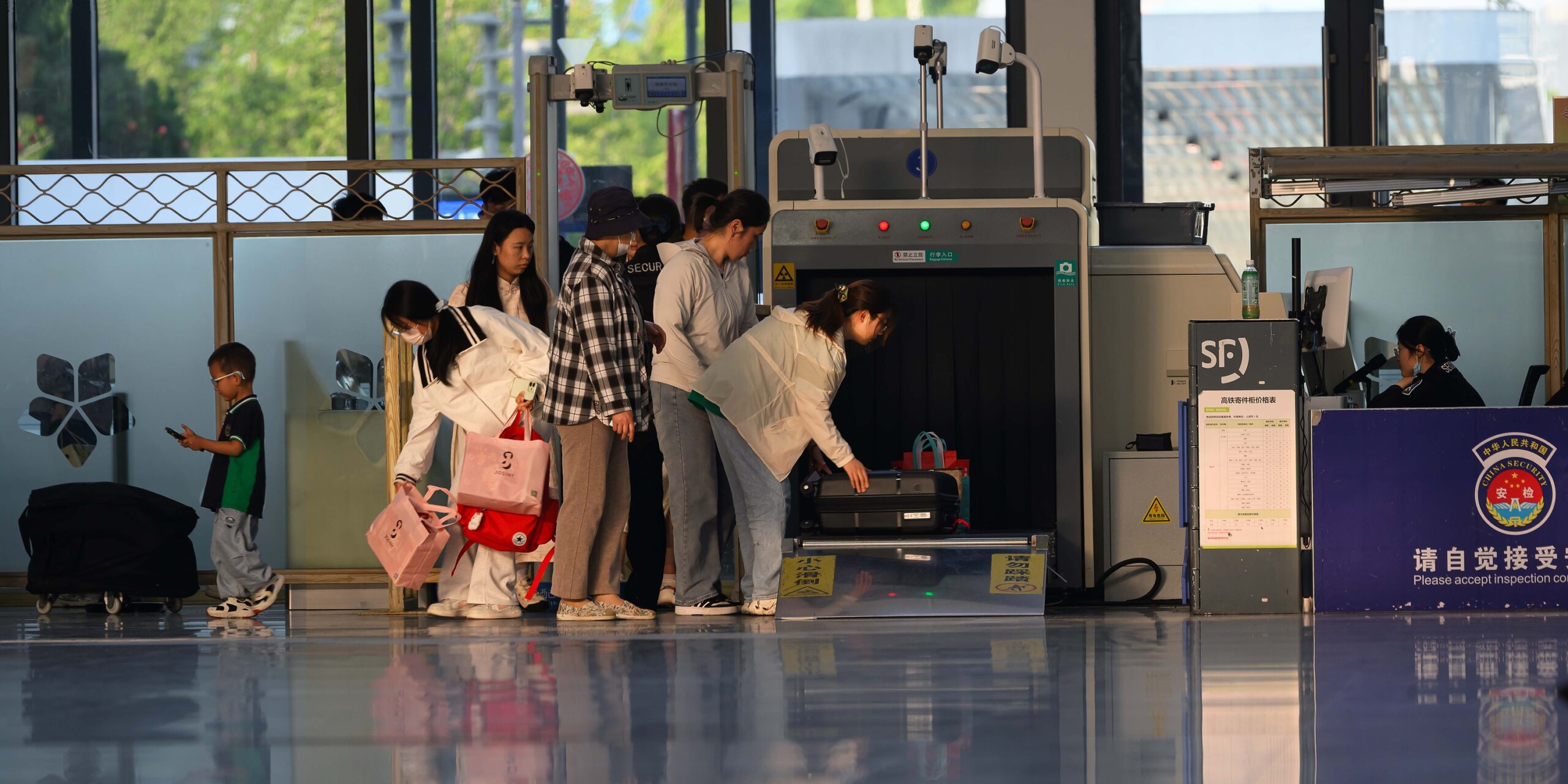

Most people assume it’s a weapon or something obviously dangerous. In reality, the items that slow down security lines and prompt officers to dig into your bag are often things you’ve packed a hundred times before: food, chargers, powders, candles. The surprise isn’t that dangerous items get flagged. It’s that perfectly ordinary items do too, and for reasons that make complete sense once you understand how screeners actually work.
TSA screens approximately 3.3 million carry-on bags for explosives and other dangerous items every single day. With that kind of volume, screeners rely on X-ray imaging to quickly identify what’s in a bag. When something appears dense, irregular, or ambiguous on screen, a manual check follows. Knowing which items consistently create that kind of confusion is one of the most practical things a traveler can learn.
Liquids: The Rule Everyone Forgets in the Moment
The most prevalent and common cause of delay at the security checkpoint at an airport is liquids. After years of the 3-1-1 rule, it still catches people off guard. Travelers forget that a large shampoo is in their bag, or they misjudge the container size entirely.
TSA is very strict about this rule. The container size itself is what gets measured, not the fill level. Oversized containers will get confiscated even if they are nearly empty. That detail alone surprises a lot of people. And the 3.4-ounce limit stands as of August 2026, and no federal replacement has been published.
Food: More Complicated Than It Looks on a Scanner
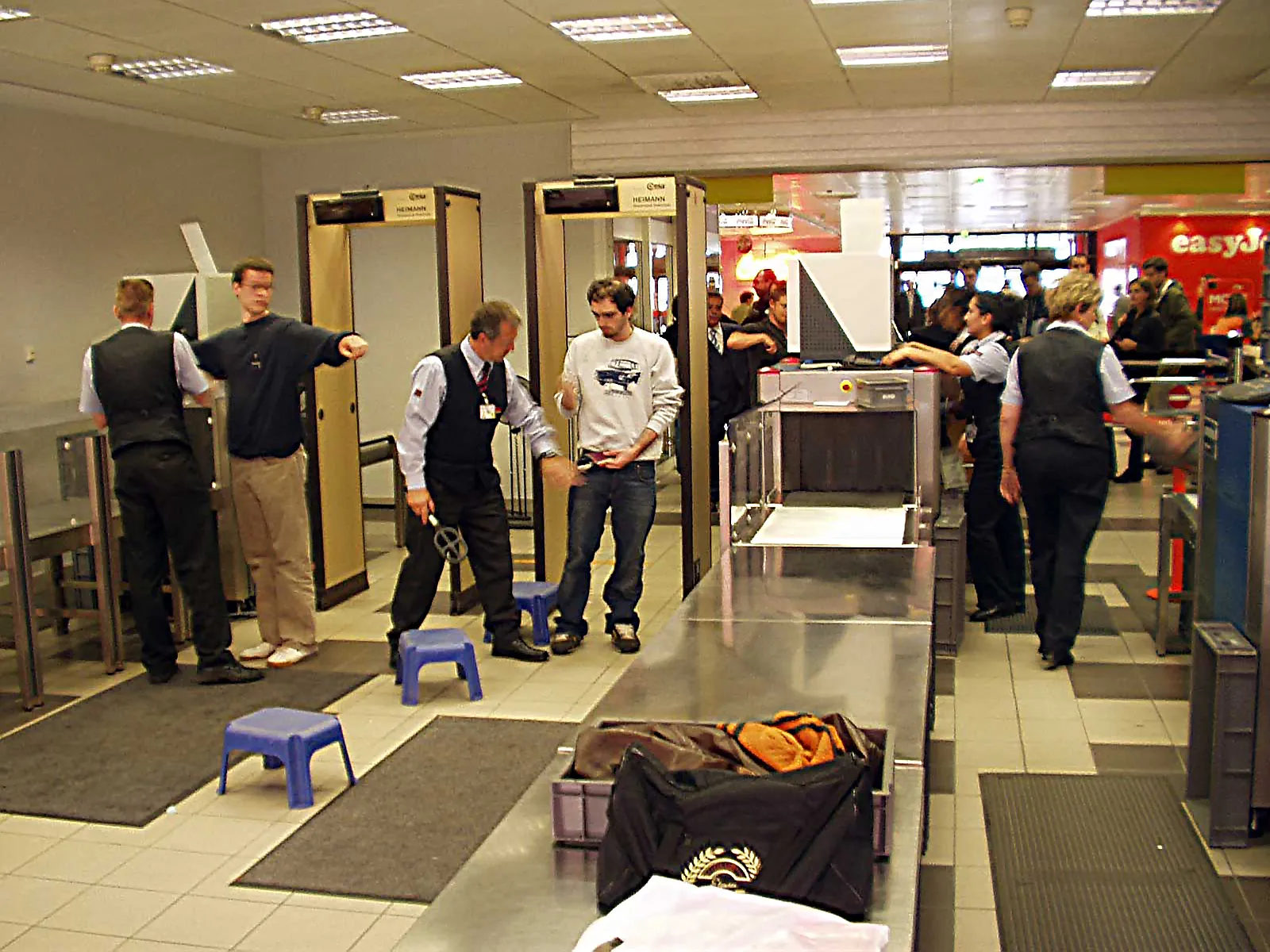
Lots of permissible items can get you flagged because of their similar consistency to explosives or difficulty deciphering in an X-ray screening. Food, candles, wipes, and even books are just a few of the permitted items that may cause a TSA officer to take a second look.
If you have some of these in your carry-on, it’s best to keep them visible so an officer can quickly determine the item is safe and get you on your way. Dense foods like blocks of cheese, whole fruit, or tightly packed snack bars can look surprisingly opaque under an X-ray. They’re allowed, but a cluttered bag full of food is one of the most common triggers for a secondary check.
Spreadable Foods: The Peanut Butter Problem
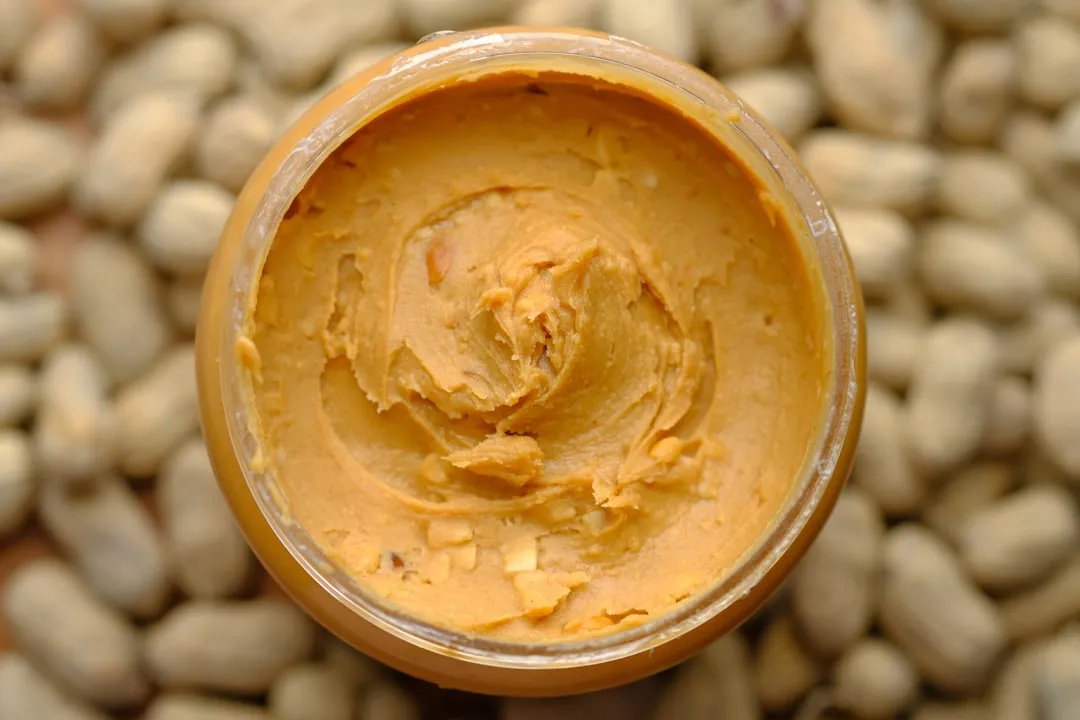
The Transportation Security Administration classifies anything spreadable as a liquid. Consequently, you’re only allowed to carry on less than 3.4oz of peanut butter. This catches travelers completely off guard. Most people think of peanut butter as a solid. TSA does not.
TSA screens peanut butter as a liquid because it’s spreadable, and the same applies to Nutella, cream cheese, hummus, and yogurt. Larger jars have to go in checked baggage, so buy the travel size or pack it in the bag you’re checking. The rule extends further than people expect. The same logic goes for any food used for spreading or dipping, including honey, salsa, soft cheese, yogurt, and guacamole.
Powders: A Category That Gets Extra Scrutiny
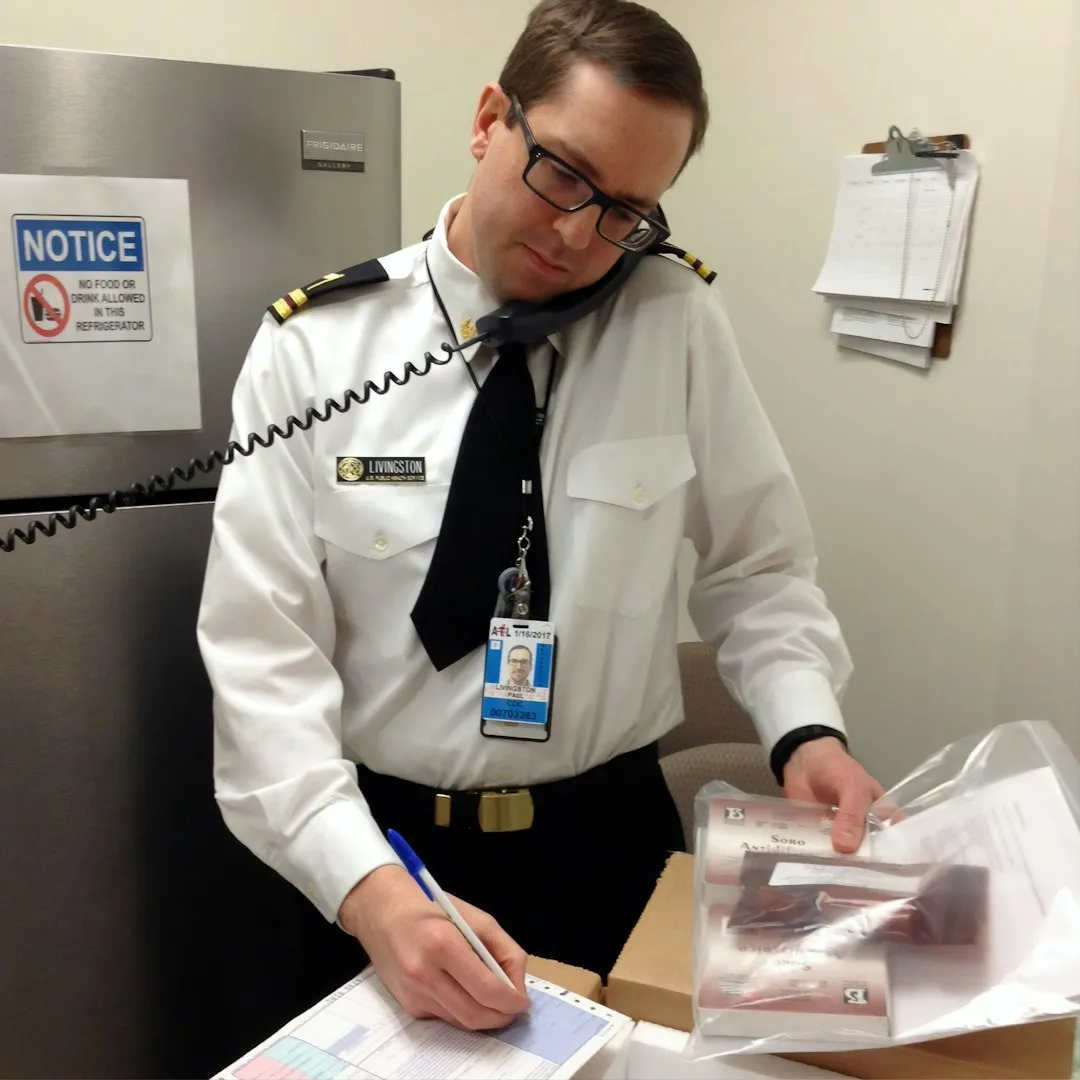
Powders larger than 12 ounces can trigger additional screening, and officers may ask you to open the container. Protein powder, ground coffee, loose baking supplies, and powdered makeup all qualify. The reason isn’t arbitrary. Powdery substances can look similar to certain explosive compounds under imaging equipment, making manual verification necessary.
Protein powders and other powdered supplements over 12 ounces are subject to additional screening. TSA agents may open containers, swab them for explosives, or even confiscate them if they can’t be verified. If you travel with supplements regularly, packing them in your checked bag will save time. If you must carry them on, keeping them in their original labeled containers helps officers make a faster determination.
Lithium Batteries and Power Banks: A Surprisingly Strict Rule

Almost all spare lithium-ion batteries, power banks, and portable chargers are prohibited in checked luggage and must remain in the cabin. Most travelers get this backwards. They pack power banks in their checked bags for safekeeping, which is exactly what the regulations prohibit.
FAA-verified lithium battery incidents rose 65 percent between 2021 and 2024. That trend has pushed enforcement to become noticeably stricter in recent years. If a carry-on bag is gate-checked, passengers must remove all spare batteries and power banks before the bag enters the cargo hold. It’s a step many travelers skip, which can lead to a bag being pulled and opened right at the gate.
Electronics: The Item You Have to Remove
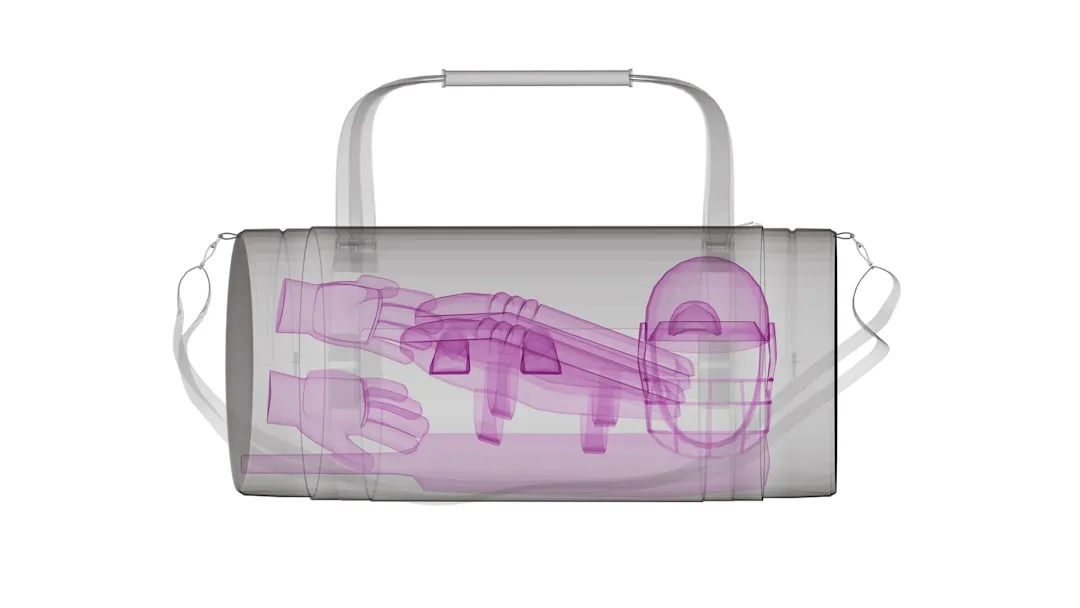
You will be asked to remove personal electronic devices larger than a cell phone from your carry-on bag and place them into a bin with nothing placed on or under them for X-ray screening. Common examples include laptops, tablets, e-readers, and handheld game consoles. When electronics stay buried inside a crowded bag, the X-ray image becomes difficult to read clearly.
The manual check triggered here isn’t usually about suspicion. It’s simply about getting a clear picture. A tangled mass of cables, chargers, and devices packed tightly together creates visual noise on the screen that forces agents to investigate. Keeping your electronics organized and easy to remove is one of the simplest ways to move through faster.
Sharp Objects: The Most Confiscated Category
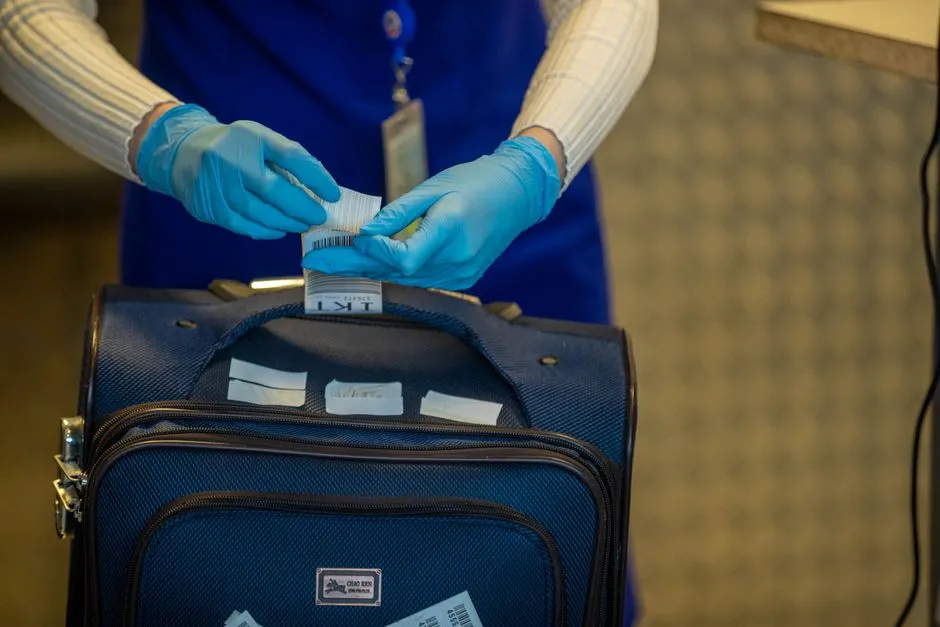
Sharp objects are the most obvious, despite being the most-confiscated item by TSA. Knives, scissors, safety razors, and that tiny blade on your multi-tool will all get flagged. Many confiscations in this category come from tools or items people forgot were in their bags. A pocket knife left in a travel backpack from a camping trip is a classic example.
Multi-tools with blades are strictly limited to checked bags only. Even small blades that seem inconsequential trigger a manual check. The TSA does not have a minimum size threshold for blades in carry-on bags; if there’s a blade, it doesn’t belong in the cabin.
Candles and Dense Organic Items

Dense organic matter sometimes raises flags. The TSA lists ChapStick as an approved item, but because it’s a solid tube of organic ingredients, lip balm and similarly formulated cosmetics can still attract the curiosity of some inspectors. Candles are a particularly common culprit, especially around the holidays when people travel with them as gifts.
Large candles, especially jar candles, appear as dense, opaque masses on X-ray screens. They’re allowed, but they look unusual enough that officers want a second look. Keeping them accessible in your bag, rather than buried at the bottom under clothing, makes the process quicker for everyone.
Snow Globes and Novelty Souvenirs

Souvenir items such as snow globes fall into a gray area. The TSA’s snow globe policy specifies that only small globes containing less than 3.4 ounces of liquid are permitted in carry-on bags, and even then they must fit in the same quart-sized bag as your other liquids. Larger globes must be packed in checked luggage.
While these may seem minor, they are among the most common reasons passengers’ bags end up flagged for inspection. The combination of glass, liquid, and a metallic or plastic base makes snow globes genuinely difficult to assess quickly on a screen. If you’ve bought one as a souvenir, the safest move is always to pack it in your checked bag from the start.
Overpacked, Disorganized Bags: The Hidden Trigger
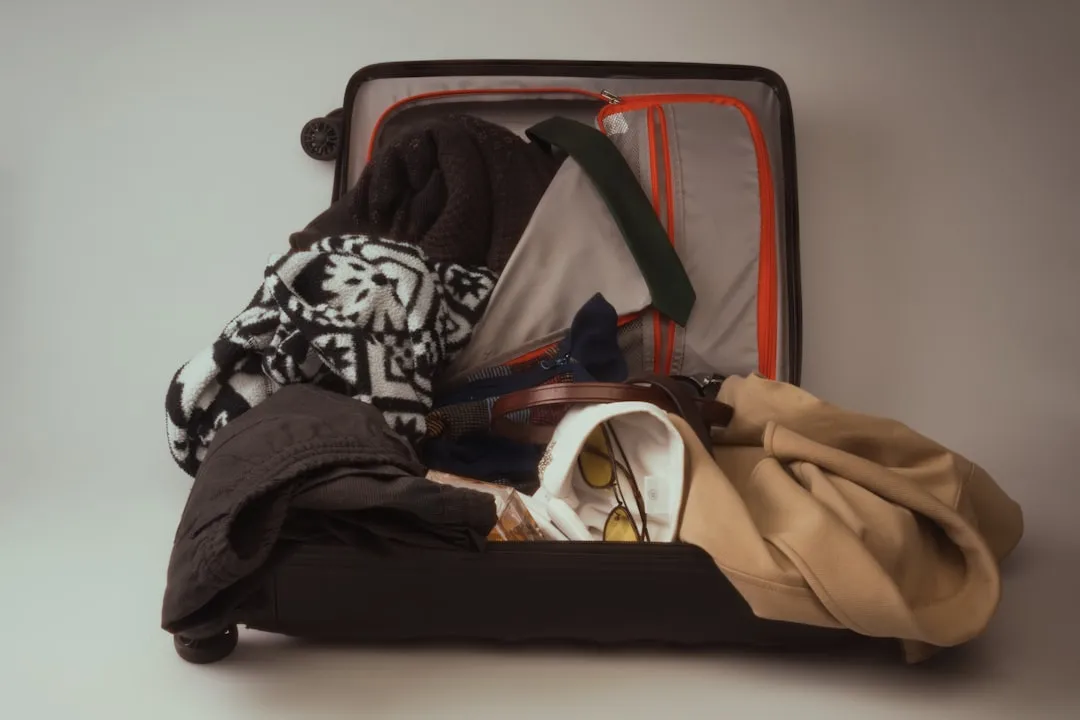
Certain factors, like suspicious items on an X-ray or improperly packed bags, may prompt a manual inspection. A bag doesn’t have to contain anything prohibited to get flagged. When a bag is packed so densely that individual items can’t be distinguished, screeners have no choice but to open it and look. The problem is the image, not necessarily the contents.
Even if an item is generally permitted, it may be subject to additional screening or not allowed through the checkpoint if it triggers an alarm during the screening process, appears to have been tampered with, or poses other security concerns. Organization isn’t just about fitting more into your bag. It’s one of the most overlooked ways to move through security without delay. Flat layers, accessible electronics, and liquids already out and ready to go make a genuine difference at the checkpoint.
The Takeaway
The items that trigger the most manual checks at airport security are rarely weapons. More often, they’re protein powder, a jar of peanut butter, a candle picked up at a market, or a power bank packed in the wrong bag. Screeners aren’t looking to slow you down. They’re working through a visual puzzle thousands of times per shift, and anything that makes the image harder to read means a hand search follows.
The clearest lesson from how TSA operates is that preparation matters more than intent. Knowing which items look ambiguous on a scanner, and packing accordingly, cuts your checkpoint time and reduces stress on everyone in the line behind you. Travel thoughtfully, pack with awareness, and the security process becomes far less of an obstacle.
AI Disclaimer: This article was created with the assistance of AI tools and reviewed by a human editor.