
Every spring, thousands of hikers flood Recreation.gov the moment permit windows open. They chase the same names: the Teton Crest, Half Dome, Angels Landing, the Enchantments. Lottery entries pile up, refresh buttons get worn out, and frustration spreads across outdoor forums. Meanwhile, permit officers at ranger stations across the country watch a different story unfold quietly on the other side of the desk.
There are trails sitting in the permit system with open dates, unclaimed slots, and zero competition. Not because they’re dangerous or featureless, but simply because they never made the shortlist. This is what backcountry staff don’t always advertise, and what the usage data actually shows.
The Permit System Sees Everything – Including What Nobody Books
Grand Canyon’s 2024 backcountry report recorded 19,171 lottery entries and over 11,000 permits issued for more than 70,000 user-nights. That same report breaks down monthly usage for each campground and backcountry use area, letting anyone gauge how hard or easy a permit might be to obtain – and, crucially, identify lesser-used areas that might be worth exploring.
The data is public. It’s detailed. Most hikers simply never look at it.
The reality is there are many underrated trails with permits that are left unclaimed, and these can be reserved at any time before a trip. Permit officers know this better than anyone, because they’re the ones watching those slots go unfilled week after week.
Why Certain Trails Stay Off the Radar
More popular areas have a quota season when permits are limited. In mountainous areas where most people recreate summer to fall, quota season usually starts in May or June and goes until September or October. Outside those windows, many trails that require permits in peak season become far more accessible.
Outside of quota season, permits are often unlimited and self-issued, meaning hikers can register in person at the trailhead or a ranger station, or simply do it online. That’s a meaningful window of access that most people overlook entirely.
The trails that stay quiet aren’t always obscure in the geographical sense. Sometimes they’re just one ridge over from a famous route, sharing the same sky, the same silence, and a fraction of the foot traffic.
Bryce Canyon’s Under-the-Rim Trail: 22 Miles, Almost Nobody
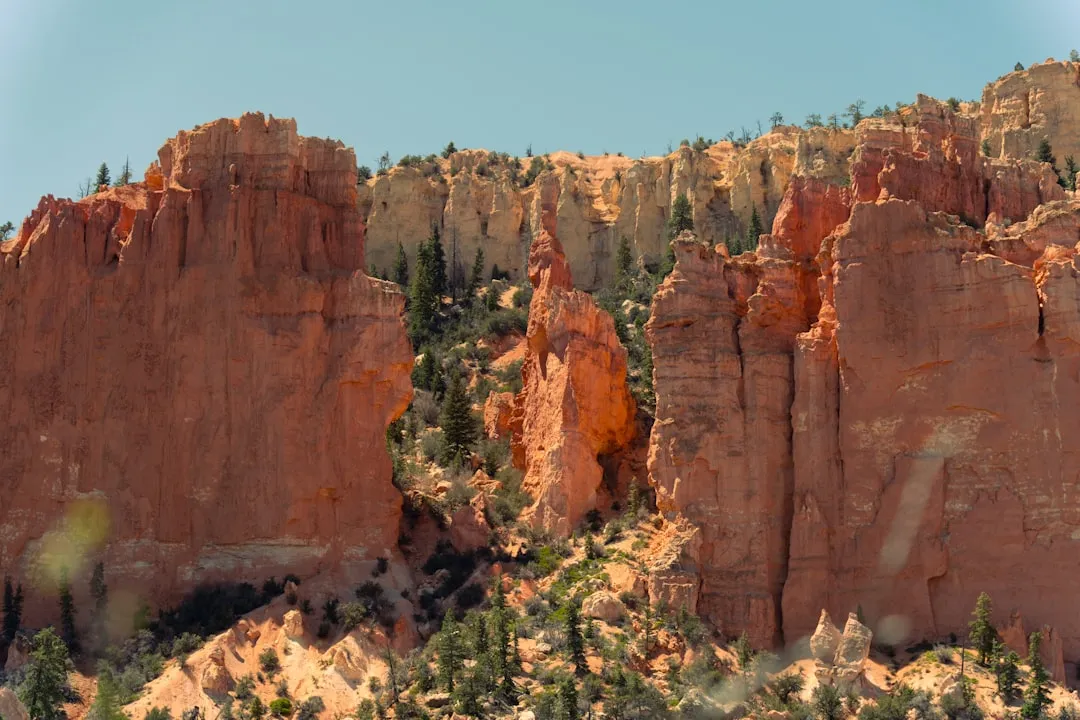
Bryce Canyon is best known for its hoodoos – intricately carved rock spires left standing by erosion. By comparison, the park’s backcountry trails offer forests, meadows, stunning views of distant cliffs, and solitude. Backcountry trails are not as maintained or clearly signed as the park’s frontcountry trails, and those planning a trip should have strong wayfinding skills.
The Under-the-Rim Trail stretches 22.9 miles and connects Rainbow Point in the south to Bryce Point in the north, with six campsites and one group site along its length. This is a genuinely substantial route that sees a fraction of the visitors who crowd the park’s rim walks each day.
All overnight backcountry stays at Bryce Canyon require a permit. The difference is that obtaining one is rarely a fight. The trail’s lower profile keeps demand modest, which means open dates are often easy to find.
Grand Canyon’s Quieter Corridors
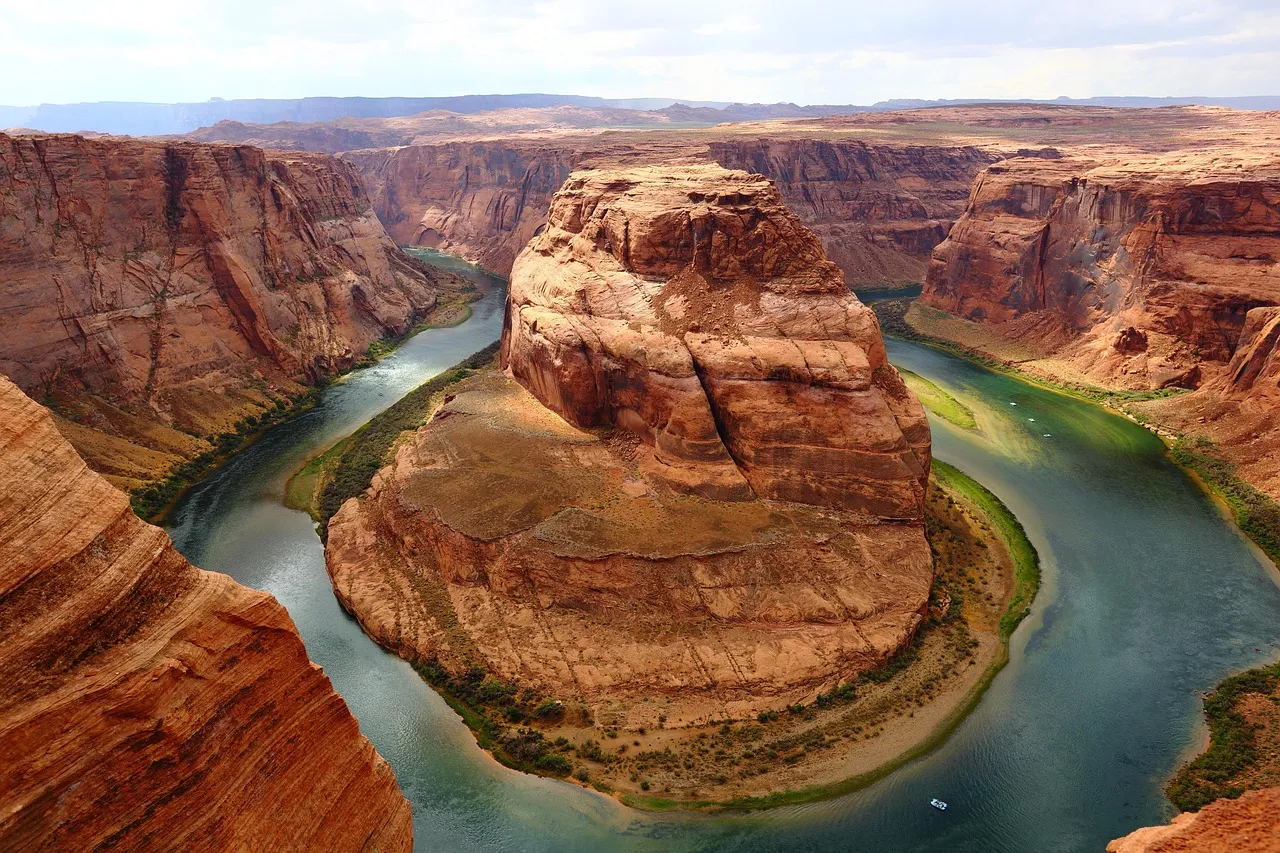
A permit is required for any camping in the Grand Canyon backcountry, excluding the developed campgrounds on the North and South Rim. A new application process implemented in 2024 made backcountry permits available online at Recreation.gov via a monthly lottery, with applications open for a two-week period. You can apply no sooner than 4.5 months in advance of your preferred start date.
Most permit hunters fixate on the corridor routes, particularly those involving Bright Angel and the South Kaibab. In 2024, temporary impacts on backcountry use included extended shutdowns of the Bright Angel Trail, Havasupai Gardens Campground, Bright Angel Campground, and the Plateau Point Spur Trail, with those closures necessary for public safety.
What that disruption did, unintentionally, was push some hikers toward the canyon’s less-traveled use areas – and a number of them came back saying the experience felt entirely different from the corridor crowds. The canyon is vast, and the permit data bears that out.
Death Valley’s New Permit System and Its Open Slots
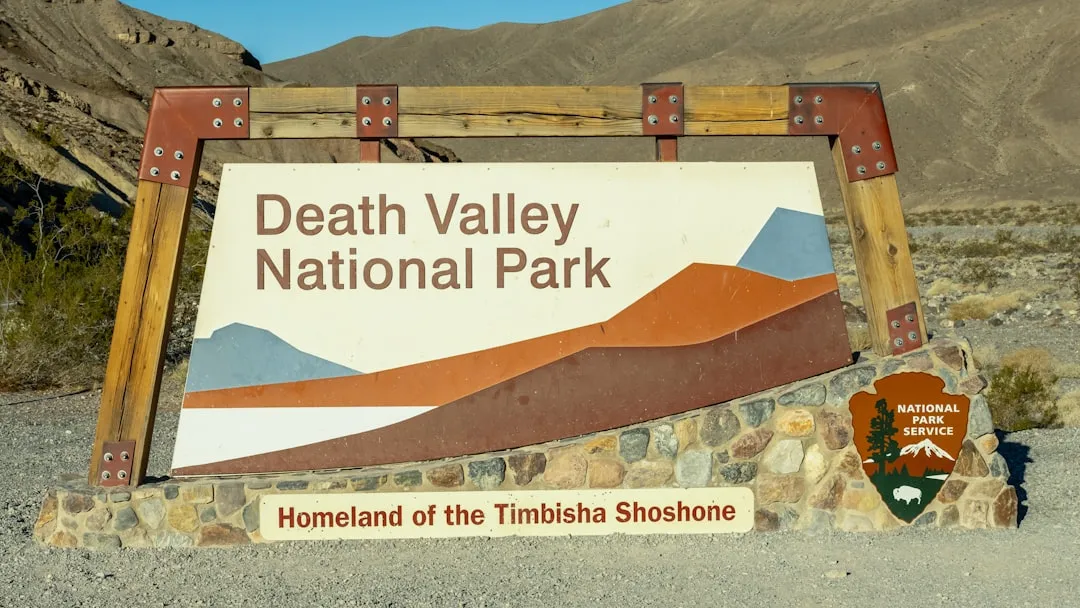
Beginning April 30th, 2024, Death Valley National Park implemented a new backcountry permit system for specific backcountry areas, making reservations available on Recreation.gov up to six months in advance.
Backcountry permits are required for roadside camping along Cottonwood Canyon, Marble Canyon, Echo Canyon, Hole in the Wall, and Greenwater Valley Roads, and for backpacking in the Cottonwood Canyon and Marble Canyon areas. These are striking desert routes, yet they remain largely unknown outside the desert hiking community.
Permits are a way for the park to communicate with campers about Leave No Trace ethics, current conditions, hazards, and rules. Permit usage information also provides insight for future management decisions to protect the fragile desert ecosystem. In other words, the permit isn’t just a bureaucratic formality – it’s part of how these remote places stay intact.
North Cascades: A Permit System Built for Flexibility
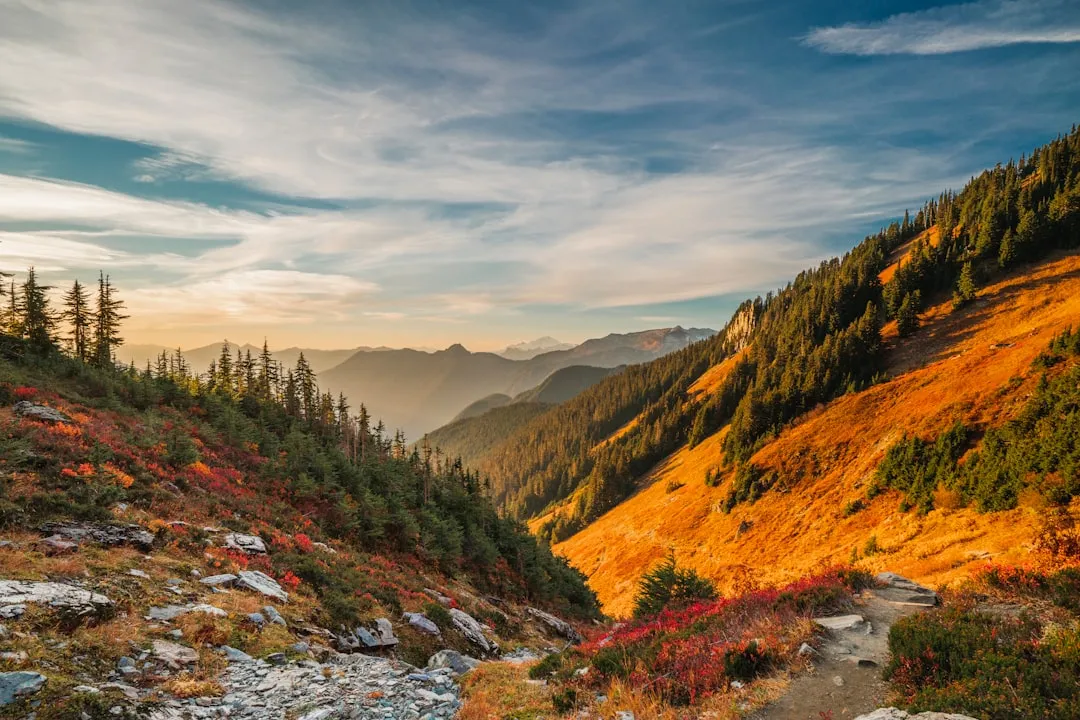
Beginning in 2025, North Cascades National Park Service Complex allowed most backcountry visitors with advanced reservations to obtain their permits via email – a practical shift that made the process considerably more accessible for trip planning.
Between May 15 and October 10, visitors can also walk into the Wilderness Information Center to get a backcountry permit the day of or the day before their trip starts for some areas in the park. That kind of last-minute flexibility is rare in the permit world, and it quietly opens the door to routes that rarely appear on popular hiking lists.
Hikers can check availability on Recreation.gov by looking for a “W” at desired camps, which indicates available walk-up spots. It’s a simple lookup, and the results are often more encouraging than people expect.
The Walk-Up Window Nobody Uses
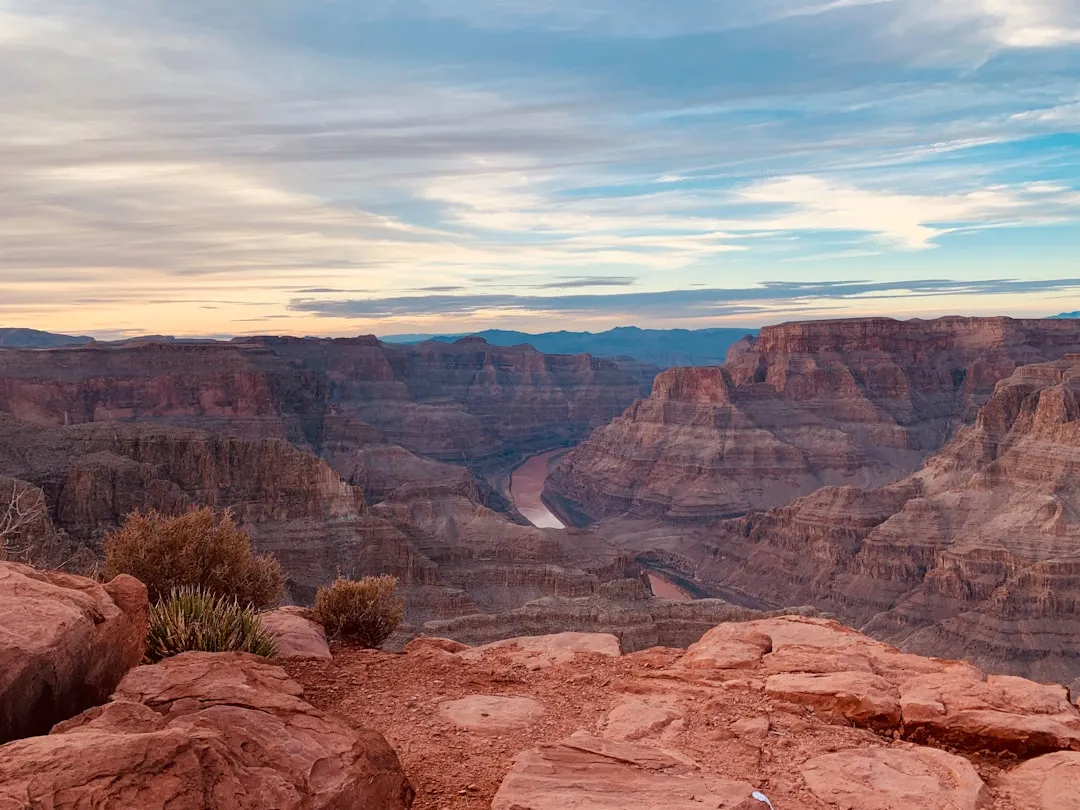
At the Grand Canyon, rim-to-rim competitive hiking permits are only required for backcountry camping, and visitors can try for a limited number of walk-up permits by visiting the Backcountry Office the day before the start of a hike. Most people assume walk-ups are a hopeless option. They often aren’t.
Walk-up permits are available on a first-come, first-served basis up to 48 hours in advance. The hikers who show up for them, particularly mid-week or during shoulder season, frequently leave with a permit in hand for routes that have been sitting open for days.
Permit officers have noted this pattern repeatedly. The trails getting walk-up permits aren’t always the second-rate options – sometimes they’re genuinely beautiful routes that simply don’t carry a famous name.
Shoulder Season Is Where the Real Availability Hides
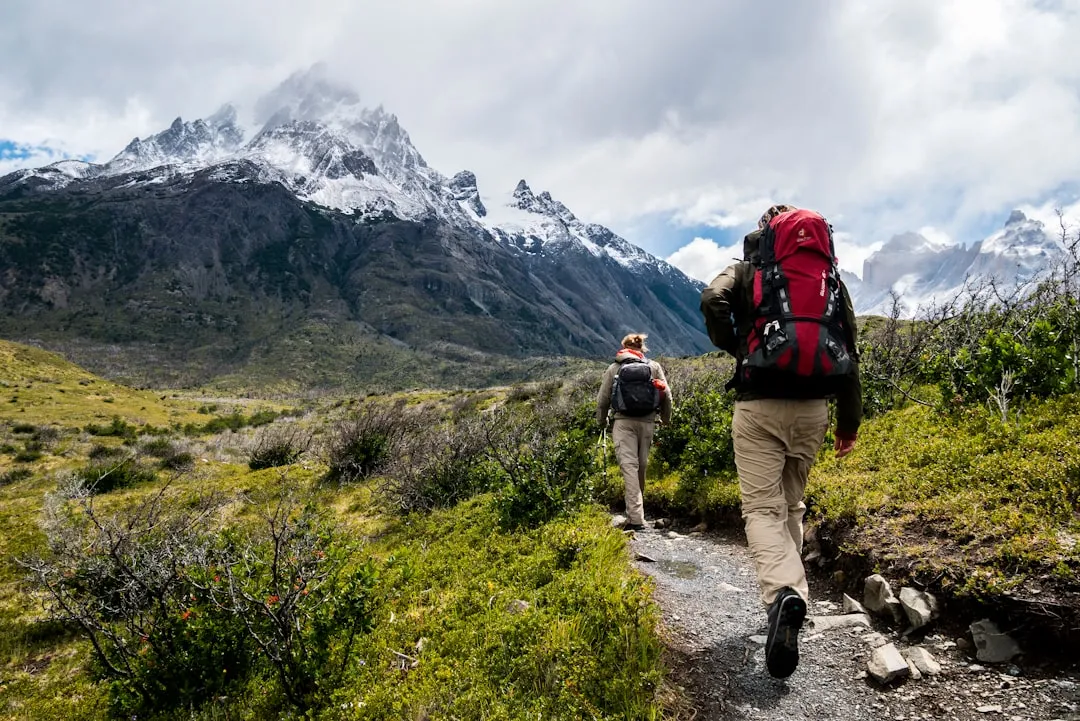
Quotas allow parks to manage human impact on fragile environments and preserve the wilderness experience. But when demand for a limited number of permits grows rapidly, the outdoors can feel inaccessible for those who cannot plan far ahead. The system is imperfect, yet there are built-in relief valves that most hikers ignore.
Shoulder season – late September through early November, or late April through mid-May – consistently produces available permits on trails that were fully booked just weeks earlier. Avoiding peak season and looking outside the summer months tends to make permit access far easier.
The light is different in October. The crowds are gone. Rangers often describe the backcountry in shoulder season as feeling the way it used to before the permit lottery era ever began.
What the Permit Data Actually Reveals About Demand
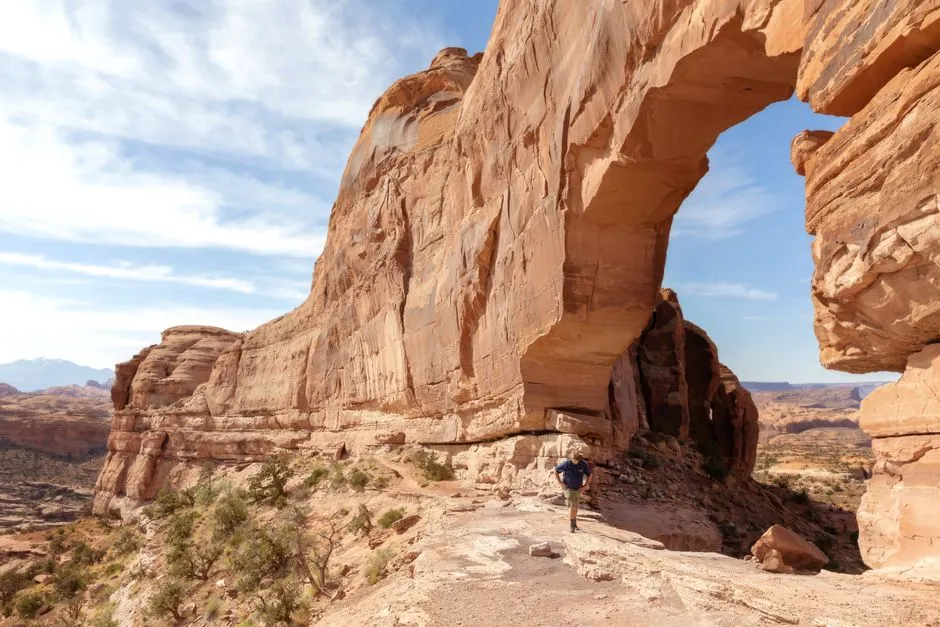
Permit requirements vary from park to park. Not all national parks require permits. Some require them just to enter, like Rocky Mountain National Park, while others require them only to access specific trails, like Angels Landing in Zion. Understanding this distinction helps hikers realize how much of the backcountry remains wide open.
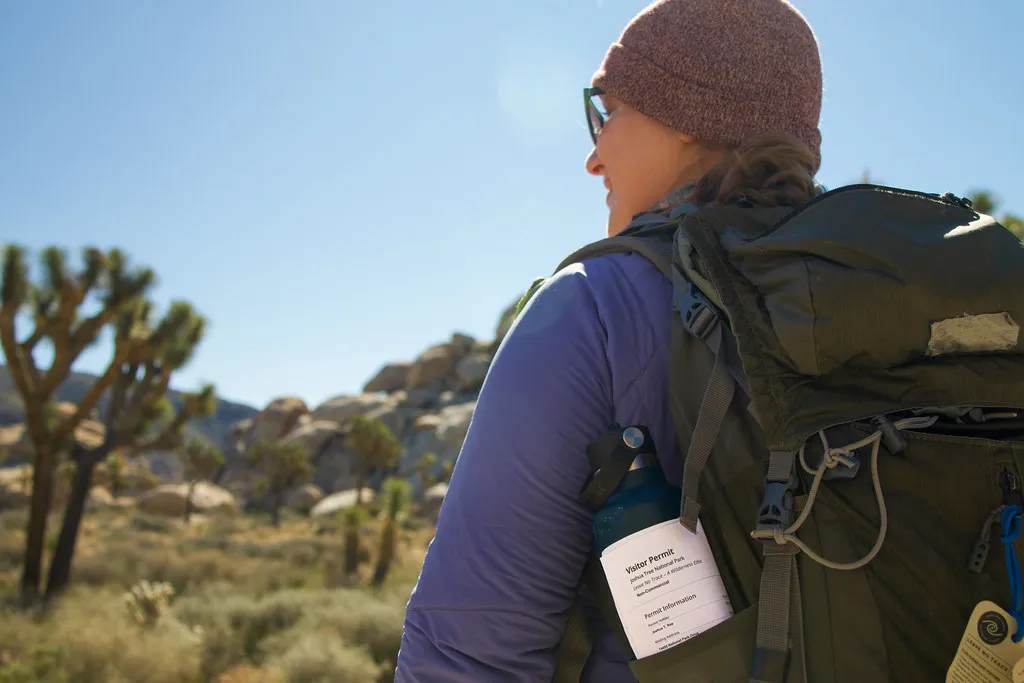
Joshua Tree National Park in Southern California is one exception where no permit is required for backcountry camping at all. That’s a significant fact for desert hikers who’ve been avoiding the permit process entirely. Vast, surreal terrain – no application needed.
The permit system was designed to protect wilderness, not to gatekeep it. The numbers, when you actually read them, often tell a more open story than the hiking community’s collective anxiety suggests.
The Trail Nobody Requests Is Often the One Worth Taking
There’s a quiet irony in the backcountry permit world. Even experienced backpackers who’ve secured permits for the Wonderland Trail around Mount Rainier, sections of the John Muir Trail, and the Teton Crest Trail describe the competitive permit process as the dominant challenge of modern backcountry travel. The fame of a trail has become almost entirely decoupled from its actual quality.
Bryce Canyon’s backcountry trails offer forests and meadows, stunning views of distant cliffs, and genuine solitude – while the same park’s frontcountry trails remain perpetually packed. That contrast plays out across dozens of parks, and the permit data makes it visible to anyone willing to look.
The trail nobody requests isn’t a consolation prize. It’s often the quieter version of an experience people are already chasing. Permit officers see this every season. The open slots don’t lie.
The Takeaway
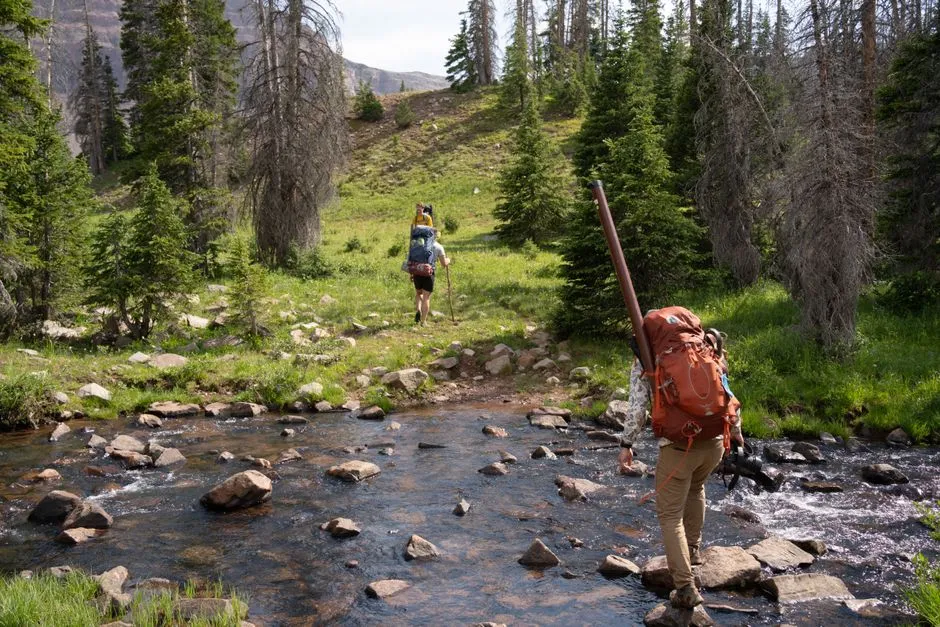
The most honest advice in the backcountry permit world comes from the people behind the counter at ranger stations. They see which routes go unchosen, which campsites sit empty week after week, and which walks would genuinely reward the hikers who bother to ask about them. The information is there – in the usage statistics, in the walk-up availability, in the shoulder season calendars.
Most hikers never ask. They apply for the same five trails, accept defeat in the lottery, and conclude the backcountry is full. It isn’t. It’s just unevenly requested. The permits for the trail nobody books are often sitting right there, available tomorrow. The question is whether you’re curious enough to look past the names everyone already knows.
AI Disclaimer: This article was created with the assistance of AI tools and reviewed by a human editor.