
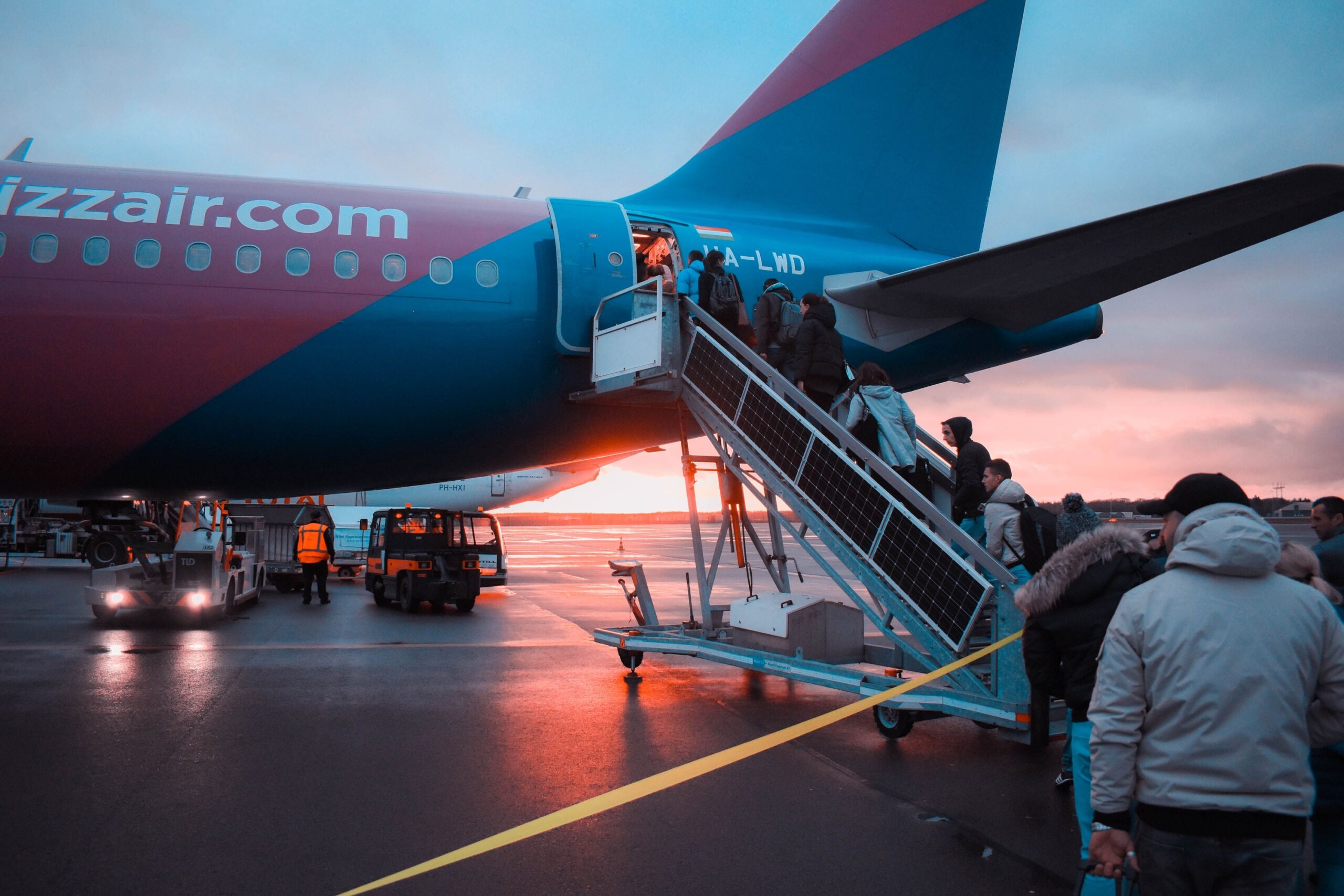

Every frequent flyer knows the feeling. Your zone hasn’t been called yet, the gate area is filling with people who are not supposed to be there, and the line isn’t moving. It’s maddening. What most passengers don’t realize is that this exact habit – lining up too early, boarding out of turn, or crowding the gate before your zone is announced – is one of the most quietly damaging things a traveler can do to a flight’s departure time.
The research on this is surprisingly consistent. The airplane boarding process can have a significant impact on a flight’s turnaround time, and much of that impact comes down to individual passenger behavior rather than airline logistics. The habit in question goes by many names. Gate agents have started calling it something more colorful.
The “Gate Lice” Problem Has a Real Name Now
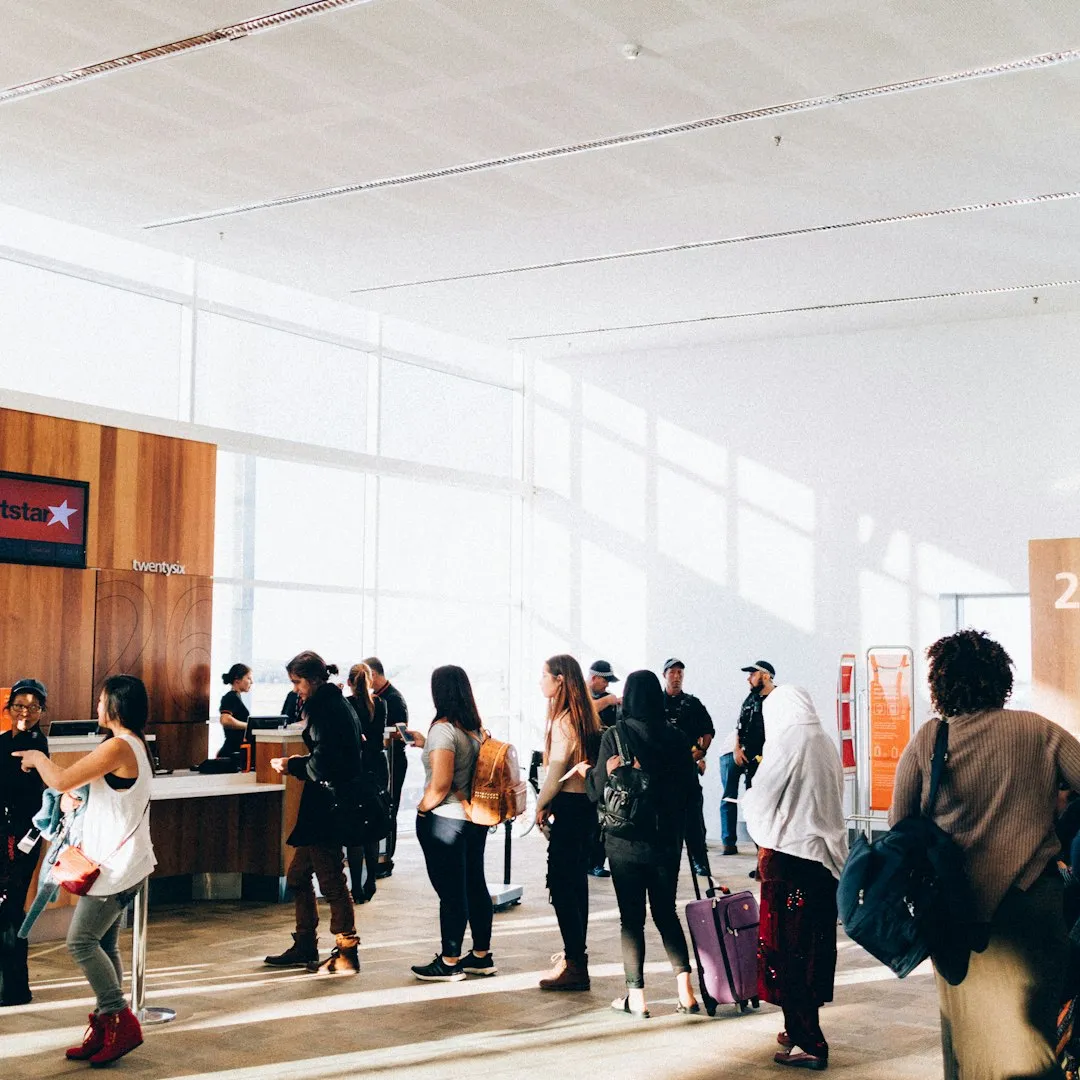
The term “gate lice” has entered everyday travel vocabulary, and it refers specifically to passengers who crowd the gate area and attempt to board before their zone is called. American Airlines has been actively cracking down on passengers who board before it’s their turn, and a Reddit user recently shared a story about an American Airlines gate agent who held up the airline’s enforcement against early boarding.
A flyer on the subreddit r/americanairlines applauded a gate agent at the Pensacola, Florida airport who was actively turning away passengers from boarding whose zones had not yet been called. The fact that such enforcement is being applauded tells you everything about how common the problem has become.
How Long Boarding Actually Takes in 2026
Boarding in the 1970s reportedly took just 15 minutes. Today, that process often takes up to 40. That is a significant shift, and it didn’t happen by accident.
In the 1970s, Southwest Airlines’ average turn time – from the moment a plane arrives at the gate to the time it leaves – was only 10 minutes. Today, it’s more like 45 to 55 minutes. Not all of that is the passenger’s fault, of course. The structure of modern air travel has changed considerably. Still, the gap is striking.
The Carry-On Luggage Factor Is Getting Worse
One key factor contributing to an increase in passenger boarding time is an increase in carry-on luggage. Passengers have increased their carry-on baggage for several reasons, including the implementation of checked baggage fees by airlines, and during the process, finding available overhead storage bin space becomes increasingly time-consuming and frustrating, causing delayed departures.
Southwest’s experience in 2026 illustrates this perfectly. At the end of May 2025, Southwest ended its famous “Two Bags Fly Free” policy for new bookings, meaning that more and more passengers have been trying to bring increasing amounts of hand luggage on board. Passengers were boarding the plane only to discover that all the overhead bins near their assigned seat were already full, resulting in delays as passengers hunted for space, moving up and down the packed aisle.
The Overhead Bin Bottleneck Is the Heart of the Problem
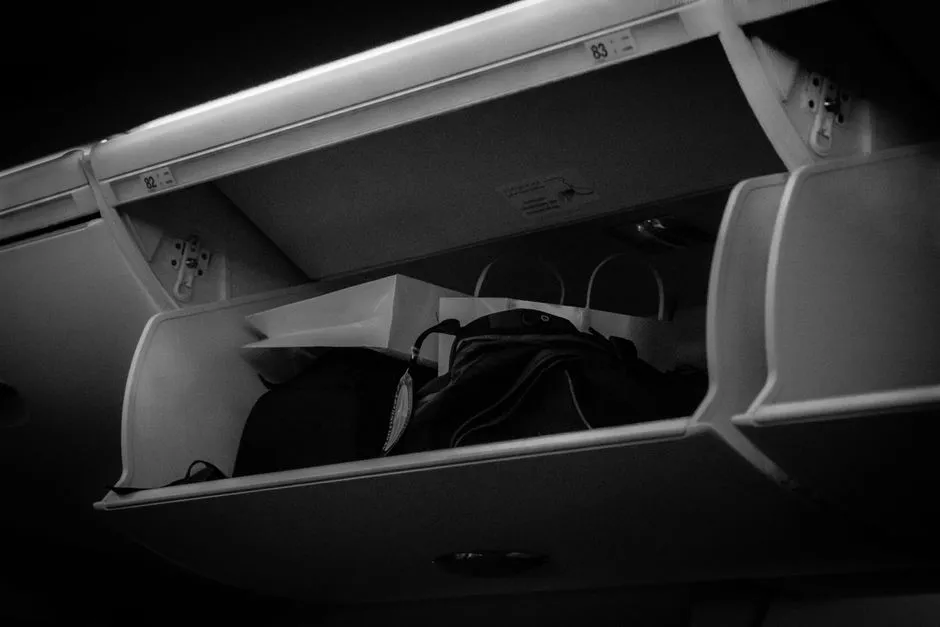
Much of the delay is caused by the aisle getting bogged down as passengers try to stow their luggage. This is not a new observation. Astrophysics professor Jason Steffen arrived at this conclusion after running hundreds of computer simulations specifically designed to model the boarding problem.
Boarding is a consistent barrier to an on-time departure across the industry, and it can be delayed by passengers needing extra time to store bags because of a lack of overhead storage. When passengers board before their zone is called, they consume overhead bin space near the front of the aircraft first. That forces later passengers to walk back through the cabin searching for an open bin, creating an aisle traffic jam that cascades through every remaining boarding group.
Why Back-to-Front Boarding Makes Things Worse, Not Better
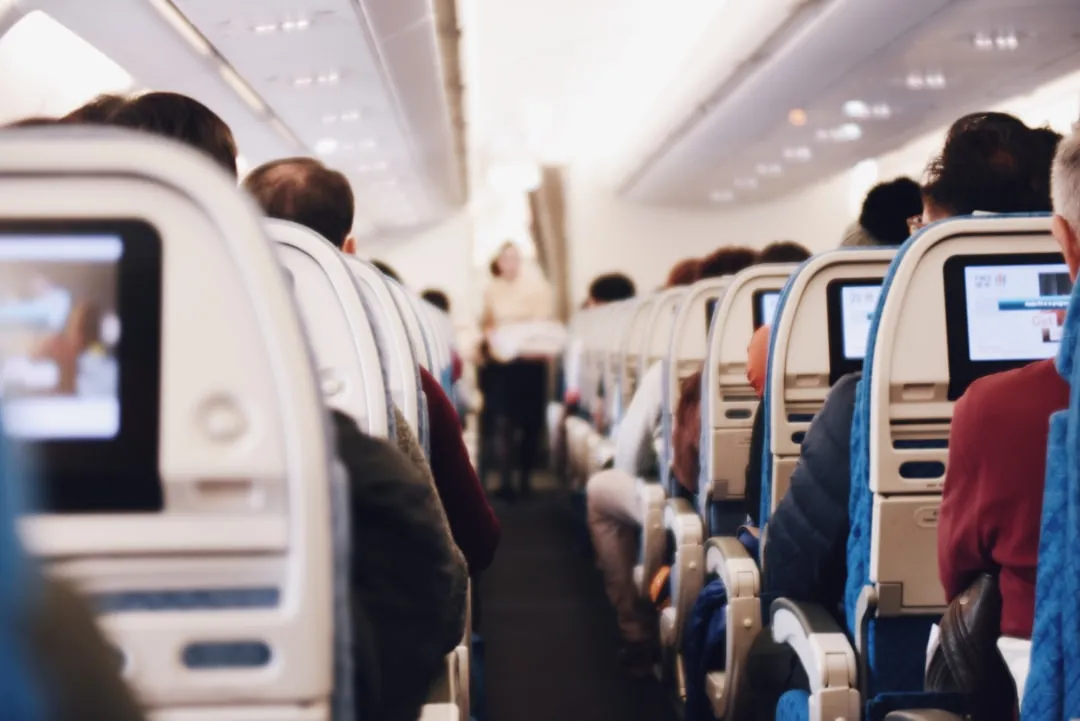
Most people assume that boarding from the back of the plane forward is the smartest approach. Decades of research say otherwise. Simulation results have pointed out that outside-in and reverse pyramid strategies are the most effective boarding approaches, improving boarding time by up to 15% compared to random boarding. Meanwhile, the back-to-front strategy, which is generally implemented by airline companies, has been shown to be the most inefficient strategy.
When passengers don’t respect their assigned zone and jump into an earlier group, the intended sequence breaks down entirely. The back-to-front logic collapses, and the resulting aisle congestion is worse than if everyone had simply boarded at random. While gate agents try their best to call passengers based on their boarding zones, there is almost always some anxiety and disorder in the cabin, particularly on large airplanes, because getting hundreds of passengers from a large terminal to a relatively narrow metal tube naturally results in bottlenecks, congestion, and inefficiency.
Zone-Based Systems Work – When Passengers Actually Follow Them
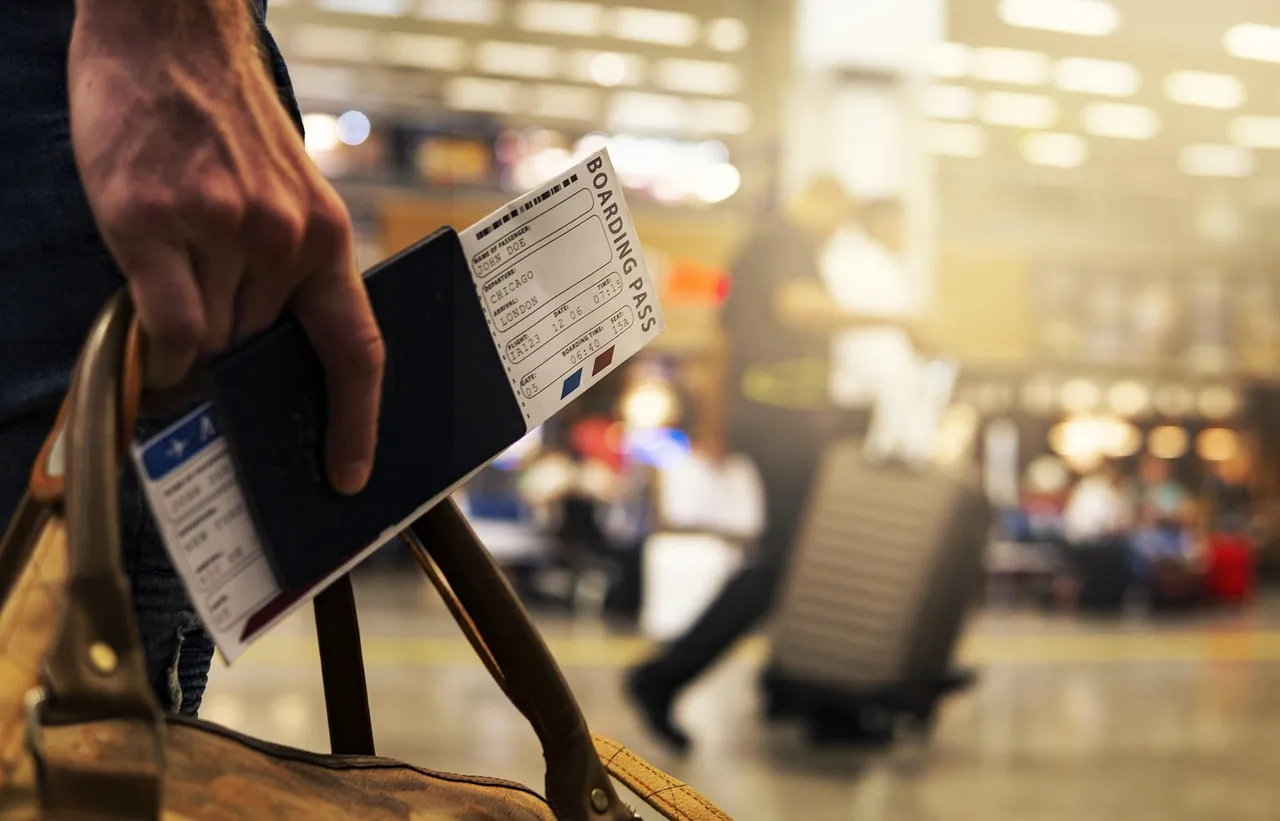
According to some recent airline-industry data, zone-based systems can reduce gate-area chaos by as much as 10%, because people have a precise moment to step up rather than juggling brand-based announcements. The operative phrase there is “a precise moment.” That only works when passengers wait for it.
IndiGo Airlines implemented a new four-zone boarding process that aims to shave off seven minutes from average boarding times. Instead of the usual free-for-all, passengers now board according to assigned zones based on where they are sitting, with the intention of creating a smoother, faster process and reducing the usual congestion in the aisles and at seats. Seven minutes per flight may not sound like much, but across a fleet of hundreds of aircraft making multiple daily rotations, it compounds quickly into genuine operational savings.
How Gate Agents Are Pushed to the Breaking Point
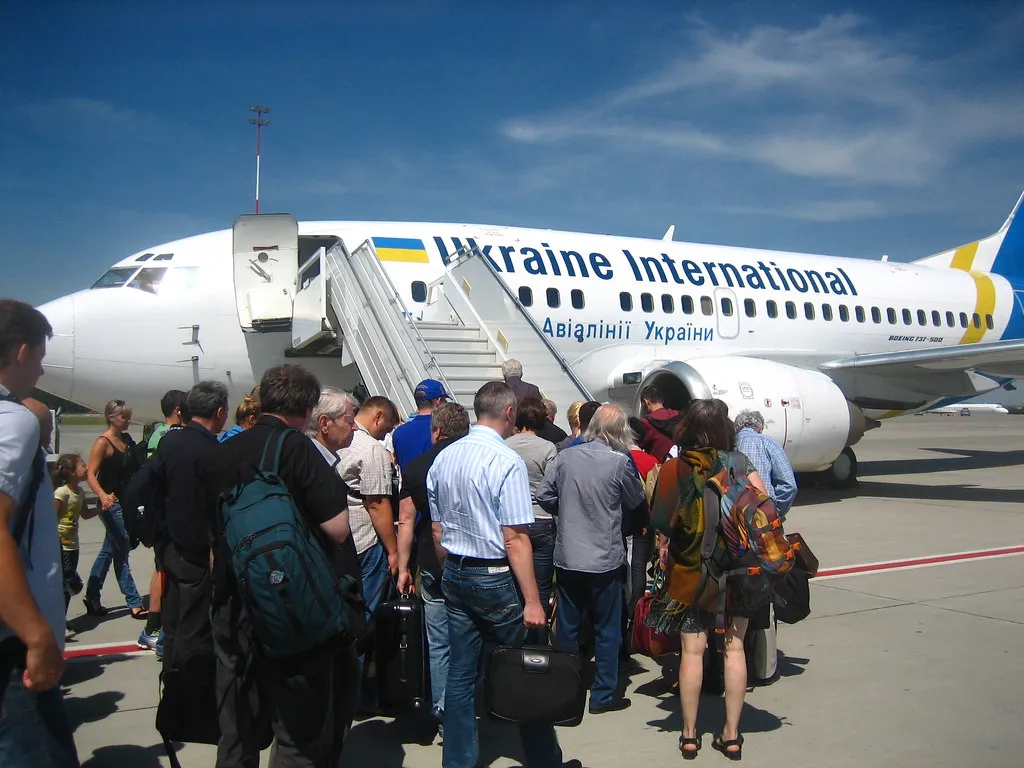
Gate agents don’t just scan boarding passes. They are managing a dynamic situation with real-time variables: bin capacity, flight timing, unruly queues, and passengers who have clearly decided the rules don’t apply to them. Flight attendants monitor overhead bin usage, and the flight lead communicates with gate agents during boarding. Gate agents are often told to begin checking bags when bins reach roughly 70% capacity, not 100%.
That threshold decision is made precisely because of what happens when early-zone passengers flood the aircraft. If a gate agent fears that bin space is limited, they often take proactive measures, such as limiting carry-ons or asking for volunteers to gate-check their bags, because this is generally preferable to risking delays and confusion after passengers are already seated. The cascading problem, in other words, starts before the jet bridge even opens.
The Fumbling-at-the-Scanner Habit Adds Up Fast
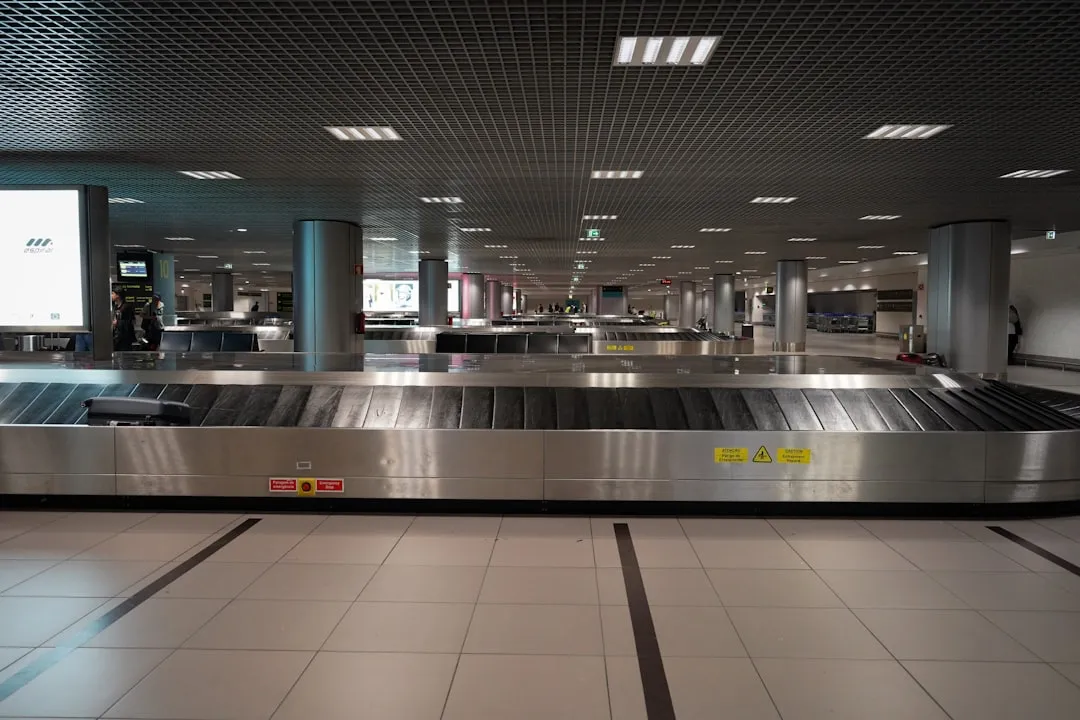
Crowding the gate is one behavioral issue. Arriving unprepared at the scanner is another, and they frequently occur together. One of the easiest ways to stall a boarding line is to reach the front and only then start digging for a phone, passport, or boarding pass. Even a few seconds of fumbling can interrupt the flow, and once one person freezes, the backup starts immediately.
A better move is waiting a few steps back until your zone is called, since you do not need to stand in a tight cluster to protect your overhead-bin chances. Most passengers cluster at the gate out of anxiety about bin space. That anxiety is real but, as the data shows, it is also self-defeating. The act of crowding is the very thing that creates the shortage it fears.
Research Confirms That Passenger Behavior Is the Key Variable
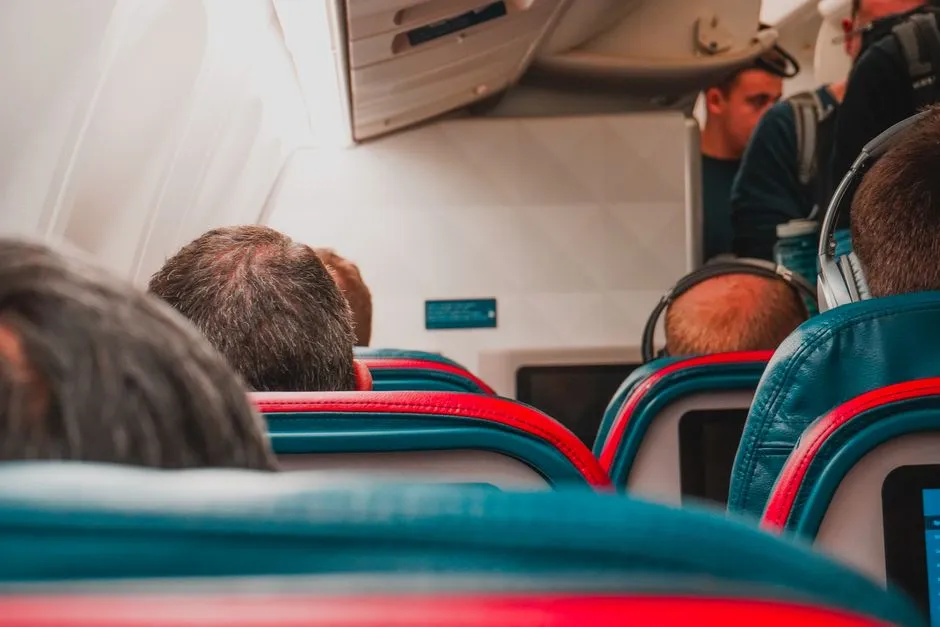
The passenger boarding process constitutes a critical element within aircraft ground operations, exhibiting a high susceptibility to delays attributable to unpredictable passenger behavior and cabin interferences. Such delays directly impact operational costs and an airline’s reputation. That framing, drawn from peer-reviewed simulation research published in 2025, puts the responsibility squarely where it belongs.
Academic modeling of the boarding process has found that disturbances – disruptions to the planned boarding sequence – not only change the effectiveness of boarding strategies but also alter their ordering relative to total completion time. In plain language: when passengers don’t follow the zone order, even the best-designed boarding strategy stops working the way it was built to.
The Domino Effect on Your Entire Travel Day
A delayed departure doesn’t stay contained at the gate. A 2025 analysis of United States flight data found that more than 234 million travelers departing from U.S. airports in 2024 experienced a disruption, including delays and cancellations, out of roughly one billion total passengers, equating to nearly one in four travelers encountering a measurable interruption to their journey.
Not every one of those disruptions traces back to boarding behavior, but the chain reaction is real. A late push-back leads to a late arrival, which can mean missed connections for dozens of passengers on the same aircraft. Boarding time constitutes a critical element of turnaround time, which is used to measure the efficiency of airline operations, and to reduce boarding time, it is imperative to reconsider traditional passenger boarding strategies to make them more efficient. Reconsideration, though, has to happen on both sides of the gate door.
The Simple Fix That Doesn’t Cost Anyone Anything
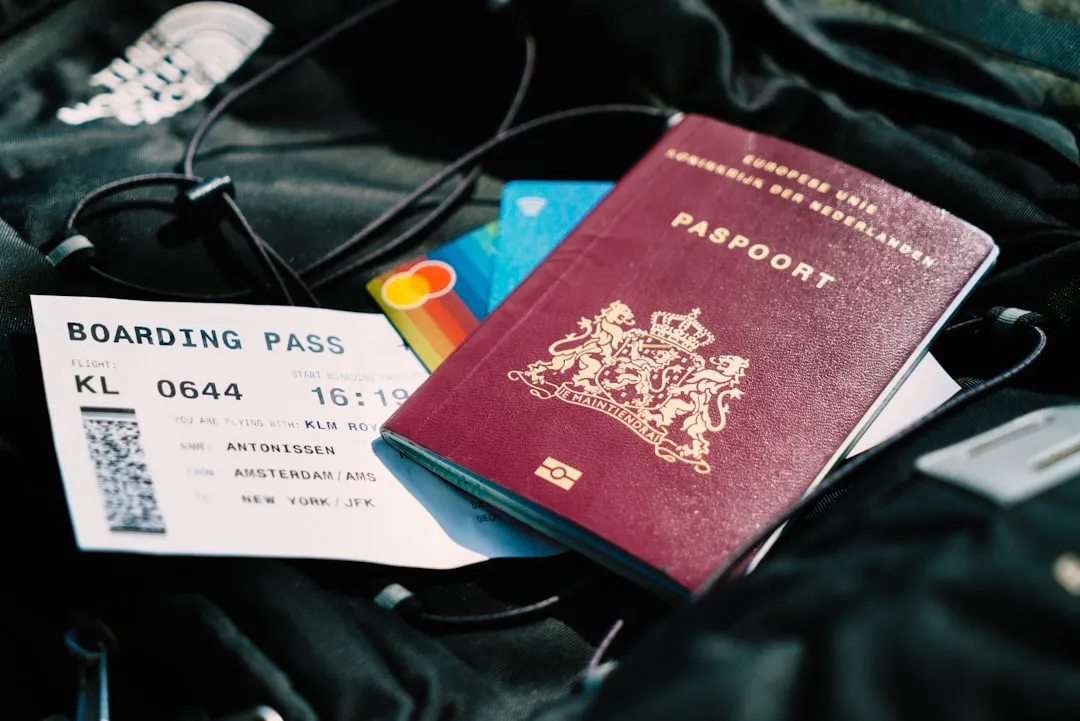
There is no app required, no fee, and no upgrade needed to fix this. The easiest fix is a simple two-step habit: pull up your boarding pass while you are still a few people back, and make sure the barcode is ready to scan before you step forward. Add one more step to that: don’t step forward at all until your zone number is announced.
The boarding process is one of the few parts of air travel where individual behavior directly controls a shared outcome. Navigating air travel in 2026 is full of annoyances, and the boarding process has grown increasingly complicated due to the proliferation of groups, zones, and variations of priority-based seating – all of which studies show has contributed to boarding times getting gradually longer each year. Reversing that trend is a collective act, and it starts with one passenger deciding not to crowd the line.
The Takeaway
There’s something quietly instructive about the fact that one of aviation’s most studied inefficiencies is also one of the easiest to solve. Researchers have spent years building simulations, running agent-based models, and publishing papers in transport management journals. Their conclusion keeps pointing back to the same source: the behavior of individual passengers in those final minutes before boarding.
Staying seated until your zone is called is not a small courtesy. It’s a structural contribution to whether hundreds of people reach their destinations on time. The next time you’re at the gate and that familiar surge begins, the most useful thing you can do for everyone around you is simply wait your turn.
AI Disclaimer: This article was created with the assistance of AI tools and reviewed by a human editor.