
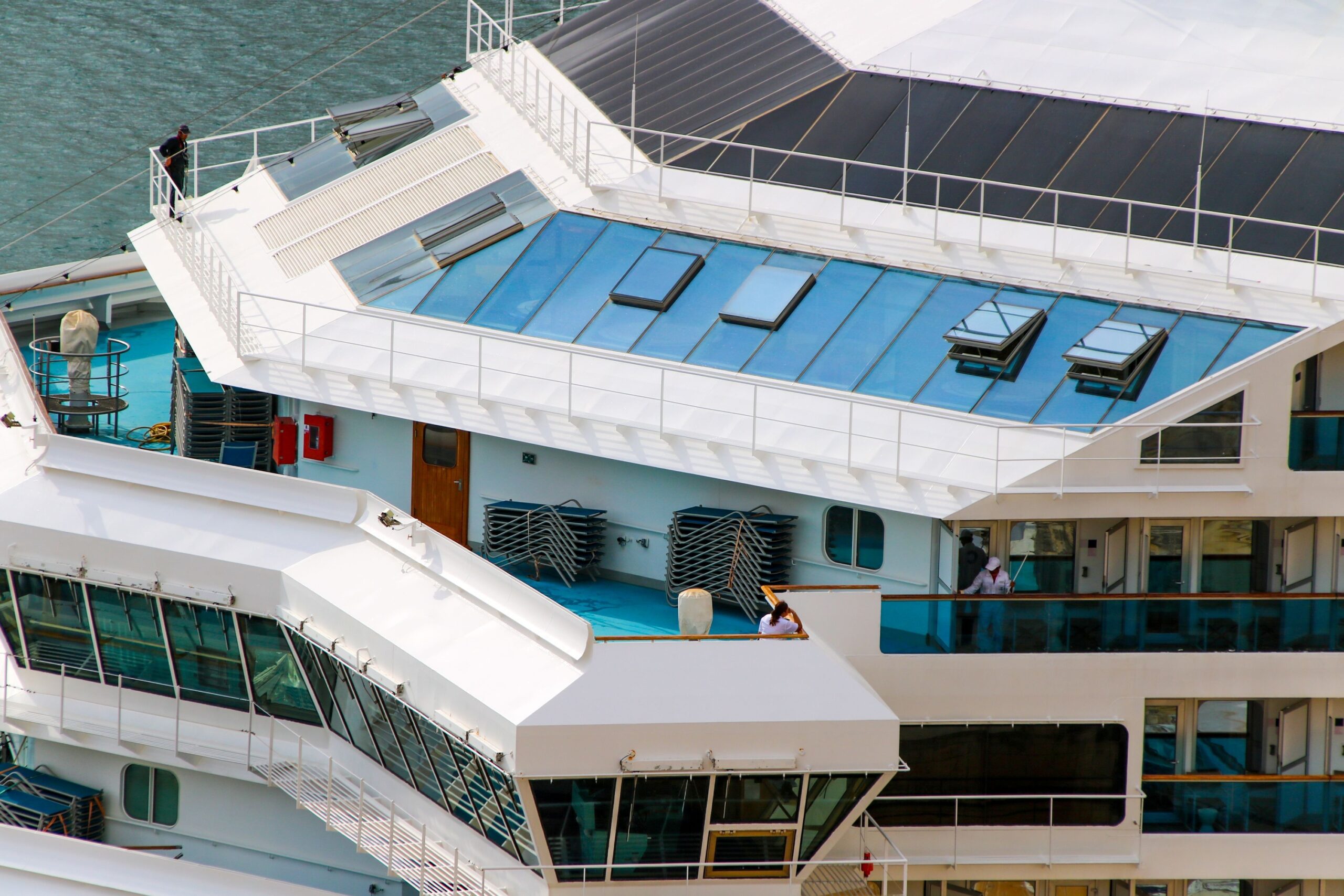

Most people step into their cruise cabin, toss their bags on the bed, and immediately head out to explore the ship. It’s a completely natural impulse. There’s a pool deck calling, a buffet beckoning, and a whole itinerary waiting to unfold.
What tends to get skipped, though, is a proper look around the room itself. Cabin stewards, who know every inch of those compact spaces, often watch guests go an entire week without discovering features that were designed to make their stay significantly more comfortable. Here are ten of the most commonly missed cabin features, according to experienced crew and veteran cruisers.
The Lift-Up Bed Base with Hidden Storage Beneath
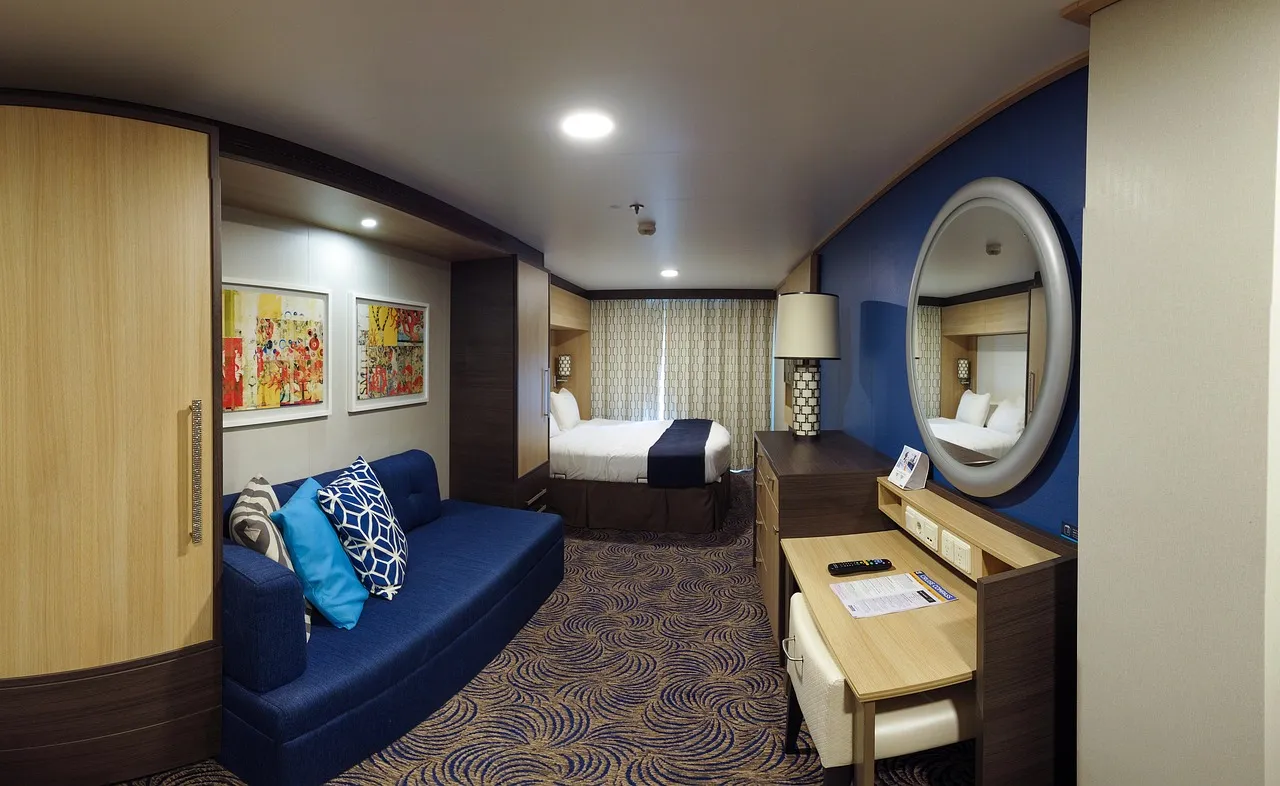
The single most useful hidden feature in almost every cruise ship cabin is the storage space underneath the bed. On most ships the base lifts up on hinges, or in some cases the entire bed slides outward, to reveal a large open area underneath.
It’s more than enough to store your empty suitcases for the whole voyage, immediately freeing up your entire wardrobe and floor space. Think about how much of a typical cabin gets eaten up by luggage sitting on the floor, and then think about how easily that problem disappears on day one.
Most first-time cruisers discover this while packing to go home. That’s a week of wasted floor space, and a week of stumbling around suitcases that never needed to be there at all.
Magnetic Walls That Turn Your Cabin into a Customized Space
A secret that most new cruisers don’t know about cruise ship cabins is that the walls are made of metal, which makes them magnetic. Experienced cruisers will bring magnetic hooks for extra storage space in their cabin.
A small pack of magnetic hooks from home instantly doubles your available hanging storage. Bags, lanyards, hats, wet swimwear, whatever needs a home, can live on the wall without taking up shelf or floor space.
Some cruisers even use magnetic clips to display their daily schedules or hang a makeshift privacy curtain in cabins shared with family members. It’s one of those genuinely simple ideas that experienced cruisers swear by, and yet it remains almost invisible to first-timers.
The Hidden Mirror Cabinet in the Bathroom
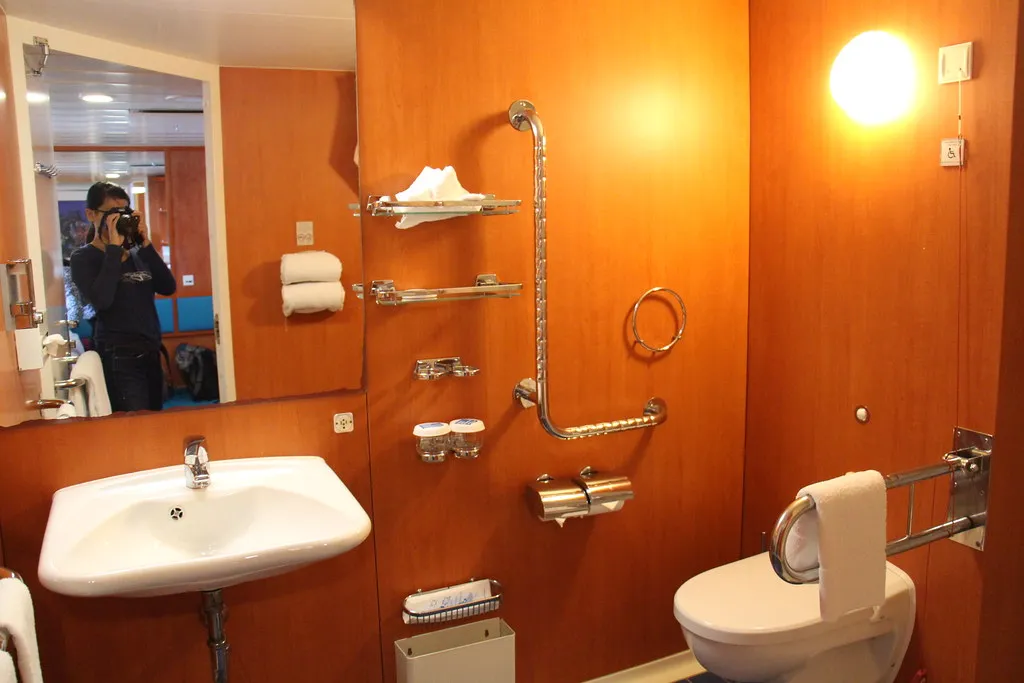
Many cruise ship cabin bathrooms have a mirror that swings open to reveal a medicine cabinet behind it. It’s designed to blend in and easy to miss on a quick walk-through of the room.
Once you find it, you have a dedicated spot for toiletries, medication, and anything you want within easy reach without cluttering the vanity. On ships like Royal Caribbean’s Freedom of the Seas, there is storage space behind the bathroom mirror and behind the desk mirror.
The irony is that most passengers end up with toiletries scattered across a tiny vanity counter, never realizing there’s a perfectly designed space sitting right behind the mirror they’re looking at every morning.
Secret Drawers Under the Sofa and Around the Bed
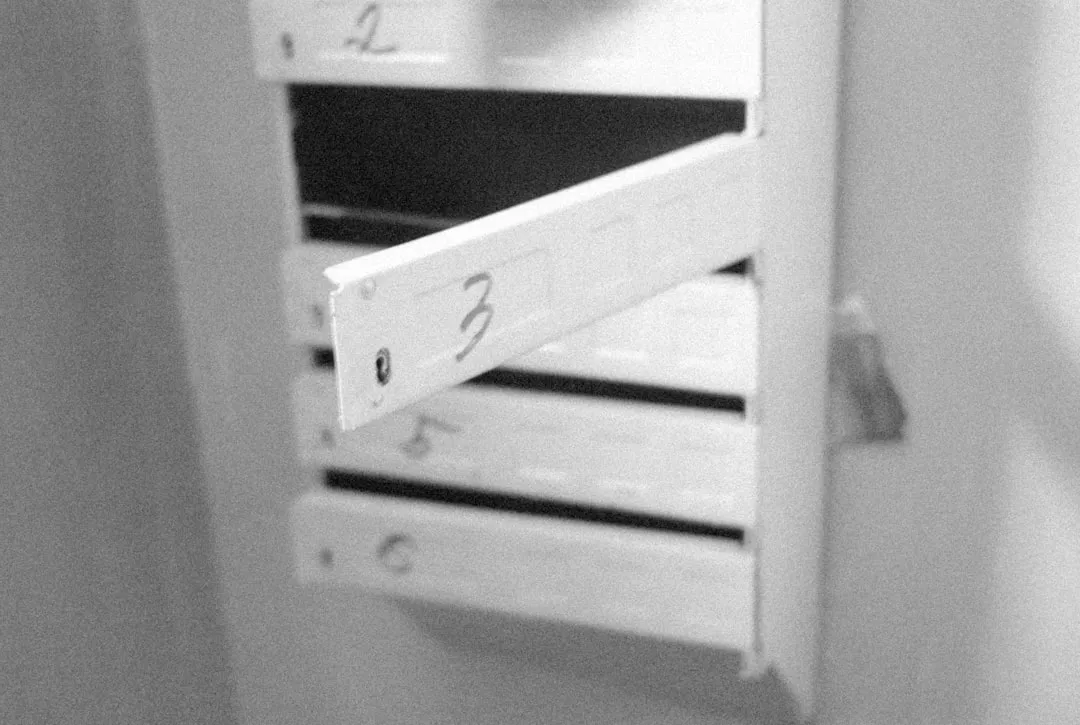
Cruise cabins have secret storage spots that many passengers overlook. Drawers under the couch, shelves behind mirrors, and space inside ottomans can help keep your room clutter-free. Even the nightstands sometimes have hidden compartments.
On Holland America cruises, guests have found two secret drawers under the foot of the bed. These are not prominently labeled or pointed out during embarkation, which is exactly why they go undiscovered for the duration of so many voyages.
Asking the cabin steward about hidden storage is one of the best things a new cruiser can do. Stewards know the exact quirks of each cabin layout and are usually happy to walk you through where everything is, if you simply ask.
The Pullman Bed Hidden in the Ceiling or Wall
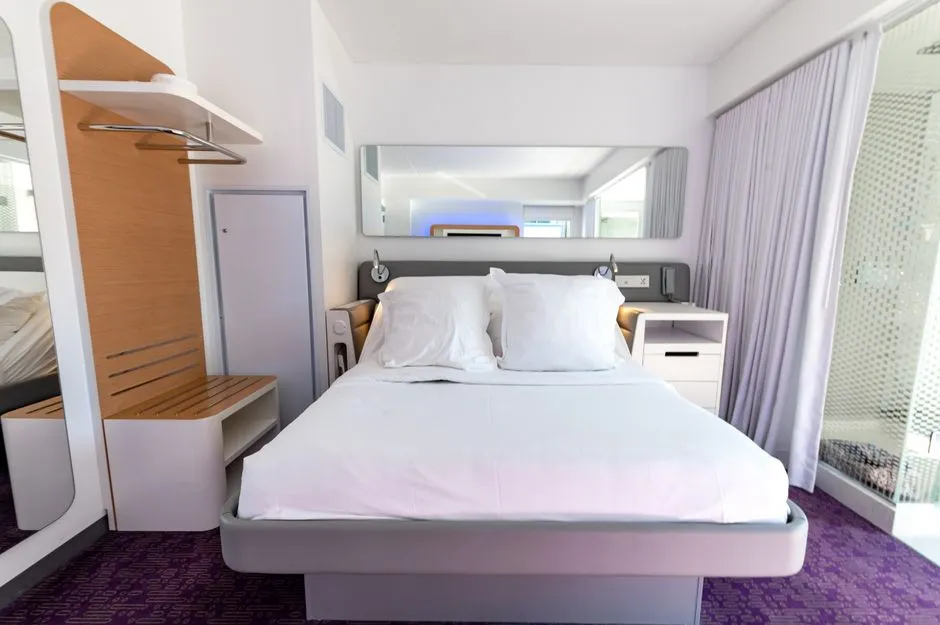
Pullman beds are pull-down bunk beds hidden in the wall or ceiling of the cabin and can be used as an extra bed. The cabin staff remove these beds from the ceiling or wall for guests.
Many cruise lines, including Disney Cruise Line, have built in an extra bed so cleverly you would never notice it unless you were looking for it: a bunk bed that’s tucked away into the ceiling of your cabin. When needed, the cabin steward sets it up for you while you’re out at dinner, then the next morning they hide it again when they make up your room.
For families or groups who booked a cabin without realizing it could sleep an extra person, this feature can be genuinely significant. These hidden bed setups are especially common in cabins designed for families.
The Stateroom TV’s Hidden USB Port and Navigation Features
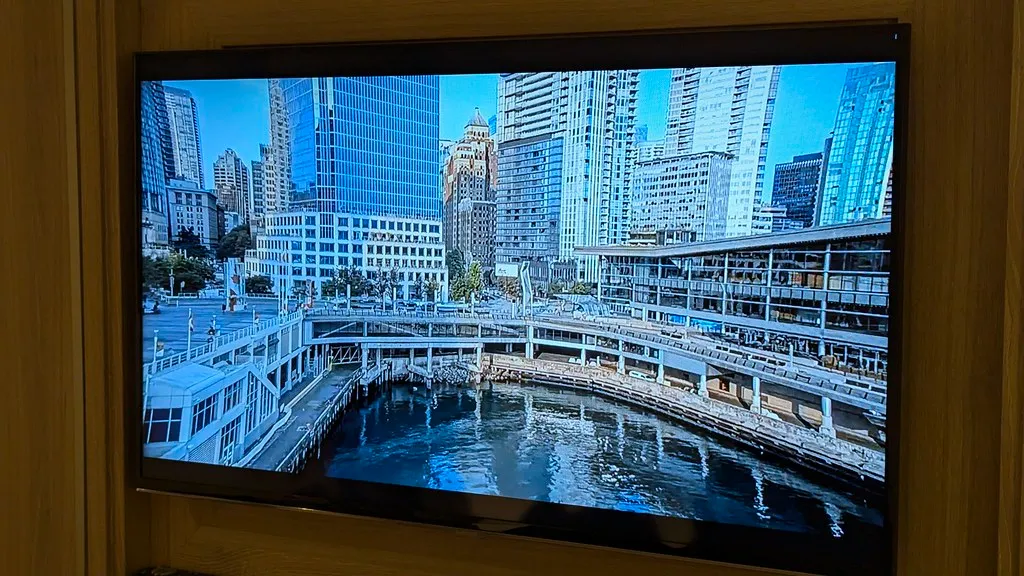
Most modern cruise ship televisions have a USB port on the side or back. It charges devices at a reasonable speed and, crucially, it means one less thing competing for your limited cabin power outlets. Plug your phone in there overnight and your outlet is free for everything else.
Some cabins have hidden settings on stateroom TVs that let you check your ship’s live camera, restaurant menus, or even play movies if you bring a USB stick. This is far more useful on a long sea day than most people realize before they actually try it.
New cruise cabins also include USB ports built into lamps, nightstands, or desks and hidden power outlets behind beds, TVs, or inside drawers. A quick scan of the room on your first evening can save a lot of scrambling later in the week.
The Key Card Slot That Controls All Cabin Power
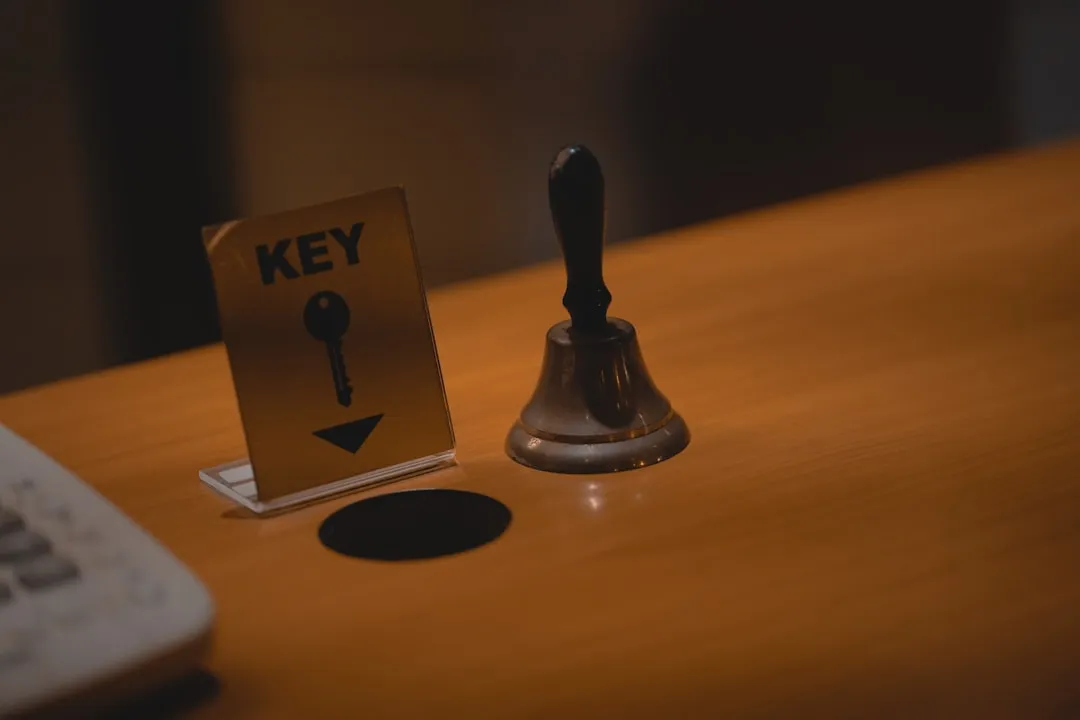
Most cruise cabins have a slot by the door where you insert your key card to activate the electricity. No card means no lights, no sockets, no air conditioning. It can be a bit confusing if you’re new to it.
It’s designed to save energy, but it can be a bit annoying if you want to charge devices while you’re out. The practical workaround that seasoned cruisers know: keep an old card, any thin card of similar size, in the slot when you leave. Devices keep charging, the ship saves energy anyway from your absence, and everyone’s happy.
This is one of the features stewards field the most questions about, particularly from passengers who return to a dark cabin with no power and can’t figure out why. It takes about three seconds to explain and entirely prevents the confusion.
The Balcony Partition That Opens to the Neighboring Cabin
The partition wall between your balcony and the one next to it can, on most ships, be unlocked and folded back to create a combined outdoor space shared between two cabins. This is especially useful for groups or families who have booked adjacent cabins and want to move freely between them.
Cabin stewards can open this partition on request, though it does require both cabins to agree to the arrangement. Most passengers traveling in groups never think to ask, and the result is two separate balconies when one generous shared space was always possible.
It’s a straightforward request that costs nothing and can genuinely transform the feel of the outdoor space. Another thing which a cabin steward can do that most passengers don’t tap into is provide tips and tricks about the ship, the itinerary, and the port, and the balcony partition question falls squarely into that category.
The In-Cabin Steward Request Panel
Some cruise cabins have a small button for the cabin attendant. Using the button, you might let your cabin attendant know that you want your room to be made up or that you don’t want to be disturbed. This removes the need to track down the steward in person or leave a sign on the door that might be missed.
On many ships, this system has evolved into a full wall panel or in-room tablet. Some modern cruise ships allow guests to control the cabin’s lighting, blinds, room temperature, and even the mood music through mobile apps, a wall panel, or a tablet placed in the cabin. You can control your cabin’s setting while lying in bed.
Stewards report that very few guests interact with these controls beyond adjusting the thermostat once. The full functionality, including lighting presets and service scheduling, often goes completely untouched throughout the voyage.
The Cabin Grade Perks You’re Entitled to but Never Claimed
Cruise lines rarely announce every perk tied to your specific cabin category, which means plenty of paid-for benefits go completely unused. Insiders treat this as one of the single most valuable questions on the entire ship.
Depending on your cabin type, freebies might include laundry service, a special in-room dining menu, or onboard discounts you never knew existed. These are not secret in the sense of being withheld; they’re simply buried in the booking details that most people skim past at the point of purchase.
One insider move is getting the steward to explain what inclusions, perks, and extras you are entitled to. Simply asking “what does this cabin grade I am in get me?” when you first meet your steward can be genuinely eye-opening. One cruiser asked about laundry and was told to wait until day three, since a recurring promotion every three days lets guests fill an entire bag for one fixed, dramatically cheaper price. This kind of information never appears in the daily program, and a single question can save real money over a week-long sailing.
The Takeaway
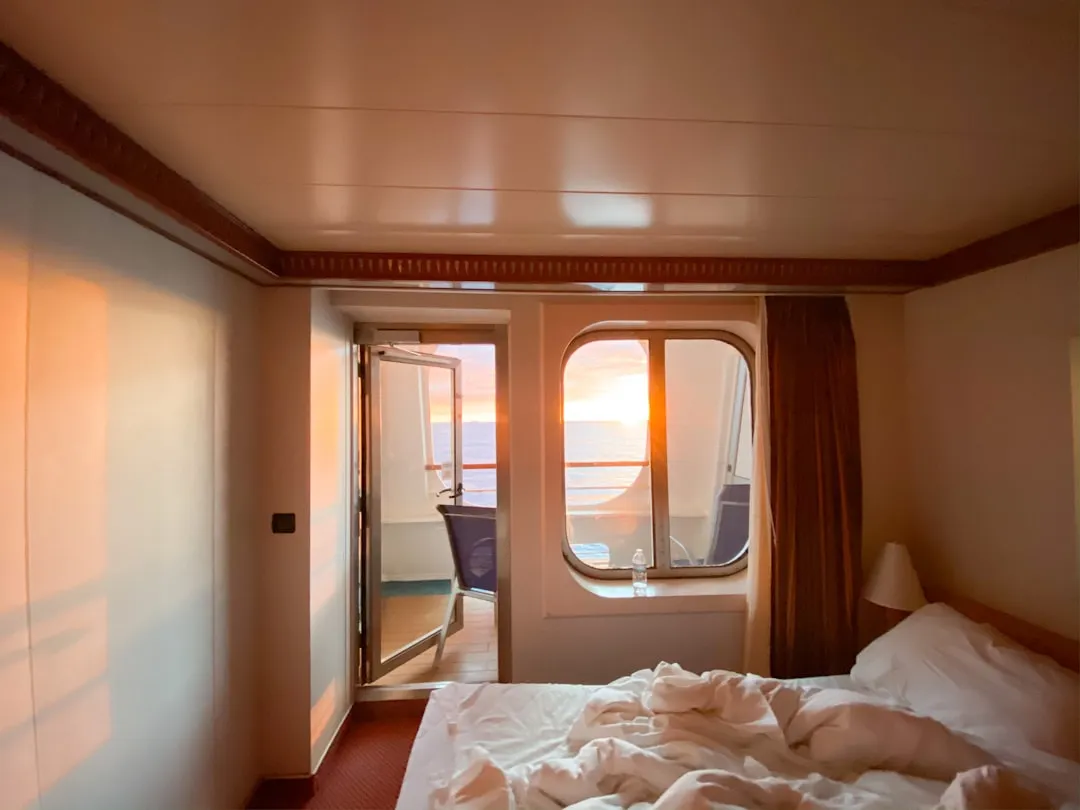
Cruise ship cabins are compact by design, but they are also far more thoughtfully engineered than they appear on first glance. Nearly every square foot has been considered, and many of the most practical features are invisible unless you actively look for them, or simply ask the person who knows the room best.
Asking the cabin steward for a tour when first arriving is a good idea for new cruisers since they know all the hidden nooks where belongings can be stashed. That five-minute conversation at the start of a voyage can change the entire experience of the space you’ll be returning to every day.
The cabin is more than a place to sleep. Used well, it becomes a genuinely comfortable, organized base for the whole journey. The features are already there, waiting to be discovered.
AI Disclaimer: This article was created with the assistance of AI tools and reviewed by a human editor.