

There’s something almost primal about a campfire. The warmth, the smell of woodsmoke, the way conversation slows and deepens around the flames. For generations, it’s been the defining ritual of camping culture in North America. Nobody questions it.
Except, increasingly, park managers do. Across the United States and Canada, the traditional open wood campfire is being restricted, banned, or quietly phased out in ways that many campers simply don’t realize until they arrive. The scale of it is striking, and the reasons behind it are worth understanding before your next trip into the wild.
A Habit So Common, It Feels Like a Right
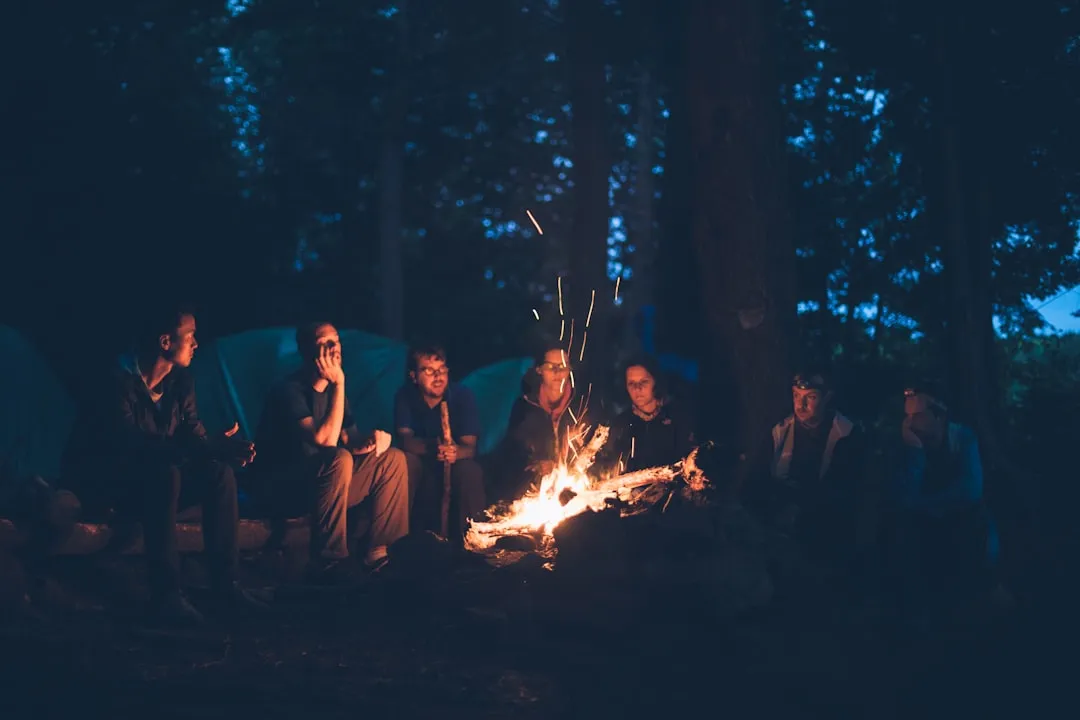
Building a wood fire at a campsite feels as natural as pitching a tent. It’s woven into camping tradition so deeply that many people assume it’s always permitted by default. Not all campfires are the same. For some people, the idea of a campfire is two logs quietly burning in a fire ring, while for others it means a four-foot tall blazing pile of wood and brush. Different parks allow different sizes and types of fires.
That gap between assumption and reality is where the problem starts. Campers arrive expecting to light up without checking current restrictions, not realizing that conditions on the ground have changed. That might mean campfires are banned, or that other special rules or restrictions are in effect. Park officials strongly advise contacting the park when you arrive or shortly before you visit to find out if there is a burn ban or other weather-related rules you need to know.
The Pacific Northwest Is Leading the Shift
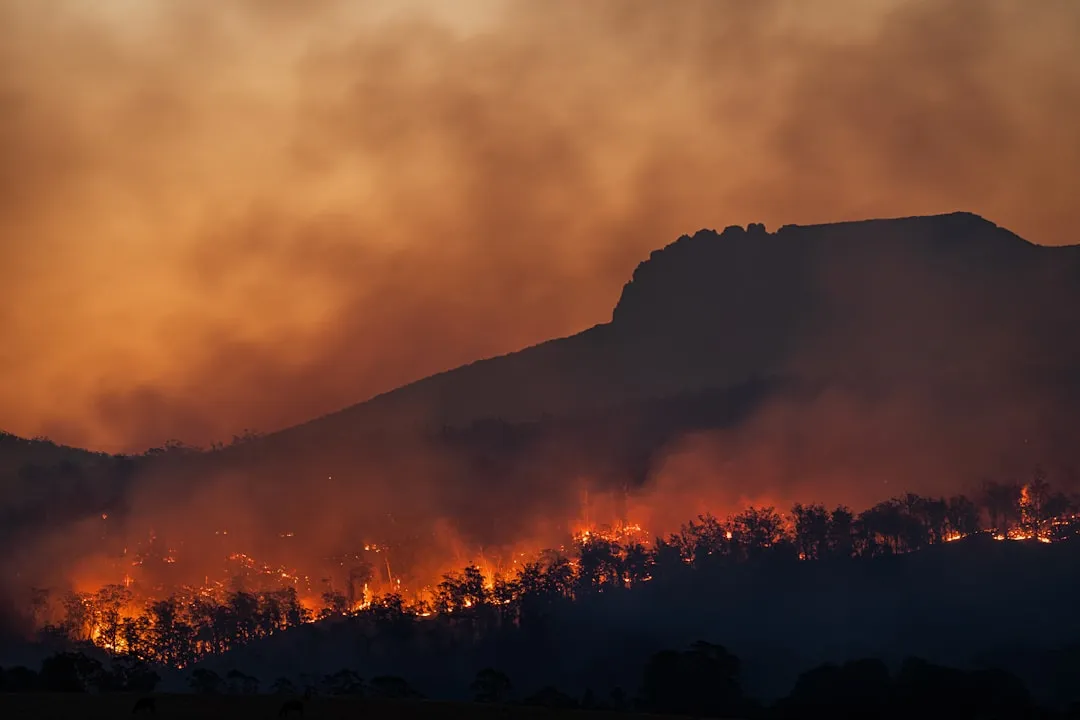
Some of the most sweeping campfire bans in recent years have come from the Pacific Northwest. Effective July 3, 2025, campfires or the ignition of wood, briquettes, or any fuel in fire pits, fire pans, and barbecue grills were banned in all portions of North Cascades National Park Service Complex, which includes North Cascades National Park, Ross Lake National Recreation Area, and Lake Chelan National Recreation Area.
Lack of spring rains and warm weather contributed to drier fuels and increased fire danger. The burn ban helps reduce the chance of human-caused wildfires during drought-like conditions with prolonged high summer temperatures. Olympic National Park followed the same path, with authorities there citing similarly urgent conditions. All campfires were prohibited in Olympic National Park and Olympic National Forest starting August 1, 2025, applying to anything that produces ash, including charcoal grills.
It’s Not Just One or Two Parks
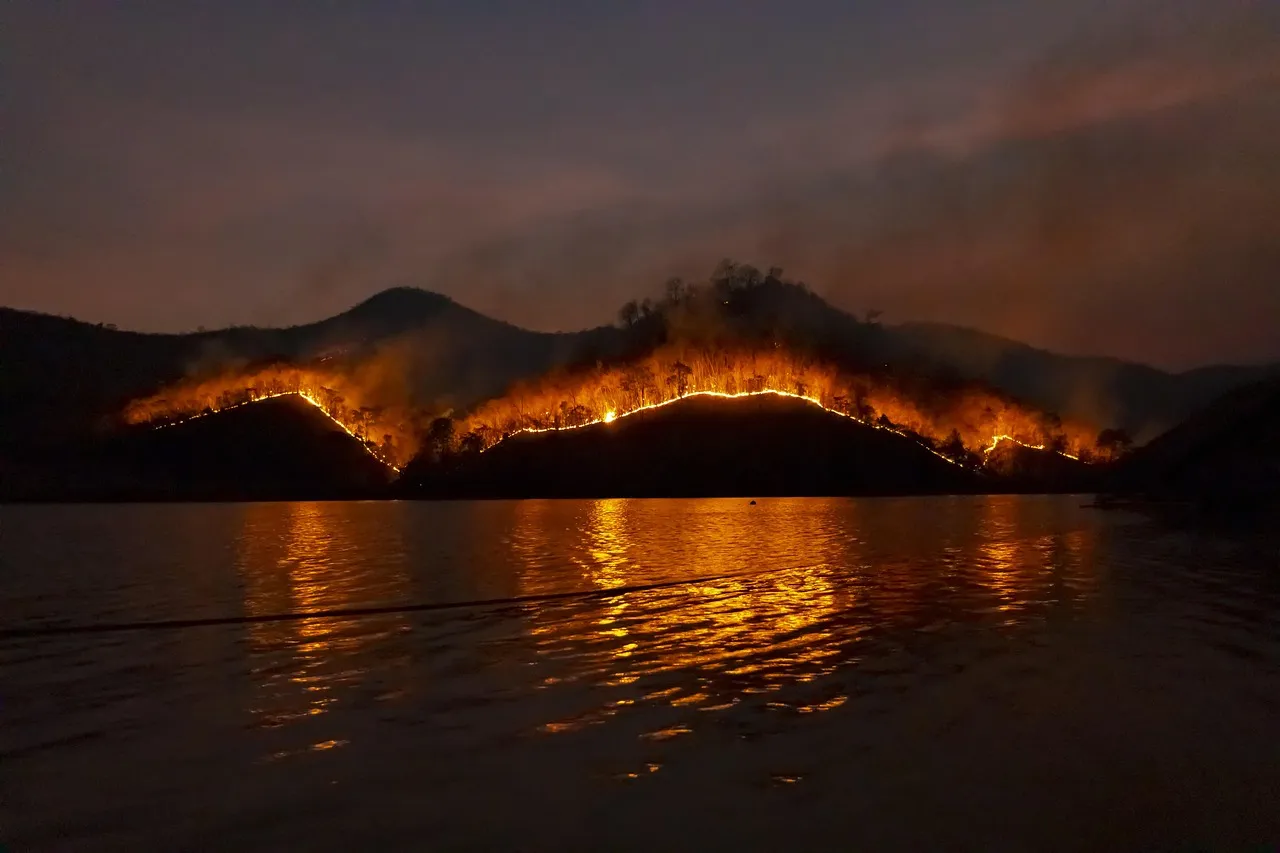
It would be easy to dismiss a ban at a single park as an isolated response to a local flare-up. The reality across recent fire seasons tells a different story. Oregon ended 2024 with a record-breaking over 1.9 million acres burned by wildfires, and 2025 carried a similar forecast. All parks in the region faced above-normal wildfire risk through summer, according to the National Interagency Fire Center.
The National Interagency Fire Center reported that nearly all areas in the region were abnormally dry or in drought status and were expected to see above-average temperatures all summer. In Oregon alone, the Oregon Parks and Recreation Department banned campfires temporarily at most state parks due to dry conditions and the current strain on firefighters from wildfires burning across the state. Because of the low humidity and risk of wildfires, all parks east of the Cascades prohibited campfires and open burning, and they were also prohibited from parks in high-risk locations around the state.
Rocky Mountain and Crater Lake Join the List
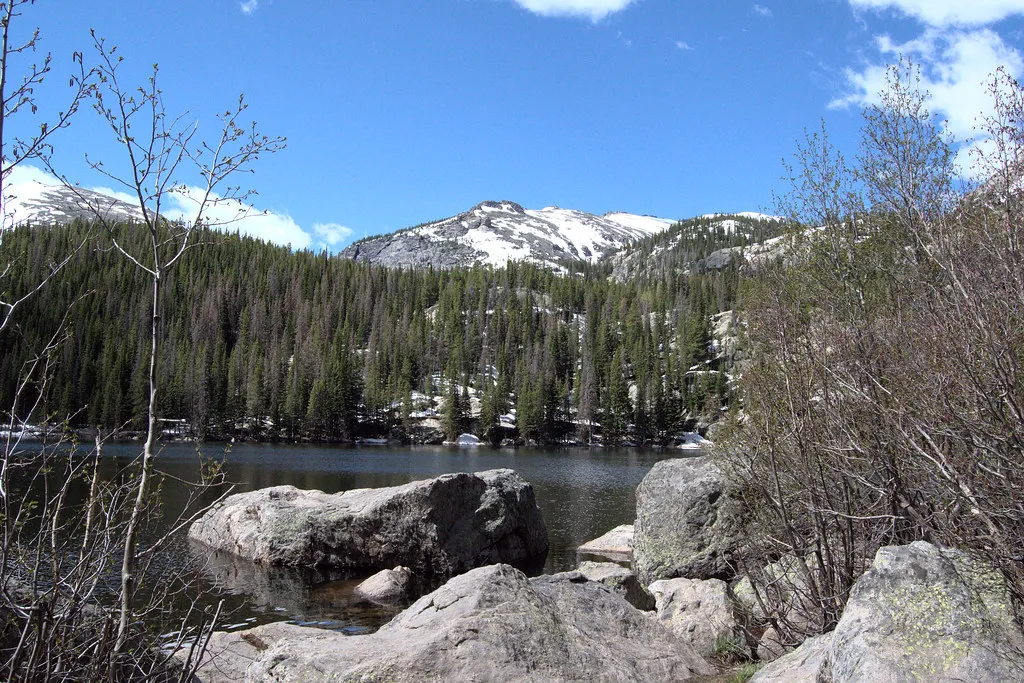
The bans extend well beyond the Pacific Northwest. Due to extreme fire danger, the extended weather forecast, and current fire activity in Colorado, a ban went into effect on all fires within Rocky Mountain National Park on August 1, 2024. When fire bans are in effect, all campfires, including charcoal briquette fires, are not permitted anywhere within the park.
Further south, due to hot, dry and windy conditions and elevated risk for wildland fire in southern Oregon, Crater Lake National Park implemented a full fire ban in July 2024. The outlook included above-normal significant wildland fire potential for the next several months. Meanwhile, Mount Rainier National Park also issued a parkwide fire ban to reduce the risk of human-caused wildland fire during hot, dry conditions and high fire danger, prohibiting campfires in all its major campgrounds.
What Exactly Gets Banned May Surprise You
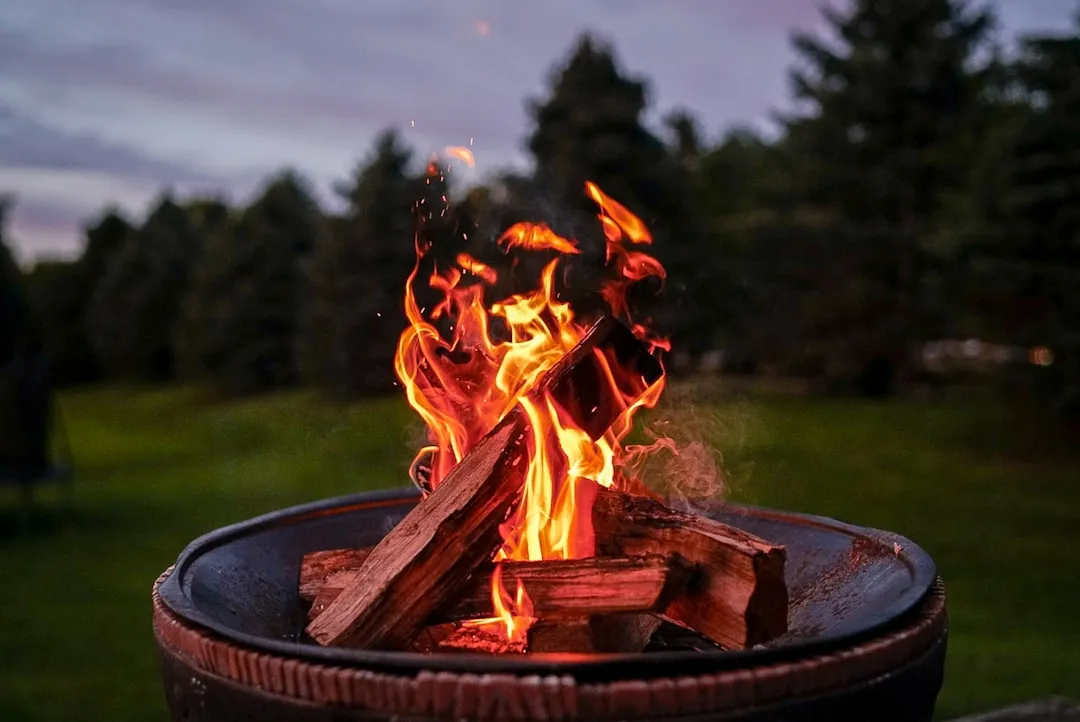
Many campers assume a fire ban simply means no big bonfires. In practice, these bans often go much further. A fire ban typically means no wood fires, charcoal, charcoal briquettes, pellet-fueled grills, candles, tiki torches, and other devices that emit flames or embers and cannot be turned off with a valve.
At Olympic National Park in 2024, the ban covered all campfires including charcoal, and applied to anything that produces ash, including the coastal areas of the park. That’s a meaningful detail. Coastal beach fires, which many visitors consider a separate and more casual tradition, fall under the same restrictions. However, petroleum-fueled stoves and grills may still be used in developed campgrounds, picnic areas, and designated backcountry campsites under most bans.
The Scale of Human-Caused Fires Is the Real Driver
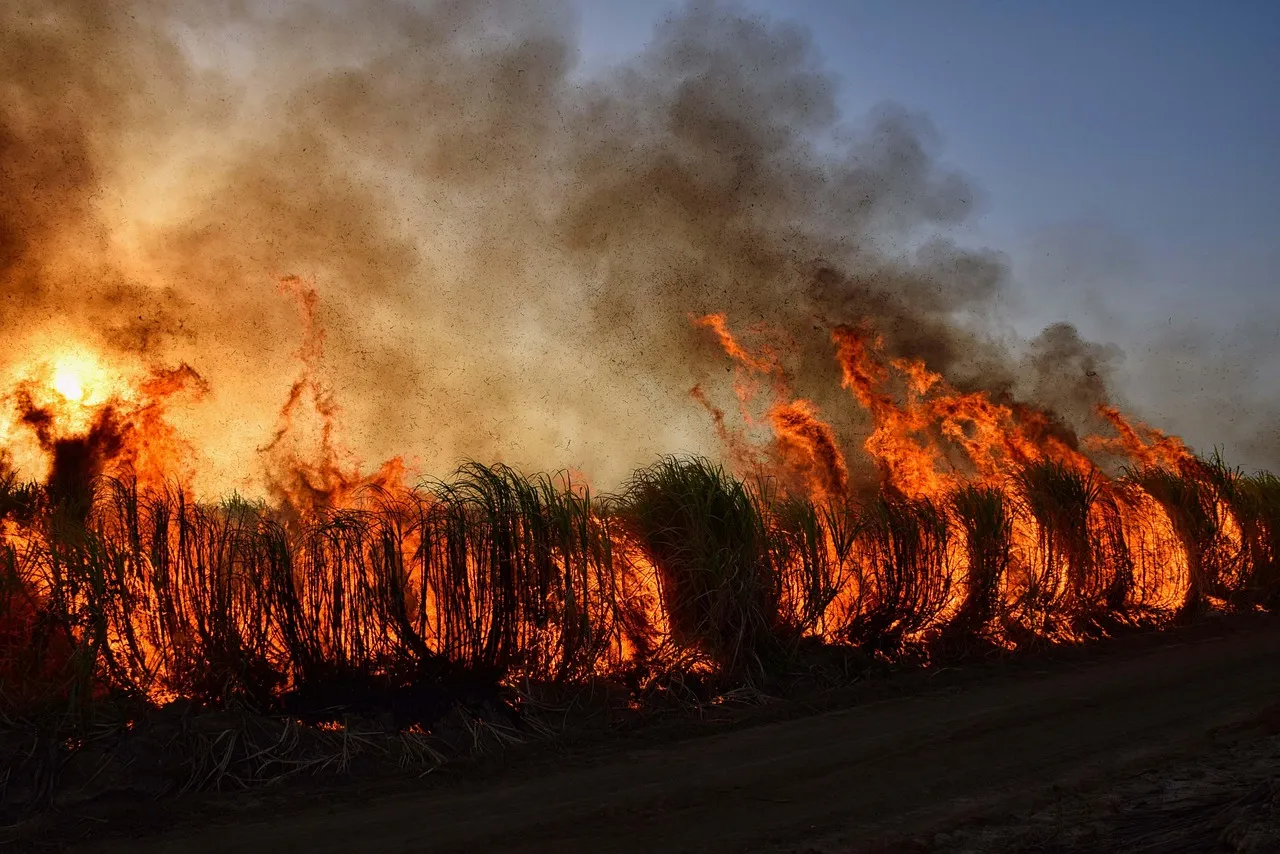
The bans aren’t arbitrary. They’re a direct response to documented patterns of fire ignition. In 2024 alone, the United States recorded nearly 65,000 wildfires, burning close to nine million acres. The following year was even more active in some respects. In 2025, there were 77,850 wildfires that burned over five million acres. The total number of fires was significantly above the five and ten-year averages.
Throughout the 2025 season, live fuel moisture levels dropped below 70%, and dead fuel moisture fell below 5% in many fire-prone ecosystems. These critically low moisture levels meant vegetation was highly flammable, facilitating rapid wildfire ignition and spread. Fire Danger Ratings issued by the National Interagency Fire Center frequently reached “High” to “Extreme” during peak fire months. Against that backdrop, a single unattended campfire can become the ignition point for something catastrophic.
The Problem Is Often How Fires Are Extinguished, Not Started
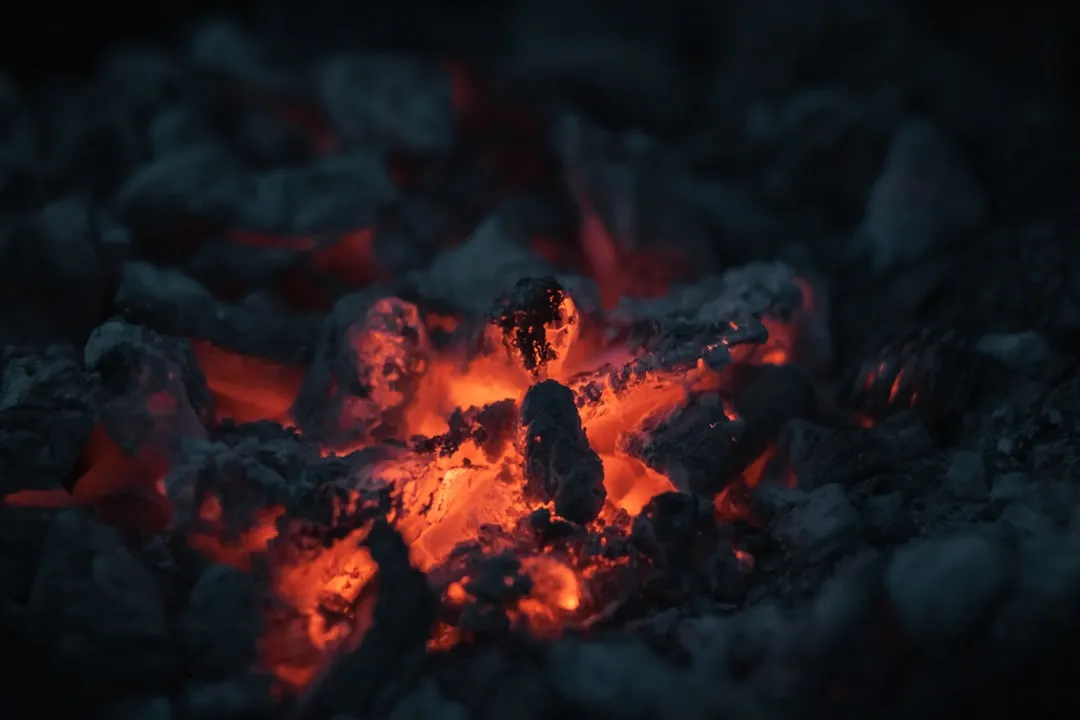
The habit that gets people into trouble isn’t always lighting the fire. It’s leaving it improperly. Fires must be put out completely. Water should be poured over the flames and stirred into the embers to make sure everything is wet, repeating until no heat can be felt coming from the embers. Using sand to put out fires is actively discouraged, as it can insulate the coals and keep them hot for days.
That last point is one many campers don’t know. A fire buried in sand looks out but isn’t. Embers can persist for an extended period, and even a light wind can revive them hours after a campsite is vacated. Experts recommend making sure a fire is completely out before walking away, feeling it with the back of your hand to confirm it is cool to the touch. Fires should never be left unattended, and should not be started on windy days.
Bans Are Also Spreading Into Canada
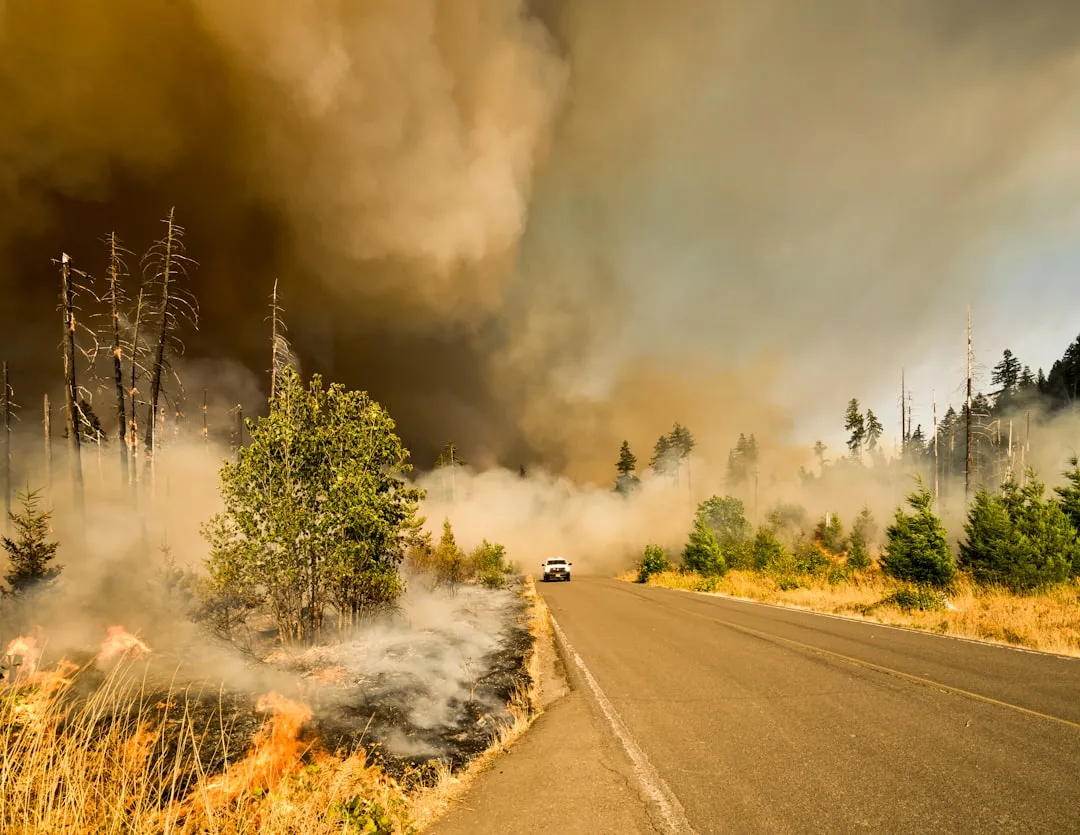
This isn’t a problem confined to American parks. In Canada’s Northwest Territories, campfires were banned in Yellowknife and several territorial parks as a precautionary measure amid wildfire threats. The breadth of that move signals how seriously land managers are taking the risk at high latitudes, where warming is particularly pronounced.
Open fires were banned at five territorial parks, and the bans were announced after a wildfire suspected to be person-caused led to the evacuation of Fort Good Hope in the Northwest Territories. The bans in those parks prohibited campfires even in approved fire pits and all wood fires, while propane-fueled camp stoves and enclosed barbecues remained permitted.
Oregon’s Expanded Approach Shows Where Policy Is Heading
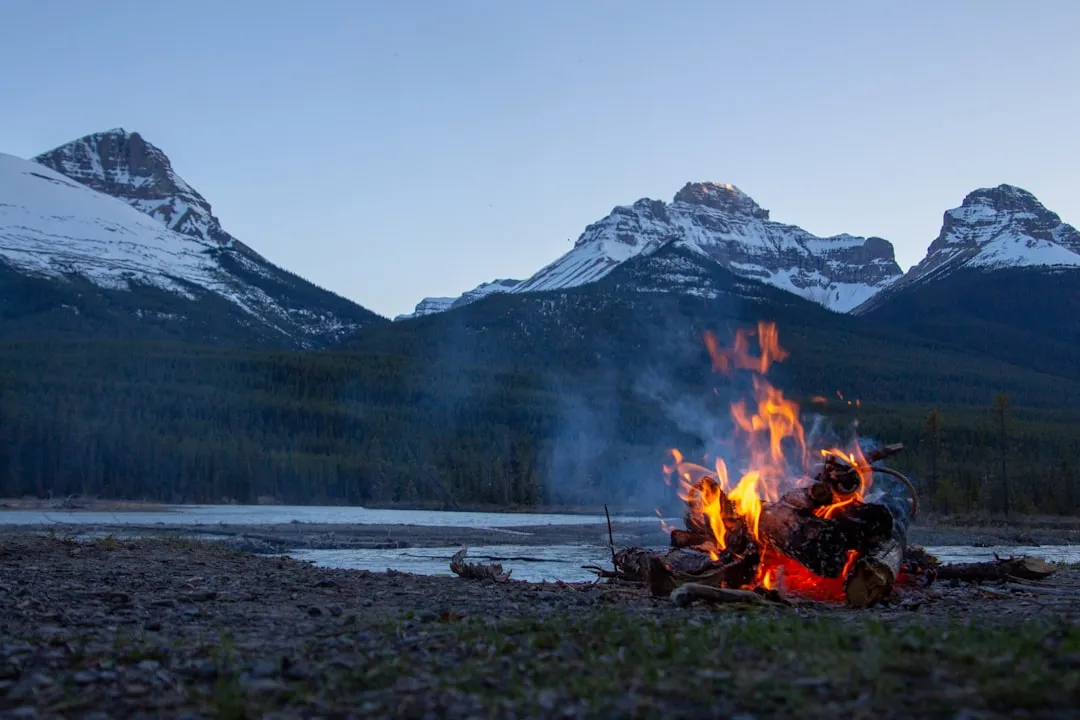
Oregon’s response in recent years offers a useful window into where broader policy may be trending. Rather than banning fires at one or two sites, the state issued sweeping restrictions across its park network. The Oregon Parks and Recreation Department temporarily banned campfires at most Oregon State Parks due to dry conditions and the strain on firefighting resources from wildfires burning across the state. Campfires and open flames were banned at all parks east of the Cascades due to the low humidity and risk of wildfires, and were also restricted at parks in high-risk areas across the state until conditions improved.
Campfire restrictions generally ban all “open flame,” but often make exceptions for propane cooking since the flame is contained. Oregon Parks and Recreation advises checking individual park webpages for details on any restrictions before visiting. The message is consistent across agencies: conditions are increasingly dynamic, and bans can be issued with very short notice. With several megafires burning in the region during peak periods, fire crews have been all hands on deck across the state.
What Responsible Campers Are Doing Instead
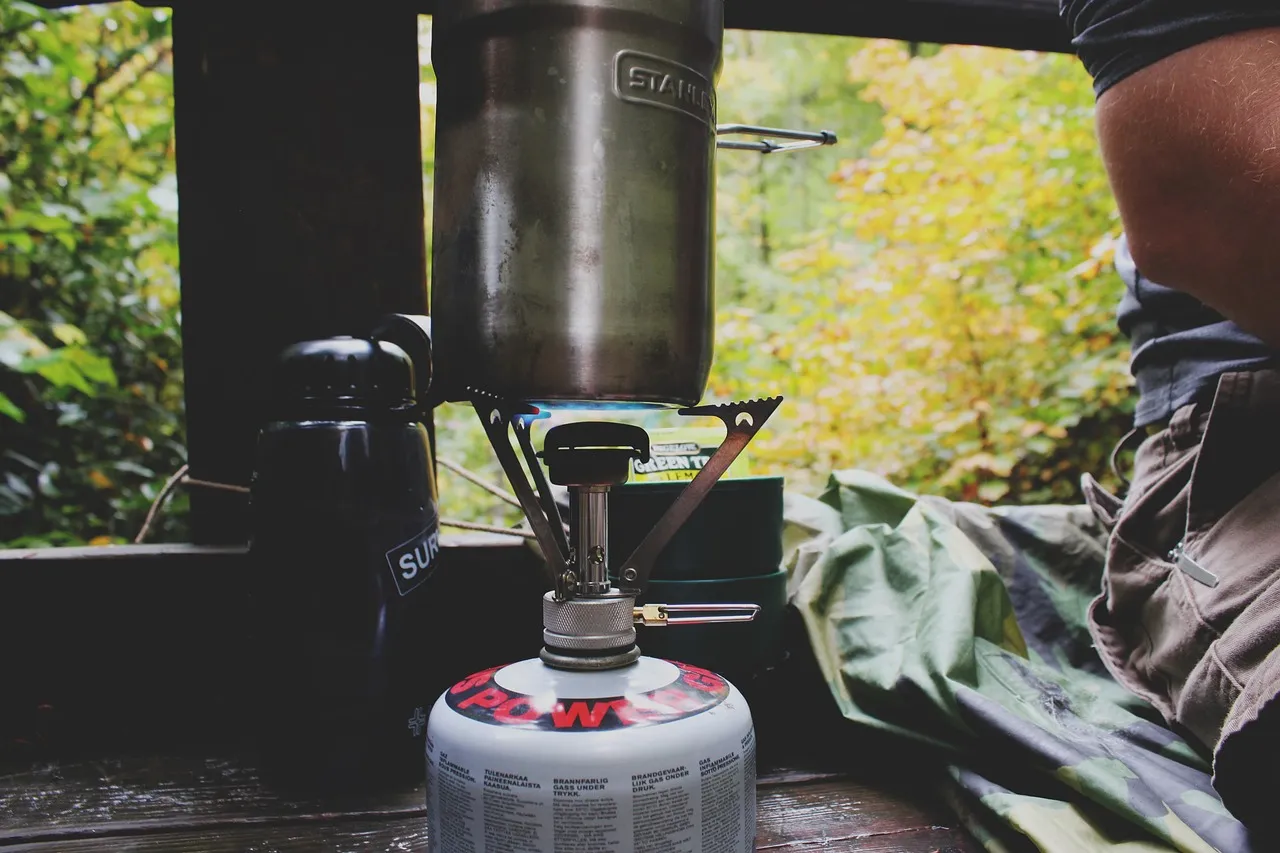
Adapting to a campfire ban doesn’t mean giving up on warmth or cooking. Most bans explicitly carve out space for alternatives. Use of portable, petroleum-filled cooking stoves, heating devices, and lanterns using liquefied or bottled fuel are permissible under most bans, provided such devices can be turned off.
Gas or propane stoves, lanterns, or heating devices are permitted in campgrounds and wilderness areas if there is no flammable material within three feet of the device. These stoves must be equipped with an on-off switch or valve capable of immediately extinguishing the flame. It’s a practical adaptation, not a punishment. Many experienced campers now travel with a canister stove as their primary cooking tool regardless of fire restrictions, treating the wood fire as an occasional bonus rather than a guaranteed fixture.
The Takeaway for Every Camper Planning a Trip
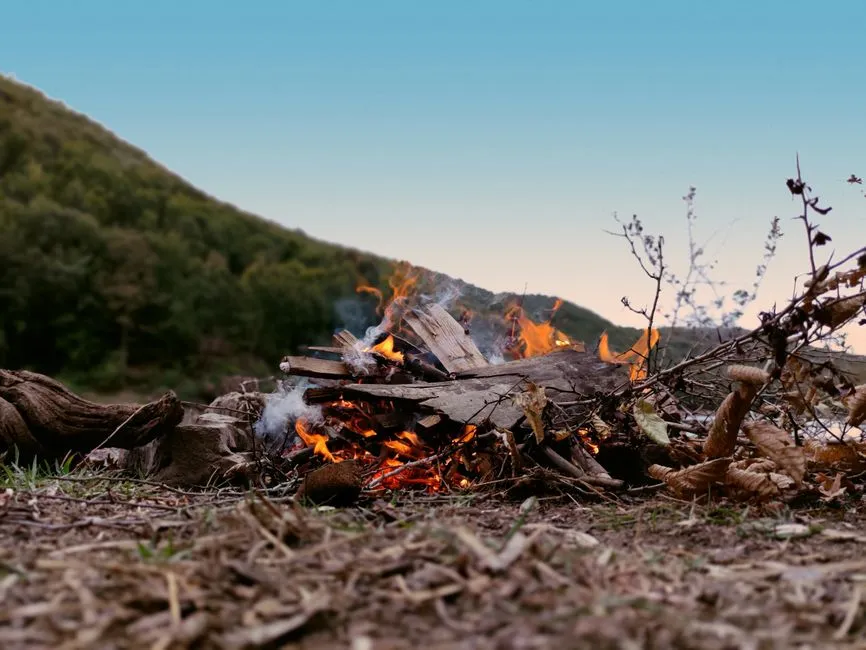
The open wood campfire remains a beloved part of outdoor culture, and that’s unlikely to change. What has changed is the operating environment around it. Drier conditions, longer fire seasons, and stretched firefighting resources mean that park managers are making decisions faster and more broadly than they did a decade ago. Most wildfires in the United States occur from May to November, peaking in August. Warmer temperatures are causing snow to melt earlier in spring and delaying fall precipitation, drying out vegetation and soils, and drought and unseasonably hot weather are now more common.
The campsite fire habit that’s getting banned across so many parks isn’t inherently reckless. It’s simply a tradition that requires more care, more awareness, and more flexibility than it once did. Checking restrictions before you go is no longer optional courtesy. It’s the baseline expectation. Fire prevention orders address wildfire safety measures for use of campfires outside of developed campgrounds and complement state and local wildfire prevention laws, with campfires and wood or charcoal barbecues prohibited outside developed campgrounds under many current orders. Go prepared, go informed, and you’ll still find ways to gather around something warm at the end of a long day on the trail.
AI Disclaimer: This article was created with the assistance of AI tools and reviewed by a human editor.