

Every year, millions of travelers lower themselves into warm, crystal-clear water, eager to float above one of Earth’s most extraordinary ecosystems. Most of them genuinely care about what’s below. They’ve switched to reef-safe sunscreen, they’ve watched the documentaries, and they know the oceans are struggling. Yet something far more destructive than the bottle of SPF 50 they left on the towel is quietly happening beneath the surface, one kick, one touch, one casual standing moment at a time.
The conversation around reef-safe sunscreen has been useful and worth having. But it may have also drawn attention away from a more immediate, more measurable problem: the direct physical contact that snorkelers make with coral, tens of thousands of times a day, across reefs spanning dozens of countries. The evidence for this has been building steadily, and recent research has made the picture sharper and harder to ignore.
The Habit Nobody Talks About: Touching, Standing, and Resting on Coral
Fin kicks, touching or holding coral, dragging gear, and kneeling or standing on coral have all been shown to directly impact the hardbottom community. This isn’t a fringe observation from a single study. It’s something marine biologists, reef managers, and conservation organizations have documented across sites from Florida to the Philippines.
Dramatic damage and coral breakage is commonly caused by snorkelers wading in and out of the water over shallow shore areas or standing up on top of the reef. Sadly, the damage caused in these areas can result in 100 percent of the corals being killed forever. That’s a hard number to sit with.
Physical contact is one of the biggest problems, with snorkelers touching corals with their hands or standing on them. Coral is extremely sensitive and can easily be chipped or cracked with even the slightest of pressure. Walking on it can lead to the destruction of the coral, including the polyps, which leads to the elimination of the home of many sea creatures.
What a Single Fin Kick Actually Does to a Reef
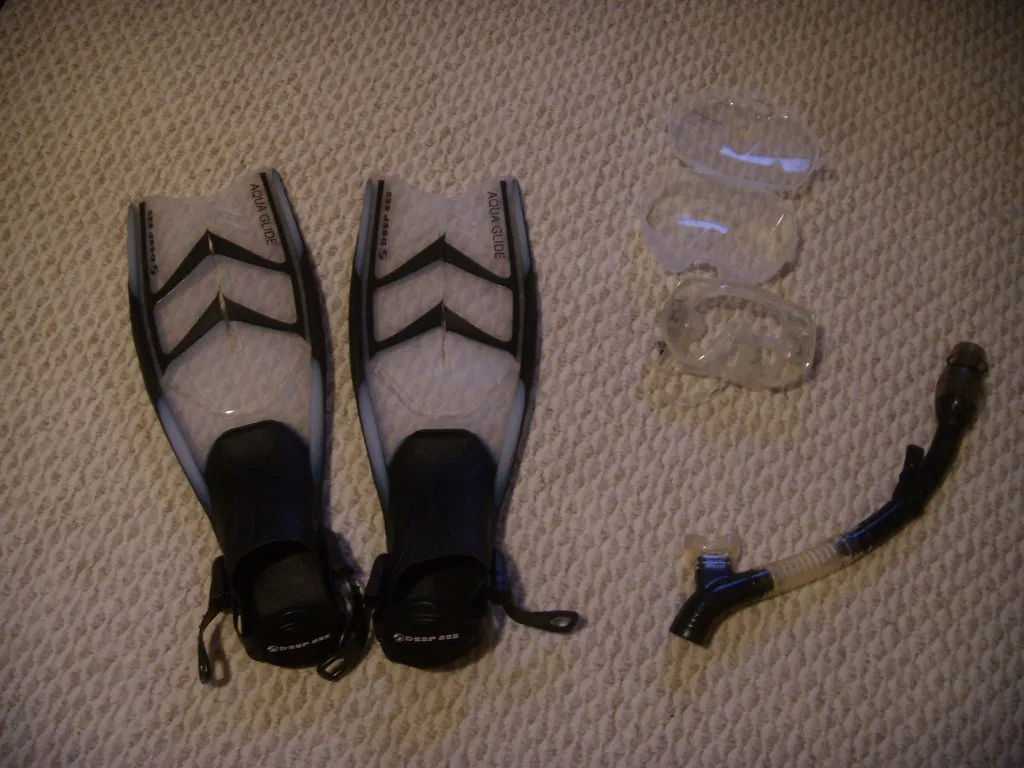
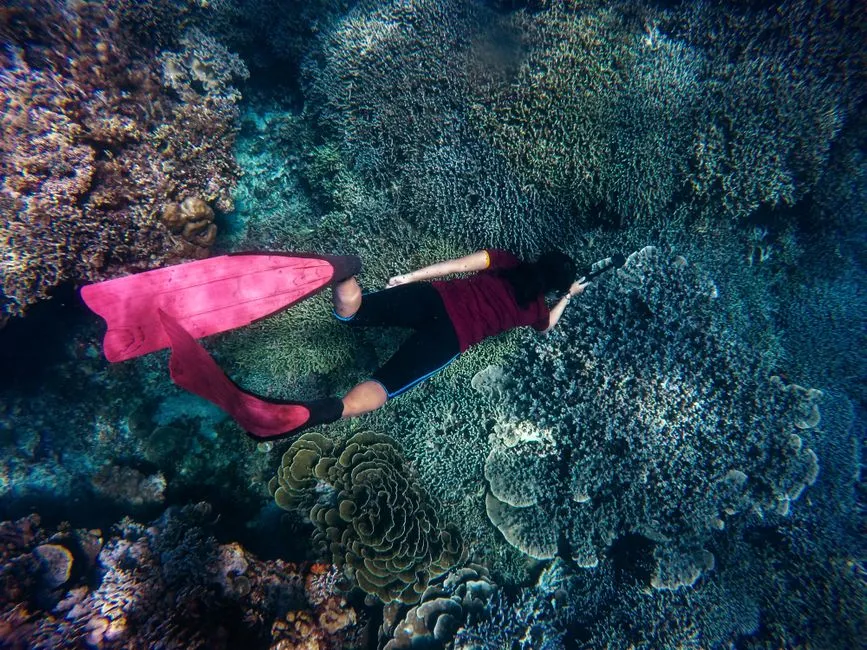
The most common source of reef damage comes from fins. A casual kick that barely registers to the snorkeler can snap coral or stir up sediment that smothers polyps. The issue isn’t that fins are inherently destructive – it’s that most people don’t think about their leg position while snorkeling.
A single, careless kick can destroy decades of growth. That framing is worth holding onto. Some coral species grow only a centimeter or two per year. What disappears in a fraction of a second may have taken a living organism 30 or 40 years to build.
In a study examining snorkeler behavior in Puerto Rico, snorkelers exhibited 0.26 potentially damaging behaviors per minute. Most were fin kicks, accounting for 39 percent, and the next most frequent behavior was sitting, standing, or kneeling on the reef at 22 percent. That rate compounds rapidly when hundreds of people visit the same site on the same day.
The Overconfidence Problem: Divers and Snorkelers Think They’re Doing Fine
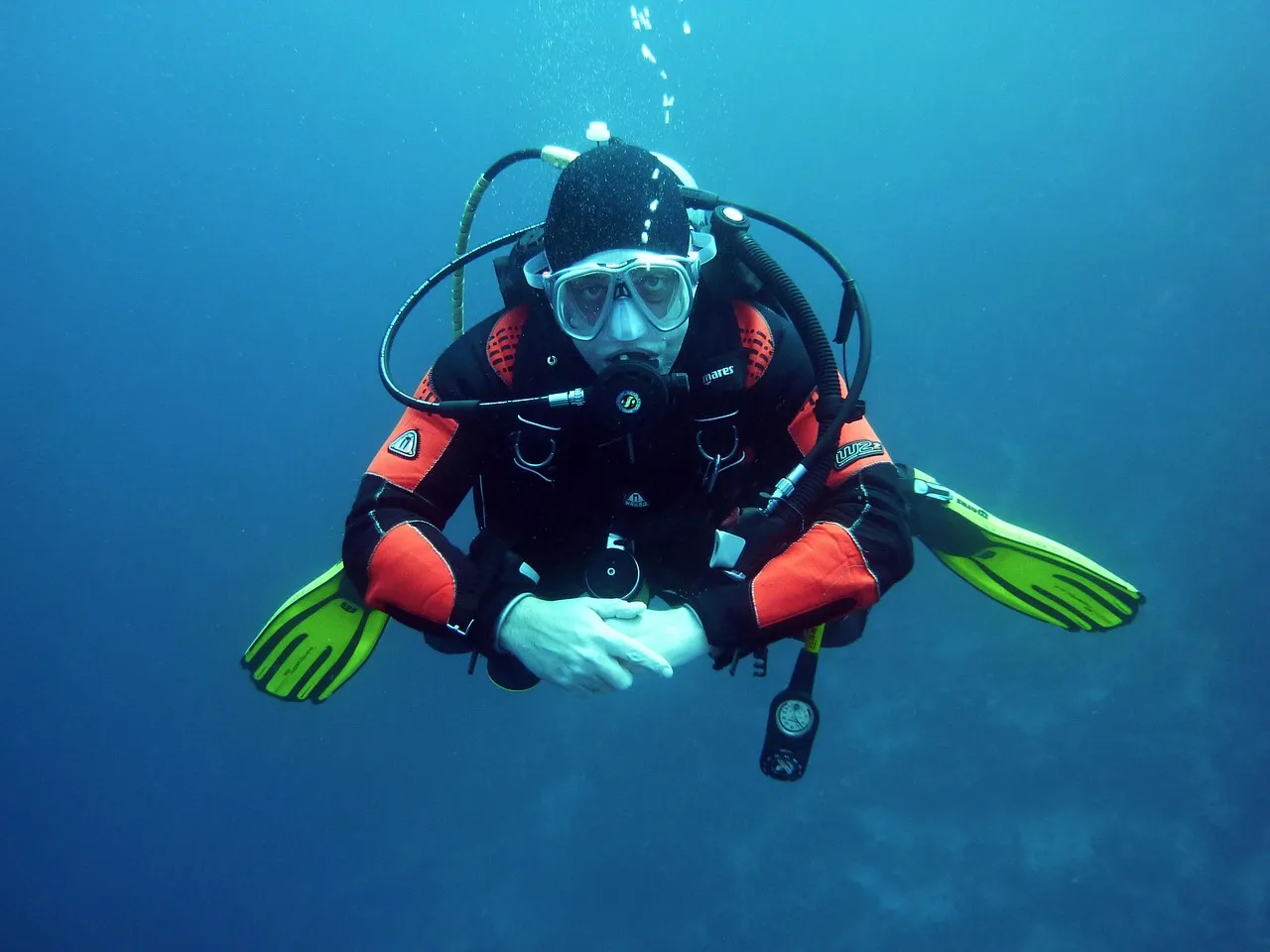
A landmark study conducted across Indonesia and the Philippines between December 2022 and January 2024 revealed something quietly alarming. The team collected survey and dive video data from 732 scuba divers at dive sites, filming them on the reef and logging their behaviors when they touched or damaged it. After the dives, researchers interviewed the divers and asked them to estimate how often they contacted the reef.
The team found that divers were touching the reef about one time per four minutes on average, and that about 60 percent of these touches were unintentional or done without the divers’ knowledge. That’s not carelessness in the usual sense. It’s a spatial awareness gap that most people in the water don’t even know they have.
About 75 percent of the divers rated themselves as above average in their diving abilities and avoidance of reef impacts, all while touching the reefs five times more than they estimated. This kind of gap between intention and behavior is one reason why simple awareness campaigns have had limited success on their own.
Wildlife Sightings Make the Problem Significantly Worse
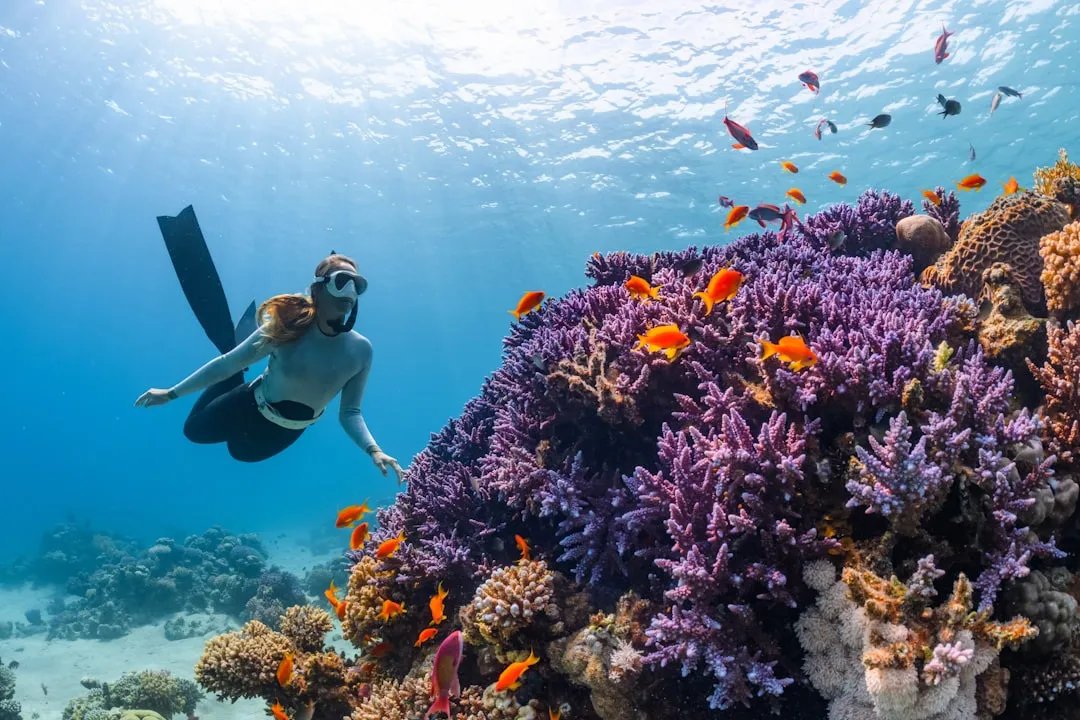
One of the more counterintuitive findings to emerge from recent research concerns the moments that snorkelers and divers treasure most. Seeing a sea turtle, a reef shark, or a school of vibrant fish is often the highlight of a trip. It also tends to cause the most damage.
Wildlife encounters, often the highlight of dive tourism, were found to significantly amplify damage. The presence of marine animals increased intentional reef contacts by 220 percent, unintentional contacts by 85 percent, and damaging contacts by 106 percent, often as divers approached or adjusted position to observe the wildlife.
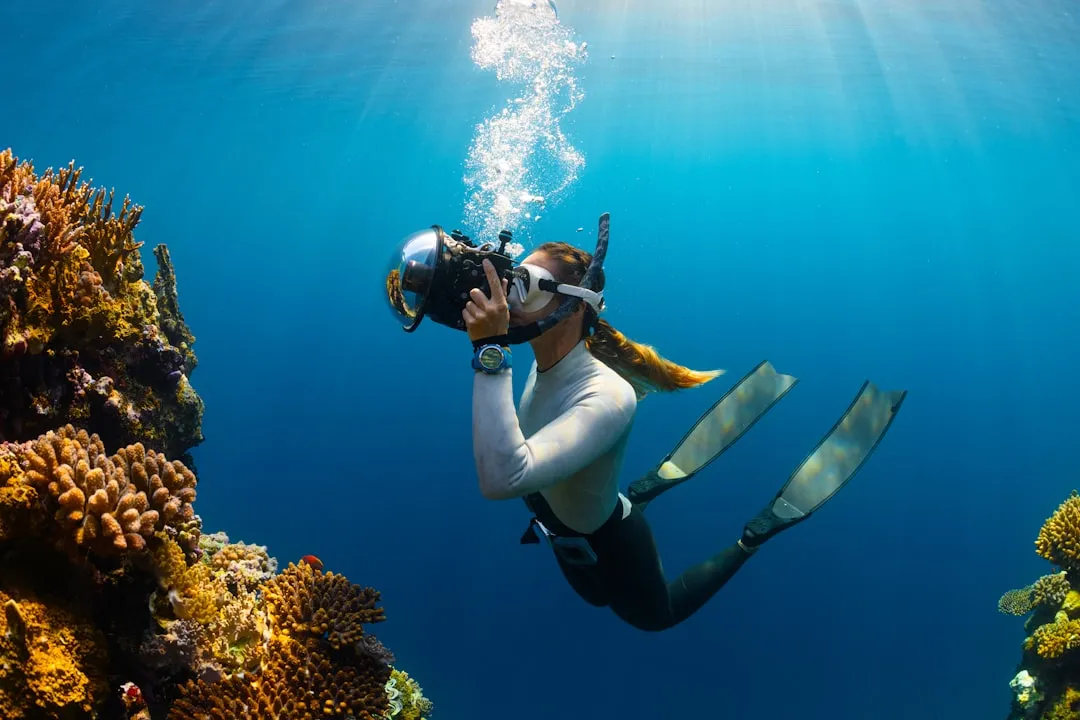
Divers using underwater cameras, gloves, or pointer sticks also had higher contact rates, while peer behavior played a significant role. When one diver touched the reef, others were much more likely to follow suit. Social dynamics and distraction, not malice, are the real mechanisms at work here.
Sediment Disturbance: The Invisible Layer of Damage
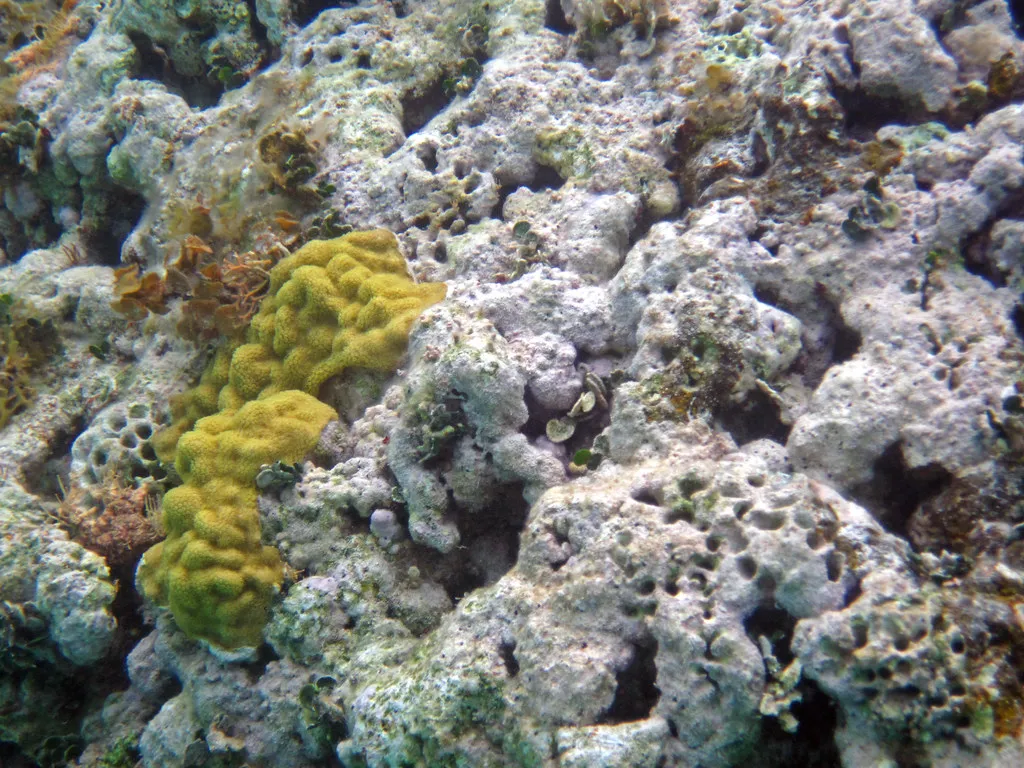
Physical contact with coral structures is obvious enough to see. Sediment disturbance is harder to notice, and that partly explains why it gets so little attention from visitors.
Divers and snorkelers can unintentionally disturb sand sediments that often result in covering or smothering corals. Trampling of corals can occur on shallow, near-shore reef flats and has led to extensive damage in areas with high levels of human pressure and use.
If snorkelers move too close to the bottom, they may kick up sediment in the process. This sediment can accumulate on coral and obscure the light needed for the algae living in the coral to do photosynthesis. If this process is not carried out, the coral can get stressed and eventually die. An entire reef section can be slowly suffocated by nothing more dramatic than poor fin positioning.
Where Sunscreen Fits in the Actual Threat Hierarchy
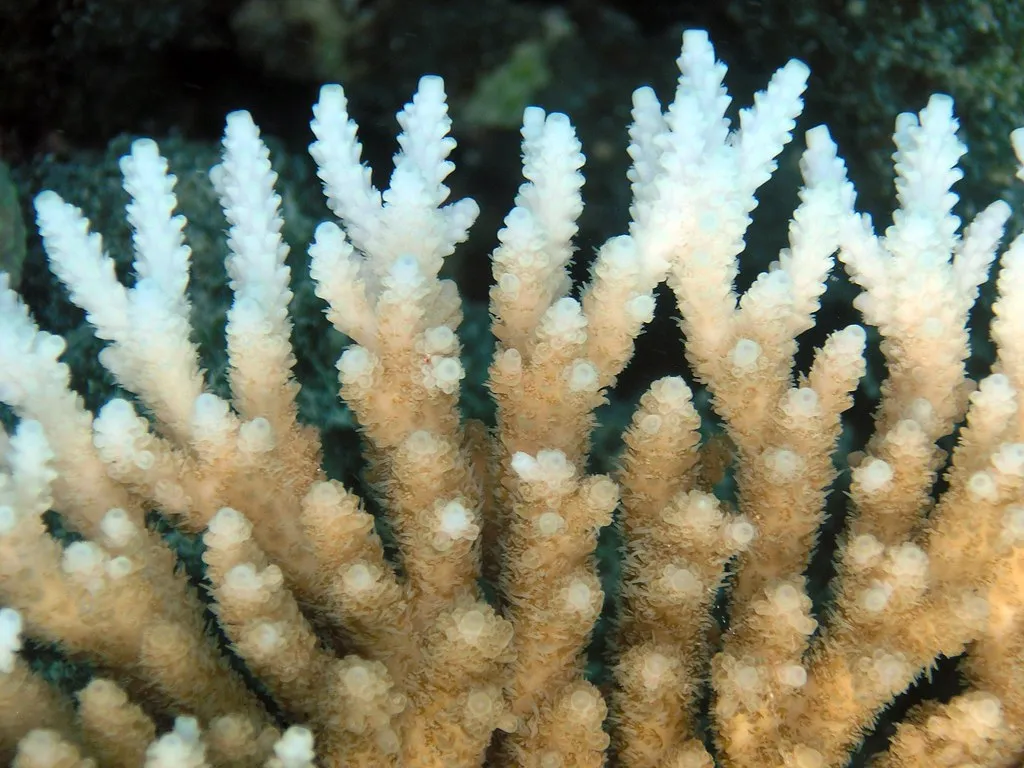
None of this is to dismiss sunscreen as a concern. The science here is genuinely troubling. A notable 2016 study found that oxybenzone can cause deformities in both coral larvae and baby corals, damage to coral DNA, and abnormal skeletal growth. These are serious effects at a biochemical level.
Three separate laboratory-based studies found that sunscreens cause complete and rapid bleaching of hard corals, even at extremely low concentrations. Researchers have also estimated that globally, four to six thousand tons of sunscreen were released annually in reef-laden areas.
Still, the sunscreen debate has an important caveat. Critics were quick to point out that laboratory conditions were a far cry from what happens in the environment. Regardless, people began to seriously question whether any amount of sunscreen near coral reefs could be harmful to the delicate ecosystem. Physical contact, by contrast, has no such ambiguity. A broken coral branch is broken.
The Scale of the Problem at Popular Destinations
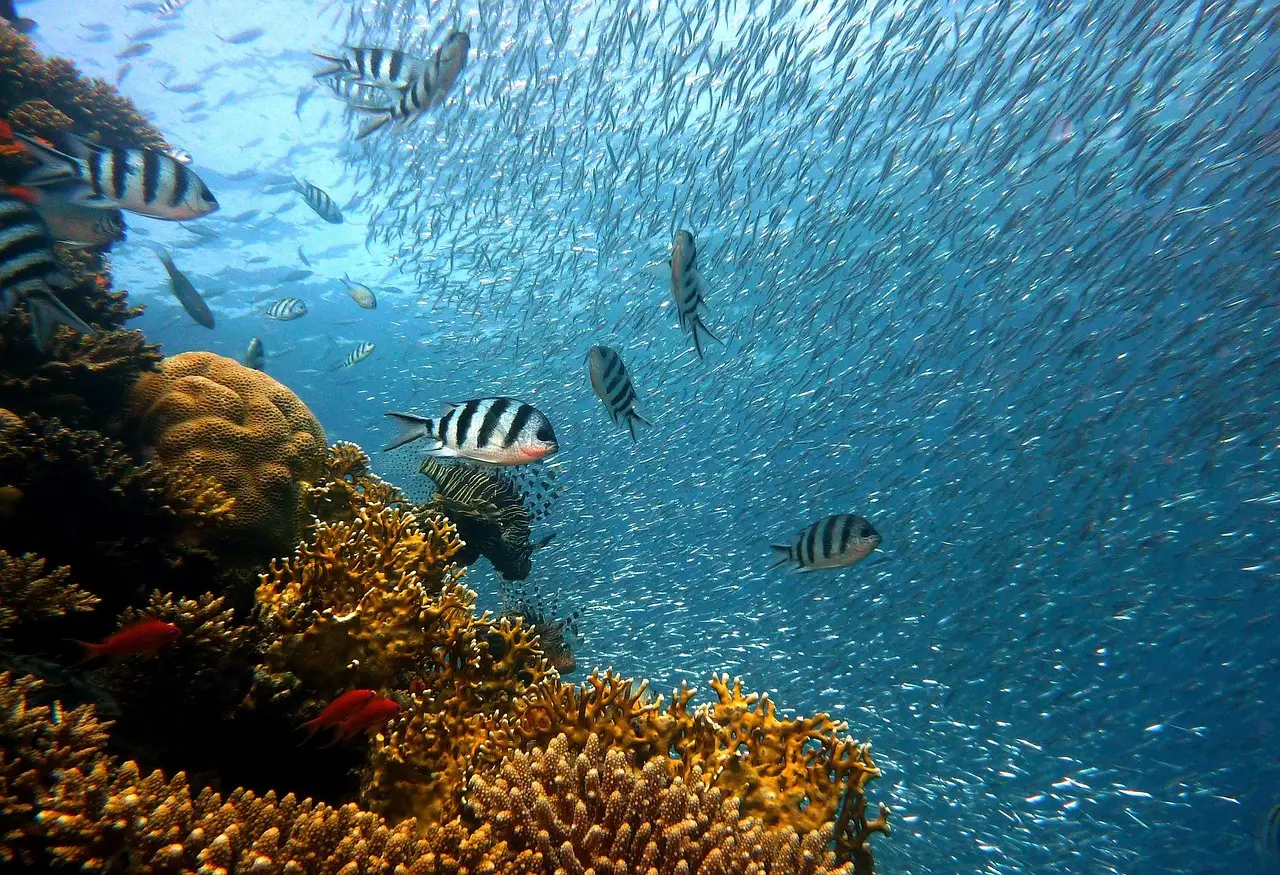
On some popular reefs with thousands of divers and snorkelers per day, the accumulating damage could have substantial ecological impacts. Places like the Coral Triangle, the Great Barrier Reef, and the reefs of Thailand and the Caribbean regularly receive visitor numbers that would stress even a healthy ecosystem.
The impact of overtourism on coral reefs has become more apparent in many destinations, especially where visitor numbers overwhelm carrying capacity limits. The compounding effect is important to understand. Each individual snorkeler may cause minimal damage on their own. Multiply that across a busy season and the math shifts dramatically.
In Thailand, authorities introduced stricter reef protection rules in 2025, encouraging operators to adopt reef-safe tourism standards and regulate snorkeling and diving behavior more aggressively. This kind of regulatory response reflects how seriously some governments now take the physical damage dimension of reef tourism.
What Coral Actually Is – and Why Physical Contact Is So Catastrophic
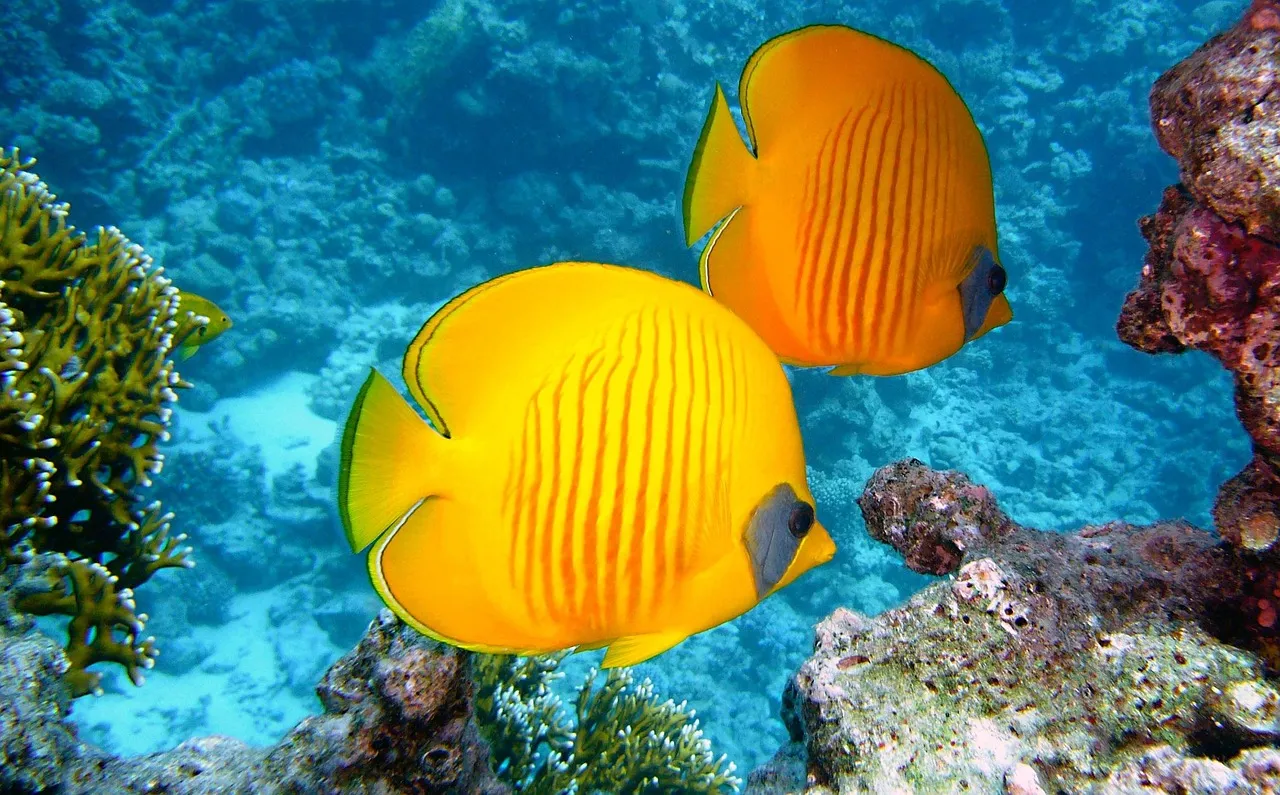
Part of the problem is perceptual. Many people enter the water without fully understanding what coral is. It looks like rock. It often feels solid. The reality is very different.
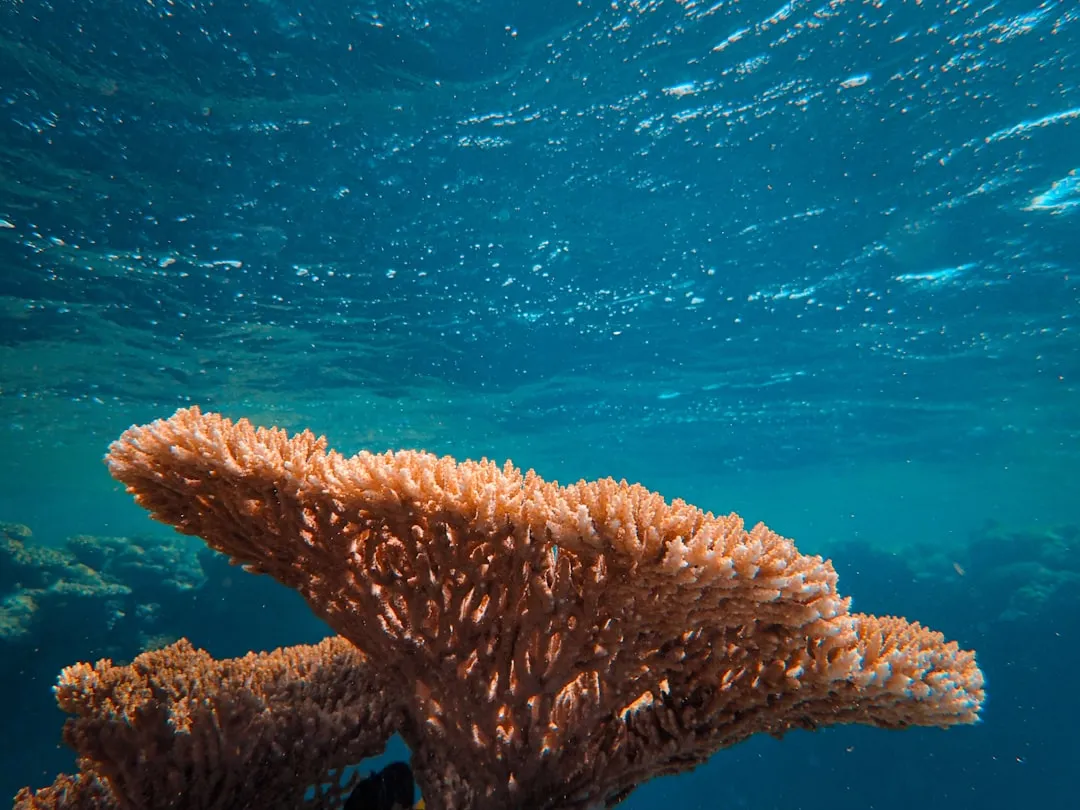
Although it may look and feel like it’s just a rock, coral is a very fragile animal. What we normally think of as coral is actually a colony of thousands of tiny organisms, each of which has a tiny cup-like skeleton made up of calcium carbonate. The coral animal sits inside that structure and can even pull its soft body inside the skeleton when under stress.
Even minor human contact can damage the protective layer of tissue that covers the corals, leaving them susceptible to algae colonization, which then collects sediment and ultimately smothers the coral. A single brush of the hand doesn’t just leave a scratch. It opens a biological door that disease and algae can walk through.
Education Changes Behavior – When It Goes Deep Enough
There is genuinely good news embedded in all of this. Behavior is not fixed. About 15 percent of the divers in the Princeton and University of Sydney study never touched the reef at all. That matters because it proves the standard is achievable. It’s not a theoretical ideal.
In one study, 95 percent of the divers were concerned about the state of the world’s coral reefs. Detailed conservation briefings reduced the amount that divers touched the reef. However, these briefings need to be detailed: another study found that one sentence included in a dive briefing made no difference at all.
Reminders from the dive leader during the dive did make a big impact in reducing coral damage. That’s an actionable finding for tour operators everywhere. Real-time cues from a guide in the water appear to be far more effective than a laminated card on a boat.
Practical Steps That Actually Reduce Physical Reef Damage
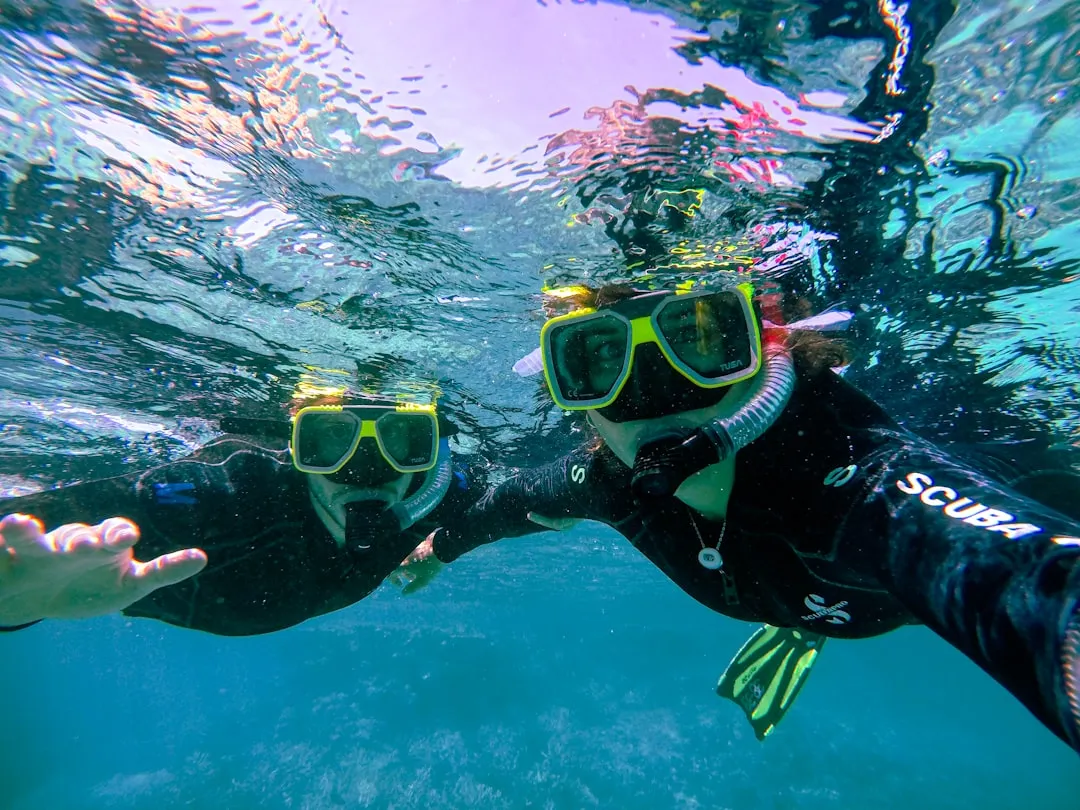
Proper fin technique starts with awareness. Keep knees slightly bent and kick from the hip rather than the knee. This creates a longer, smoother stroke that moves you forward without sudden jerky motions. The difference between a careless kick and a controlled one is the difference between moving water and disturbing the reef floor.
Avoiding stepping on coral, touching marine life, or anchoring boats on reef structures is essential. Even light contact can cause lasting damage. Practicing responsible snorkeling means maintaining buoyancy, keeping a safe distance, and avoiding kicking up sediment. Wearing a well-fitting rash guard instead of relying solely on sunscreen addresses both the chemical and the behavioral dimensions at once.
Conservation initiatives such as Green Fins, an international environmental certification system for dive operators, have gained momentum throughout Southeast Asia. Choosing operators certified through programs like this is one of the most direct ways travelers can ensure their money supports reef-conscious practices rather than undermining them.
The Bigger Picture: A Solvable Part of a Larger Crisis
Climate change remains the most severe threat to coral reefs. Warmer waters cause mass bleaching events, which are becoming more frequent and prolonged. Physical contact from tourism is not the dominant existential threat to reefs. That distinction belongs to ocean warming and acidification.
Currently, 75 percent of the world’s reefs are threatened. According to the World Resources Institute, by the 2030s, more than 90 percent of the world’s reefs will be threatened by local human activities, warming, and ocean acidification. The scale of that challenge is sobering, and it puts individual snorkeler behavior in perspective without making it irrelevant.
What makes physical reef contact worth focusing on is precisely that it is solvable. Climate change requires systemic transformation across entire economies. Keeping your fins elevated requires 20 minutes of instruction and a few trips to practice. A small minority of divers account for a disproportionate share of total reef damage, suggesting that targeted interventions could have considerable benefits. Sometimes the most tractable problems are the ones worth starting with.
A Quiet Responsibility That Travels With You
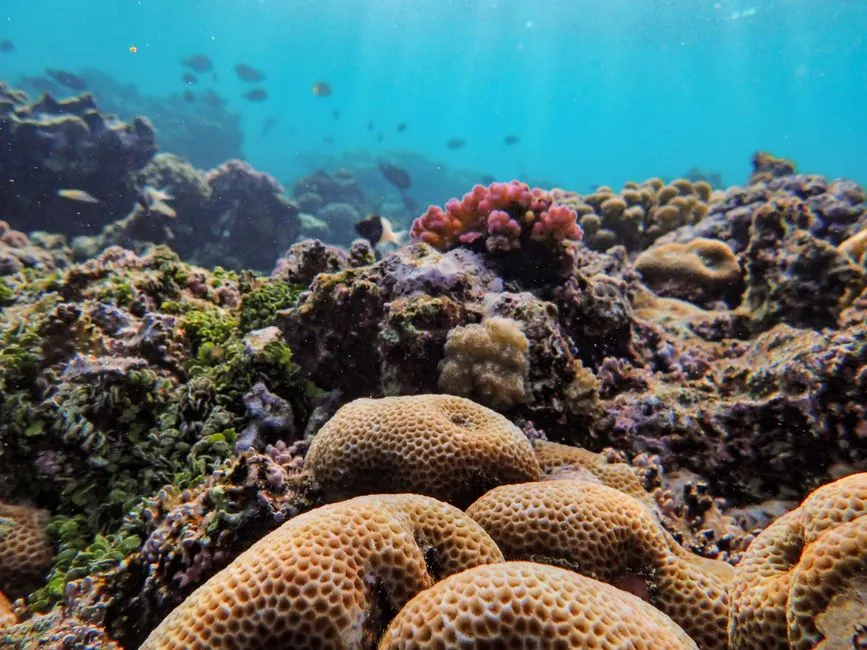
The reef-safe sunscreen movement genuinely raised awareness, and that was worth something. But it also gave many visitors a kind of moral permission slip, a sense that the responsible box had been ticked before they even entered the water. The harder truth is that what people do once they’re in the water matters more.
Coral reefs are not backdrops. They are dense, living cities built over centuries, home to roughly a quarter of all marine species on Earth. Healthy coral reefs are one of the most valuable ecosystems on Earth, providing billions of dollars in economic and environmental services, such as food, coastal protection, and tourism. The privilege of floating above them carries a genuine obligation.
The good news is that this particular obligation is not complicated to meet. It asks for awareness, a little practice, and a willingness to move slowly through someone else’s home. That’s a reasonable ask, and based on the research, it makes a measurable difference.
AI Disclaimer: This article was created with the assistance of AI tools and reviewed by a human editor.