

The Body Clock Fish Can’t Ignore
Most organisms synchronize to an approximately 24-hour circadian rhythm, and fish are no exception. This internal clock is not just a passive response to light. It actively shapes when a fish feeds, swims, rests, and even processes hormones throughout the day.
As most animals, fish feed rhythmically, consuming meals at specific times during the day or night. The fish circadian rhythm is, however, more flexible than that of higher vertebrates, and fish show inter-specific and even intra-specific differences in phasing.
In fish, the circadian clock represents a key regulator of many aspects of biology and is controlled by combinations of abiotic and biotic factors. That means light, temperature, and feeding time all compete to set the internal schedule.
Dawn Is the Real Starting Gun
Ask any experienced aquarium diver or longtime fish keeper and they’ll tell you the same thing: the tank comes alive early. In general, fish tend to be most active during low light conditions such as dawn and dusk. That window right as the lights gradually shift from dark to bright is consistently one of the most active periods of any tank day.
The fish “expects” dawn and dusk, and the eyes will automatically begin to adjust accordingly. This is due to the circadian rhythm. It’s a genuinely anticipatory process, not simply a reaction.
A regular period of light and dark, ensuring there are several hours of complete darkness, is essential for fish. In the tropics, day and night is equal for all 365 days a year, with approximately ten to twelve hours each of daylight and complete darkness. Well-designed aquariums try to mirror that balance closely.
Food Anticipatory Activity: The Pre-Feeding Surge
One of the most well-documented bursts of tank activity has nothing to do with light at all. Some days after the start of periodic feeding, fish concentrated their daily activity around feeding time, with an increase in activity three to five hours before the anticipated food delivery. Researchers call this food anticipatory activity, or FAA.
Feeding time is an important zeitgeber for fish, regulating their circadian rhythms and inducing food anticipatory activity. A zeitgeber is essentially a time-giver, an environmental cue that anchors biological clocks.
The time of feeding itself can act as a zeitgeber and override the effect of the light and dark alternation. Fish that are fed always at the same time of day show typical pre-feeding activity. This is why tanks fed on a reliable schedule often look noticeably more animated in the hour leading up to mealtime.
Zebrafish and the Diurnal Activity Peak
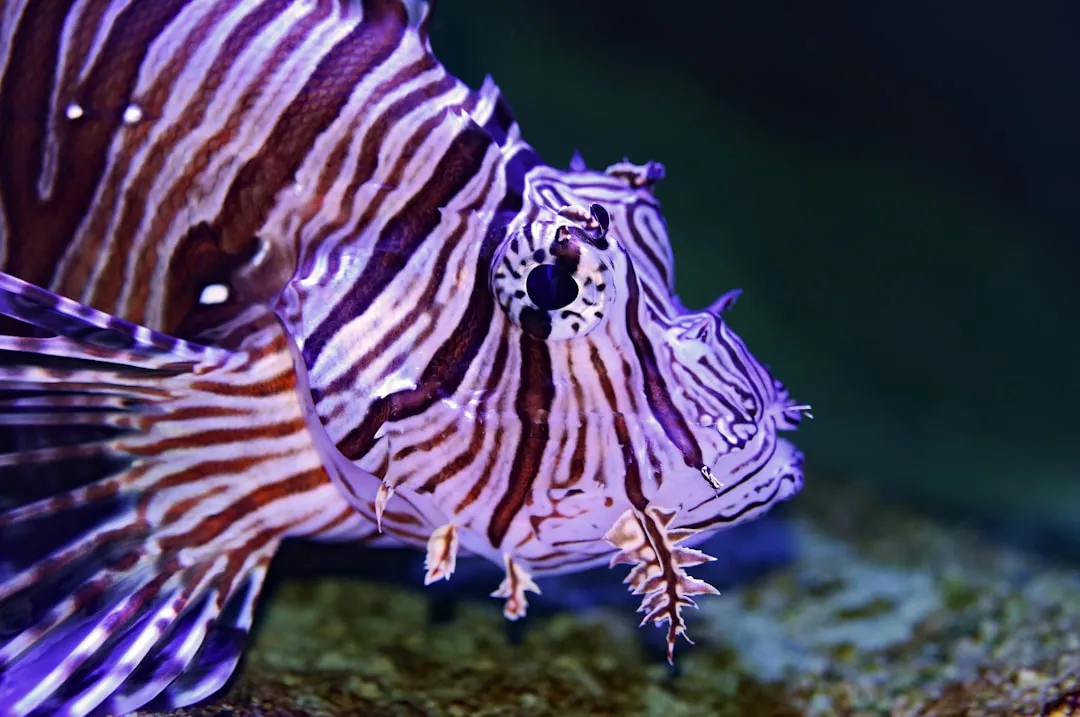
Zebrafish are among the most studied aquarium species in the world, and their data gives a useful benchmark. Locomotor activity was mostly diurnal, with the vast majority of total daily activity occurring in the light phase. This is a strong indicator that, for many popular tank species, midday is genuinely busy.
Studies have tracked zebrafish using tracking systems, obtaining movement trajectories that showed significantly faster swimming, greater agitation, and agglomeration in the centre of the aquarium during feeding periods. The spatial pattern shifts noticeably too, not just the speed.
Both feeding and locomotor rhythms were endogenously driven, as they persisted under free-running conditions. That means even if you remove the light cue entirely, the rhythm doesn’t simply collapse. The clock keeps ticking on its own for a while.
Dusk Brings a Second Wave
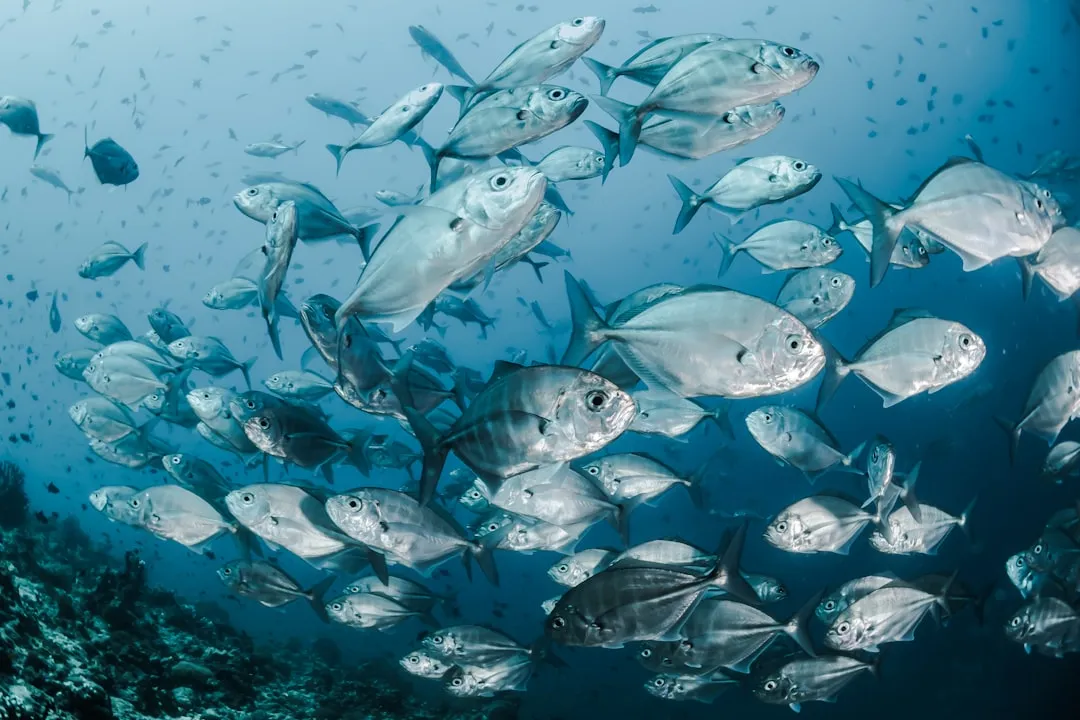
For many species, the day doesn’t quietly wind down. Dusk triggers its own distinct spike in movement. Some species showed a peak in feeding strikes at dusk and increased activity at both dawn and dusk. This dual-peak pattern, often called crepuscular activity, is extremely common across wild and captive fish alike.
In studies examining feeding across the full light period, feed consumption steadily increased until mid-afternoon and decreased significantly towards the end of the day. So the picture is a gradual morning climb, a broad midday plateau, and a secondary uptick as evening approaches.
Some species behave quite differently from each other even within the same tank. Detailed observations of activity using 24-hour infrared video in the laboratory revealed that two common predators had very different activity patterns. Mixed community tanks can therefore look active almost around the clock simply because the species staggered.
Nocturnal Species Flip the Schedule
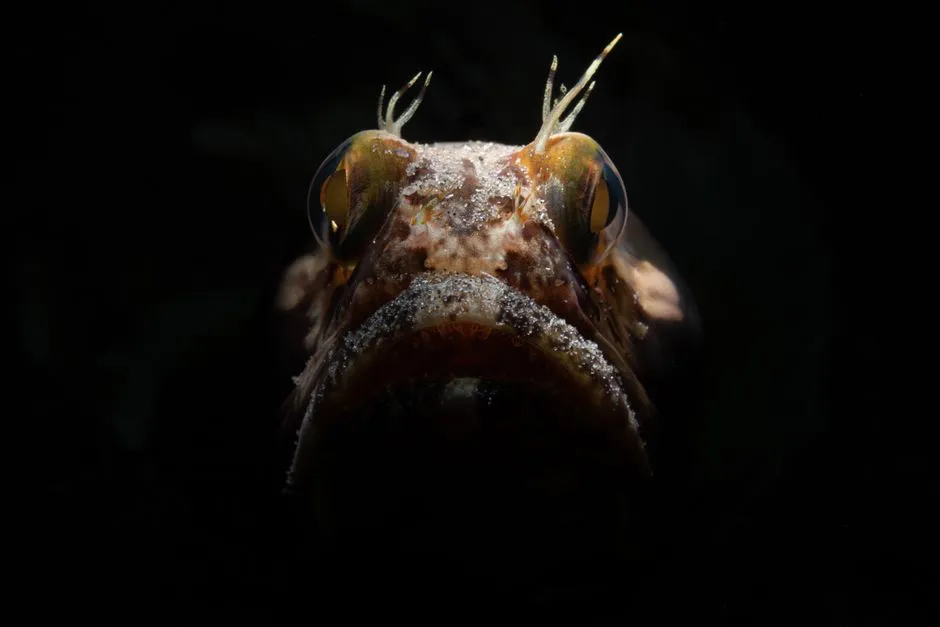
Not every aquarium resident follows a daytime rhythm. Many popular catfish, loaches, and plecos are genuinely nocturnal, preferring to stay hidden during bright hours and emerging only once the lights dim. Goldfish, for instance, display diurnal feeding but nocturnal activity. That kind of split between when they eat and when they move most is surprisingly common.
Such high flexibility is exemplified by the dual phasing behavior of European sea bass, which shows both diurnal and nocturnal feeding rhythms. It’s a reminder that species labels like “diurnal” or “nocturnal” are starting points, not fixed rules.
The circadian rhythm of food demand was strongly synchronized with the light and dark cycle, and fish exhibited both diurnal and nocturnal patterns. If you want to observe nocturnal species at their most active, the period just after lights-out is reliably your best window.
How Light Cycles Physically Control the Schedule

Light cycles and feeding times produced rhythmic clock gene expression, an internal time-keeping system regulating many physiological processes through the generation of approximately 24-hour circadian rhythms. The effect of feeding schedules was particularly evident in digestive organs like the intestine and liver.
The swimming activity of turbot was mainly restricted to the light phase, and under constant light or darkness it loses its rhythmicity. This finding is important for aquarium keepers. A tank kept under constant bright light all day and night doesn’t produce a more active fish. It often produces a confused and sluggish one.
The primary purpose of aquarium lighting is to simulate the natural day-night cycle. This cycle is vital for the biological rhythms of fish and the photosynthetic needs of plants. Getting the lighting schedule right isn’t just cosmetic, it’s physiological.
Visitor Presence Can Alter Activity Too
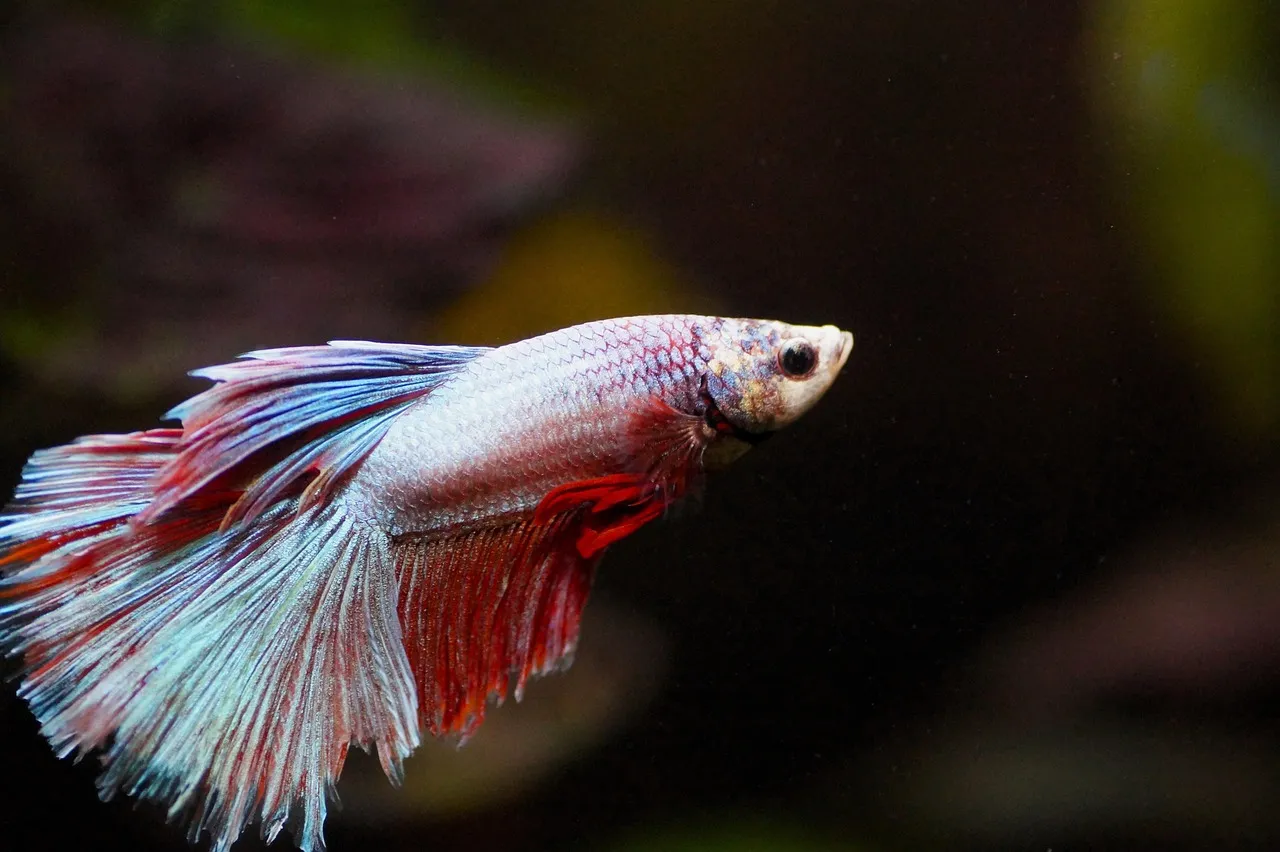
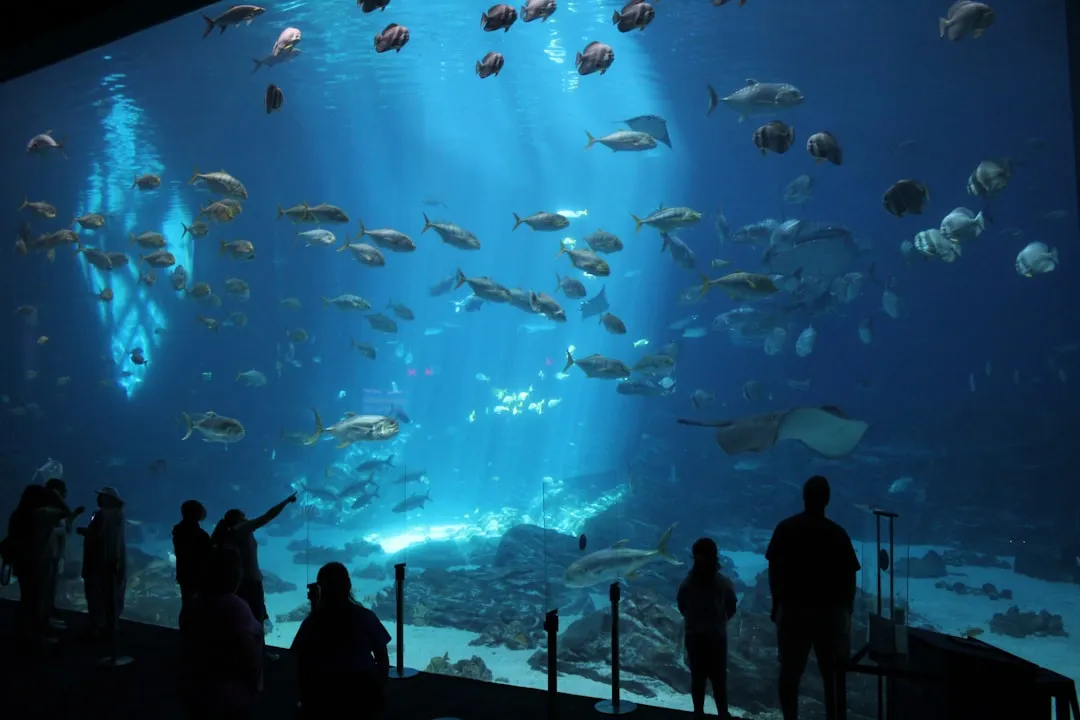
Public aquariums add another variable that home tank keepers rarely consider: the audience. Research into visitor effects on aquarium animals has found measurable behavioural shifts. Considering the popularity of aquariums, the underrepresentation of fish in animal welfare research is particularly concerning. Studies involving rays found that animals were more active in the presence of more visitors, suggesting fish do perceive and respond to external social stimulation.
Analyzing many target trajectories in a specific scene can reveal behaviour patterns and construct effective motion behaviour models. Using visual monitoring systems, researchers can obtain 3D time-varying trajectory data of fish. This kind of continuous tracking is increasingly common in both aquaculture and public aquarium settings.
The implication for home keepers is practical: a quiet room with little foot traffic in the morning might see less fish activity than expected, even if the lighting schedule is ideal. Fish aren’t just responding to light. They’re responding to the whole environment around them.
Consistency Is What Anchors the Pattern
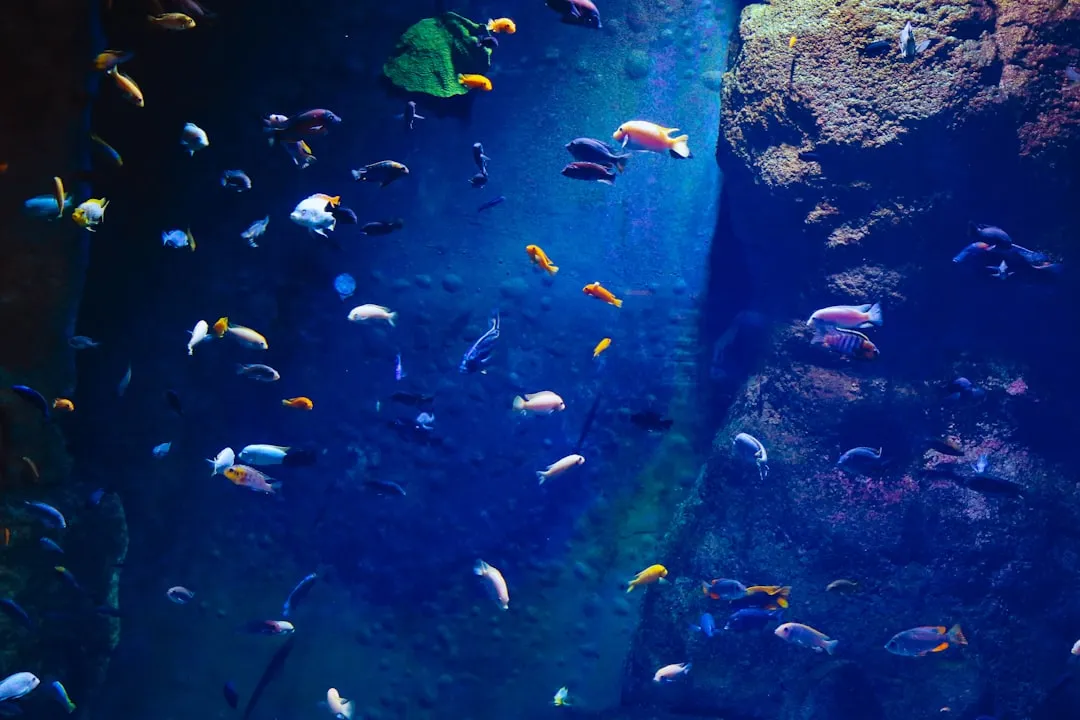
Shoals of golden shiners trained to expect food around midday in one of the brightly lit corners of their tank displayed daily food-anticipatory activity by leaving the shady area of their tank and spending more and more time in the food corner up to the normal time of feeding. The behaviour was remarkably precise once established.
Healthy aquariums usually come from smaller consistent routines and long-term observation instead of only reacting after visible problems appear. Activity patterns are a real part of that. A tank where feeding, lights-on, and lights-off happen at the same time each day will reliably show more predictable and vibrant behaviour.
Many experienced keepers rotate foods like frozen bloodworms, algae wafers, and sinking foods instead of feeding a single food daily. Different foods often trigger different feeding behaviour, activity levels, and competition patterns inside the aquarium. Variety in diet, alongside consistency in schedule, tends to keep fish at their most animated.
What Aquarium Divers and Long-Term Observers Actually See
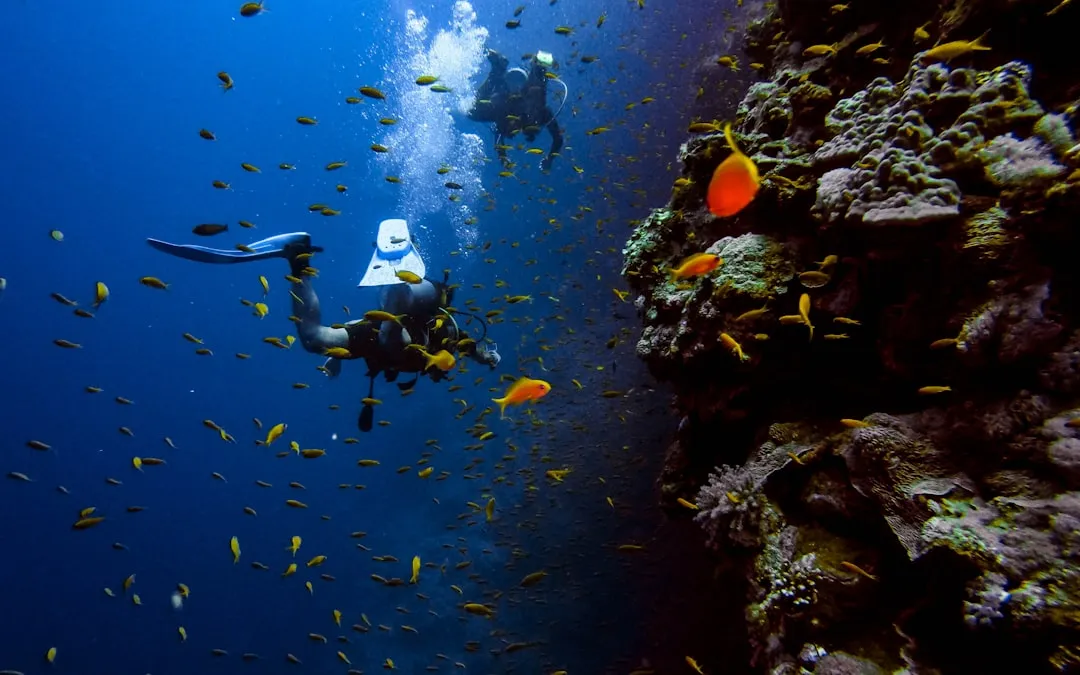
The people who spend the most time watching tanks, whether professional aquarium divers, aquarists, or dedicated hobbyists, tend to describe the same rough picture. Early morning, right as lighting transitions from low to full, is reliably the busiest window. Novel deep learning-powered video tracking methods have confirmed the stability, fragmentation, robustness, and synchronization of activity rhythms across species in controlled tank conditions.
An artificial daylight cycle is believed to be beneficial in reducing stress levels in aquarium fish and moreover provides a better overall visual effect. Mimicking sunrise and sunset with gradual light transitions, rather than abrupt on-off switching, makes a meaningful difference to how settled and active fish appear throughout the day.
Circadian rhythms of swimming activity have been widely documented in various fish species, including preprandial activity in anticipation of a regular feeding time, also known as food anticipatory activity. If you want to catch fish at their most active, show up around feeding time or during those transitional light moments at the start and end of the day. Timing, it turns out, is everything.
The Takeaway
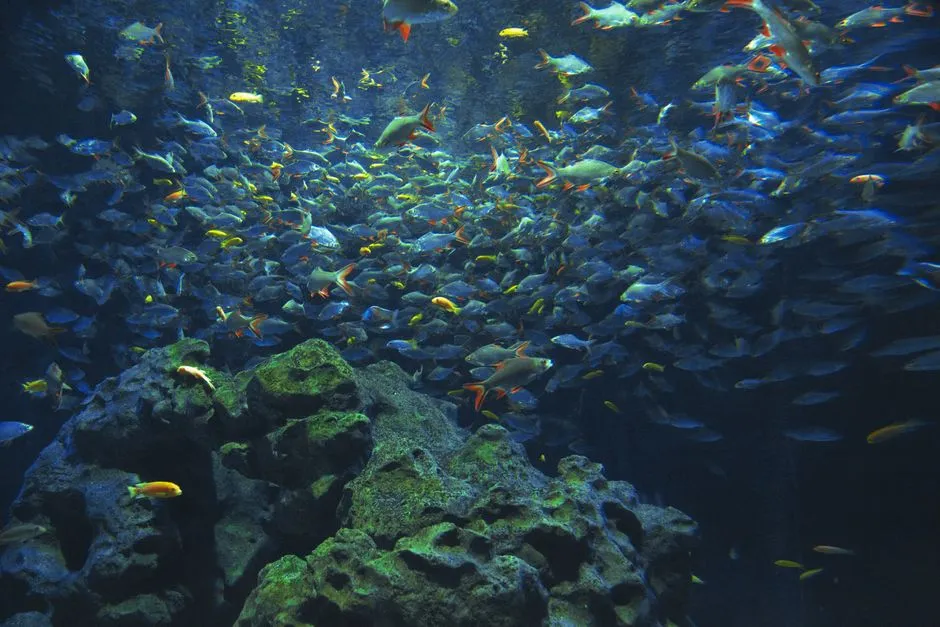
There’s no single magic hour that applies to every fish in every tank. Species, light schedules, feeding routines, and even visitor activity all shape when a tank peaks. That said, the evidence points clearly toward dawn and dusk transitions, pre-feeding windows, and well-maintained light and dark cycles as the most reliable triggers for elevated activity.
The fish in a carefully managed aquarium are not just moving randomly. They’re running on internal clocks that science is still working to fully map. For anyone who wants to see a tank at its absolute best, the answer is less about luck and more about timing your visit to match the rhythms already built into every fish swimming there.
AI Disclaimer: This article was created with the assistance of AI tools and reviewed by a human editor.