


There’s a single question that experienced wedding planners quietly advise their clients to ask at every venue tour. It’s not about decor, parking, or capacity. It sounds almost too simple. Yet the answer to it can shift a wedding budget by thousands of dollars, and most couples never think to ask it until after they’ve signed.
The wedding industry has grown more complex than ever. The U.S. wedding services market was valued at nearly $65 billion in 2024, with projections showing continued growth through 2030. Inside that enormous market, venue pricing has become one of the most consistently misunderstood parts of wedding planning. Understanding what’s actually going on starts with one honest question.
The One Question That Changes Everything
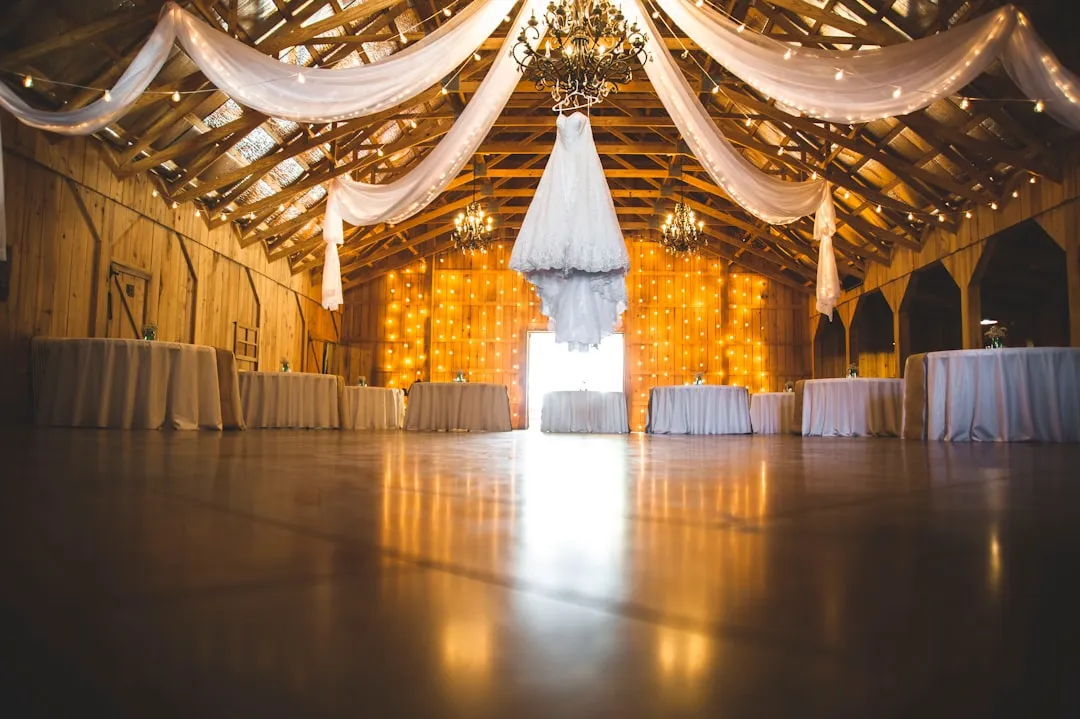
The most overlooked question couples can ask is simply: “What is not included in the rental fee?” Most couples focus on what’s included and miss the add-ons that inflate the final bill: service charges, overtime fees, vendor fees, and required insurance.
The single most useful question on any venue tour is this: what is the full itemized total for my date and guest count? The base quote is built to sell the venue. The itemized total is what actually books the wedding.
That distinction matters far more than it first appears. Venues aren’t necessarily being deceptive, but the number on the brochure is designed to get you in the door, not to show you the finish line.
Why the Base Price Is a Marketing Number

Wedding venue costs are often obscured because the rental fee is a marketing number. It’s built to be attractive enough to get you onto a tour. The staffing, the rentals, the taxes, and the policies all live in the contract you see later.
Around 90 percent of couples set a budget before they research a single vendor, according to WeddingPro’s 2025 couples report. Yet pricing remains the top factor in deciding which vendors to even contact, and vague pricing is the number one reason couples stop responding after an inquiry.
Venues are aware of this dynamic. The front-facing price stays as low as defensible. The real total builds itself slowly, one line item at a time.
How Much Hidden Fees Actually Add Up

Survey data from Zola shows that hidden costs, which include unexpected fees and miscellaneous items, add an average of $3,314 to a couple’s total budget. That’s not a rounding error. That’s nearly half a month’s rent in many American cities.
According to Zola’s 2025 data, roughly three quarters of couples go over their original wedding budget. The hidden line items below the rental fee are where most of that overrun happens.
Industry data shows that nearly 70 percent of venues do not list full pricing details upfront, and the final bill often lands significantly higher than the initial quote suggested. That pattern is consistent and well-documented across the industry.
The Service Charge That Isn’t a Tip
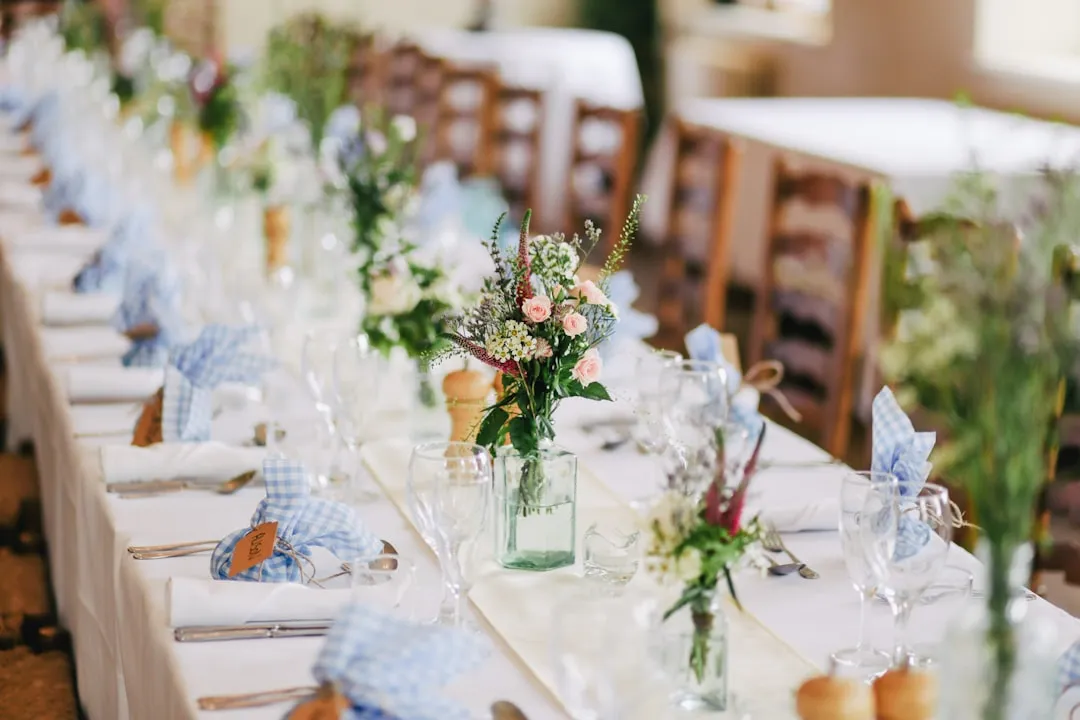
One of the most common hidden wedding venue costs is the service charge, sometimes called an administrative or facility fee. It typically ranges from 18 to 25 percent of your total food and beverage bill.
Many couples see that line item and assume the staff is covered. They’re often wrong. A service charge of 20 to 25 percent of the food and beverage total typically goes to the venue, not the staff, according to The Knot’s 2026 data. Gratuity, applicable sales tax, and a card processing fee can all land on top of that same subtotal.
Every couple should ask each potential venue about its service charge and find out what it actually covers and whether that fee itself is taxed. That charge is entirely different from gratuity. It’s a crucial distinction. Couples should also clarify whether tips for the staff are included or left entirely to their discretion.
Catering Minimums Nobody Mentions at the Tour

Many venues require a minimum food and beverage spend regardless of your actual guest count. If the minimum is $15,000 and your 75-person guest list only generates $12,000 in catering costs, you still pay the full $15,000.
This is one of the most financially impactful clauses in any venue contract, and it’s rarely raised during the initial walk-through. Couples who book first and read later often discover it too late to renegotiate.
The most common hidden fees beyond food and beverage minimums include service charges ranging from 18 to 24 percent, gratuity layered on top of those service charges, cake cutting fees of one to seven dollars per slice, overtime charges from $25 to $50 per staff member per hour, and corkage fees of roughly $10 to $15 per bottle, according to industry sources.
Overtime: The Budget Risk That Starts at 10 PM

Overtime fees commonly range from $500 to $2,000 per additional hour and may include separate charges for extended bar service, additional staffing, and continued kitchen operations. A wedding that runs 45 minutes over schedule can quietly add a four-figure charge to the final invoice.
Couples should ask whether the contracted block of hours includes vendor load-in and teardown, or only the time guests are present. The answer changes the whole math.
A solid venue contract should specify a start time, an end time, an explicit overtime rate per hour or per 30-minute increment, and clarity on when the meter starts. A red flag is overtime described as “at vendor’s discretion” without a defined rate.
Outside Vendor Fees and Preferred Vendor Lists
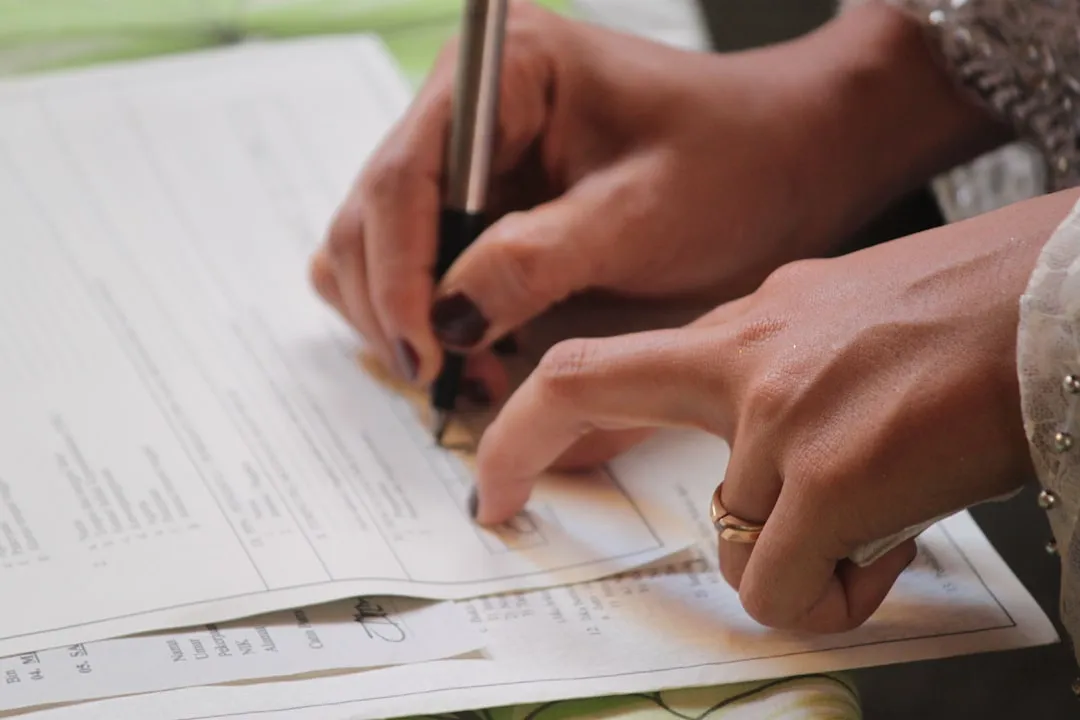
Some venues require couples to choose from an approved vendor list for catering, bar service, or both. Others restrict outside vendors entirely. These clauses are not inherently a problem, but they need to be disclosed upfront.
Many venues charge around 20 percent extra if couples choose professionals outside their approved network. These lists often come from paid partnerships rather than quality-based selection. Knowing this before you fall in love with a venue gives you real negotiating clarity.
A genuine red flag is discovering an exclusivity clause after you’ve already paid a deposit, particularly when it forces you into in-house vendors at significantly higher cost than you had originally planned.
The “Starting At” Problem in Venue Pricing

Research into 100 wedding venues found that “starting at” prices jumped by 112 percent in final quotes once all fees were factored in. That gap between the advertised figure and the actual total is not unusual. It’s closer to standard practice.
At some venues, a starting price of $5,000 becomes $9,000 once required rentals, coordination fees, and mandatory vendors are added. The initial number isn’t wrong, exactly. It’s just incomplete.
This is precisely why experienced planners always push for an itemized quote before couples emotionally commit to a space. Once you’re in love with a room, it’s much harder to walk away over a spreadsheet.
The Fees Buried Deepest in the Contract

Venue contracts can include mandatory gratuity, extra fees for cleaning, security, overtime, cake cutting, and corkage, plus costs for using outside vendors. Tax and service charges in fixed amounts may also be applied to the total bill if the venue provides catering services.
Getting into the bridal suite early in the morning, or running a rehearsal the day before, can be a separate charge entirely. These are the kinds of line items that surface only when couples are deep in logistics, often weeks before the wedding.
Credit card surcharging is another thing to watch for. It isn’t legal in every state, but some venues will charge a processing fee if you pay by credit card. Always ask before assuming how payment works.
What to Ask, and How to Ask It
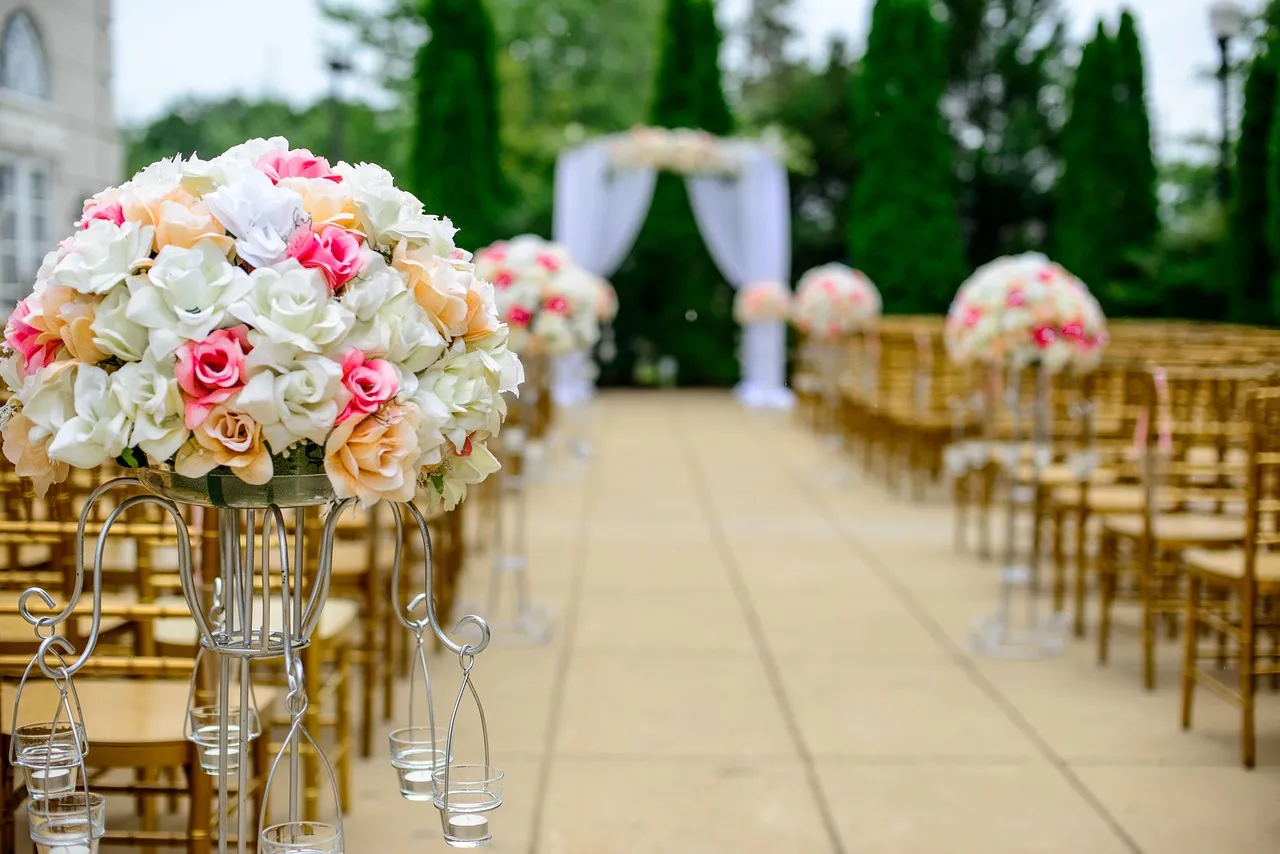
Using direct language such as “Are there any fees not listed in the proposal that I should expect later?” often reveals extra costs that were not obvious in the first estimate. It’s a simple ask, but many couples feel awkward raising it during an otherwise warm and enthusiastic tour.
Asking for an itemized estimate that shows all services, fees, taxes, and optional add-ons makes it much easier to compare quotes from different venues and spot exclusions before signing a contract.
Protecting yourself from hidden wedding venue costs ultimately comes down to asking the right questions and getting everything in writing. Request the full contract before paying, not a sample but the actual document you’ll sign, with the addendums that apply to your specific date.
The Real Cost of Not Asking

The numbers paint a consistent picture. Most couples, around 69 percent, exceed their initial wedding budget, with budget overruns typically occurring due to hidden costs like service charges, gratuities, and last-minute additions.
Service charges, gratuities, overtime fees, and weather contingencies can collectively add between 9 and 15 percent to total costs beyond what vendor quotes originally suggest. Across a $30,000 wedding, that’s a swing of several thousand dollars.
Hidden wedding venue costs derail budgets because couples don’t know to ask about them until it’s too late. By understanding the most common fees and asking detailed questions during the venue search, couples can compare options accurately and avoid the stress of unexpected charges appearing weeks before the wedding.
Final Thoughts
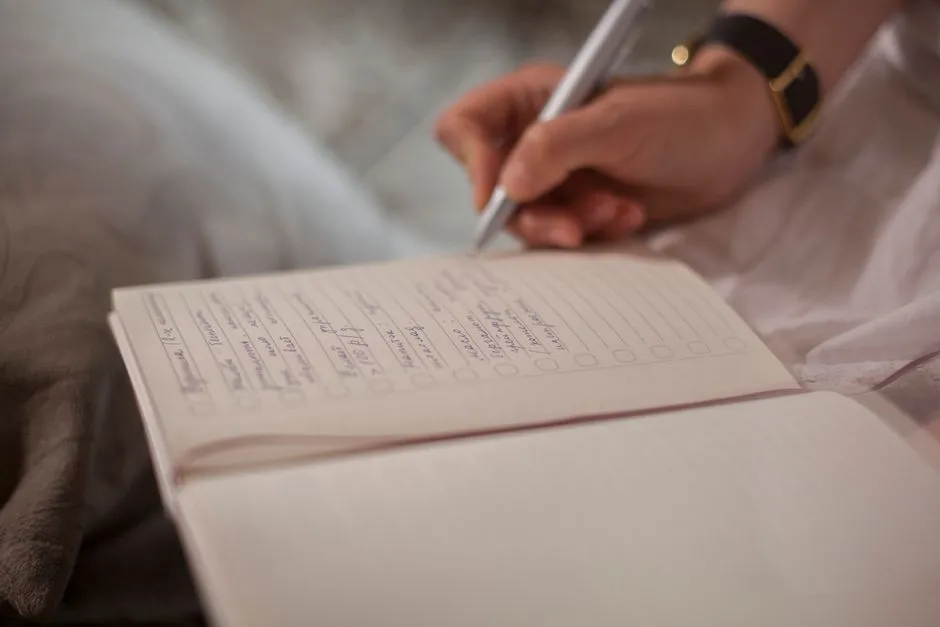
The question planners want every couple to ask isn’t glamorous. It doesn’t come with a mood board or a color swatch. It’s just seven words: “What is not included in this?” That question, asked early and answered in writing, is worth more than any checklist.
Venues that respond with full transparency are telling you something important about how they’ll treat you through the rest of the planning process. The ones that deflect or delay are also telling you something. Both answers are useful, and both come free before you sign a thing.
AI Disclaimer: This article was created with the assistance of AI tools and reviewed by a human editor.