
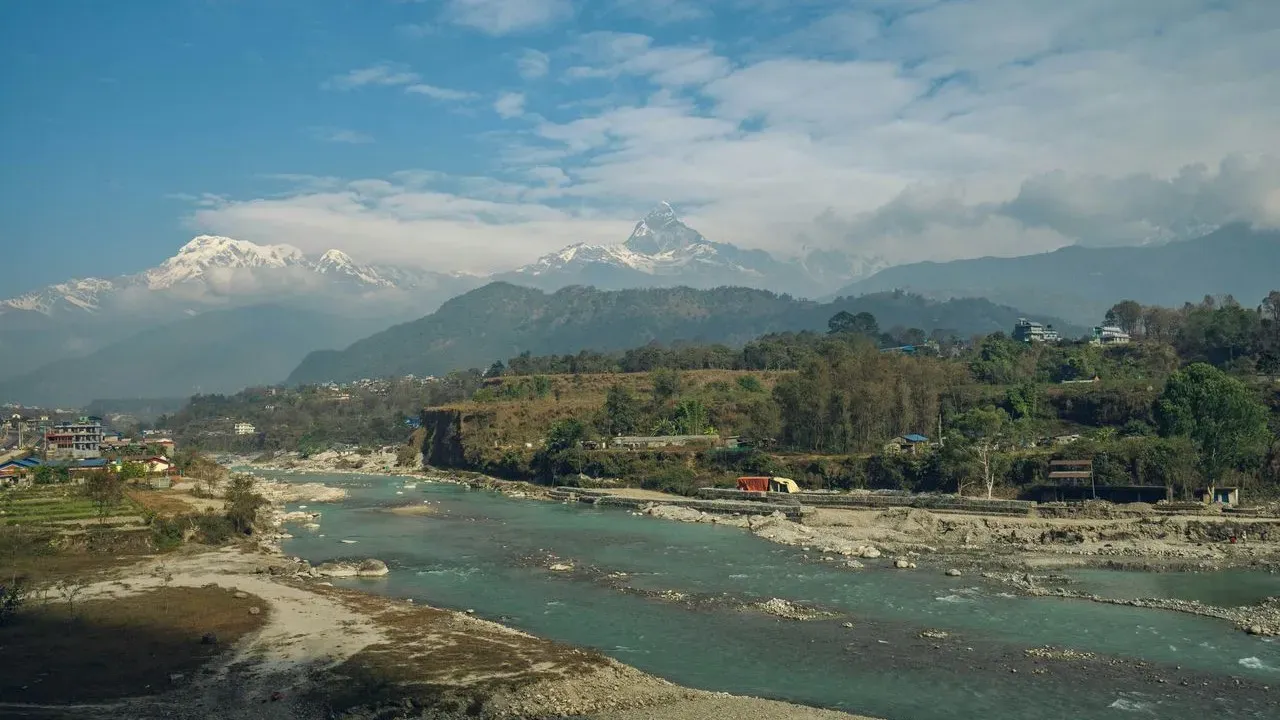

Along the Nepal-China border, flash flooding and mud flows have left hundreds of people missing, including 65 Americans, in a region popular with trekkers from the United States. The event appears linked to a glacial collapse, according to early reports, and search operations continue amid challenging terrain. This development carries direct implications for American travelers with plans or connections in the Himalayas, underscoring the value of staying informed about conditions in remote mountain areas.
What Happened in the Border Region
Reports indicate that sudden floods and accompanying mud flows swept through valleys near the Nepal-Tibet frontier, displacing communities and disrupting travel routes. The likely trigger was a glacial collapse higher in the mountains, releasing water and debris with little warning. Rescue teams have been working steadily to locate those unaccounted for, though the rugged landscape and ongoing weather patterns complicate efforts. ([1])
Local authorities and international partners are coordinating the response, with attention focused on both immediate safety and longer-term recovery needs for affected villages. The situation remains fluid, and officials continue to update counts of those missing as information comes in from remote sites.
Why This Matters for American Travelers
The Nepal-China border area draws trekkers and adventurers seeking the high passes and cultural landscapes of the Himalayas, and many U.S. citizens visit each year for multi-day journeys through these valleys. When events like this occur, they highlight how quickly conditions can change in high-altitude environments and the importance of checking current advisories before departure.
Travelers often prepare extensively for such trips, studying routes, weather patterns, and local guidance. In moments of disruption, that preparation supports both personal safety and respect for the communities that call these mountains home. The presence of American citizens among the missing brings the story closer to U.S. audiences who may have friends or family in the region.
Respect for Affected Communities
Behind the numbers are families and villages across Nepal and the Tibetan side of the border who face immediate challenges from the flooding. Their resilience and knowledge of the landscape have long supported sustainable travel in these areas, and any response benefits from listening to local voices.
Responsible visitors to the Himalayas have long recognized the need to travel with care for both the environment and the people who maintain its trails and hospitality. This moment reinforces that approach, encouraging future travelers to support ethical operators and contribute to community-led recovery where possible.
What matters now
- Monitor official updates from the U.S. State Department and Nepali authorities for the latest on search efforts.
- Review travel insurance policies that cover natural events in remote regions.
- Support verified relief organizations working directly with affected communities.
Looking Ahead with Care
As rescue work proceeds, the focus remains on locating those still missing and supporting the broader recovery. The Himalayas continue to offer profound experiences for those who approach them with preparation and respect.
Travelers planning future journeys can draw from this event a renewed commitment to staying current on conditions and choosing operators who prioritize safety and local partnerships. In that way, the region’s beauty and cultural depth remain accessible for generations to come.
AI Disclaimer: This article was created with the assistance of AI tools and reviewed by a human editor.