
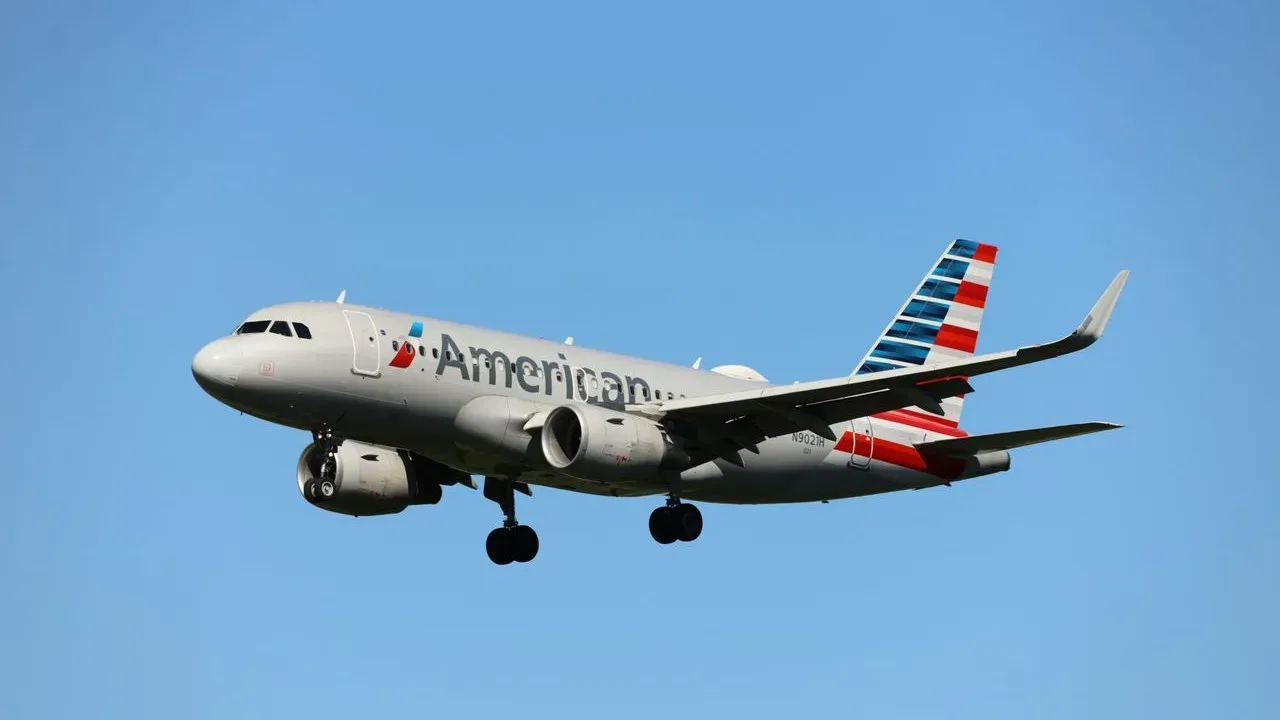

American Airlines has outlined a measured expansion of its international network for the summer 2027 season, adding three entirely new European destinations alongside four additional routes that build on existing city pairs. The carrier announced seven new international services in total, with Vienna, Reykjavik, and Porto representing the fresh gateways for travelers seeking direct connections from U.S. hubs. This development arrives as airlines continue to adjust schedules amid ongoing aircraft delivery challenges at both major manufacturers. ([1])
A Measured Step Forward for Transatlantic Access
The announcement centers on practical additions that extend nonstop options without overextending current fleet commitments. Philadelphia will anchor three of the new European routes, while New York’s JFK and Charlotte each gain one. Chicago O’Hare will restore its link to Tokyo Narita, completing the seven-route package.
These changes reflect careful network planning that weighs demand data, aircraft availability, and the preferences of frequent flyers who accumulate miles toward future trips. Travelers planning ahead will notice the timeline stretches into 2027, giving ample opportunity to align award availability or paid fares with personal schedules. The routes rely heavily on the Airbus A321XLR for several European legs, an aircraft whose range and efficiency allow service to cities that once required connections or larger widebodies.
Three Cities Enter the Nonstop Map
Vienna becomes the sole U.S. carrier destination in the Austrian capital when flights begin May 6, 2027, from Philadelphia. The last nonstop service from any American airline ended nearly two decades earlier, leaving a gap that this route now fills. Passengers can expect a city known for its classical music heritage, historic coffee houses, and well-preserved imperial architecture.
Reykjavik joins the network on May 27, 2027, also from Philadelphia, offering a northern gateway that appeals to those drawn to geothermal landscapes and extended daylight in summer. Porto, Portugal, launches March 28, 2027, from the same hub and provides an entry point to the Douro Valley and Portugal’s northern coast. Each city gains its first dedicated nonstop from the carrier, reducing the need for connections through larger European hubs.
Aircraft Choices and Operational Realities
The A321XLR features prominently in the new European services, bringing lower operating costs and the ability to reach midsize markets efficiently. American has already deployed the type on select long-haul segments, and the 2027 schedule extends that capability to Vienna, Porto, and Nice. The Chicago–Tokyo route will use the Boeing 787-9, restoring a transpacific option that had been paused.
Fleet constraints at both Airbus and Boeing have tempered the overall size of the expansion. Senior vice president of network and schedule planning Brian Znotins noted that delivery delays limited what the airline could announce. Still, the routes that did make the schedule demonstrate how the newer narrowbody aircraft can profitably serve destinations once considered marginal for widebody operations.
Implications for Frequent Flyers and Future Planning
Network decisions increasingly factor in where loyalty members want to redeem miles earned through everyday spending. Znotins observed that travelers often picture specific trips when accumulating points at the grocery store or elsewhere, and the addition of these cities broadens the choices available within the AAdvantage program. The new routes therefore serve both leisure travelers seeking direct access and members planning redemptions. The expansion also includes added frequencies to Amsterdam, Barcelona, and Nice from existing hubs, plus a fourth daily flight to London Heathrow from New York.
Together these moves strengthen the carrier’s European footprint while introducing the three new destinations that stand out for their novelty. Travelers interested in these routes can monitor award space and fare releases as 2027 approaches, allowing time to incorporate the new options into longer itineraries that combine multiple European cities or extend into further regions. The measured pace of the rollout underscores a focus on sustainable growth that aligns capacity with demonstrated demand.
AI Disclaimer: This article was created with the assistance of AI tools and reviewed by a human editor.