

There’s a scene that plays out dozens of times every summer across America’s national parks. A visitor spots a bison grazing near a path, pulls out a phone, and takes a few careful steps forward. Then a few more. Then a few more still. A ranger watching nearby already knows how this can end.
Getting uncomfortably close to wildlife for a photograph is now widely recognized as the single selfie habit most likely to put visitors in harm’s way. It’s not a fringe problem or a social media exaggeration. It’s a pattern rangers encounter year after year, backed by a growing body of incident data and firsthand observation.
The Scale of the Problem Is Bigger Than Most Visitors Realize
The National Park Service recorded a record-breaking 331.9 million recreational visits in 2024, surpassing the previous high of 331 million set back in 2016. More visitors means more opportunities for the kind of impulsive, photo-driven decisions that lead to injuries. The number of people who have lost their lives while trying to get that perfect shot has spiked sharply in recent years, with estimates suggesting selfie-related fatalities climbed to as many as 480 globally by the end of 2024.
Data from the National Parks Service, obtained through a Freedom of Information Act request, found that from 2007 to 2024 there were a total of 4,213 deaths at U.S. National Park sites. That number spans nearly two decades and hundreds of sites, and most of those deaths had nothing to do with selfies. Still, the subset driven by risky photo behavior is drawing increasing attention from park officials and safety researchers alike.
Wildlife Selfies: The Number-One Trigger for Ranger Intervention
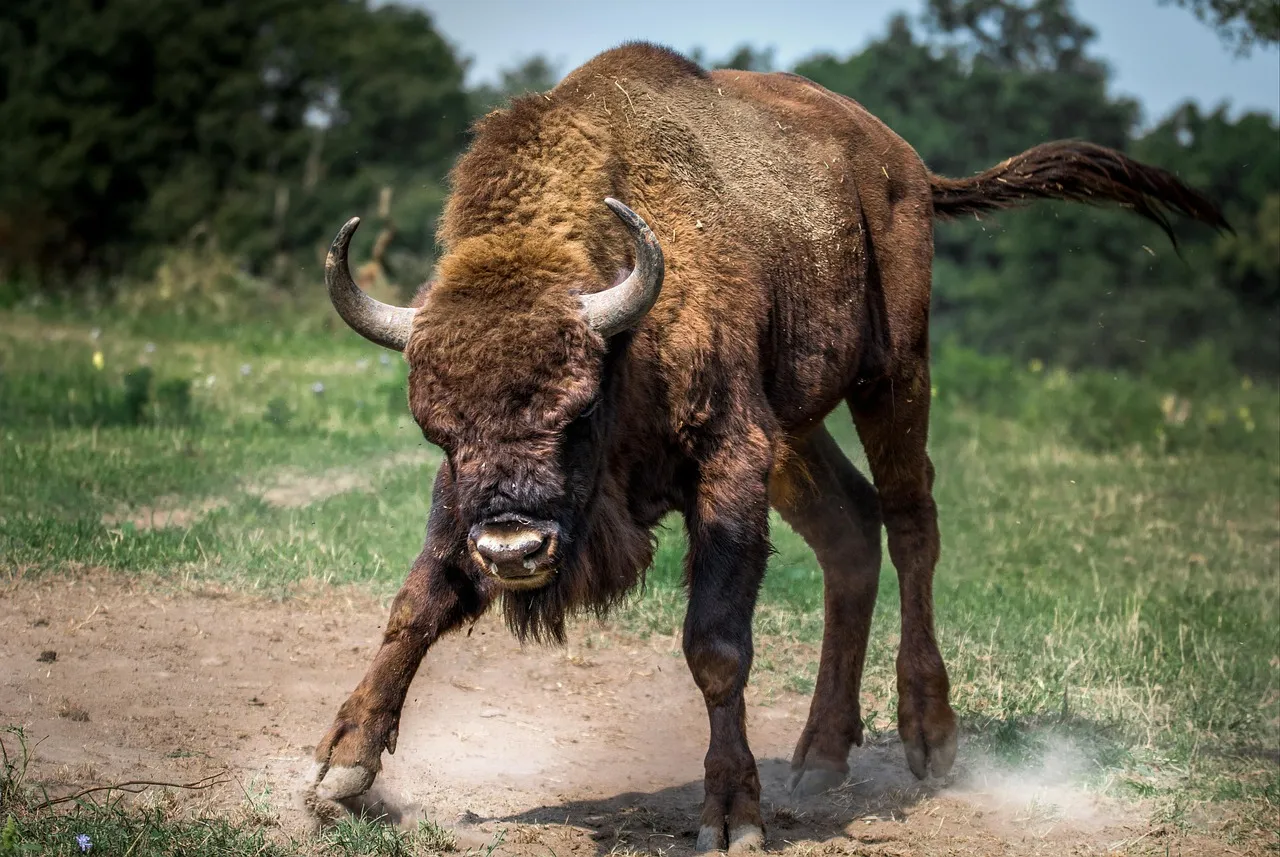
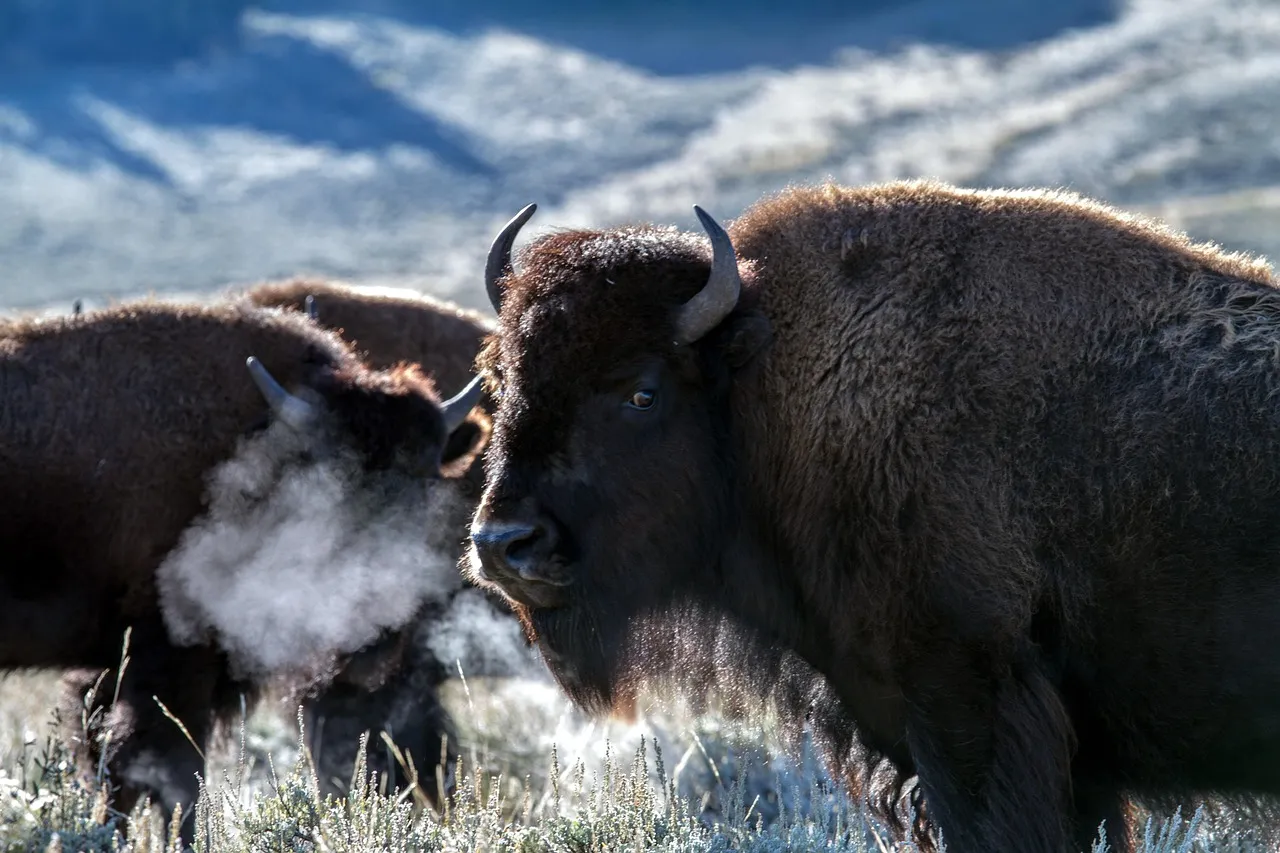
Bison are the largest land-dwelling mammals in North America, with bulls weighing up to 2,000 pounds and standing 6 feet tall, and despite appearing lumbering and docile, they are responsible for more injuries to Yellowstone visitors than any other animal. Utah State University reported that bison injure more people in Yellowstone than any other wildlife, and that roughly half of attacks occur when a tourist attempts to take a photo with the animal.
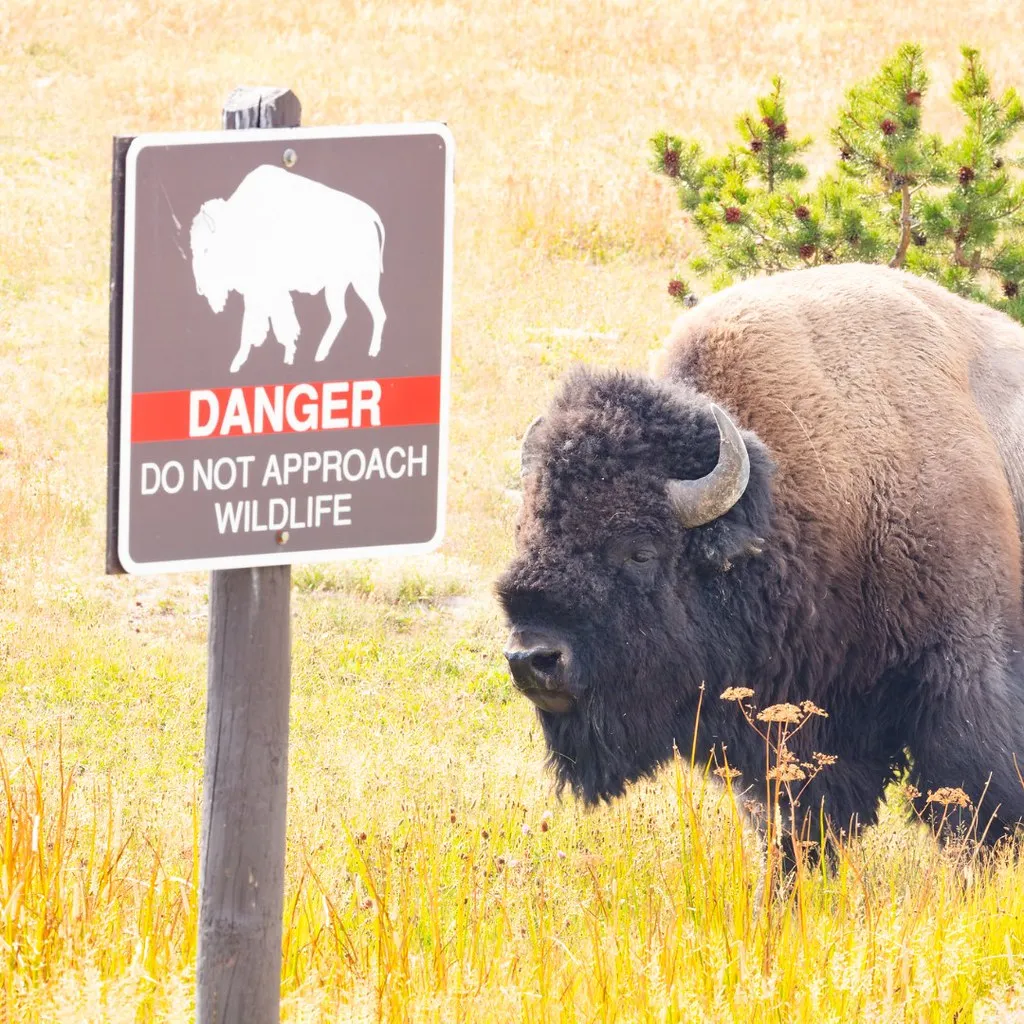
The NPS noted there were two reported incidents of people being injured by bison at Yellowstone in 2024, and one in 2023. Those are just the confirmed, reported cases. Incidents that result in minor injuries or near-misses go largely undocumented. When visitors ignore warning signs or approach dangerous areas for photos or closer views, the consequences can unfortunately be severe, according to park officials.
The Specific Habit: Turning Your Back on a Wild Animal
New footage from the park shows some visitors pushing that moment too far, stepping well beyond safety boundaries to pose for selfies with a bison, putting both people and wildlife at risk. Videos filmed on a Yellowstone footpath show tourists getting far too close to a bison, then turning their backs on the animal to snap photos. That particular move, physically turning away from a large, unpredictable animal to face a camera, is what rangers consistently flag as the most dangerous variation of the wildlife selfie.
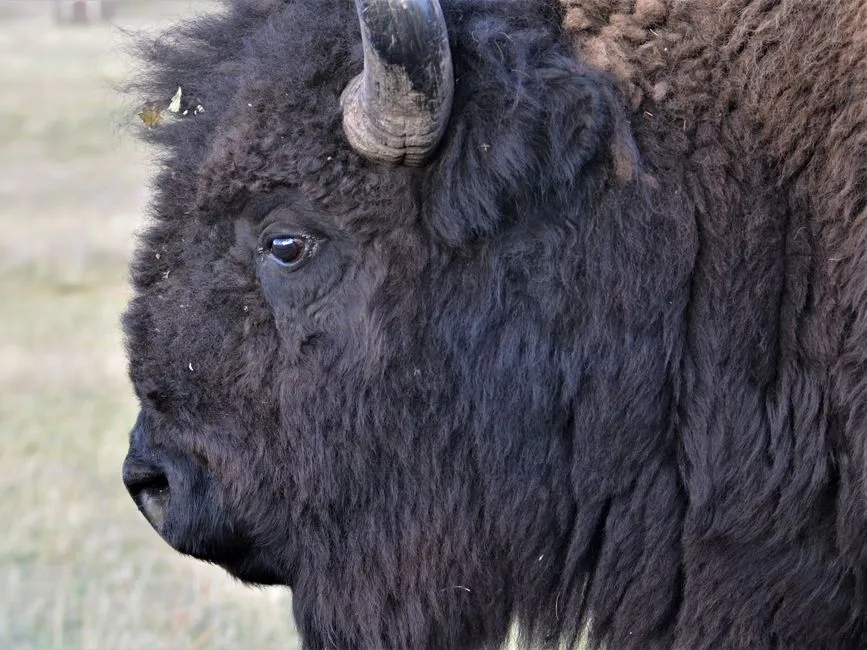
Even when they look calm, bison are involved in more visitor injuries in Yellowstone than any other animal. They can be unpredictable when people get too close and can sprint at about three times the average human speed. A person who has turned their back has essentially eliminated any chance of reading the animal’s body language in time to react.
The Warning Signs Animals Give Before Charging
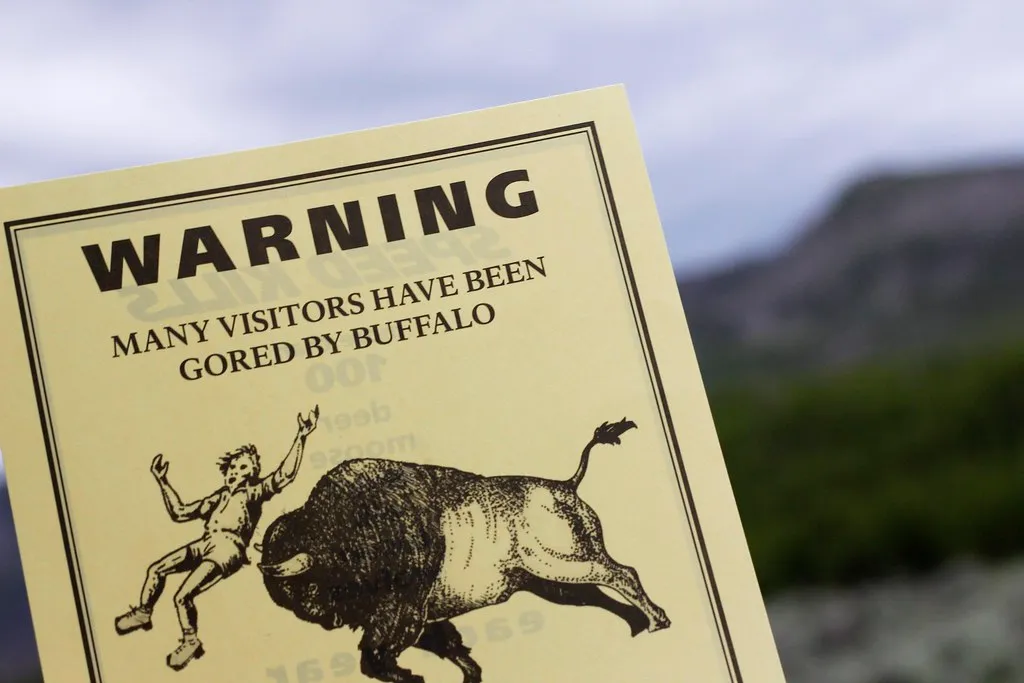
If approached too closely, bison may respond by bluff charging, head bobbing while staring at you, pawing, bellowing, or raising its tail. These are warning signs that a charge is imminent. Visitors absorbed in composing a phone shot are almost never watching for these cues. The issue stems from a dangerous misinterpretation of animal behavior. Tourists often mistake a grazing bison’s calmness for permission to approach, when in reality that calm is merely the surface of a readiness to defend itself if threatened.
The Distance Rule Most Visitors Don’t Know
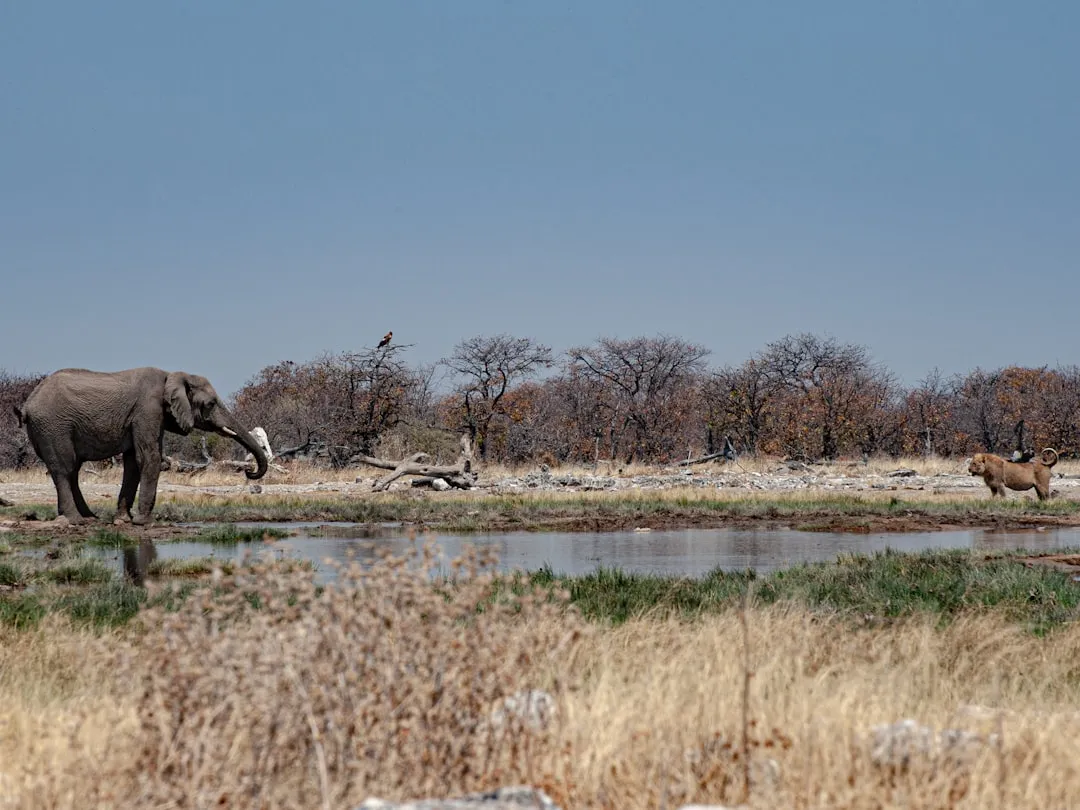
Park officials state clearly that it is a visitor’s responsibility to stay more than 25 yards away from all large animals, including bison, elk, bighorn sheep, deer, moose, and coyotes, and at least 100 yards away from bears, wolves, and cougars. Park regulations require people to stay at least 25 yards away from all wildlife, and disregarding these regulations could lead to fines, injuries, or even death.
A distance of 25 yards is roughly the length of two school buses. In practice, visitors attempting a wildlife selfie are frequently standing at a fraction of that distance. In May 2022, a 25-year-old woman was gored by a bison and tossed 10 feet into the air after she approached to within 10 feet of the animal on a boardwalk near Old Faithful.
Cliff Edges and Overlooks: The Second-Most Dangerous Selfie Habit
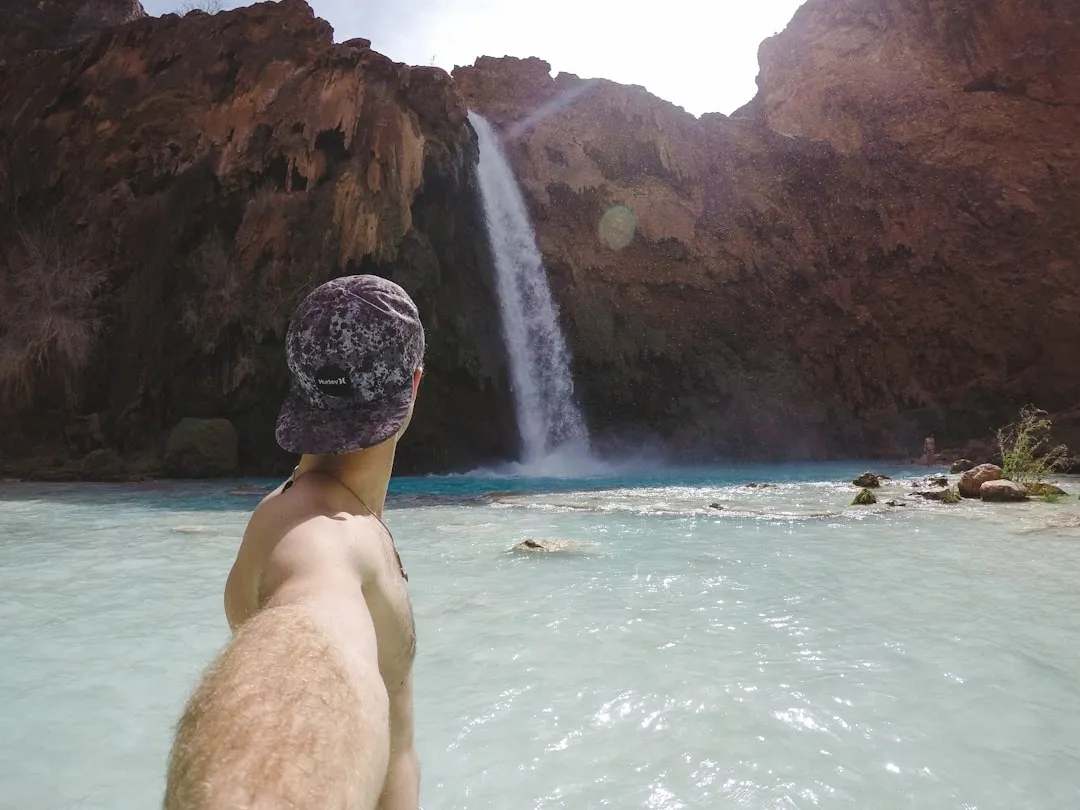
A 2022 Journal of Travel Medicine study found that falls from heights accounted for roughly half of selfie-related injuries, followed by transport-related incidents at about 28 percent and drownings at around 13 percent. The cliff-edge selfie is a close second to the wildlife selfie in terms of ranger concern. On April 29, 2025, two people, 45-year-old Matthew Nannen and 58-year-old Bailee Crane, died after falling from a viewing area at Bryce Canyon National Park in southern Utah.
Two tourists died after climbing over a rail at Bryce Canyon in Utah, and the incident underscored how slipping past safety barriers at scenic overlooks dramatically increases risk. These barriers exist for a reason, and the impulse to step around or beyond them for a cleaner photo background is one rangers describe as a persistent, recurring pattern across virtually every scenic overlook in the park system.
The Social Media Feedback Loop Driving the Behavior
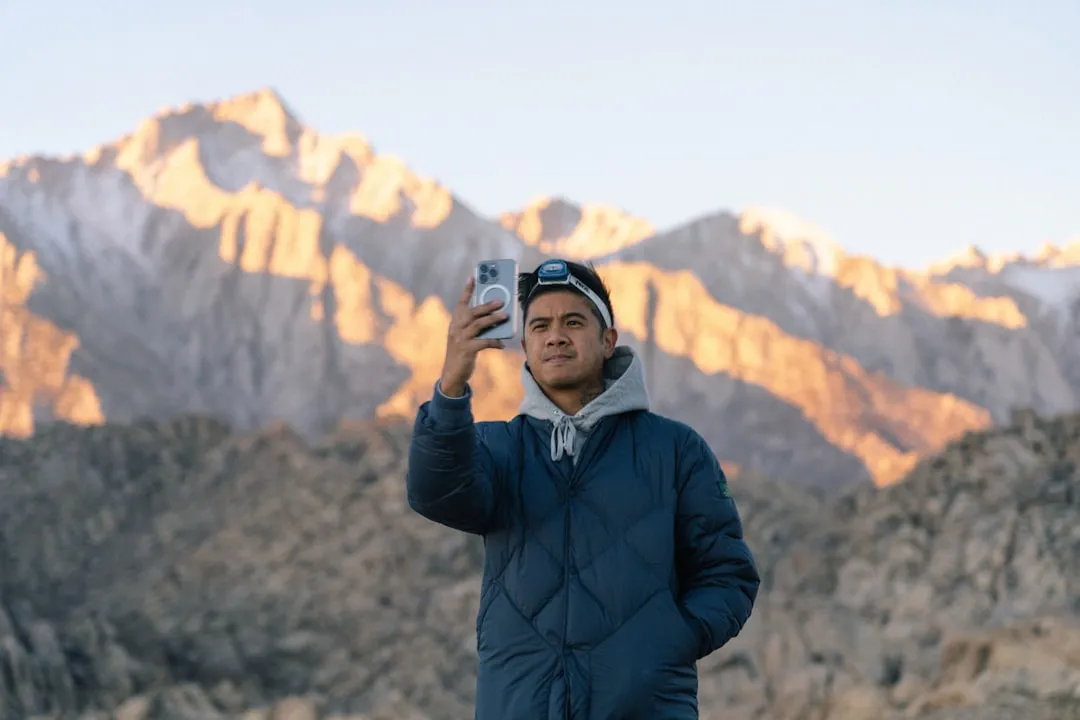
A study published in 2024 quantified, for the first time, how social media exposure has directly increased the number of visitors to national parks in the U.S., with more visitors meaning more opportunities for things to go wrong. There’s a circular dynamic at work here. Dramatic images shot from dangerous vantage points gain attention online, which draws more visitors who want to recreate those images, which produces more incidents. Social media increasingly shapes how visitors engage with locations in national parks, where risky behaviors contribute to drowning and injury risk, and selfies and photography with mobile phones have been implicated in fatal and non-fatal injury due to distraction.
How Rangers and Park Managers Are Responding
In September 2025, researchers co-authored a study titled “Recreation and disarray: Analysis of disorder in U.S. national parks,” signaling growing academic attention to the behavioral patterns driving these incidents. On the ground, the response has been more immediate. The typical solution from a land management perspective is to put up educational signs and barriers, as is already done in spots that can be dangerous even if a visitor isn’t focused on a phone.
A more drastic measure is to designate an entire area a “no-selfie zone,” with some researchers calling for wider adoption of these zones. The NPS mortality dashboard helps identify key trends such as leading causes of deaths, activities that resulted in a death, and populations at greater risk of dying, with park managers relying on this information to plan operations and target resources to save lives.
Who Is Most at Risk
Men make up a disproportionate number of national park deaths, accounting for roughly 83 percent of total fatalities. Tourists specifically account for about 37 percent of selfie-related victims and tend to be older than local victims, who are more often teenagers and young adults engaging in risky behavior. The picture that emerges isn’t a single type of reckless visitor. It’s a broad cross-section of people, many of whom consider themselves careful, who simply underestimate the environment they’re in.
Many of these incidents reflect a broader issue of risk perception, with some visitors treating national parks as recreational spaces similar to city parks or zoos, when in reality they are dynamic and sometimes hazardous natural environments. That mismatch in perception, more than any single reckless impulse, is what rangers point to as the root of the problem.
The Cost Extends Beyond the Individual Visitor
Approaching wildlife not only endangers the individual but also the well-being of the animals, and park officials have confirmed that bison have injured more visitors in Yellowstone than any other animal. When an animal injures a visitor after being approached too closely, that animal may face euthanization, even though it was simply behaving as a wild animal would. National parks are shared natural spaces, not entertainment backdrops, and respecting wildlife boundaries helps protect ecosystems and keeps these public lands safer for everyone.
While the effects of fewer park staff may not be immediately clear to visitors, employees warn that personnel and resources are already being stretched thin, with parks potentially becoming less safe as a result. Fewer rangers on the ground means fewer opportunities to intervene before a selfie becomes an emergency call.
What the Evidence Actually Recommends
If you want a closer view of wildlife, use binoculars or your phone’s zoom instead of your feet. A good photo is never worth putting yourself or the animal in danger. That advice sounds simple, but it runs directly against the instinct many visitors feel in the presence of something genuinely spectacular. The parks are extraordinary precisely because they’re wild. That wildness is the point, and it’s also the hazard.
Visitors should know the warning signs that a bison is stressed or preparing to charge, including mock charges, head bobbing while fixed on you, pawing, bellowing, or lifting its tail. Learning to read an environment, rather than simply photograph it, may be the most useful safety skill any park visitor can carry.
The Takeaway
The national park selfie habit that consistently leads to the most injuries isn’t a rare, extreme stunt. It’s an ordinary impulse, the desire to be close to something beautiful and to document it, pushed just a few yards too far. Rangers don’t issue warnings because they want to limit the experience. They issue them because the gap between a remarkable photograph and a serious injury can be measured in seconds and inches.
The parks will keep drawing record numbers of visitors. The bison will keep grazing near the boardwalks. The question is simply whether the next person who raises a phone will remember that the animal in the frame is not posing.
AI Disclaimer: This article was created with the assistance of AI tools and reviewed by a human editor.