
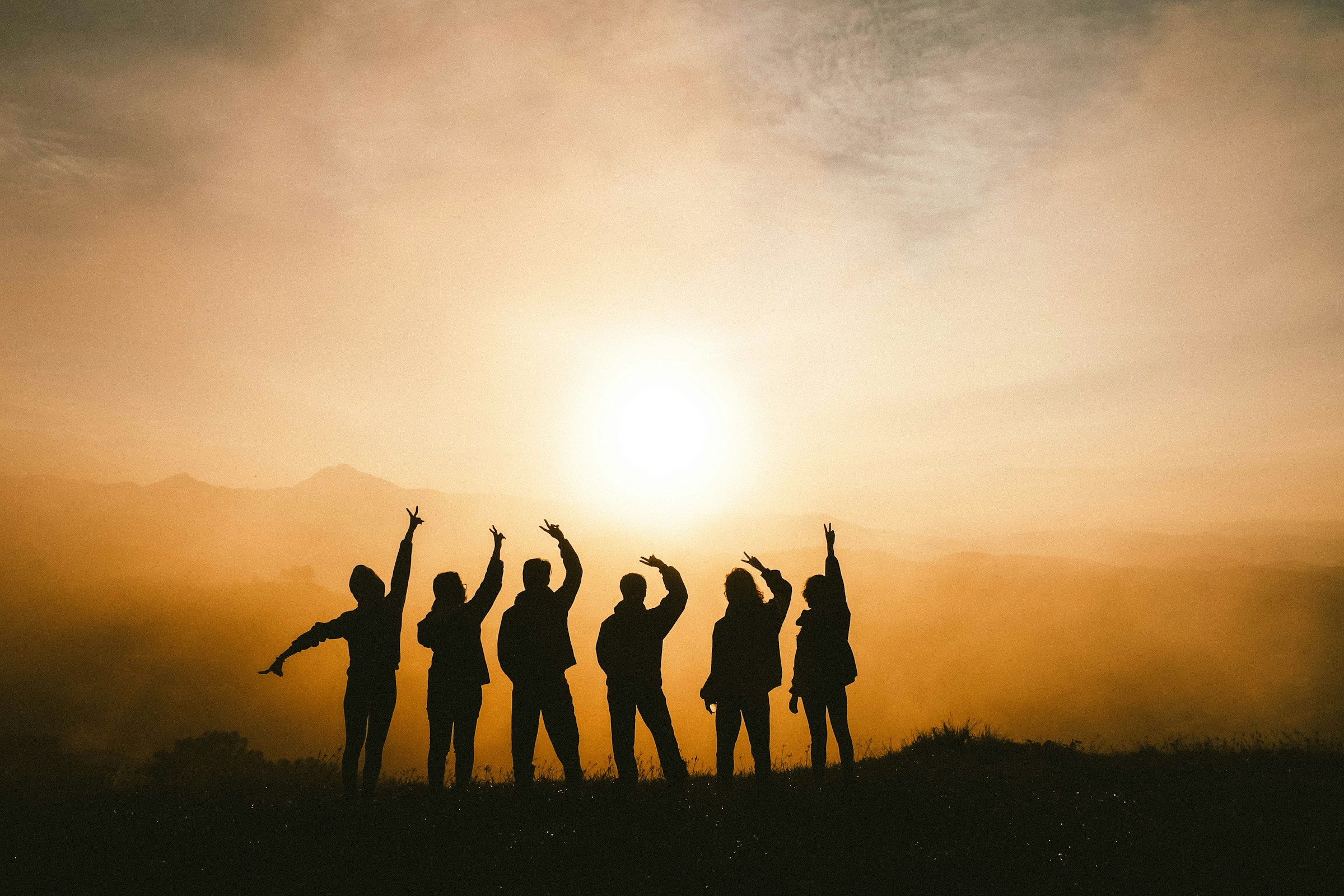

You’ve been there. You hike up to a famous viewpoint, lungs working, anticipation building, only to find a queue of visitors who aren’t exactly queuing. They’re posing, adjusting angles, switching camera modes, and starting the whole process over because someone blinked. The view is stunning. The wait is not.
This is the group photo habit, and it’s become one of the most quietly disruptive forces at popular overlooks around the world. It isn’t malicious. It’s deeply human. Still, its cumulative effect on shared spaces is real, and worth understanding.
When the “Perfect Shot” Becomes a Public Problem
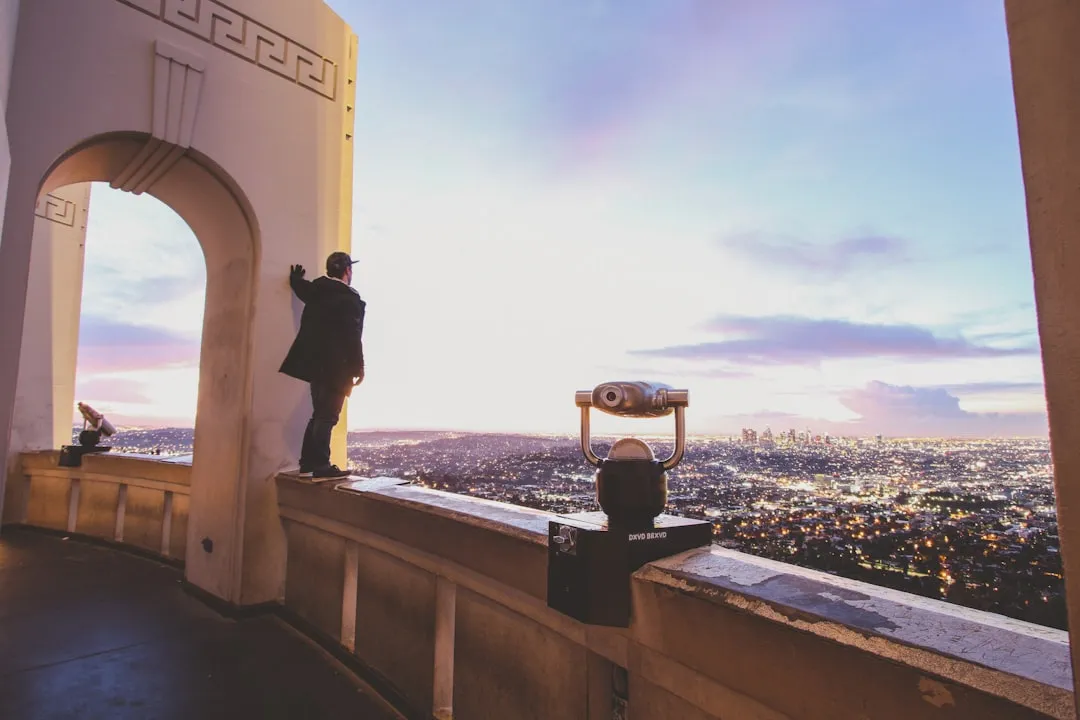
A 2023 Statista study found that social media platforms, especially Instagram, have profoundly influenced travel behavior, with more than three in four travelers looking to social media for inspiration, and nearly half traveling to destinations specifically to show them off on their feeds. That appetite for the shareable image hasn’t slowed.
Holidaymakers increasingly seek to imitate images posted by influencers and peers on platforms like Instagram and TikTok, and travelers now chase the perfect shot like treasure hunters – navigating crowds, long lines, and sometimes even danger for content from the world’s most “Instagrammable” spots.
The overlook, with its dramatic backdrop and clear sightlines, sits at the center of all this. It is the ideal stage. The trouble is, a stage only fits so many performers at once.
The Mechanics of a Slowdown
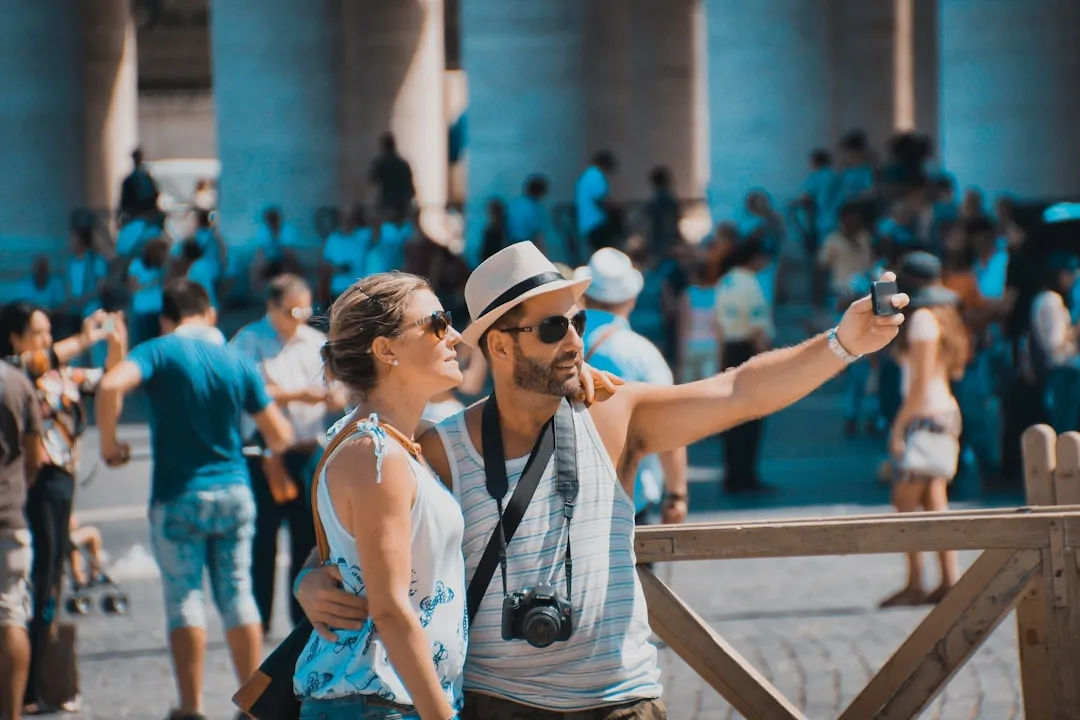
There is what researchers call “aesthetic labor” required to produce and compose content for social networks, and many visitors spend substantially more time and effort to achieve a “perfect photo” in that place and time. When a group of four or six people occupies a narrow platform railing to recreate a shot they’ve already seen online, the time they hold that space multiplies fast.
The rise of mass tourism has led to crowded travel scenes and tourists flocking to take photos, causing resource strain and time competition, resulting in behaviors such as disregarding queue order, occupying photo spaces excessively, and blocking others’ lines of sight. These aren’t rare edge cases. They’re routine at nearly every high-traffic viewpoint.
These behaviors may lead to negative impacts such as foot trails becoming eroded, extensive traffic congestion, blockage of daily life, increased rubbish, and noticeably increased pollution. What starts with a group selfie compounds quickly.
How Social Media Reshaped the Overlook Experience
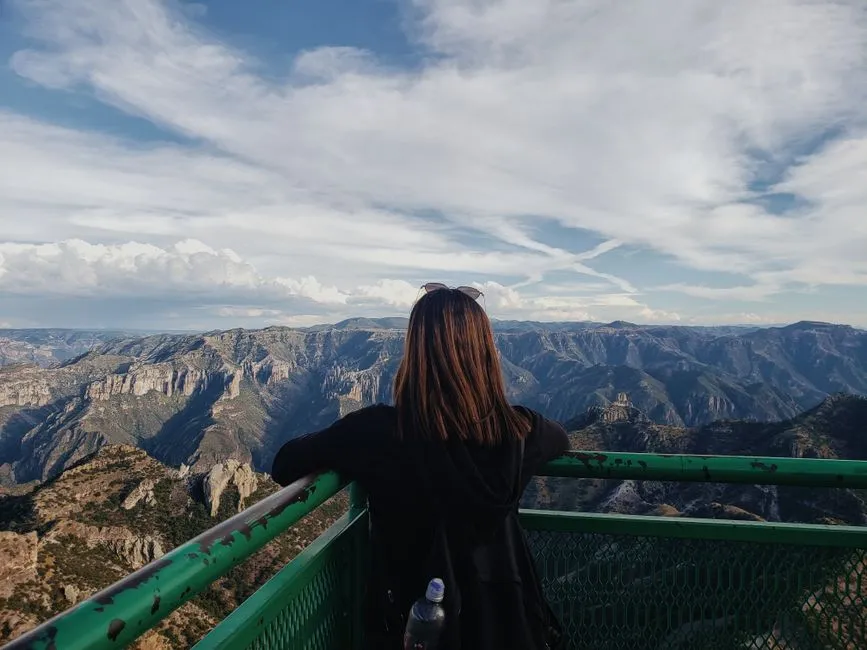
The spatial practices of tourists have been reshaped by the rise of smartphones and social media, prompting new geographies of tourism that respond to the visual imperatives of the digital era. Before smartphones, most visitors spent a few minutes at a viewpoint and moved on. Now, the viewpoint is a content creation set.
Tourists tend to take photos in areas that are interesting and considered “Instagrammable,” and selfies are considered a tool for self-image through digital photography both for self-documentation and uploading to social media, with tourists showing off the moment of their visit, indirectly becoming a promotional tool for these attractions.
That promotional loop is part of the problem. Every viral photo of a specific overlook draws the next wave of visitors, each hoping to recreate the same image, often standing in the same spot, for longer than anyone planned.
The Overlook as a Bottleneck
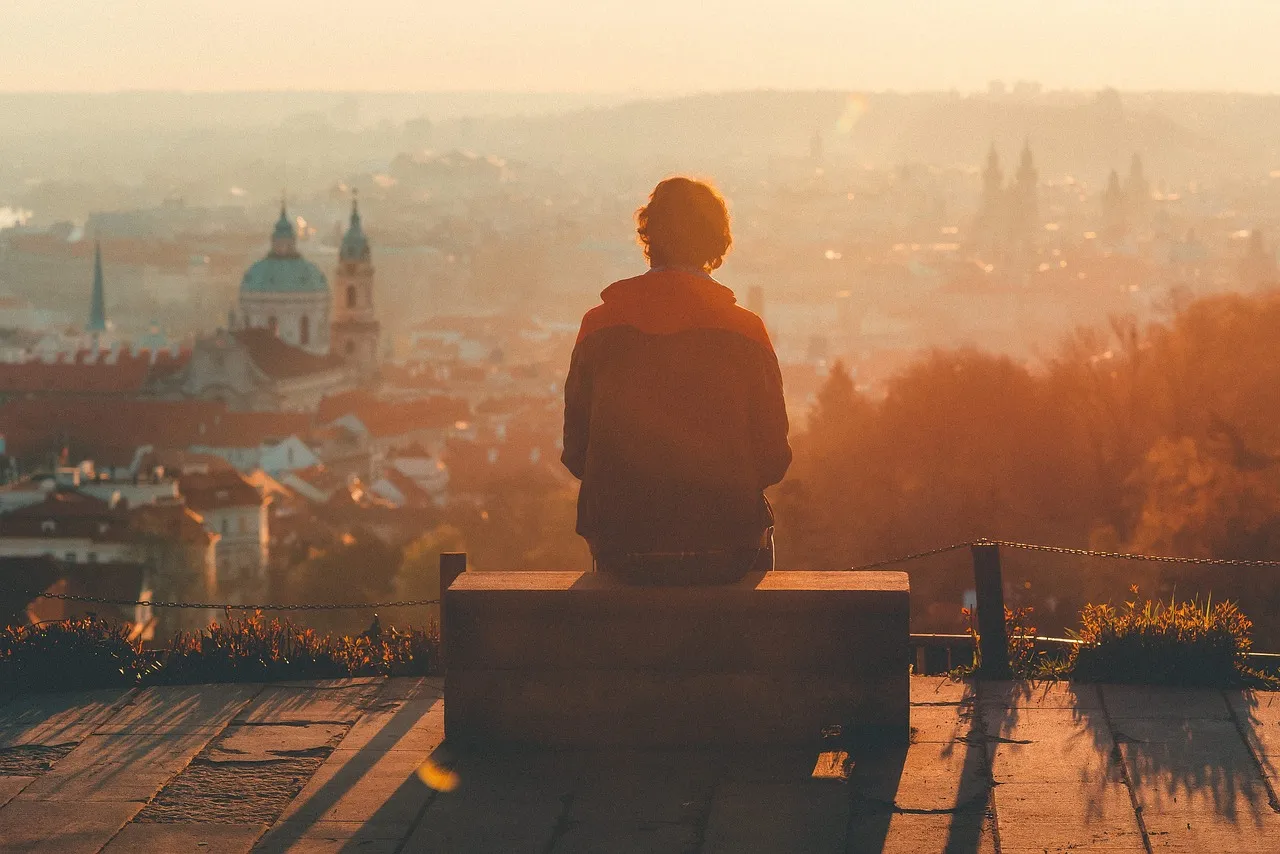
When too many visitors converge on the same destination, it leads to severe overcrowding, degrading both the visitor and resident experience, with roads becoming grid-locked, visitors waiting in long queues, and it becoming impossible to photograph famous sites without a backdrop of tourists.
Overlooks present a particular spatial problem. Unlike a broad plaza or a beach, they often have a single “hero” vantage point: a railing, a rocky ledge, or a platform edge where the composition works. Everything else is a compromise. So everyone wants the same narrow strip of real estate, at the same time, for longer than a quick glance.
Achieving a satisfactory photo in crowded tourist scenes relies on tourists’ mutual cooperation and courtesy. When that courtesy breaks down under pressure, the ripple effect stretches far back down the trail or access path.
A Global Pattern, Not a Local Quirk
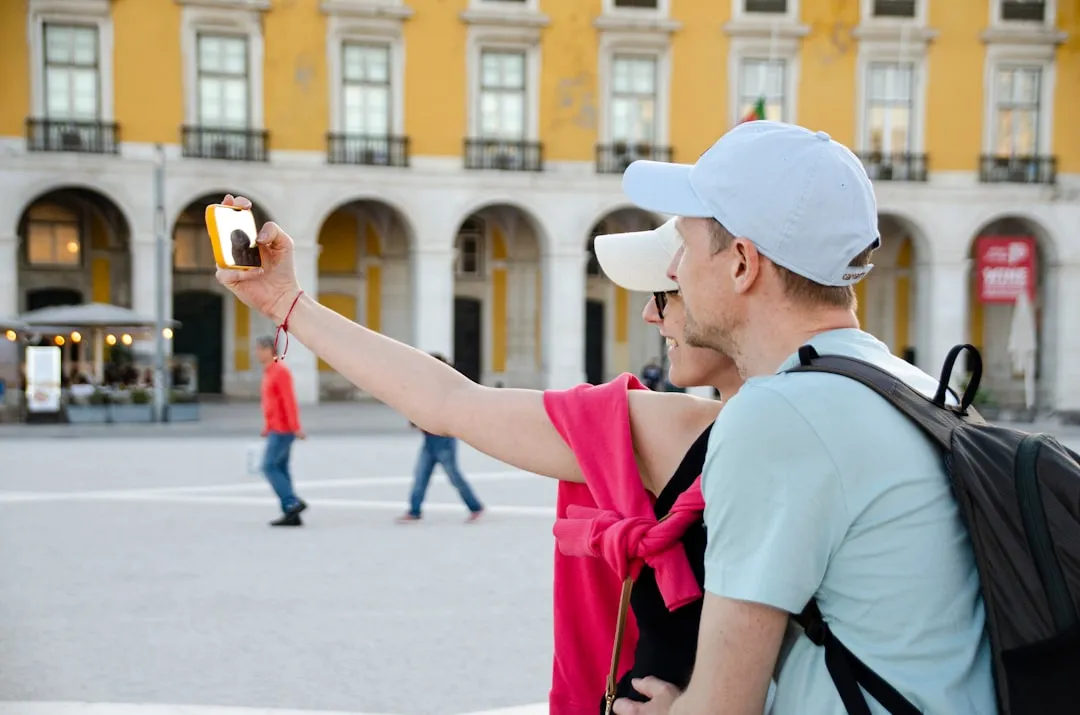
In 2024, Europe’s tourism numbers reached new heights, with foreign arrivals surpassing 2019 figures, with a year-on-year increase of roughly twelve percent since 2023. More visitors means more bodies at every popular viewpoint, and the group photo habit scales proportionally with those numbers.
In 2024, Santorini saw reports of up to 18,000 cruise passengers overwhelming the island daily, straining resources for its 15,000 permanent residents. The iconic caldera-view terraces there have become emblematic of this pressure, with queues for the “best angle” lasting well beyond any reasonable wait.
Authorities of one overrun town in Japan, whose popularity skyrocketed among tourists after the country fully lifted its pandemic travel restrictions, erected a barrier in spring 2024 to prevent tourists from snapping selfies with Mount Fuji. That physical barrier is one of the blunter solutions available, and the fact that it was needed says something real about where things stand.
The Psychology Behind Holding the Spot
Photos serve not only as a means for tourists to treasure beautiful moments but also as a bridge that connects personal experiences with social interactions. That dual purpose, memory and performance, is why people invest so much time in getting the shot right. The pressure isn’t just personal. It’s social.
Group photos add another layer entirely. Coordinating five or six people to look natural, well-lit, and in-frame simultaneously is genuinely difficult. Every retake feels justified from inside the group. From outside it, the wait feels endless.
Behaviors such as disregarding queue order, occupying photo spaces excessively, and intruding into others’ photos not only impact the travel experience but also contribute to unnecessary friction and conflicts, affecting the emotions and experiences of other tourists. The cost is distributed invisibly across everyone behind you.
What Destinations Are Doing About It
Various solutions have been explored to mitigate the impacts of social media-induced tourism, from softer approaches like asking travelers to sign a pledge of good behavior to much harsher restrictions like a ban on travel photography in Kyoto, Japan. Neither extreme has proven especially elegant.
Research suggests that destinations consider creating designated selfie points at their most photogenic spots, kept locally managed to best mitigate future negative impacts like cultural dilution and economic leakages, with destinations struggling most with social media-induced tourism encouraged to establish locally managed dedicated spaces for content creation.
A well-managed photo-taking system can be introduced at prominent tourism sites and destination landmarks, with zones established for tourists to queue and have uninterrupted photos taken either by a local photographer, tour guide, or travel companion. Some sites in Southeast Asia have already begun piloting exactly this approach.
The Responsible Traveler’s Role
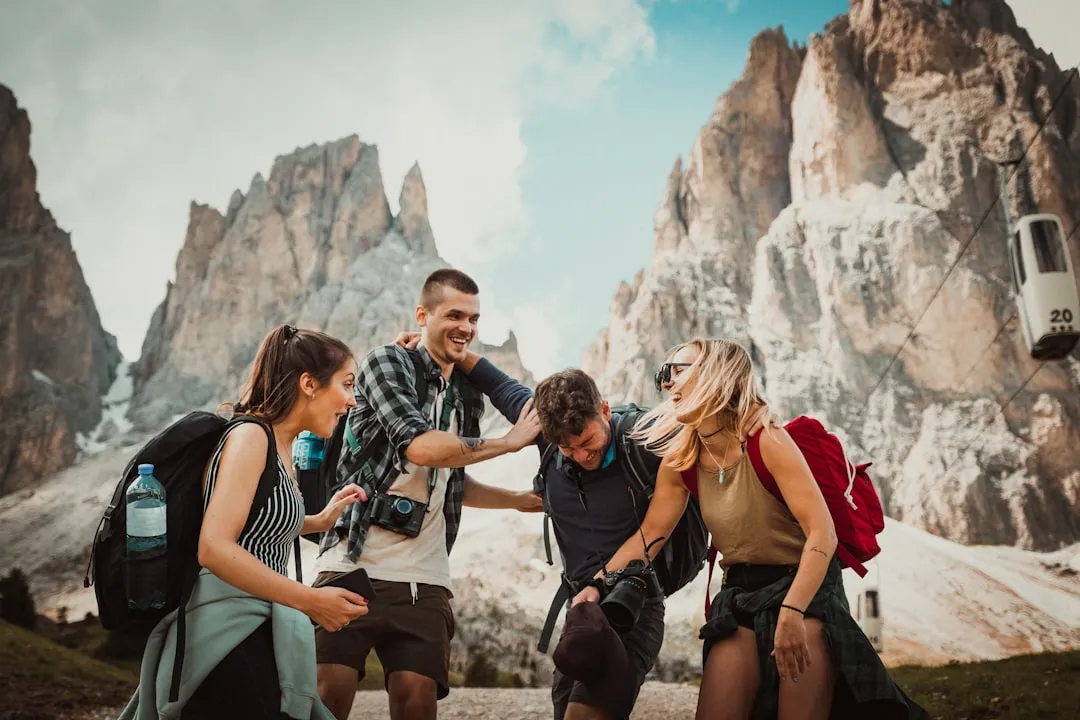
Strategies to address overtourism include regulating visitor numbers through quotas and reservation systems, promoting sustainable tourism practices, educating travelers about responsible behavior, and striking a balance between the economic benefits of tourism and its social and environmental impacts. The individual traveler sits squarely within that equation.
Being aware of how long your group occupies the prime vantage point is a small but genuine act of consideration. Setting a two-minute limit, taking turns, or choosing an off-peak hour aren’t sacrifices. They’re choices that preserve the experience for everyone, including you.
A recent YouGov survey highlights a mixed but growing awareness among U.S. adults, with just over four in ten Americans saying they are concerned about overtourism. Awareness is the first step. Behavior change at the overlook level is where it becomes tangible.
The Wider Overtourism Frame
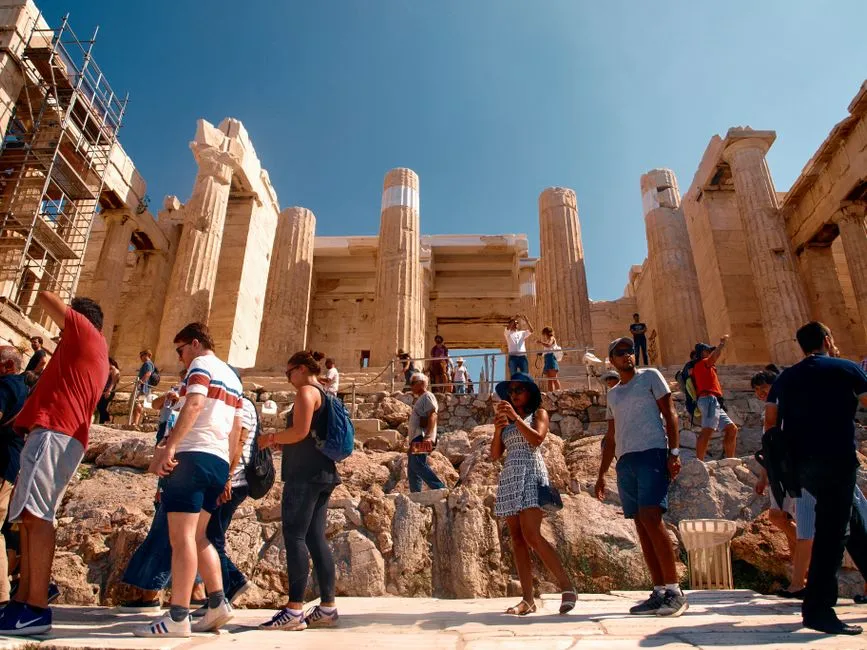
Thousands of people took to the streets in 2024 in cities like Barcelona and Palma de Mallorca, where the share of inbound visitors exceeds the vast majority of total arrivals, with residents demanding a more sustainable model as soaring house prices and overcrowded places triggered frustration and anger among locals. The group photo habit is a small piece of a much larger pressure system.
In summer 2024, tens of thousands of locals expressed their frustration in anti-tourism rallies across Europe, including Spain, the Netherlands, and Greece, with critics contending that higher visitor numbers contribute to increased housing costs, community erosion, and crowded public transportation. An overlook bottleneck seems trivial against that backdrop. Still, it is one of the most visible, daily expressions of the same underlying dynamic.
The issues associated with overtourism have resurfaced, highlighting the urgent need to manage visitation and protect the integrity of popular destinations. Viewpoints and overlooks, precisely because they concentrate visitors into the smallest possible space, are among the first places that pressure becomes visible.
What Thoughtful Visiting Actually Looks Like
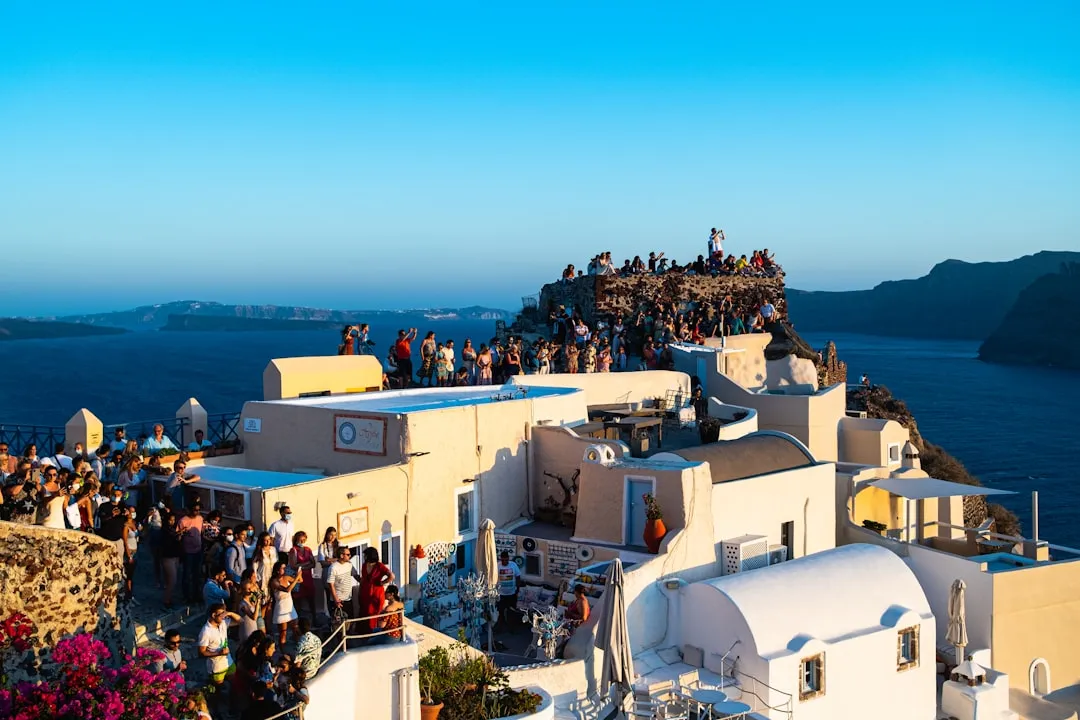
Santorini has been nicknamed Greece’s “Instagram Island” in recent years, with reports of extreme overcrowding alongside other negative impacts of social media-induced tourists. The irony is rich: social media makes a place famous, which makes it crowded, which makes the photo harder to get, which makes people linger longer, which worsens the crowding.
Arriving early, moving quickly through the prime spot, offering to photograph strangers rather than holding the rail for your fifth group retake, these are habits that cost almost nothing. They also return something meaningful to the people behind you in line who are waiting to feel exactly what you felt when you first arrived.
Almost half of travelers move to destinations to show them off on their feeds, leading to crowds overflowing in picture-perfect spots like Athens, Venice, and Bali, all searching for the perfect snapshot. The destination will survive. The question is whether the experience at the overlook stays worth having for everyone who shows up.
The Takeaway
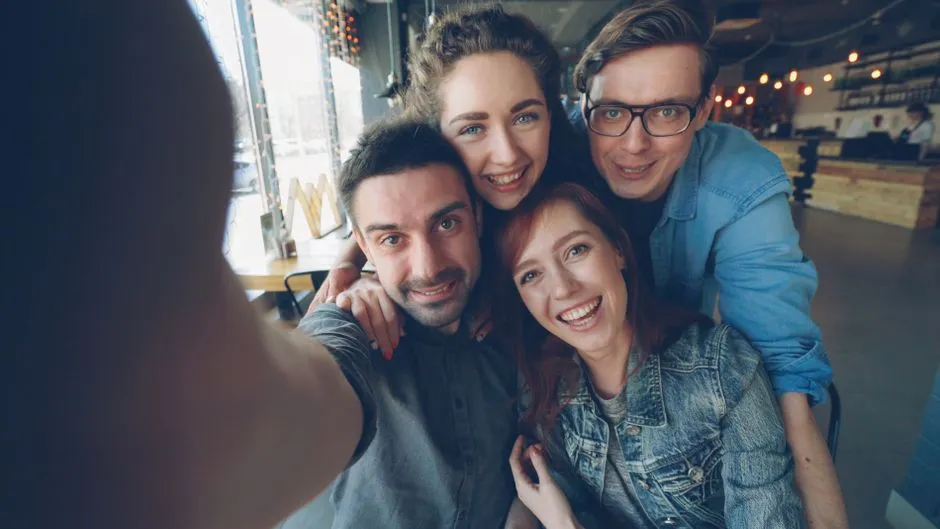
The group photo habit isn’t going away. Smartphones are too good, social media is too embedded, and the human desire to share beautiful moments with friends and followers is entirely understandable. None of that is worth criticizing.
What is worth examining is the time we spend at shared, limited spaces and whether we’re holding them in proportion to what’s fair. The overlook belongs to no single group. It belongs, briefly, to whoever is standing there, and then it belongs to the next person.
The view from the top is genuinely worth the trip. Arriving present enough to actually see it, rather than performing it, might be the quietest shift a traveler can make.
AI Disclaimer: This article was created with the assistance of AI tools and reviewed by a human editor.