
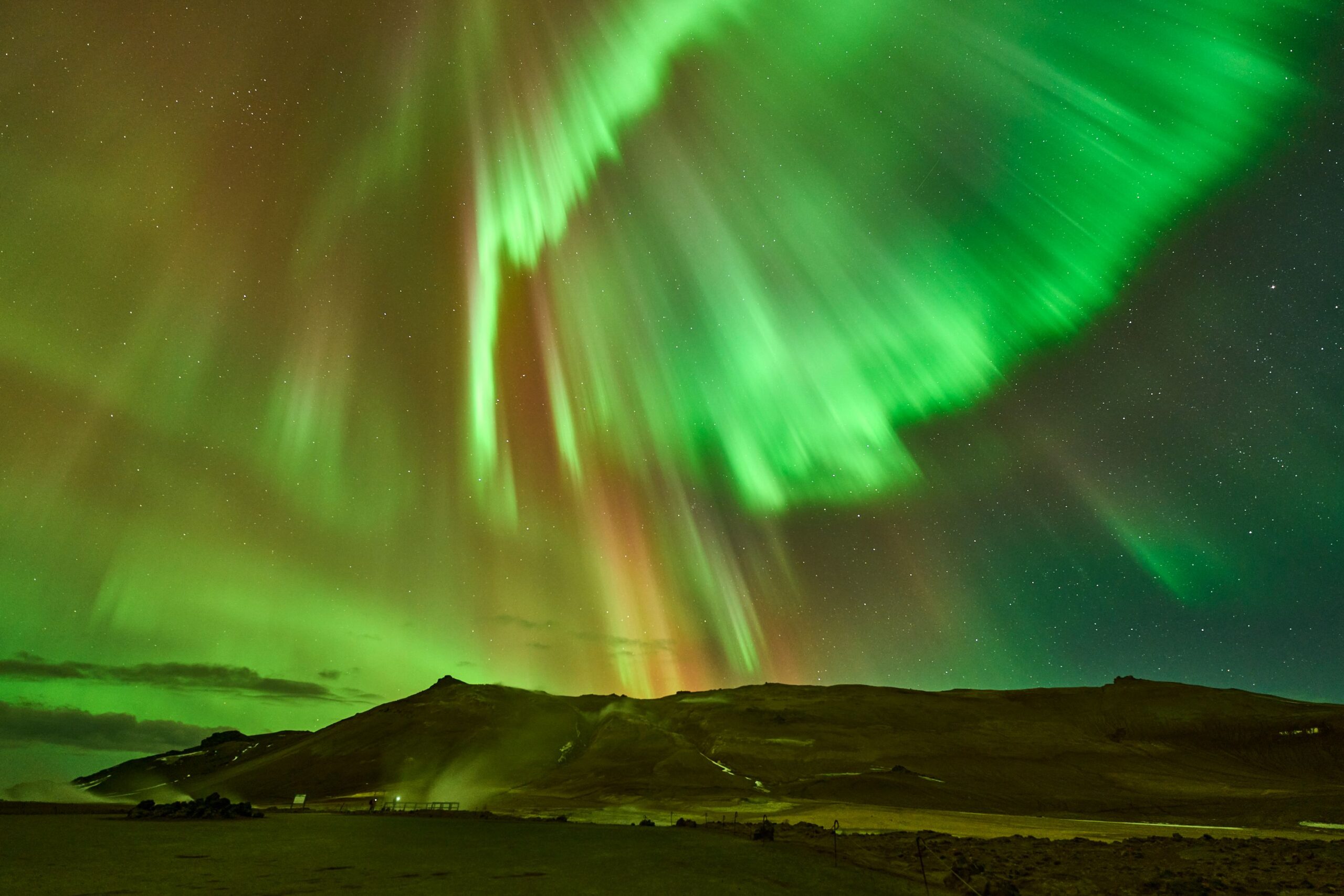

Few capitals on earth can claim what Reykjavik quietly offers: a real chance to watch the aurora borealis ripple across the sky without driving hours into the wilderness. The city sits close enough to the Arctic that, on the right night, green curtains of light can appear even above its rooftops. The trick is knowing exactly where to stand.
The sun reached the peak of its 11-year solar cycle in 2024 to 2025, and activity remains elevated in 2026. This continued surge of solar energy means brighter, more dynamic, and more frequent auroras, making 2026 one of the strongest years in over a decade for northern lights viewing. That context matters, because it changes the equation for every spot listed below. What might have been a faint smudge on a quieter solar year can now be a full-sky performance.
Why Reykjavik Is Still a Viable Aurora Base
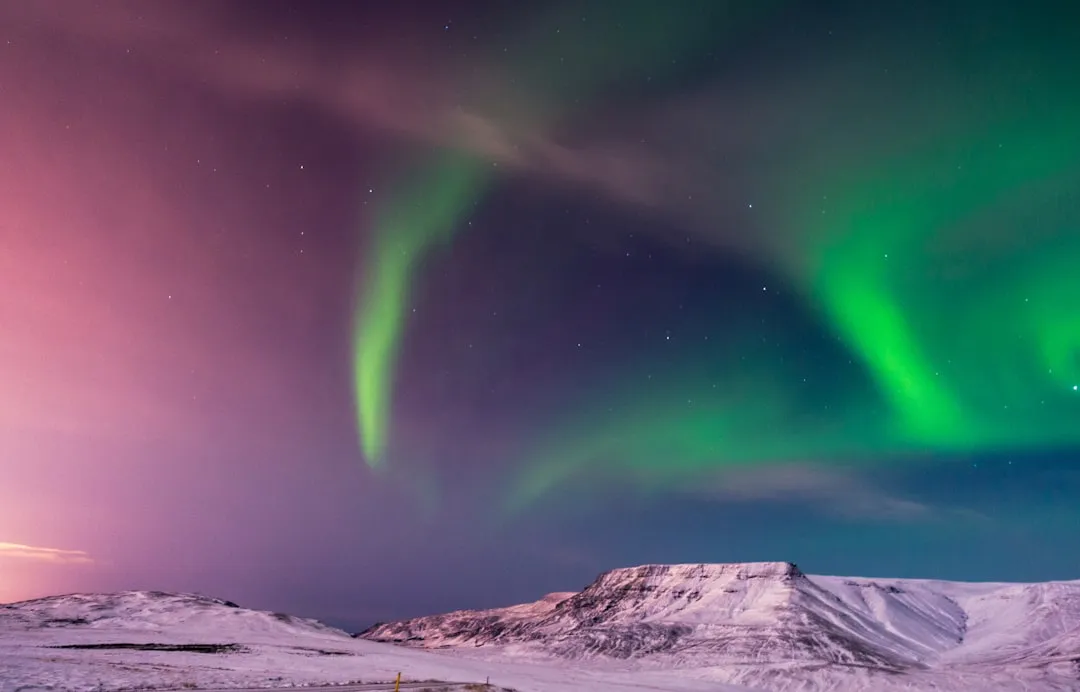
Iceland’s location near the Arctic Circle means the northern lights can be visible for more than 100 nights per year. That’s a remarkable window, especially compared to most destinations that market aurora tourism.
While the solar maximum peaked in 2024 to 2025, elevated solar activity continues into 2026. This means your chances of seeing strong aurora displays across Iceland remain higher than average, even as activity gradually begins to decline.
To boost your odds, check the aurora forecast, which uses the KP index, a scale from 0 to 9, to measure geomagnetic activity. A reading of 3 or higher typically indicates promising conditions. Keep that number in mind before heading out to any of the four spots below.
The Best Months and Hours to Plan Your Visit
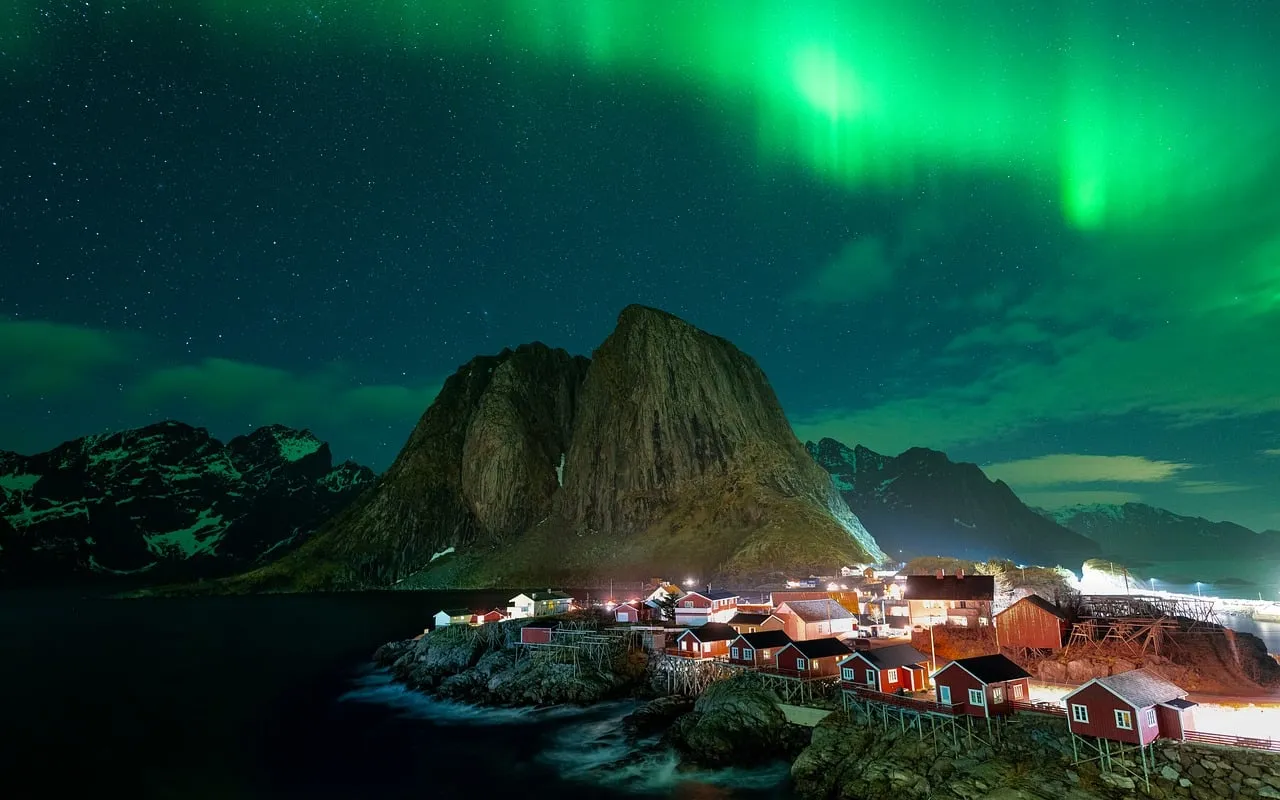
The northern lights are typically visible from September to April, with the peak season from November to early March. Midnight is usually the best time, but they can appear anytime between sunset and sunrise.
March and September are considered the absolute best two months to see the northern lights. While you can occasionally see them towards the end of August, the lingering sunlight makes them very faint. Geomagnetic storms peak around the spring and autumn equinoxes.
The best time to see the northern lights is typically between 22:00 and 2:00. However, sightings can occur earlier or later depending on solar activity. Setting an alarm and checking the forecast one final time before heading out is simply good practice.
Understanding Light Pollution in the City
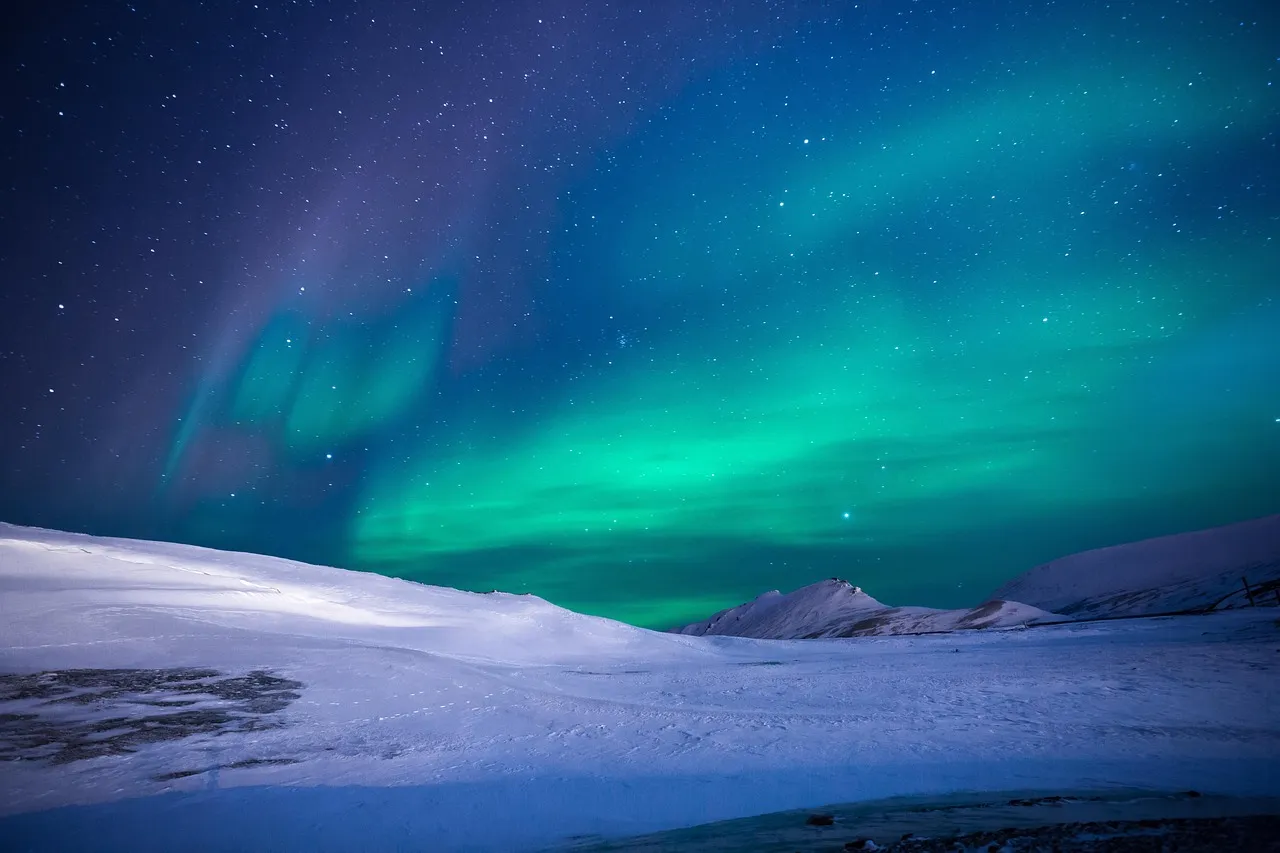
Most of Iceland’s interior sits at Bortle 2 or 3 on the light pollution scale. Reykjavik runs at Bortle 7 or 8. That gap is significant, and it’s the main reason that choosing your spot within or just outside the city matters so much.
You can see the northern lights from Reykjavik, but the lights won’t be as visibly bright compared to areas outside the city’s light pollution. That’s why the best places within Reykjavik are ones in darker areas less affected by light pollution, like Grótta Lighthouse, Öskjuhlíð Hill, Viðey Island, lake Elliðavatn, and Heiðmörk.
When the sky is clear and auroral activity is strong, the lights are visible from several places within the city. This includes top attractions such as the Harpa Concert Hall, where you have wide views of the night sky. Still, the four spots profiled below consistently deliver the best results for aurora seekers staying in the capital.
Spot 1: Grótta Lighthouse on the Seltjarnarnes Peninsula
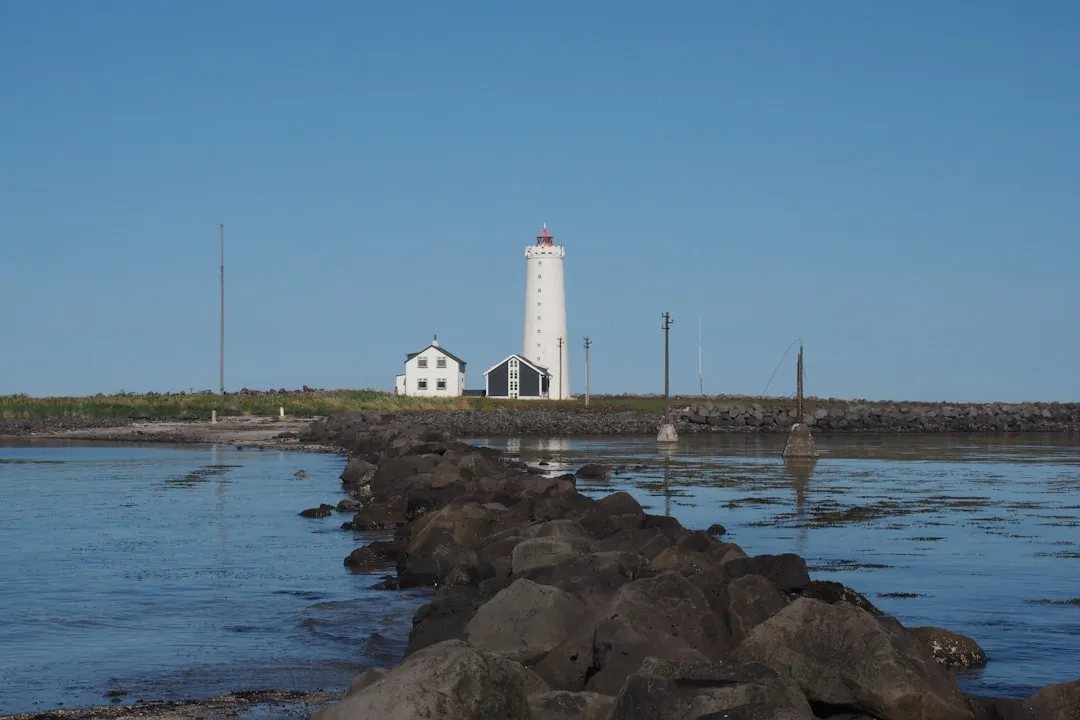
Grótta Lighthouse is one of the best-known Northern Lights viewpoints near downtown Reykjavík. Located on a small peninsula in nearby Seltjarnarnes, the lighthouse faces the open ocean with minimal establishments around it. This gives you a clear northern horizon where the aurora borealis often first appears.
On the edge of the Seltjarnarnes Peninsula, you’ll find Grótta, a nature reserve along the coast with an iconic lighthouse. Despite being close to the city center, the area is mostly free of light pollution, which makes it an ideal spot for witnessing the northern lights.
A short 20-minute drive will get you to the location. If you prefer public transportation, hop on the Number 11 bus. Get off at the intersection of Lindarbraut and Hofgarðar, and from there it’s just a kilometre’s walk, roughly 15 minutes, to the lighthouse. One practical note: the path to the lighthouse becomes submerged at high tide, so check the tide schedule before walking out.
Spot 2: Öskjuhlíð Hill and the Perlan Area
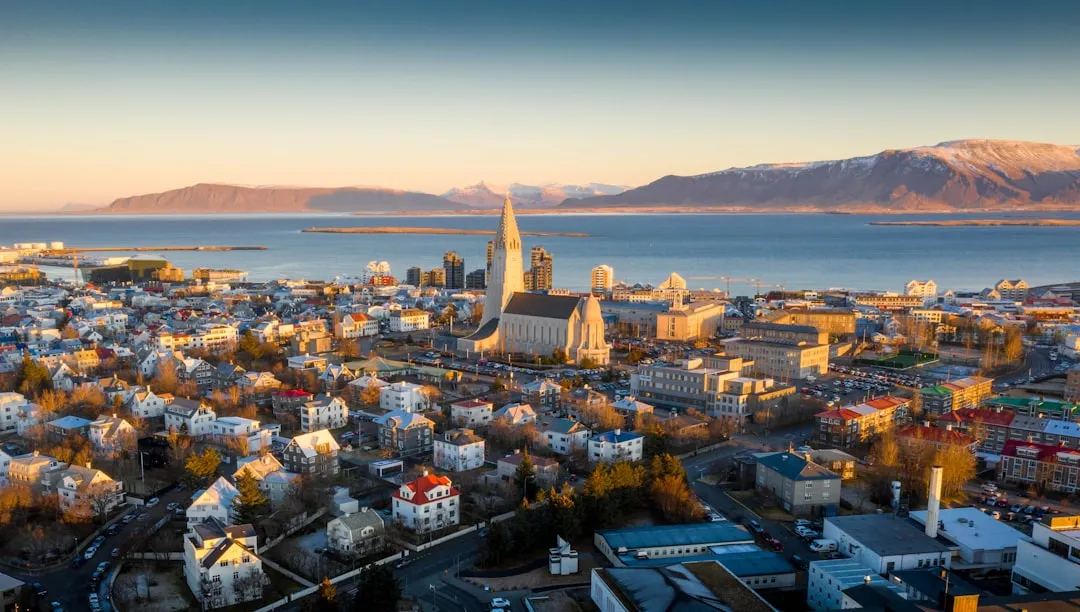
Öskjuhlíð Hill is one of the best elevated spots in Reykjavik for viewing the northern lights. Surrounded by woodland trails and sitting above the city, it offers a clear vantage point of the night sky with reduced light pollution compared to downtown. From here, you can enjoy sweeping views over Reykjavik, the coastline, and the surrounding mountains.
You’ll be surprised at how quickly the trees and elevation block out city glare, creating a much darker environment than you’d expect in a city park. The top of the hill offers panoramic views of the city and the night sky. You’ll also find footpaths weaving through the forest, which gives a nice buffer from the city lights.
At the top of the hill stands the glass-domed Perlan, an iconic landmark visible across the city. While it houses exhibitions and a planetarium show during the day, the real highlight at night is stepping outside to the observation deck or nearby paths, where you can wait for the aurora to light up the sky. One important heads-up: Perlan is only open until 9 pm, which may be a bit too early for aurora viewing. The surrounding hill and its trails, however, remain accessible through the night.
Spot 3: Elliðaárdalur Valley
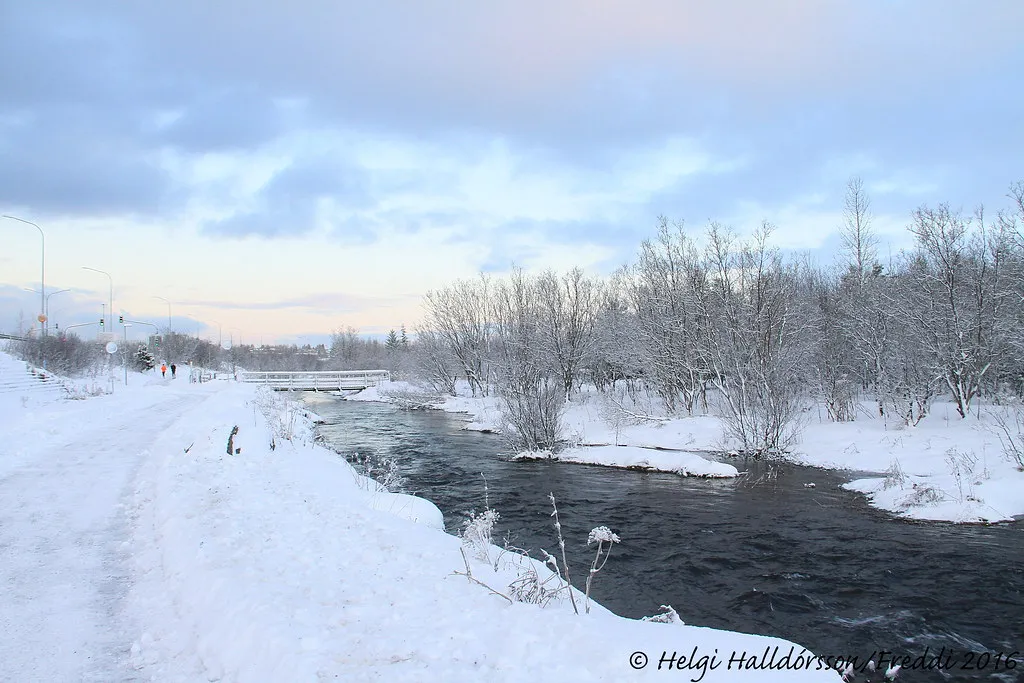
For a truly serene experience, head to Elliðaárdalur. This lush valley is popular with local joggers during the day, but at night, it becomes a sanctuary of darkness. The valley follows a salmon-filled river and features several small waterfalls, such as Kermóafoss.
There’s something truly magical about watching the Northern Lights reflected in the moving water while listening to the stream. Keep an eye out as well for birds and wild rabbits hiding among the bushes. The valley’s depth and natural tree canopy on its flanks do real work in absorbing street light from the surrounding neighborhoods.
Elliðaárdalur Valley is a large nature reserve within Reykjavik that offers a serene environment for viewing the aurora, and it’s only about a 10-minute drive from downtown. It’s an underrated choice, particularly for travelers who want to feel genuinely removed from the city without leaving it entirely.
Spot 4: The Old Harbor and Grandi District
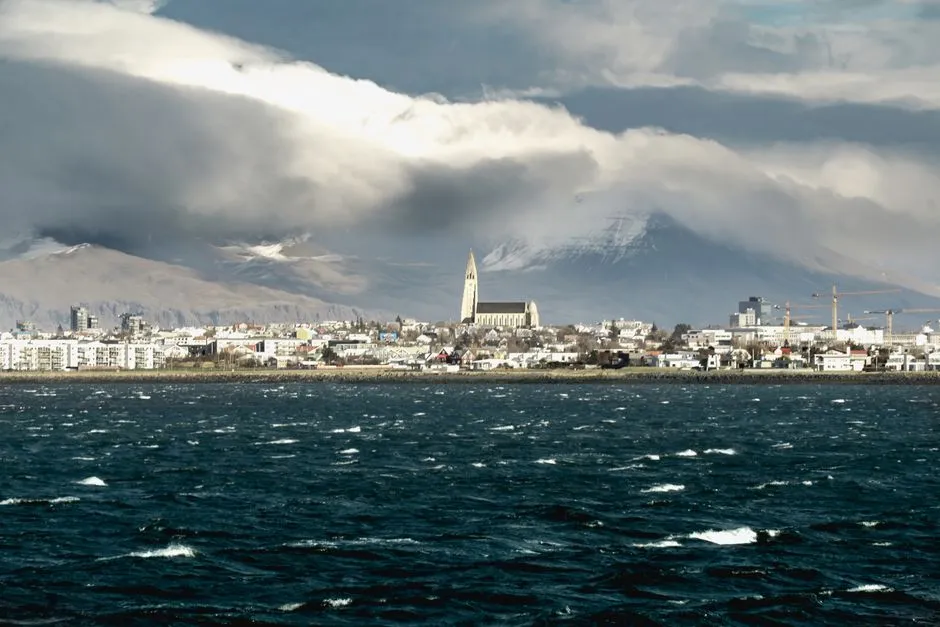
For those who prefer not to venture too far from the city center, Reykjavik’s Old Harbor offers a surprisingly good vantage point for viewing the Northern Lights. While the harbor area has more light pollution than the outskirts of the city, it still provides a nice balance between convenience and visibility. The waterfront setting, with boats bobbing in the harbor and the reflections of city lights on the water, can make for a picturesque Northern Lights experience.
Although it’s not as dark as some of the other locations mentioned, on nights with strong auroral activity, the Northern Lights can be seen clearly from the harbor. During the current elevated solar period, that condition arrives more often than in typical years.
Top spots in the city include the Grandi District, offering good chances to see the lights with minimal light pollution. The Grandi waterfront sits at the western edge of the harbor and opens onto wide, unobstructed sky over the bay. It’s also one of the most atmospheric corners of the city to linger in on a cold, clear winter night.
Reading the KP Index Before You Go
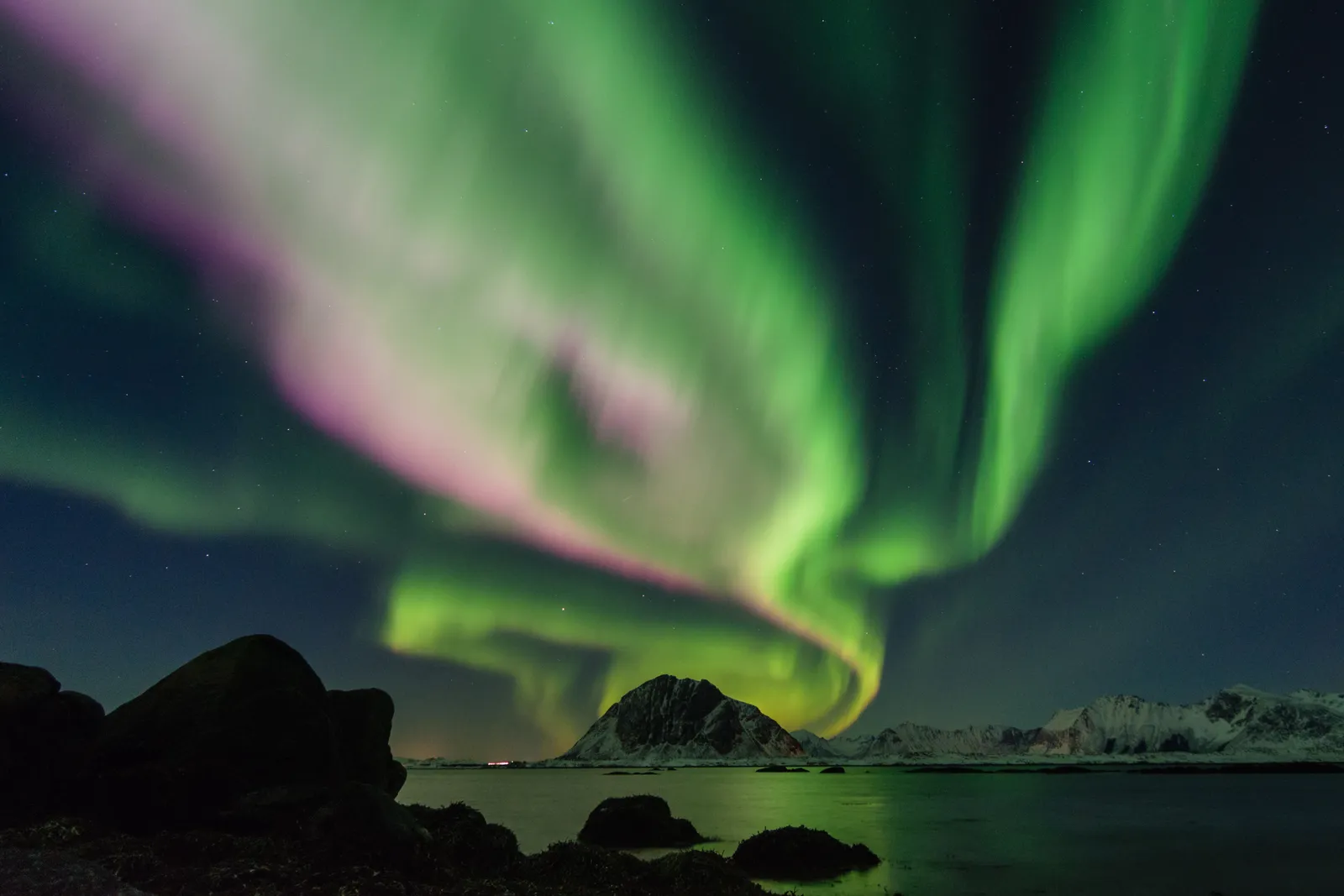
A KP reading of 0 to 1 usually means you can’t observe aurora with the bare eye, only with a camera. A reading of 2 to 3 usually means weak but already present northern lights, usually green only. KP 4 to 5 is already pretty good, with higher chances to see even colorful aurora, while KP 6 to 9 means strong northern lights of various colors.
Even when the KP index indicates moderate to high activity, there is no guarantee that you will witness the northern lights. As a natural phenomenon, nature offers no assurances. It’s also worth remembering that the lights have been spotted even when the KP index was at 0.
Seeing the northern lights requires dark, clear skies and solar activity. Check the Icelandic Meteorological Office’s aurora forecast for the best chances, but remember sightings are never guaranteed. Cloud cover tends to be the most common obstacle in Reykjavik, so always cross-reference the sky forecast alongside the aurora index.
Practical Tips for Visiting Each Spot
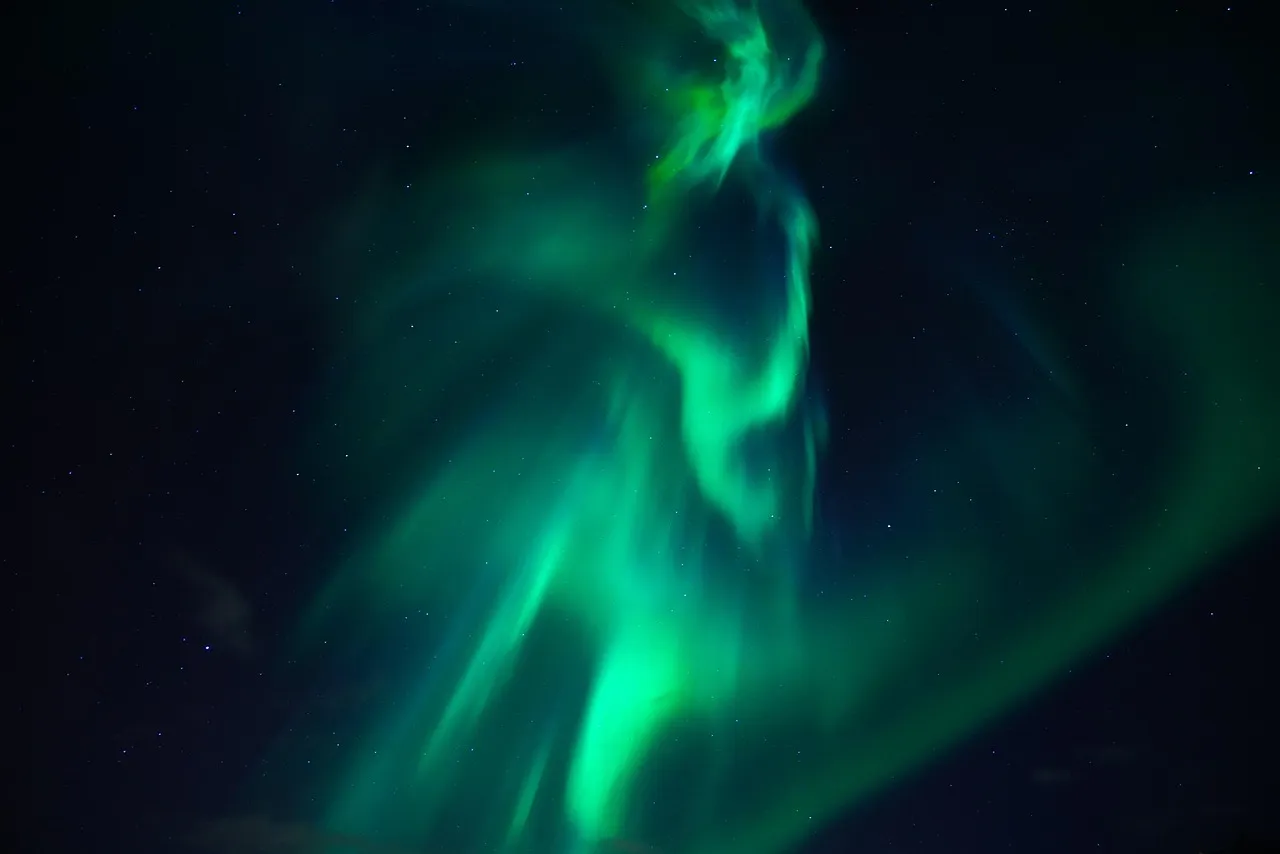
The best time to see the northern lights in Iceland is between late September and early April. Within that window, give yourself at least three or four nights in the city rather than pinning everything on a single evening.
Stay for several nights and check the forecast often. Iceland’s weather shifts quickly, and a cloudy evening can turn into a clear sky within an hour. Dressing in proper thermal layers is essential at all four spots, as ocean winds at Grótta and along the harbor can make temperatures feel considerably colder than the thermometer reads.
The aurora is never guaranteed, so it pays to book early in your trip and choose an operator that lets you re-join another night for free if it doesn’t appear. For independent travelers heading to the spots in this guide, simply plan to check conditions at around 21:00 each evening and stay flexible with your itinerary.
Why 2026 Remains a Strong Season to Visit
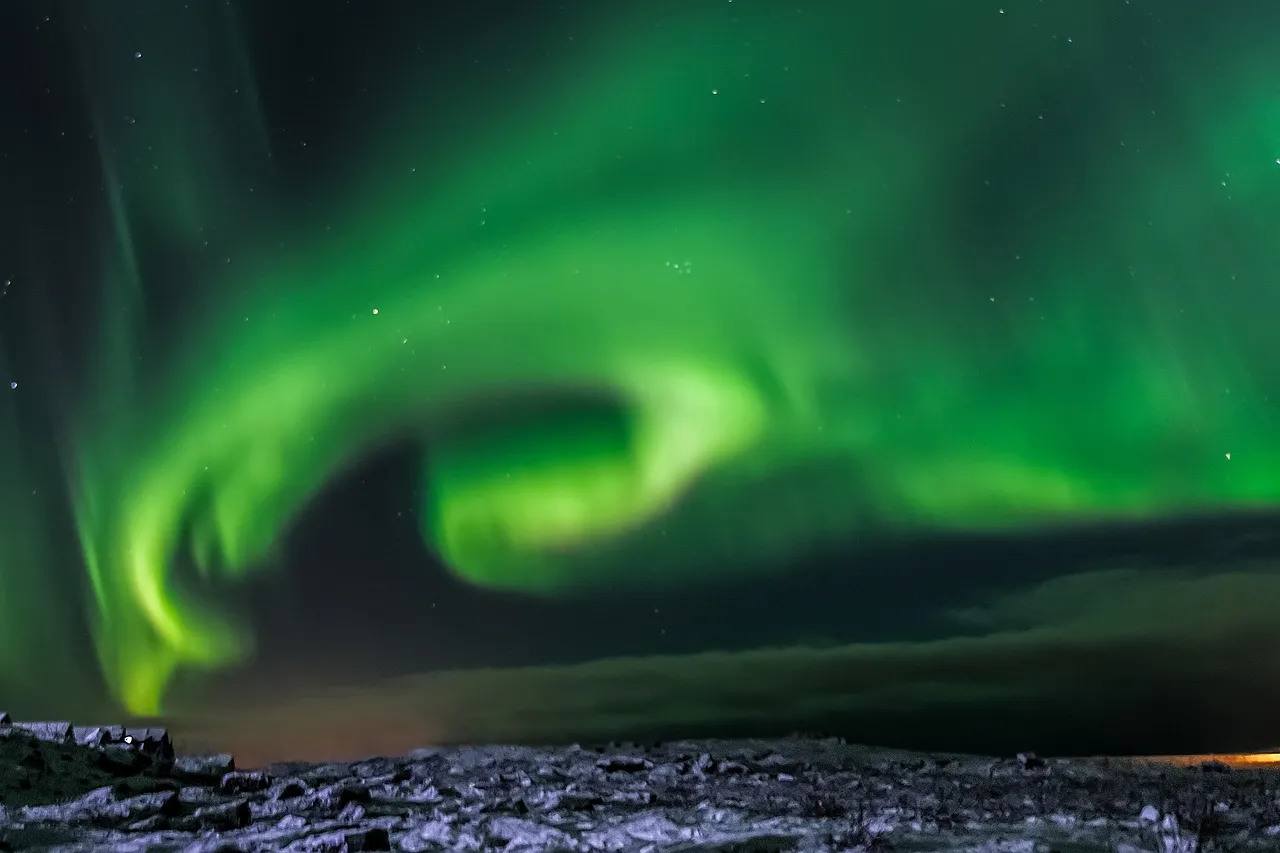
Solar Cycle 25 peaked around 2024 to 2025, and elevated solar activity is forecast to continue through 2026 and into 2027, meaning stronger, more frequent displays than in a typical year, with the next comparable solar maximum not arriving until the mid-2030s. That’s a meaningful detail for anyone still weighing when to make the trip.
This continued high activity means strong, bright, and frequent northern lights are still expected over Iceland, giving you some of the best viewing opportunities in over a decade. That said, the northern lights are a natural phenomenon, and sightings can never be guaranteed. Clear skies, patience, and a bit of luck all play a role.
Solar Cycle 25 peaked around late 2024 to 2025, and activity is forecast to stay elevated through 2026 and into 2027. In practice that means stronger and more frequent displays than in a quiet year. After 2027, displays are expected to gradually become less frequent as the cycle winds down. If this season has been on your mind, the science genuinely supports moving sooner rather than later.
The Takeaway
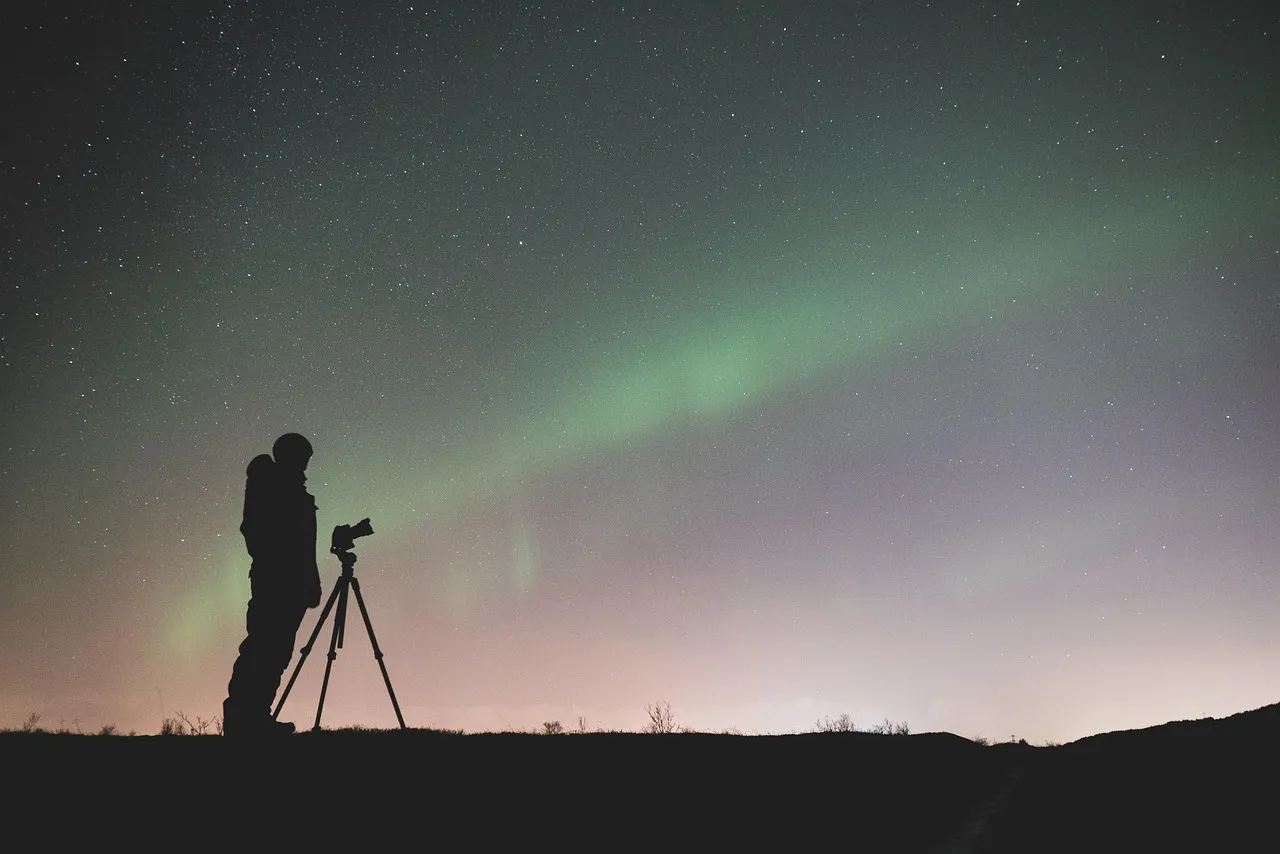
Reykjavik isn’t the darkest place in Iceland, and nobody should pretend otherwise. The city’s light pollution is real, and the aurora always rewards those who travel further into the countryside. However, these four spots, Grótta Lighthouse, Öskjuhlíð Hill, Elliðaárdalur Valley, and the Old Harbor, prove that you don’t always need a jeep and a midnight mission to see something genuinely moving.
Each location has its own character. Grótta feels wild and coastal. Öskjuhlíð is forested and calm. Elliðaárdalur hums with running water. The Old Harbor keeps you close to the warmth of the city. The best one, on any given night, is simply the one where the clouds break first.
Bring warm layers, download the Icelandic Meteorological Office’s aurora app, and stay patient. The sky tends to reward those who show up.
AI Disclaimer: This article was created with the assistance of AI tools and reviewed by a human editor.