

There’s a certain kind of place in the world that doesn’t just offer things to do – it offers things to feel. Queenstown, tucked against the shores of Lake Wakatipu in New Zealand’s South Island, is that kind of place. Whether you’ve traveled broadly or are stepping onto a plane for the first time, something about this town dissolves the carefully maintained composure of adulthood. It replaces it with the kind of wide-eyed, heart-hammering excitement most of us last experienced on a playground.
In the 2025 Travel and Leisure World’s Best Awards, Queenstown was ranked the 4th best city in the Australia, New Zealand, and South Pacific region, and was inducted into the Hall of Fame for achieving consistently high scores over three years. That’s a meaningful milestone, but the numbers behind it tell an equally compelling story. Queenstown welcomed 412,897 international visitors in 2024, a figure that surpassed the pre-pandemic peak of 324,079 arrivals recorded in 2019 by more than a quarter. People are returning here with purpose, and very often with a bucket list in hand.
The World’s First Commercial Bungee Jump at Kawarau Bridge
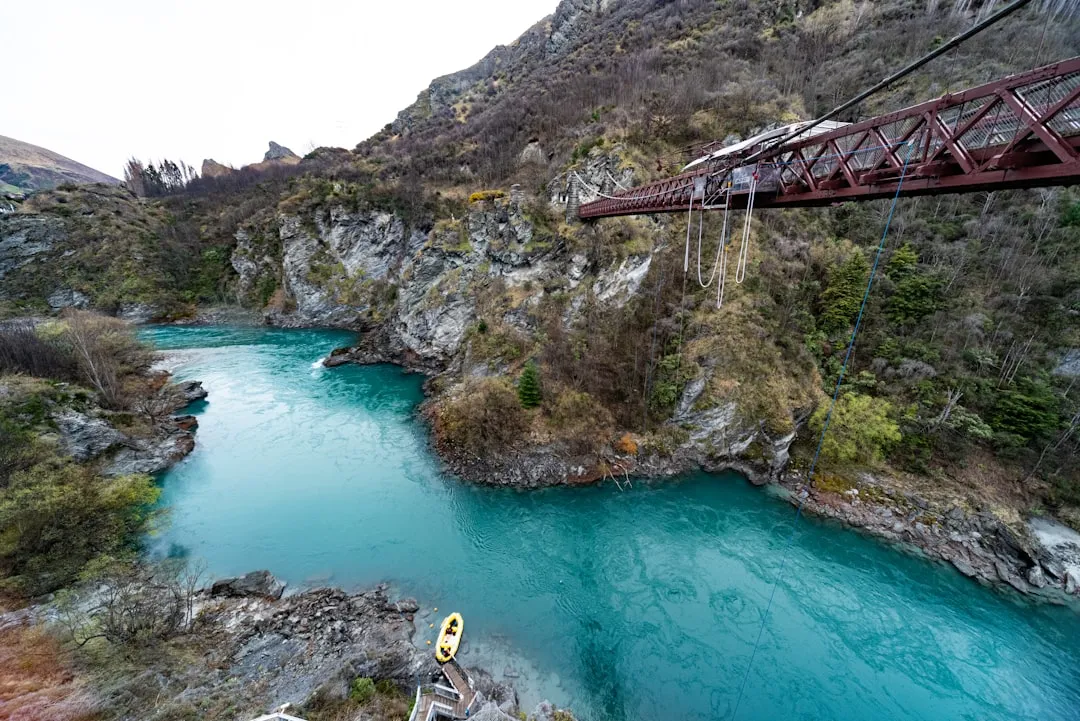
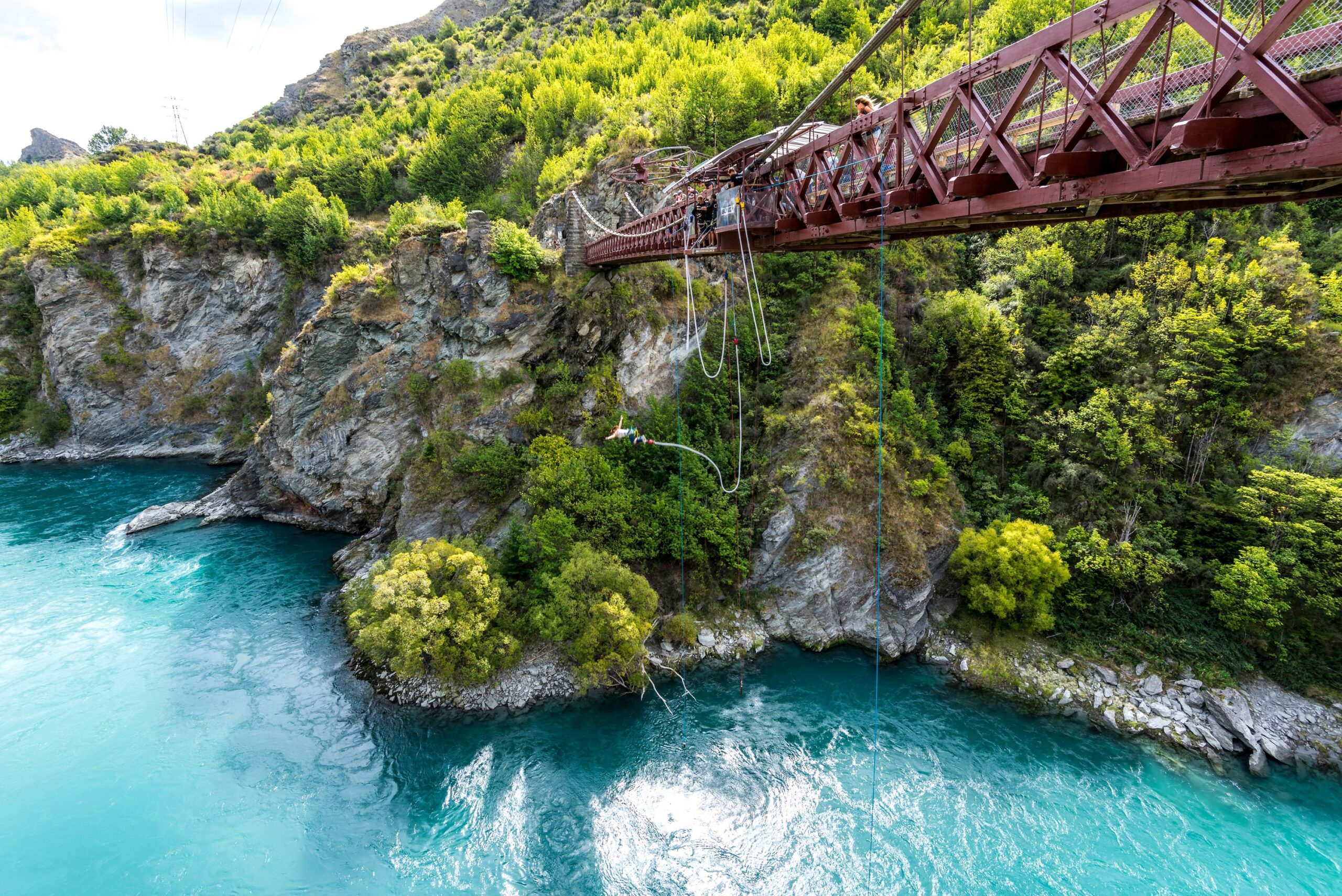
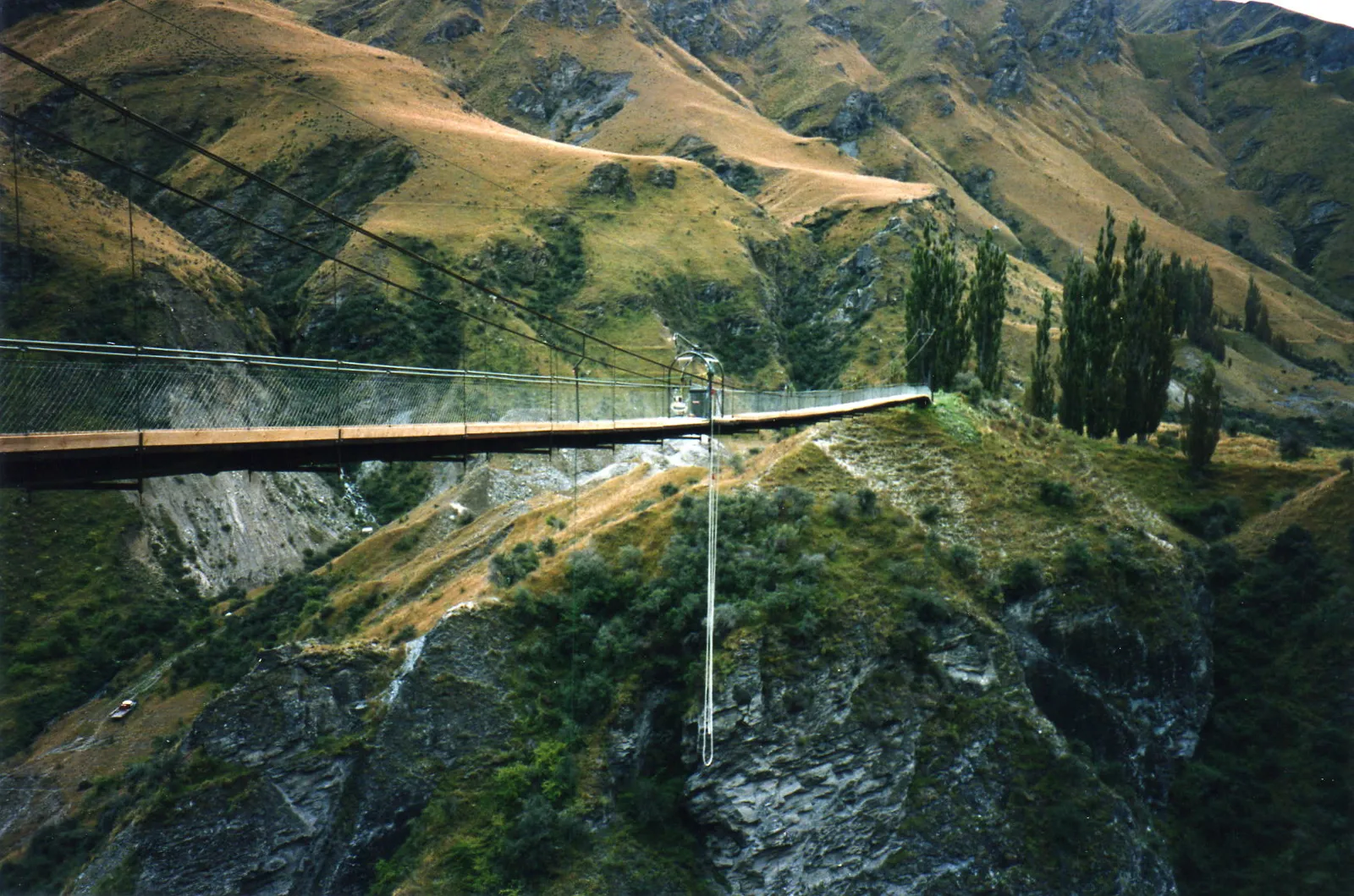
Among all bungee sites in Queenstown, the Kawarau Bridge holds the distinction of being the world’s first commercial bungee jump site, and standing on that bridge today still carries an almost mythological weight. The Kawarau Bridge drop is 43 metres, roughly 141 feet, with about 8 seconds of free fall – a number that sounds manageable until you’re actually standing on the edge.
With a 140-foot drop from an old bridge straddling a beautiful turquoise river, the location outside of Queenstown couldn’t be more perfect – in fact, its beauty might even distract from what lies ahead. Visitors can choose between jumping tandem or solo, bobbing above the water, touching it, or even getting dunked, giving the Kawarau Bridge an option for every level of nerve.
In Queenstown, AJ Hackett offers three bungee options: the Kawarau Bridge Bungy (the original), the Nevis Bungy (the tallest in New Zealand), and the Ledge Bungy, which is conveniently located in downtown Queenstown. The Kawarau site remains the emotional center of all of them. It’s the one that started everything, and standing on that platform, looking down at the green river below, the childlike feeling is completely unavoidable.
New Zealand’s Highest Bungee at the Nevis
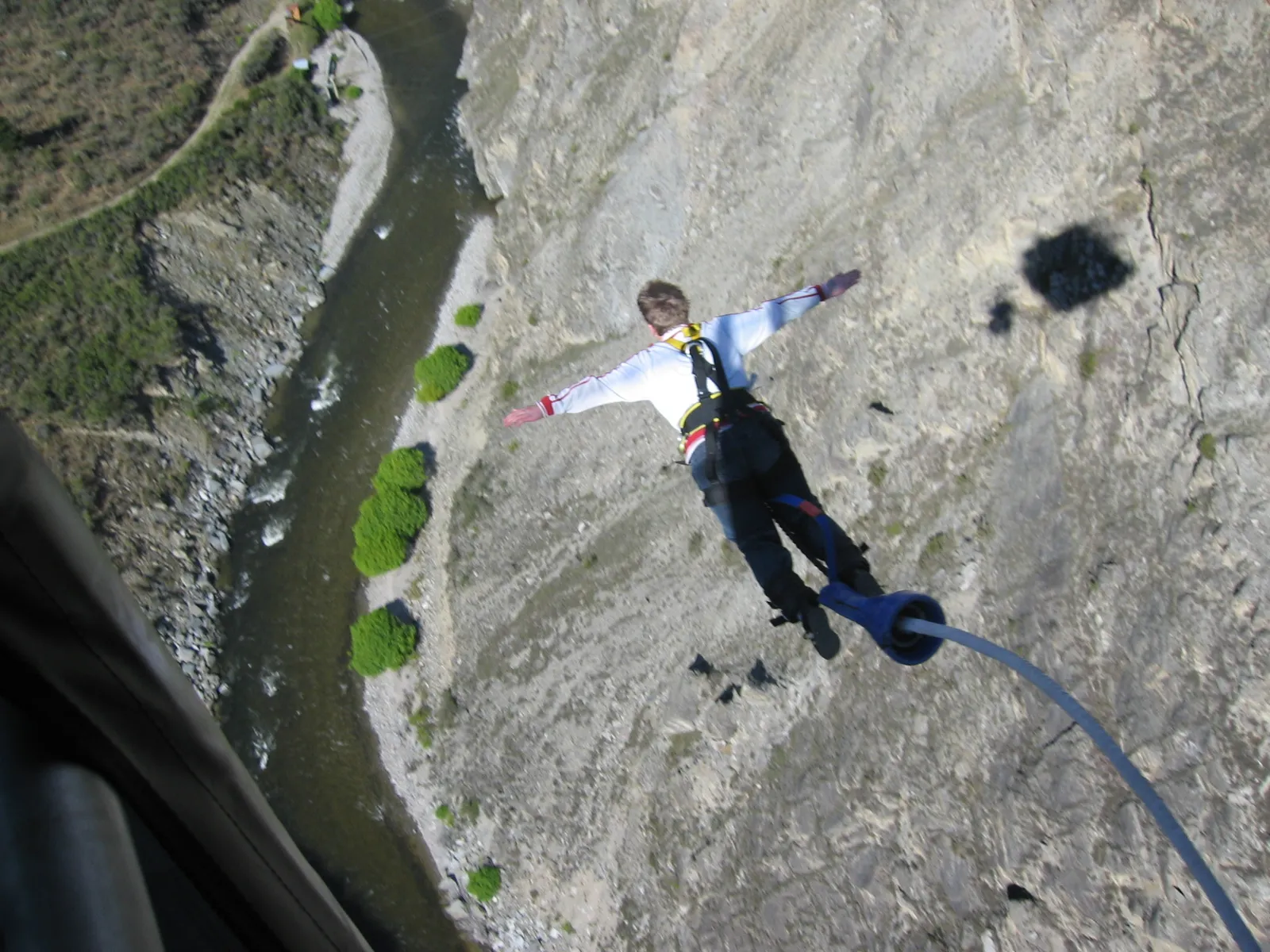
At 134 metres above the raging waters of the Nevis River in Queenstown, the Nevis Bungy is not for the faint of heart. To put that into context, you’re essentially free-falling from a height roughly equivalent to a 40-story building. Getting there is already an adventure in itself – it involves a 35-minute journey that includes a ride in a four-wheel drive across a sheep station in the high country, followed by a harness-up and a cable car ride to the jump pod.
The full Nevis Bungy experience takes approximately 4 hours, including transfers from Queenstown, check-in, safety briefing, and the jump itself. That isn’t just an activity. That’s an expedition. The site is located on private land and can only be accessed via the official AJ Hackett transfer bus from Queenstown, with the journey taking about 40 minutes each way.
The Nevis Bungy is open year-round, including winter, and operates in most weather conditions including light snow, though it may be cancelled in cases of high winds or severe weather. The remoteness, the altitude, the sheer scale of it – this one genuinely strips away every pretense of adulthood the moment the cord goes taut.
Shotover Jet: The Canyon Ride That Rewires Your Brain
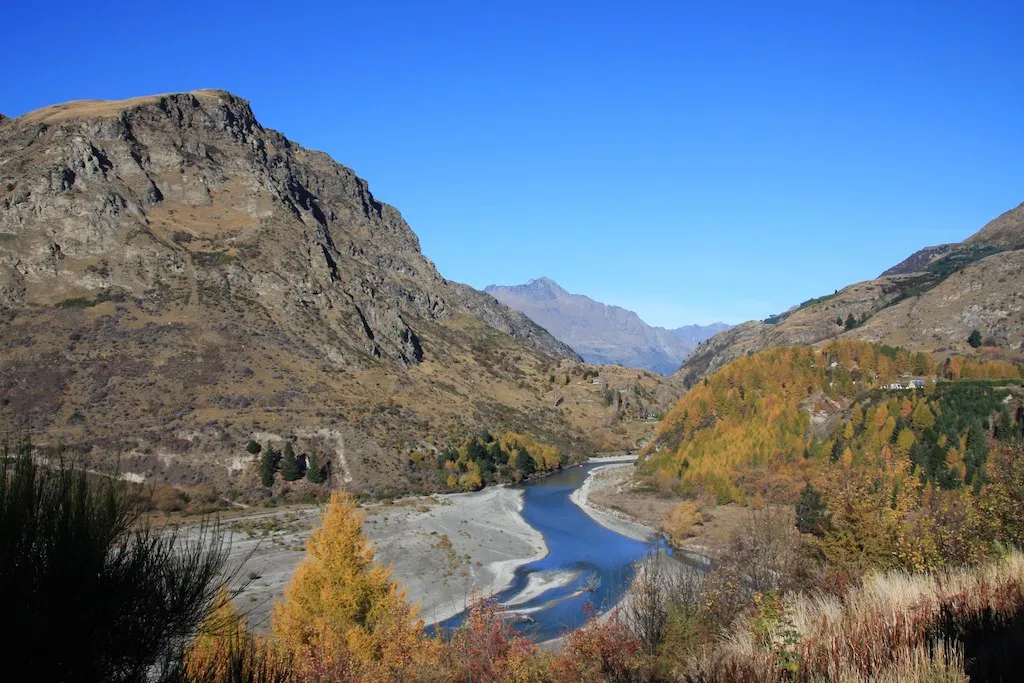
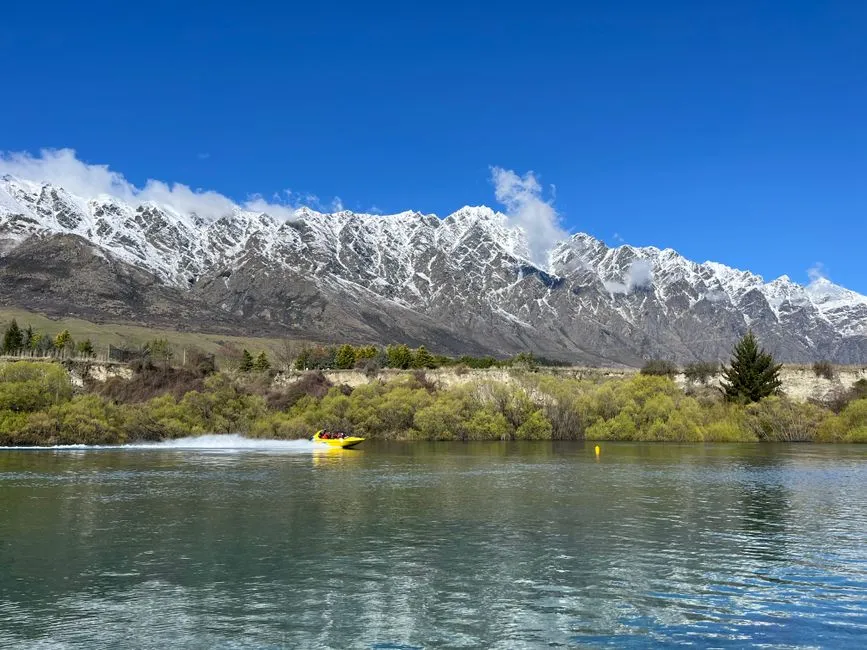
Operating since 1965, Shotover Jet is 100% Maori-owned and holds exclusive rights to the Shotover River Canyons, meaning no other jet boat company is legally allowed within these narrow canyon walls. That exclusivity matters, because the canyons themselves are like nothing else you’ll experience on water. World-famous as the ultimate jet boating experience, Shotover Jet has thrilled almost 4 million people since 1965.
Flying within inches of rock faces over water as shallow as 10 centimetres, you’ll get about one second to brace yourself when the driver signals a high-speed 360-degree spin – it feels less like a boat trip and more like an open-air roller coaster on water. The laugh that comes out of you in those moments is involuntary, the kind you last had as a child on a fairground ride.
Shotover Jet has also entered a new era of sustainability and innovation, recently introducing the world’s first electric jet boat. The boats, wide and shallow-draft vessels powered by water jet propulsion, carry eight passengers into the Shotover River canyon at speeds of up to 85 kilometres per hour, threading between canyon walls that narrow to within centimetres of the hull. No car, no rollercoaster, no water park comes close to preparing you for that.
Skiing and Snowboarding at The Remarkables
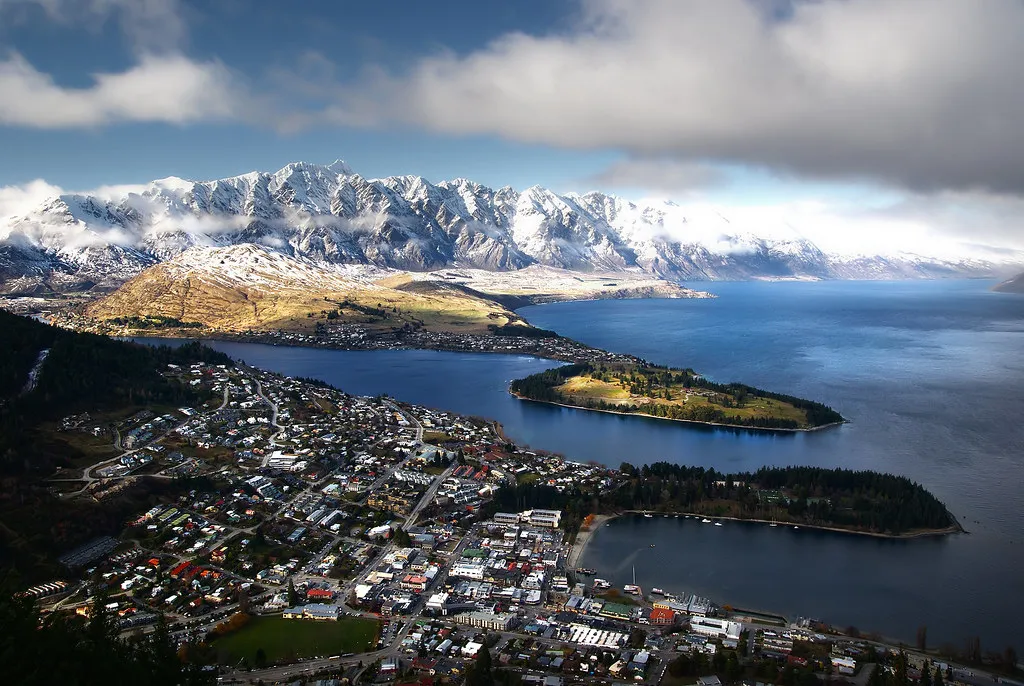
Four ski areas sit within an hour of Queenstown: Coronet Peak, The Remarkables, Cardrona, and Treble Cone, collectively making this one of the Southern Hemisphere’s best ski destinations, running from June through October. For travelers who have never strapped on a pair of skis, Queenstown is an honest and accessible place to start. The Remarkables and Coronet Peak are well-suited for kids and beginners through to advanced skiers and snowboarders, with children aged five and under skiing for free.
There’s a particular kind of freedom that comes from sliding down a mountain with the Southern Alps spread out around you in every direction. The Remarkables operates as a full ski and snowboard destination through Queenstown’s winter months, with summer adventure activities rounding out the year-round calendar. The beginner runs are genuinely gentle, while the steep chutes higher up give experienced riders something to genuinely respect.
One of Queenstown’s greatest strengths is that it genuinely delivers in every season, with each time of year bringing a completely different atmosphere and a different set of activities. In winter, the snow transforms the entire region. The mountains look otherworldly, the light is extraordinary, and the feeling of finally standing upright on skis after a morning lesson – however wobbly – is quietly triumphant.
Why These Four Adventures Work on Every Age
There’s a practical reason these four experiences cut across age groups, experience levels, and nationalities. Each one is grounded in sensation rather than skill – in what your body feels rather than what your brain knows. Queenstown earned its title as the Adventure Capital of the World through the pioneering spirit and bold innovation of its people, set against a backdrop of majestic Southern Alps, pristine lakes, and dramatic river canyons. The landscape itself amplifies everything.
Stats NZ figures show Queenstown Airport recorded about 192,000 international visitor arrivals between January and August 2025, up 14% on the same period the previous year, with the strongest growth coming from holiday travelers, which rose nearly a fifth year-on-year. These aren’t people coming to watch from a distance. They’re coming to participate. Spending holidays, specifically seeking out experiences, is the main reason international tourists visit Queenstown each year.
Practical Details Worth Knowing Before You Go
Booking well in advance is genuinely important, not just good advice. Most activities in Queenstown sell out during peak season. For bungee and jet boating specifically, the most popular time slots go fast, particularly in the summer months of December through February and the ski season from July to August.
For adventure and warm-weather recreation, December to February offers the best climate and full activity availability, while March to April is widely regarded as the most favorable period for scenic beauty and balanced travel conditions, combining moderate temperatures with autumnal landscapes. For winter sports, July to August provides peak ski conditions across the major alpine resorts.
Visitors spent approximately 2.83 billion New Zealand dollars during their time in Queenstown in the year ending March 2025, which gives a sense of how seriously people invest in these experiences. Still, individual activities are priced accessibly enough that mixing two or three into a single trip is realistic for most budgets. Planning ahead is the real investment.
The Role of Safety and Operator Standards
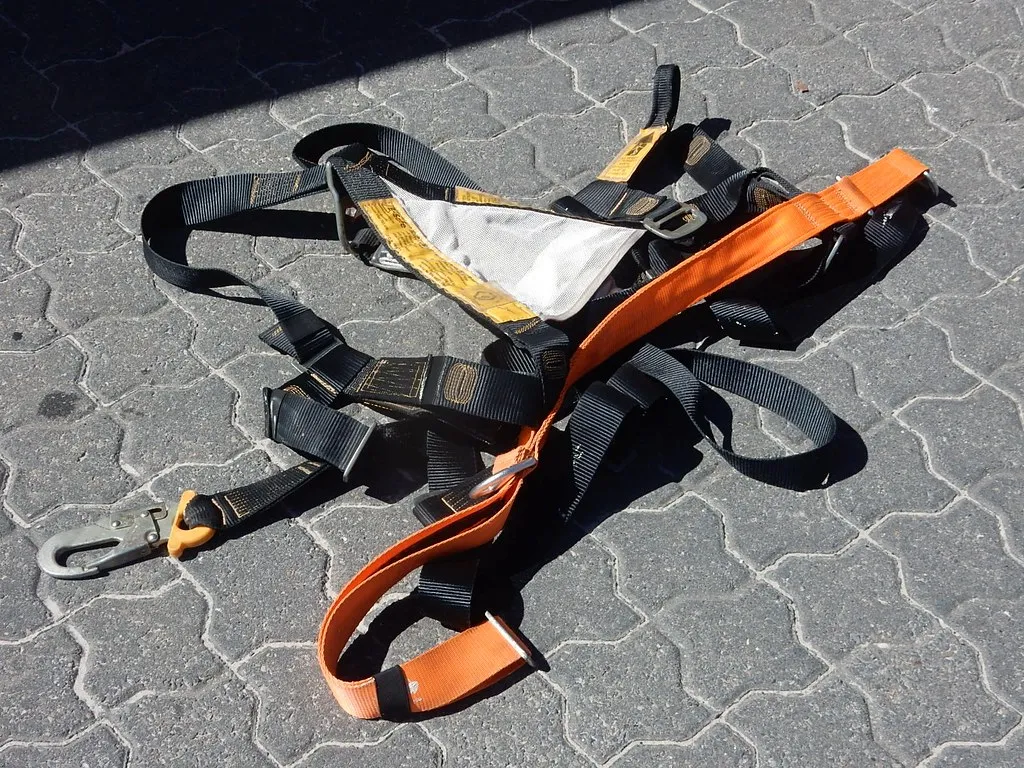
One of the quiet but important reasons these adventures feel liberating rather than reckless is the quality of the operations behind them. AJ Hackett has maintained a perfect safety record throughout their decades of operation. That kind of record doesn’t happen by accident – it reflects rigorous equipment standards, highly trained staff, and consistent protocols refined over thousands of jumps.
Modern boats and world-class drivers ensure safety and fun for the whole family on the Shotover Jet. Experienced guides across all four of these activities understand that their job is equal parts safety management and emotional support – many travelers arrive genuinely nervous and leave grinning. That transition is what these operators have mastered.
Queenstown’s Recovery and What It Means for Travelers Now
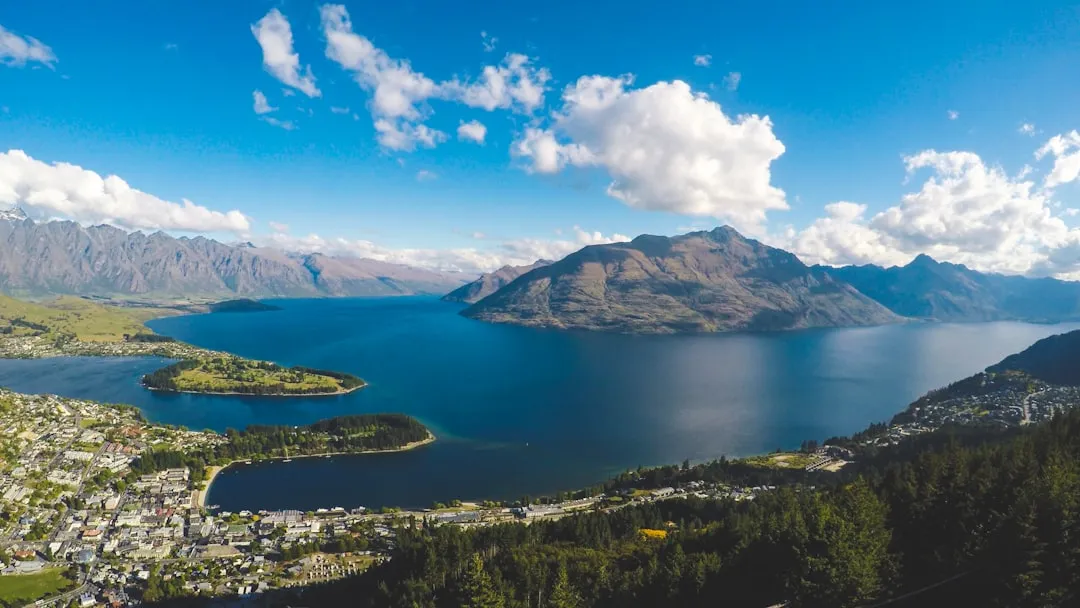
Queenstown was the only destination in New Zealand to see real growth above 2019 levels, reaching 117 percent of pre-pandemic figures while recovery elsewhere in the country remained incomplete. This speaks to something genuine: the appetite for this kind of travel didn’t diminish through the pandemic years – if anything, it grew. Queenstown operators are heading into the current season on a high, buoyed by strong international visitor numbers and renewed optimism across the industry.
The Queenstown Lakes district was the second-fastest growing area in New Zealand between 2018 and 2024, at 3.7 percent per year. That growth is reflected in the quality of infrastructure, the range of experiences available, and the increasing sustainability focus among local operators. Australia continues to lead the way, making up roughly two-fifths of all arrivals into Queenstown, followed by the United States and China. The town is genuinely international and geared toward first-timers and experienced adventurers alike.
How to Build a Queenstown Adventure Itinerary

Most travelers underestimate how much is achievable in just a few days. A well-planned three to four day visit can comfortably cover all four of these signature experiences without feeling rushed. Autumn, running from March through May, offers stable weather, stunning golden foliage, the wine harvest season, and noticeably fewer crowds than summer – it is widely considered Queenstown’s most beautiful season.
A sensible approach is to pair the more physically demanding activities, like the Nevis Bungy, with quieter recovery days in between. The Shotover Jet is short and intense, making it easy to slot into a half-day. Skiing at The Remarkables works best as a full-day commitment, especially for beginners who benefit from a morning lesson. Renting a car from Queenstown Airport immediately unlocks Arrowtown, Glenorchy, Kawarau Bridge, and The Remarkables independently, since public transport in and around Queenstown is limited.
Final Thoughts
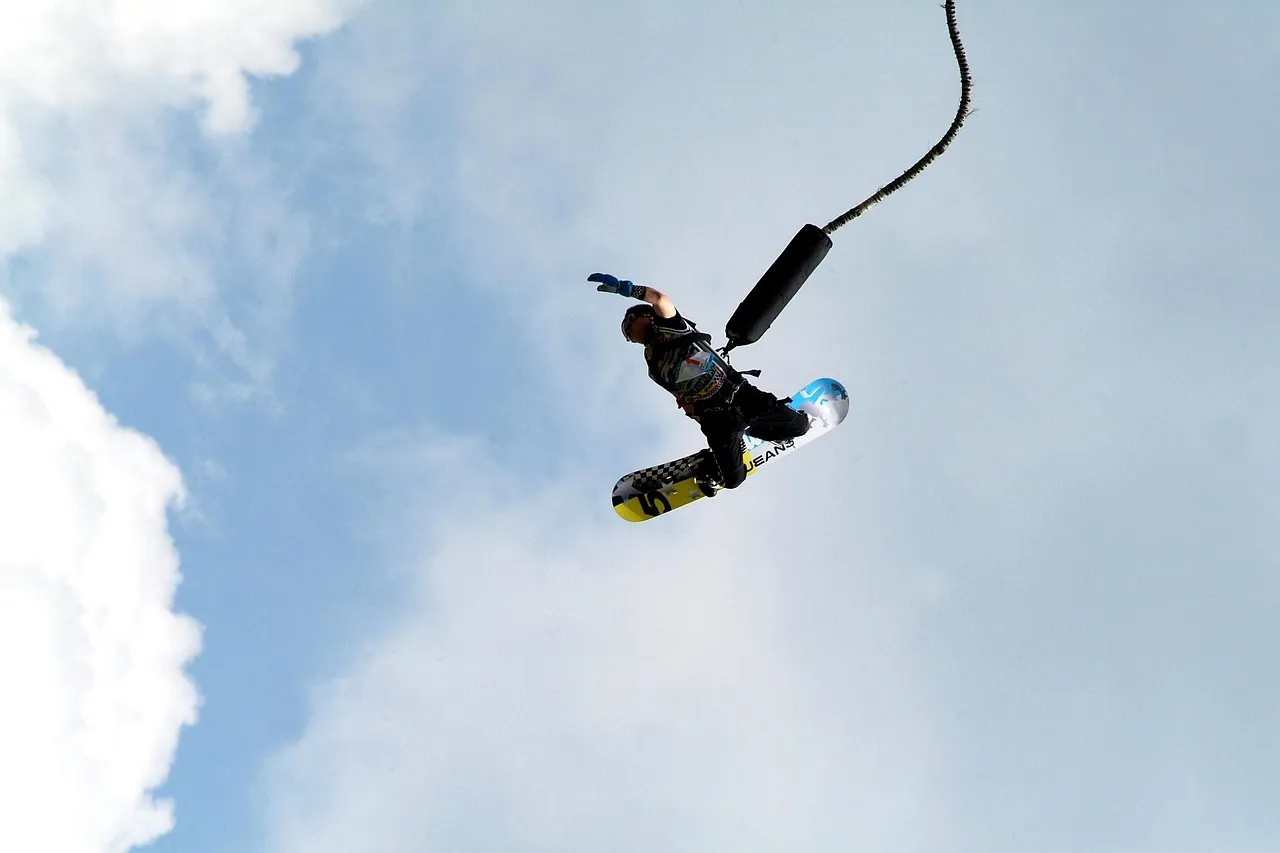
There are destinations that look impressive in photographs and deliver a little less in person. Queenstown tends to work the other way. The landscape is more dramatic than the images suggest, the activities are more visceral than the descriptions prepare you for, and the feeling of pure, unguarded joy that comes from hurling yourself off a bridge or carving through a canyon at 85 kilometres per hour is harder to describe than it sounds.
What these four adventures share is something simple: they pull you entirely out of your head and into your body, even if only for a few seconds at a time. That’s rarer than it used to be. Queenstown is recognized globally as the adventure capital of the world, famous for bungee jumping invented here in 1988 by AJ Hackett, jet boating, skiing, skydiving, and its stunning setting on Lake Wakatipu surrounded by The Remarkables mountain range. The town earned that title honestly, and the experiences it offers still deliver on it – every single time.
AI Disclaimer: This article was created with the assistance of AI tools and reviewed by a human editor.