
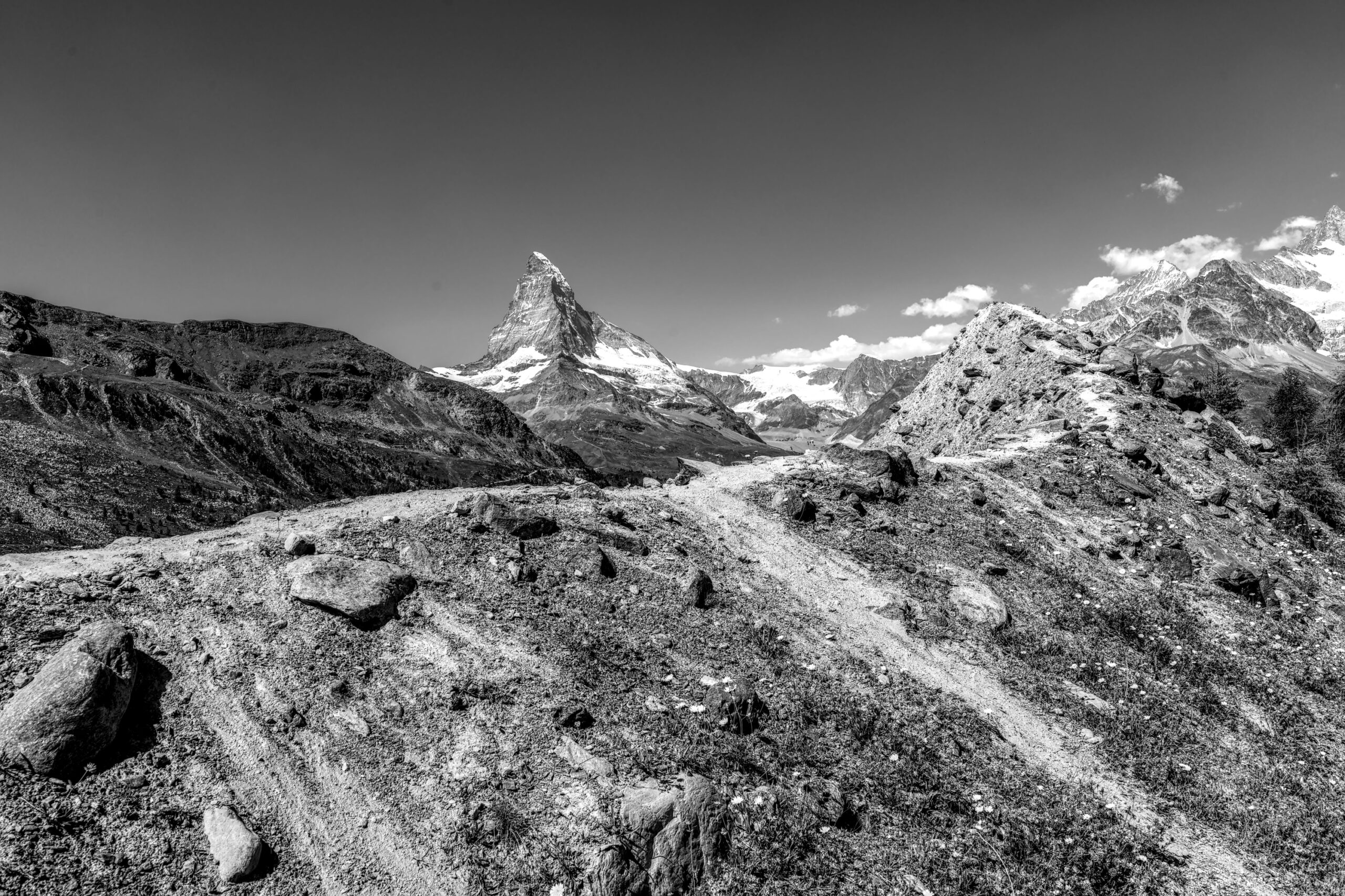

There’s a moment on certain trails above Zermatt when the Matterhorn stops being a silhouette on the horizon and becomes something viscerally, almost uncomfortably close. The pyramid of rock fills the sky in front of you, its ridgelines sharp enough to seem carved rather than formed. It’s the kind of view that changes the scale of your own presence in the landscape.
There are 250 kilometers of trails and paths in the Zermatt area, ranging from leisurely family walks to challenging high-altitude mountain tours. With that much trail on offer, knowing which routes truly deliver that heart-in-mouth proximity to the Matterhorn makes all the difference. These seven paths are the ones that earn it.
1. The Hörnlihütte Trail: As Close as a Hiker Can Get
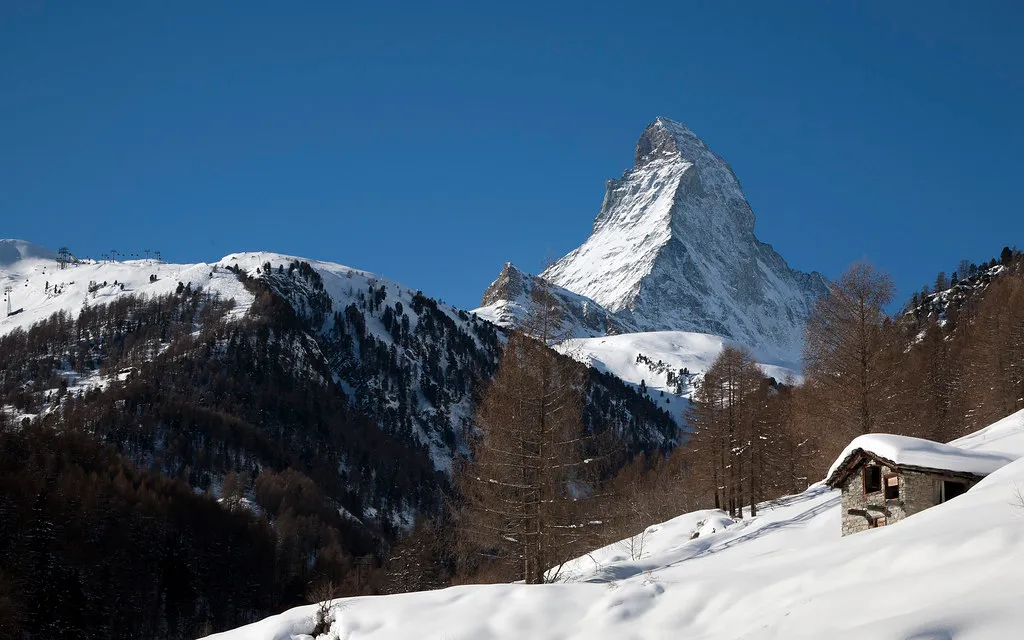
Nowhere is the sense of being up close to the legendary Matterhorn so powerful as at the Hörnlihütte, perched at an altitude of 3,260 meters above sea level. This hut is the final staging ground for climbers attempting the summit, and arriving here on foot carries genuine weight. Others visit simply to get a close-up flavor of the legend that is the Matterhorn, to enjoy the impressive Alpine panorama, and to sample some regional specialties.
The trail covers 8.5 kilometers out and back, with a total ascent of 725 meters, starting from Schwarzsee at 2,580 meters and reaching the hut at 3,260 meters. All the while the Matterhorn grows larger as you head toward this iconic, jagged mountain. The trail is steep, and you’ll find yourself hiking up rocky hills, over platforms, and sometimes even scaling the edge of a cliff. Best time is July through September.
2. The 5 Lakes Trail: Reflections That Stop You in Your Tracks
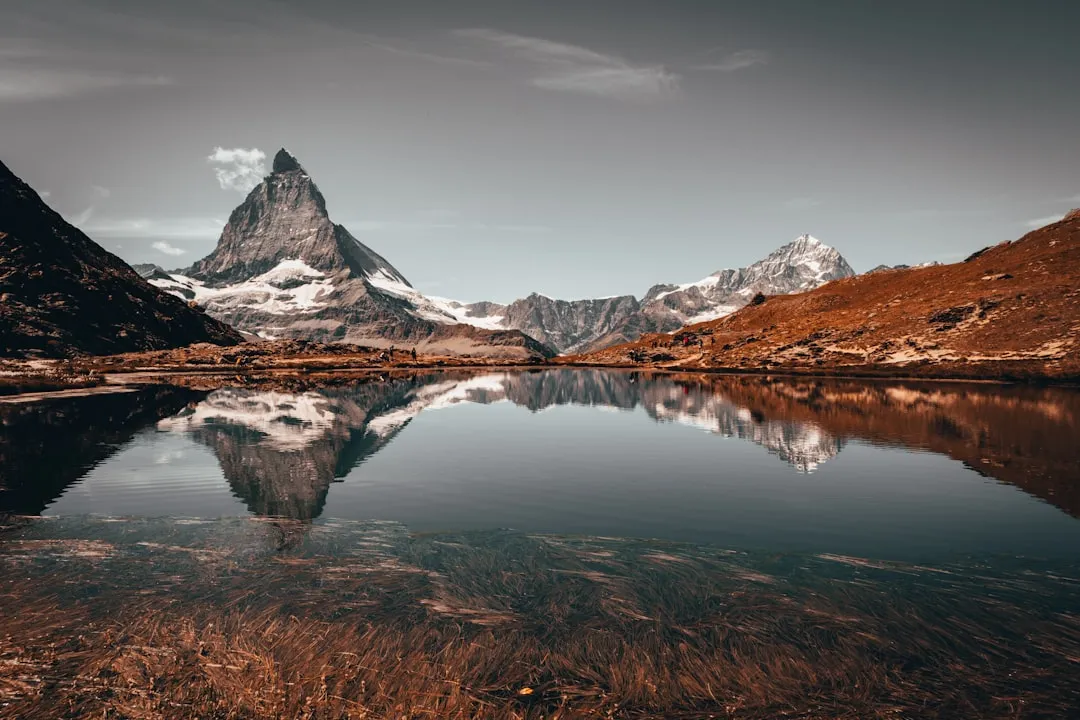
The 5 Lakes Walk is a magnificent hike through a former glacial area, connecting Stellisee, Grindjisee, Grünsee, Moosjisee, and Leisee. The Matterhorn is reflected in three of these beautiful mountain lakes, and the view of the many peaks is breathtaking. It’s a trail where you genuinely need to stop walking and just look.
The 5 Lakes hike is one of the most popular hiking trails in Zermatt because it is accessible to everyone and has minimal steep climbing. Along the route are five stunning lakes where you can create reflections of the Matterhorn at the right angle. The hike should take about three hours if you stop at each lake and wander around a bit. Early morning is consistently the best window for still water and clean reflections.
3. The Matterhorn Trail (No. 29): Alpine Drama at Every Turn
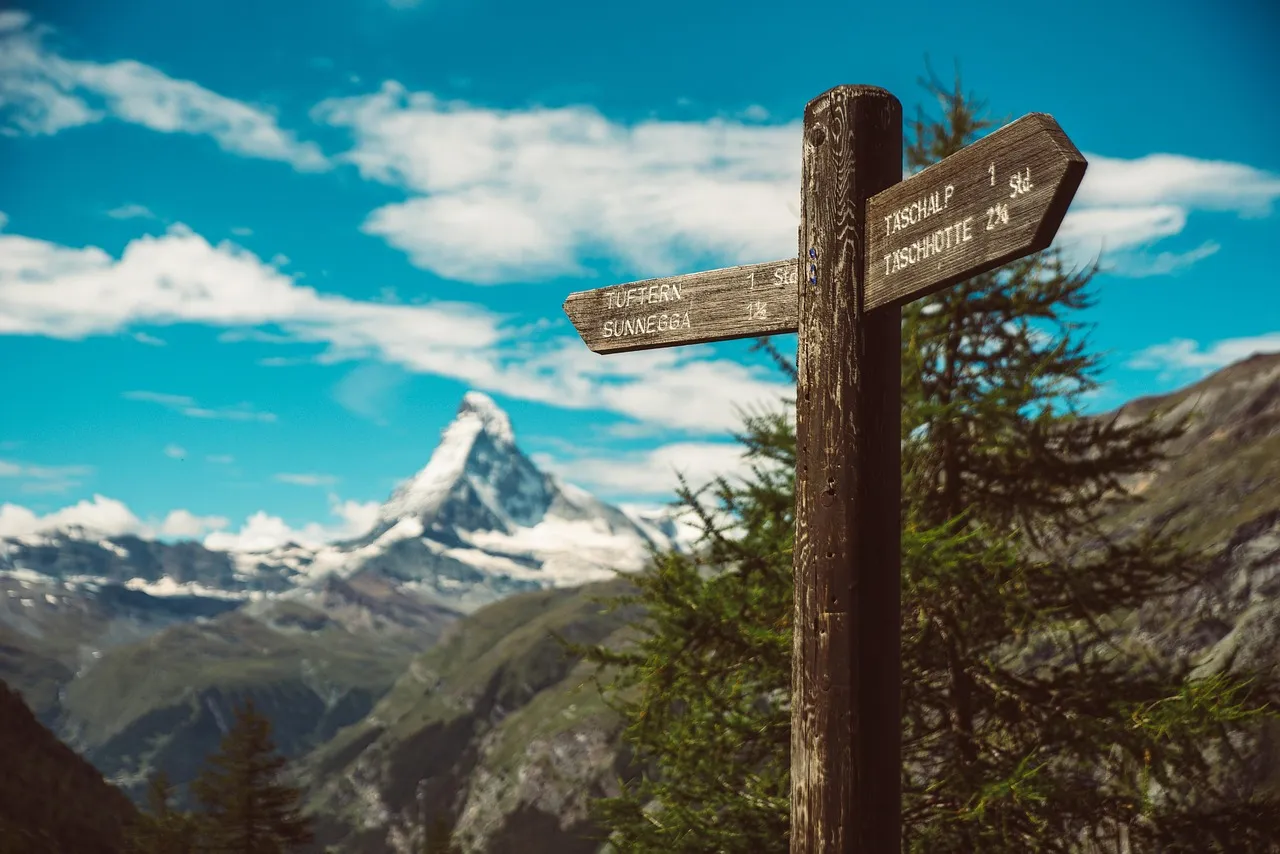
The Matterhorn Trail offers an impressive hike from Schwarzsee via Stafelalp to Furi, with magnificent views of the Matterhorn throughout. It’s an alpine route where nature, the landscape, and the closeness to the mountain take center stage. The transition from high alpine terrain to gentler meadow walking gives the route a satisfying rhythm.
The hike begins at the chapel at Schwarzsee and leads through a quiet alpine landscape. Along the way, impressive views repeatedly open up of the Matterhorn, its north face, the opposite mountain walls around Höhbalmen, as well as the fascinating glacier world and the Dent Blanche. Panoramic Matterhorn views, crossings of alpine meadows and lightly rocky terrain, and the possibility of spotting wildlife such as marmots or chamois make this a well-rounded outing.
4. The Matterhorn Glacier Trail (No. 26): Ice, Rock, and Open Sky
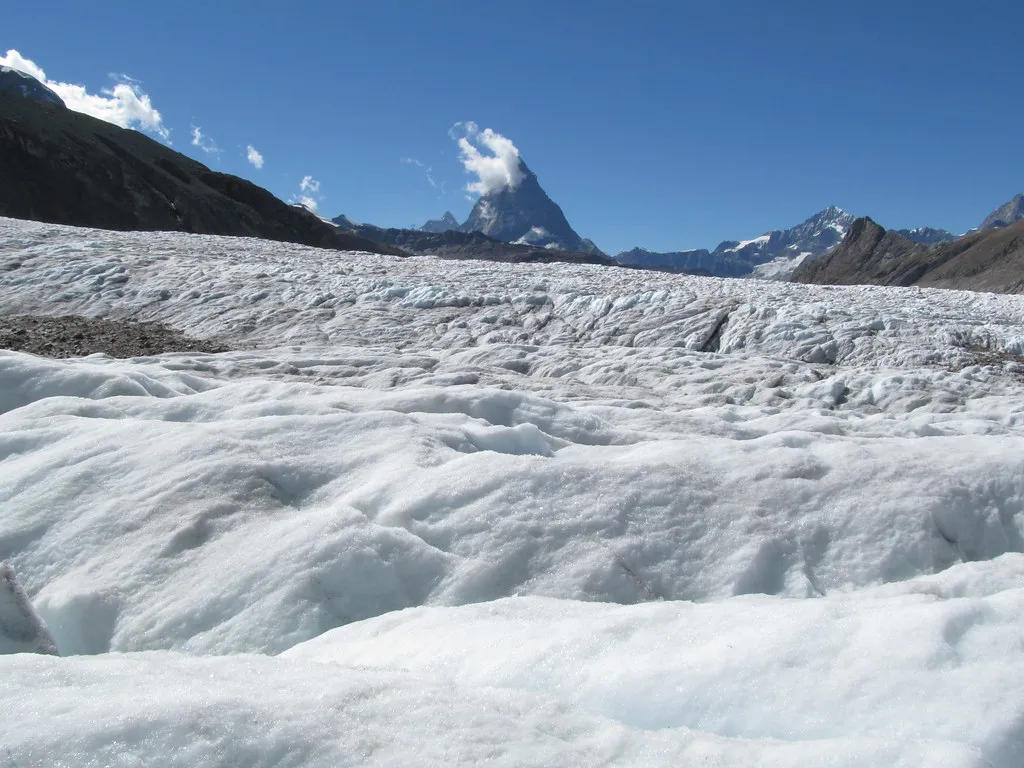
This trail is a high-altitude route through the Alpine peaks, leading from Schwarzsee to Trockener Steg and offering fantastic views of the Matterhorn Glacier. The starting point can be reached with the Matterhorn Express cable car. The trail threads through genuinely high-mountain terrain, with glacial scenery that feels remote even if access is straightforward.
The hike covers 6.4 kilometers from Trockener Steg to Schwarzsee, with a difficulty rated as very low. The total incline is 150 meters with a 500-meter decline, and while the trail is sometimes rocky, it is never dangerous or exposed. This makes it one of the few high-altitude options genuinely accessible to less experienced walkers, without sacrificing the drama of the view.
5. The Riffelsee Loop from Rotenboden: A Mirror at 2,800 Meters
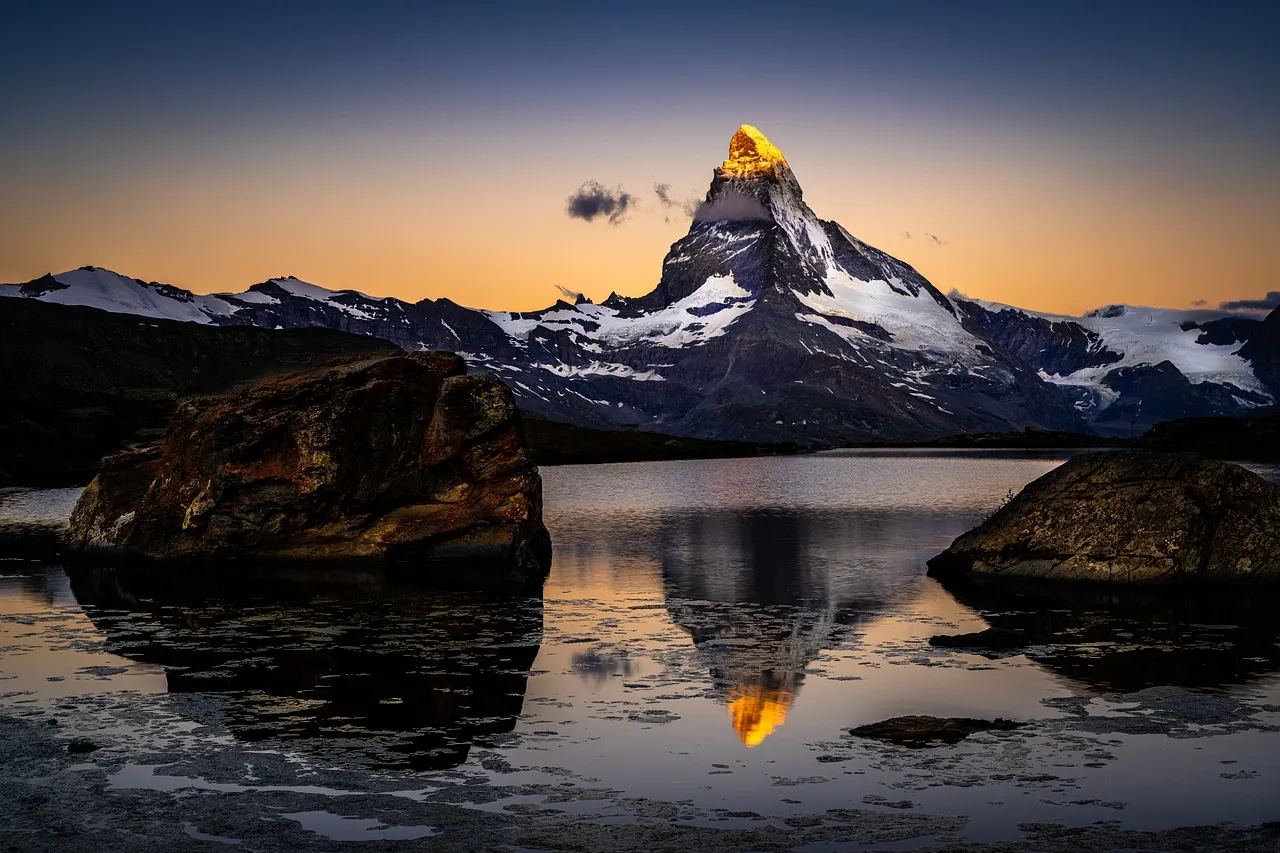
This fantastic hike starts at Gornergrat at 3,100 meters and leads to Riffelsee, which is famous because the east face of the Matterhorn is reflected in its waters. It is a truly unique destination. The trail starts at Rotenboden station at 2,815 meters, and a short, steep descent leads to the breathtaking beauty of the Riffelsee. On still days, the crystal-clear waters offer up remarkable reflections of the Matterhorn.
The route leads via the Riffelseeweg to Riffelberg at 2,584 meters. Along the way there are always magnificent views and numerous places to stop for refreshments. Both the start and end points are stops on the cogwheel railroad, which has connected Zermatt with the Gornergrat since 1869. The fact that you can ride both ends of the trail makes this an elegant option for those who’d rather spend their energy looking than climbing.
6. The Matterhorn Trek: Five Days, Hut to Hut, Under the Summit
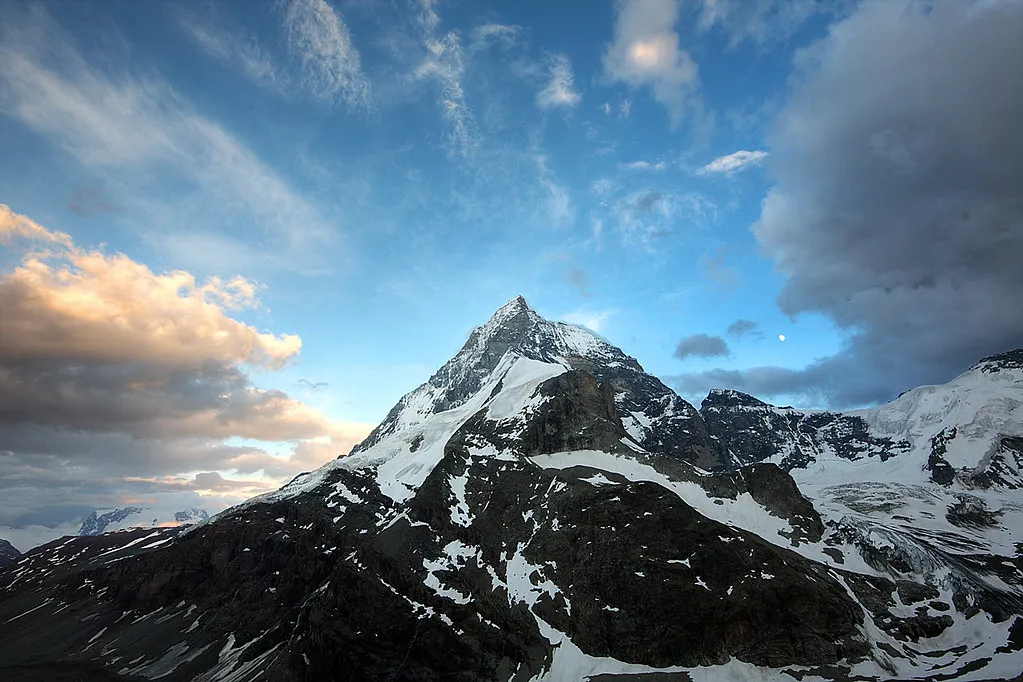
The trekking starts and ends in Zermatt, and throughout the route you hike away from civilization from hut to hut. Rare flowers can be found along the way, and mountain giants tower at eye level, including the Matterhorn with its intimidating north face. This is the route for walkers who want more than a day’s encounter with the peak.
The trek offers five days of fascination in the mountain paradise of Zermatt, though it requires careful preparation as it is a long, multi-day tour in an alpine environment. It’s worth noting that the Schönbiel Hut is under renovation in summer 2026, though the Matterhorn Trek is running as planned from June 26 through July 31, 2026. Check the official Zermatt website before booking for the latest hut availability updates.
7. The Gornergrat Ridge Walk: 38 Four-Thousanders, All at Once
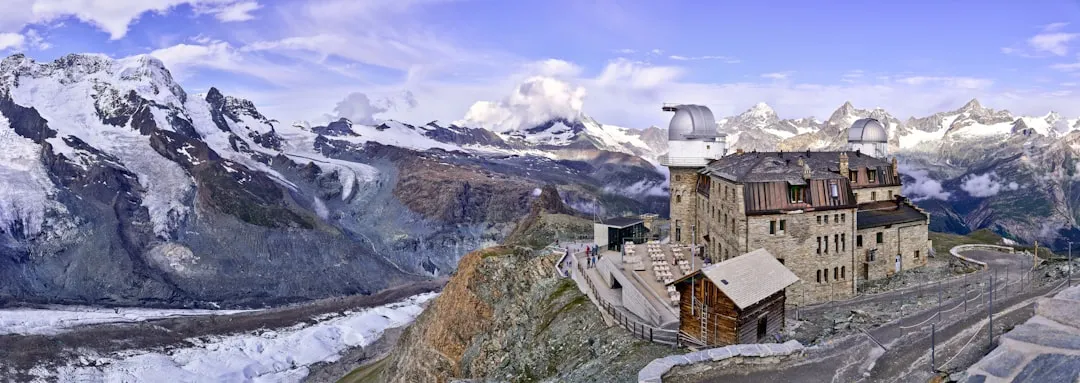
This is a magnificent high-altitude hike going from Gornergrat at 3,121 meters down to Zermatt at 1,605 meters via Sunnegga at 2,252 meters. The mountain train carries you up to the trailhead, and the views are spectacular all along the way, with many huts offering panoramic terraces to eat and rest.
Zermatt nestles in the very heart of the Alps, surrounded by 38 four-thousanders, and this ridge walk is arguably the best single trail for grasping that fact. From the ridge, it is possible to admire the Matterhorn, the Breithorn, the Klein Matterhorn, and the Weisshorn in a short distance. The descent is long, so pacing matters, and trekking poles help considerably on the lower rocky sections.
Practical Notes: Seasons, Lifts, and Mountain Safety
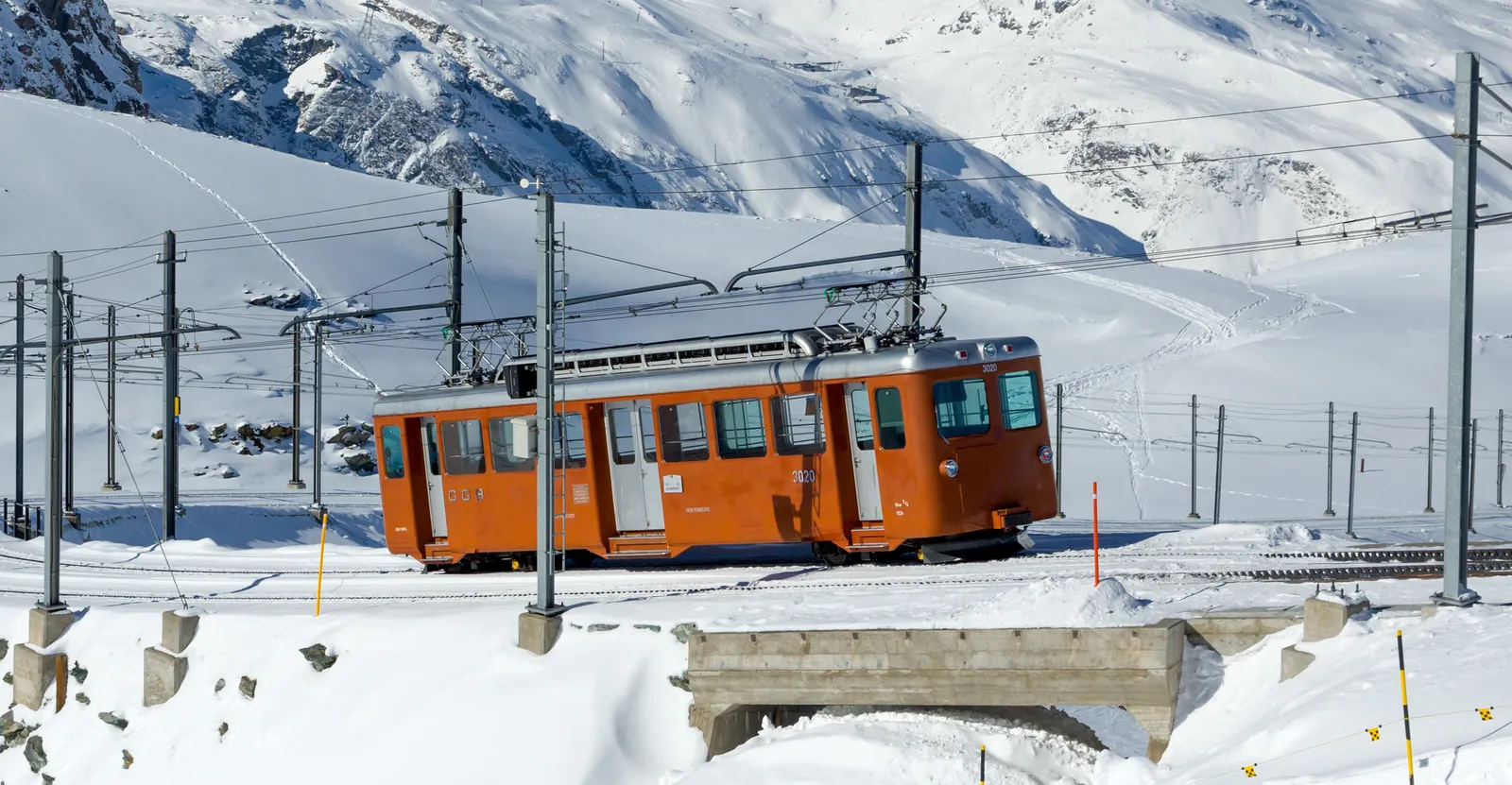
The classic hiking season runs from June to October. There are also wonderful tours in spring and fall, while special offers such as winter hiking, snowshoeing, and glacier trails are available in winter. Most of the trails listed here rely at least partially on cable car or train access, which affects planning considerably.
The Gornergrat mountain train is open year-round, except for a maintenance break between November 3 and November 9, 2025. The Furi to Schwarzsee gondola ends its summer hiking season on September 28, 2025, so for the Hörnlihütte and Matterhorn Trail specifically, timing your visit well within the summer window is essential. Always check the official Matterhorn Paradise operating hours page before heading out, as conditions can shift lift schedules with little notice.
A Note on Responsible Hiking in This Landscape
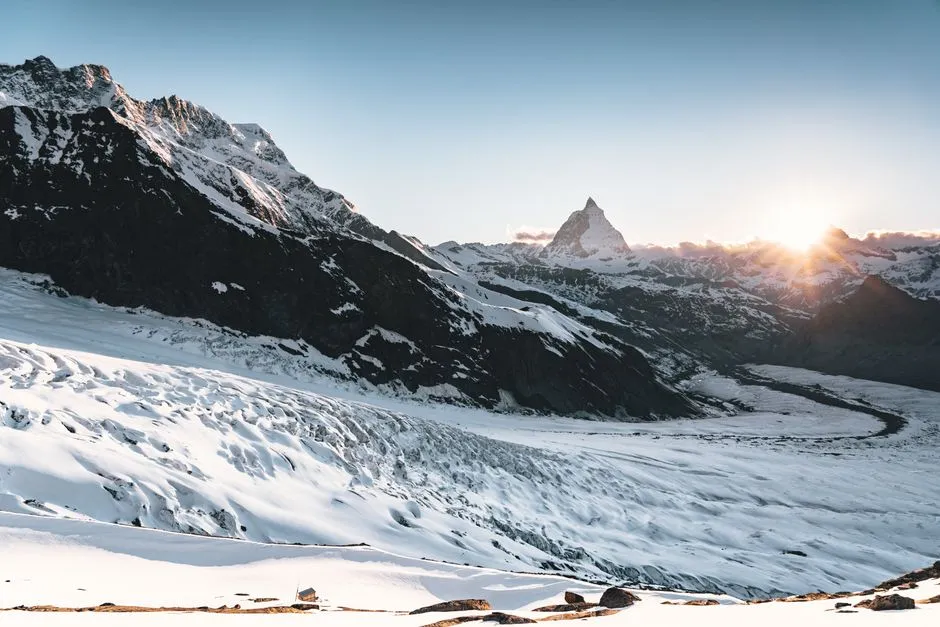
Do not leave marked trails and do not go onto glaciers without a mountain guide. Be considerate of other hikers as well as plants and animals. These aren’t just standard cautions. The ecosystem above Zermatt is genuinely fragile, supporting rare flora that exists nowhere else. Many rare plant species can be seen along the Flower Trail, some of which can only be found in Zermatt.
Hiring a certified local guide is particularly worthwhile for first-time visitors attempting higher-elevation routes. On a guided tour, you benefit from the local knowledge, experience, and safety of certified hiking and mountain guides. You will discover hidden paths, learn exciting background stories about the region, and can concentrate fully on experiencing nature. That last part, concentrating on the experience, is ultimately what these trails are for.
The Takeaway
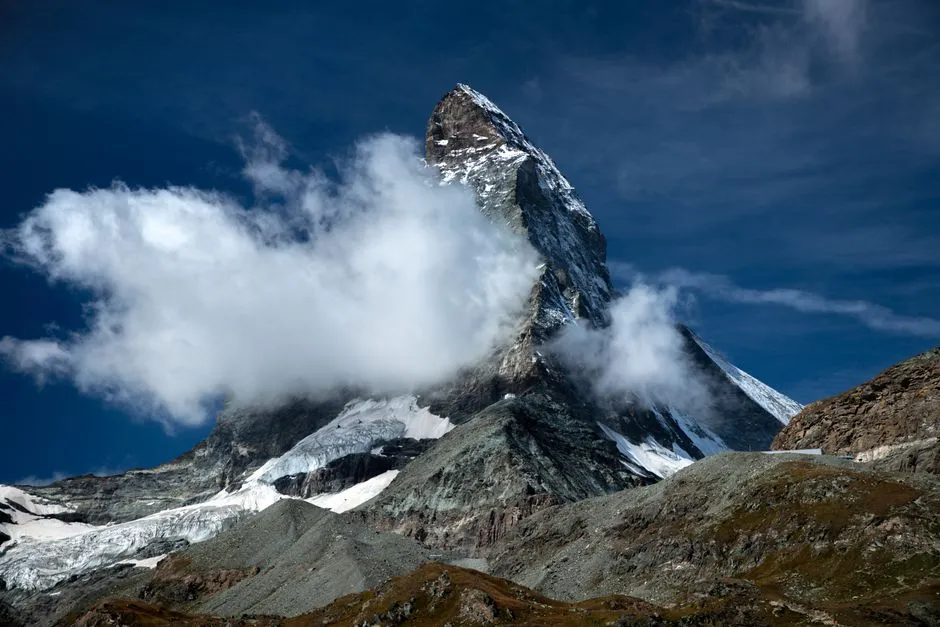
The Matterhorn is one of those rare mountains that looks better the closer you get to it. Most famous peaks disappoint at close range, the scale becoming abstract, the detail turning raw and chaotic. The Matterhorn sharpens. Its lines become more precise, its presence more commanding, not less.
Whether you’re standing at the Riffelsee watching it double in still water, or breathing hard on the final rocky stretch to the Hörnlihütte with the summit filling the frame above you, the effect is the same. You understand, finally, why people have been making their way to this corner of the Swiss Alps for more than 160 years. Some mountains earn their reputation. This one has never had to argue the case.
AI Disclaimer: This article was created with the assistance of AI tools and reviewed by a human editor.