
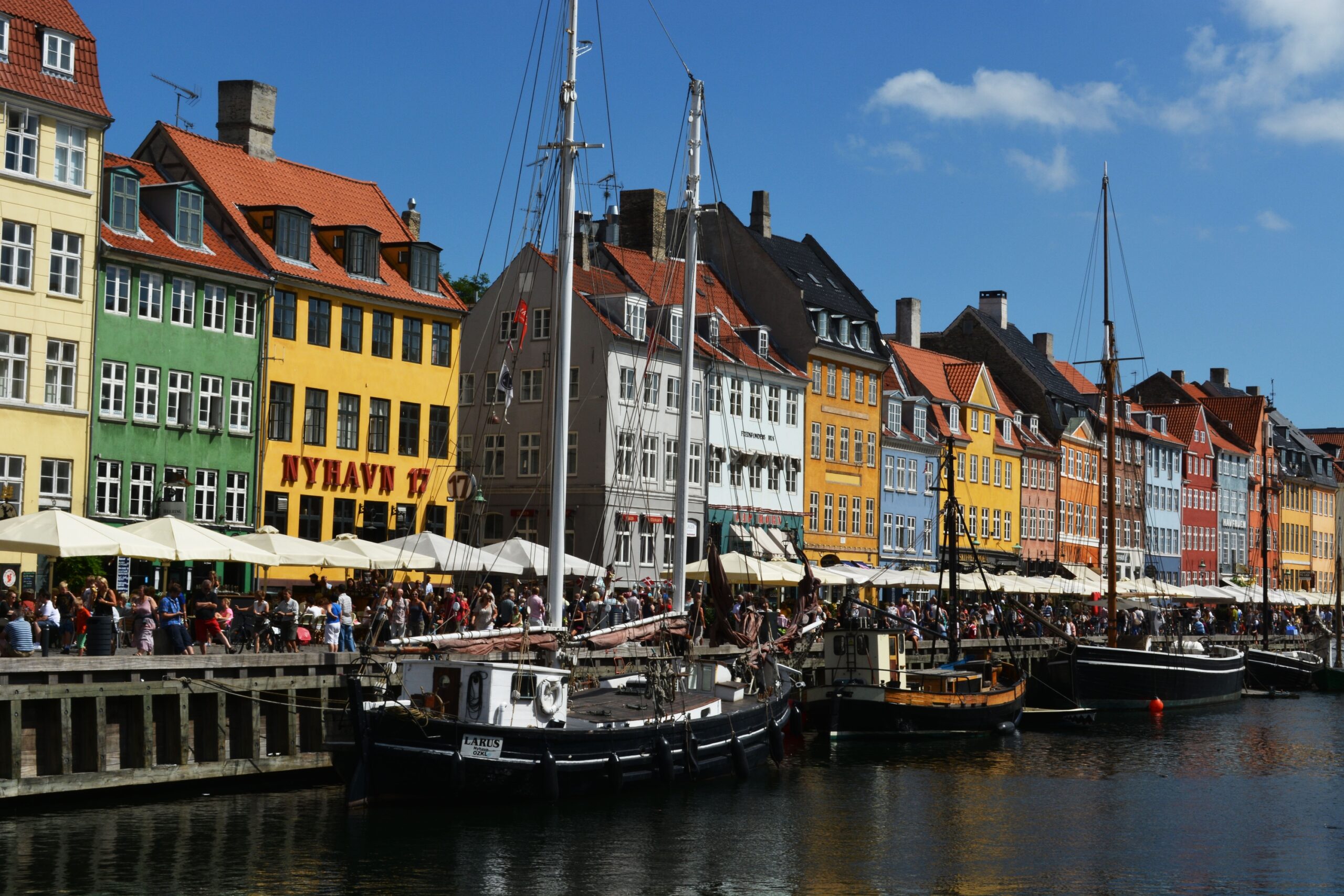
1. Nyhavn: The Harbor That Needs No Introduction
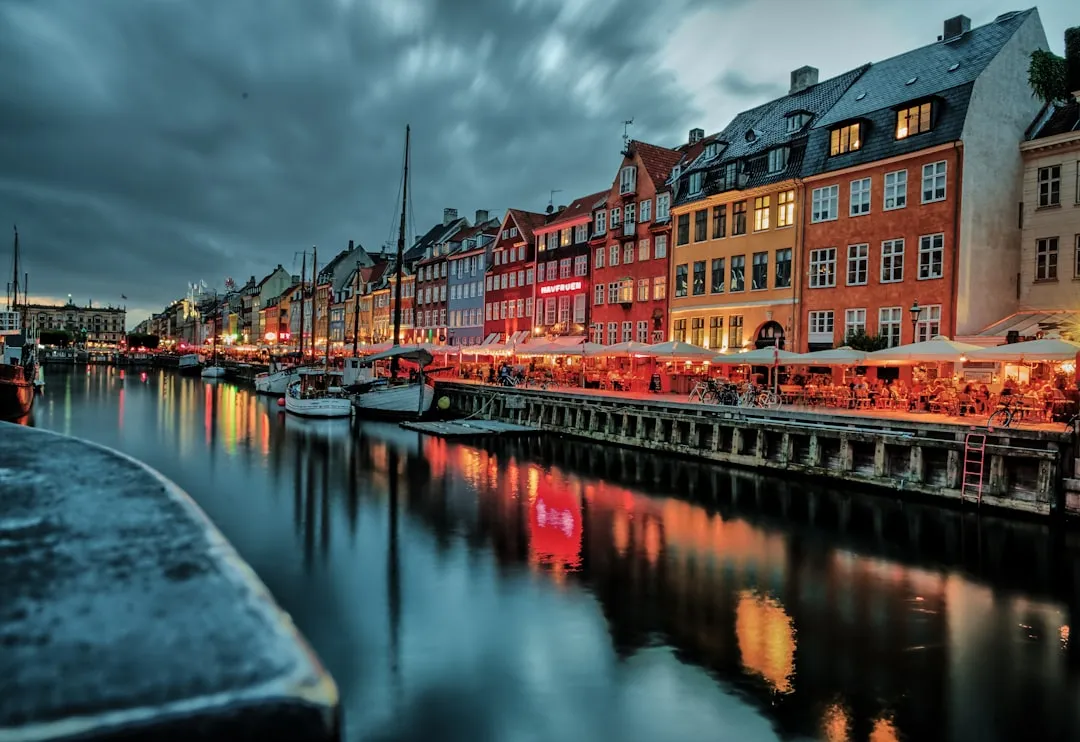
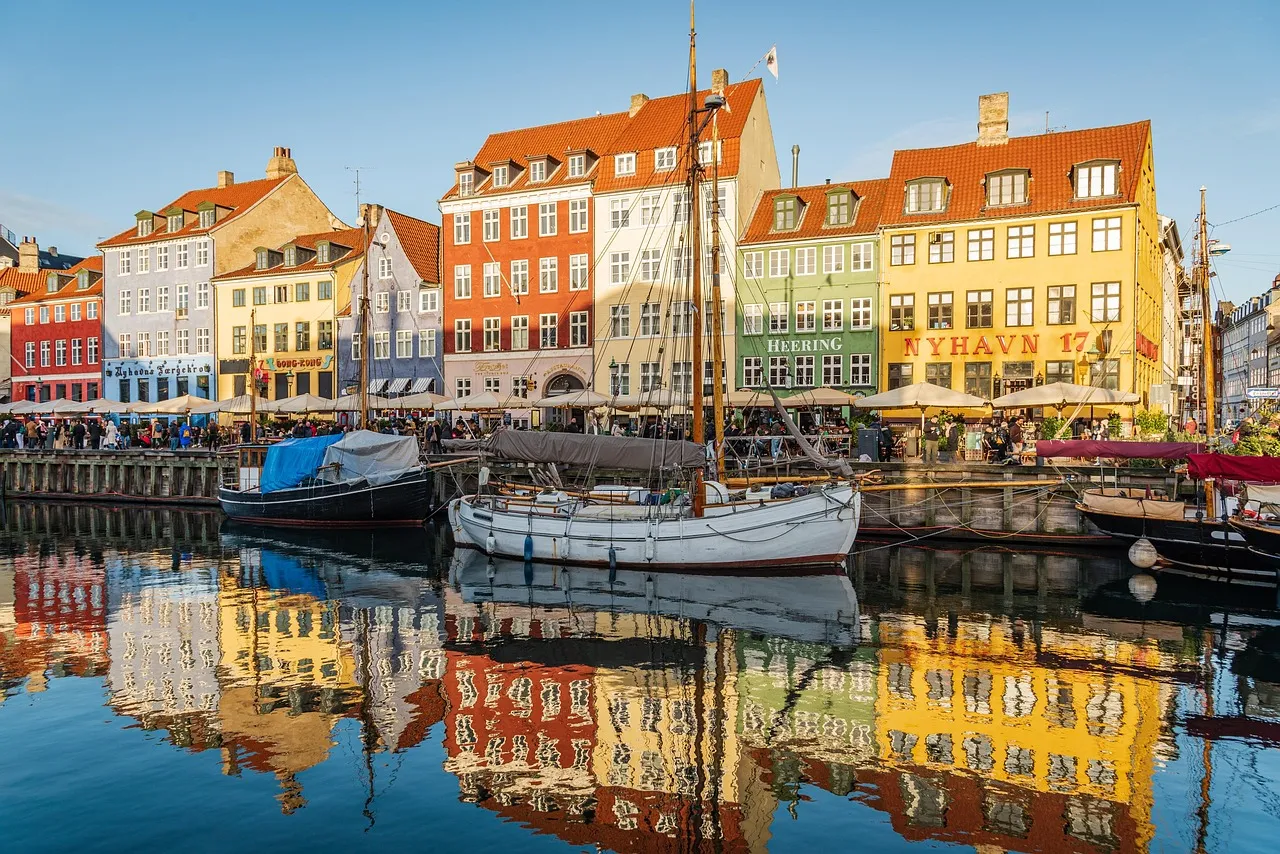
The inner harbour features some of the most iconic canals, and Nyhavn sits at the top of that list, its colourful facades one of the most recognized waterfront images in northern Europe. Historically, Nyhavn was a hub for sailors, merchants, and pleasure-seekers. Hans Christian Andersen, the famous Danish author, lived in several houses along the harbor, including number 20, where he wrote some of his most beloved fairy tales.
The restaurants and bars on the sunny north side fill up by noon on any warm day. The south side is shadier, less crowded, and often cheaper. Locals tend to know exactly which side to claim. Today, it is teeming with life, attracting both locals and tourists who come to enjoy its lively atmosphere, waterfront restaurants, and historical charm.
The harbor serves as a perfect starting point to explore many of the city’s other famous attractions. Canal tours depart from here regularly, and harbour buses stop nearby, making it one of the most connected points on the entire waterfront. The atmosphere is genuine, even when it’s busy.
2. Islands Brygge: Where the City Goes to Swim
Islands Brygge is the city’s most popular jumping platform and Copenhagen’s oldest harbour bath, with 1m, 3m, and 5m platforms. On a warm June afternoon, it reads like the most democratic square in the city: children, office workers, retired couples, and curious travelers all sharing the same wooden decks.
While Amager Beach Park offers 4.6 kilometres of white sand beach, Islands Brygge Harbour Bath has five basins. That range means swimmers of very different abilities can share the same space without crowding the same lane. The Copenhagen beaches and harbour pools are all part of the city’s social scene. In summer, you’ll see plenty of smiling Danes enjoying the sunshine as they lounge, picnic, or even party by the canals or harbour.
In the heart of the Islands Brygge neighbourhood, you’ll find the award-winning Andersen Bakery. Stop by to bite into a tasty pastry. After a swim, that combination of fresh bread and harbor air is hard to improve upon. Islands Brygge quietly earns its reputation every single summer.
3. Christianshavn: The Canal Neighborhood That Locals Claim as Their Own
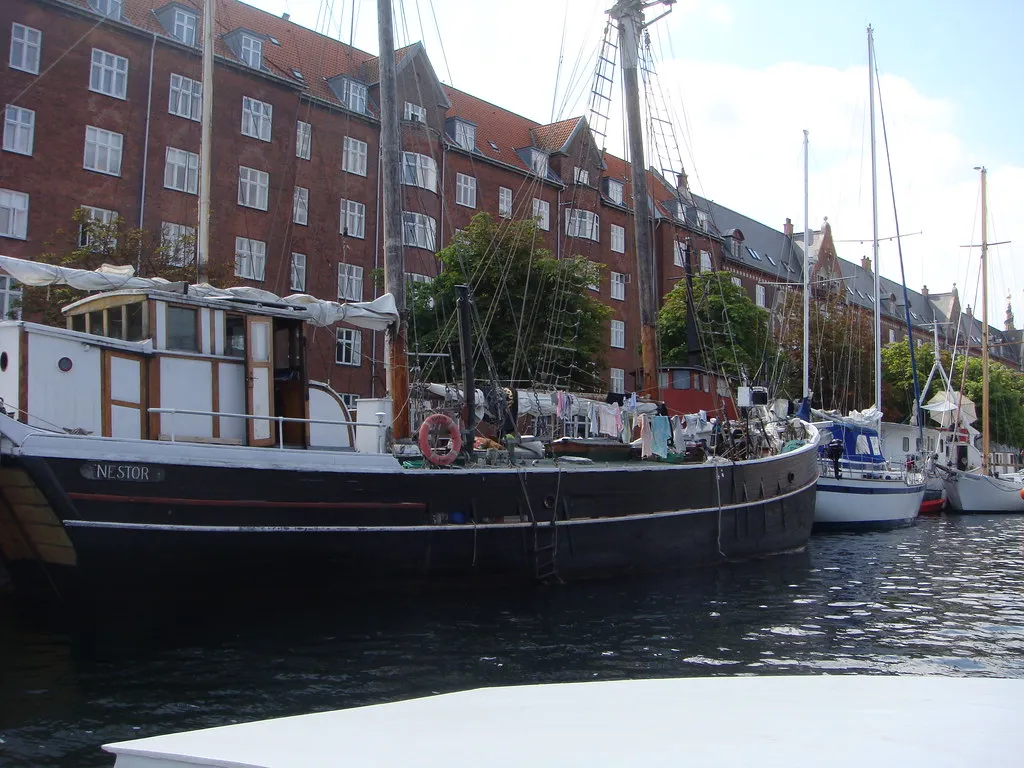
The Dutch-inspired harbour canals of Christianshavn are among the most iconic waterways in the inner harbour. The district has a character that feels distinct from the rest of the city, slightly quieter, more residential, with houseboats moored along the banks and cyclists gliding across the bridges at a pace that suggests no particular rush.
Embracing the true Copenhagen spirit means joining locals in the city’s historic canals. The “harbour baths” along Christianshavn and beyond invite swimmers to plunge into the fresh waters, surrounded by the city’s architectural marvels and maritime history. Another popular spot for swimming in Copenhagen is Krøyers Plads. Once spring arrives in the Danish capital, this inner city spot is thronged with visitors on a daily basis until the autumn chill sets in. Located by the canal, jumping or diving from the decking leads to shrieks of surprised delight as each swimmer hits the water.
The added bonus is the incredible view over the pastel-toned buildings of Nyhavn, plus the Inderhavnsbroen bridge, which lifts periodically to allow vessels to pass beneath. Krøyers Plads is popular with the city’s young working population and is thus the ideal spot for some people-watching. Nearby food courts and restaurants also make this a locale to linger in.
4. Nordhavn: The Harbor That’s Still Becoming Itself
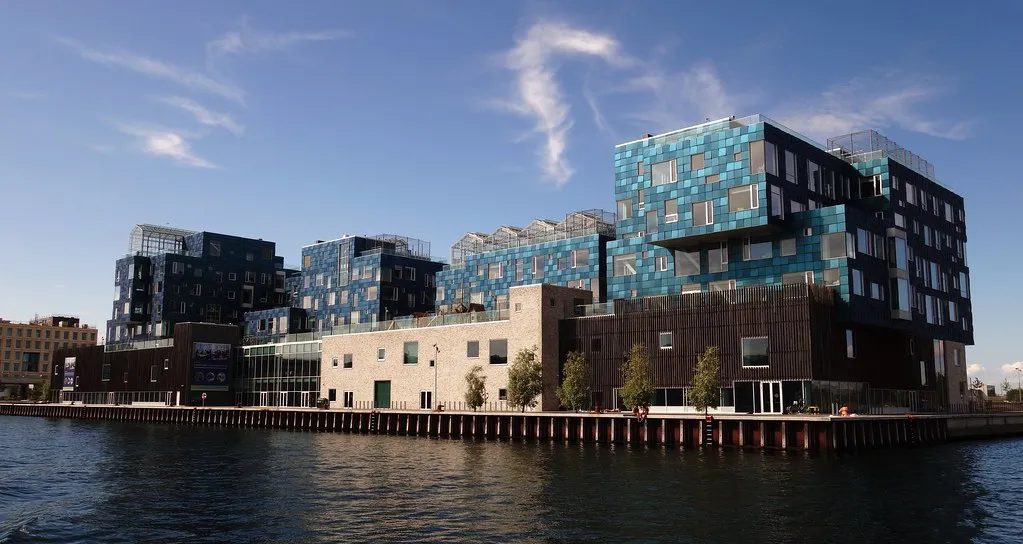
From new developments to the extensive transformation of old buildings and silos, Nordhavn, the northern harbour, has a sustainable footprint and both a new metro and harbour bus stop making it easy to access. It’s a neighborhood in genuine transition, which gives it an energy that older, more established harbor districts can’t quite replicate.
The M4 metro entered service in 2020 between the Central Station and Orientkaj, adding a branch towards Nordhavn, the former industrial port being transformed into a major new residential and business district. That direct metro link has made the area far more accessible for both residents and visitors exploring beyond the central waterfront. Nordhavn Harbour Bath is located in the newer Nordhavn district to the north of the city centre and is a good option in summer when Islands Brygge gets crowded.
What draws people here isn’t nostalgia but possibility. Converted warehouses sit beside modern apartment blocks, and the waterfront promenade still feels like it belongs to the people who discovered it early. Spot the development happening around Nordhavn, the northern harbour, which has a sustainable footprint that increasingly defines how Copenhagen thinks about its urban future.
5. Sydhavn: The South Harbor Finding Its Footing
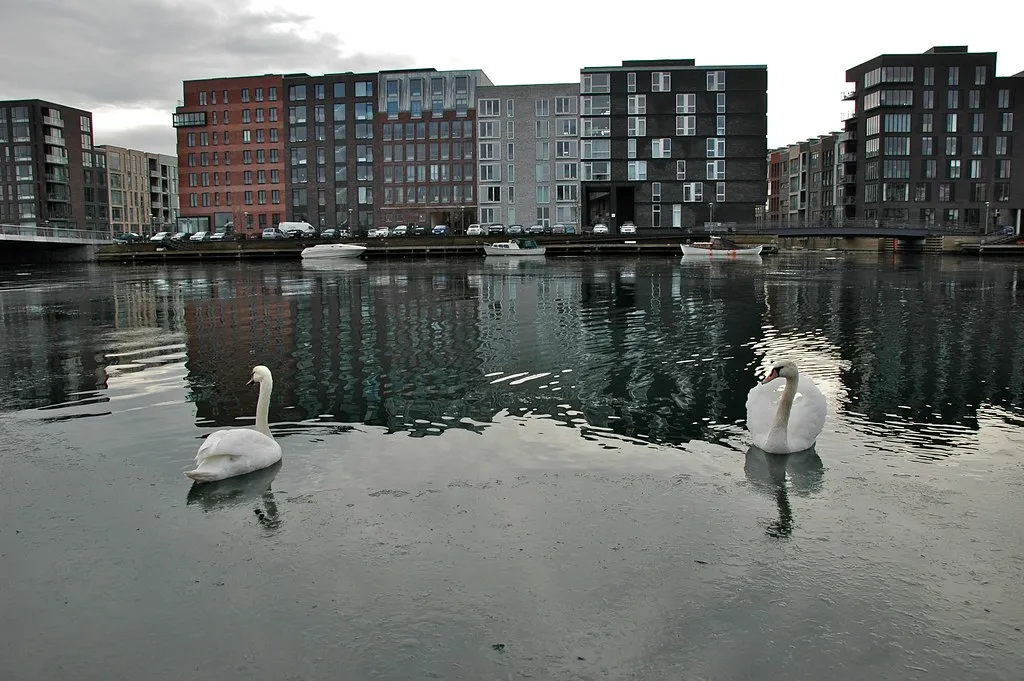
Sydhavn used to be focused on heavy industry and container ships. Now, it is a booming residential area with canals in the district of Sluseholmen, and innovative use of old buildings, such as the Gemini Residence, with silos converted into modern apartments. Few transformations in Copenhagen’s recent history have been this dramatic or this liveable.
In June 2024, five more metro stations opened in Sydhavn: Havneholmen, Enghave Brygge, Sluseholmen, Mozarts Plads, and København Syd. The opening was inaugurated by King Frederik X. That infrastructure investment changed everything for the area, bringing foot traffic and community life where industrial quiet once dominated. Sydhavnen, the southernmost part of the waterfront, has gotten a significant boost in the past years.
Café Slusen is a café in cosy surroundings out by the harbour lock in the South harbour neighbourhood, where you can get delicious food and cold beverages at the water’s edge. It’s the kind of spot that anchors a neighborhood, where regulars show up on weekday mornings and curious visitors stumble in on weekends and both feel equally welcome.
The Harbour Circle: Connecting All Five
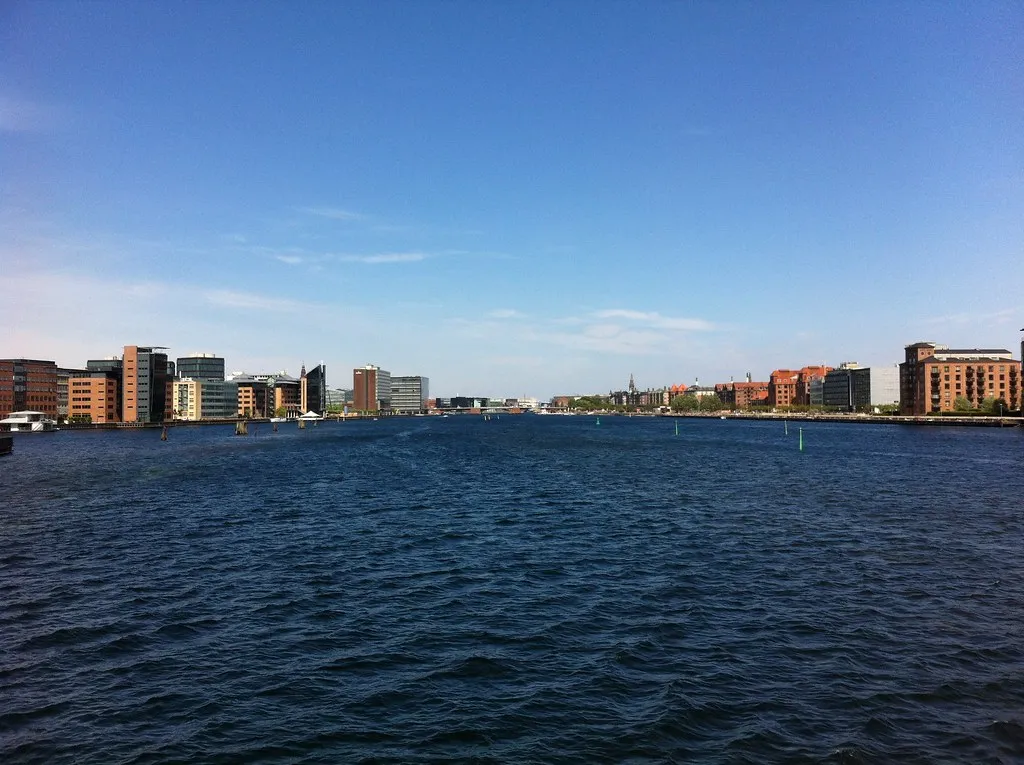
The Harbour Circle is the ultimate Copenhagen harbourside walk, a 13-kilometre-long walking and cycle path that runs from major sights at Nyhavn to the quiet backwaters of Christianshavn and Sydhavn. It links all the major harbor areas into a single continuous route, which means you can move between every entry on this list without once stepping inside a car or a tour bus.
One route you can’t miss is the Harbour Circle. Locals ride it in the evening during summer, when the harbour lights come on and the city feels alive without the heavy crowds. The 13 km circular route loops the Copenhagen harbor and connects waterfront sights with some of the best neighbourhoods. The route is flat with separated bike lanes, so it’s wonderful for visitors.
What the Harbour Circle reveals, perhaps more than anything, is how deliberately Copenhagen has oriented itself toward its waterfront. This isn’t a city that turned its back on the water and then tried to reclaim it aesthetically. It’s a city that cleaned it, opened it, and built an entire way of life around it.
A City That Actually Swims in Its Harbor
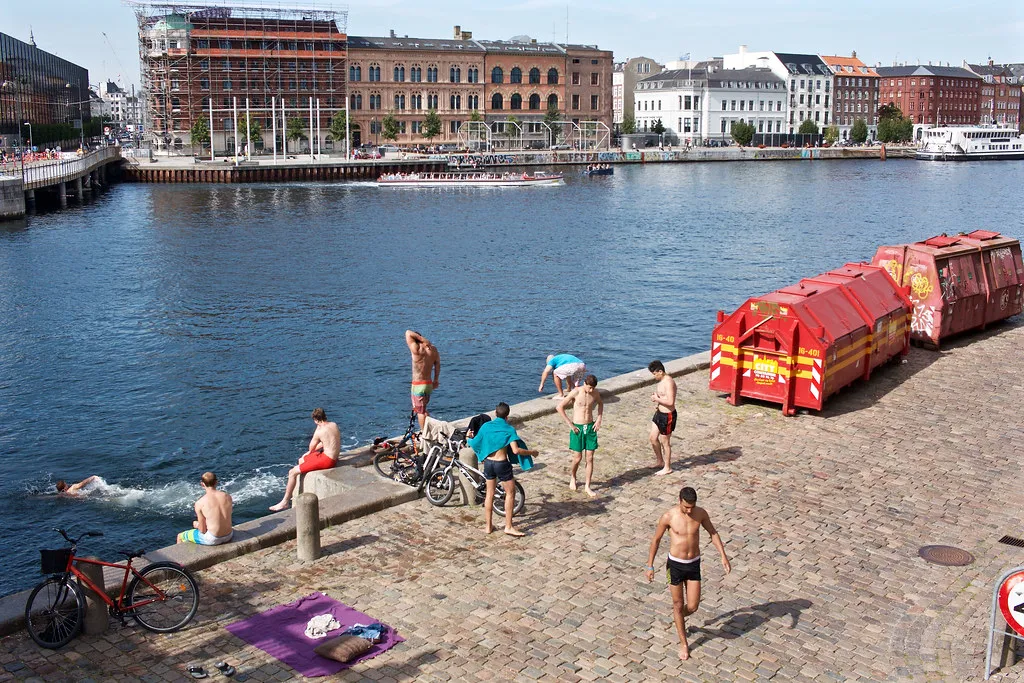
One of the questions visitors ask most often, and the one that surprises people most when they hear the answer, is whether swimming in Copenhagen canals is actually permitted. It is. Not only permitted, but encouraged. The inner harbour was, until the late 1980s, too polluted to swim in.
Copenhagen’s success in reopening swimming followed environmental clean-up efforts, and the Danish capital has become a model for the Swimmable Cities movement, which advocates for clean waterways and urban swimming access worldwide. The water quality at the harbour baths is monitored by city authorities. To ensure safety, swimmers are advised not to swim if there’s a red flag flying.
In 2024, more than 4,500 swimmers dove into the canal as part of the TrygFonden Copenhagen Swim, the largest number of participants ever recorded for Denmark’s biggest open-water swimming event. That figure says a great deal about how the relationship between Copenhageners and their harbor has evolved. It’s no longer just scenic; it’s participatory.
Cold Water Culture and the Swimming Clubs

Many Copenhagen residents are members of cold-water swimming groups, with some clubs meeting as early as 6:15 a.m., no matter the weather. Some clubs, like the Copenhagen Dip Club, run by a local swimwear brand, welcome visitors. This is one of those aspects of Copenhagen life that sounds extreme until you’re standing on the dock at dawn and suddenly it makes complete sense.
Making like the locals means getting in early to avoid the crowds, or taking a lunchtime dip to see the city’s office workers diving in for an invigorating swim during their lunch break. Even when the water temperature is below 5°C, you’re bound to spot a hardy soul or two plunging in. Cold-water swimming in Copenhagen isn’t an eccentric subculture. It’s practically mainstream.
On the Water: Kayaks, Harbour Buses, and SUP Boards

Several operators around the harbour rent kayaks by the hour or half-day, with options around Nyhavn, Christianshavn, and the Islands Brygge area. Most rentals include a safety briefing and a map. SUP boards are also widely available. Getting on the water yourself changes the perspective entirely. The city looks different from the surface of the harbor than it does from any bridge or promenade.
The harbour buses connect Nordre Toldbod in the north, close to the Little Mermaid, with stops including Nyhavn, Knippelsbro near Christianshavn, and Islands Brygge further south. To discover the harbour from the water without the cost of a dedicated tour, simply hop on a harbour bus with a standard travel card. It’s one of the most practical and underused tips for anyone visiting the city for the first time.
What Makes Copenhagen’s Harbour Different
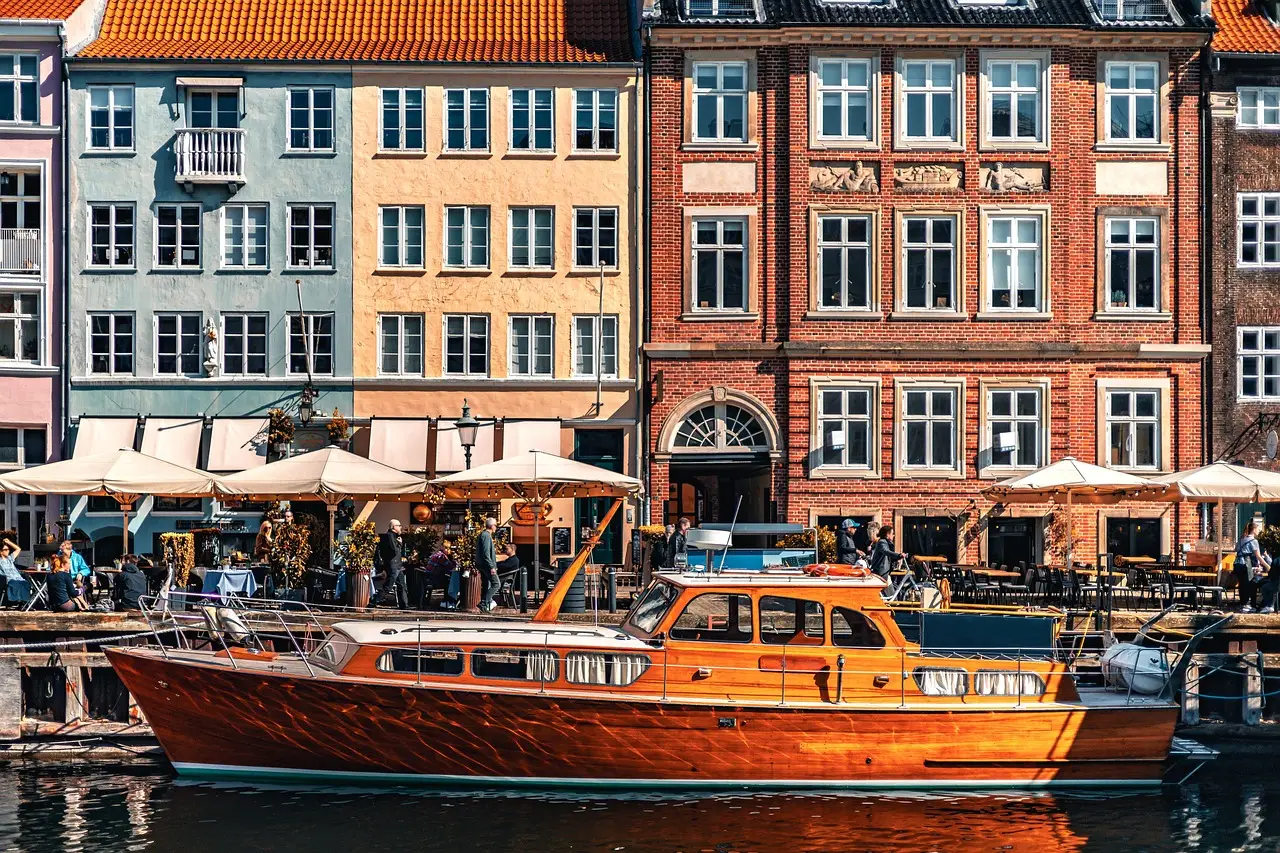
Copenhagen earned the top spot on the Global Liveability Index in 2025 as the world’s most liveable city, with historic streets and sustainable living cited as key factors. The harbor is central to that story. A waterfront that’s swimmable, walkable, cyclable, and genuinely social isn’t a given in any European capital; it’s the result of sustained, deliberate choices over decades.
In summer, clean harbor baths, Nordic beaches, and swimmable canals meet coastal nature, culture, gastronomy, and seaside stays. That combination of access and quality is what makes Copenhagen’s harbor experience feel less like tourism and more like participation. It doesn’t take much more than a few rays of sunshine before Copenhagen’s waterfront is filled with renewed energy and joyful faces.
A Final Note on Shared Space
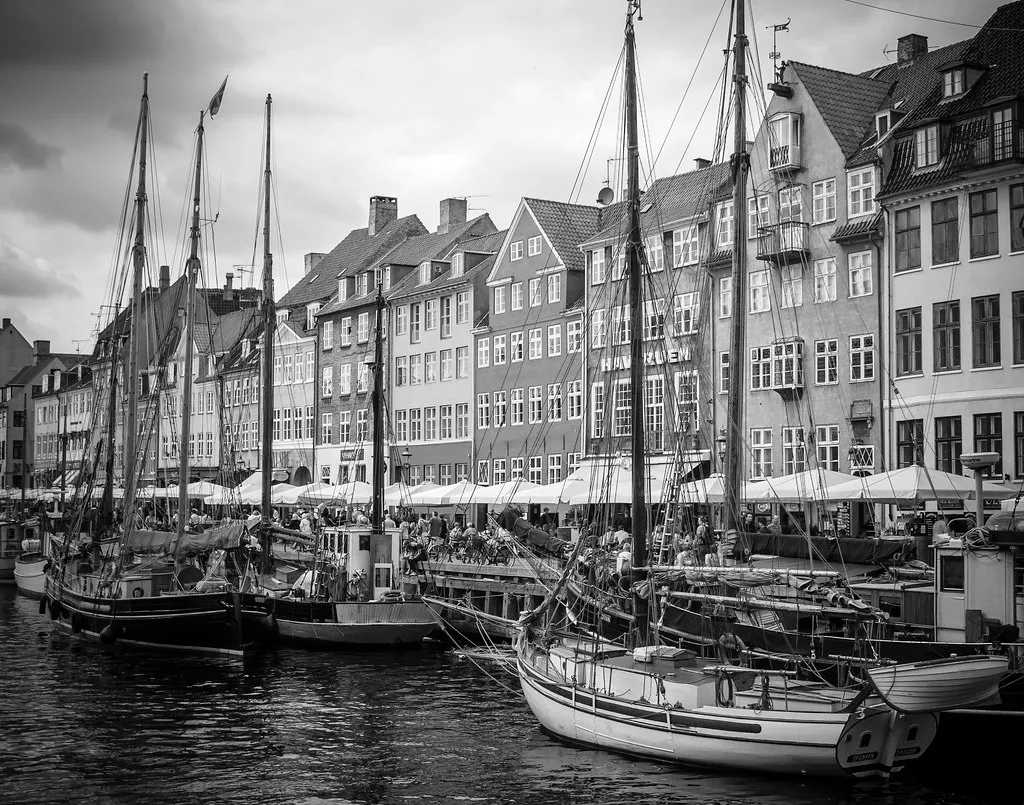
There’s something worth sitting with in the way Copenhagen manages its waterfront. These aren’t curated visitor zones cordoned off from real life. They’re functioning neighborhoods, working ferries, and genuine daily swimming spots that happen to be open to everyone. The harbor belongs to the city, and the city happens to be very good at sharing.
What makes the five harbors in this guide worth your time isn’t a ranked list of must-sees. It’s the understanding that the best version of each one is found when you slow down, follow the locals to whichever dock they’ve claimed that day, and let the rhythm of the water set the pace for the afternoon.
AI Disclaimer: This article was created with the assistance of AI tools and reviewed by a human editor.