
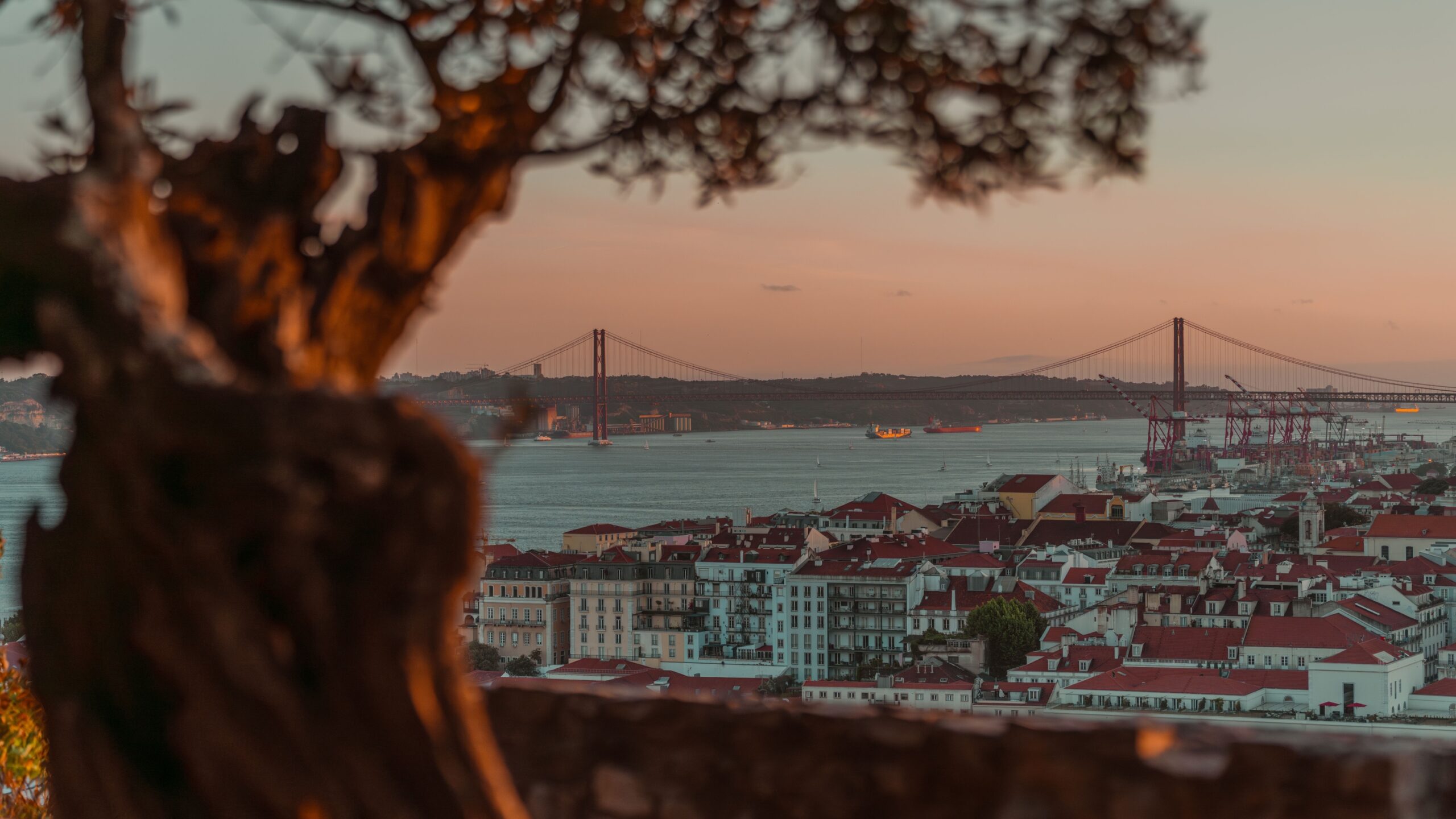

Lisbon doesn’t give itself up easily, and that’s exactly what makes it so rewarding. Spread across seven hills facing the Tagus River, the city offers a network of terraces from which to contemplate its beauty. The locals have a word for these hilltop perches: miradouros. They’re not just scenic stops; they’re the city’s breathing points, where the tangled streets below suddenly make sense.
In 2024, Lisbon welcomed a total of 8.52 million visitors, of which 6.54 million were international tourists, representing a 5.1% increase over the previous year. With that many people arriving, the city’s viewpoints have become a meeting ground between the curious and the deeply settled. These are six of the miradouros that genuinely reward the effort of finding them.
1. Miradouro de Santa Luzia: Tiles, Bougainvillea, and the River Below
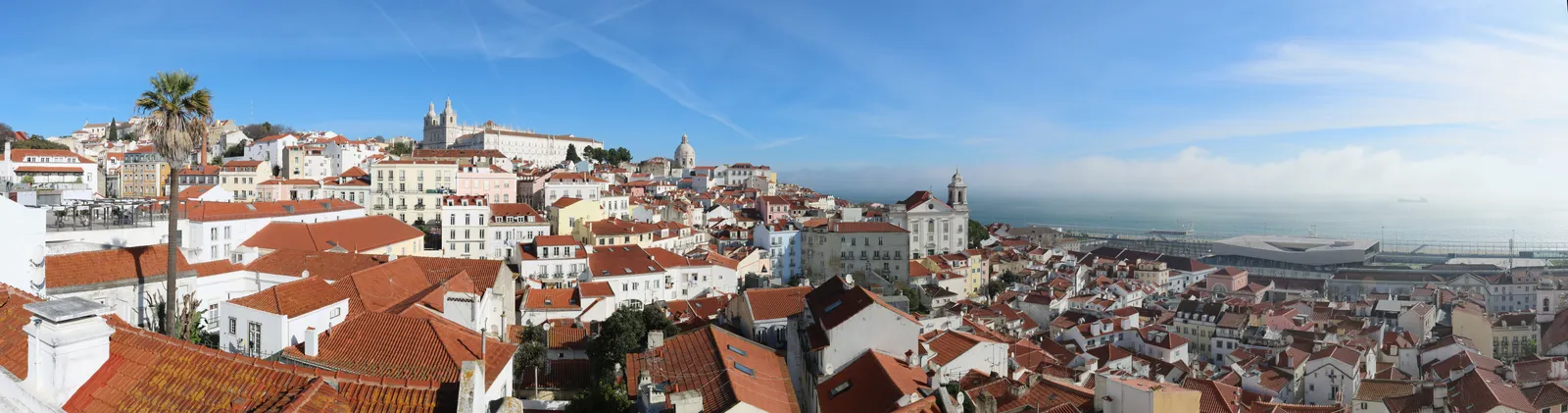
Miradouro de Santa Luzia is situated in the Alfama district, which is the oldest part of Lisbon, just up the hill from Lisbon Cathedral and down the hill from São Jorge Castle. It’s a layered, unhurried place that feels more like a garden terrace than a typical lookout point.
More than just a scenic vista, it is a landscaped terrace nestled beside the Church of Santa Luzia, featuring a pergola, decorative azulejo tile panels, and a small reflecting pool on a lower level. The tile panels, created by António Quaresma, show what Praça do Comércio looked like before the great earthquake and depict the taking of the castle from the Moors.
The miradouro is a vibrant hub often filled with local character, where it is common to find artists capturing the scenic beauty on canvas or musicians serenading visitors. The distinctive ring of Lisbon’s iconic Tram 28, which passes directly by the church, adds to the authentic ambiance.
2. Miradouro das Portas do Sol: The Gate of the Sun, Open to Everyone
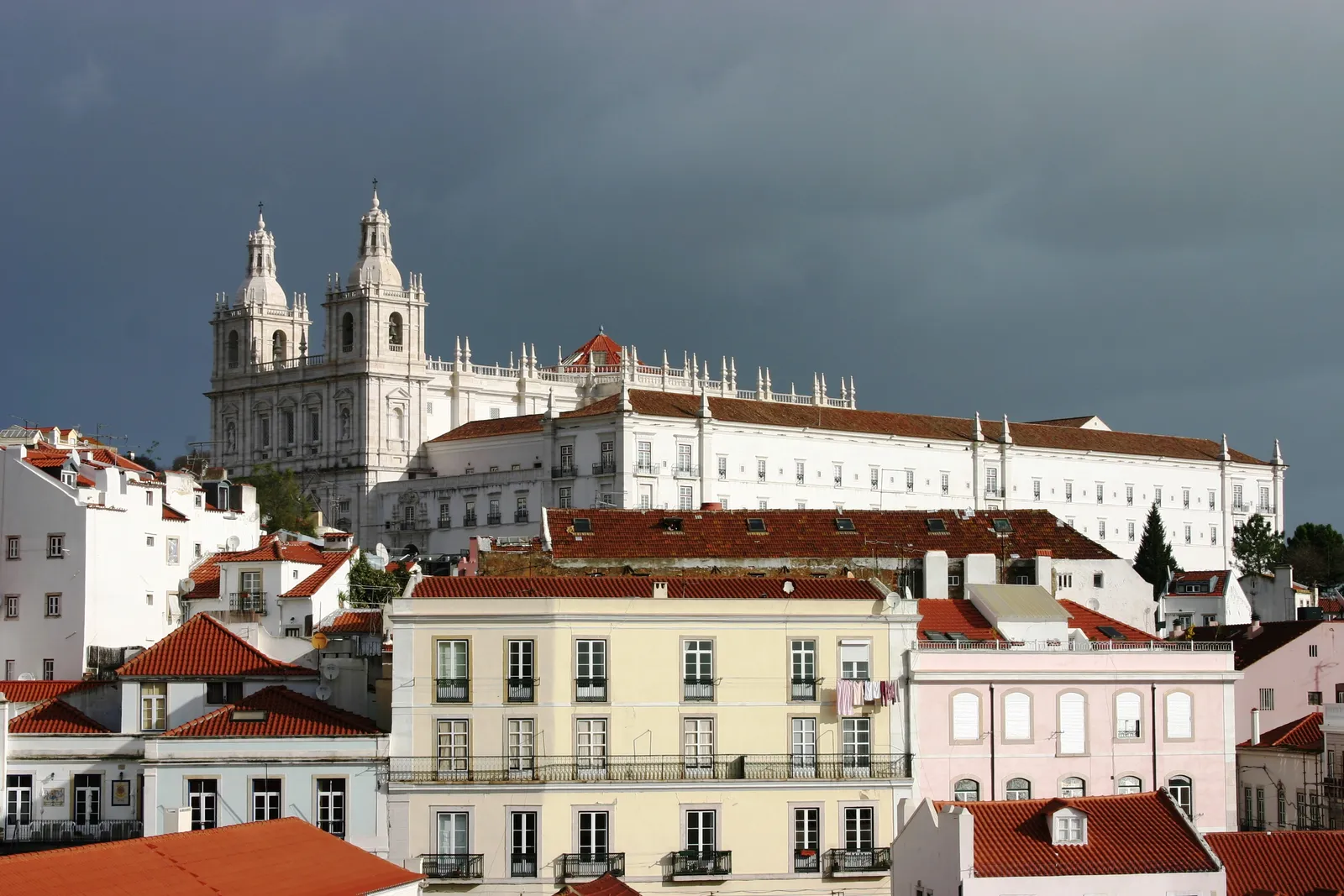
Miradouro das Portas do Sol, meaning “Gate of the Sun,” sits in the Alfama neighborhood, just around the corner from Santa Luzia. The name has an almost mythological quality, and the view it frames does a reasonable job of living up to it.
Just across from the tram stop, an open square holds a statue of St. Vincent, Lisbon’s patron saint, holding a ship adorned with two crows, the symbol of Lisbon. From the balcony, you can enjoy views of eastern Alfama, including the twin domes of Igreja de São Vicente de Fora and the grand dome of the National Pantheon set among red-tiled rooftops.
The view is similar to Santa Luzia’s but unobstructed by any pergola, and the platform is considerably larger, giving more space to take in the scene without feeling hemmed in. It’s a natural stopping point, and most visitors end up lingering far longer than they’d planned.
3. Miradouro de São Pedro de Alcântara: Bairro Alto’s Cultural Living Room
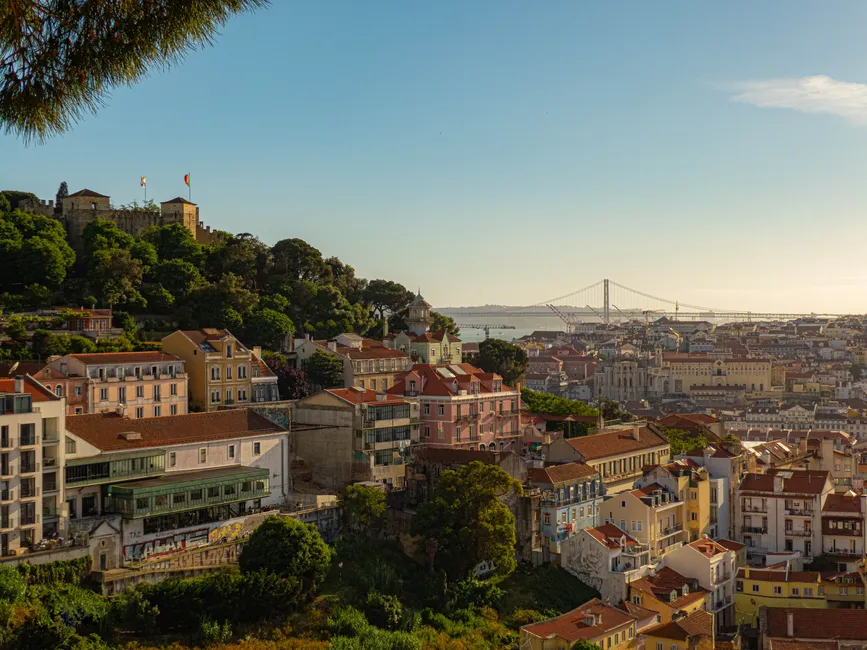
This elegant terrace in Bairro Alto combines city views with a landscaped garden and traditional azulejo maps that help you spot landmarks across the rooftops. It has a genuinely sociable atmosphere, especially in the late afternoon when the light softens over the castle.
Located in the Bairro Alto district, the large terrace offers a beautiful view over central Lisbon, including the Castle of São Jorge and the Baixa district. Beyond the view, São Pedro de Alcântara is also a hub for performers and artists, from musicians to painters and artisan jewelers, and often features pop-up vendors serving drinks and light food.
From this miradouro you have a panoramic view of Baixa, the lower city, with Castelo de São Jorge in the background, as well as a good view of the north side of the city toward Marquês de Pombal. The garden terracing means you can wander between levels, finding a quieter corner if the main terrace gets busy.
4. Miradouro da Graça: The View the Postcards Couldn’t Quite Capture
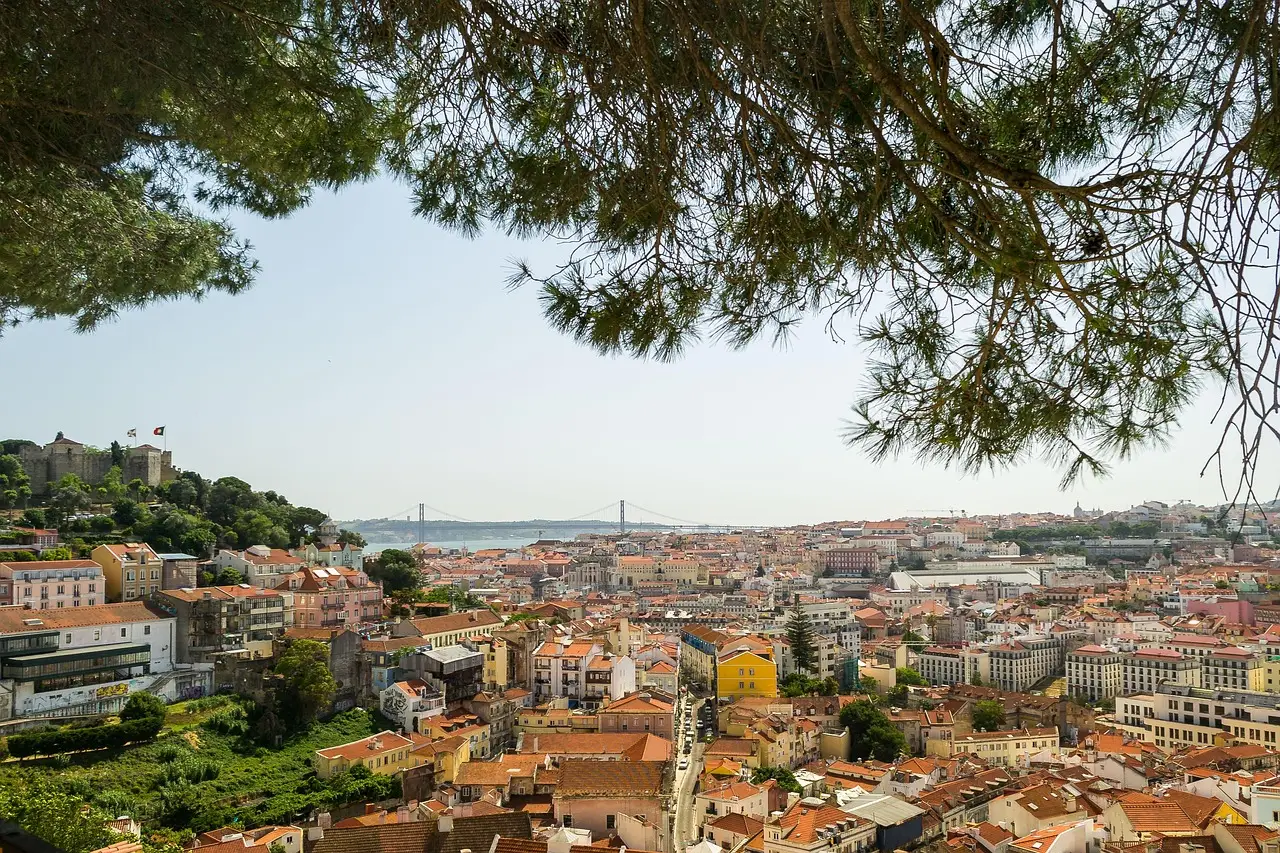
Miradouro da Graça is a spectacular viewpoint offering sights of Lisbon’s colorful buildings, the 25 de Abril Bridge, and São Jorge Castle. It is located on the highest hill in the Graça neighborhood, giving it an impressive sweeping view of the city.
It is where residents meet friends, share a coffee, and admire the setting sun. Some miradouros are busy and social with kiosks and live music, while others are just a quiet bench with nobody else around. Graça sits comfortably in the first category, particularly on warm evenings.
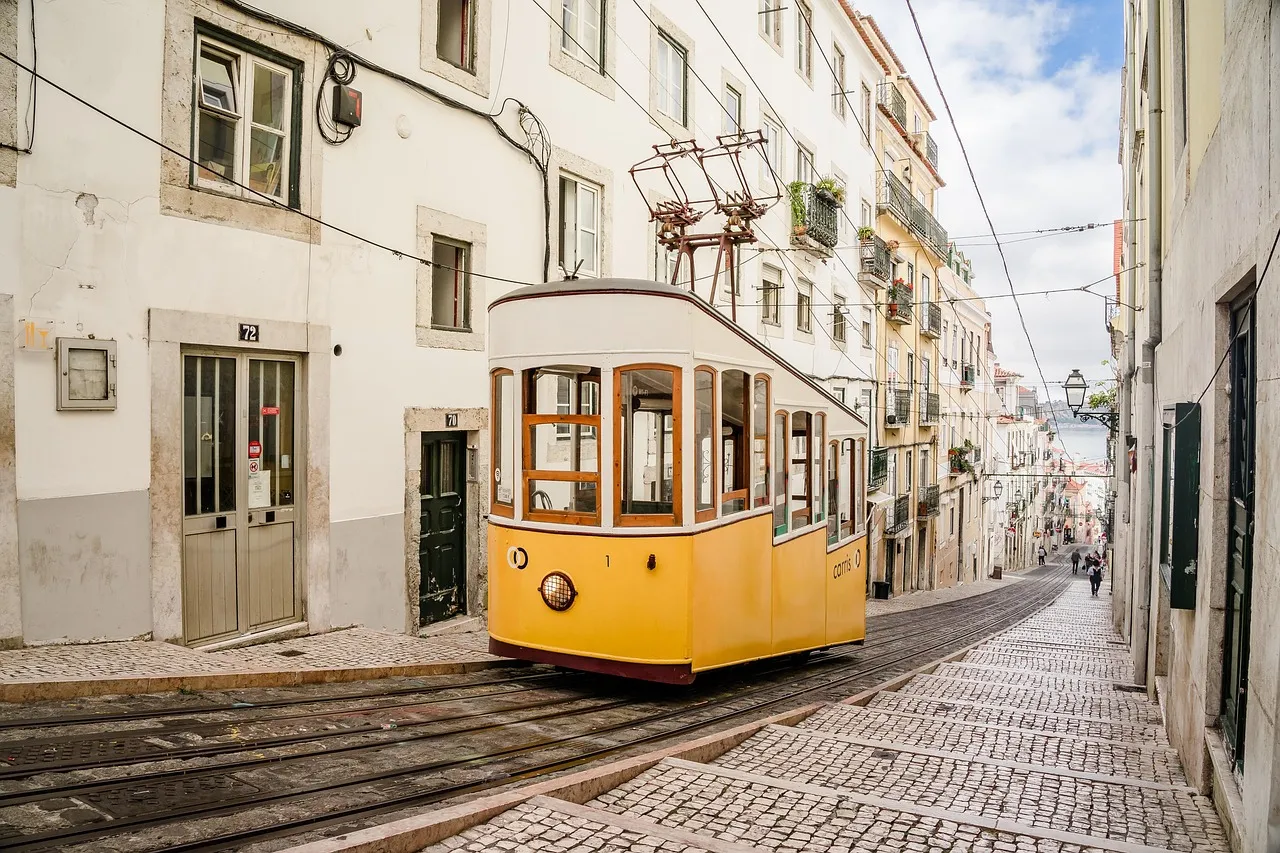
It’s a steep hike to reach, so taking Tram 28 is highly recommended. That tram ride itself, weaving through the city’s tight medieval lanes, is an experience worth having before you even reach the top.
5. Miradouro da Nossa Senhora do Monte: Lisbon’s Highest Vantage Point
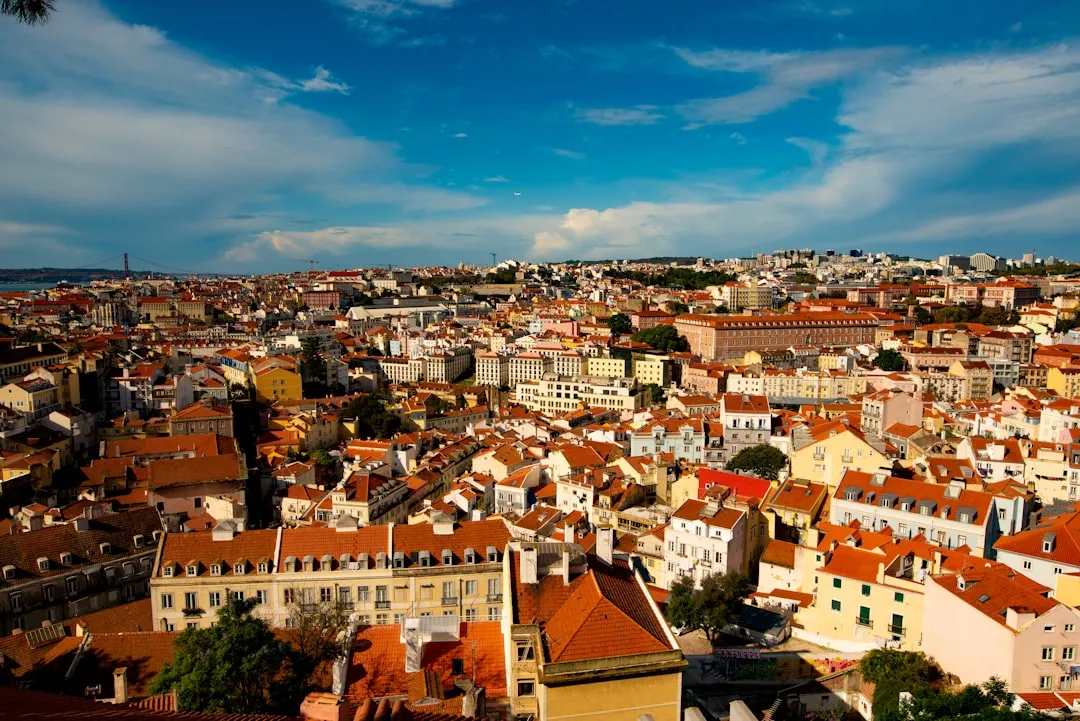
Miradouro da Nossa Senhora do Monte is one of the most famous viewpoints in the city, sitting at the highest point of Lisbon and offering the finest panoramic view, including a wonderful perspective of the castle and central Lisbon. A social kiosk makes it popular for friends to meet up and watch the sunset. It is well worth the walk up from Alfama.
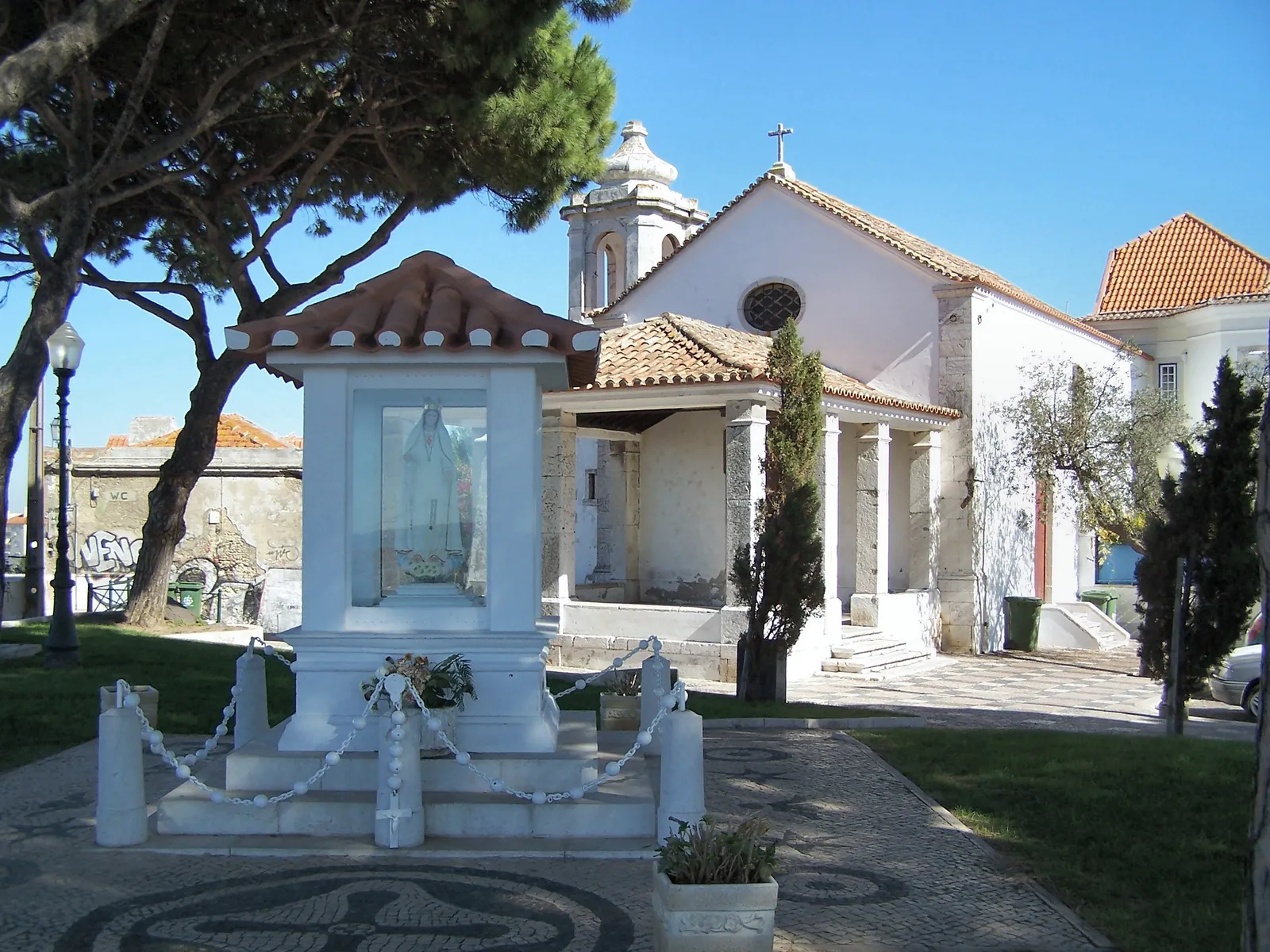
The miradouro sits at the highest point in Graça, offering sweeping views of the city and the 25 de Abril Bridge. It is located right next to a small chapel, and features a rounded terrace that frames the cityscape almost cinematically.
Situated in the Graça neighborhood, it is a very popular stop on tuk-tuk and walking tours and a frequented spot for incredible sunset views. Going early in the morning, before the tour groups arrive, reveals a completely different side of it, quiet and genuinely meditative.
6. Miradouro do Parque Eduardo VII: A Calmer Perspective from the North
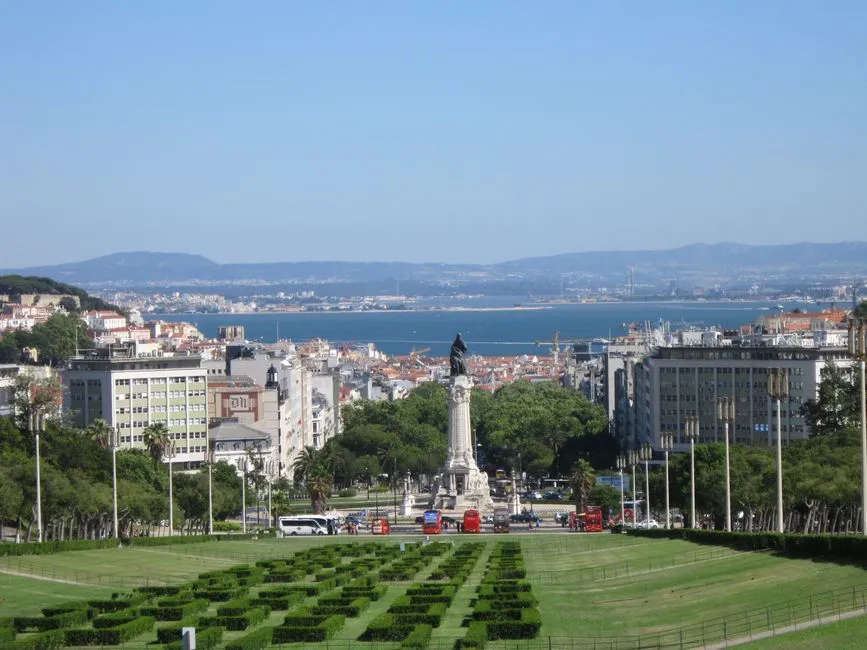
At the top of Parque Eduardo VII, the view looks all the way down into Baixa. It may not be the highest viewpoint, nor the most dramatic, but it makes up for this with greenery and open space. The park itself is one of the city’s most generous public spaces, stretching downhill from the viewpoint toward the Pombaline grid below.
From the top of this park, you can see all the way down Avenida da Liberdade toward the river in the distance. The long, clean sightline gives the city a sense of coherence that the hillside viewpoints, beautiful as they are, can’t quite offer in the same way.
Parque Eduardo VII is one of the largest green spaces in Lisbon and often hosts events including book fairs and the Wonderland Lisboa festival during the winter holiday season. Coming here on a quiet weekday morning, when it’s mostly dog walkers and joggers, feels like a genuine taste of everyday Lisbon life.
The Best Time to Visit Lisbon’s Miradouros
Spring, from March to May, is widely considered the best time to visit Lisbon, thanks to its mild temperatures, blooming gardens, and fewer tourists than the summer months. At the miradouros, this timing matters. Crowds at the most popular spots can be significant in July and August.
Arriving early to enjoy the soft morning light before the crowds gather is a practical strategy, especially at viewpoints in Alfama. The rooftops in early light have a warmth and stillness that midday simply can’t replicate. Sunset visits carry their own appeal, but require patience and ideally an early claim on a spot.
Getting There: On Foot, By Tram, or Happily Confused
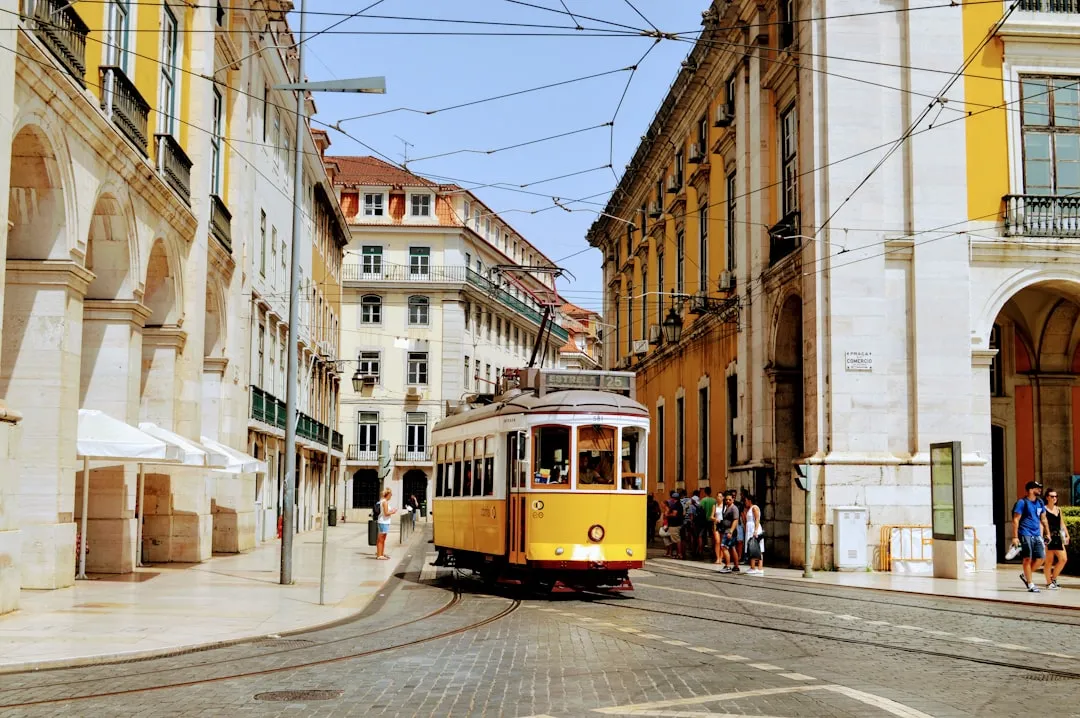
The miradouros are usually located at the highest points of each hill, and all have spaces to sit and rest. Most are reachable on foot, though Lisbon’s topography has a way of turning a five-minute walk on a map into a fifteen-minute climb in practice.
Trams 12 and 28 stop at several key viewpoints, though it’s actually faster to walk from Baixa, following the tram tracks, which takes just five minutes up the hill from the cathedral. The miradouros are freely accessible, and while there is often a small café or restaurant nearby, there is no obligation to stop.
What Visitors Are Finding: Lisbon’s Miradouros in 2025 and 2026
Lisbon was voted Europe’s Leading City Break Destination at the 2024 World Travel Awards, beating out favorites like Paris, Athens, and Venice. That recognition has translated into real visitor numbers, and the miradouros have absorbed much of that growth.
In 2024, the foreign country with the most guests in Greater Lisbon was the United States, with over 870,000 guests, followed by Spain with almost 451,000 and Brazil with 399,000 guests. With visitors arriving from such diverse backgrounds, the miradouros function as a kind of democratic space where no special access or ticket is required.
You’ll discover many viewpoints by chance as you wander around the narrow streets and staircases that often frame staggering vistas. That accidental quality is, quietly, the whole point.
Miradouros as a Way of Life, Not Just a Photo Stop
Having lived closely with these spaces, many observers have come to see the miradouros as simply part of daily life, places where residents meet friends, drink a coffee, and later admire the setting sun. That sense of belonging to the city rather than just overlooking it makes a real difference to how these spots feel.
Taking time to relax and contemplate is one of Lisbon’s core pleasures and part of what makes it such a seductive, enduring city. The miradouros encode that value in stone and tile. There is no rush implied by any of them.
Final Thoughts
What’s easy to miss in a list like this is that none of these viewpoints are really about the view alone. Some are busy and social with kiosks and live music, while others are just a quiet bench with nobody else around. Each one frames a different piece of the city, from Alfama’s tiled rooftops to the suspension bridge and the wide Tagus.
The real reward comes from not planning too rigidly. Take a tram in the rough direction of one of them, get a little turned around in the uphill lanes, and eventually arrive somewhere unexpected with a view that opens the city wide. That’s the miradouro experience at its most honest. Lisbon, it turns out, reveals itself best to those willing to wander.
AI Disclaimer: This article was created with the assistance of AI tools and reviewed by a human editor.