
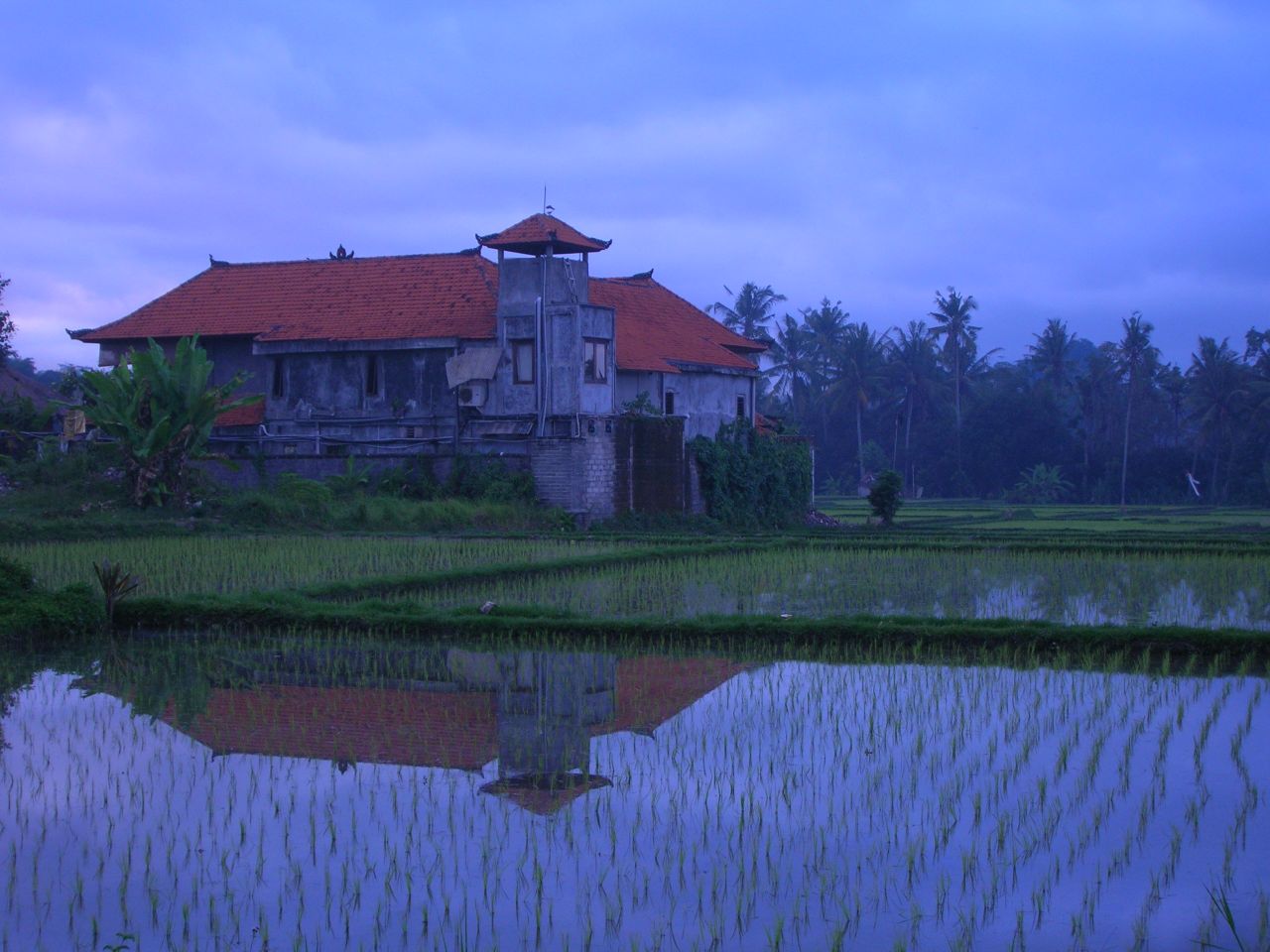

There’s a particular kind of quiet that settles over Bali’s highlands just before the sun appears. The air sits cool and still, the mist rolls low through the valley, and slowly, the emerald steps of a rice terrace begin to glow. It’s a scene that travel photography barely does justice to.
Bali’s rice fields are not just scenic backdrops. They are living, working landscapes shaped by one of the oldest cooperative irrigation systems in the world. At dawn, before the crowds arrive and the heat builds, they’re something else entirely. These five terraces are worth setting the alarm for.
1. Tegalalang Rice Terrace, Ubud: The Iconic One
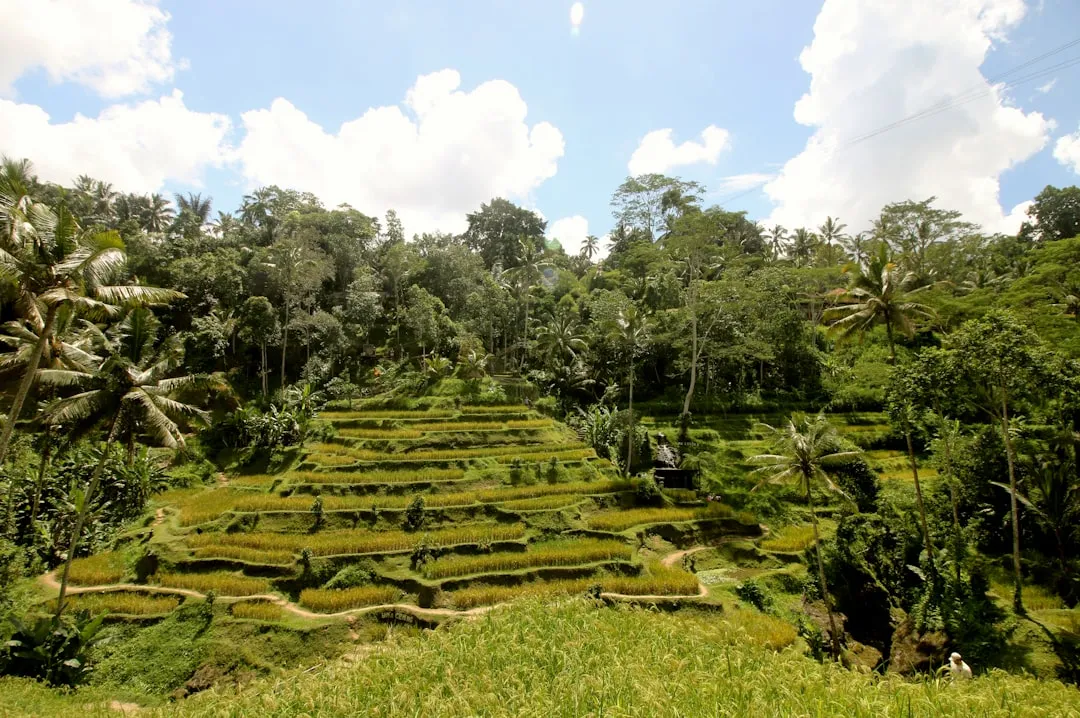
Maintained by local farmers for over a thousand years, Tegalalang Rice Terrace features three primary levels of stepped paddies carved into a valley at around 600 meters above sea level. In 2012, UNESCO designated the terraces as a World Heritage Site as part of the Cultural Landscape of Bali Province. That recognition is well-earned.
Just north of Ubud, the Tegalalang Rice Terraces provide a classic Bali sunrise amid sculpted green hillsides. At daybreak, sunlight filters through coconut palms and glistens on the dew-covered rice paddies, creating a golden tapestry of textures. There’s a reason photographers have been waking up early for this view for decades.
The lush, layered rice fields are stunning in the early morning light, and it’s one of those places that captures the charm of Ubud in a single glance. To see the fields at their greenest, visit in March, August, or September. Arriving before 7 AM gives you the best light and significantly fewer people on the paths.
2. Jatiluwih Rice Terraces, Tabanan: The UNESCO Heavyweight
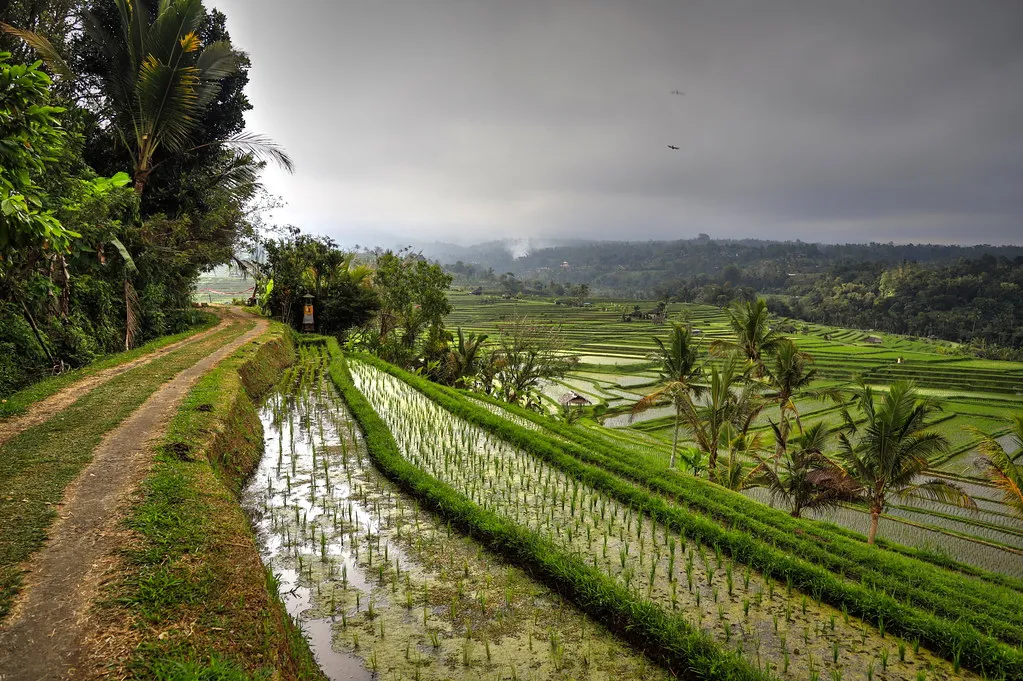
One and a half hours northwest of Ubud, at the foot of Mount Batukaru, the second-highest mountain on the island, you’ll find the incredible Jatiluwih Rice Terraces. Situated at a height of over 700 meters above sea level, Jatiluwih is a cool and calm place to escape the heat and crowds of the south.
Jatiluwih’s name comes from the Balinese words jati, meaning “real,” and luwih, meaning “excellent,” reflecting its reputation as one of the most beautiful and authentic rice terraces in Bali. Early mornings are especially tranquil, with mist veiling the valleys, cooler temperatures, and soft light illuminating the terraces – perfect for photography and peaceful walks.
Unlike other rice terraces, Jatiluwih remains relatively untouched by mass tourism, allowing visitors to connect with nature and witness traditional Balinese farming practices up close. As of early 2025, the entrance fee is around IDR 50,000 for international visitors, while children aged 12 and under can enter for IDR 20,000. For a place of this scale and serenity, that’s a meaningful bargain.
3. Sidemen Rice Terraces, East Bali: The Quiet Valley
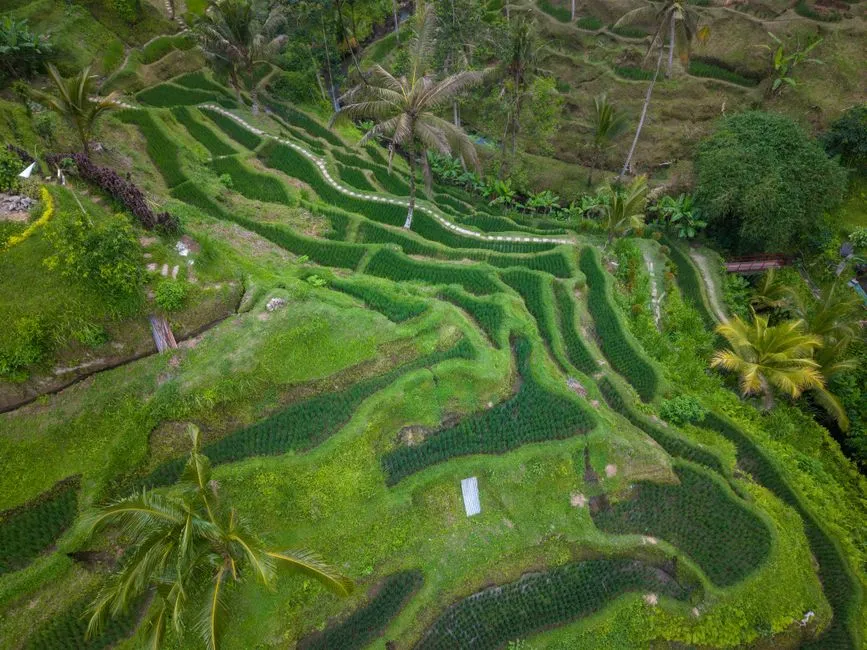
Sidemen is known for being significantly less crowded than popular spots like Tegalalang or Jatiluwih, offering a more authentic and peaceful experience. The valley sits in the eastern part of the island, where the light at sunrise hits differently, tracing long shadows along each stepped field.
Sidemen is particularly recommended for travelers who have already seen Tegalalang and want a deeper, more authentic connection with Bali’s agricultural heritage. Several excellent trekking routes explore the valley, ranging from easy one-hour walks along irrigation channels to challenging half-day hikes that climb to panoramic viewpoints.
Walking is the best way to explore the Sidemen Rice Terraces. The paths can be narrow and follow water channels, so sturdy footwear is recommended. Hiring a local guide can enrich the experience. Expect to pay around 25,000 IDR per person for access to the rice field tracks. It’s a gentle, rewarding way to start a morning.
4. Belimbing Rice Terraces, Tabanan: The Hidden Gem
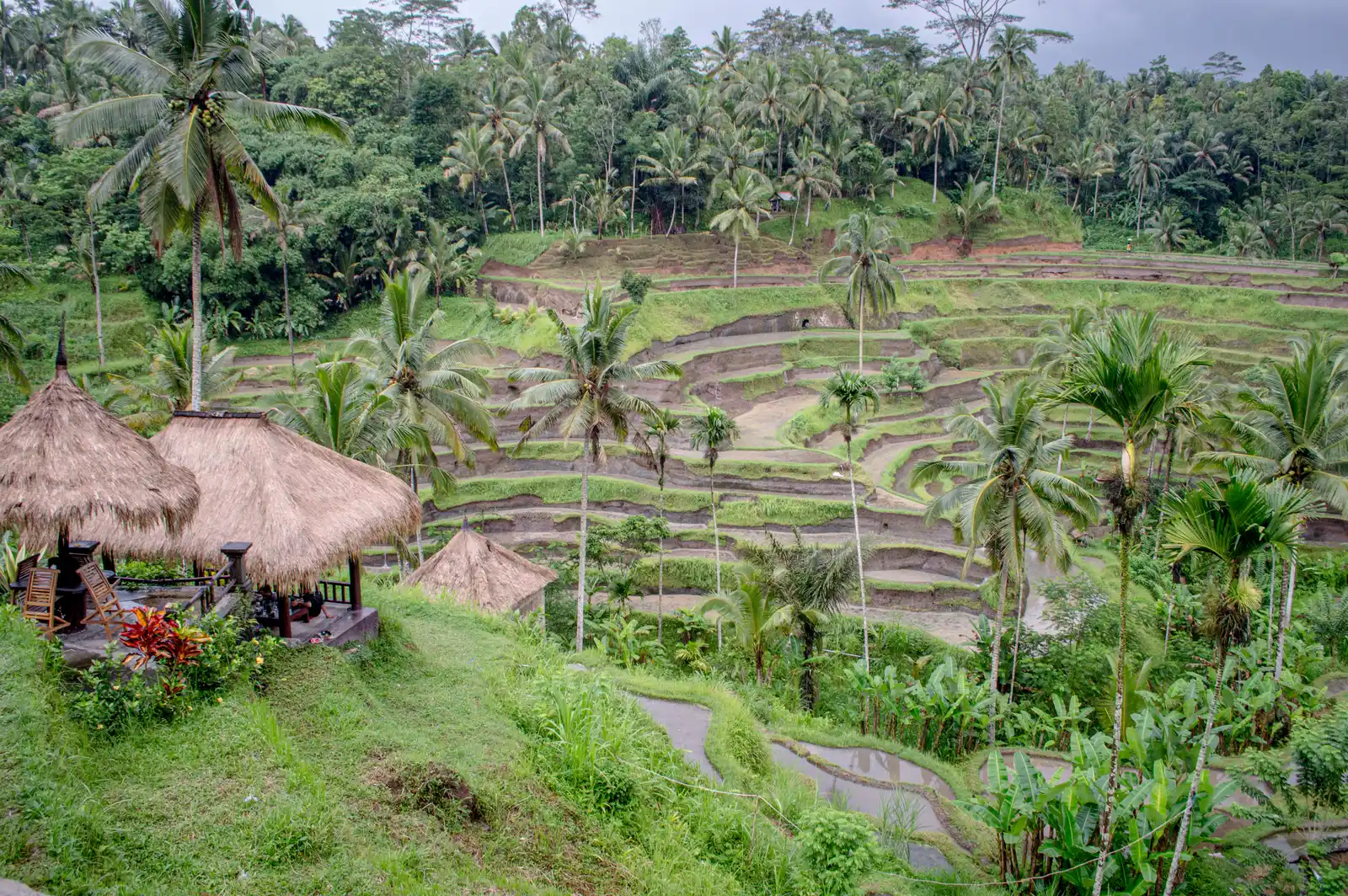
Located in the village of Belimbing, the Belimbing Rice Terrace is a hidden gem in Bali. The terraces here are known for their steep slopes and unique triangular shape, which is different from the traditional rectangular terraces found in other parts of the island. The terraces offer a stunning view of the surrounding valleys and are a great spot for watching the sunrise.
The Belimbing terraces in western Tabanan rival Jatiluwih in beauty but receive a tiny fraction of the visitors, with walking trails winding through paddies with views extending to the coast. That distinction matters. Fewer visitors means the landscape feels genuinely undisturbed at dawn, and the silence is part of what makes it special.
Visitors can also visit the nearby Belimbing village to learn more about the local culture and traditions. The community here has maintained these fields with care for generations, and that respect for the land shows in every corner of the landscape. A slow sunrise walk here, followed by a coffee in the village, is the kind of travel memory that quietly stays with you.
5. Pupuan Rice Terraces, Northwest Bali: Where the Land Meets the Sea
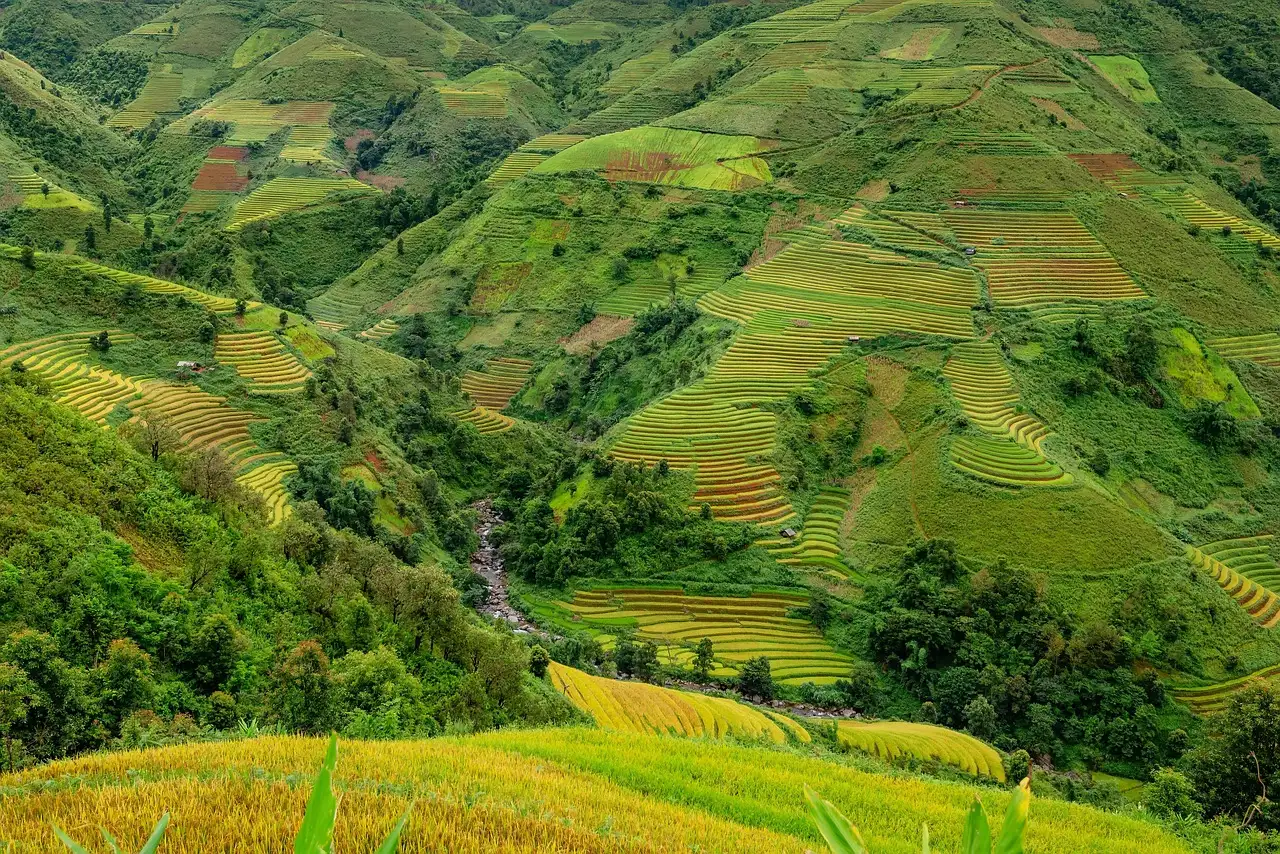
Pupuan in northwestern Bali offers dramatic terraces descending toward the sea, often photographed with coconut palms creating a tropical composition. At sunrise, the combination of layered green fields and the distant ocean creates a visual depth that few places in Bali can match.
Close to the more famous Jatiluwih lies Pupuan, a lesser-known but equally stunning farming village. Whilst its rice terraces are a gorgeous sight to behold, their farms actually harvest additional locally grown cocoa, clove, and coffee. There are even smaller farming sections that focus on growing rare tropical fruits, including mangosteen and durian.
The best time to view these fields would be during the early hours of the day, and when you arrive, you will see the farmers quietly tending to their crops, or laying out cloves to dry out on the roadsides. This is not a polished tourist site but a place where real agricultural life begins well before the rest of Bali wakes up. Arriving at sunrise means witnessing that rhythm firsthand.
Understanding the Subak System Behind Every Terrace
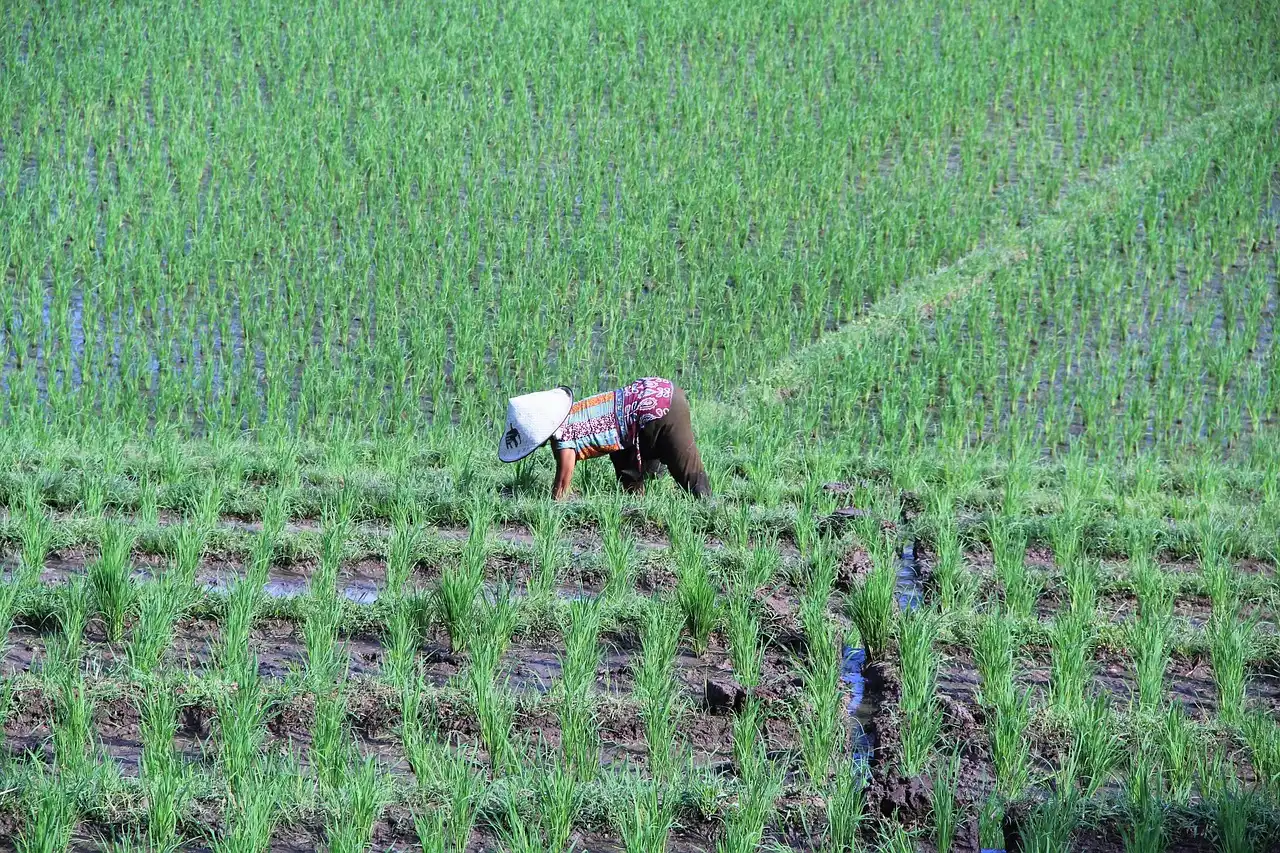
This traditional irrigation system, called subak, is more than just a pretty backdrop. It reflects centuries of Balinese agricultural wisdom, where farmers have sculpted the land into breathtaking curves that follow the contours of the hillside. The system is cooperative by nature, with farming communities managing water flow together in a way that has sustained these landscapes for over a thousand years.
Tegalalang Rice Terrace is a beautiful sight and a reminder of Bali’s rich agricultural history. The terraces were created using the Subak system, a Balinese irrigation method that dates back over a thousand years. These terraces showcase Balinese ingenuity and sustainable farming practices.
The Best Months to Visit for Sunrise Colors
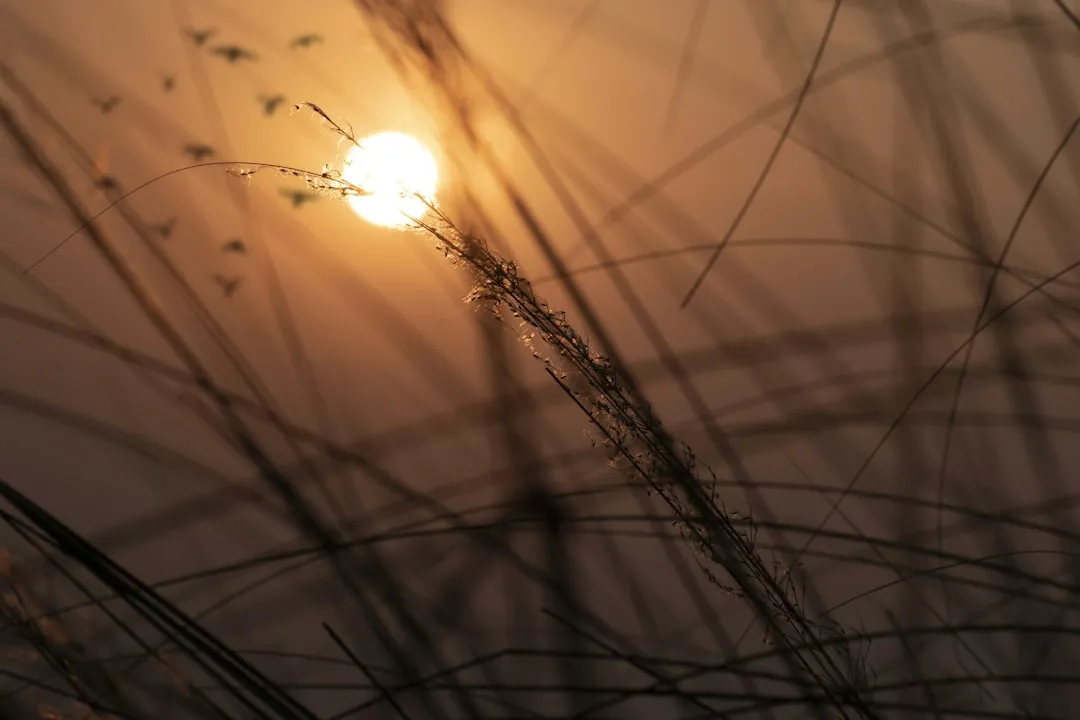
Timing shapes what you’ll actually see when the sun rises. If you want to see the rice fields at their greenest, visit during March, August, or September. During the harvesting period in April and October, the fields turn into a golden-yellow hue, offering a distinct visual spectacle.
The dry season from April to October brings the clearest skies and most vibrant greens, with June to August peaking in popularity, though even then, Jatiluwih remains less crowded than Ubud’s equivalents. Each season offers something genuinely different, so “the best time” really depends on what palette you’re hoping to photograph or simply absorb.
Practical Tips for an Early Morning Visit
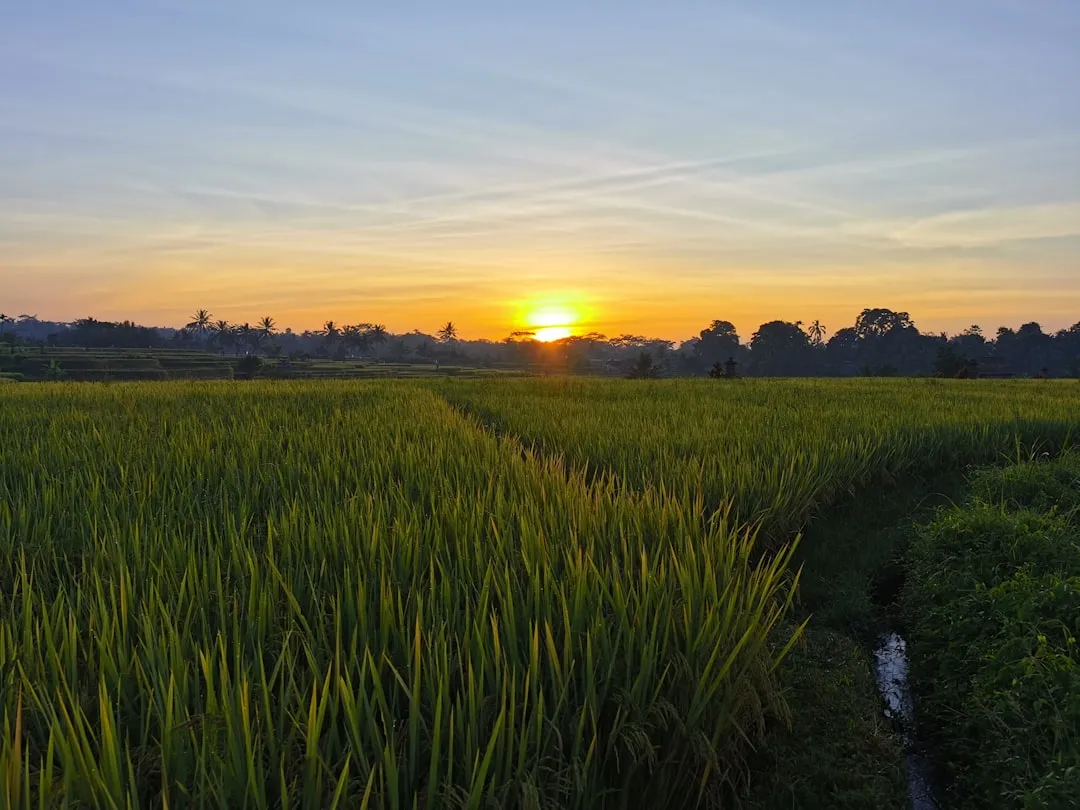
As this is one of the most popular places to view a rice terrace, plan your day properly to get there nice and early if you don’t want to be interrupted by other visitors. Getting there just before sunrise will ensure you get the best picture possible, and you will generally avoid the big crowds that make their way there almost daily.
Visit early morning, between 7 and 9 AM, for soft light and fewer crowds. Bring layers. Elevations above 600 meters can feel genuinely cool before the sun is fully up, particularly at Jatiluwih. Comfortable shoes with grip are essential on narrow, sometimes damp paths. Carrying small notes of local currency is also practical, as many entry points and donation points operate on a cash-only basis.
Respecting the Farmers and Their Land
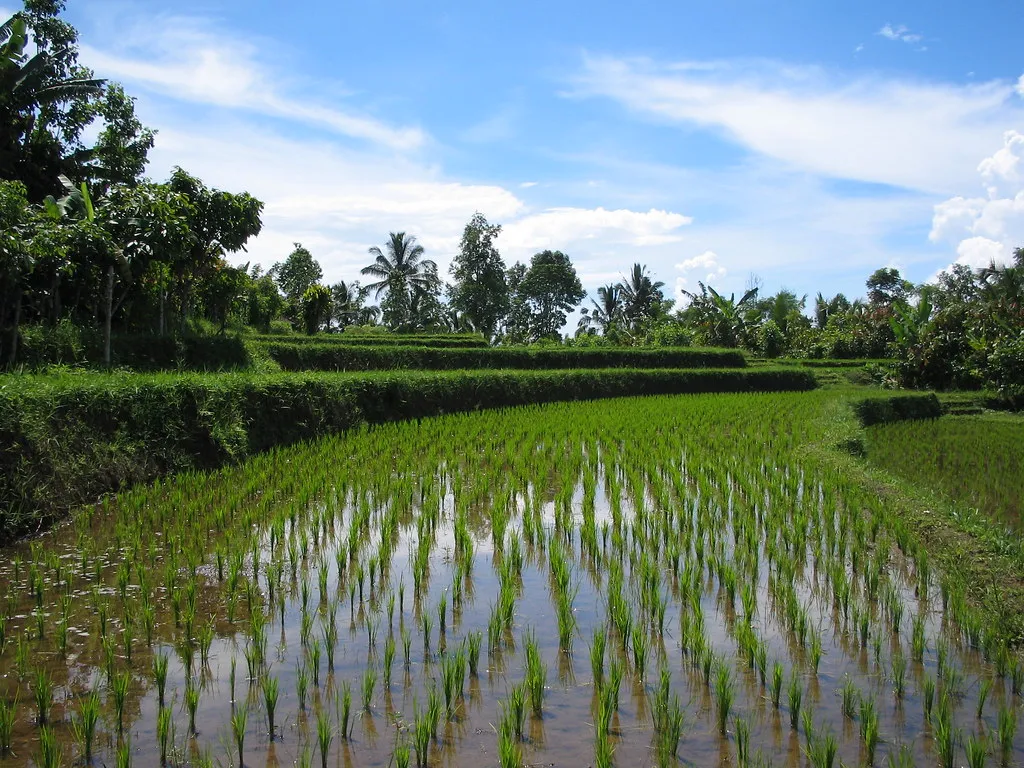
These terraces are not open-air museums. They are active farms where families earn their livelihoods, and that fact deserves some quiet acknowledgment every time you step onto a ridge or a walking path. Bringing small change for donations to local farmers if you enter their fields is a recommended practice.
Beyond the visual spectacle, visitors can often witness local farmers tending to their crops, offering a glimpse into traditional Balinese life. Moving slowly, keeping voices low, and staying on marked paths are small courtesies that carry real meaning here. The landscape exists because generations of people have cared for it with intention. Visiting with the same intention in return feels right.
A Quiet Thought Before the Sun Fully Rises
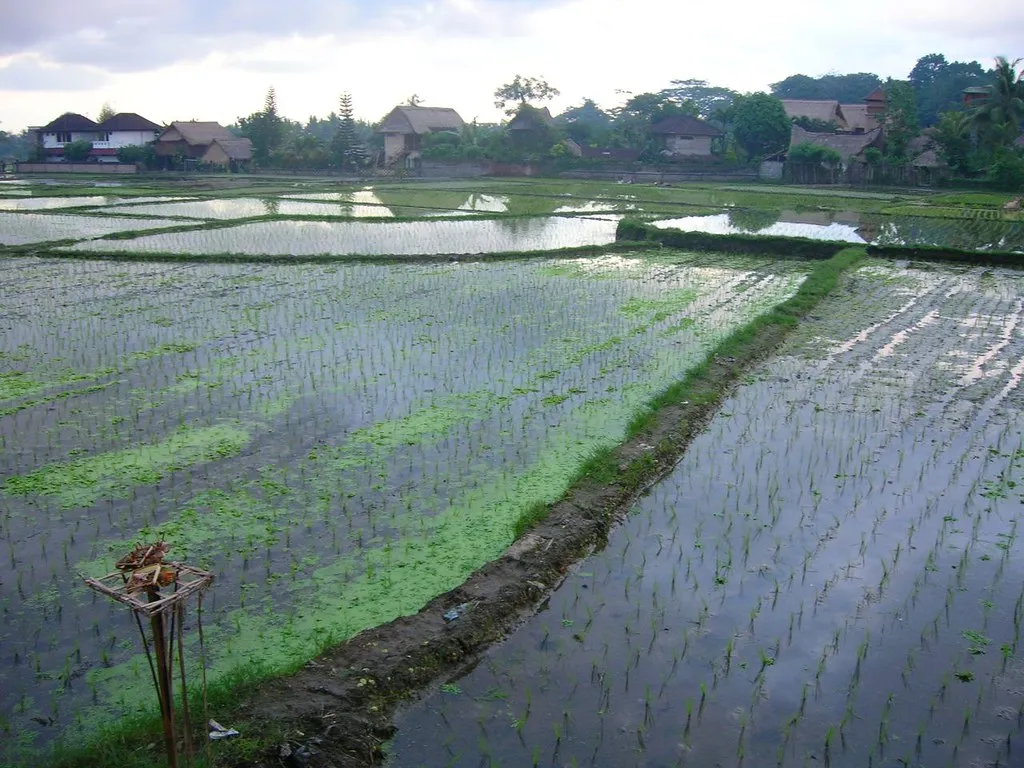
Bali’s rice terraces are the kind of place that resists being reduced to a checklist. Each one has its own character, its own quality of morning light, its own pace of farming life beginning around it. The five terraces covered here range from the widely celebrated to the quietly overlooked, and all of them reward an early start.
What stays with most visitors isn’t the photograph. It’s the moment just before the shot, when the mist hasn’t quite lifted, the birds are just starting up, and the whole layered landscape is held in that particular in-between light. That moment is yours to find. The alarm is worth setting.
AI Disclaimer: This article was created with the assistance of AI tools and reviewed by a human editor.