
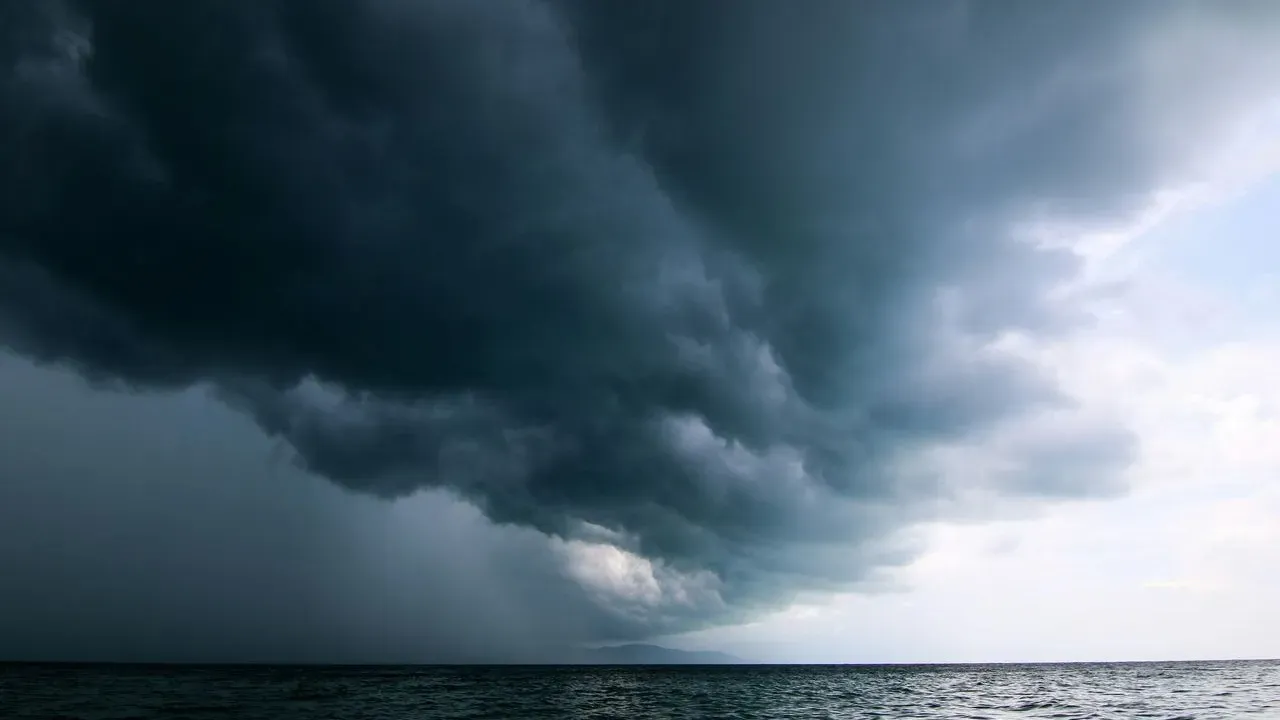

Atlantic hurricane season brings its share of uncertainty each year, and the latest development involves Tropical Storm Dolly, which formed earlier this week and is now tracking westward across the open ocean. Forecasters are monitoring its path closely as it heads toward the Caribbean, with potential effects expected in the coming days for Puerto Rico, a U.S. territory. Travelers with plans in the region will want current details to make informed decisions about their itineraries. ([1])
Current Position and Movement
The storm sits roughly 1,145 miles east of the Leeward Islands, with sustained winds around 40 miles per hour. It is advancing quickly westward at about 24 miles per hour, a pace that is expected to hold steady over the next couple of days. This motion places it on a trajectory that could bring it or its remnants near the Leeward Islands by the weekend.
Official guidance from the National Hurricane Center indicates little change in strength is likely in the short term. The system is forecast to weaken into a tropical wave before reaching the islands, which would reduce its organized intensity while still carrying moisture and rain potential.
Expected Effects in the Caribbean
Heavy rainfall remains the primary concern, particularly late Saturday into Sunday across the Leeward Islands. Some of that moisture could extend into the Virgin Islands, Puerto Rico, and parts of Hispaniola early next week. In higher terrain, the rain may lead to localized flash flooding, a factor worth noting for anyone planning outdoor activities or travel through mountainous areas.
Because the storm is still several days out and expected to lose definition, impacts are likely to be more about rain and gusty conditions than a direct tropical-storm landfall. Travelers should watch for updates on cumulative rainfall totals rather than dramatic wind events.
Practical Steps for Travelers
Anyone with upcoming flights or stays in Puerto Rico or nearby islands can take a few measured steps now. Review airline and hotel policies on weather-related changes, and consider flexible booking options if they are still available. It is also wise to confirm travel insurance coverage for trip interruptions tied to tropical weather.
Local authorities in the region typically issue advisories as systems approach, so checking official sources such as the National Weather Service or Caribbean meteorological offices provides the most reliable picture. Packing a small kit with essentials like a portable charger, medications, and copies of important documents remains a sensible habit during peak season regardless of any single storm.
Keeping Perspective During the Season
Dolly marks the fourth named storm of the 2026 Atlantic season, following earlier systems that affected parts of the Gulf Coast and other areas. While each development deserves attention, most tropical systems weaken or change course before reaching land, and advance preparation helps communities and visitors alike respond calmly.
Staying connected to trusted forecast updates allows travelers to adjust plans thoughtfully rather than react in haste. Many destinations in the Caribbean have extensive experience with seasonal weather and maintain strong support systems for visitors when conditions warrant.
AI Disclaimer: This article was created with the assistance of AI tools and reviewed by a human editor.