
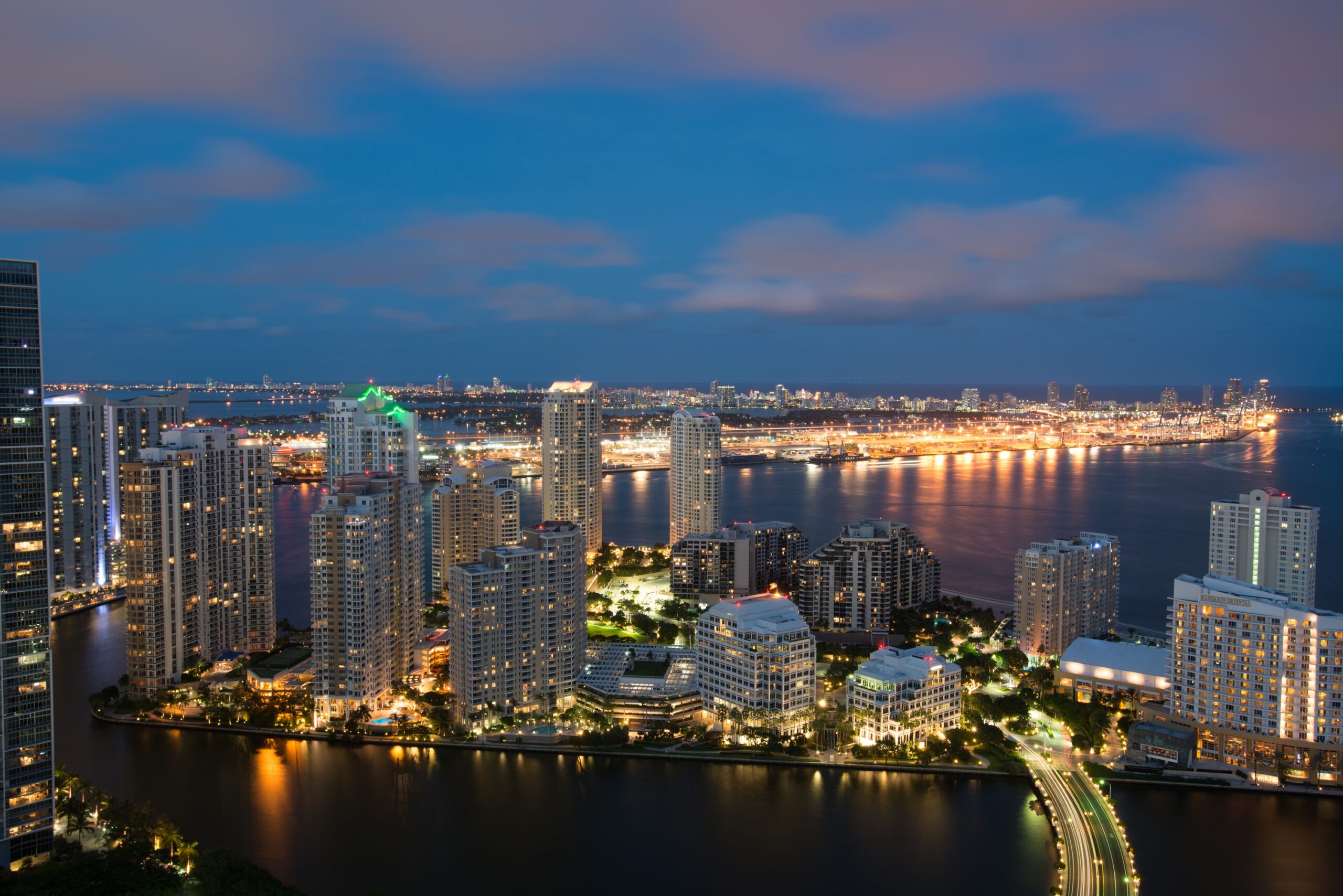

Miami has a well-earned reputation as a food city, but the version of it that makes headlines is often not the whole story. The glamorous steakhouses and celebrity chef outposts are real, but they’re only one layer. Underneath all of that, spread across a patchwork of distinct neighborhoods, is a food culture that’s rooted in something more durable: community, heritage, and the kind of cooking that doesn’t need a publicist.
Miami’s food scene is a convergence of multicultural flavors, local sourcing, and chef-driven innovation. The neighborhoods below are where that convergence feels most alive, most honest, and most worth exploring on foot with an open appetite.
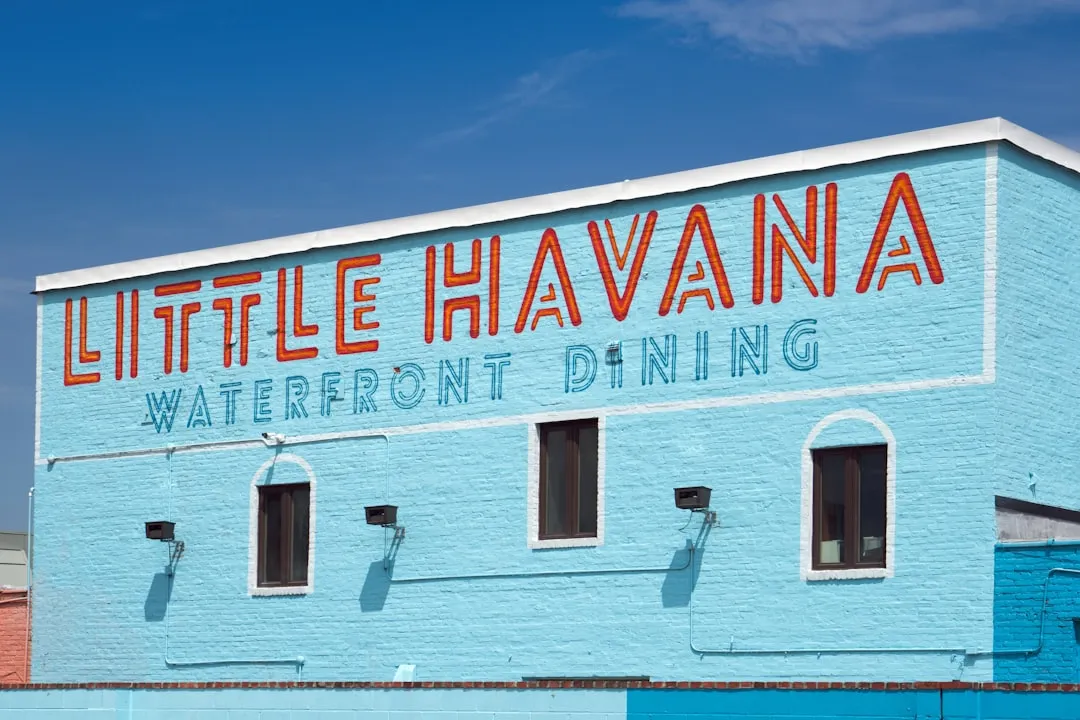
1. Little Havana: The Original Culinary Soul of Miami
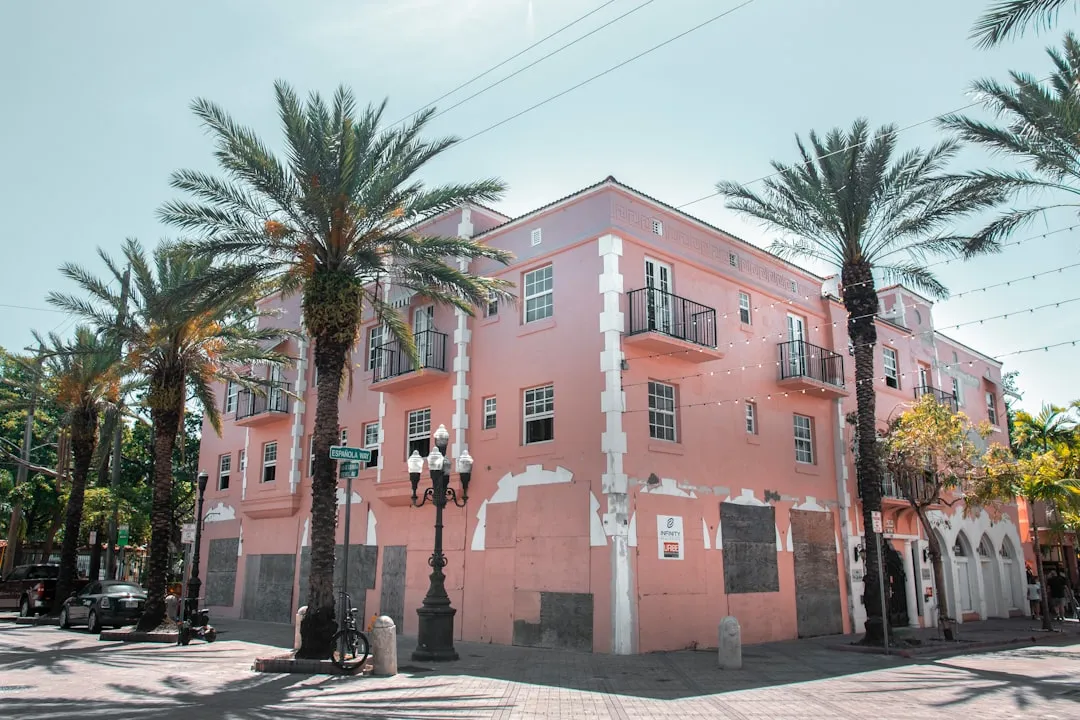
Often dubbed the “Capital of Latin America,” Miami could have been just another deep-South city in Florida if it wasn’t for the Cuban revolution of 1959, which sent waves of Cuban refugees to Miami and swiftly transformed the city’s central neighborhood, once known as Riverside, into Little Havana. That history is still completely present in the food today. Walking down Calle Ocho, you feel it immediately.
The strong Cuban influence here is felt primarily in an eclectic mix of traditional eateries and hip bars encompassing Calle Ocho and the surrounding areas, alongside colorful murals, monuments to heroes past and present, elderly men playing dominoes, and cigar rollers at work amid the ever-present aroma of Cuban coffee. It’s one of the few neighborhoods in Miami where the culture and the cuisine are genuinely inseparable.
Since the 1960s, Little Havana has been a vibrant hub of Latin culture that has ultimately expanded beyond a Cuban influence and now features even more flavors, including those from Spain and Nicaragua. Spots like Café La Trova bring further dimension: the world-famous Maestro Cantinero Julio Cabrera and longtime friend Chef Michelle Bernstein, a James Beard Award winner, teamed up to bring Cafe La Trova to the heart of Little Havana.
In 2017, The National Trust for Historic Preservation added Little Havana to its list of National Treasures, a recognition that speaks to what this neighborhood preserves simply by existing. The Miami Culinary Tours Little Havana Food and Cultural Tour was included on Tripadvisor’s Top 10 Cultural Experiences in the World in 2024. Few neighborhoods anywhere earn that kind of recognition purely on the strength of their food and cultural identity.
2. Little Haiti: Creole Flavors and a Quietly Transforming Scene
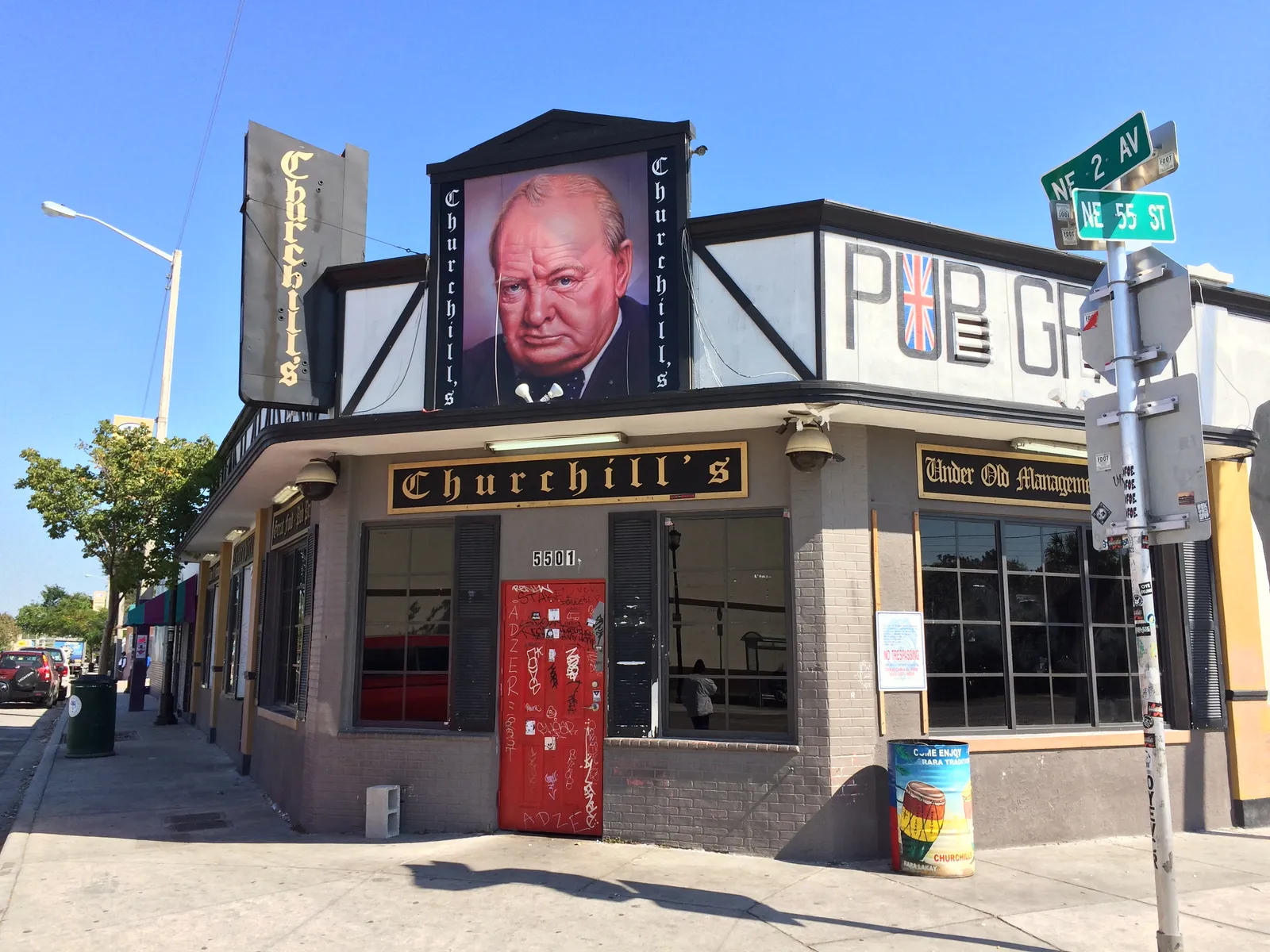
This vibrant enclave in Miami is known for its thriving arts scene, French-Creole flavors, and brightly-colored buildings. The Little Haiti Cultural Complex houses an art gallery, theater, and the popular Caribbean Marketplace, where you’ll find vendors selling sugarcane juice and flaky meat pastries, Haitian handicrafts, music, and events. The food culture here draws directly from Haitian and Caribbean traditions that are deeply personal to the community.
Chef Wilkinson Sejour was 22 years old when he opened the first Chef Creole, which now has multiple locations. In a competition-dense Haitian neighborhood, the chef and his string of eateries have paved their lane by mixing Haitian and Bahamian influences into a menu that ranges from conch salad to oxtail, and the flagship in Little Haiti provides not only delicious meals but also the perfect ambiance for locals who enjoy the outside seating area.
Little Haiti also has a growing reputation for surprising culinary discoveries. Look for the neon pink exclamation mark hovering as a marquee over an unassuming strip mall in Little Haiti, and you’ve found one of Miami’s hardest-to-book restaurants, Boia De, where chef duo Alex Meyer and Luciana Giangrandi offer a modern take on Italian plates so good that reservations sell out the day they go live. It’s an interesting illustration of how Little Haiti has become a place where authentic local culture coexists with ambitious, chef-driven creativity.
3. Little River: Miami’s Fastest-Growing Culinary Pocket
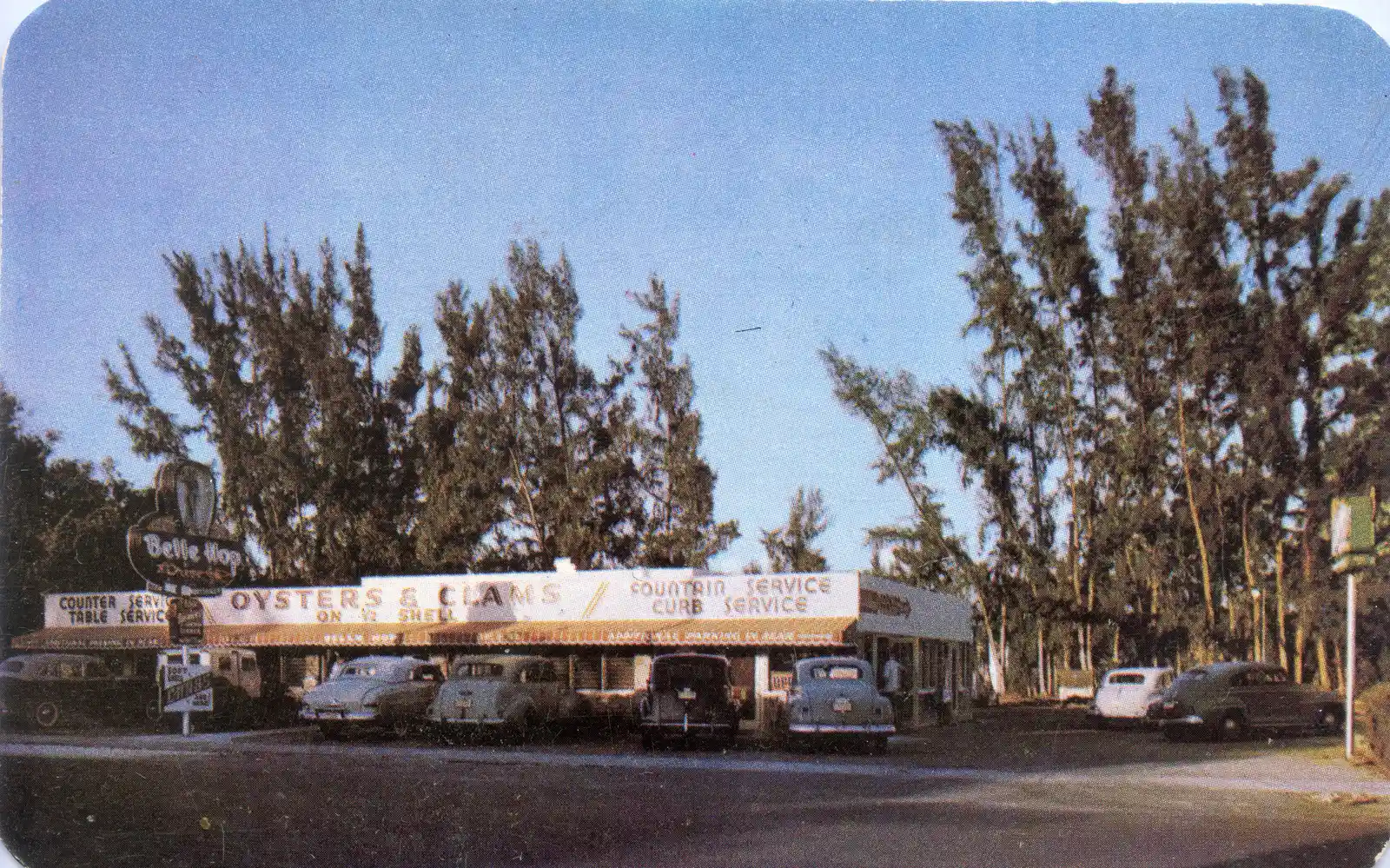
There are two things you’re guaranteed to find in Little River: lots of warehouses and a rapidly accelerating list of new restaurants. Alongside those new restaurants, there are also Little River classics that have been serving the neighborhood long before the words “Little River” were on the tip of every developer’s tongue. It’s this mix, old and new, that gives the area its particular character.
Between the dozens of new restaurants that opened in 2025 and brand new dining neighborhoods such as Little River, Miami New Times noted it was time to create a new list of current favorites. Chef Mike Pirolo, of Macchialina fame, opened not one but two great new spots: Bar Bucce, a casual pizzeria, market, and bottle shop, in Little River, and Fluke, a crudo and martini bar. That kind of chef commitment to a neighborhood is usually a reliable signal of real culinary momentum.
B&M Market looks like just another bodega when you’re driving down 79th Street, but it also serves some of Miami’s best West Indian food from its tiny kitchen. That contrast, a humble exterior hiding something genuinely excellent, is almost a defining trait of Little River’s food culture. A one-star Michelin restaurant also calls the area home, featuring an intimate 10-seat sushi bar with an omakase format, where guests can select preferences matched with premium whiskeys and sakes.
4. Coconut Grove: Where Local Roots Are Fighting to Stay
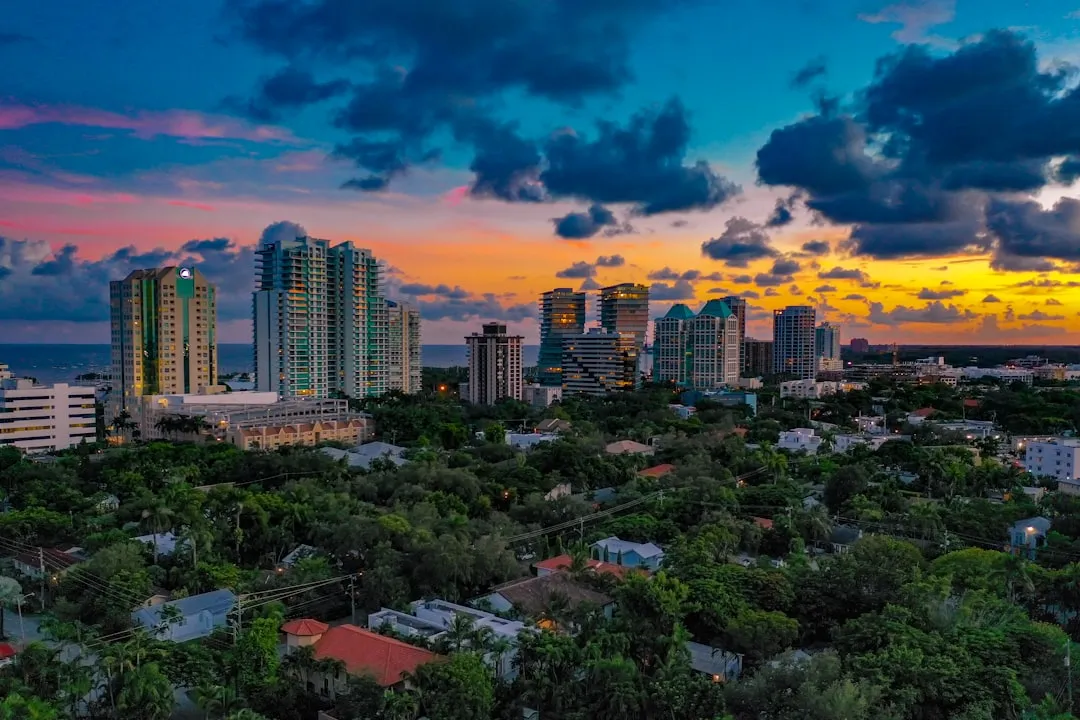
These days, Coconut Grove feels like it’s moved beyond its bohemian roots to become one of Miami’s most dynamic dining neighborhoods. Even as the scene has grown, the Grove still keeps its relaxed rhythm, whether you’re dropping in for a long lunch or settling in for dinner and drinks. There’s a warmth to the neighborhood that’s hard to manufacture, and the best restaurants here lean right into it.
Chef Michael Beltran’s Ariete anchors the block. Ariete has held a Michelin star for four consecutive years, and Chug’s Diner next door carries a Michelin Bib Gourmand. Miami New Times named Drinking Pig BBQ, which recently found its brick-and-mortar home in Coconut Grove, the city’s best BBQ in 2024, and its blend of classic smokehouse technique with Caribbean and Asian influences gives it a menu that doesn’t read like it was built in a corporate test kitchen.
Part of why the local-reset story in Coconut Grove is credible is that the neighborhood has always had anchors that survived the boom-and-bust cycles. GreenStreet Cafe has been operating for more than 30 years on Main Highway. That kind of longevity is rare in Miami’s restaurant landscape. Mike Beltran, owner of the Michelin-starred Ariete, which opened in 2016 and has withstood neighborhood change, is a key reason the Grove’s independent spirit endures.
5. North Miami: Affordable, Diverse, and Quietly Exceptional
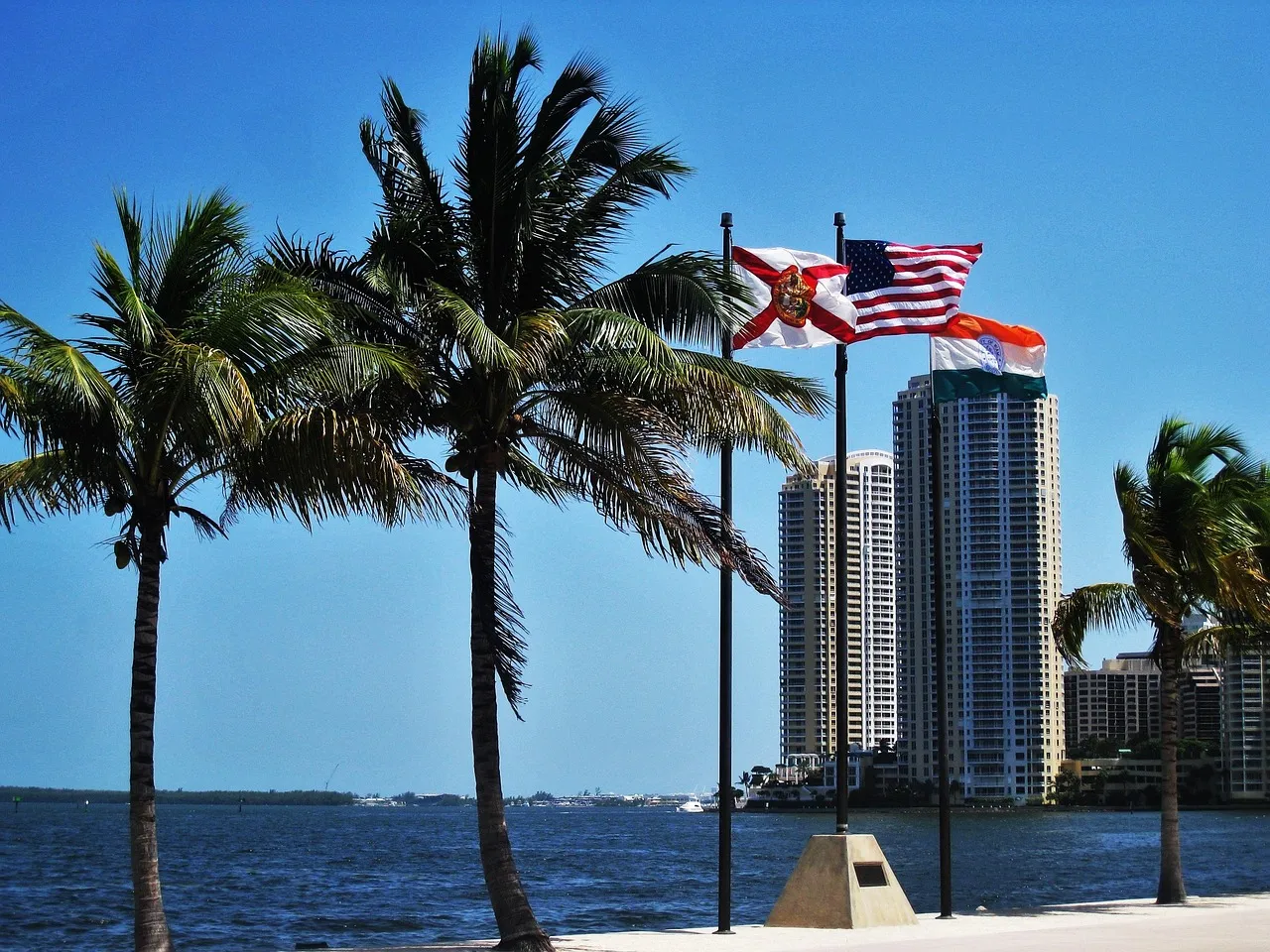
North Miami stands out as a vibrant culinary hotspot that blends affordability with diverse cultural influences. The neighborhood offers a variety of dining experiences that mostly cater to local residents. Popular venues like Edan Bistro, rated Miami’s best Spanish restaurant, and Cotoa, ranked among the top 25 city restaurants, showcase the area’s growing reputation.
Global influences from Latin America, the Caribbean, and Southeast Asia shape menus across Miami, while a growing commitment to Florida-sourced ingredients grounds these flavors in regional identity. North Miami is perhaps the neighborhood where that statement rings truest. The dining here isn’t about spectacle. It’s about a community that happens to cook very well.
Smaller spots in lower-rent neighborhoods, including Edan Bistro in North Miami, are hanging in there even as the wider Miami restaurant market faces cost pressures. That resilience comes from something specific: a loyal base of local diners who return because the food is genuinely good, not because the place was featured somewhere. In a city that moves fast, that steadiness is its own kind of distinction.
Why Miami’s Food Scene Is Named the No. 1 Food Destination in the U.S.
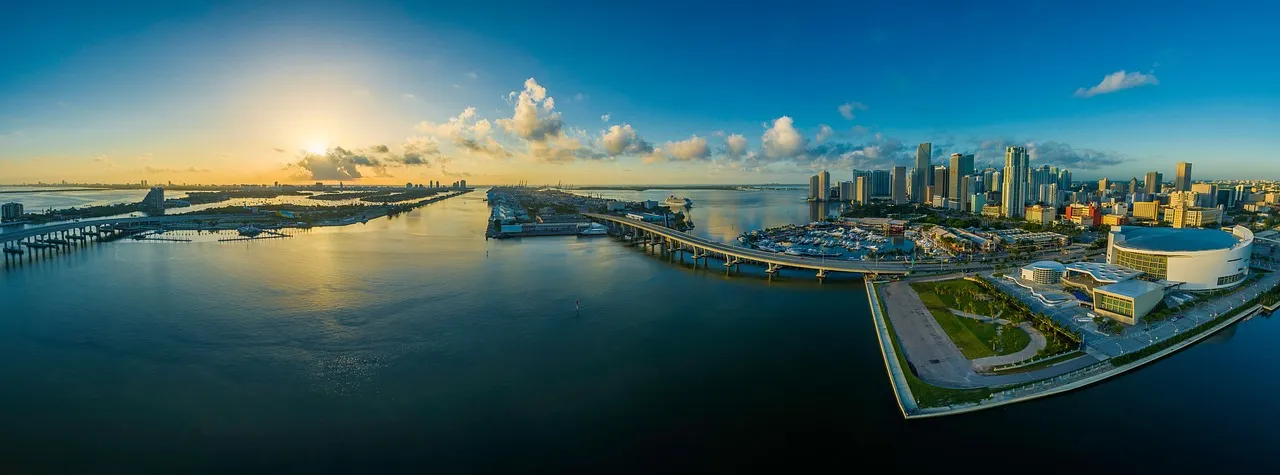
Neighborhoods including Wynwood and the Miami Design District have become incubators for some of the most exciting restaurants, and Greater Miami and Miami Beach were proudly named the No. 1 Food Destination in the U.S. in 2025. That distinction matters, but what sustains it isn’t the high-profile openings alone. It’s the neighborhoods described above, places where cooking is tied to something real.
Miami’s food scene is rich and woven from various cultural threads. Over the years, influences from Latin America, the Caribbean, and beyond have blended seamlessly with international culinary traditions, creating a melting pot that is both dynamic and deeply rooted in the community’s heritage. The city’s best neighborhood dining reflects exactly that.
How Affordability and Authenticity Define Local Dining
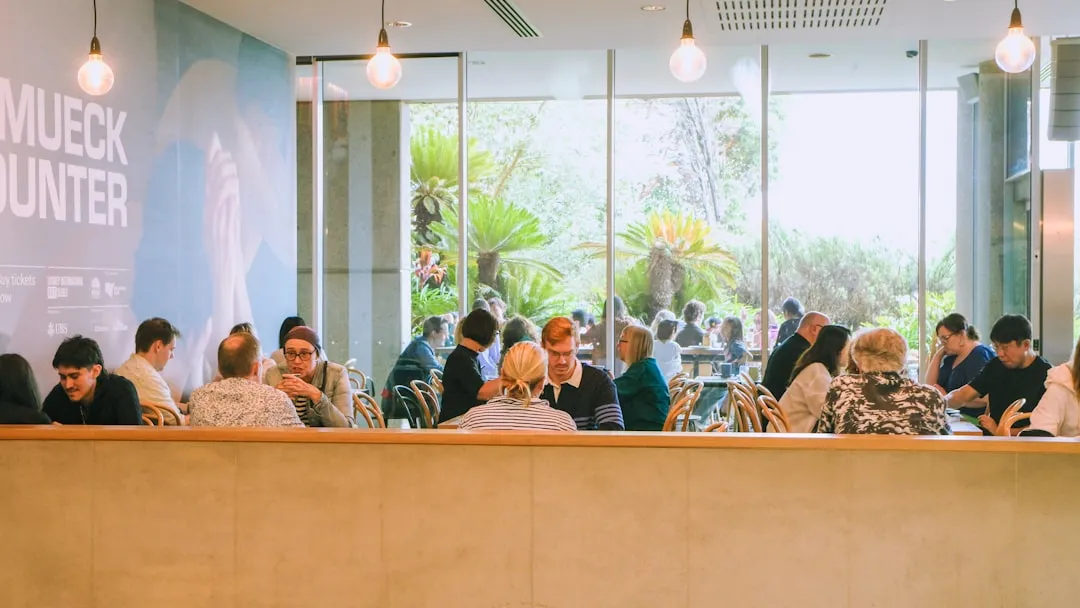
One of the underreported truths about Miami’s best neighborhood eating is that it tends to be accessible. While the city’s luxury dining market continues to expand, the ticket to survival for smaller spots seems to be some combination of not taking on too much debt, space, or staff, and cultivating a core clientele of local diners so the restaurant isn’t overly dependent on the fickle, seasonal tourist market.
This is actually good news for visitors who want to eat well without spending a fortune. The neighborhoods in this list, particularly North Miami and Little Haiti, offer remarkable value precisely because they were built around community rather than tourism. The prices reflect that, and the flavor reflects something far more valuable: care.
The Role of Caribbean Cuisine in Miami’s Neighborhood Identity
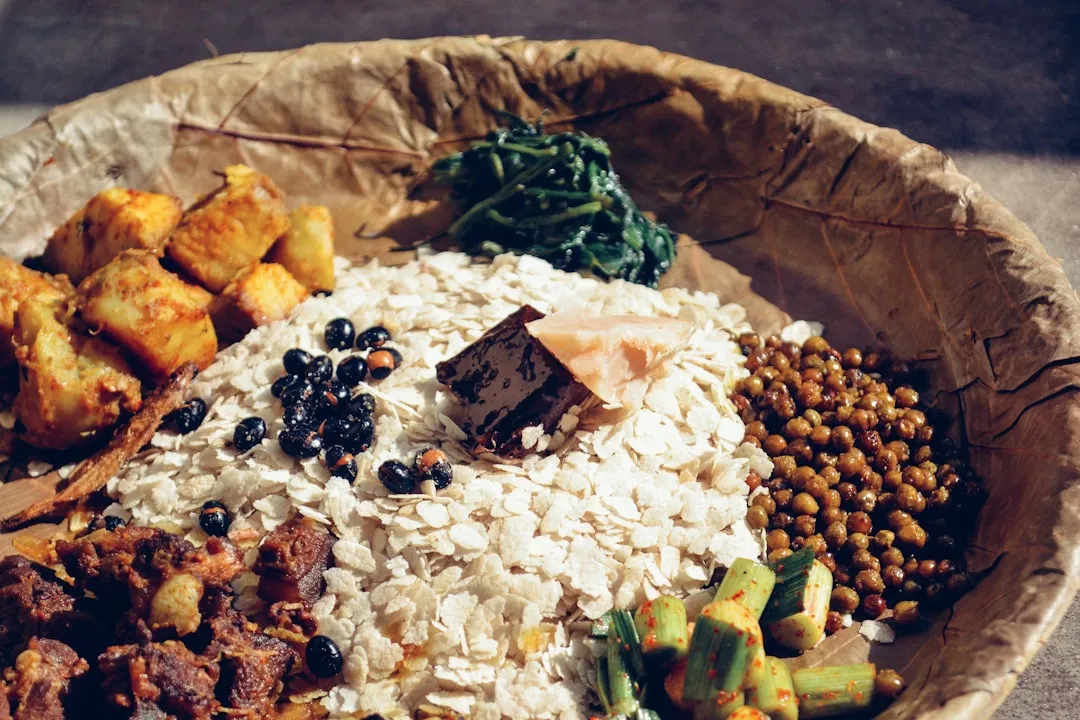
Caribbean cooking is one of the most underappreciated pillars of Miami’s local food scene. Le Jardin in Little River is one of the few Haitian restaurants open until midnight, and they make really good food. Chef Wilkinson Sejour’s eateries have paved their lane by mixing Haitian and Bahamian influences into a menu that ranges from conch salad to oxtail. These are not fusion concepts. They’re honest expressions of a living culture.
Whether you’re ordering at the window for take-out or enjoying live music and a fresh juice in the backyard garden, family-run establishments in the Little River and Little Haiti corridor serve some of the best Haitian and Caribbean food in Miami. The informality of these spots is part of what makes them so good. There’s no performance. Just food that has been cooked this way for generations.
What the Michelin Guide Tells Us About Miami’s Neighborhood Restaurants
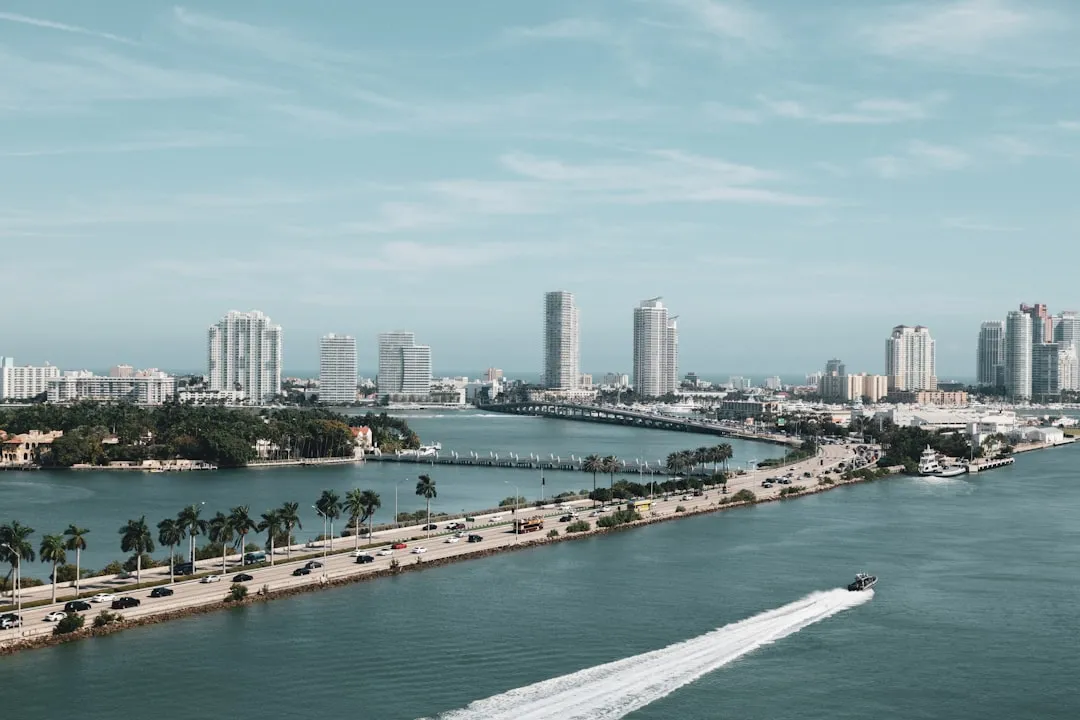
Michelin has increasingly been recognizing the kind of cooking that lives in Miami’s residential neighborhoods rather than its luxury corridors. Tam Tam, a Vietnamese concept born from a pop-up in downtown Miami, became a sensation almost overnight. By 2024, it was earning Michelin Bib Gourmand recognition, proving that authenticity and creativity could thrive just as much as glitz.
Ariete has held a Michelin star for four consecutive years in Coconut Grove, and Chug’s Diner next door carries a Michelin Bib Gourmand, demonstrating that the recognition applies to restaurants across a wide price range. The Bib Gourmand designation, specifically awarded to places offering excellent food at a moderate price, is particularly relevant to the neighborhood dining story. It validates what locals already knew.
How to Eat Like a Local Across These Five Neighborhoods
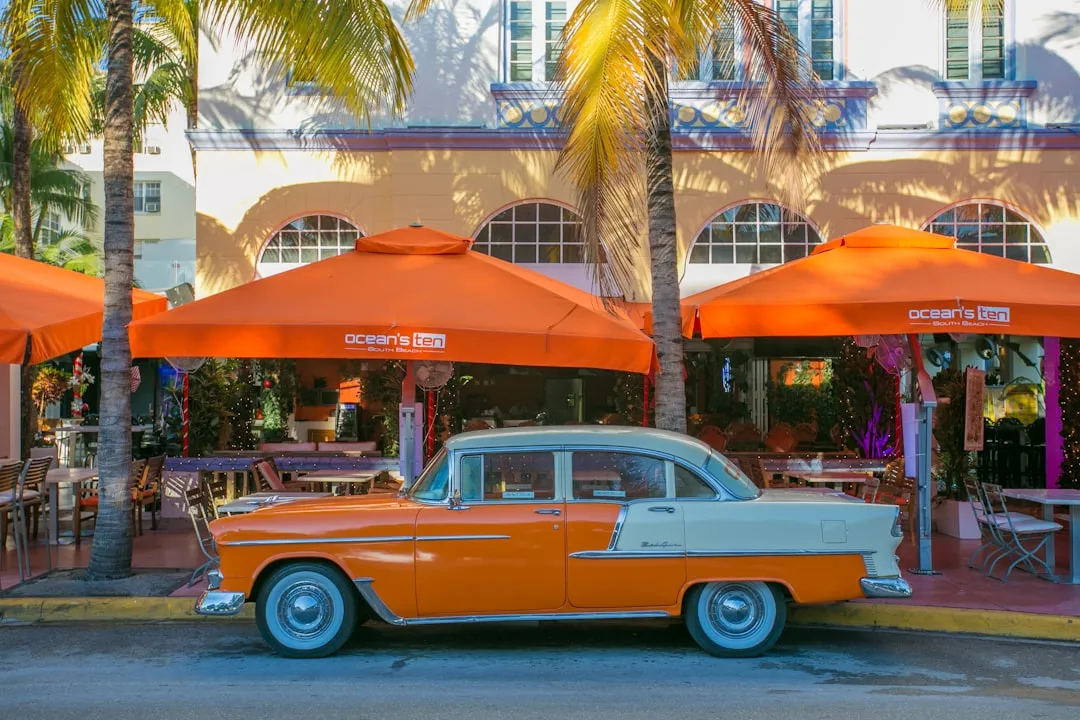
The most useful advice for eating well in Miami’s local neighborhoods is simple: slow down. The restaurants in Little Havana are not just places to eat – they are full-on experiences that bring the best of authentic Cuban food along with tradition, community, and heritage. That applies equally to a Haitian griot counter in Little River or a quiet Spanish restaurant tucked into North Miami.
Go on a weekday when possible. Sit at the counter if there is one. Order the dish that sounds most specific to that kitchen, not the one you already know. With each neighborhood carving its own culinary identity, the dishes emerging across Miami reveal equally distinctive trends. The distinctions are what make the exploration worthwhile.
The Bigger Picture: Miami’s Neighborhoods as Living Food Culture
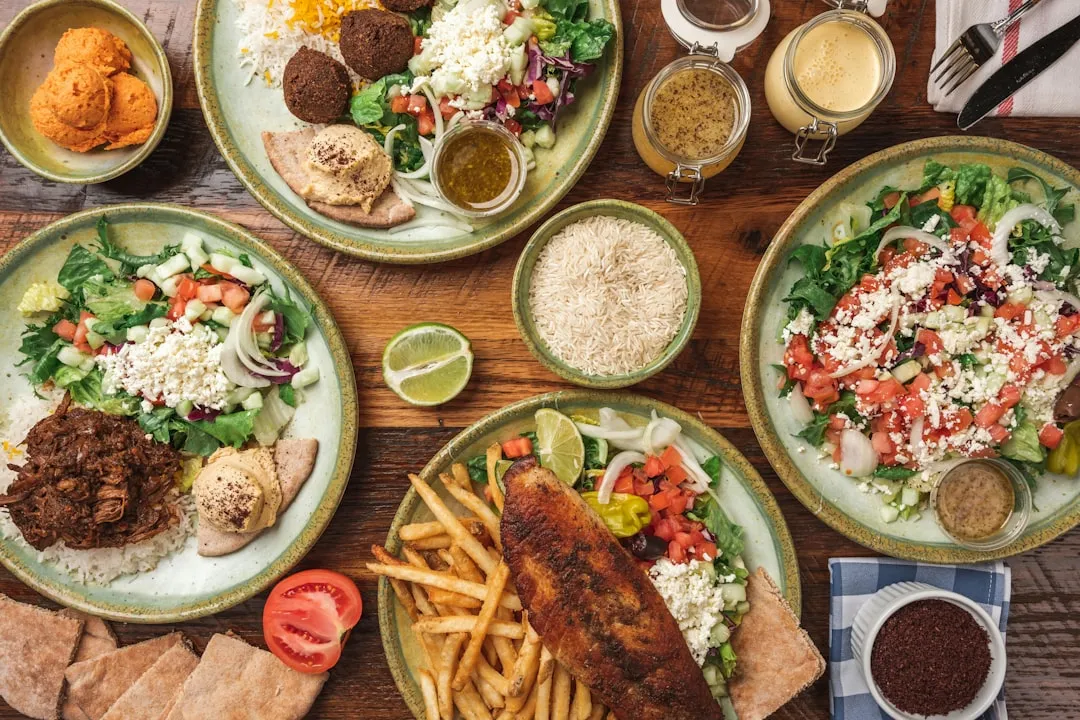
Miami’s neighborhoods are key drivers of its evolving food scene, each bringing unique flavors, innovations, and business models that reflect their local culture and economic shifts. The five neighborhoods in this article represent that truth at its most vivid. None of them are static. Little River is growing fast. Coconut Grove is navigating the tension between local identity and rising rents. Little Havana continues to absorb new waves of Latin influence while protecting its Cuban core.
What connects them is a shared quality: food that means something to the people who make it and the people who eat it. That’s not a marketing point. It’s the reason these neighborhoods are worth seeking out over and over, long after the novelty of Miami’s headline restaurant scene has worn off. This shift has not only put Miami on the map as a top food destination but has also cemented its reputation as a city that embraces culinary creativity while honoring its cultural roots.
Final Thoughts
The most enduring food experiences in Miami rarely come from the places with the longest waitlists or the most Instagram coverage. They come from neighborhoods that have spent decades building something genuine. Little Havana, Little Haiti, Little River, Coconut Grove, and North Miami each offer that, in their own distinct register.
If you’re visiting Miami, or if you live there and haven’t explored these pockets recently, the reward for going is simple: meals that feel like they belong somewhere specific. In a city as fluid and fast-changing as Miami, that sense of rootedness is worth more than any tasting menu. The food is better, too.
AI Disclaimer: This article was created with the assistance of AI tools and reviewed by a human editor.