

There’s a question that nearly every gondola passenger whispers somewhere between the base station and the summit: will the view actually be clear up there? It’s a fair concern. Mountain weather is famously fickle, and the difference between a spectacular panorama and a wall of grey cloud can come down to just an hour or two.
What many visitors don’t realize is that this question has a surprisingly consistent answer, rooted in real atmospheric science and confirmed by the people who run these rides every single day. Gondola operators, guides, and mountain meteorologists all point to the same windows of time. Here’s what they know.
Morning Is the Gold Standard for Clear Skies
Morning is widely considered the best window for clearer skies, calmer winds, and shorter lines at mountain gondola rides. This isn’t just operator preference or marketing. The atmospheric mechanics behind it are well understood and repeat themselves almost daily, particularly during warmer months.
Overnight, the air settles. The ground cools after sunset, cool dense air sinks down the slopes, and the atmosphere around the peak becomes stable and cloud-free. That stability is what early morning riders get to enjoy, often without even knowing why.
The Science of Upslope Flow: Why Clouds Build by Midday
Daytime sun heats the slopes. Warm air rises up the mountainside, a process meteorologists call an anabatic or upslope flow, and if there is any moisture in it, cumulus clouds form right around the peak. By mid-afternoon the cloud collar is at its thickest.
Overnight cooling suppresses convection and humidity. The temperature inversion that develops after sunset traps moist air near the ground while the atmosphere at elevation stays clear. By mid-morning, solar heating breaks this inversion, convection begins, and clouds start building on the mountain’s slopes. It’s a cycle that plays out with remarkable regularity across mountain ranges worldwide.
The Alps Follow Their Own Compressed Timetable
In the Alps, this cycle can compress dramatically. On unstable summer days, clear morning skies can produce violent thunderstorms by early afternoon, sometimes in under an hour. This is why the traditional alpine rule exists: be off exposed ridges and summits by early afternoon, ideally before 14:00.
This rule isn’t arbitrary caution. It’s hard-won knowledge shared across generations of alpine guides, cable car operators, and mountain safety professionals. Visitors who arrive at a Swiss or Austrian gondola station in the early hours are simply following what locals have always known.
The Data From Mount Fuji: Morning Wins by a Wide Margin
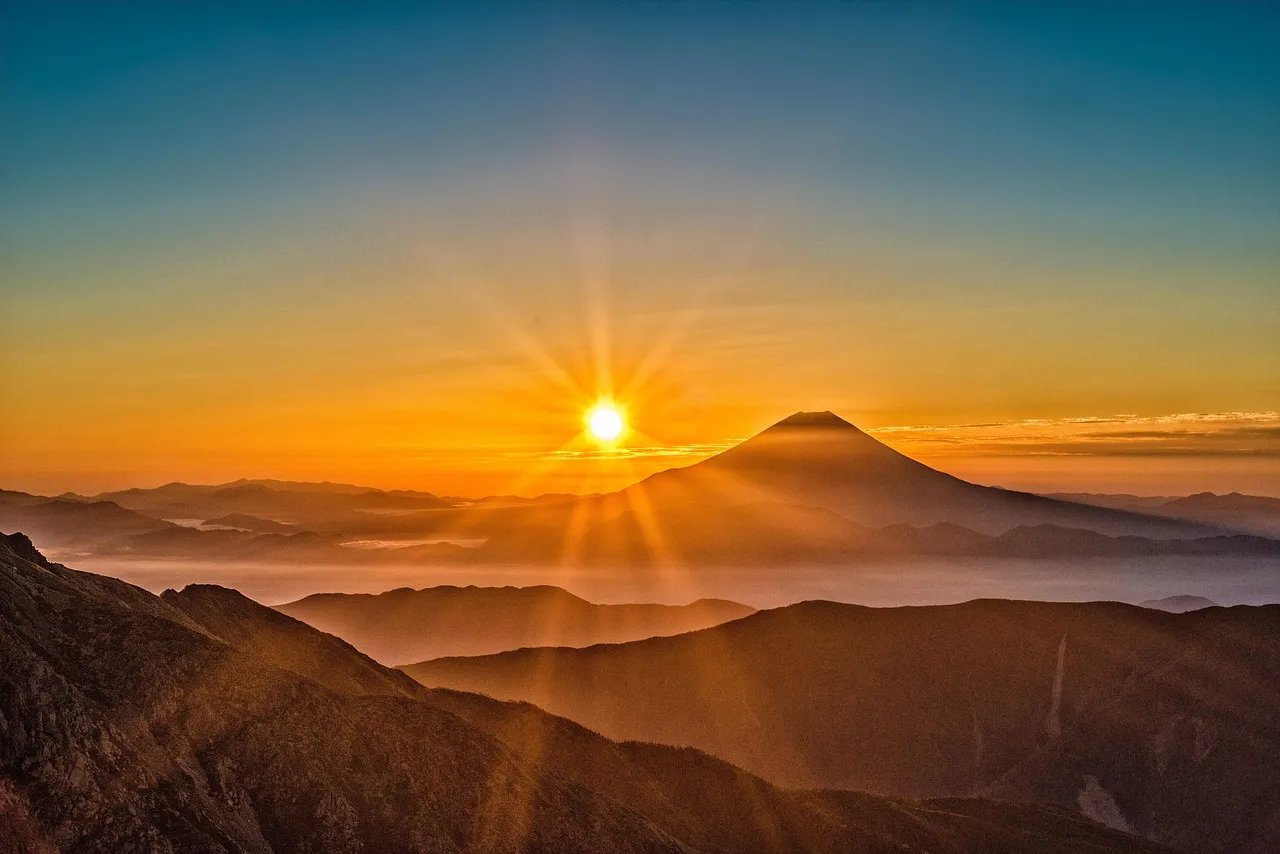
Few mountains in the world have been studied as precisely for visibility as Mount Fuji. The numbers are striking. Choosing the right hour matters almost as much as choosing the right season. Visibility scores average 12 points higher in the hours between 3 AM and 6 AM compared to midday, according to observation data compiled across multiple years.
Time of day matters significantly. Early morning between 6 and 9 AM typically offers the clearest conditions as overnight cooling reduces haze. Sunset can provide dramatic lighting, but afternoon haze often builds. On the north side, mornings were twice as good as afternoons for clear viewing. On the south side, a clear afternoon happened only one day in twenty.
The Midday Trap: Why Noon Looks Promising but Often Isn’t
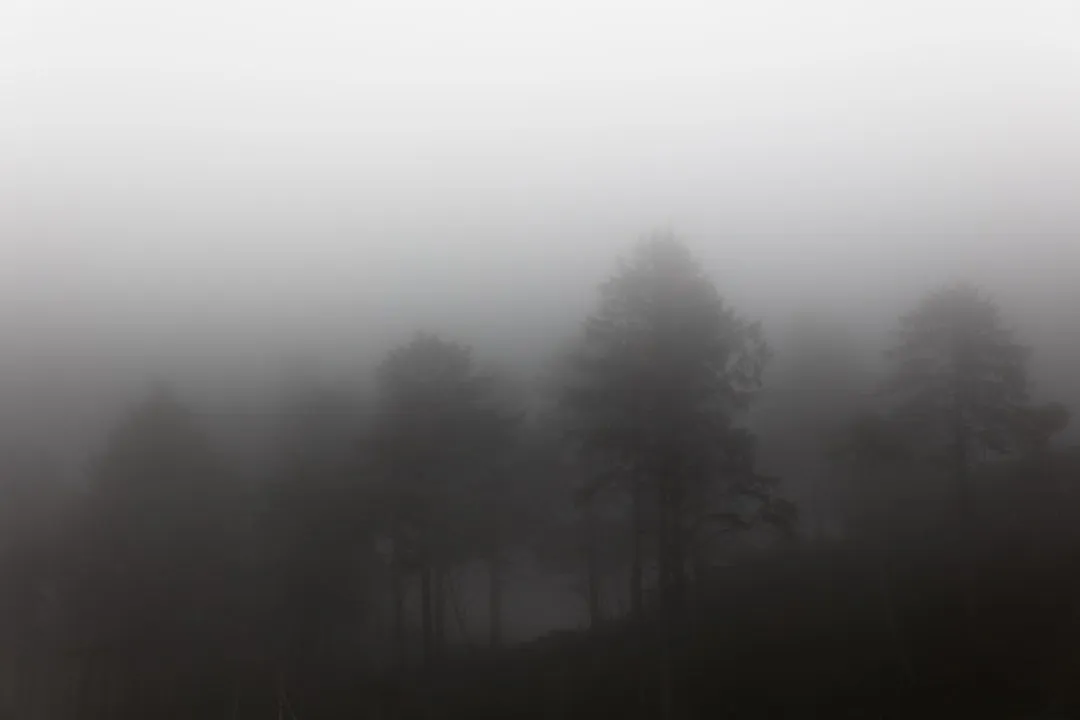
Midday often brings haze and cloud build-up, along with the longest queues. For first-time visitors, this can be confusing. The sun is high, the weather feels warm and settled, and everything looks bright. What’s missing is invisible: moisture-laden air that has been rising all morning and is now condensing on the very peaks you came to see.
This process tends to build through the day as solar heating increases moisture uplift, which is why many viewpoints that are clear at 8 AM are reported as fogged in again by mid-to-late afternoon, a completely different cloud-formation process from the radiation fog that cleared earlier that same morning. The practical takeaway is to treat midday as the riskiest window, not the safest one.
What the Banff Gondola Operators Recommend
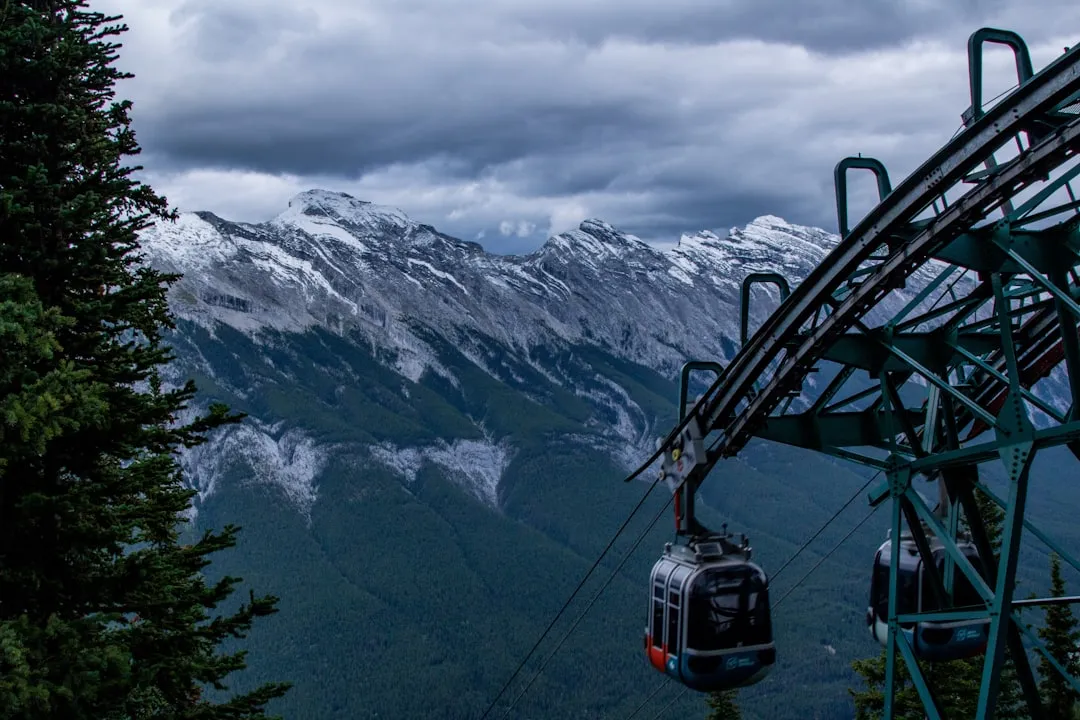
At the Banff Gondola in the Canadian Rockies, one of North America’s most-visited mountain cable car experiences, operators are candid about timing. The best time of day for the Banff Gondola is either early morning for quiet trails and softer light or late afternoon for golden hour views and sunset magic. Not visiting during the midday rush also means fewer crowds and a more relaxed experience.
The weather in the mountains is constantly changing, so it’s genuinely difficult to predict the best time to visit on any given day. That said, the Banff Gondola website operates a webcam so visitors can check visibility conditions from the top of the mountain before they depart. Using that kind of live resource before you drive to the gondola base is advice that operators across the world would echo.
Whistler’s Peak 2 Peak: Go Early, Especially in Summer
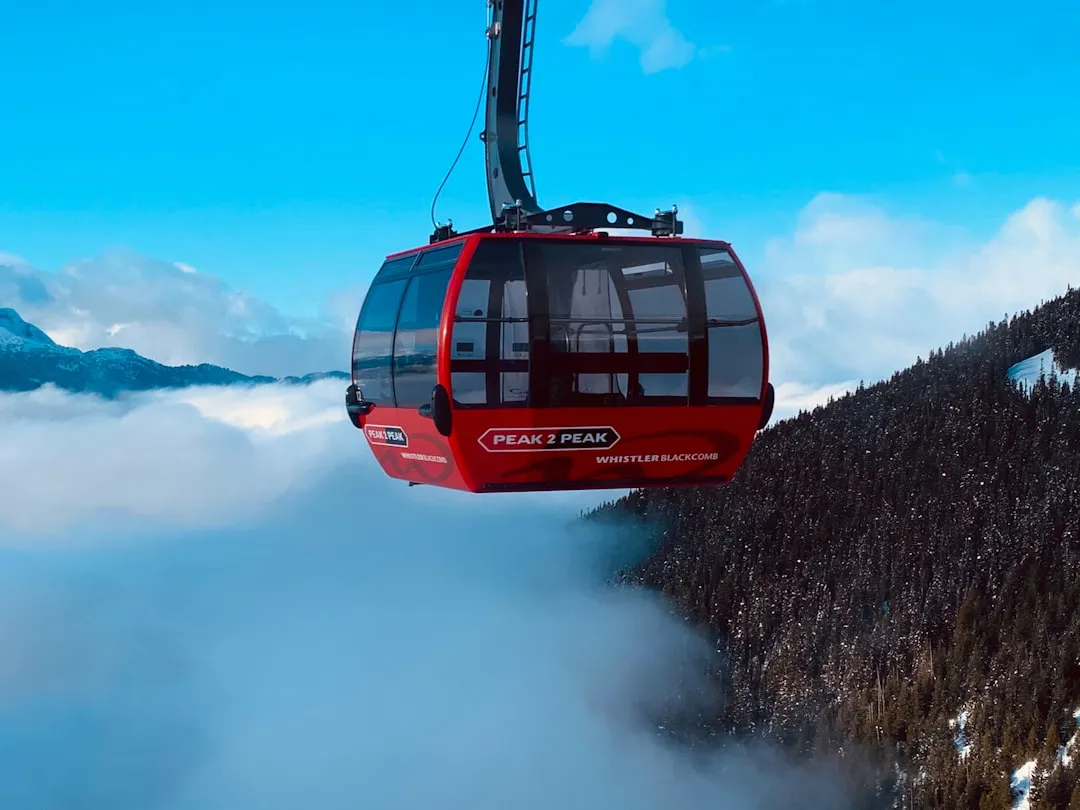
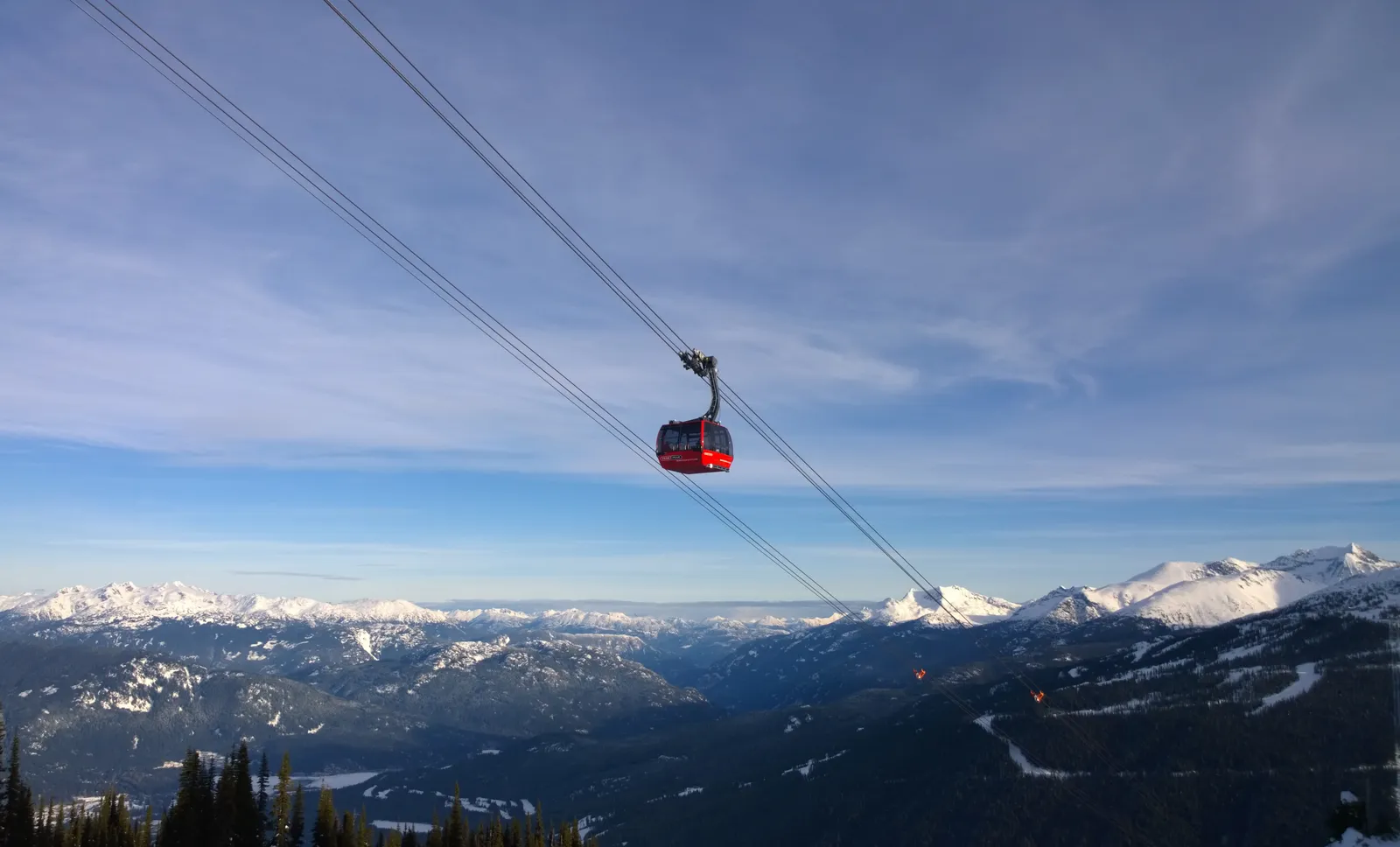
Going earlier in the day delivers the best photo light on the Peak 2 Peak Gondola. Late afternoon can create haze in the valley, especially in summer. This is consistent with what atmospheric science tells us about valley-level humidity rising through the day and reducing long-range visibility.
Fog and cloud layers that sit below the gondola can create their own striking effect. The one condition that genuinely diminishes the ride is thick cloud cover at elevation, where visibility drops to almost nothing. Operators at Whistler note this is most common in November and early December, but the daily timing principle holds year-round: the earlier, the cleaner.
Winter Changes the Rules Significantly
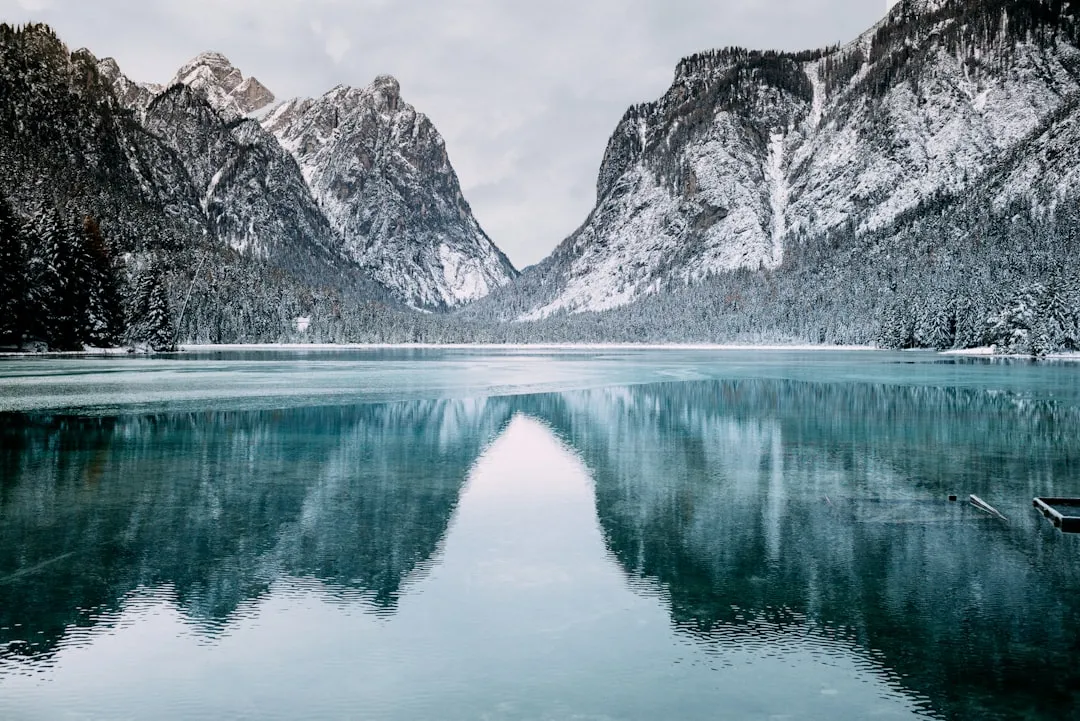
Summer convection is the main enemy of midday clarity, but winter tells a different story. Winter months from November through February offer the highest probability of clear views, with cold, dry air providing excellent atmospheric clarity. In winter, the strong solar heating that drives afternoon cloud formation is simply absent, and the atmosphere tends to stay stable for longer stretches of the day.
Winter’s cold, dry continental winds scour the atmosphere clean, which is why December and January deliver the most dramatic, high-contrast views. For destinations like the Gulmarg Gondola in Kashmir, superb clarity, thinner crowds, and excellent panoramic views without heavy snow are among the main advantages of visiting at the right time of year. In winter, the morning advantage over afternoon narrows considerably compared to summer.
The Golden Hour Window: Late Afternoon as a Second Chance
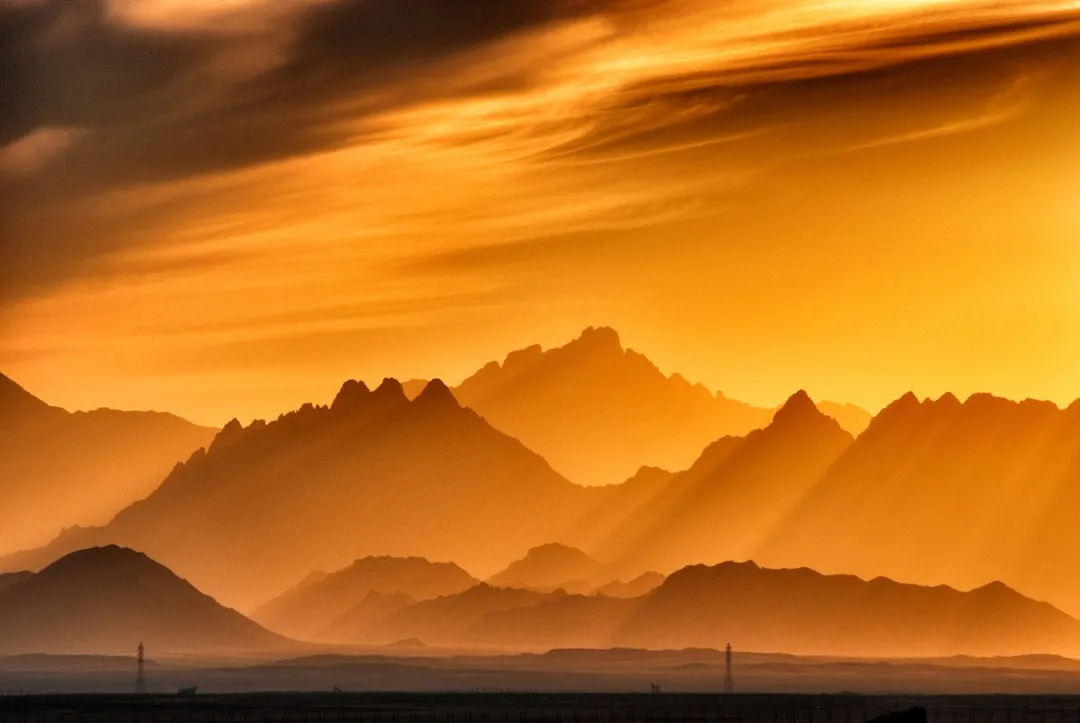
If you can’t make it for the early morning opening, there is a secondary window worth knowing about. After sunset, the convective cycle reverses, and the peak often reappears in the evening. This is why late afternoon and early evening rides can occasionally deliver unexpectedly clear conditions, particularly in summer.
For photography and wildlife watching, September in particular gives some of the best moments: soft golden light in the morning and late afternoon makes photos truly striking. A secondary window for dramatic photography comes around 4 PM toward sunset, though it is less consistent than the morning. Think of the late afternoon window as a bonus rather than a dependable plan.
Checking Live Conditions Before You Go: The Modern Approach
No amount of general timing advice replaces checking real conditions on the day. Tools like isfujivisible.com provide an 8-day visibility forecast with separate readings for the north and south sides of the mountain, updated daily. More gondola operators worldwide are now offering live summit webcams for the same reason.
A gondola is most worth it when visibility is good and your group wants accessible summit views without a long hike. Checking current ticket prices, operating hours, and weather visibility first is essential. It’s possible to reach the top and not be able to see anything through the clouds. It’s a chance you take when sightseeing in the mountains, but checking the forecast in advance is always a good idea.
The Takeaway
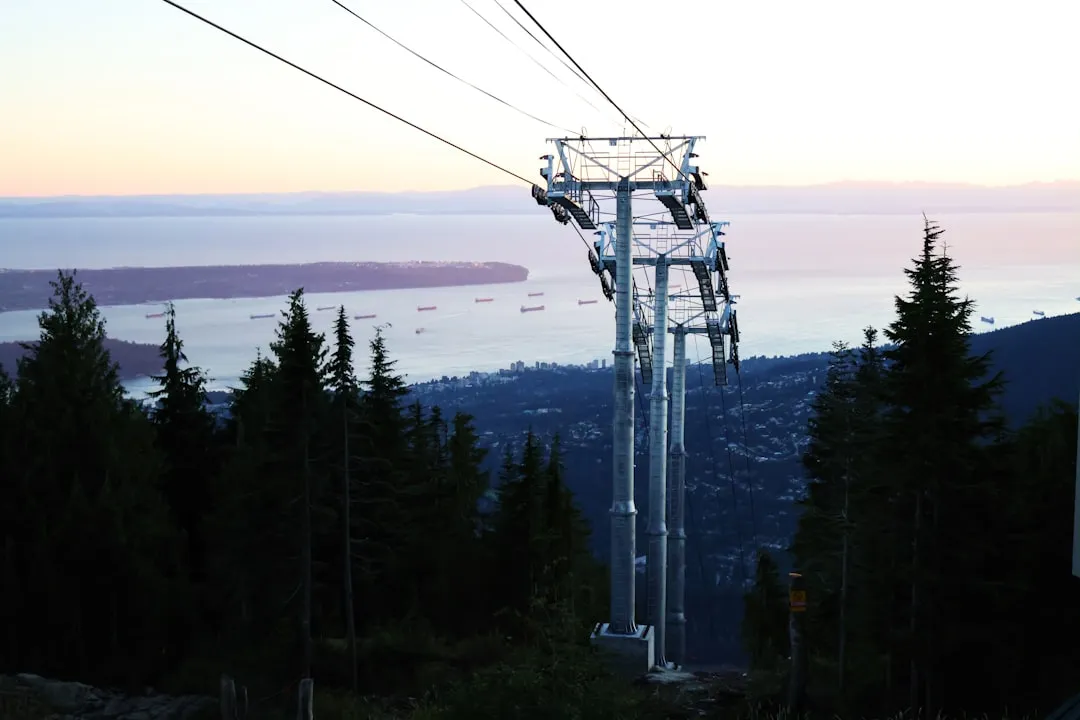
The clearest mountain views from gondolas consistently fall in one of two windows: the early morning hours, roughly from opening time until around 10 AM, and occasionally again in the late afternoon as the convective cycle winds down. Midday, for all its apparent brightness, carries the highest risk of summit cloud cover, particularly in spring, summer, and early autumn.
The science behind this is real, the operator advice is consistent across continents, and the data from well-studied peaks like Mount Fuji confirms it with measurable precision. Arrive early, check the live webcam, and let the mountain do the rest.
AI Disclaimer: This article was created with the assistance of AI tools and reviewed by a human editor.