

There’s a particular moment on every chocolate factory tour when the noise of the production floor fades and something shifts. The air turns warm and faintly sweet. Visitors who were browsing politely a moment ago are now leaning in, wide-eyed, waiting. It happens the same way every time, in cities across the country, and the guides who run these experiences will tell you exactly why.
Chocolate factory tours have quietly become one of the more compelling forms of food tourism available today. The global chocolate factory tour market reached an estimated 2.8 billion dollars in 2024, reflecting robust consumer interest and the growing trend of experiential tourism. That growth isn’t accidental. It’s built on something very specific: the sample.
The Tour Everyone Books – and the Moment They Actually Come For
Much of this growth is driven by increasing demand for unique travel experiences, rising consumer awareness about the chocolate-making process, and the integration of educational and interactive elements into factory tours – along with a surge in consumer interest in experiential and culinary tourism. People want to understand what they’re eating, not just buy it off a shelf.
Visitors can watch production lines in action, learn about the chocolate-making process, and often enjoy tasting fresh products. Many facilities also feature interactive exhibits, visitor centers, and gift shops filled with unique sweets. Still, ask any tour guide what people actually remember, and the answer is consistent: the sample they didn’t expect.
Fresh-From-the-Line Molten Chocolate

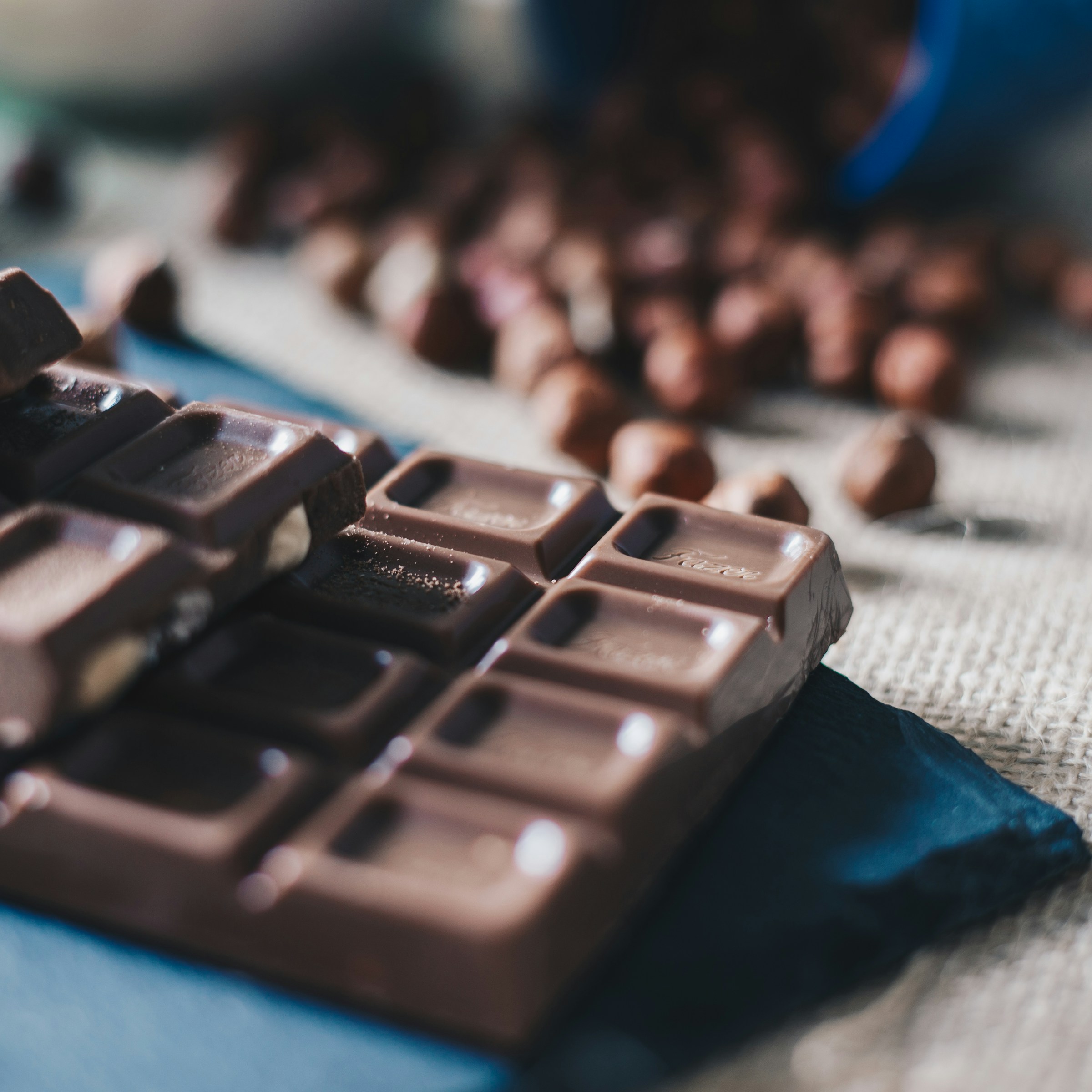
Along the way, visitors may taste fresh cacao pods plus roasted cocoa beans, molten chocolate, finished single-origin chocolate bars, and even complimentary hot chocolate. Of all those offerings, molten chocolate taken directly from the production line is consistently the one that stops people mid-conversation. It’s warmer, silkier, and more intensely flavored than anything from a wrapper.
The chocolate-making process focuses on quality and tradition. Chocolates are prepared without preservatives and crafted by hand in small batches. Tour guides walk visitors through each step, from combining ingredients and tempering chocolate to enrobing centers and packaging finished products. Tasting at that precise stage, before the chocolate sets, is something visitors simply can’t replicate at home. That’s the point of the whole experience, really.
The Single-Origin Bar That Changes Minds
For many visitors, single-origin chocolate is a concept they’ve heard of but never truly tasted with context. Guides inform guests about sourcing from various cocoa origins, including information about cacao trees, as they walk through the chocolate-making process. Along the way, visitors may taste roasted cocoa beans, molten chocolate, finished single-origin chocolate bars, and complimentary hot chocolate. The context changes the flavor, which is something guides understand well.
Visitors don’t have to sign up for a tasting to try the chocolate, but the education from the tasting makes them appreciate the chocolate even more. Lovers of overly sweet chocolate may not like every bar, but dark chocolate lovers will really fall head over heels. Many visitors leave with a newfound appreciation for tasting chocolate. That transformation is the true product being sold on these tours.
Dark Chocolate with Sea Salt – The Crowd Favorite Nobody Argues About
Videri makes handcrafted bean-to-bar chocolate in four flagship flavors: dark milk, classic dark, pink peppercorn, and sea salt. Sea salt dark chocolate has become something of a consensus crowd-pleaser at chocolate tours across the country. The salt cuts the bitterness, adds complexity, and gives people who think they don’t like dark chocolate a reason to reconsider.
Tasting is a highlight of the tour. Guests can sample what is being produced and compare different varieties like milk chocolate, dark chocolate, and white chocolate. When presented side by side with a plain milk chocolate, the salted dark version almost always generates the longer conversation. Guides have noticed this pattern for years.
Freshly Roasted Cocoa Beans – Raw, Strange, and Unforgettable
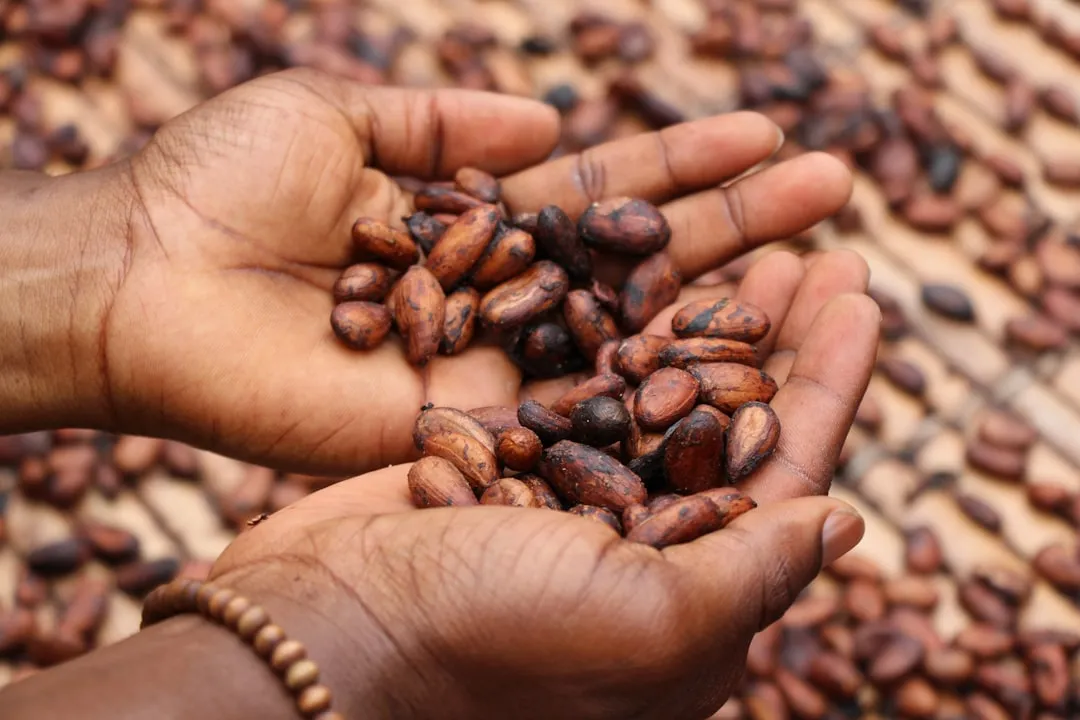
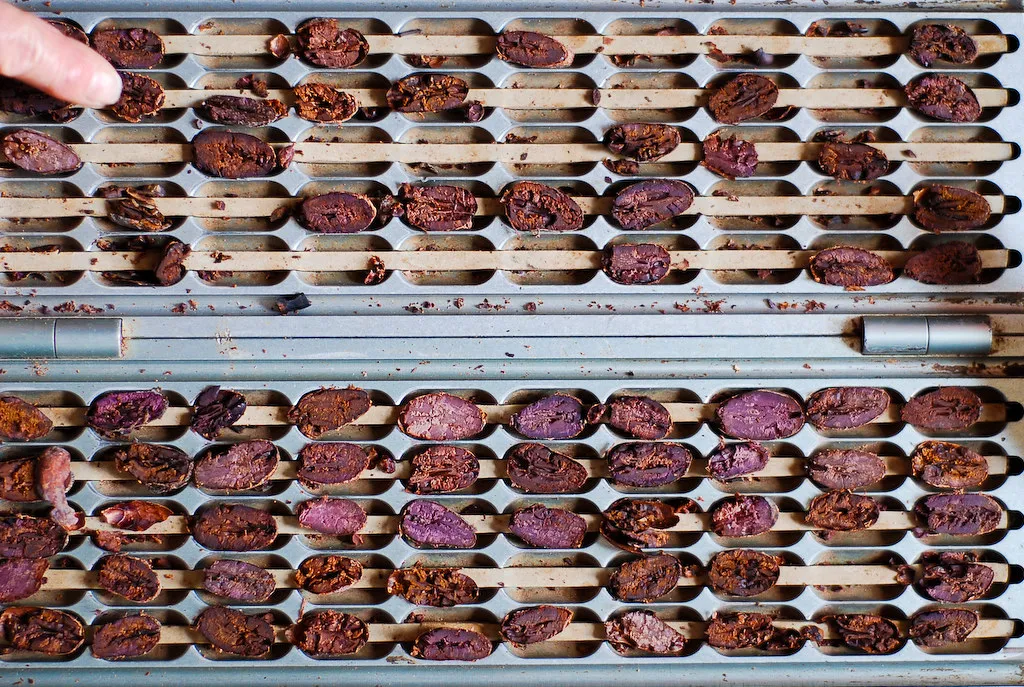
This is the sample that surprises people most. Visitors taste freshly made chocolates and confections while walking through the factory and learn to distinguish the finer characteristics of dark, milk and white chocolate, cocoa nibs and more. The cocoa nib or whole roasted bean sits somewhere between nutty and bitter, earthy and bright. Most visitors have never tasted anything quite like it.
Visitors get samples that contain ingredient combinations they will not find at other chocolate stores. It’s obvious that quite a lot of loving care goes into the creation of the different chocolate mixes. The roasted bean is the sample guides use to bridge the gap between raw agriculture and the finished product. Once you’ve tasted a bean, every bar of chocolate means something different.
Hot Chocolate Made On-Site
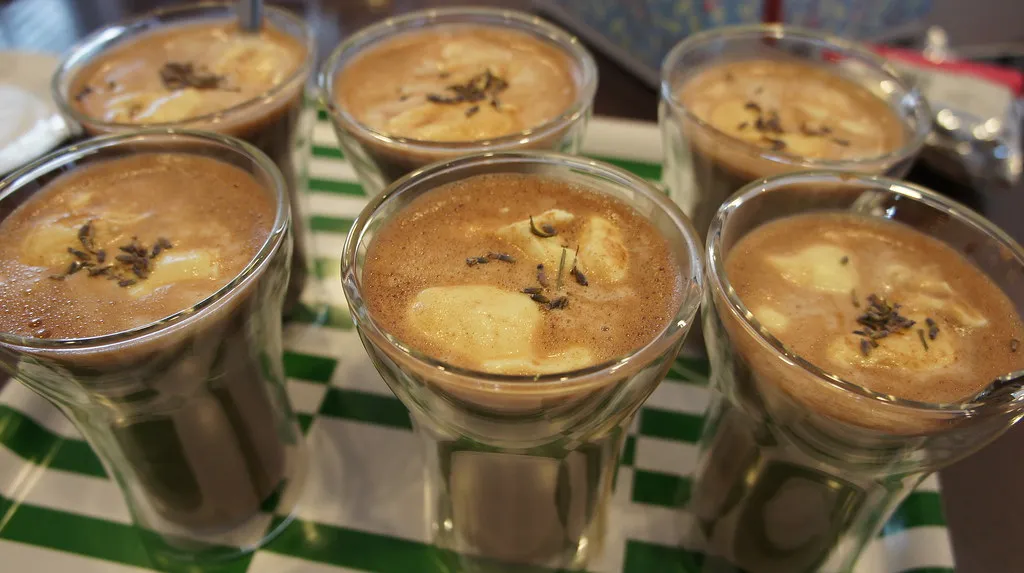
Hot chocolate served on a factory tour is nothing like the powdered instant version most people grew up with. Hosts are knowledgeable and friendly, the samples are fun, and visitors come away with candy bars they made themselves. At tours where hot chocolate is included, it tends to be the sample people mention first when recommending the experience to others.
Visitors across multiple tour locations consistently describe loving the hot chocolate component above most other offerings. There’s something comforting about holding a warm cup in a working factory, surrounded by the smell of cacao. It makes the whole experience feel less like a museum visit and more like a genuine welcome.
The Truffle Rolled in Front of You
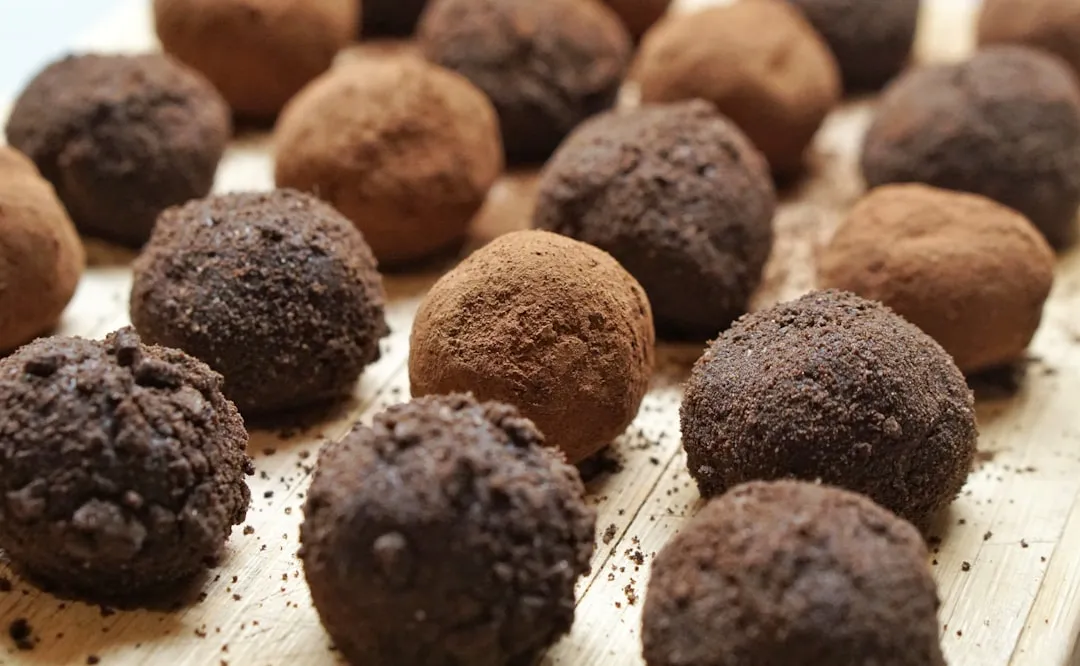
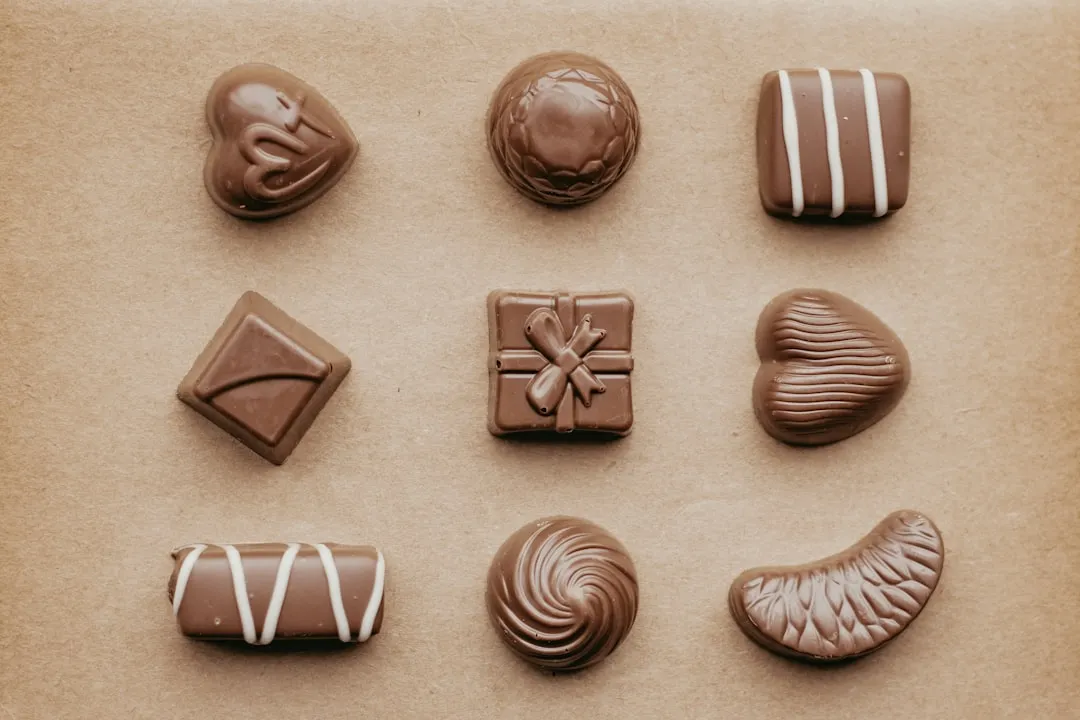
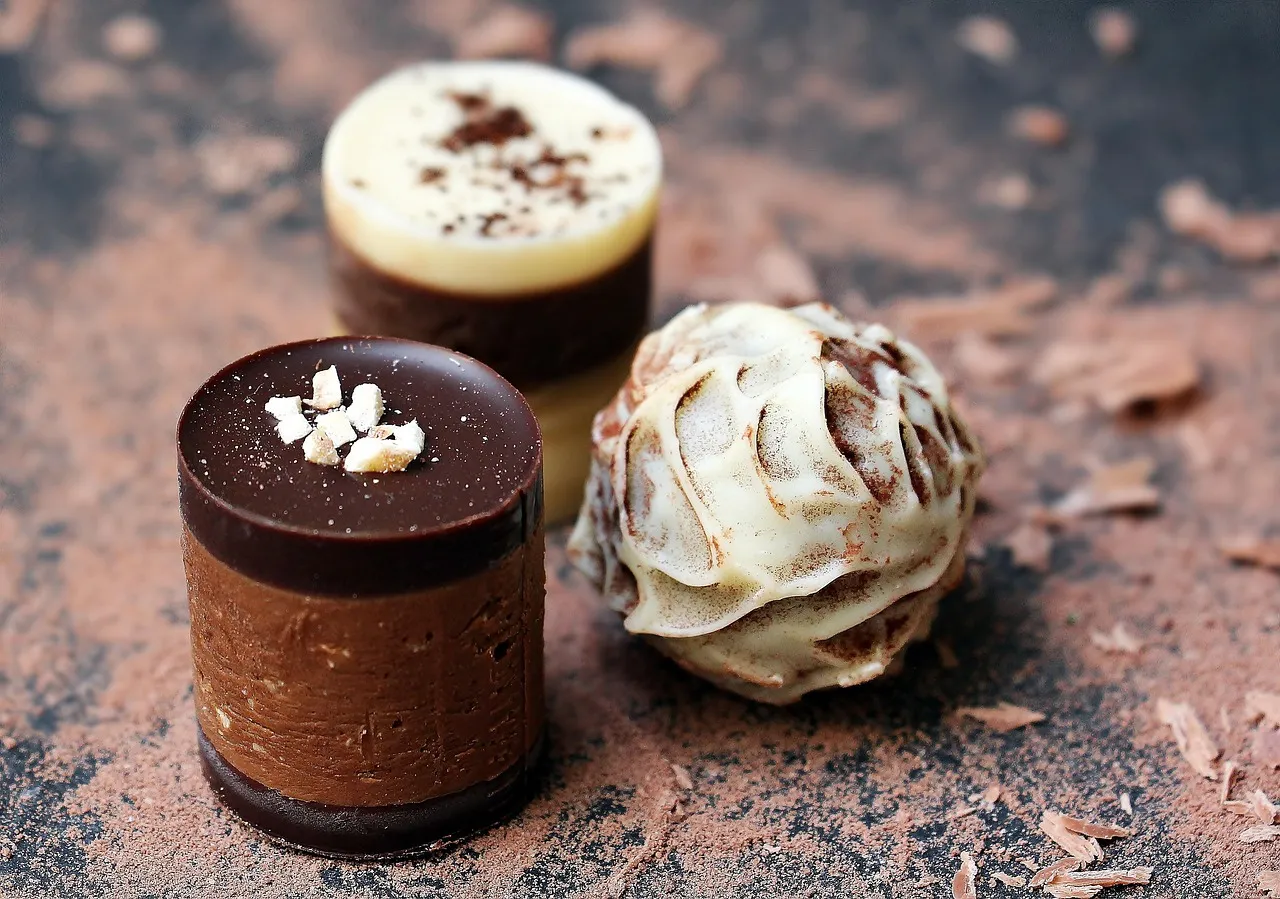
Visitors who attend hands-on truffle-making sessions describe the experience as genuinely fun, often finishing with a product they made themselves. The truffle is the sample with theater behind it. Watching a chocolatier roll, coat, and dust a ganache-centered piece in real time makes the tasting feel earned rather than routine.
During the tour, visitors walk through working facilities and watch machines run while the team hand-dips, decorates, and prepares milk chocolate and dark chocolate treats. The experience is interactive and engaging for chocolate lovers of all ages, with plenty of opportunities to observe, ask questions, and learn more about the craft. The truffle moment tends to be where cameras come out, which tells guides everything they need to know about its appeal.
What Milk Chocolate Still Does Right
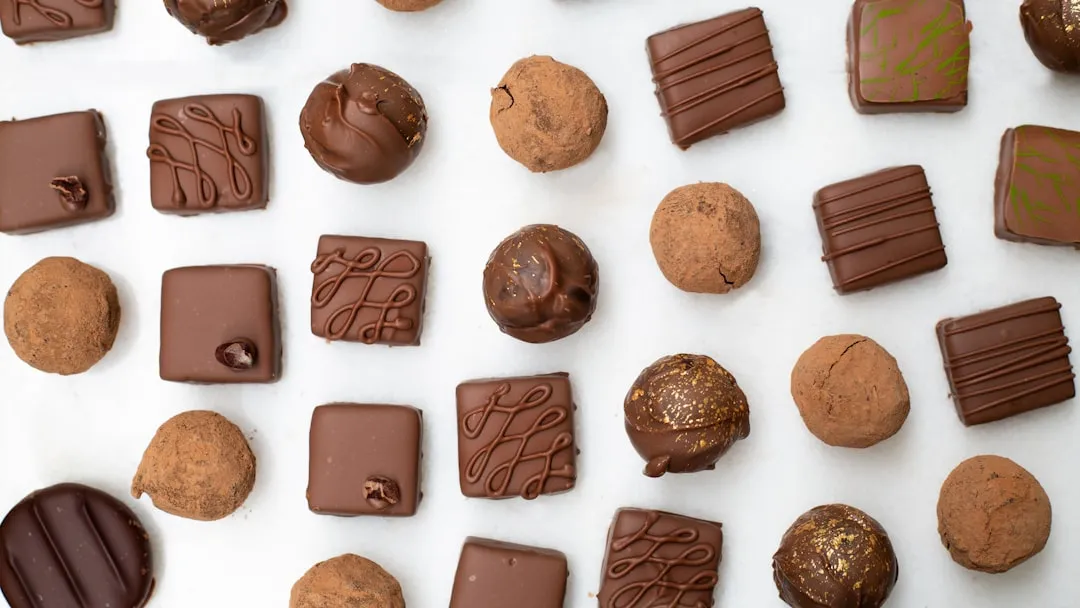
By product type, milk chocolate led with nearly half of market share in 2026. It remains the dominant preference globally, and no chocolate factory tour ignores that reality. When a well-made milk chocolate is sampled in a factory setting – freshly tempered, still slightly warm, without the waxy aftertaste of mass-market bars – visitors who thought they’d outgrown it often change their minds entirely.
Tasting is a highlight of the tour, and guests can sample what is being produced and compare different varieties like milk chocolate, dark chocolate, and white chocolate. For many guides, the milk chocolate moment is where they see the most visible reaction from guests. It’s a familiar flavor served in an unfamiliar, better form, and that gap between expectation and reality is what makes it memorable.
Why Guides Say the Free Sample Is Never Really Free
Every seasoned tour guide will tell you the same thing: the sample isn’t free in the way people assume. Seeing how your favorite food gets made can be a valuable yet inexpensive experience. Chocolate companies across the country invite visitors to sample chocolate for free, or for the price of a tour. What’s actually happening is a form of education that transforms how visitors buy, think about, and share chocolate afterward.
Askinosie runs a chocolate university that engages with schools to teach students about the chocolate business, from the farm to the factory, and introduces them to the communities where cacao beans are grown. The university is funded by the company’s weekly tours. They explain the chocolate-making process with plenty of sampling along the way. The sample is part of a larger story, and the best guides make sure visitors understand that before they take their first bite.
The Ethical Layer Behind Every Sample
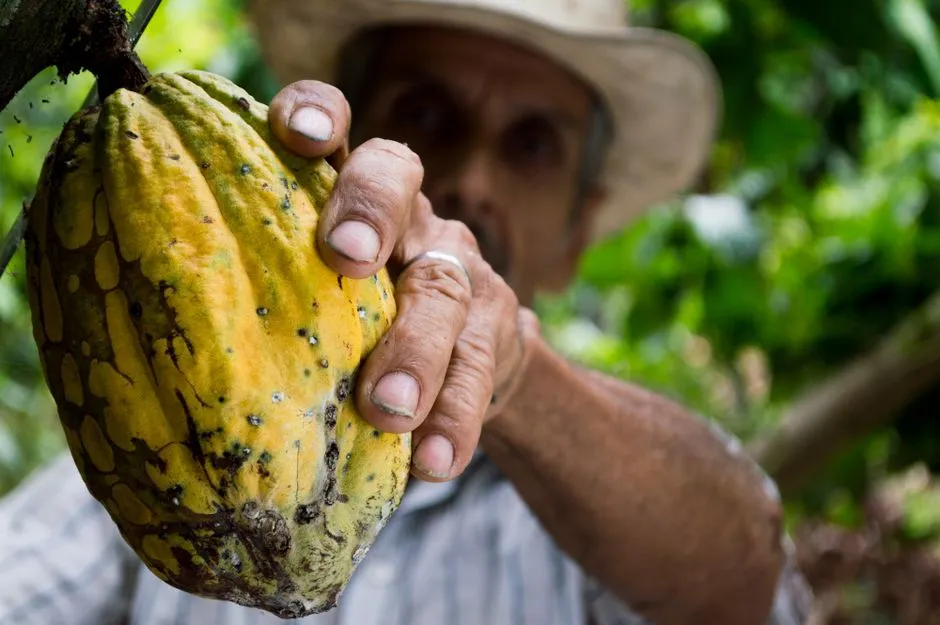
Cacao farmers earn an average of only about six percent of the final price of a chocolate bar. That number sits differently after you’ve tasted a fresh-roasted bean and understood how long and complicated the journey from farm to finished bar actually is. Several tour guides now weave this reality into their tasting narrative, using the sample as a starting point for a broader conversation about sourcing and fairness.
Theo Chocolate, for example, takes pride in its organic, fair-trade operations. Some bean-to-bar chocolatiers are leaving a small carbon footprint while empowering native farmers and exhibiting mindful conservation techniques. Visitors who arrive expecting a simple tasting often leave thinking about supply chains, farming communities, and the cost of chocolate in ways they hadn’t before. The sample, it turns out, carries more weight than its small size suggests.
The Takeaway
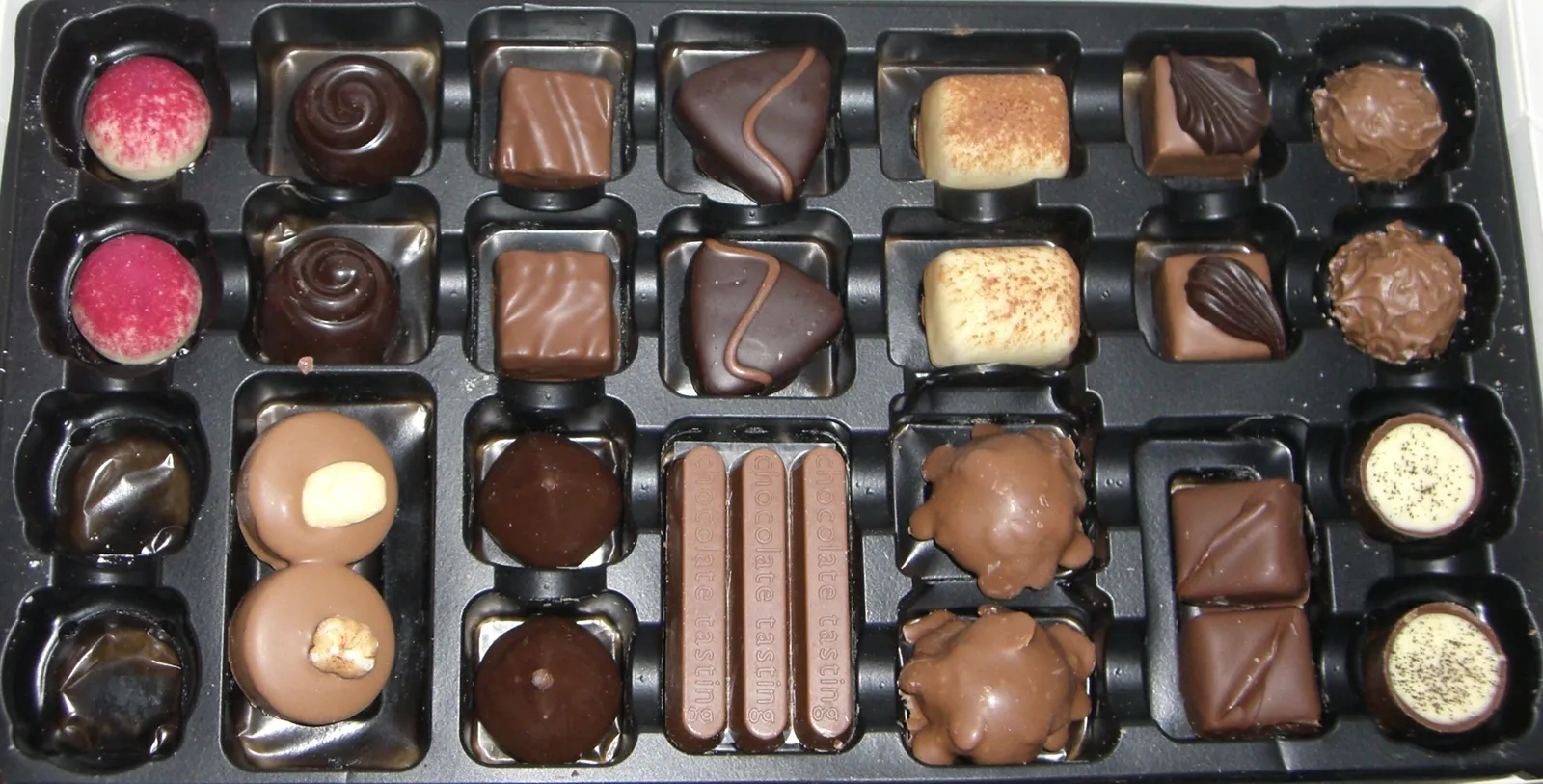
There’s a reason chocolate factories are becoming popular destinations, with some facilities welcoming over 50,000 visitors each year. The sample nobody skips isn’t a single flavor. It’s the one that arrived with enough context to mean something – the warm piece of molten chocolate, the bean that tasted like soil and fruit and possibility, the truffle you watched being made.
Guides understand that their job isn’t really to hand out chocolate. It’s to change how people experience it. The sample is just the most honest way they have to do that.
AI Disclaimer: This article was created with the assistance of AI tools and reviewed by a human editor.