


Most of us reach out our hand without giving it a second thought. It’s a greeting, a deal, a goodbye. Simple, familiar, done. Except that this one gesture, repeated billions of times a day across the planet, carries a completely different weight depending on where you happen to be standing.
Grip too hard in the wrong country and you’ve just been rude. Hold on too long and you might confuse your host. Let go too early, and that’s a problem too. The handshake is anything but universal once you start looking closely at how the world actually uses it.
Saudi Arabia: Where Holding Hands Is Warmth, Not Romance
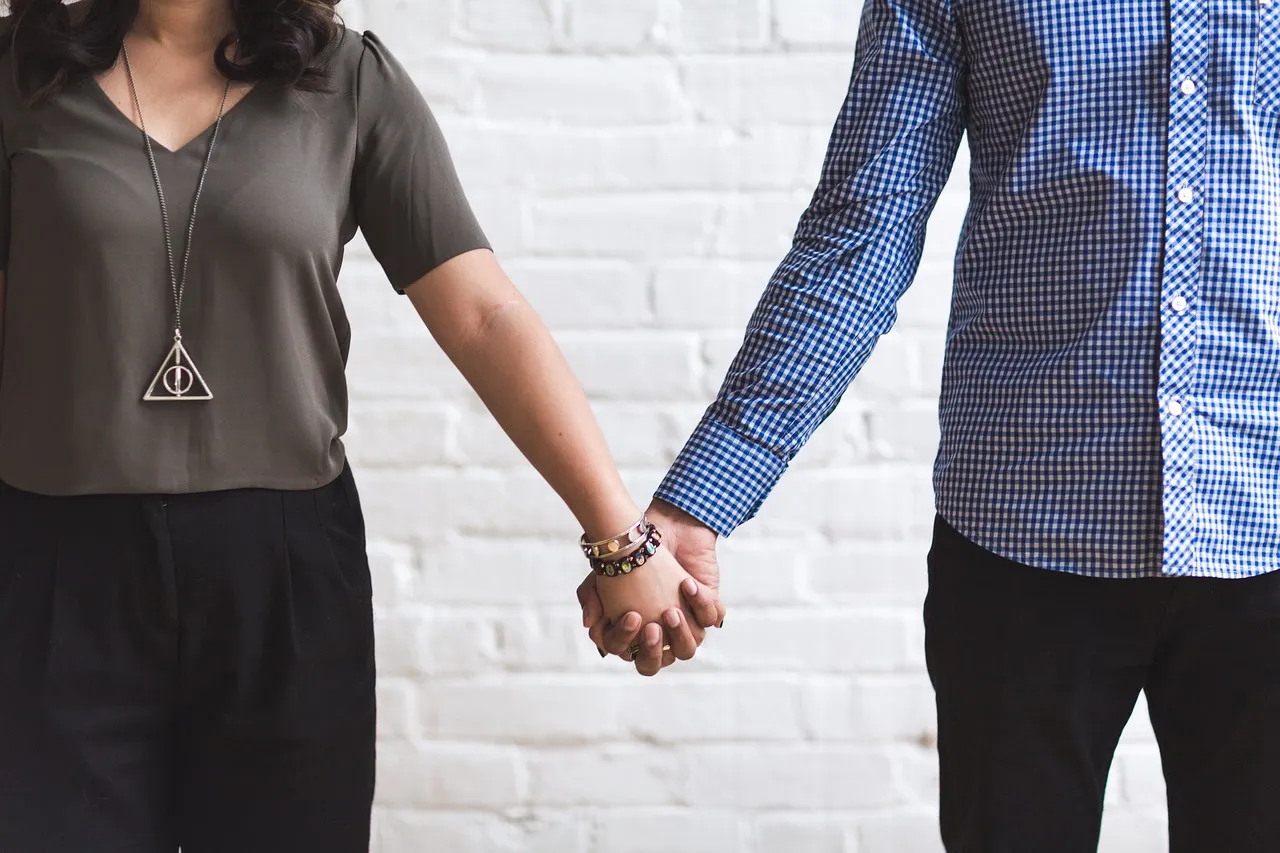
In Saudi Arabia, a handshake between men can be prolonged, often resulting in handholding. Two men holding hands in this culture is a very warm expression of friendship and trust, and not touching or shaking hands between men can actually be seen as disrespectful. That extended contact carries real social weight.
Handshakes in the Middle East are generally much softer than Western grips, and a firm handshake is considered rude. Your counterpart may hold your hand for longer as a sign of respect and a warm welcome, even if it feels unfamiliar at first. The instinct to pull away quickly is one worth resisting here.
Japan: The Bow Comes First, Always
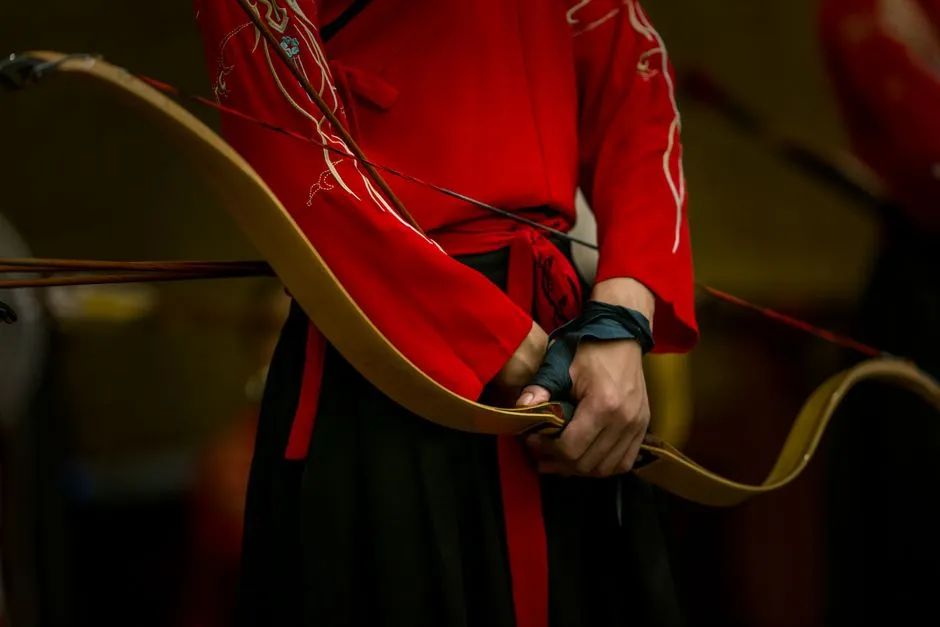
In Japan, there is not a tradition of shaking hands, and it is preferred to formally bow to each other, with hands open by the sides. The handshake arrived relatively recently, carried over through international business culture, and it still doesn’t feel entirely native.
In Japan, a handshake is acceptable, and some Japanese people accompany it with a slight bow as a sign of respect. The Japanese handshake is traditionally limp, and little or no eye contact is made during it. If working with Japanese contacts, it’s best to let your counterpart lead the interaction and follow suit.
Turkey: A Firm Grip Will Not Impress Anyone
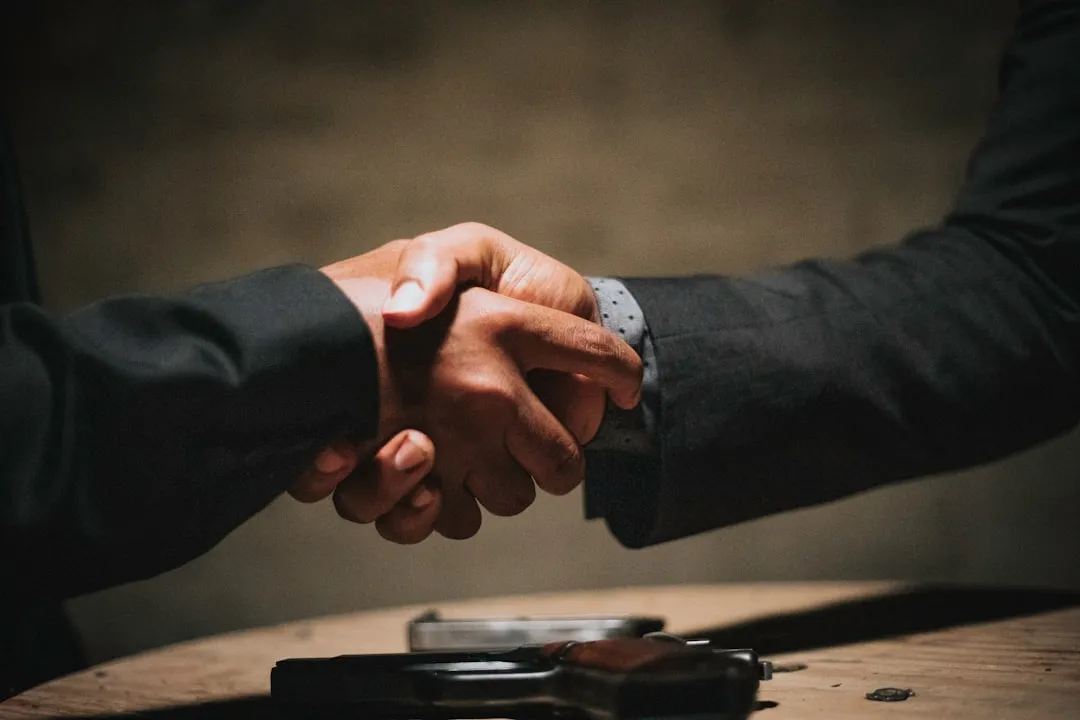
In Turkey, a firm handshake is considered rude and aggressive. Western professionals trained to offer a confident, solid grip may be inadvertently signaling hostility before the conversation has even started. The cultural read on strength here is almost the opposite of what it is in North America or Germany.
In countries such as Turkey and the Arabic-speaking Middle East, handshakes are not as firm as in the West, and a grip that is too firm is considered rude. A gentle, unhurried touch is what communicates sincerity and good manners in this part of the world.
China: Age Determines Who Goes First
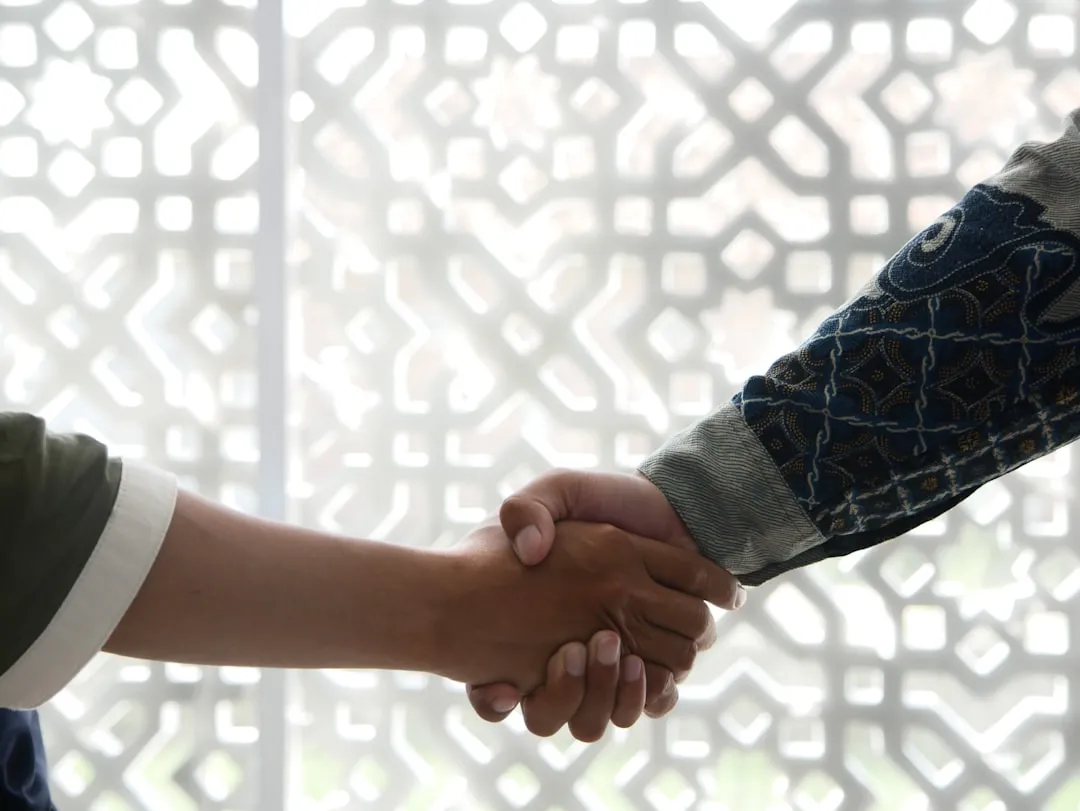
In China, age is considered important in handshake etiquette, and older people should be greeted with a handshake before others. A weak handshake is preferred, but people shaking hands often hold on to each other’s hands for an extended period after the initial shake. The duration of the grip carries its own quiet message of respect.
In China and the United Arab Emirates, the oldest of the group is greeted first. In China, a light handshake and a slight bow are practiced, and one should try not to make direct eye contact or pull away too soon. Rushing through the greeting would miss the point entirely.
Liberia and Namibia: The Handshake Has Its Own Choreography
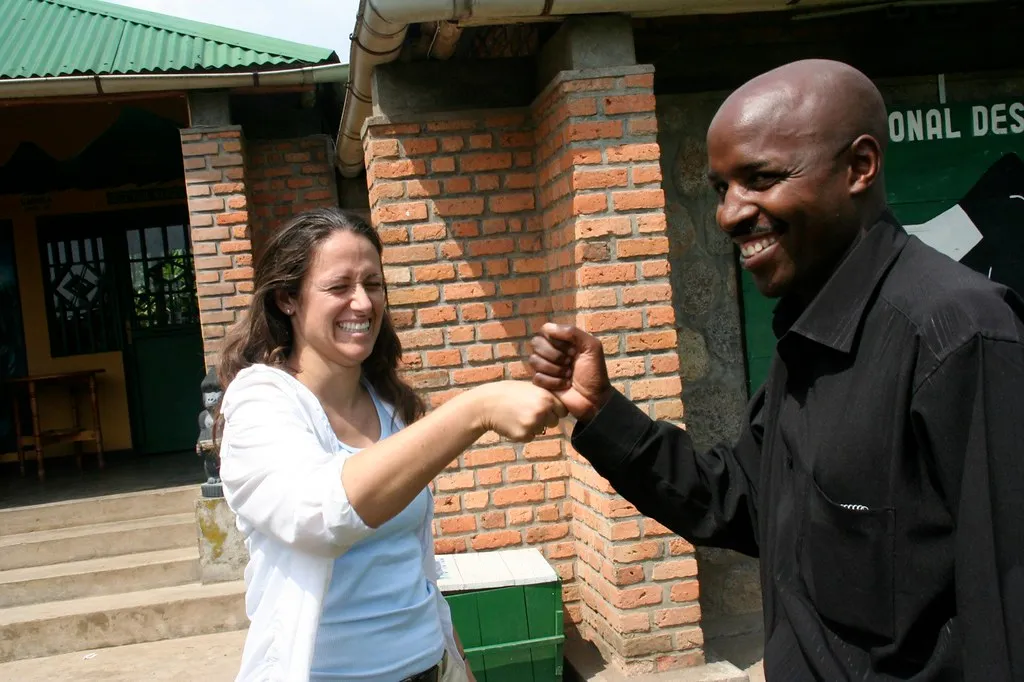
African countries have their own variations on the traditional handshake. A handshake should be firm and is often prolonged. In Namibia, thumbs are locked in the middle of the handshake. In Liberia, people slap hands and then execute a complex finger snap. These aren’t casual flourishes; they’re established expressions of social connection.
In eastern and southern Africa, holding your right elbow with your left hand during the handshake is a sign of respect. African handshakes can go on a long time, and pulling away early is considered impolite. Visitors who aren’t expecting this rhythmic, extended greeting sometimes misread it entirely.
Morocco: The Handshake That Ends at the Heart
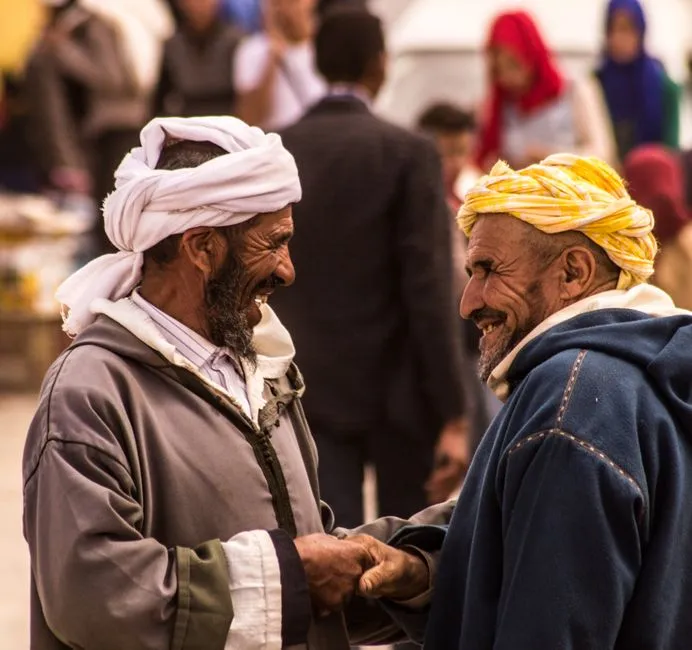
Moroccans will give a soft handshake to someone of the same gender, along with one kiss on each cheek, where the lips don’t touch the cheek unless the people are family. The handshake may be followed by lightly touching one’s heart with the right hand. That final gesture is the part that tends to catch visitors off guard.
In many Middle Eastern countries, placing the right hand on the heart is a warm way to greet someone and means that the person truly appreciates your presence. It’s a detail that transforms a simple greeting into something far more personal and sincere.
South Korea: Both Hands, and a Slight Bow
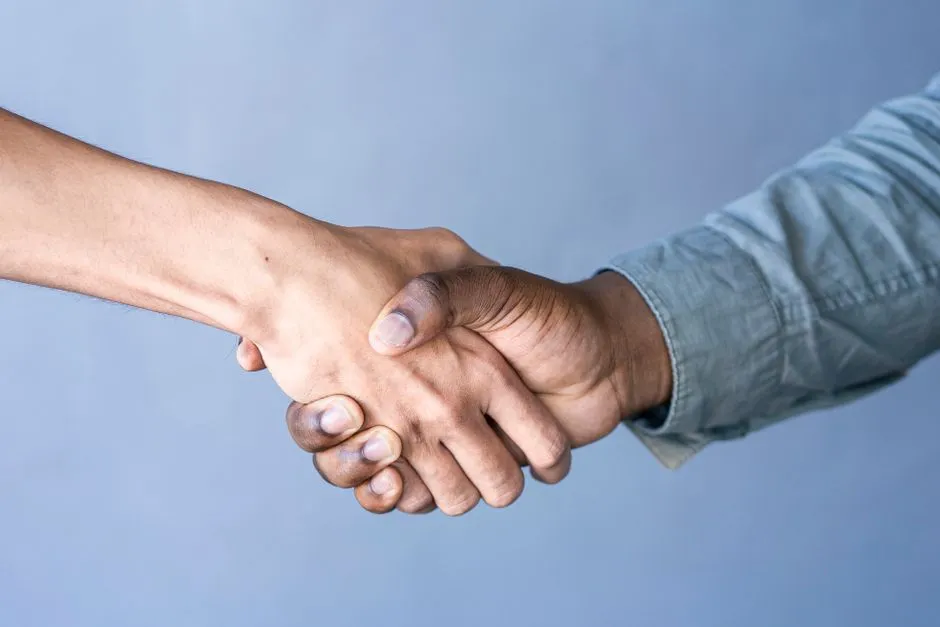
In South Korea, men bow slightly to each other while shaking hands, using both hands or the right hand. Women nod, and in general, do not shake hands, especially not with men. Gender plays a significant role in how greetings are navigated, something a visitor from a more egalitarian greeting culture might not anticipate.
Gender plays a role, as does hierarchy. Junior people from Mediterranean, Latin, Middle Eastern, South Asian, and East Asian cultures might extend their hand or wait to extend it and then avert their eyes. The deference built into these gestures is easy to overlook if you’re reading them through a Western lens.
Thailand: The Wai Replaces the Handshake Entirely
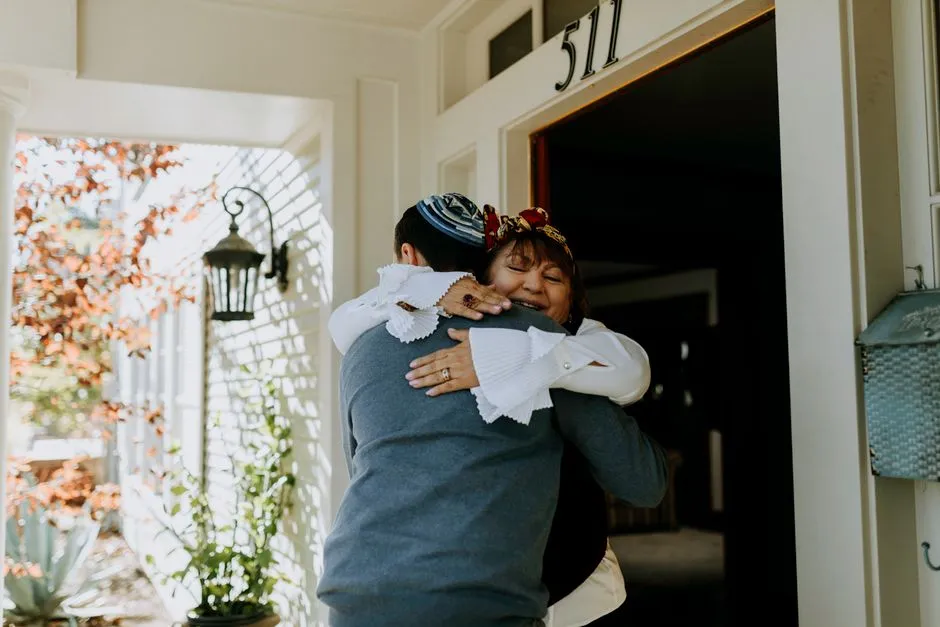
People from Thailand will often place their palms together at the chest and bow as a formal greeting called a Wai, pronounced “why.” It is customary to return this good-willed gesture. Offering a handshake instead could come across as indifferent to local custom, even if none was intended.
The Thai tradition is the Wai, made when you place both hands together in a prayer position at the chest. However, in a Westernized social setting, handshaking may take place. In either case, it’s polite to wait for the person in charge to initiate.
The Left Hand: An Invisible Rule in Several Countries
Using the left hand to give or receive something is neutral in the West but taboo in India, Africa, and many Islamic cultures, where it’s linked to hygiene taboos. Extending a left hand for a handshake, even accidentally, can convey a level of disrespect that has nothing to do with grip or duration.
In parts of India, the Middle East, and Africa, the left hand is traditionally associated with hygiene tasks and considered inappropriate for eating or giving items. This convention is deeply ingrained. It’s a rule that operates largely below the surface of most travel guides, yet matters considerably in practice.
Islamic Cultures: When Not Shaking Hands Is the Respectful Move
Men in Islamic countries never shake the hands of women outside the family. Conservative Muslim societies discourage handshakes between men and women entirely. For travelers accustomed to offering a hand to anyone they meet, this is one of the more significant adjustments to make, and one of the most important to get right.
Handshakes are universal in the West, but in many Muslim and Asian cultures, they may be avoided entirely or handled differently depending on gender or hierarchy. In Muslim areas, touching the left hand to the chest as you shake hands with someone of the same gender is a sign of additional deference. These small details communicate volumes about how seriously you take your host’s culture.
A Closing Thought

Customs surrounding handshakes are specific to cultures. Different cultures may be more or less likely to shake hands, or there may be different customs about how or when to shake hands. What looks like a simple gesture is, in reality, a small cultural text written in real time.
The most generous thing a traveler can do is slow down long enough to read it. Watch who initiates. Notice the pressure, the duration, what happens after. If in doubt as to how long to keep a handshake going, take your cue from your counterpart and never release pressure from the handshake before they do, as it may be considered rude. The handshake has always been about trust. Knowing how to give one in the right way, in the right place, is where that trust actually begins.
AI Disclaimer: This article was created with the assistance of AI tools and reviewed by a human editor.