

There’s a particular kind of quiet that settles over a farmyard at sunrise. No notifications. No traffic hum. Just the sound of chickens stirring and the smell of hay warming in the early light. For a growing number of travelers, that sensory reset is exactly the point of a vacation.
Early travel trends for 2026 show a clear shift toward simpler, healthier, and less crowded experiences. After years of packed itineraries, many travelers are now prioritizing digital detoxes and presence over constant stimulation. Farm stays sit right at the heart of that shift. What’s especially interesting, though, is what happens once guests actually arrive. Many who show up expecting to simply rest end up volunteering for the work itself, and then asking to do it again the next morning.
Collecting Eggs from the Chicken Coop
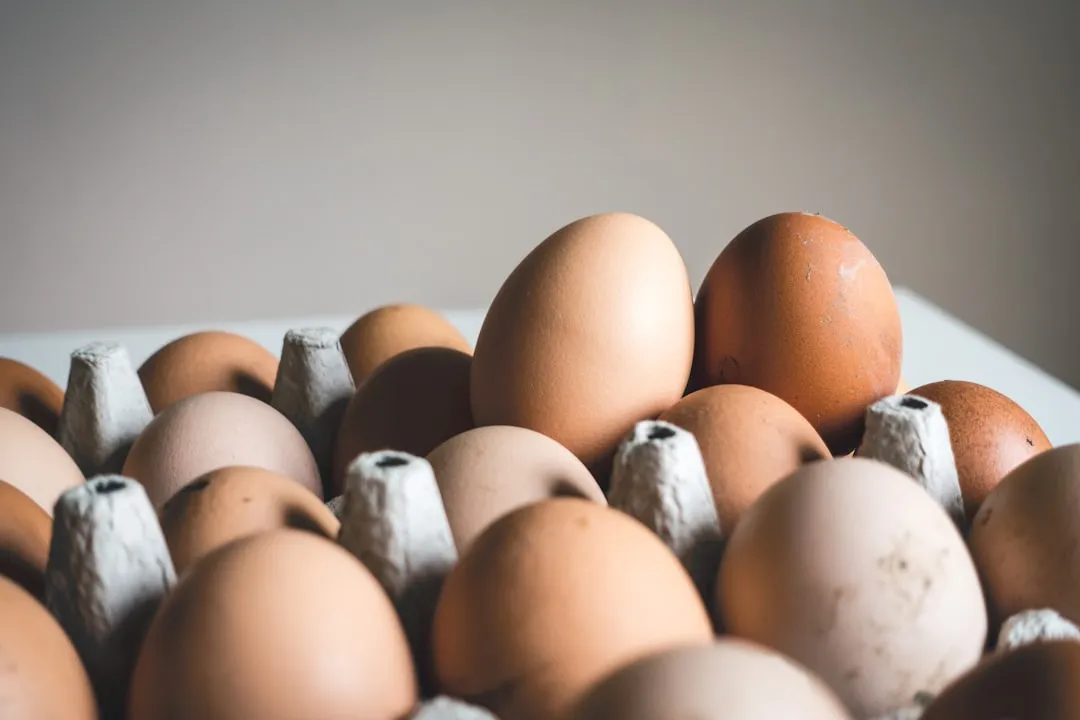
Guests booking farm stays consistently seek authentic agricultural experiences, and egg collecting ranks among the most requested of all. There’s something almost meditative about walking into a coop at dawn, lifting the nesting box lids, and finding a warm egg waiting underneath. It’s tangible and immediate in a way that very little urban life ever is.
Children especially love to help gather eggs, feed the chickens, and feed the goats. That enthusiasm, though, is far from limited to kids. Adult guests frequently return for the morning egg round on day two and three of their stay, often without being invited. Hosts note that the ritual quality of it, the same loop, the same coop, the same hens, becomes genuinely comforting for people used to unpredictable schedules.
Milking Cows and Goats
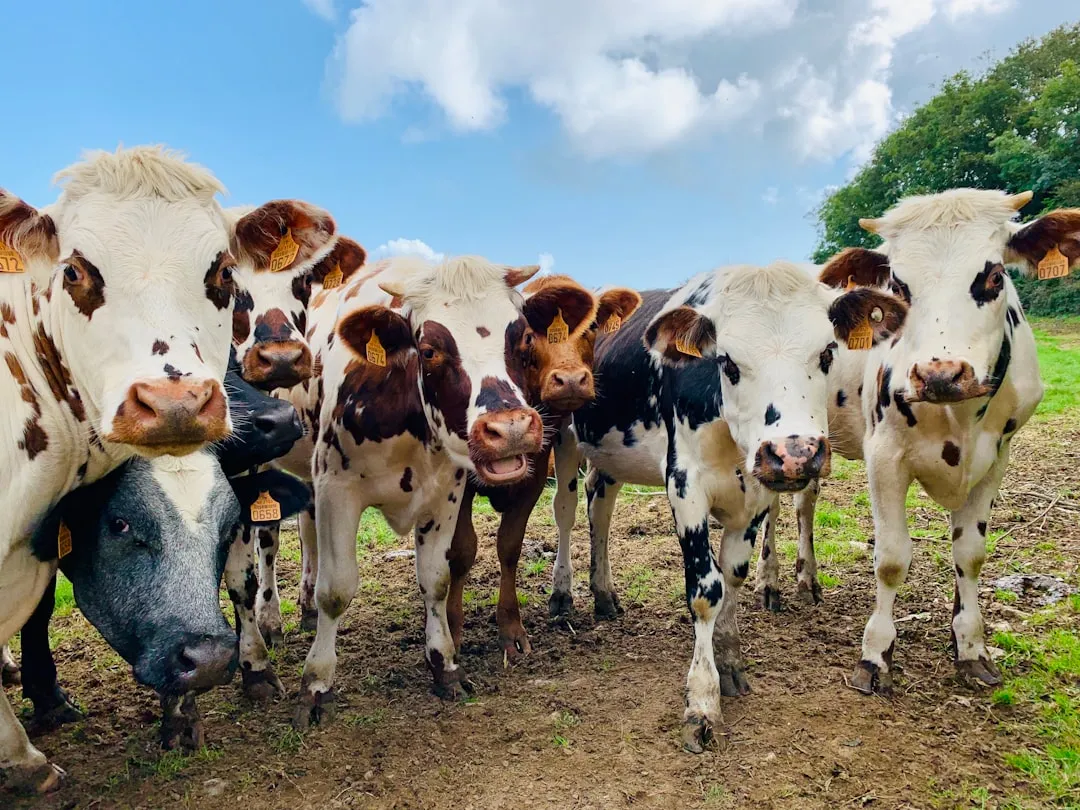
At farm stays like East Hill Farm in New England, guests can join in farm chores including milking cows and goats, collecting eggs, churning butter, and making cheese. Milking is consistently one of the activities guests mention most in post-stay reviews, often describing the experience as unexpectedly grounding. It demands full attention, a slow rhythm, and a physical presence that most people simply aren’t used to.
Mucking out horse stalls and milking cows may not sound like an ideal vacation activity, but for city dwellers it genuinely is. Hosts across the country report that guests who try milking on their first morning almost always show up again the next day. The learning curve is short, the reward is immediate, and the sensory detail of warm milk and a living animal creates a memory that sticks. Guests often try their hand at milking after feeding the calves, and nearly everyone notes it always seems to look easier than it really is.
Feeding Baby Animals
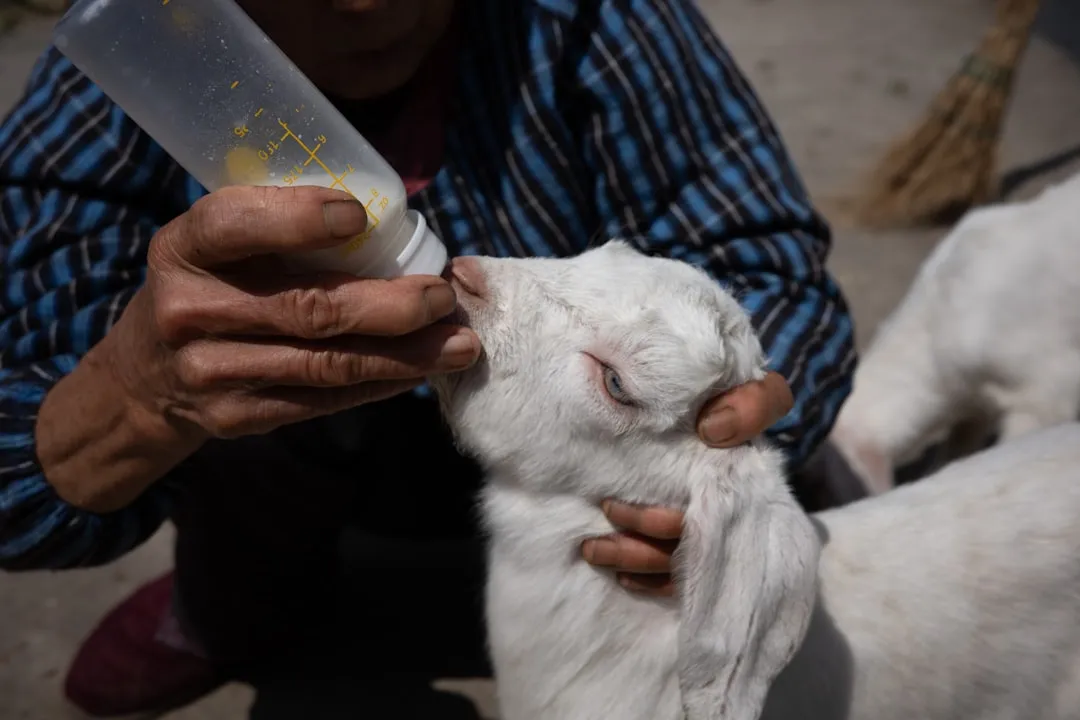
At farms across the country, guests can venture into chicken coops, collect eggs, feed pigs and horses, or bottle-feed lambs and calves. Bottle-feeding a newborn calf or lamb is one of those experiences that hosts almost universally describe as transformative for guests. The animal pulls hard on the bottle, the guest laughs, and something shifts.
Morning chores like feeding baby calves, milking a cow, looking for eggs, and visiting with goats form the backbone of the farm stay morning routine at many operations. Hosts say that baby animal feeding, in particular, draws guests back without any prompting. The combination of physical closeness, novelty, and gentle purpose seems to satisfy something that ordinary tourism rarely touches. Families report that their kids fell in love with the animals, especially the goats, and helping with farm chores became the highlight of the trip.
Harvesting Fresh Produce
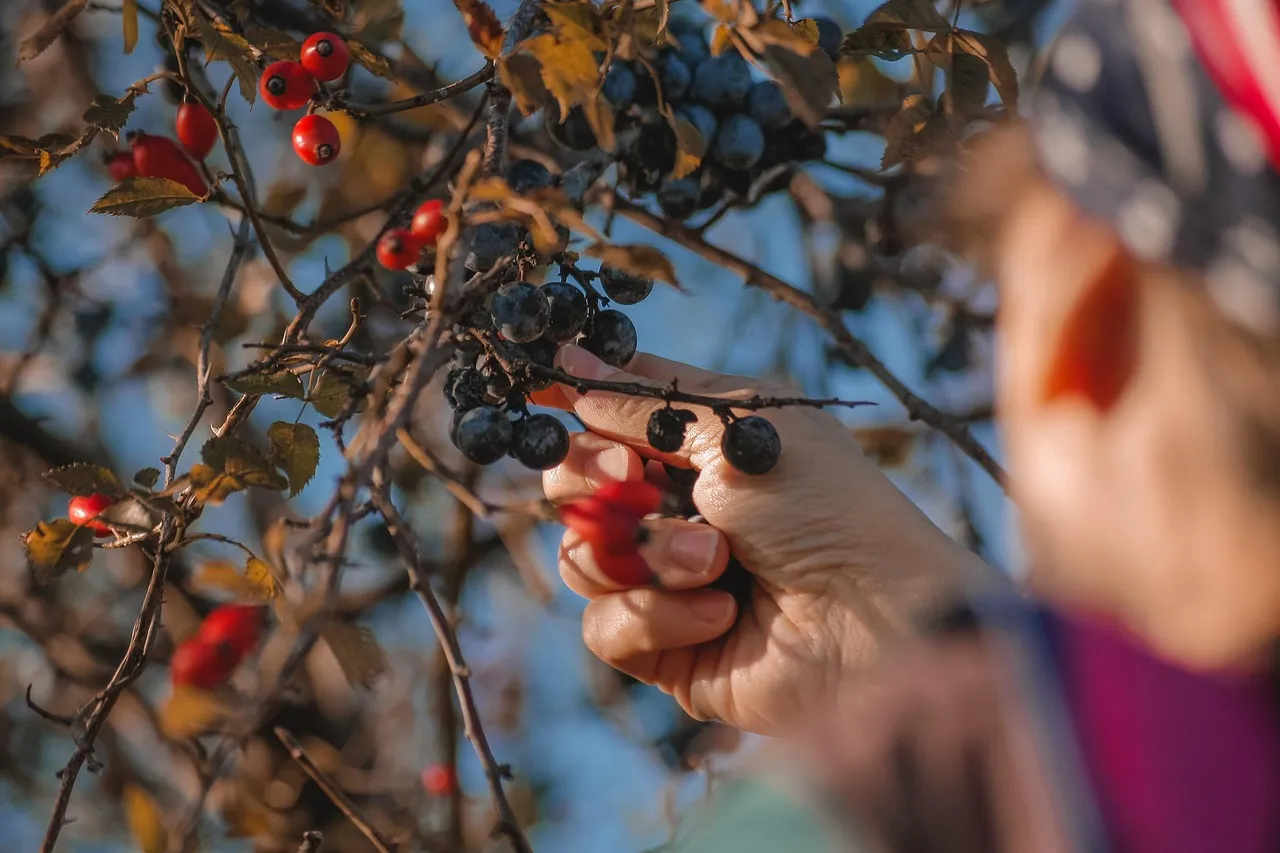
On farms growing vegetables, berries, orchard crops, and vineyard produce, guests can help plant, harvest, and pick the farm’s bounty depending on the season. There’s a reason pick-your-own operations have remained consistently popular for decades. Harvesting something you’ll eat that same evening creates a connection between effort and nourishment that supermarket shopping simply can’t replicate.
Heightened awareness and appreciation for local food systems have spurred demand for farm-to-table experiences, where visitors can directly engage in harvesting produce and learning about traditional farming practices. Farm stay hosts note that guests who join a harvest session often linger long after the task is done, asking questions about soil, seasons, and seed varieties. The chore becomes a conversation, and that conversation is what guests say they remember most. Studies show that more than seventy percent of agritourism visitors take part in farm-based activities like fruit harvesting, ensuring deeper engagement in rural tourism.
Churning Butter and Making Cheese
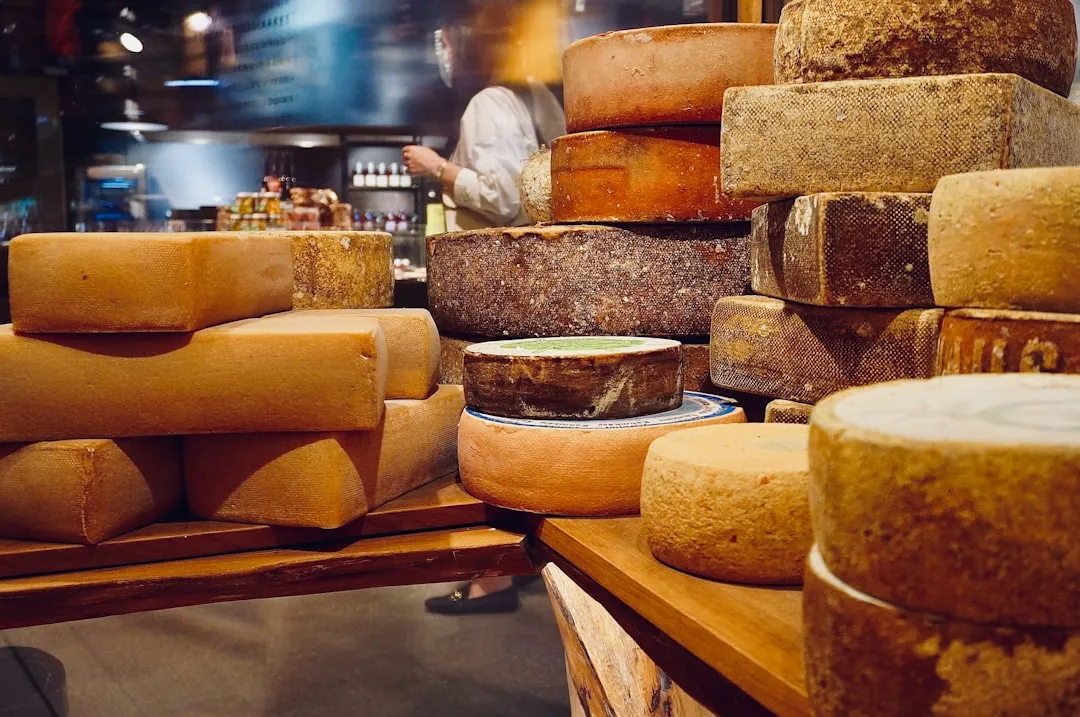
Visitors willingly pay premium fees for seasonal harvest workshops, cheese-making sessions, and seed-saving classes that forge personal memories. Cheese-making and butter churning occupy a special category of farm chore because they feel like craftsmanship. Guests aren’t just helping out; they’re making something with a beginning, a middle, and a satisfying end. The fact that they can eat the result seals the deal entirely.
Many successful farm stays bundle a base accommodation rate with optional add-on experiences, including seasonal workshops like cheese-making for around fifty dollars per person. Hosts who offer these sessions report that they’re nearly always fully booked and that repeat requests are common. Urban residents increasingly favor immersive farm holidays that offer storytelling, skill-building, and hands-on learning, a preference confirmed by research from the University of Kentucky’s Center for Crop Diversification. Cheese-making checks every one of those boxes in a single afternoon.
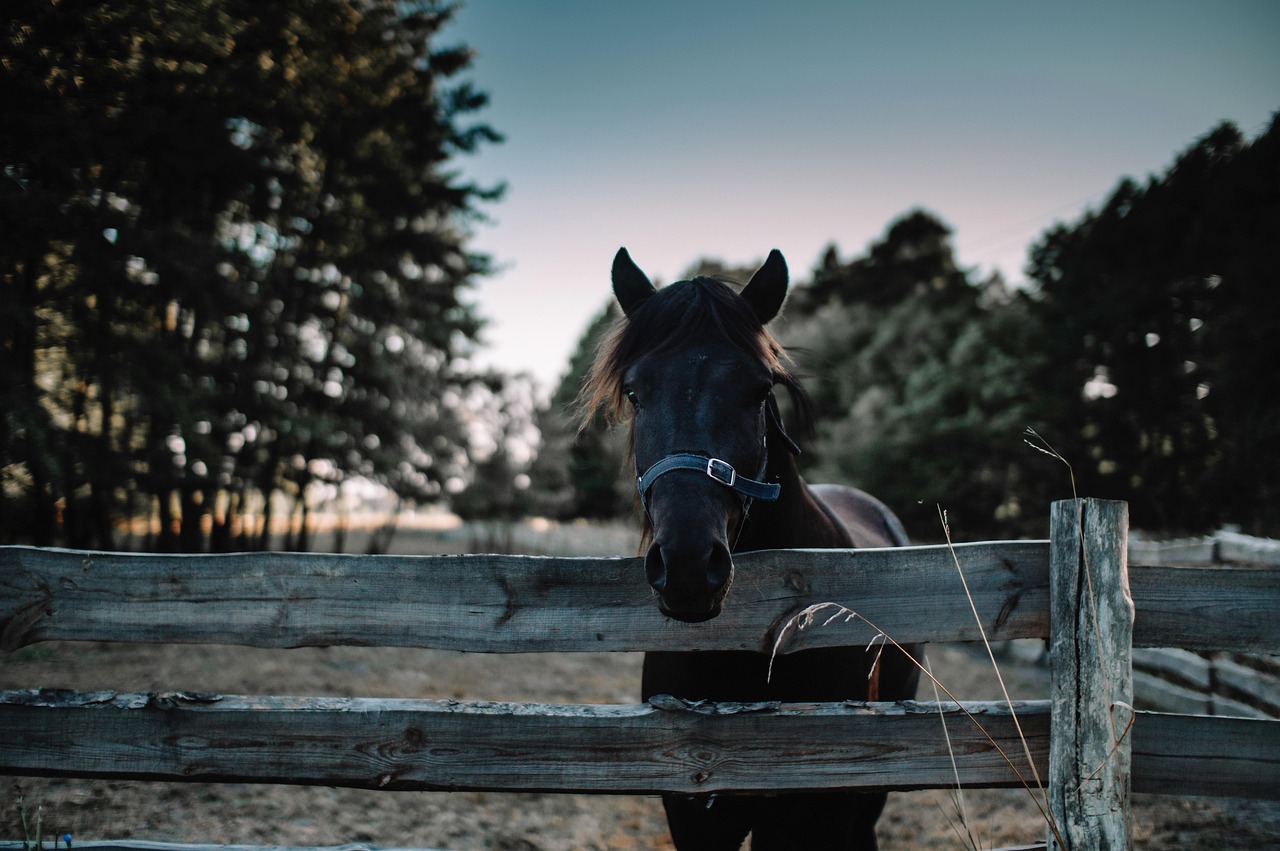
Feeding and Grooming Horses
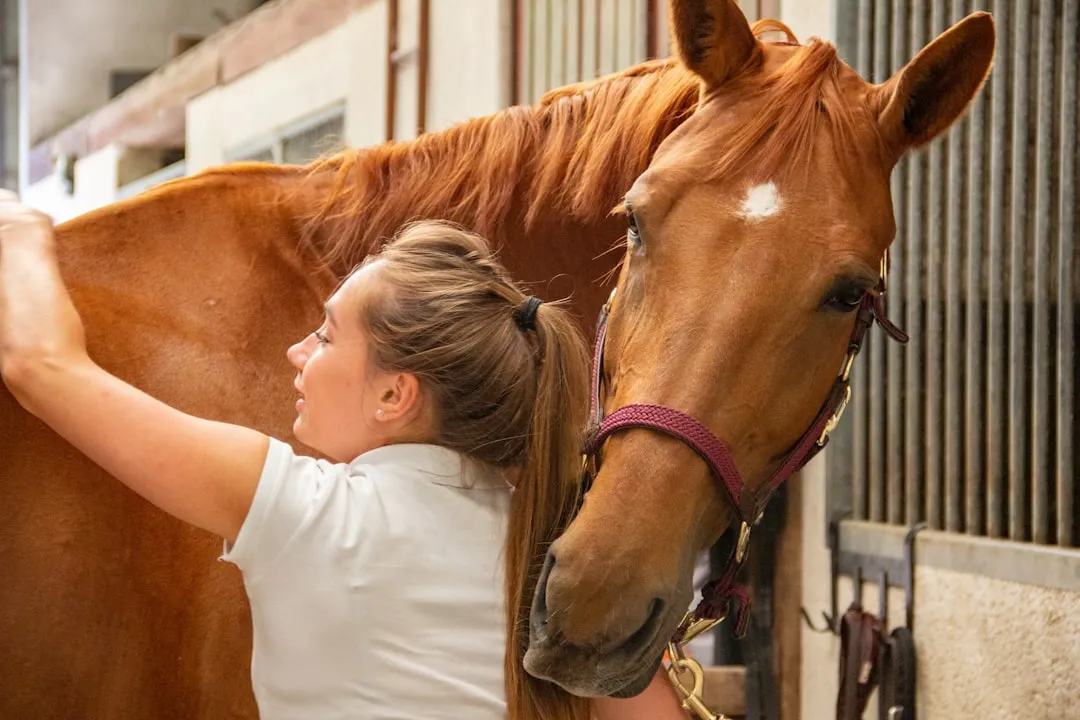
Horses hold a particular draw for farm stay guests, and hosts consistently report that the morning feeding and brushing routine is one guests request to join again and again. The scale and warmth of the animal, the deliberate pace required, and the obvious trust the horse extends when it lowers its head to eat all seem to land differently than guests expect.
Guests at farms like Scurlock Farms are free to feed the horses apples and carrots, gather pecans in the fall, fish, and ride in the tractor during hay baling. Grooming, in particular, tends to surprise guests who arrive expecting it to feel like work. What most describe afterward is something closer to meditation. The steady, repetitive motion of a brush against a horse’s coat, with no timeline and no screen in sight, turns out to be quietly powerful. Hosts say it’s one of the chores that produces the most post-stay messages of gratitude.
Weeding the Kitchen Garden
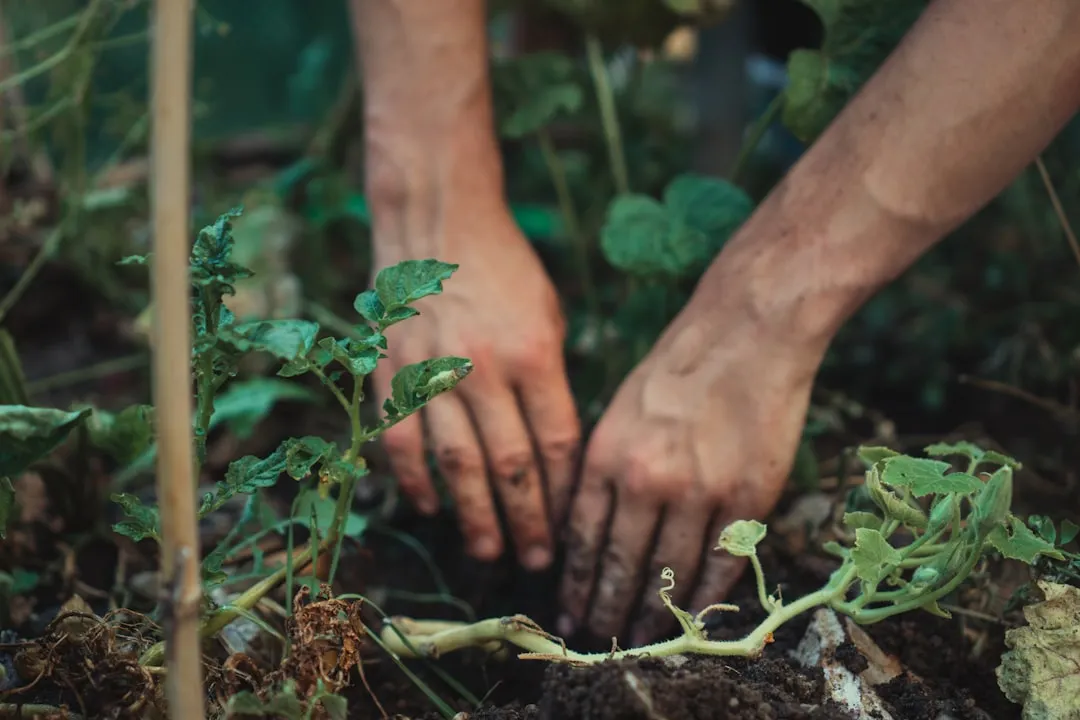
Weeding sounds like the least glamorous chore on any farm, but hosts report something counterintuitive: guests ask to do it again. The physical simplicity of it, crouching down, pulling out what doesn’t belong, and seeing a clear result, seems to satisfy an instinct that modern life rarely engages. No decisions. No multitasking. Just hands in soil.
Daily activities on exhibition farms like Stillwaters Farm in Western Tennessee include grooming animals, weeding a garden, harvesting hay, and witnessing new farm life firsthand. Farm hosts note that the kitchen garden in particular draws guests back because the scale feels manageable. Unlike a full crop field, a raised bed herb or vegetable garden gives a single guest a visible sense of accomplishment within thirty minutes. That completeness, rare in most professional lives, seems to be the thing guests quietly crave. Tourists are increasingly looking for genuine, hands-on farm experiences, wanting to understand where their food comes from and connect with rural life.
Collecting and Stacking Firewood
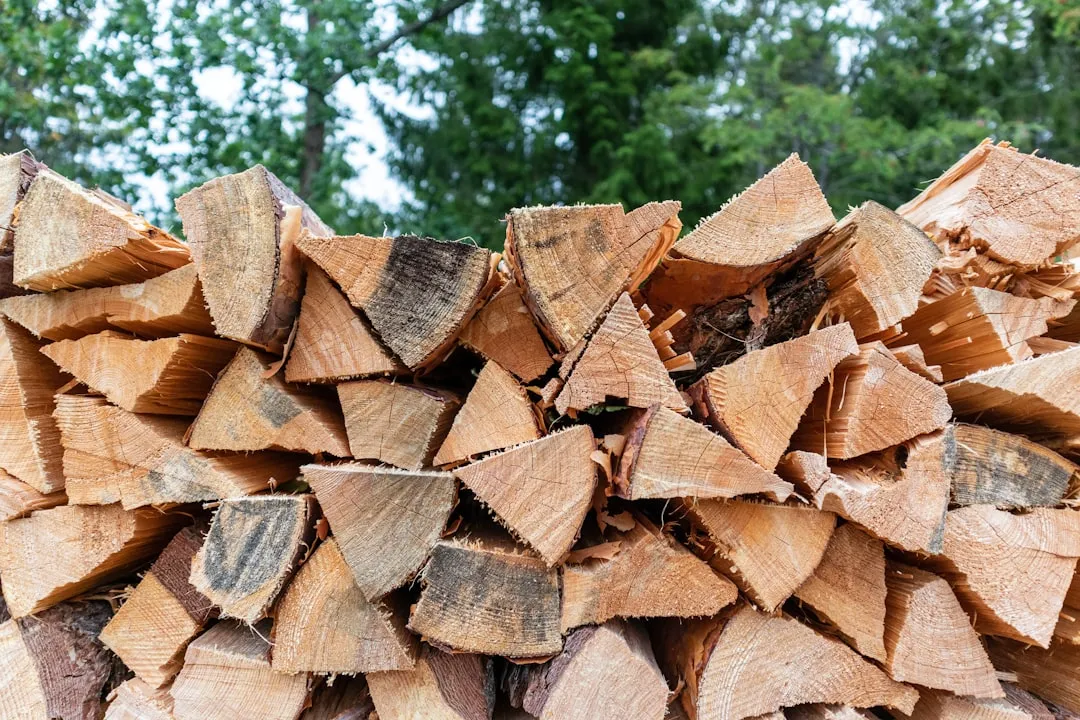
Splitting and stacking firewood is another chore that surprises farm hosts with its popularity. Guests who arrive skeptical leave asking if they can come back after dinner to do more. The physical effort, the clean smell of split wood, and the satisfying geometry of a well-stacked pile appeal to something both practical and primal.
Hosts across rural New England, the Pacific Northwest, and the Upper Midwest frequently mention firewood as a chore that guests volunteer for without any encouragement, then return to the next afternoon. It requires no expertise, produces an obvious result, and involves the kind of whole-body movement that desk-bound travelers are often quietly starved for. This shift toward analog, physical experiences mirrors a broader cultural turn as daily life becomes more screen-heavy. Stacking firewood, it turns out, is about as analog as it gets.
Baking Bread with Farm-Fresh Ingredients
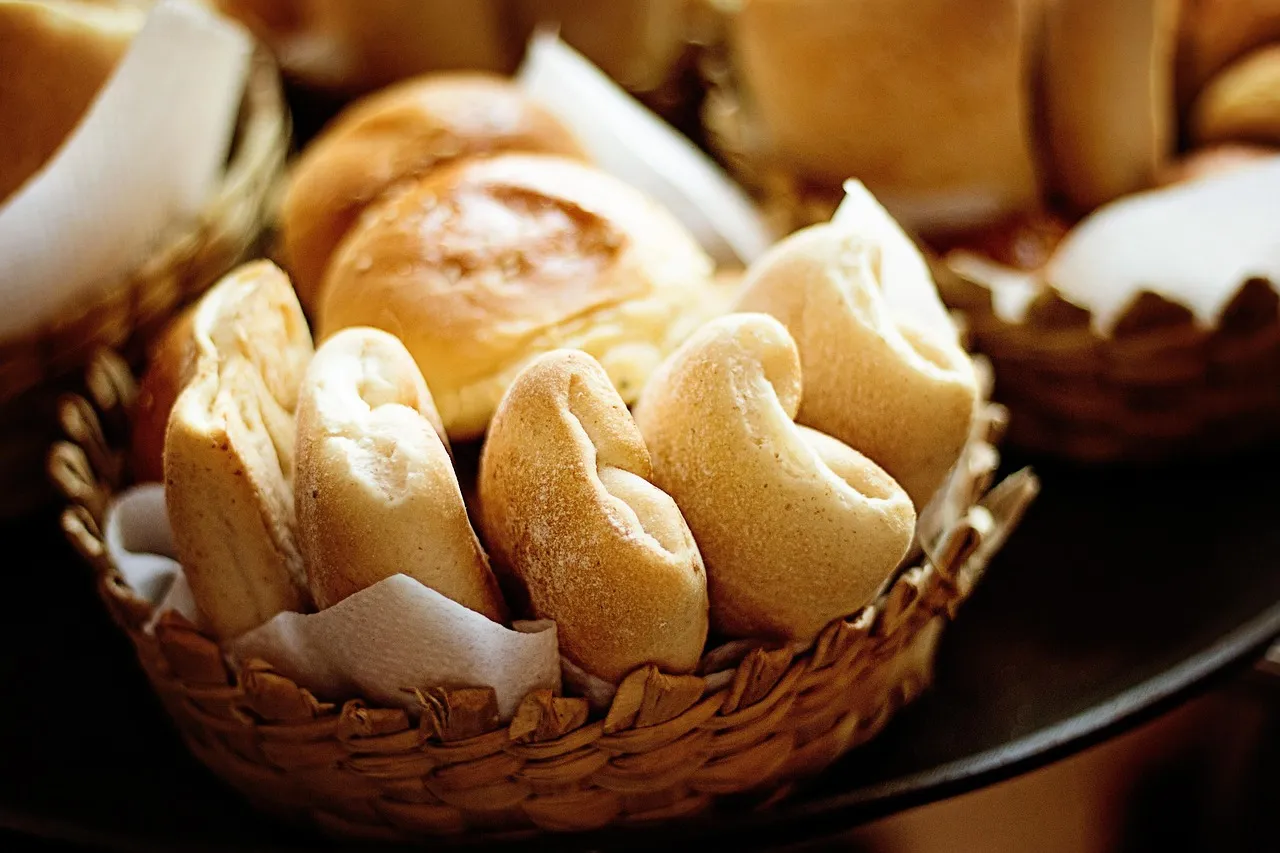
Culinary tourism, including cooking classes, food tastings, and local food culture exploration, is one of the most popular activity categories in agritourism. Bread baking using eggs, milk, or herbs sourced directly from the farm that morning sits at the intersection of chore and craft. Guests who bake their own loaf using ingredients they helped gather describe it as one of the most satisfying experiences of a trip, full stop.
Farm stays allow people to stay on agricultural land while enjoying recreational activities, providing a firsthand understanding of agricultural practices and the work that goes into producing food. Baking bread from farm-fresh ingredients makes that chain of effort visible from seed to table in a single day. Farm hosts who include a bread-baking session as part of their guest experience consistently report it as one of the highest-rated activities in post-stay feedback. Repeat visitation correlates strongly with perceived authenticity and the quality of hands-on experiences, prompting operators to invest in curated itineraries.
Sheep Shearing and Wool Handling
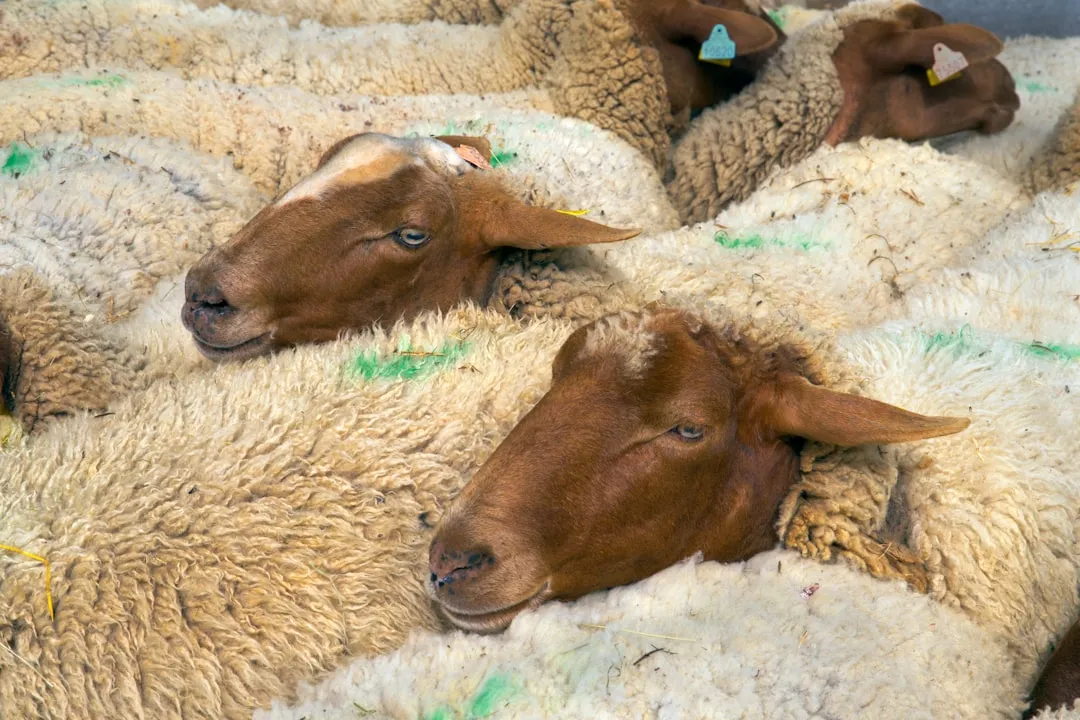
Guests who happen to be present during sheep shearing describe it as mesmerizing and wonderful, one of the most unexpected highlights of a farm stay. Hosts with sheep note that this seasonal chore draws an almost reverential interest from guests. The skill involved, the speed of an experienced shearer, and the sheer transformation of an animal in minutes leaves guests genuinely struck.
Wool handling after shearing, sorting fleeces, feeling the lanolin-rich fiber, and learning which sheep produce which grades, turns into an impromptu textile lesson that many guests describe as a highlight of their stay. Agritourism helps support rural economies by allowing farmers and agricultural workers to diversify their businesses, offering guests overnight hospitality and an abundance of activities. Sheep shearing season, brief as it is, has become a quiet scheduling priority for guests who plan their farm stay around it specifically. It’s the kind of moment that’s impossible to see anywhere else.
The Quiet Pull of Purposeful Work
What runs through all ten of these chores is something worth naming plainly: purpose. Not engineered purpose, not gamified purpose, but the real kind, where an animal genuinely needs to be fed and something genuinely grows because you tended it. Farm stays and rural lodging held a dominant market position in the agritourism sector in 2025, with a nearly thirty-five percent market share, precisely because the overnight experience allows guests to sink into that rhythm more fully.
Airbnb documented more than one million farm-stay searches in the first quarter of 2025 alone, a seventy-one percent rise over 2019, showing that this is now firmly mainstream rather than niche. The numbers confirm what farm hosts have been observing for years. Guests don’t arrive wanting to work. They arrive wanting rest. The chores, it turns out, are the rest. The global agritourism market is projected to grow from roughly ten billion dollars in 2026 to nearly twenty-four billion dollars by 2034, which suggests this quiet revolution in how people choose to spend their time off is only just beginning.
AI Disclaimer: This article was created with the assistance of AI tools and reviewed by a human editor.