

Travelers often find that Spain and Portugal reward those who visit them together, offering a compact yet richly varied experience across the Iberian Peninsula. The two nations share a peninsula and centuries of intertwined history, yet each maintains its own language, traditions, and pace of life. This combination allows visitors to move between lively urban centers and quieter coastal or rural settings without long-haul flights or complex border crossings. ([1])
Distinct Cultural Identities Side by Side
Spain tends to project energy through its regional festivals, flamenco performances, and a mosaic of local customs that shift noticeably from one province to the next. Portugal, by contrast, often feels more measured, with its fado music, tiled facades, and emphasis on coastal rhythms shaping daily life. These differences emerge clearly in everyday encounters, from the cadence of conversation to the way public spaces are used.
Travelers notice how the shared history has left visible traces without erasing each country’s separate character. The result is a journey that stays fresh from one border crossing to the next. Architecture, for instance, carries Moorish influences in both places yet expresses them through different materials and proportions.
Language barriers remain minimal for most visitors, yet the shift from Spanish to Portuguese still signals a genuine change in atmosphere. This balance of familiarity and surprise keeps the itinerary engaging without requiring constant adaptation.
Practical Routes Between Major Centers
Direct flights, high-speed trains, and reliable highways link the key hubs of both countries with minimal friction. Lisbon sits only a short flight or comfortable train ride from Madrid or Seville, while Porto connects easily to northern Spain. These options let travelers adjust their pace, spending several days in one city before moving on rather than rushing through a packed schedule.
The infrastructure supports both short escapes and longer, more deliberate explorations. Many visitors build itineraries that alternate between capitals and smaller historic towns. A typical route might begin in Barcelona, continue to Madrid, then cross into Lisbon before heading north to Porto. Each leg takes only a few hours, leaving ample time for meals, walks, and unplanned stops. This efficiency reduces the fatigue that often accompanies multi-country trips elsewhere in Europe.
Historic Cities With Layered Stories
Both nations preserve urban centers where centuries of development remain visible in a single neighborhood. Barcelona showcases Gaudí’s organic forms alongside medieval streets, while Madrid offers grand museums and royal palaces within easy reach of one another. Seville’s orange-scented plazas and Granada’s Alhambra provide further examples of Spain’s architectural range. Portugal contributes its own distinct chapters.
Lisbon’s hilly districts mix pastel buildings with river views, and Porto’s riverside quays frame centuries of port wine trade. Sintra’s romantic palaces rise above forested hills, and Coimbra’s university buildings continue a scholarly tradition that dates back to the Middle Ages. Each stop adds a different texture to the overall narrative of the peninsula.
Landscapes That Shift From Coast to Countryside
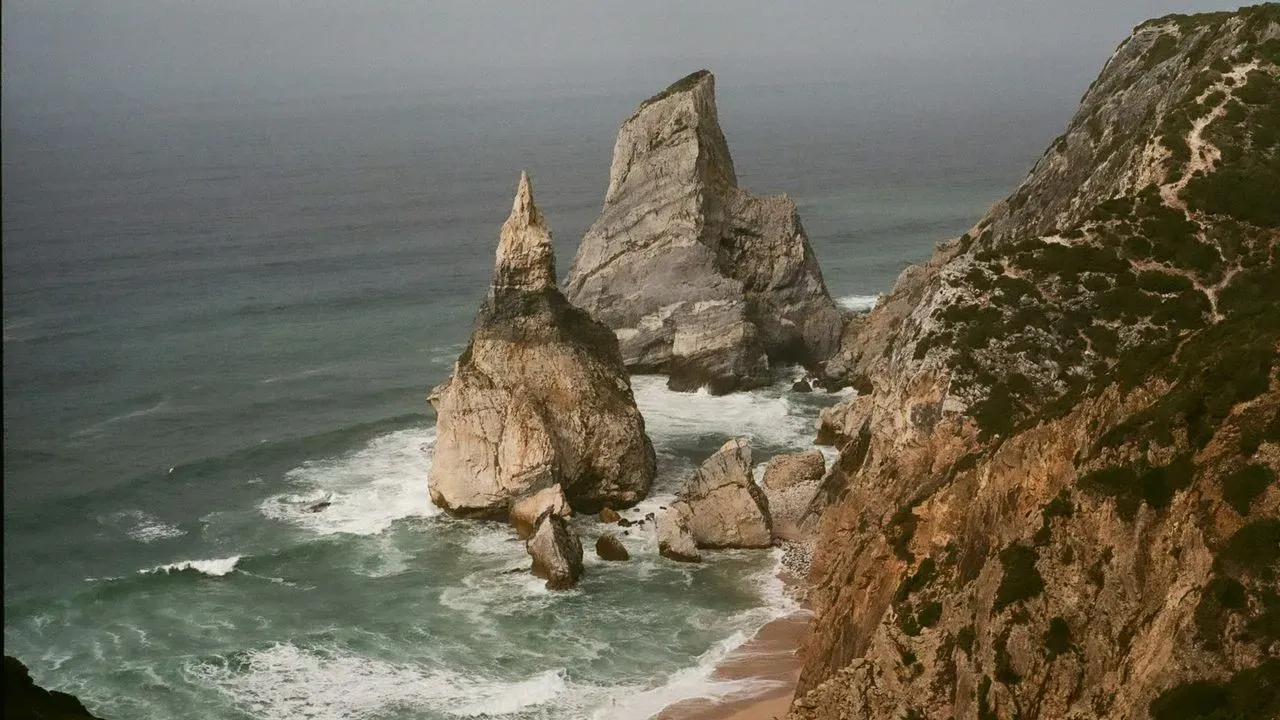
The peninsula’s geography changes dramatically within short distances. Portugal’s Algarve cliffs drop to sheltered coves, while its Douro Valley terraces support vineyards that climb steep slopes. Spain’s northern coast presents rugged Atlantic shores, and the Pyrenees offer mountain passes and high meadows.
These contrasts appear even on shorter itineraries, allowing travelers to move from beach walks to vineyard hikes in a single week. Coastal variety extends to both the Atlantic and Mediterranean sides. Quiet fishing villages sit near dramatic headlands in Portugal, while Spain’s Balearic Islands and Costa del Sol provide different rhythms of sea and sun. The changing scenery encourages a flexible approach, with some days devoted to cities and others to open landscapes.
Culinary Traditions and Regional Wines
Food and drink form another clear point of contrast and connection. Spain’s tapas culture encourages sampling across small plates, with specialties such as jamón ibérico and paella varying by region. Portugal emphasizes fresh seafood, grilled sardines, and the versatile use of bacalhau, alongside pastries that reflect centuries of trade routes.
Wine regions add further depth, from Spain’s Rioja and Ribera del Duero to Portugal’s Douro Valley, known for both table wines and ports. Many travelers plan meals around local markets and family-run establishments rather than tourist circuits. This approach reveals how ingredients and techniques reflect the surrounding landscape and climate.
The result is a culinary thread that runs through the entire trip, linking urban and rural stops alike. The Iberian Peninsula rewards travelers who approach it with curiosity rather than a rigid checklist. Spain and Portugal together create a journey where each day brings new textures, flavors, and perspectives while remaining logistically straightforward. The experience lingers long after the return flight, inviting future visits to explore the regions left for another time.
AI Disclaimer: This article was created with the assistance of AI tools and reviewed by a human editor.