
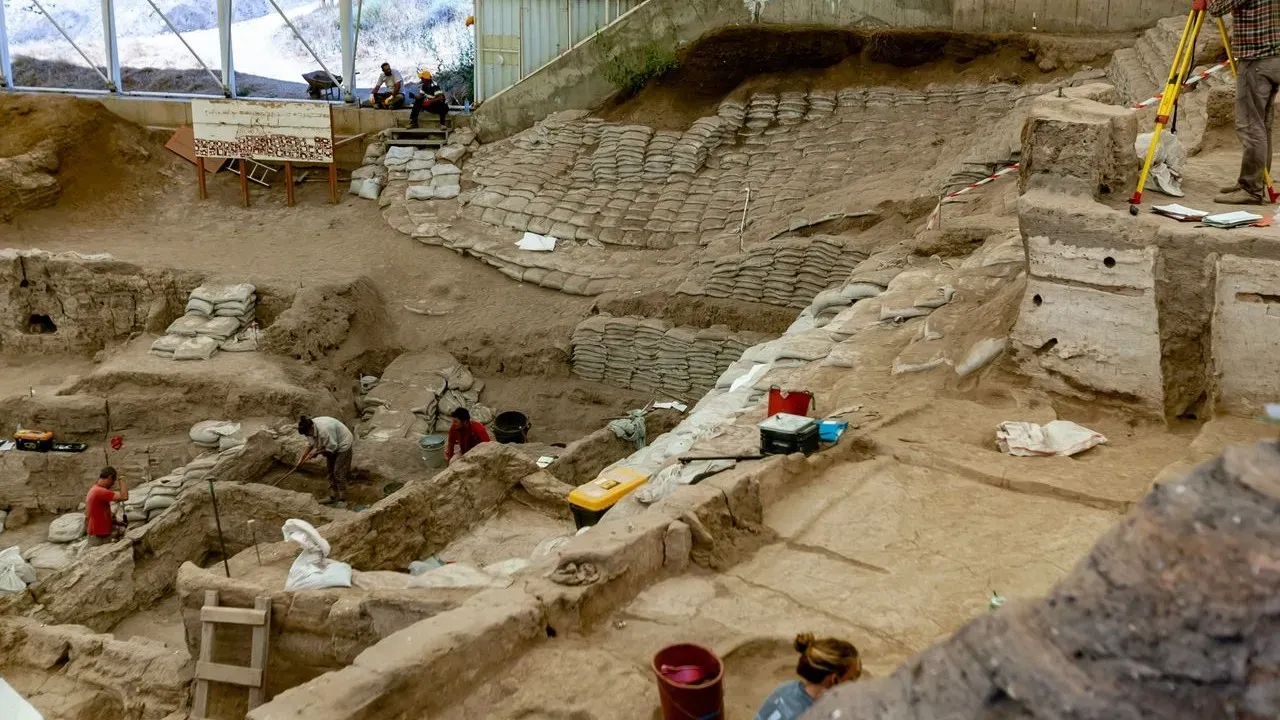

Nova Scotia holds layers of early settlement history that continue to surface in unexpected places. A recent archaeological find has brought one such layer into view: a gristmill dating back roughly four centuries. The discovery offers travelers a tangible connection to the region’s colonial past and the daily rhythms of life that once defined coastal communities. ([1])
The Find and Its Setting
Archaeologists working in Nova Scotia uncovered the remains of the gristmill during routine excavation work. The structure, estimated at around 400 years old, points to the earliest phases of European milling operations in the area. Its location near historic waterways suggests it once played a central role in processing grain for local settlers and nearby outposts.
Preservation conditions appear to have protected key wooden and stone elements, allowing researchers to document construction techniques from that era. Such sites add depth to the province’s documented timeline of resource use and community building. Travelers who visit similar preserved locations often gain a clearer sense of how early economies relied on water power and local agriculture.
What the Mill Reveals About Early Life
Gristmills served as essential hubs in colonial settlements, turning raw grain into flour that sustained families and trade. The Nova Scotia example likely supported both household needs and small-scale commerce along the coast. Its survival underground for centuries underscores how much of this infrastructure remained hidden until modern development or research projects brought it to light.
Understanding these practical structures helps visitors appreciate the ingenuity required to establish self-sufficient communities in a new landscape. The mill’s age places it among the earliest known examples of its kind in the region, offering context for the gradual expansion of European presence in Atlantic Canada. Thoughtful exploration of such sites encourages respect for the labor and adaptation that shaped the area.
Traveling With Historical Awareness
Visitors drawn to Nova Scotia’s coastal trails and heritage routes can now include this discovery in their planning. Many regional museums and parks already interpret early milling and settlement stories through guided walks and exhibits. Pairing a visit with time spent in nearby fishing villages or Acadian communities provides a fuller picture of overlapping histories.
Responsible travelers prioritize sites managed with clear conservation guidelines and support local interpretive programs. Learning the documented story of the gristmill before arriving allows for more meaningful engagement with the landscape. This approach aligns with purposeful travel that values accuracy and context over quick snapshots.
Looking Ahead at Preservation Efforts
Archaeological teams continue to study the site to determine its full extent and potential for public access. Future plans may involve protective measures that balance research needs with opportunities for educational tourism. Such work reflects ongoing commitments to safeguarding physical evidence of the province’s layered past.
Travelers interested in these developments can follow updates from provincial heritage organizations. The gristmill stands as one reminder that Nova Scotia’s story remains incomplete and open to new chapters revealed through careful investigation. Its emergence invites quiet reflection on the continuity between past and present communities.
AI Disclaimer: This article was created with the assistance of AI tools and reviewed by a human editor.