
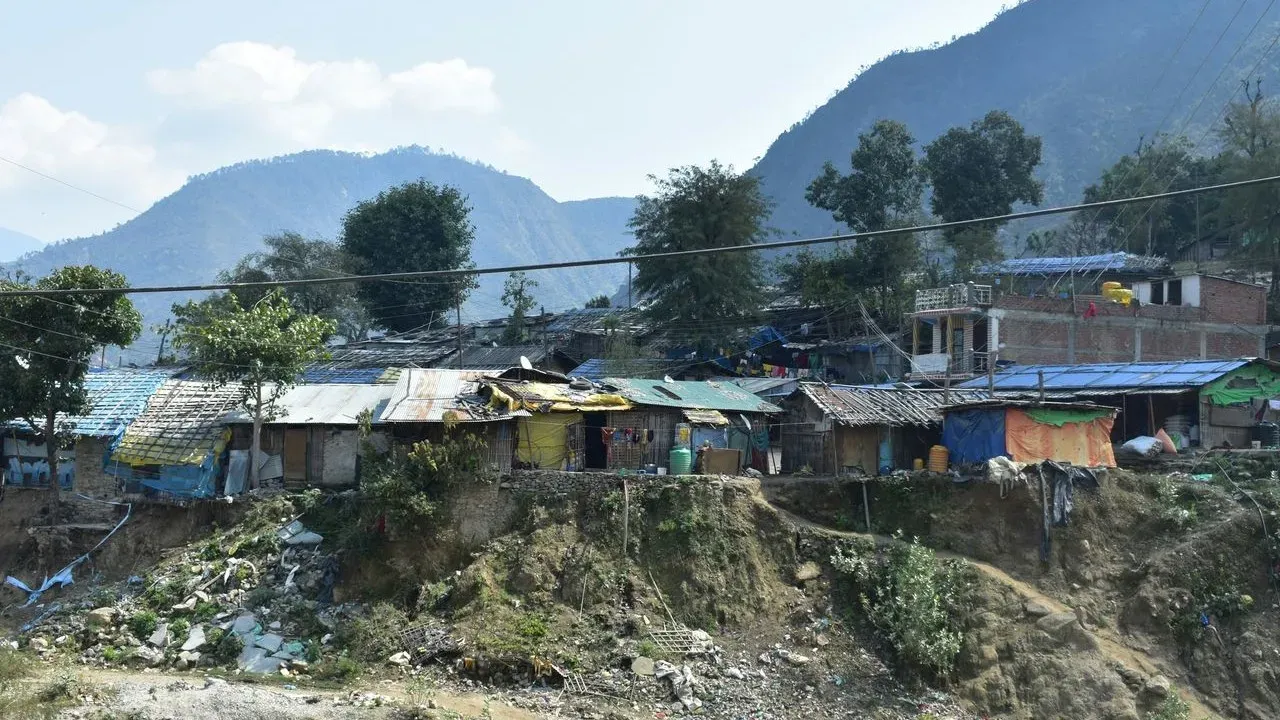

Nepal continues to draw adventurers from around the world to its majestic Himalayan trails and river valleys. Recent reports indicate that authorities are monitoring rising water levels in the Bhotekoshi River and have issued warnings about potential additional flooding ([1]). This situation affects local communities who are already working to recover from previous challenges, and it calls for thoughtful consideration from anyone planning a visit.
The Bhotekoshi and Its Place in Himalayan Journeys
The Bhotekoshi River carves through dramatic gorges and supports the rhythms of life in the surrounding valleys. Its waters have long shaped both the landscape and the daily experiences of those who live along its banks. Travelers often encounter the river during treks that wind through terraced fields and high passes, where the sound of flowing water becomes part of the journey’s soundtrack.
Communities in the region maintain deep connections to these waterways, relying on them for agriculture, transport, and cultural practices that have endured for generations. The current monitoring efforts reflect a careful balance between acknowledging natural variability and protecting the people who call this area home. Visitors who approach the landscape with patience and awareness often find their experiences enriched by this context.
Practical Steps for Those With Plans in the Region
Anyone preparing for travel to Nepal’s Himalayan areas benefits from checking updates from official Nepali government sources and local tourism offices before departure. Conditions along rivers like the Bhotekoshi can shift with weather patterns, so flexible itineraries allow room for adjustments without disappointment. Many operators in the region maintain strong communication networks and can provide real-time guidance tailored to specific routes.
Respecting temporary restrictions or alternative path suggestions from local authorities helps ensure both personal safety and minimal disruption to recovery efforts underway in affected areas. Packing appropriate gear for variable conditions remains standard advice for high-altitude travel, yet the emphasis now rests on staying connected to on-the-ground information rather than relying solely on advance planning. Travelers who build in extra time often discover unexpected moments of connection with the places they visit.
Travel That Honors Local Realities
Responsible journeys through Nepal emphasize support for community-led initiatives and businesses that contribute directly to local well-being. Choosing operators who prioritize fair wages, environmental care, and transparent communication allows visitors to participate in the region’s ongoing story in a constructive way. The resilience shown by communities navigating these events offers quiet lessons in adaptability that many travelers carry home with them.
Simple gestures, such as following guidance from residents and avoiding areas under active management, demonstrate respect for the human dimension of any natural event. Sustainable practices, including proper waste management on trails and support for conservation projects, help preserve the very landscapes that make Nepal so compelling. In this way, travel becomes an exchange that strengthens rather than strains the places visited.
What matters now: Stay connected to official updates, remain flexible with plans, and choose operators who work closely with local communities. These steps support both traveler safety and the thoughtful stewardship of Nepal’s remarkable Himalayan environments.
The Himalayas invite a particular kind of presence, one marked by humility before vast landscapes and genuine regard for the people who steward them. With attention to current conditions along waterways such as the Bhotekoshi, journeys undertaken now can still unfold with care and meaning. Many who travel in this spirit return with a deeper appreciation for both the terrain and the quiet strength of its communities.
AI Disclaimer: This article was created with the assistance of AI tools and reviewed by a human editor.