
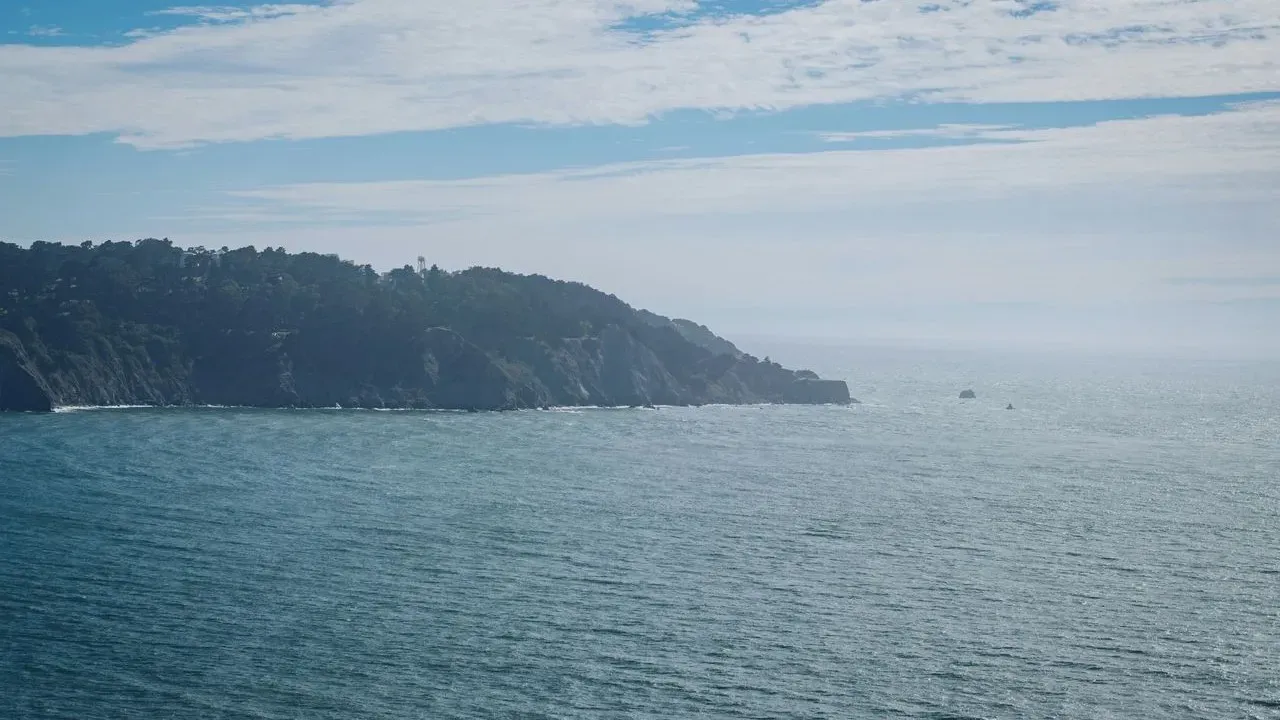

Travelers often move quickly between the vibrant streets of San Francisco and the innovation centers of Silicon Valley, yet the San Francisco Peninsula offers a distinct landscape worth exploring at a measured pace. This narrow strip of land, positioned just south of the city, stretches along the Pacific Ocean on one side and the San Francisco Bay on the other, with a spine of mountains rising through its center. The route invites drivers to pause and notice the interplay of coastal cliffs, sheltered waters, and forested ridges that define the area. ([1])
Why the Peninsula Route Matters for Thoughtful Travelers
The corridor between these two well-known destinations holds practical value for anyone seeking a more layered California experience. Rather than treating the drive as mere transit, visitors can use the Peninsula to connect urban energy with natural quiet in a single day or extended stay. This approach supports slower travel patterns that reduce pressure on popular sites while distributing attention across smaller communities and open spaces. The geography itself encourages this shift, as the parallel coastlines and central ridgelines create varied microclimates and viewpoints within short distances.
Current travel patterns show renewed interest in regional drives that combine convenience with discovery. The Peninsula fits this moment because it remains accessible by car from either endpoint without requiring long detours. Travelers who allocate time here gain exposure to ecosystems that range from marine environments to inland woodlands, all while staying within the broader Bay Area framework.
Coastal and Bay Geography That Frames the Journey
The Pacific Ocean side presents rugged shoreline features shaped by consistent wave action and seasonal fog. Drivers encounter stretches where the road runs close to cliffs and beaches, offering opportunities to stop for walks that highlight the meeting of land and open water. On the opposite edge, the San Francisco Bay provides calmer inlets and marshlands that support different wildlife and recreational uses. The contrast between these two bodies of water becomes evident as the route progresses, with elevation changes revealing both at once from higher vantage points.
Running between them, the mountains create a natural divider that influences weather, plant life, and trail access. These ridges rise to elevations that allow for panoramic views on clear days, while their slopes host trails suitable for various experience levels. The combination of ocean, bay, and mountains within a compact area gives the Peninsula its distinctive character as a transitional landscape.
Small Communities and Cultural Touchpoints Along the Way
Settlements along the Peninsula reflect a blend of historic roots and contemporary life shaped by proximity to both the city and the valley. These towns often preserve older architecture and local gathering spots that reward unhurried visits. Exploring them on foot or by short side trips reveals everyday rhythms that differ from the intensity of larger urban centers nearby.
Local businesses and public spaces in these areas frequently emphasize regional produce, crafts, and outdoor recreation. Engaging with them directly supports community economies and provides context for the natural surroundings. The result is a road trip that balances scenic movement with moments of grounded interaction.
Practical Considerations for a Responsible Drive
Planning a Peninsula road trip benefits from attention to seasonal conditions and low-impact practices. Morning departures can take advantage of clearer coastal visibility before afternoon fog rolls in, while midday stops in sheltered valleys offer comfortable temperatures. Choosing established pullouts and trailheads helps protect sensitive habitats along both shorelines and ridgelines.
Travelers who carry reusable supplies and respect posted guidelines contribute to the long-term health of the corridor. Public transit connections at either end also allow for one-way explorations or reduced vehicle use on certain segments. These choices align with the area’s capacity to welcome visitors while maintaining its environmental balance.
Extending the Experience Beyond a Single Pass
Many who complete the drive once return to focus on specific sections, whether for hiking, photography, or simply observing the changing light across the water and hills. The Peninsula’s scale supports repeated visits without repetition, as different times of year highlight distinct aspects of the landscape. This flexibility makes it a reliable option for those building longer itineraries around the Bay Area.
Ultimately, the route demonstrates how proximity to major destinations can still yield meaningful encounters with nature and place. Drivers who approach it with curiosity find a corridor that rewards attention rather than speed, offering a quiet counterpoint to the regions it connects.
AI Disclaimer: This article was created with the assistance of AI tools and reviewed by a human editor.