
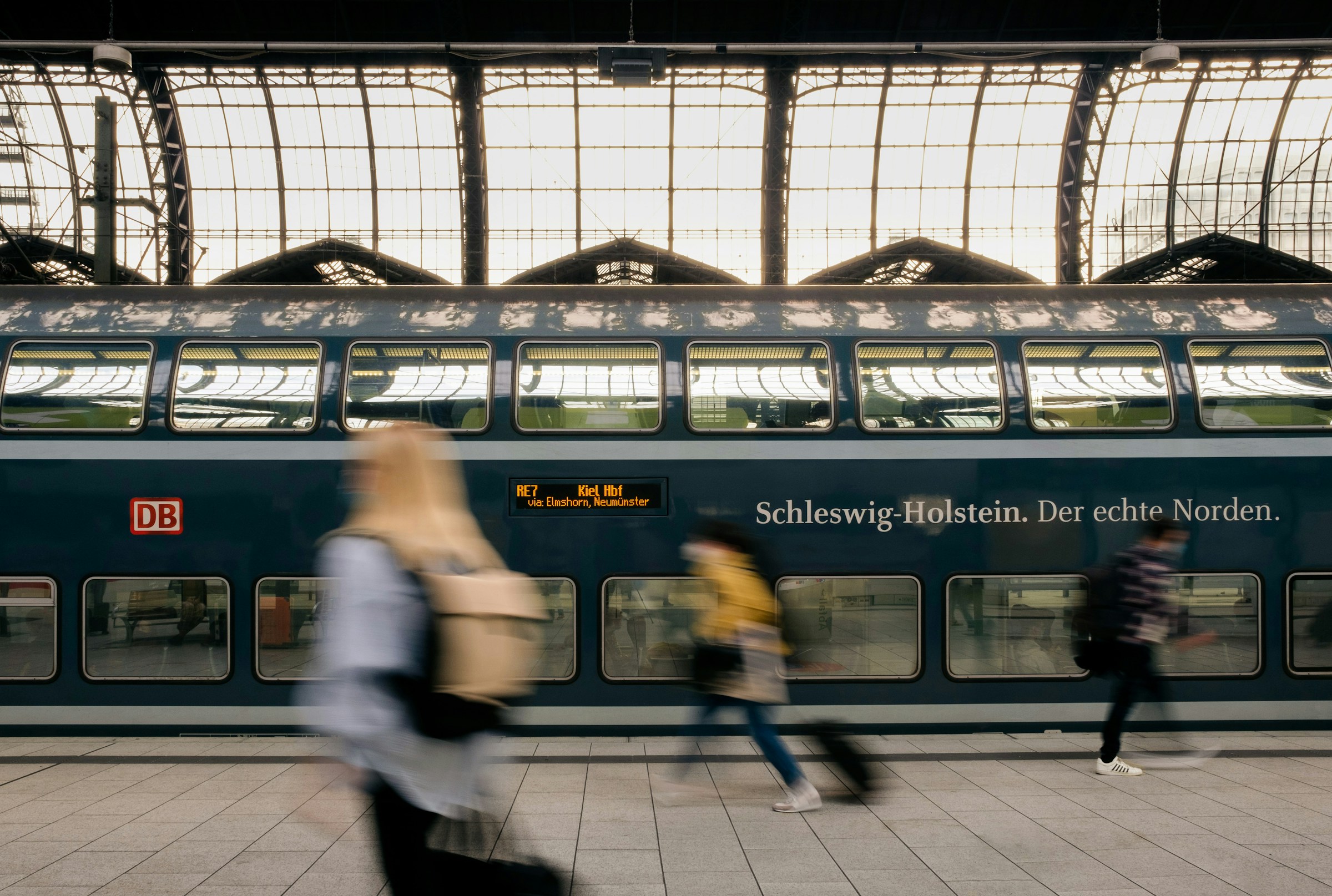

Picture this: you step onto a train in Paris as the city lights soften into dusk, tuck yourself into a couchette bunk, and open your eyes the next morning to the skyline of Berlin drifting past the window. No airport security. No lost hours. No carbon guilt. That’s the quiet promise of Europe’s current night train revival, and it’s more tangible now in 2026 than it has been in decades.
The idea of stringing together six European capitals in a continuous overnight loop sounds ambitious, maybe even a little utopian. Yet the rail connections to do exactly that are, right now, either already running or actively launching. What follows is a city-by-city portrait of this remarkable arc: Paris, Brussels, Amsterdam, Berlin, Prague, and Hamburg, linked by sleeper trains that are rewriting what slow travel actually looks like.
Paris: Where the Journey Begins at Dusk

European Sleeper’s Paris to Berlin service runs three times per week, with the train departing from Paris-Nord at 5:45 p.m. and arriving at Berlin Hauptbahnhof at 9:59 a.m. the following morning. That early evening departure is designed deliberately. You have time for a proper dinner near the station before boarding, which already sets the tone for a slower, more intentional kind of travel.
European Sleeper’s Paris to Berlin route stands as the most symbolically significant addition to the 2026 European night train network, directly connecting two of the continent’s most culturally important capitals and offering a viable alternative to the brief, expensive, and environmentally intensive flight that previously dominated this market. Paris, for its part, is experiencing something of a rail moment.
France is in a paradoxical position: demand for trains is booming just as some services face financial and regulatory pressures. Domestic night trains enjoyed double-digit passenger growth in 2024, prompting the government to order new rolling stock and to pledge the restoration of around ten national sleeper routes by 2030.
Brussels: The Essential Hub at the Heart of the Loop
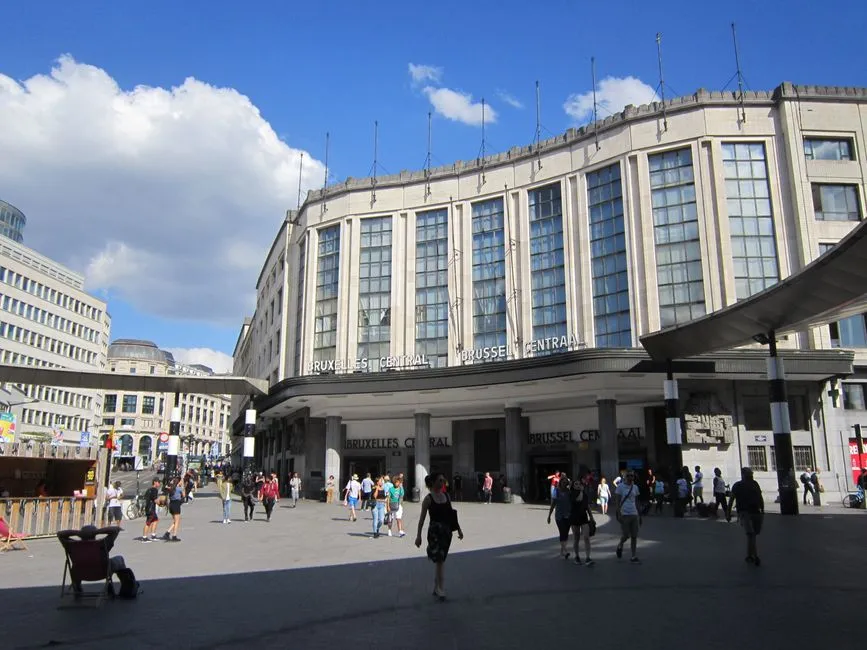
European Sleeper launched its new thrice-weekly Paris to Berlin connection in March 2026, routing north via Brussels and Hamburg rather than through eastern France, knitting together three major city pairs in a single overnight journey. Brussels isn’t just a convenience stop here. It’s the geographical and operational heart of the entire loop.
In combination with the existing Brussels to Prague connection on alternate nights, it becomes possible to travel overnight between Brussels and Berlin a total of six nights a week. That kind of frequency is remarkable for a cooperative-backed operator running without permanent government subsidies.
Thanks to the Eurostar connection in Brussels, the journey from London to Prague is achievable with just one same-station change in the Belgian capital. This turns Brussels into a genuine gateway for travelers arriving from the UK, amplifying its role well beyond Belgium’s borders.
Amsterdam: Four Countries in One Night
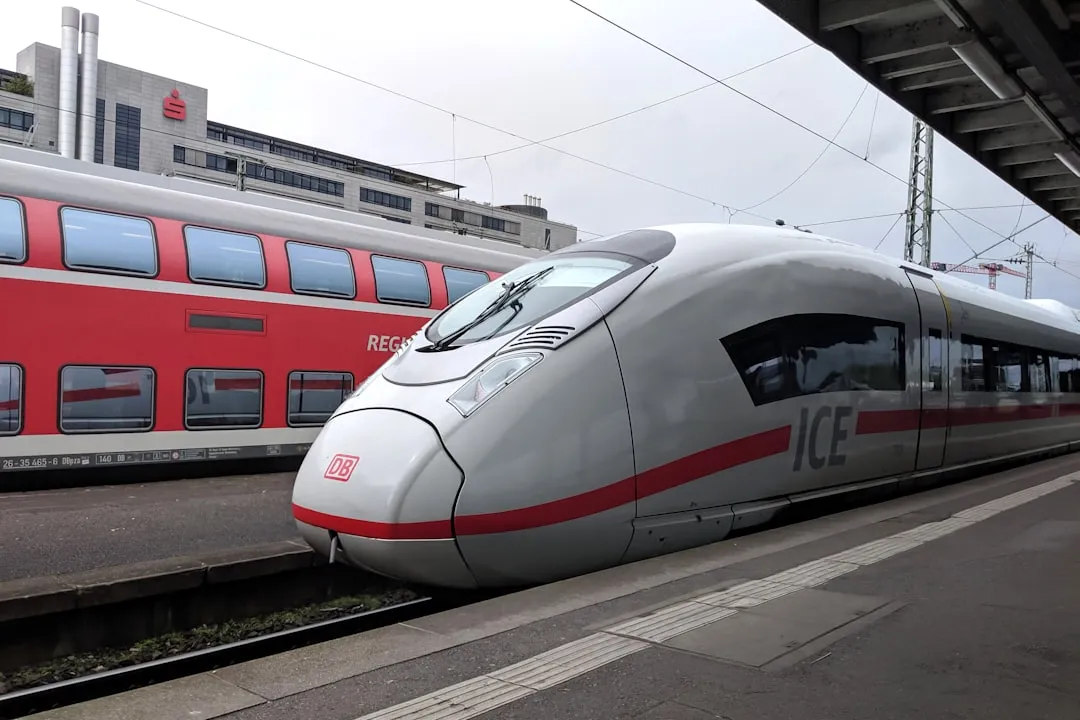
Brussels, Amsterdam, Berlin, and Prague are the four main cities connected by European Sleeper’s founding route, a link that crosses four countries in one night and forms the backbone of the entire European Sleeper network. Amsterdam’s inclusion matters. It brings the Netherlands into a seamless Central European corridor that didn’t exist at this level of integration just a few years ago.
European Sleeper launched its route in 2023 under the name the “Good Night Train,” running three times a week from Brussels through Amsterdam and Berlin to Prague. The Amsterdam boarding window typically falls in the early evening, giving travelers who’ve spent the day in the city a relaxed and civilized onward connection.
Falling asleep in one European capital and waking up in another, with no airport queues, no baggage carousel, and no early-morning alarms, is once again one of the smartest ways to cross the continent. After a decade of decline, night trains in Europe are firmly back, with new operators launching and scrapped routes being revived.
Berlin: A City That Sleeper Trains Were Made For
European Sleeper currently operates two night train services: one between Brussels and Prague via Amsterdam and Berlin, launched in May 2023, and another between Paris and Berlin via Brussels and Hamburg, launched in March 2026. Each route runs three times per week, with Brussels and Berlin served by both, providing a six-nights-a-week connection between those two cities.
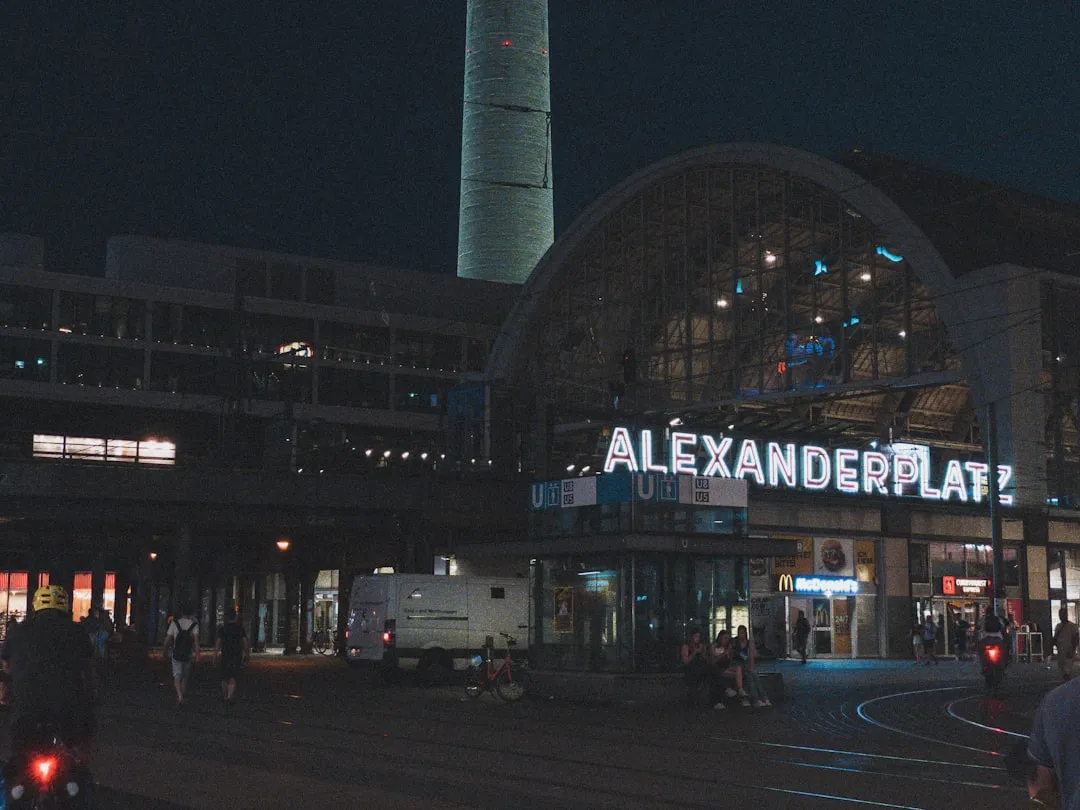
Berlin is the single city in this loop served by every train in the network. It’s where routes overlap, where connections split, and where the logic of the loop becomes visually clear on a map. Arrive from Paris or depart toward Prague the following night, and Berlin becomes a natural and unhurried city break embedded within the journey itself.
The original overnight service between Paris and Berlin was launched in December 2023 by ÖBB’s sleeper arm Nightjet, quickly becoming a staple of Europe’s sleeper train offering. Its eventual suspension due to funding cuts only underscored how much demand existed, demand that European Sleeper moved swiftly to recapture.
Prague: The Eastern Anchor of the Loop

The ES 453 train runs from Brussels via Amsterdam, Berlin, and Dresden to Prague, with the return service designated ES 452. The journey takes over sixteen hours and runs two to three times a week in each direction. The distance involved makes the overnight format genuinely practical. A daytime journey of that length would feel punishing; a sleeper journey feels like a gift.
European Sleeper first launched its Brussels to Amsterdam to Berlin night train service in May 2023, then extended it to Dresden and Bad Schandau in Germany before continuing to the Czech capital. The additional stops mean travelers can board in Belgium and wake up the following morning in the Czech Republic.
Prague brings Central Europe fully into the arc. New routes operated by PKP also link Poland with Prague and Munich, adding more Central European connections to the broader night train network. The city is increasingly reachable by rail from multiple directions, which makes it far easier to include in any multi-capital itinerary without flying.
Hamburg: The Northern Gateway Added in Mid-2026

From July 13, 2026, Hamburg was added as an additional stop on the Paris to Berlin European Sleeper route. This single addition dramatically changes the logic of the loop. Hamburg is the gateway to Scandinavia, and its inclusion creates an onward connection that previously required a full daytime journey or a separate overnight leg.
The European Sleeper service reconnected Paris and Berlin via Brussels as of March 26, 2026, with Hamburg added on July 13 as a key hub for travelers transferring onward to the Scandinavian capitals of Copenhagen, Stockholm, and Oslo. That makes Hamburg not just a destination but a functional interchange in a much wider web.
Hamburg’s addition also gives the loop a distinctly Nordic dimension that was missing before. Travelers who want to push further north toward Copenhagen or cycle through the city’s historic warehouse district can now do so without touching an airport at any point in their journey. That’s a meaningful shift in what European rail travel can practically offer.
The Rise and Fall and Rise of the Paris to Berlin Link

The Paris to Vienna Nightjet and the Paris to Berlin Nightjet were both suspended in December 2025 due to the withdrawal of French subsidies. The speed of that cancellation was a sharp reminder of how politically fragile these services can be. Routes that carried tens of thousands of passengers a year were cut because of government budget decisions, not lack of demand.
The Paris to Vienna service was popular, carrying 66,000 passengers in 2024 despite limited frequency, before it was suspended in December 2025. Those numbers point to something important: the market for European night trains is real, but the business models still require careful nurturing.
European Sleeper stepped into the gap as the Belgian-Dutch rail cooperative, intending to fill the void left by Nightjet with its own new sleeper service connecting the French and German capitals. Their cooperative structure, funded partly by public share offerings rather than state subsidies, represents a genuinely different approach to keeping these routes alive.
What the Numbers Actually Tell Us About Night Train Travel

In 2010, there were over 200 overnight rail routes operating across Europe. By 2016, that number had collapsed to fewer than 50 as budget airlines undercut train operators on price and speed. From 2020 onwards, the trend began reversing, and by 2026, new sleeper services are being launched or expanded at a pace that would have seemed impossible just five years earlier.
European Sleeper’s “Good Night Train” connects Brussels, Amsterdam, Berlin, Dresden, and Prague three times per week, and has already carried over 230,000 passengers on more than 750 night trains. For a cooperative launched in 2023, that’s a meaningful proof of concept.
The 2026 night train map reflects important changes compared to previous years, with five new connections added to the network, including European Sleeper’s Paris to Berlin service and a planned Brussels to Milan connection. The picture is genuinely mixed though. Not all changes are positive for passengers, as around ten lines have disappeared from the network, including several ÖBB Nightjet services.
Booking, Pricing, and the Practicalities Worth Knowing

Prices for European Sleeper’s services start at €129 for seats and couchettes, and €169 for sleeper carriages. When you factor in the cost of a hotel night saved, the math often shifts in the train’s favor even before you account for the airport transfers and hidden time costs that flights demand.
Ticket sales for the Paris to Berlin route opened on December 16, 2025, with couchette compartments reportedly starting at €59 or €69. Prices vary considerably depending on how far in advance you book and which class of travel you choose. Passengers can choose between seats, berths, or sleeping cars, with fares varying according to season and how early reservations are made.
Interrail tickets are accepted on European Sleeper trains, and since July 2023, Interrailers have been able to reserve seats, couchettes, and beds on board. That compatibility with the most popular European rail pass system significantly broadens the audience for these routes.
The Bigger Picture: A 100-City Dream and What It Requires

By 2026, European Sleeper’s cooperative plans to deploy a truly European night-time network covering Paris to Berlin, Paris to Hamburg, and the new Brussels to Milan axis. Its roll-out schedule for 2026 to 2027 includes reservations for the Brussels to Milan line, the arrival of Hamburg from July 2026, and the Brussels to Milan route via the Netherlands, Germany, and Switzerland from December 2026.
Passenger demand for overnight trains has never been stronger, and environmental concerns are reshaping travel behavior. Yet infrastructure limitations, aging rolling stock, and operational bottlenecks continue to constrain the industry’s potential. What’s missing is decisive financial commitment and pan-European coordination to modernize equipment fleets and expand capacity.
European Sleeper’s strategy confirms its ambition: to gradually build a genuine European night train network, using a cooperative model capable of achieving economic equilibrium without permanent subsidies. Whether that model proves durable over the long term remains the central question of this whole revival.
The Takeaway
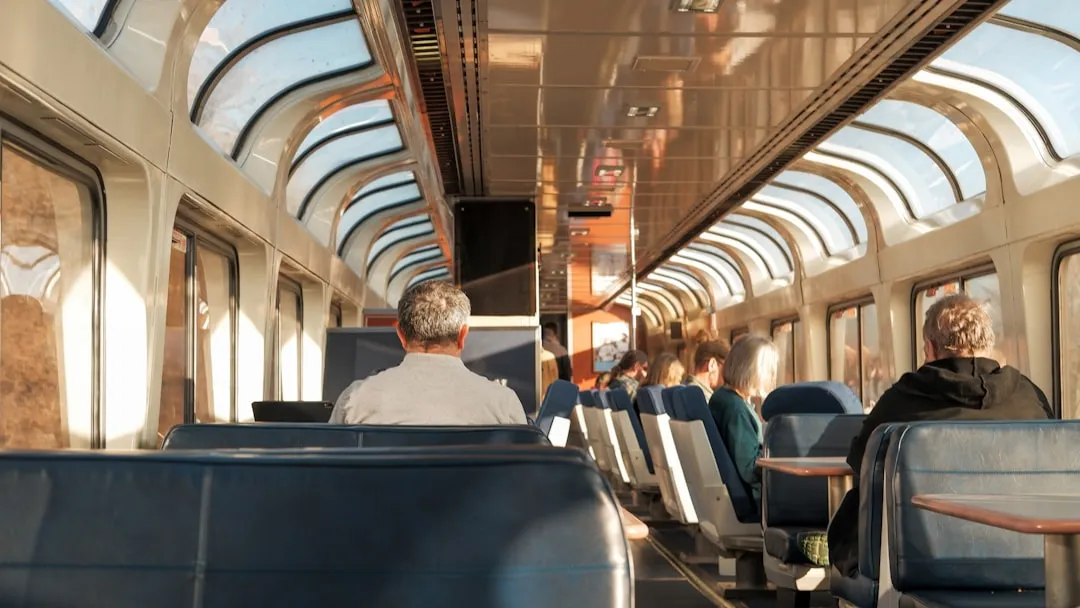
The six-capital loop traced by today’s European Sleeper network, Paris, Brussels, Amsterdam, Berlin, Prague, and Hamburg, isn’t a single train. It’s a constellation of services that, taken together, allow a traveler to move between six major cities entirely at night, sleeping between them and arriving ready to explore. The connective tissue is there. The will, it seems, is growing.
What makes this moment feel different from the false dawns of earlier rail revivals is the diversity of actors involved: cooperative startups, national operators, advocacy groups, and increasingly, travelers who are choosing slower and more grounded ways to move through the world. The politics remain fragile, the rolling stock is stretched, and some routes will come and go.
Still, the direction of travel is clear. Europe is slowly, not without friction, choosing to move through the night on rails again. That’s a shift worth boarding.
AI Disclaimer: This article was created with the assistance of AI tools and reviewed by a human editor.