
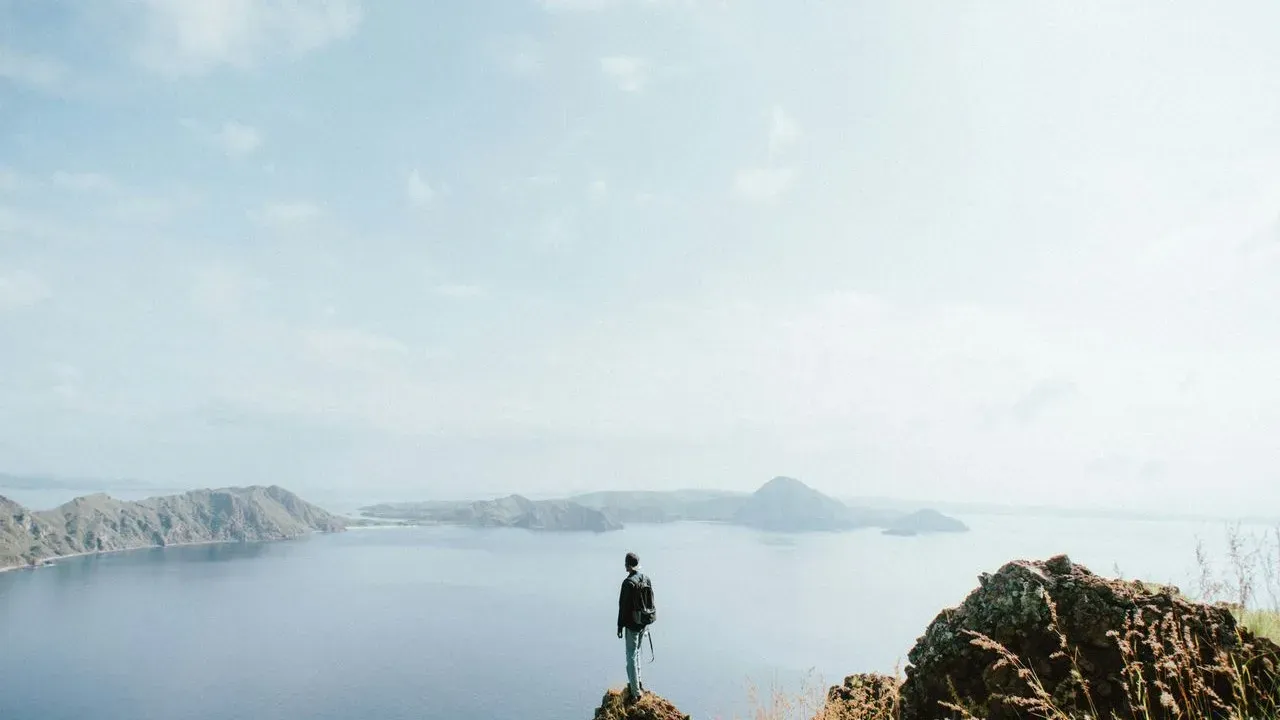

Koror, Palau – In a remote corner of the western Pacific, a nation of roughly 18,000 residents prepared to welcome thousands more for the Pacific Islands Forum Leaders Meeting. The quiet capital of Koror, free of traffic signals and marked by an unhurried rhythm, saw its population swell toward 20,000 as delegates arrived from across the region. This gathering placed the spotlight on Palau’s distinctive landscape and the shared concerns of small island nations that call the vast ocean home.
A Place Defined by Its Scale and Pace
Palau’s compact size shapes daily life in ways that feel both intimate and expansive. The main road winds through lush terrain without the interruptions of stoplights, allowing movement to follow the natural contours of the islands rather than rigid schedules. When senior officials walked that same road ahead of the summit to collect litter, the gesture reflected a community habit of care that extends from everyday routines to larger responsibilities.
Local barbers and tattoo artists stepped forward as drivers, while students volunteered as guides. These preparations turned the event into a collective effort that highlighted Palau’s warm hospitality and practical ingenuity. The result was a setting where world leaders encountered the archipelago not as an abstract location on a map but as a living place with its own gentle tempo.
The Pacific Way in Action
Decisions at the forum unfold through consensus rather than majority vote, a practice often called the Pacific Way. This approach values listening and agreement among nations whose populations range from a few thousand to several hundred thousand. In Palau’s serene environment, the method encourages thoughtful exchange over hurried resolutions
. The same spirit appears in how communities manage shared resources across wide ocean distances. Remote locations mean leaders meet in person only occasionally, making these gatherings valuable opportunities to align on common priorities. The unhurried character of the islands supports this deliberate style of collaboration.
Renewable Energy and Island Resilience
Palau’s president raised the possibility of partnerships that could help the region move toward full reliance on solar power. Such a shift would address the vulnerabilities created by imported fuel and the disruptions of extreme weather patterns. Island nations already feel the effects of shifting ocean conditions on food supplies and freshwater access.
Investments in renewable infrastructure could strengthen local economies while preserving the clear waters and coral ecosystems that define these places. The suggestion reflects a forward-looking view that ties environmental stewardship directly to long-term stability for communities that depend on the sea.
Welcoming the World While Staying Grounded
Hosting the forum allowed Palau to showcase its role within a broader network of island nations. The compact geography and close-knit society created an atmosphere where conversations could remain focused on practical needs rather than distant abstractions. Visitors experienced the contrast between the islands’ modest scale and their strategic position across the Pacific.
The event underscored how small places can influence larger conversations when they speak with clarity and unity. For travelers drawn to authentic encounters, Palau offers a model of how limited resources and strong community ties can produce meaningful connections on a global stage. The summit’s conclusion leaves behind more than agreements.
It reinforces the value of experiencing these islands on their own terms, where the absence of traffic lights signals not isolation but a different, deeply rooted way of moving through the world.
AI Disclaimer: This article was created with the assistance of AI tools and reviewed by a human editor.