
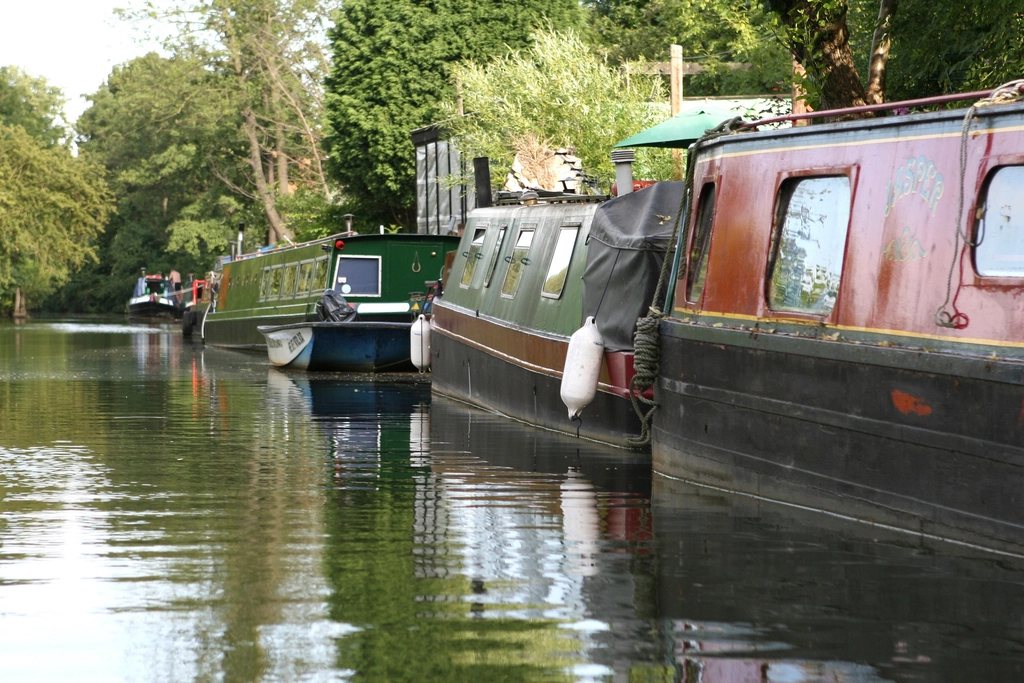

There’s a particular kind of travel that slows the world down rather than racing through it. Canal boat trips belong firmly in that category. No departure gates, no itinerary pressure, just a ribbon of water unfolding ahead and the quiet rhythm of a vessel moving at roughly walking pace.
The appeal goes deeper than scenery, though the scenery is rarely disappointing. What these journeys offer is something closer to immersion: in local life, in landscape, in the unhurried reality of a place. The four routes below each make a convincing case that the water itself is the whole point.
Why Canal Travel Is Having a Quiet Renaissance
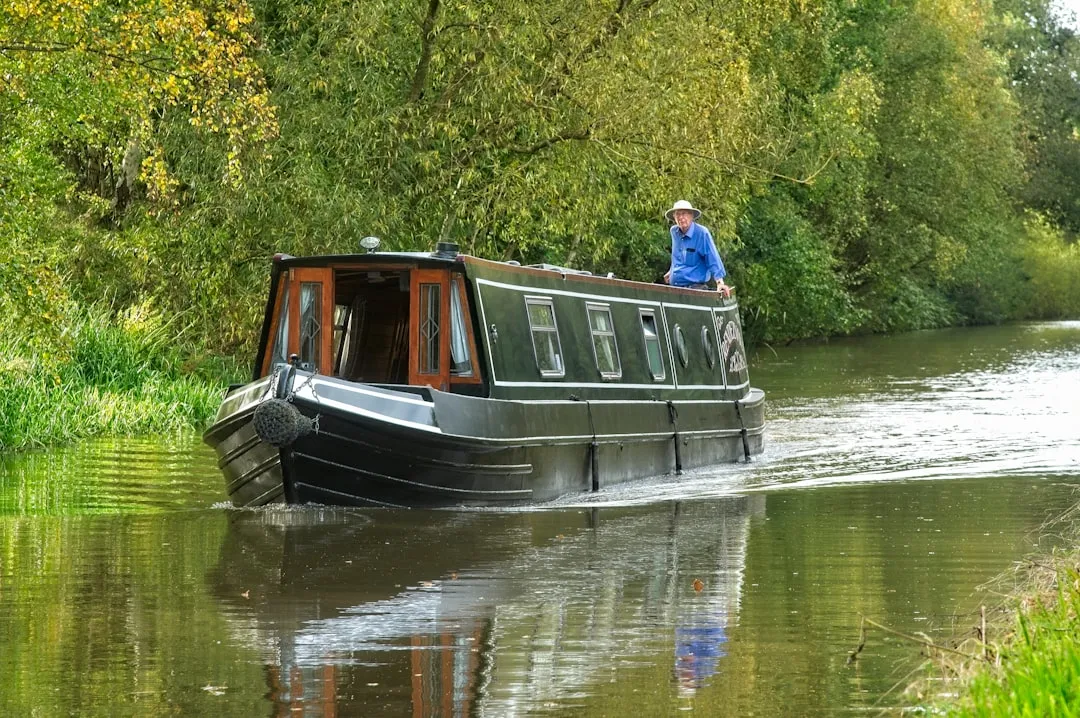
Canal boating is genuinely growing again, at least by the numbers that matter. The Canal and River Trust’s National Boat Count recorded 33,080 boats on enforceable waters across England and Wales in 2025, reflecting a 1.5% increase in boat numbers. That rebound came after a dip the previous year and signals renewed appetite for waterway holidays among both domestic and international visitors.
Around 450,000 people enjoy holidaying on Britain’s canal network each year, and an impressive 92% of hire boat users felt their holiday was value for money, with overall satisfaction reaching 93%. Those are strong figures for any form of tourism. The 2024 Hire Boat Survey found that nearly three quarters of canal boat holidaymakers use local shops, pubs, or cafes daily, and roughly one in five hire boaters travelled from outside the UK specifically to experience the waterways.
The Canal du Midi, France: A UNESCO Waterway Worth Every Hour
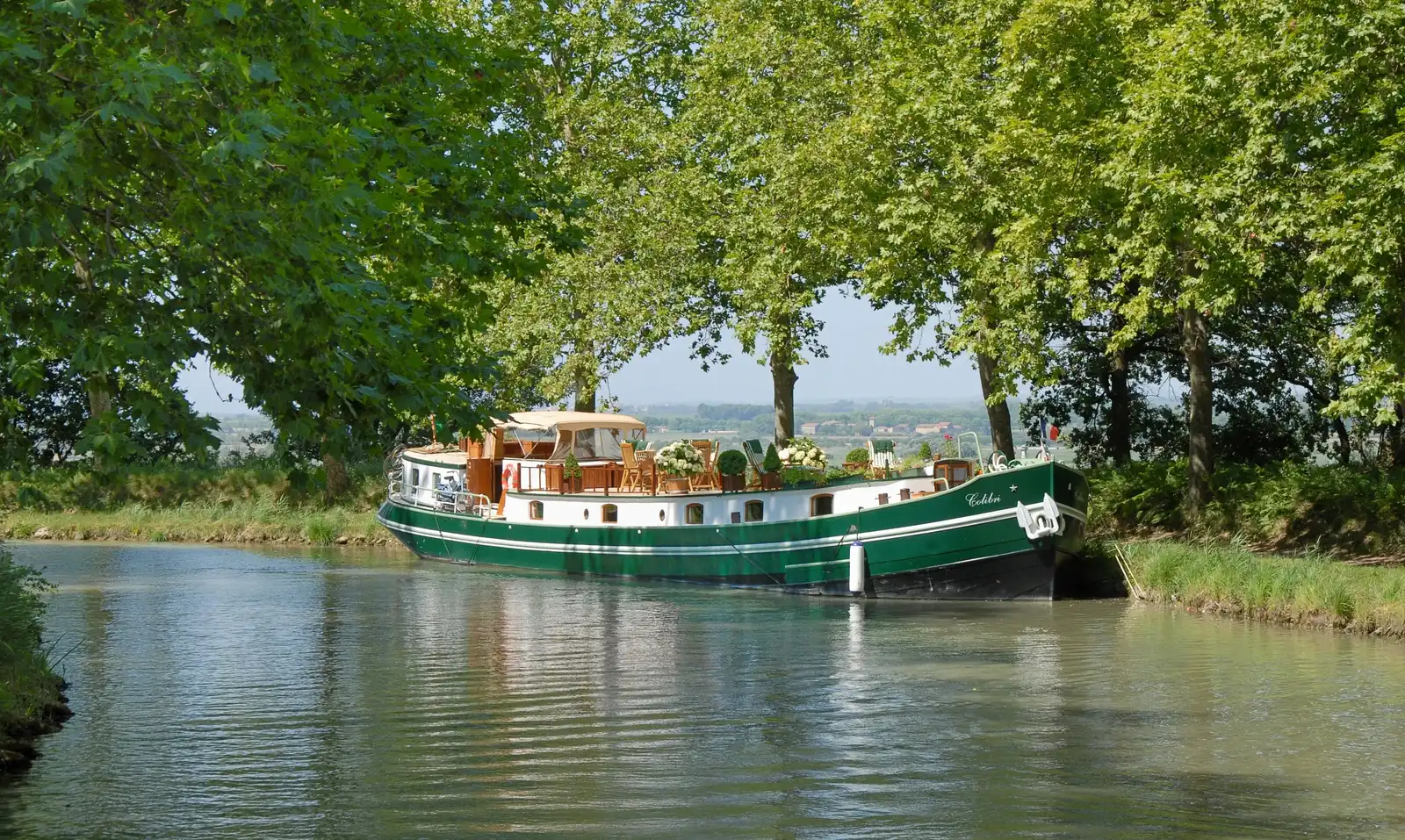
The Canal du Midi spans over 240 kilometres in southwestern France, connecting the Canal Latéral à la Garonne at Toulouse all the way to the Thau Lagoon near the Mediterranean, forming the Canal des Deux Mers and linking the Atlantic Ocean and Mediterranean Sea. The engineering ambition behind it is extraordinary, and the beauty of the route is equally so.
In 1996, the 240-kilometre Canal du Midi was listed as a UNESCO World Heritage Site, and in 2026, that recognition reaches its 30th anniversary. Slow, self-drive boating puts less pressure on banks, wildlife, and the delicate water ecosystem, which allows boaters to enjoy their experience while keeping their environmental footprint to a minimum.
The canal is probably the most popular waterway in Europe to self-navigate, with its 328 structures comprising bridges, locks, aqueducts, and tunnels, and it is superbly set up for visitors either hiring a narrowboat themselves or choosing one with a captain. Villages such as Bram and the walled city of Carcassonne appear along the banks like scenes from a history book.
The Four Routes That Define This Trip
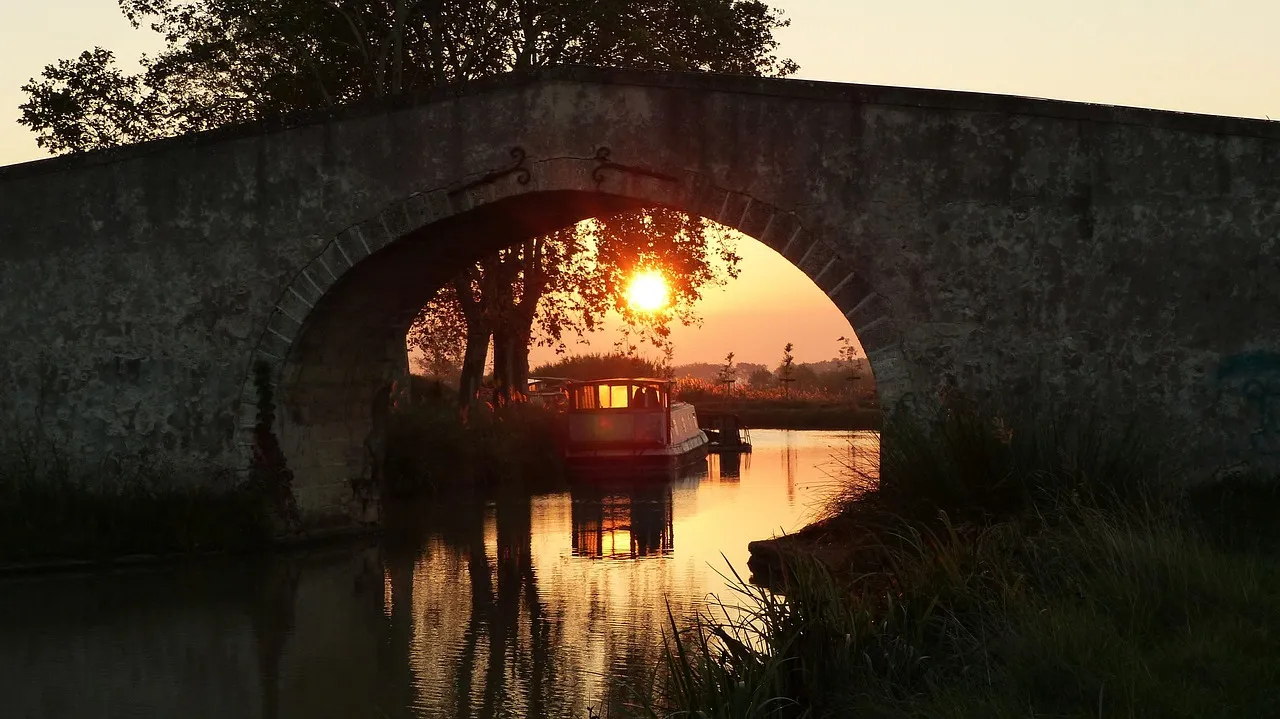
The Canal du Midi is an extremely popular cruising destination visited by thousands of tourists every year, meandering through countryside, wineries, beautiful landscapes, vast fields, and historic towns. Choosing the direction matters: heading east from Toulouse brings the Languedoc wine country first, while heading west leads toward the Camargue delta.
Most hire companies offer week-long itineraries that cover a manageable section in depth rather than rushing the full length. The pace is genuinely calming, and that is not marketing language. At the typical cruising speed of around 8 kilometres per hour, there is ample time to watch herons hunting along the reeds, cycle the towpath ahead of the boat, and arrive at a lock already relaxed.
Kerala’s Backwaters, India: Water That Moves at the Speed of Life
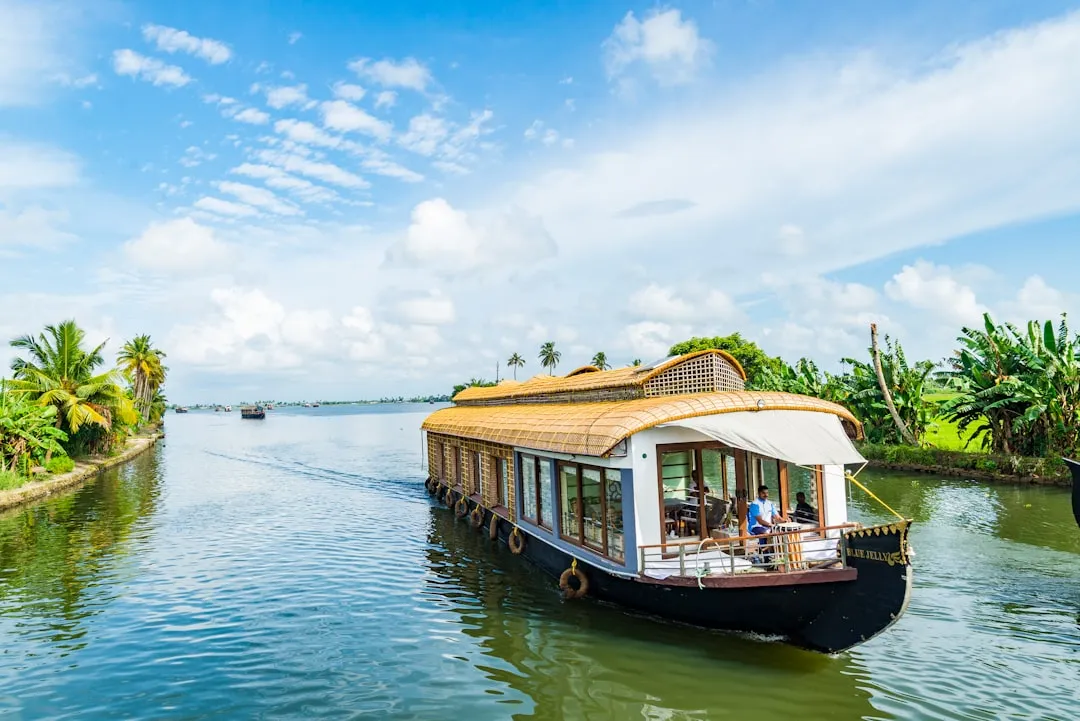
The Kerala backwaters are a network of brackish lagoons and canals running parallel to the Arabian Sea along the Malabar Coast, forming a labyrinthine system built from more than 900 kilometres of waterways. The network includes five large lakes linked by canals, both man-made and natural, fed by 38 rivers, and extending virtually half the length of Kerala state.
The houseboats that ply these waters are modified kettuvallams, large traditional trading vessels once used for transporting rice and spices. As road transport gained importance, these graceful vessels faded away, only to re-emerge as floating hotels offering tourists the luxuries of modern life. They are a genuinely distinctive form of accommodation, rooted in local maritime history rather than conjured for tourism.
The living and dining area on a houseboat is usually open on at least three sides, providing a continuous view of the surroundings throughout the day while the boat is moving, with the vessel brought to a standstill during meals and at night. That detail alone gives a sense of how unhurried and sensory the experience is intended to be.
What the Houseboat Experience Actually Involves
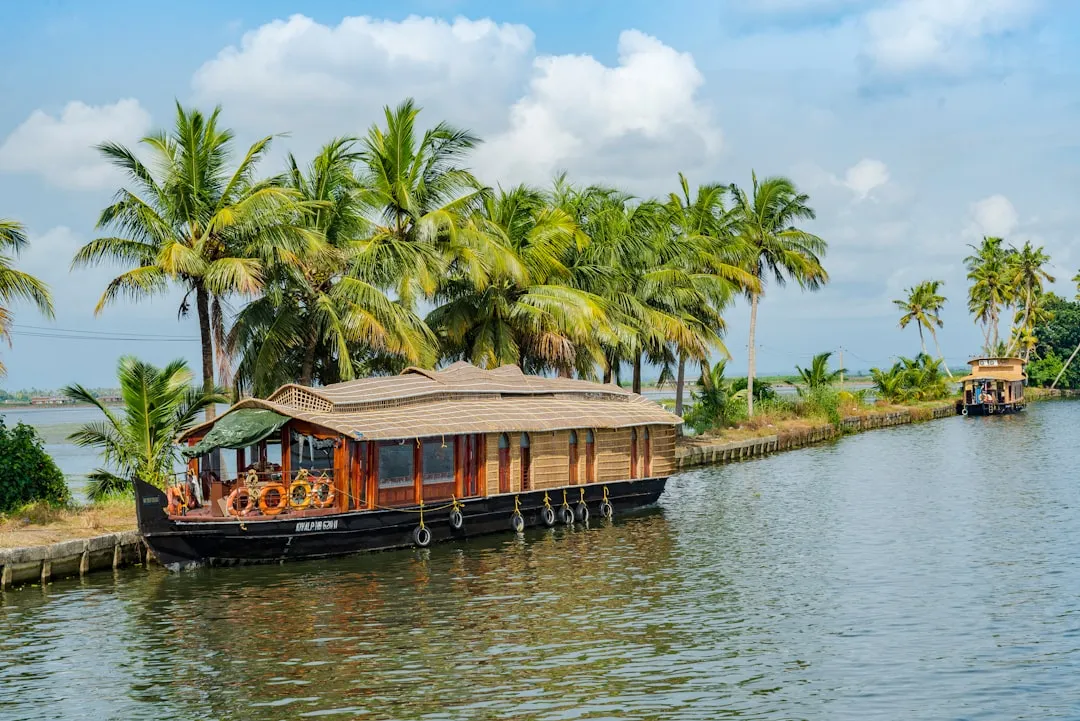
Kerala’s network of canals, lakes, rivers, and tributaries offers a slow-motion take on India’s south, along waterways sketched liberally in mangrove forest and drifting past bird sanctuaries, plantations, and vast paddies. The region around Alleppey, also known as Alappuzha, is the most visited entry point and justifiably so.
Canal boat travel offers no seasickness, no crowded resorts, and plenty of quality time with your travel companions, with modern vessels coming with surprisingly comfortable amenities including hot showers and solar panels. Kerala’s houseboat operators have embraced this direction too, with eco-upgrades becoming more common across the fleet in recent years.
The Llangollen Canal, Wales: England’s Most Scenic Border Crossing
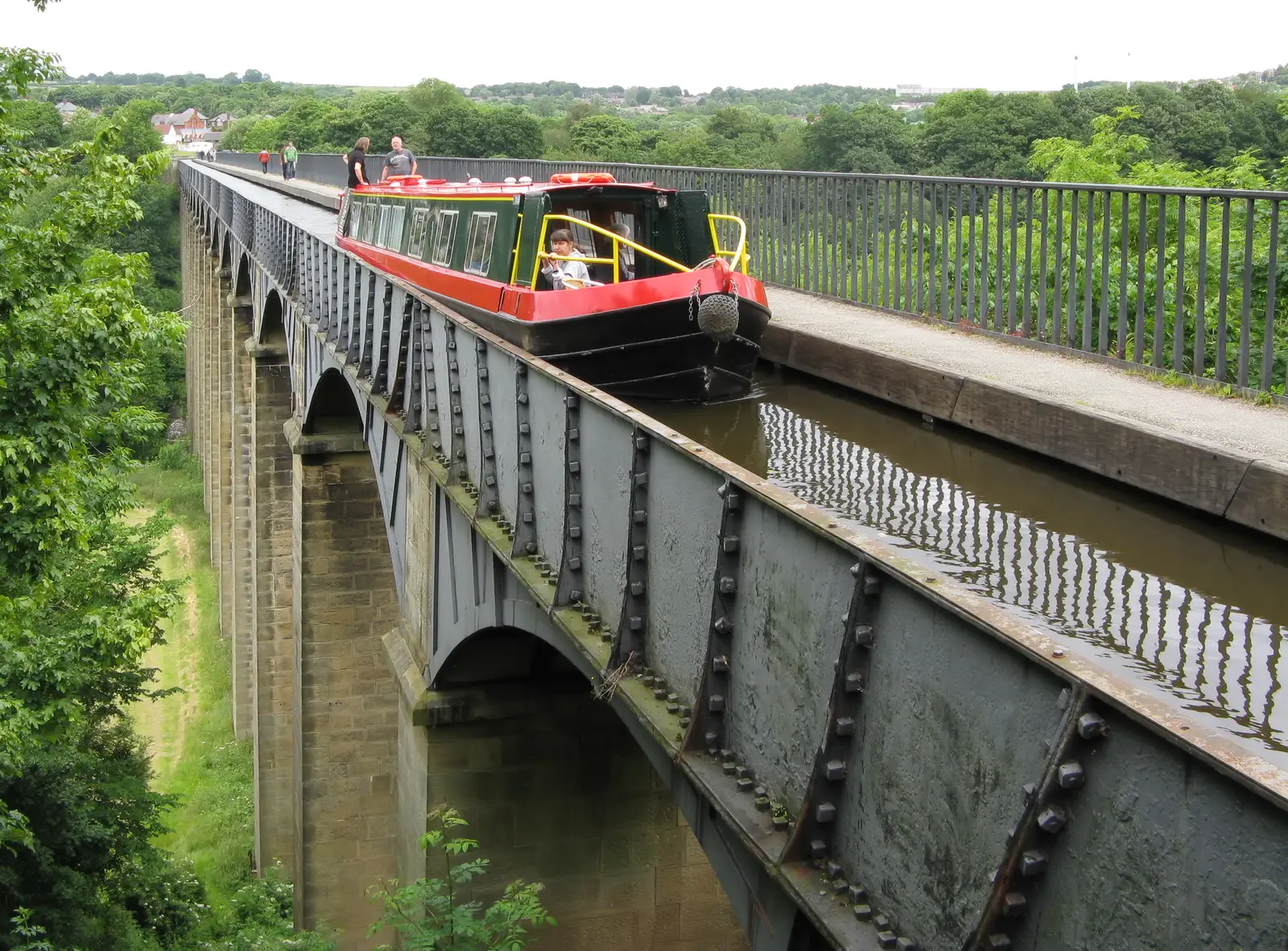
For travellers looking to explore the beautiful Welsh countryside, the Llangollen Canal is the perfect gateway, crossing the border between England and Wales and well regarded as one of the UK’s most scenic routes. It’s a relatively short canal, but almost every kilometre offers something worth pausing for.
The centrepiece is the Pontcysyllte Aqueduct, an 18th-century stone and cast iron structure that carries boats 38 metres above the River Dee in a narrow iron trough, with no walls on one side. It is, by any honest measure, a slightly vertiginous experience that most people immediately want to do again. The aqueduct was designated a UNESCO World Heritage Site in 2009.
The canal itself is narrow and gentle, passing through a landscape of meadows, limestone hills, and quiet villages that feel genuinely untouched. UK boating holidays receive consistently strong endorsements, with research showing that the vast majority of people who took a canal holiday would definitely recommend it to others. The Llangollen route tends to collect some of the strongest praise of any UK stretch.
The New York State Canal System, USA: History at Waterline
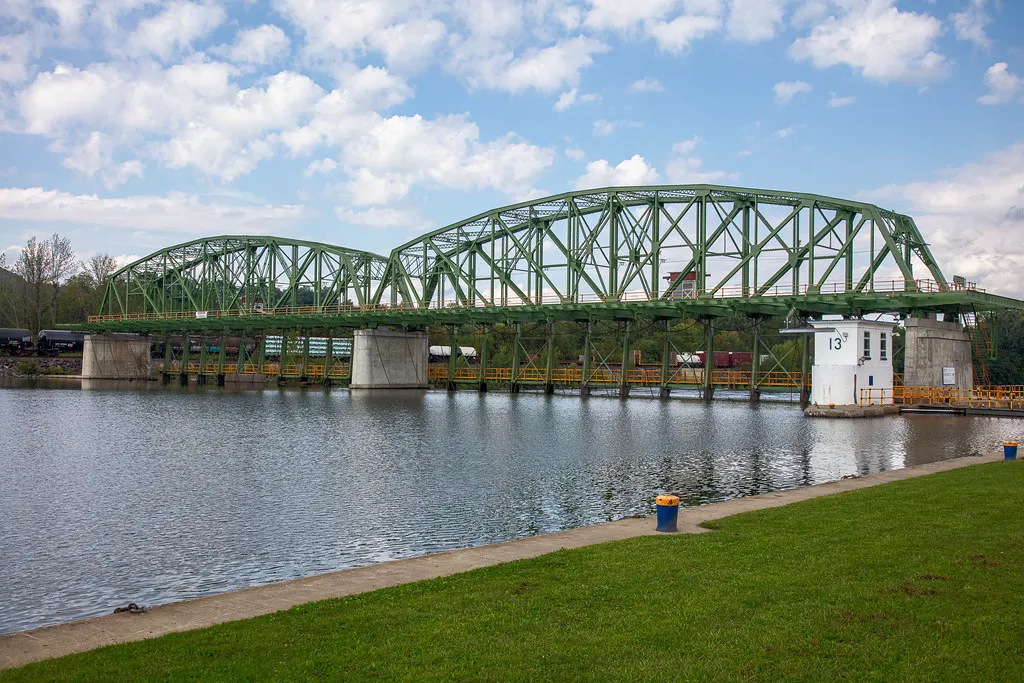
The New York State Canals, built in the mid-19th century, comprise 524 miles of waterways and towpaths between Albany and Buffalo. The Erie Canal is the most famous thread in this system and one of the most historically significant waterways in the Americas. It transformed the economy of a young nation by opening a navigable route from the Atlantic coast to the Great Lakes.
The Erie Canal travels through Rochester, where travellers can visit Susan B. Anthony’s home, and the route can be explored by renting a boat and sailing it yourself or hiring a crew. The locks along the route are still operated by hand in places, and that tactile, slightly industrial quality is part of the appeal. This is not a polished tourist corridor.
The towpaths alongside the canal are well maintained for cycling, and many travellers combine boat days with bike days, covering ground slowly and deliberately. The canal towns themselves have a lived-in authenticity: working waterfronts, small diners, grain warehouses converted into museums. It rewards curiosity more than it rewards speed.
What All Four Trips Have in Common
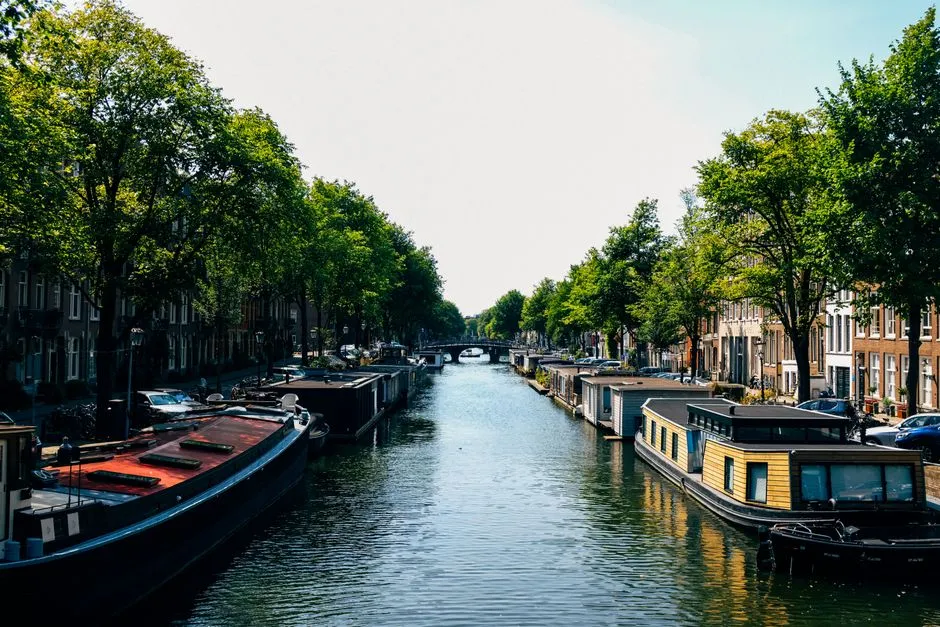
Each of these routes rewards a particular kind of attention. They are all slow by design, requiring travellers to notice things they would otherwise drive past. The canal from Toulouse to the Mediterranean passes the same limestone walls and plane trees for stretches at a time, and that repetition turns out to be restful rather than dull.
The houseboat on the Kerala backwaters drifts so quietly through the morning mist that birds on the bank are undisturbed. The Llangollen narrowboat eases through locks while locals stop to chat from the towpath. The Erie Canal passes through the kind of small American town that rarely features in travel guides. All four experiences share an intimacy with place that faster travel simply cannot deliver.
Planning Tips for First-Time Canal Boat Travellers
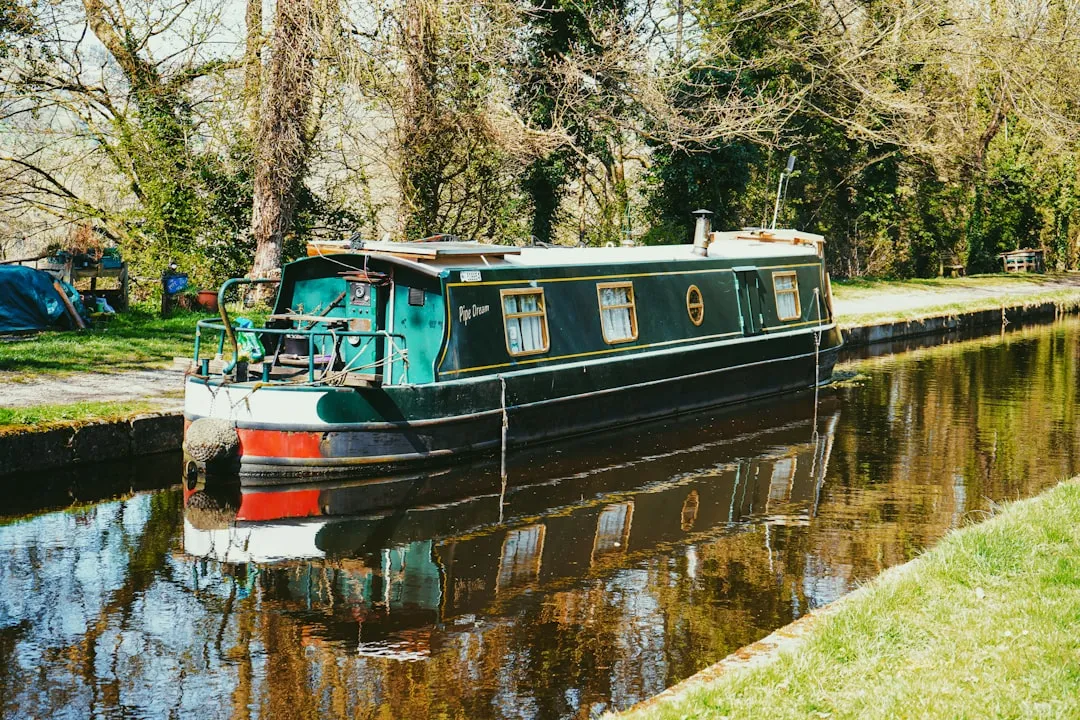
No prior boating experience is required on most hire routes, and this point is made consistently across reputable operators in both Europe and the UK. Modern canal boats come with no seasickness risk, no crowded resorts, and pets, children, and grandparents are all genuinely welcome aboard. Tuition is typically included in hire fees for first-timers, which removes the main practical barrier for most travellers.
The Canal and River Trust does note that the UK network faced some disruption in 2025 due to drought conditions, with one of the most severe UK droughts on record in summer 2025 leading to widespread navigation restrictions and, at its peak, the closure of around 20% of the canal network. Checking current conditions before booking is always wise, particularly for UK summer travel.
For Kerala, the ideal season runs from October through February when the monsoon has passed and the air is clear. On the Canal du Midi, spring and early autumn tend to offer cooler temperatures and smaller crowds than the peak of summer. In New York, late May through September works well for most of the system.
Responsible Travel on Historic Waterways
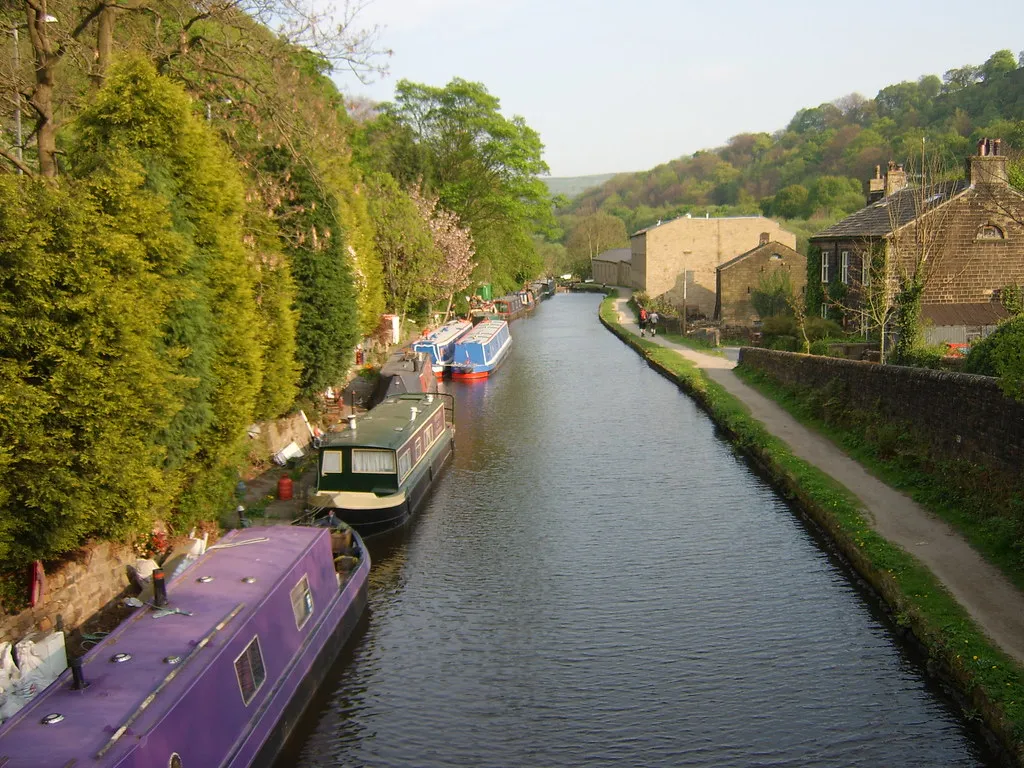
Canal systems everywhere require careful stewardship, and travellers play a real role in that. Speed limits on canals exist not just for safety but to protect the banks from erosion, which is a genuine engineering concern on waterways that are sometimes centuries old. Staying well within posted speed limits is one of the simplest contributions any boater can make.
Every conservation intervention on heritage waterways like the Canal du Midi is designed to honour the canal’s unique identity, with slow, self-drive boating putting less pressure on banks, wildlife, and the delicate water ecosystem. That’s a useful principle to carry to any canal journey anywhere in the world.
Wildlife along these routes is a genuine part of the experience, not a backdrop. Kingfishers, herons, otters, and in Kerala an extraordinary range of migratory birds all depend on the integrity of these waterways. Keeping noise low, avoiding wakes near nesting areas, and disposing of waste properly are not bureaucratic requests; they are what keeps these routes worth taking at all.
The Takeaway
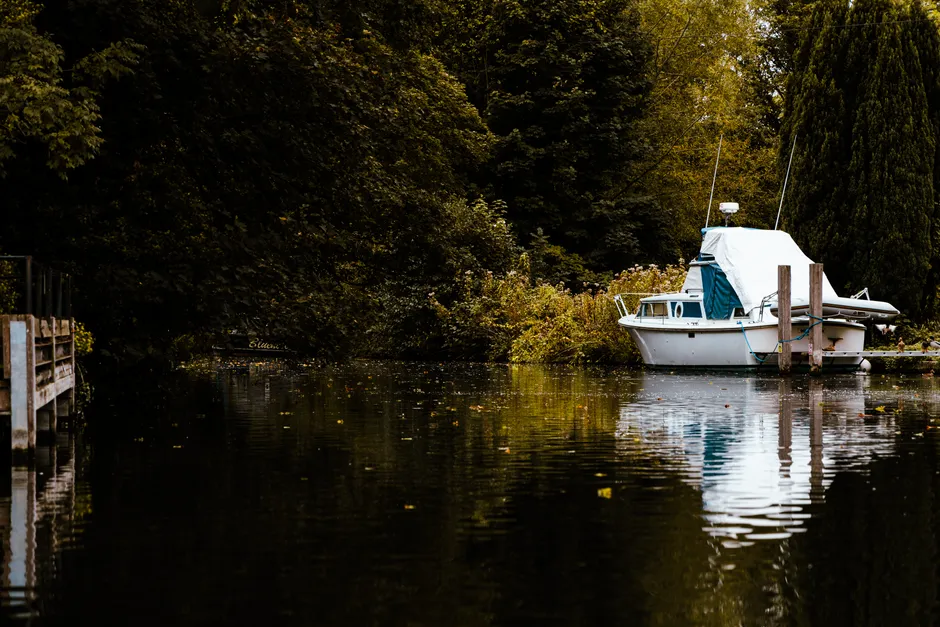
There is something quietly counter-cultural about travelling at 6 to 8 kilometres per hour in a world that generally considers speed a virtue. Canal boat travel does not try to compete with other forms of tourism. It offers a completely different relationship with both movement and place, one where the in-between moments turn out to be the most memorable.
The Canal du Midi, the Kerala backwaters, the Llangollen Canal, and the New York Erie system are four very different waterways on four different continents. What they share is an ability to slow a traveller down enough that the journey itself becomes the thing they talk about later, not the destination at the end of it. That is a rarer quality in travel than it sounds.
AI Disclaimer: This article was created with the assistance of AI tools and reviewed by a human editor.