

There is a quiet hilltop town in the heart of Umbria where autumn does not arrive the way it does in most of Europe. It arrives in green. Not the green of turning leaves, but the green of freshly pressed olive oil running from stone mills at two in the morning, while families gather outside to taste it straight from the press on torn bread. The town is Trevi, and it has been doing this for centuries.
Most travelers passing through central Italy rush toward Assisi or Spoleto. Trevi, tucked into the Fascia Olivata, the UNESCO-recognized olive belt stretching between those two more famous places, tends to stay quiet. That quietness is exactly what makes it extraordinary. Here, the harvest is not a backdrop. It is the entire story.
A Town That Takes Its Olive Oil Seriously
The Strada dell’Olio e.v.o. DOP Umbria is headquartered directly in Piazza Mazzini in Trevi, which tells you something about the town’s relationship with olive oil. This is not a destination that happens to have a few olive groves nearby. The oil is woven into the civic identity of the place in a way that goes far beyond marketing.
Frantoi Aperti, the region’s celebrated open-mills festival, is organized by the Strada dell’Olio DOP Umbria and spreads across hill towns and valleys including Assisi, Spoleto, Foligno, Trevi, and Giano dell’Umbria. Trevi is not just a participant. It is consistently one of the event’s spiritual centers.
What Oleoturismo Actually Means in Practice
Since 2022, Italy has officially recognized oleoturismo, or olive oil tourism, as a legal and regulated activity, meaning farms and mills known as frantoi can host guided tours, tastings, cooking lessons, and even let visitors join the harvest. This formal recognition changed things considerably. What was once a casual, word-of-mouth experience became something structured and certified.
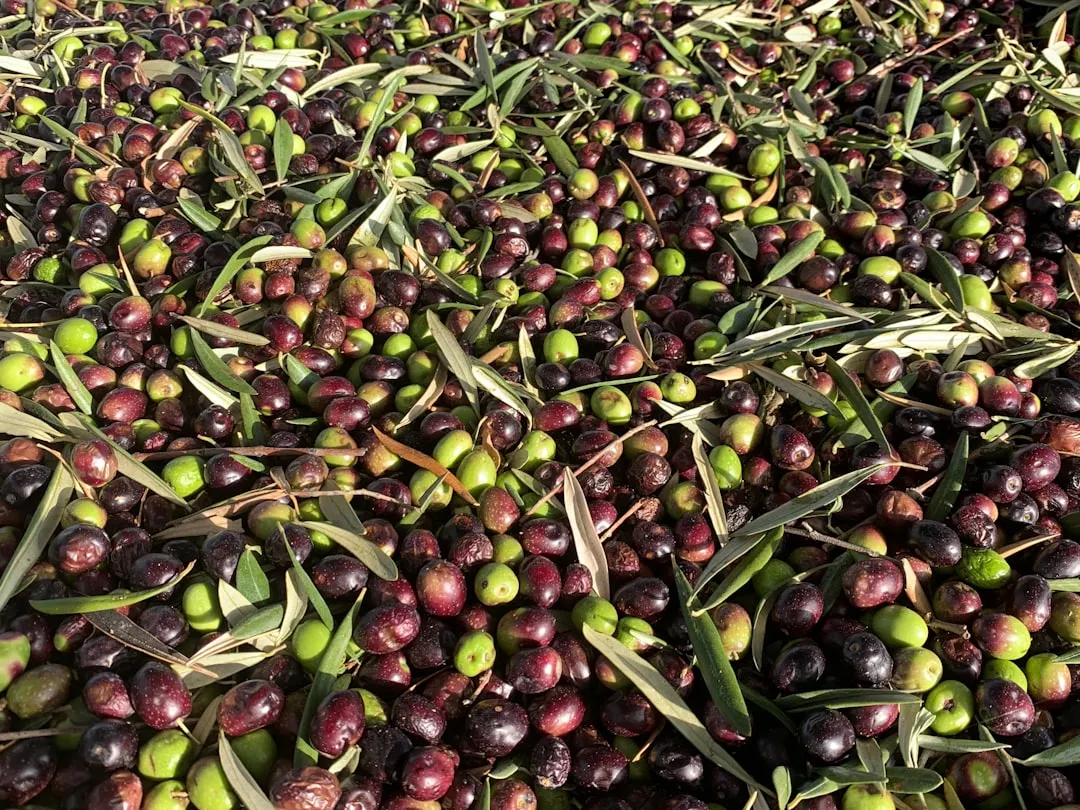
Guests can now pick olives, watch the pressing process, and sample freshly milled oil knowing the activity is insured, hygienic, and certified. For the traveler, that means arriving at a working mill during harvest season is no longer a matter of knowing the right person. It is a genuine, bookable experience.
The Frantoi Aperti Festival: Five Weekends of Pure Immersion
From October 18 to November 16 in 2025, five weekends were dedicated to oleoturismo with a rich program of events across Umbria’s olive-growing communities. Trevi hosted its own dedicated celebration within that framework, the Festivol, bringing together oil tastings, art, live music, and guided sensory experiences in the town center.
The itinerary included an e-bike route departing from Trevi, winding through cycling paths set within landscapes shaped by centuries of olive cultivation, with stops at working mills to taste freshly pressed oil. It is the kind of experience that you simply cannot engineer in a tour group. You have to be there when the harvest is happening.
The Mills of Trevi: Old Stone and New Oil
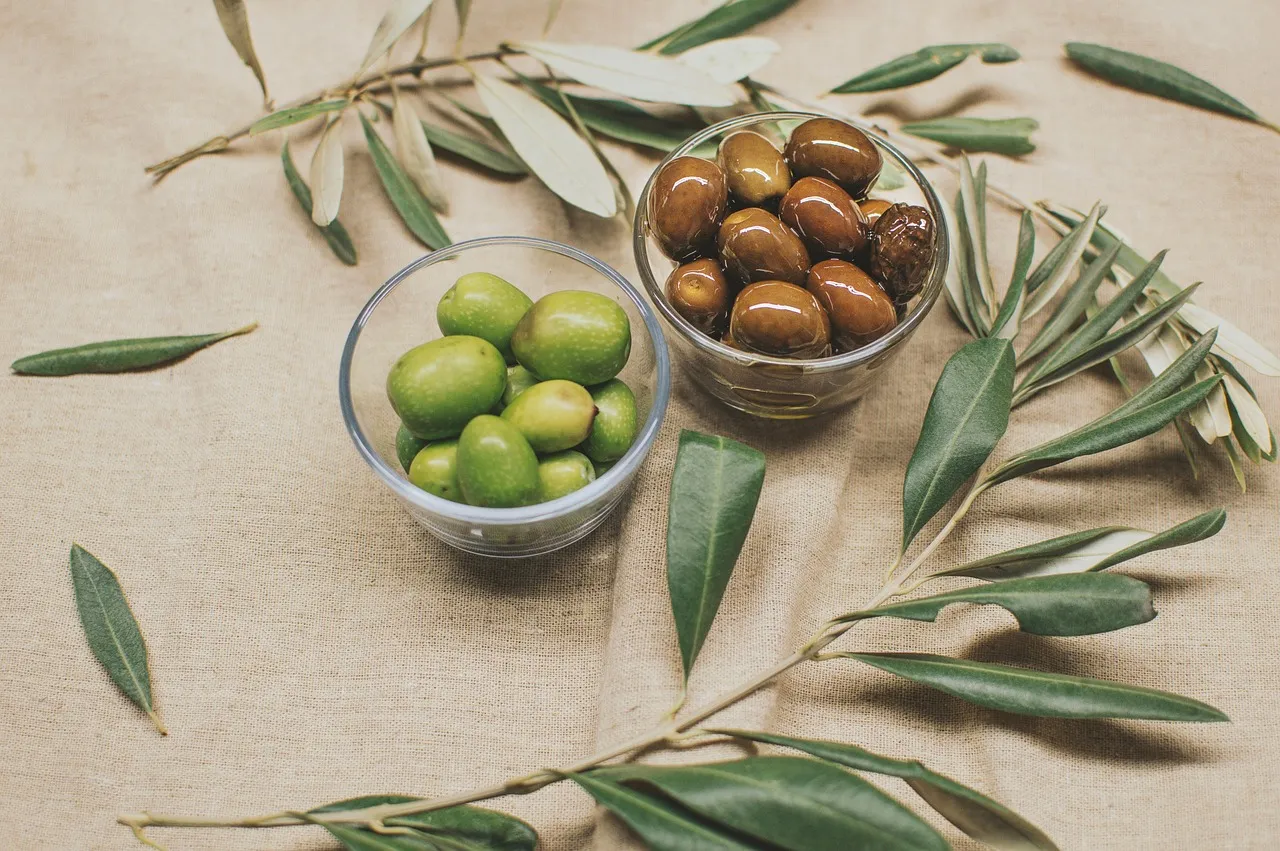
Three working mills participated in the 2025 Frantoi Aperti program in Trevi: Frantoio Gaudenzi, Società Agricola Trevi Il Frantoio, and Frantoio dei Sapori 1962. Each has its own personality. Some press through the night during peak harvest weeks, and the smell of crushed olive paste drifting through the cold autumn air is something that stays with you long after the trip ends.
The fall olive harvest season is a special time to visit these working operations, because this is when olive oil has the highest medicinal quality, maximum freshness, and most robust green flavors. Olio nuovo, the oil pressed within hours of harvest, is a product so vivid and alive that commercial bottled oil tastes almost flat by comparison.
The Museo della Civiltà dell’Olivo: History You Can Taste
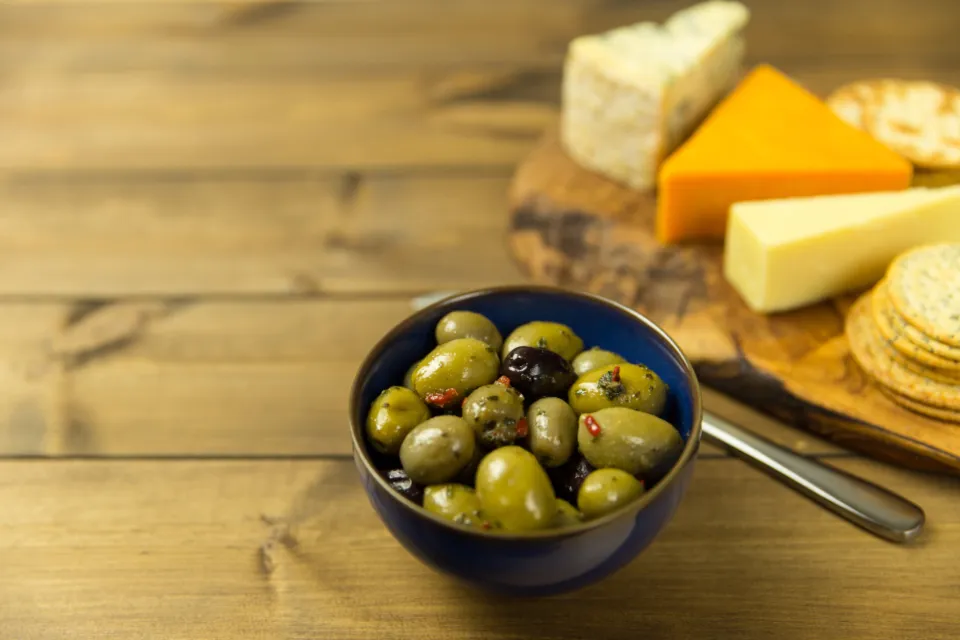
In Trevi, trekking experiences during the festival begin at the Museo della Civiltà dell’Olivo along the Sentiero degli Olivi, the Olive Path. The museum is genuinely worth the visit independent of festival season. It traces the culture, cultivation, and craft of olive oil across this specific landscape, with particular attention to how the ancient groves of this valley were maintained across generations.
The Tempietto sul Clitunno, a UNESCO World Heritage Site, sits just outside Trevi in the valley below. The territory also includes the Ulivo Secolare di Sant’Emiliano, an ancient olive tree, and the Castello di Pissignano. The cultural density around this one small town is remarkable, and yet the crowds that crowd into Tuscany’s hilltop towns rarely find their way here.
The Harvest Numbers Behind the Experience
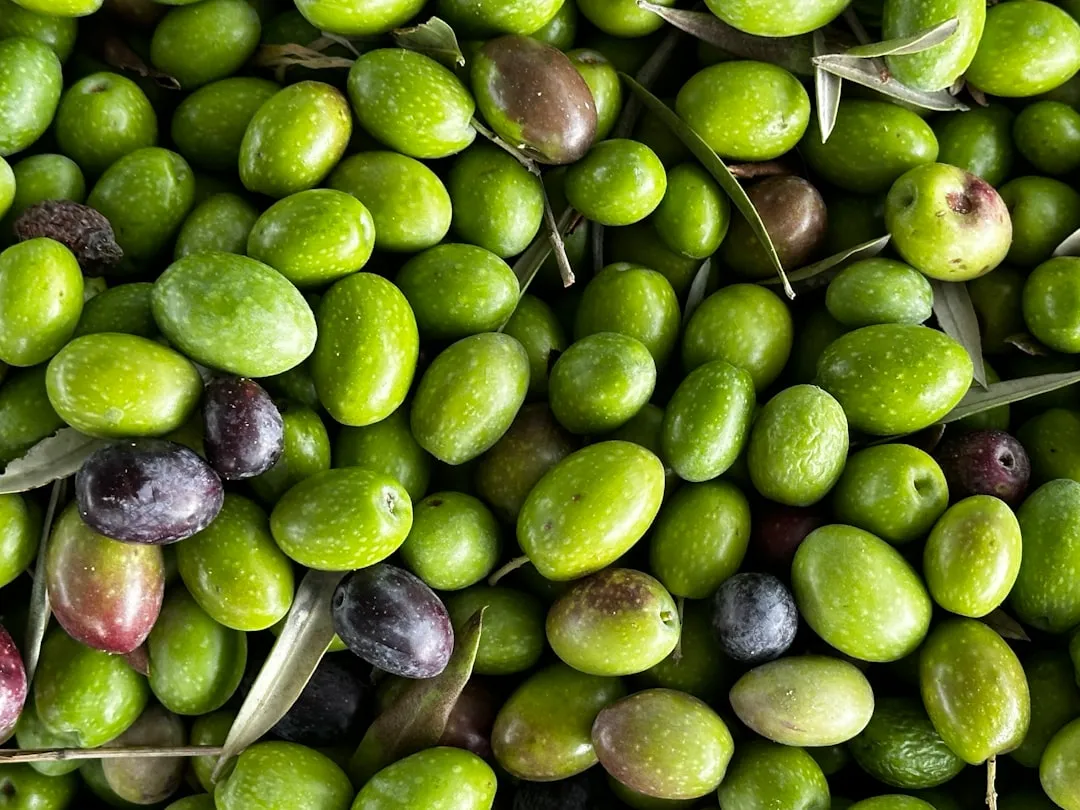
Umbria, valued for its fruity and slightly bitter oils, had a solid 2025 season with an estimated eight thousand to ten thousand tonnes, and olive quality was rated as good despite summer drought pressures. That recovery matters for travelers, because a good harvest means the mills are running, the mood is celebratory, and the oil available for tasting is genuinely worth traveling for.
Despite lower volumes in some parts of Italy due to the olive fruit fly, fly-free groves showed good to very good oil quality, confirming Tuscany and Umbria’s reputation as premium locations for top-class extra virgin olive oil. Umbria’s oils tend toward a grassy, slightly peppery finish that is quite different from the milder Ligurian styles or the more robust Sicilian presses.
Who Actually Comes Here
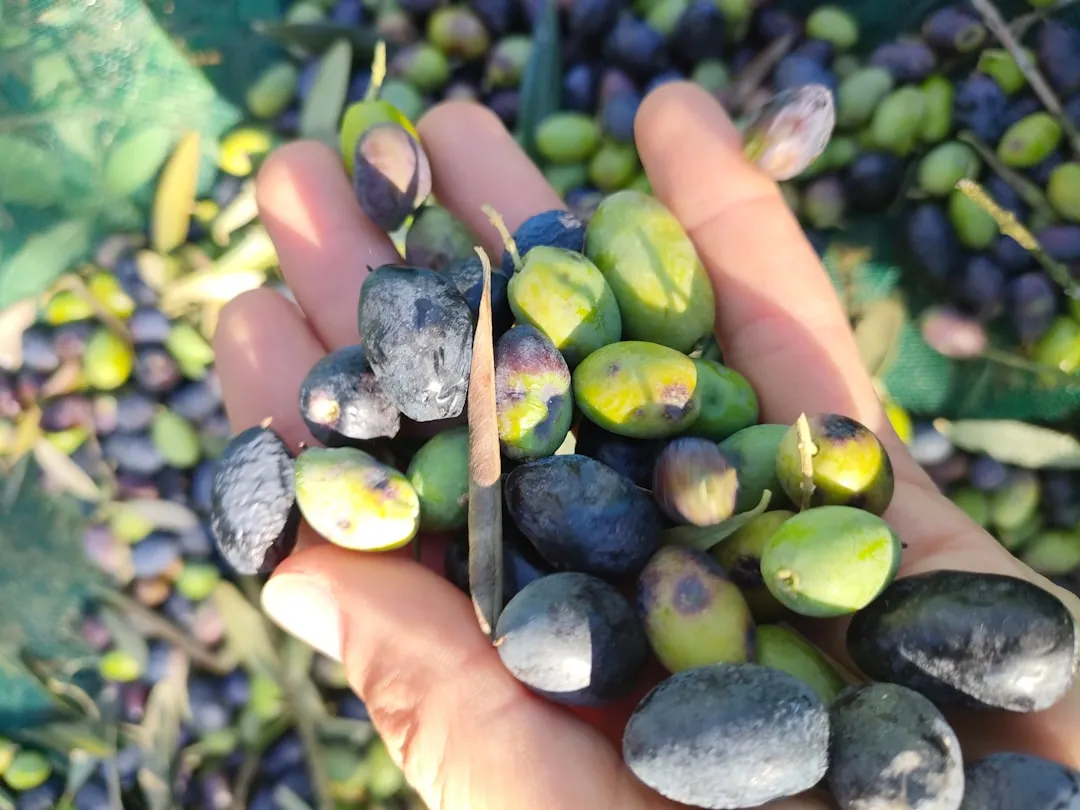
The visitors who find their way to Trevi during harvest season tend to be food professionals, independent travelers with a genuine interest in provenance, and Italian families from surrounding cities who treat the Frantoi Aperti weekends as an annual autumn ritual. International tourism here has grown, but slowly and thoughtfully.
The event, in its essence, does not simply celebrate olive oil and its culture, but also the places and communities around it. That framing matters. The festival is not designed primarily for visitors. It is designed for the region’s own people, and travelers are welcomed into something that already has deep roots rather than being sold a performance of it.
What to Do Beyond the Tastings
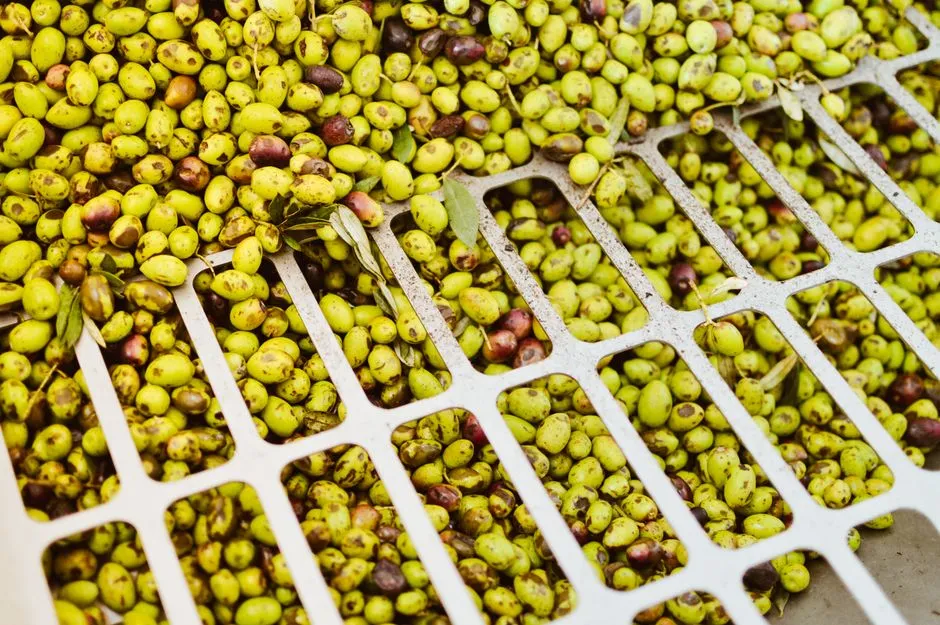
During the 2025 festival weekend, guided olive oil tastings were led by professional tasters and scheduled across multiple villages including Assisi, Castel Ritaldi, and Trevi. There were also family-oriented trekking experiences through the olive groves, combining storytelling, nature walks, and tastings of freshly pressed oil with bread.
Visitors can also harvest an olive from a tree with their own hands, an experience described as genuinely unique by those who have done it. There is something grounding about standing under a tree that may have been producing olives for two hundred years and participating, however briefly, in the work that sustains it. It puts the bottle on your kitchen shelf in an entirely different light.
Planning a Visit: When and How
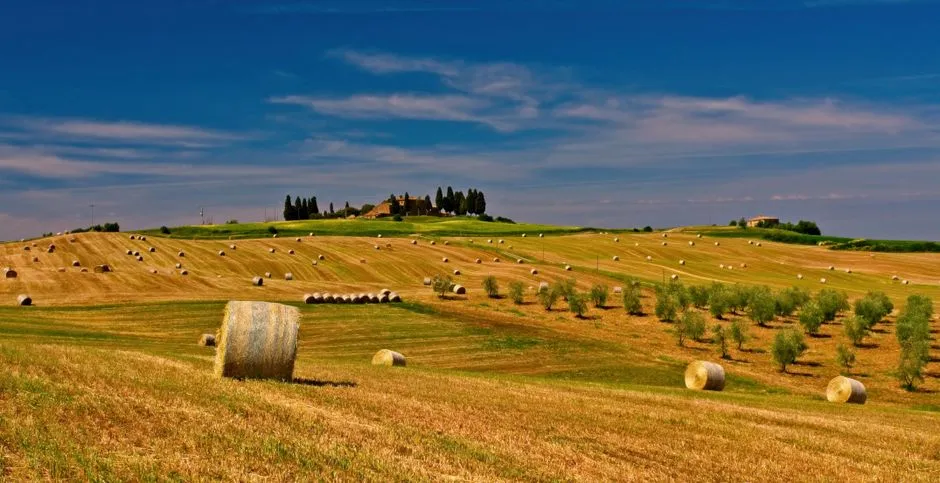
Tuscany and Umbria begin harvesting from late September through November, with the medieval towns of Spello, Trevi, and the golden hills of the region buzzing with activity through early December. October and early November are the sweet spot: the oil is being pressed, the weather is crisp, and the landscape around the olive belt turns a warm, hazy gold.
Trevi is accessible by train from Foligno, with the station sitting in the valley below the hilltop town. The center itself is walkable once you climb up. Accommodation options are modest, which keeps the character of the place intact. Book early for October weekends during Frantoi Aperti, as local agriturismos fill up quickly once the harvest season becomes predictable.
Why This Kind of Travel Matters
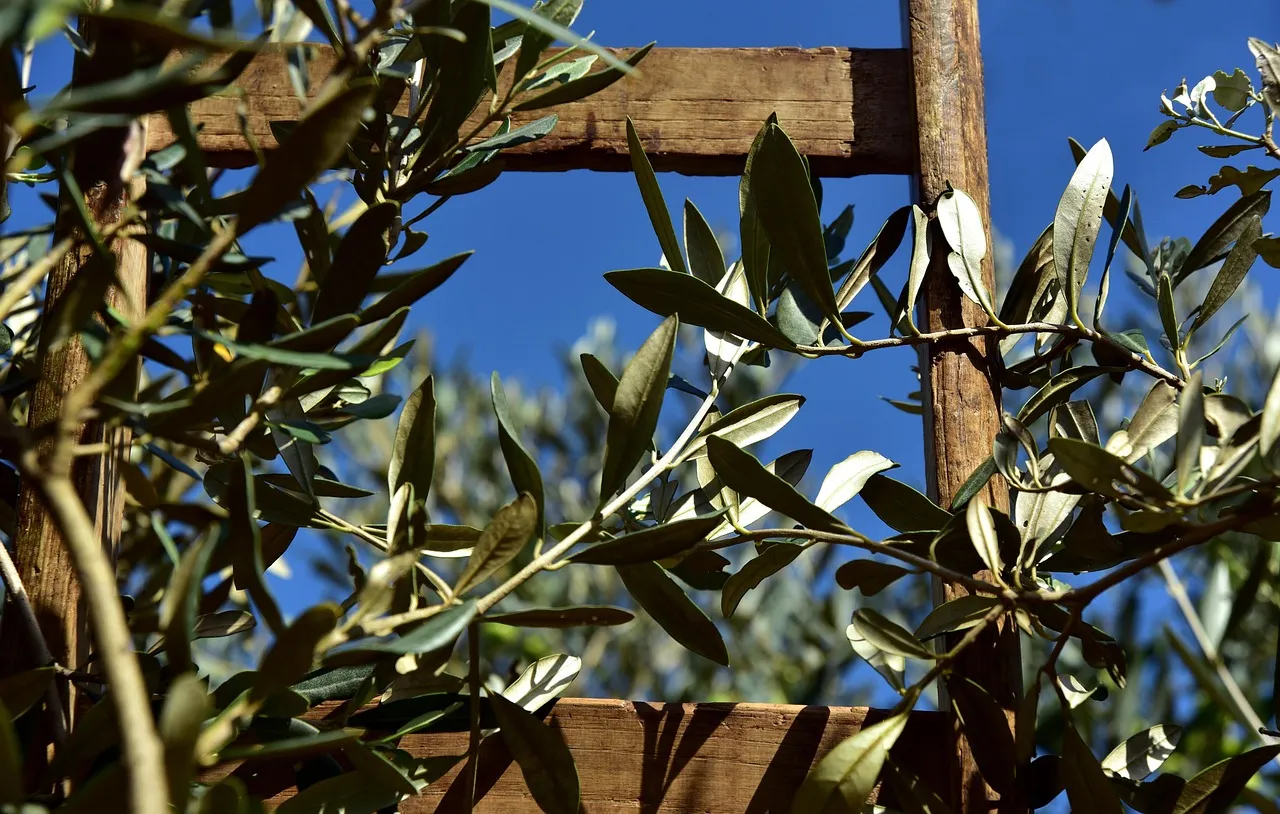
There is a growing conversation within responsible travel circles about the difference between visiting a place and supporting it. Trevi during olive harvest season is one of those rare situations where the two align almost completely. Europe leads the world in producing, trading, and using olive oil, and the small producers who maintain ancient groves in the Umbrian hills are the beating heart of that heritage.
Spending time in Trevi during harvest, buying directly from a frantoio, eating in restaurants that use the local DOP oil, and slowing down enough to understand what you’re tasting: all of this feeds back into a local economy that genuinely needs that connection to continue. The oil is better for it. So is the experience.
A Closing Note on Slowness
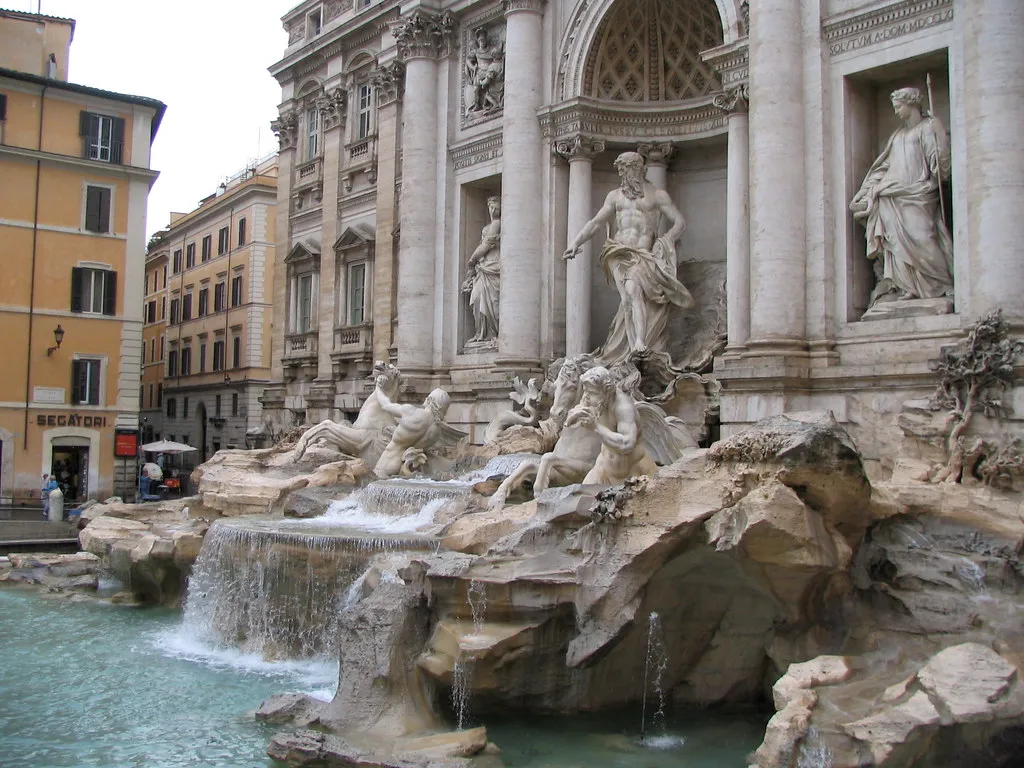
Trevi will not overwhelm you with infrastructure designed to manage crowds, because there are not enough crowds to manage. The piazzas are quiet in the evenings. The mills run on their own schedule. The oil does not wait for convenient visiting hours.
That, in the end, is the whole point. Some of the most honest food experiences left in Europe are not in the places that have perfected how to present themselves to visitors. They are in places like Trevi, where the harvest happens the same way it always has, and where anyone who shows up with genuine curiosity and good timing is simply welcome to pull up a chair.
AI Disclaimer: This article was created with the assistance of AI tools and reviewed by a human editor.