
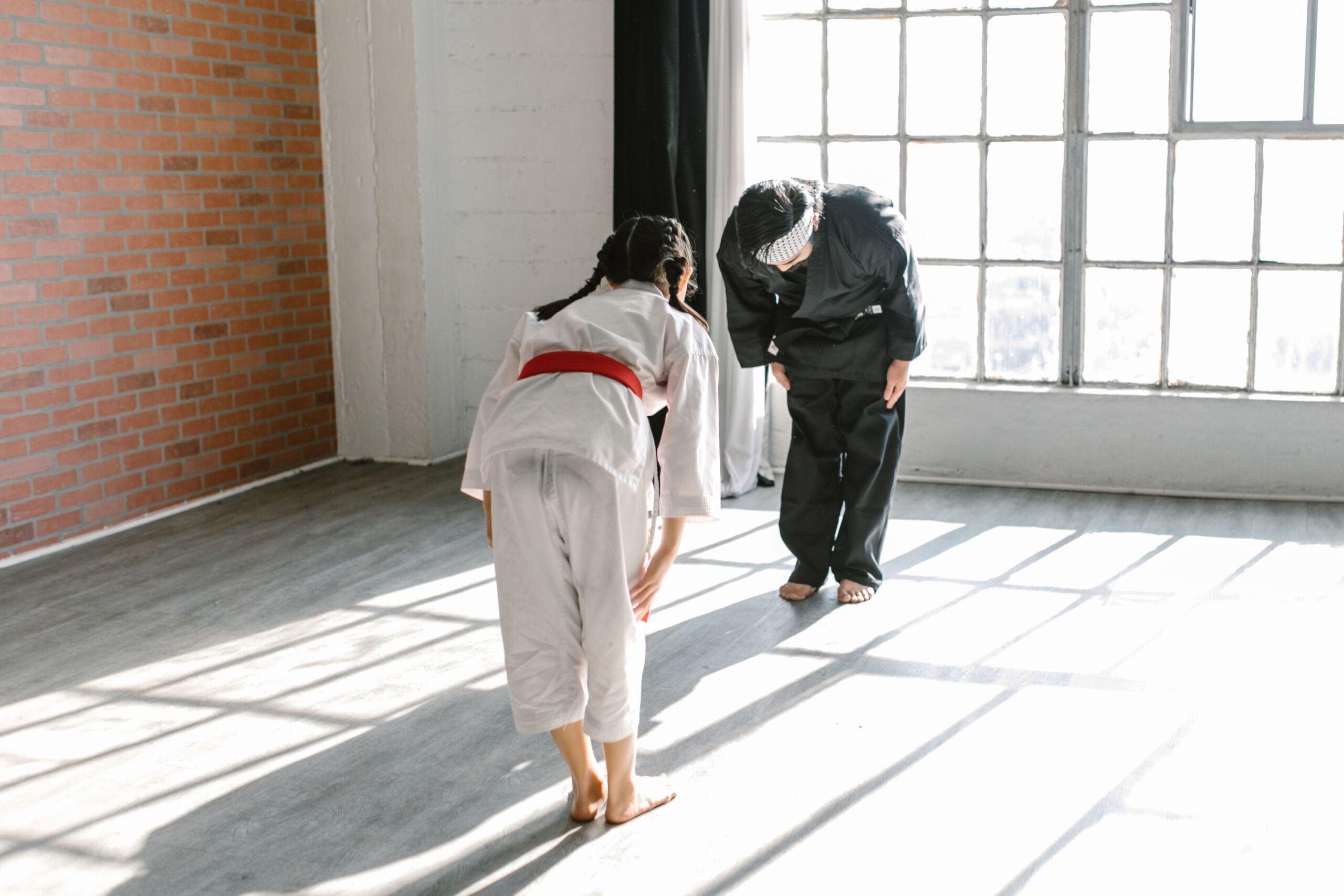

Japan draws people in from every corner of the world, and the numbers reflect that pull clearly. In 2025, the number of international tourists visiting Japan reached 42.7 million. That kind of scale means millions of first-time visitors are arriving without much understanding of how Japanese people actually greet one another. The gap between what tourists expect and what locals experience is often felt most immediately in those first few seconds of meeting.
The bow is not just a polite flourish or a curiosity. It is the heartbeat of social interaction in Japan, woven into everyday life in ways that go far deeper than any guidebook summary can capture. Understanding it before you land changes not just how you are perceived, but how you perceive everything around you.
What Ojigi Actually Is

Bowing in Japan, known as ojigi, is the act of lowering one’s head or the upper part of the torso, commonly used as a sign of salutation, reverence, apology, or gratitude in social or religious situations. It is, at its core, a language spoken with the body rather than words. A bow can express humility, gratitude, apology, reverence, welcome, farewell, respect, or recognition of another person’s place in the moment. It is a physical gesture, but it carries emotional intelligence.
Bowing remains Japan’s most fundamental greeting, expressing respect, gratitude, and social hierarchy through precise angles and timing. What makes ojigi remarkable is just how much information it communicates silently. The angle of the bend, the duration, the context – all of it speaks before a single word is said.
The Deep Historical Roots of the Bow
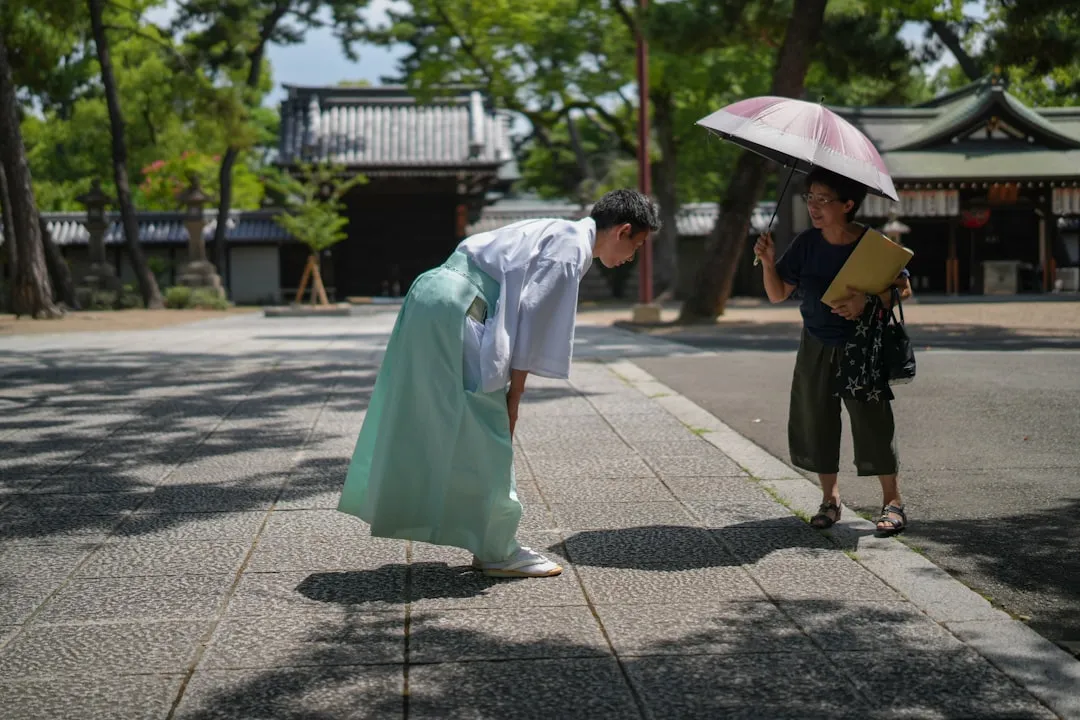
Ojigi grew from Buddhist devotional bowing introduced in the 6th century and was later formalized into samurai etiquette. Those two threads, religious humility and warrior discipline, shaped the practice into something remarkably layered. Historians believe it evolved from Buddhist influences during the Nara and Heian periods, where lowering one’s head showed submission and reverence, often in religious or courtly settings. Over time, it blended with Confucian ideals of hierarchy and respect, becoming a social norm that emphasized humility and social order.
The rise of the warrior class in the Kamakura period (1185–1333) led to the formation of many well-disciplined manuals on warrior etiquette, which contained instructions on proper ways to bow for the samurai. From courts to battlefields, the bow traveled across centuries and social strata until it became inseparable from daily Japanese life.
The Angles That Actually Matter
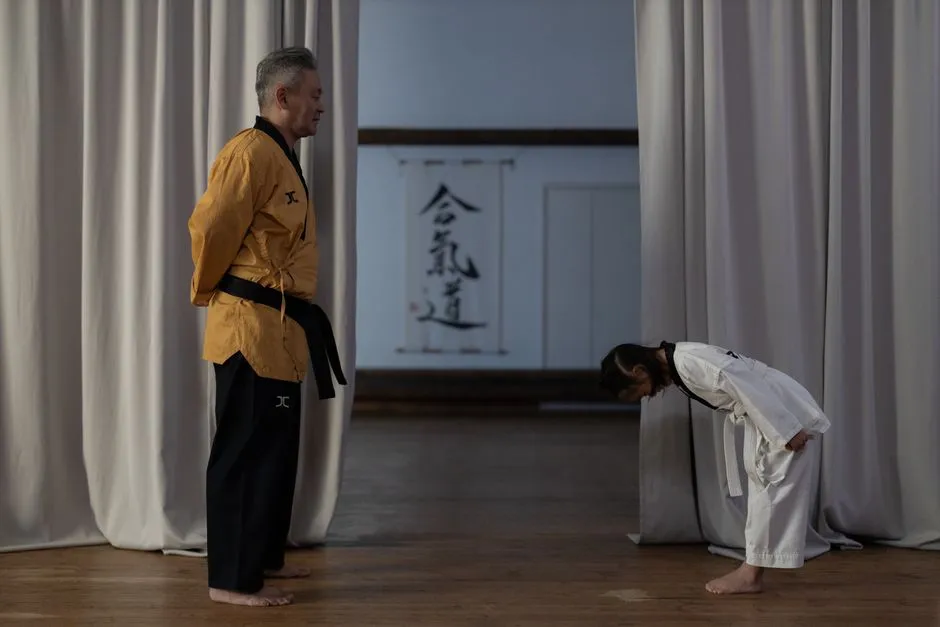
One of the most practical things a traveler can understand is that bowing is not one-size-fits-all. The deeper and longer the bow, the more respect it conveys, ranging from a casual 15-degree nod to a formal bow of 45 degrees or more. Each angle carries a specific social signal. The bow fundamentally aims at showing respect or humbleness in social interactions.
The bow, or eshaku, at a 15-degree angle is used to greet people of the same hierarchical level; keirei is a bow at a 30-degree angle to show respect to higher hierarchical level interlocutors; and saikeirei is a bow at a 45-degree angle to greet a very important person, or to apologize for a fairly serious deed. For most travelers, the gentle 15-degree nod is the one you’ll use most often, and it is more than enough to communicate goodwill.
When and Where You Will Encounter It
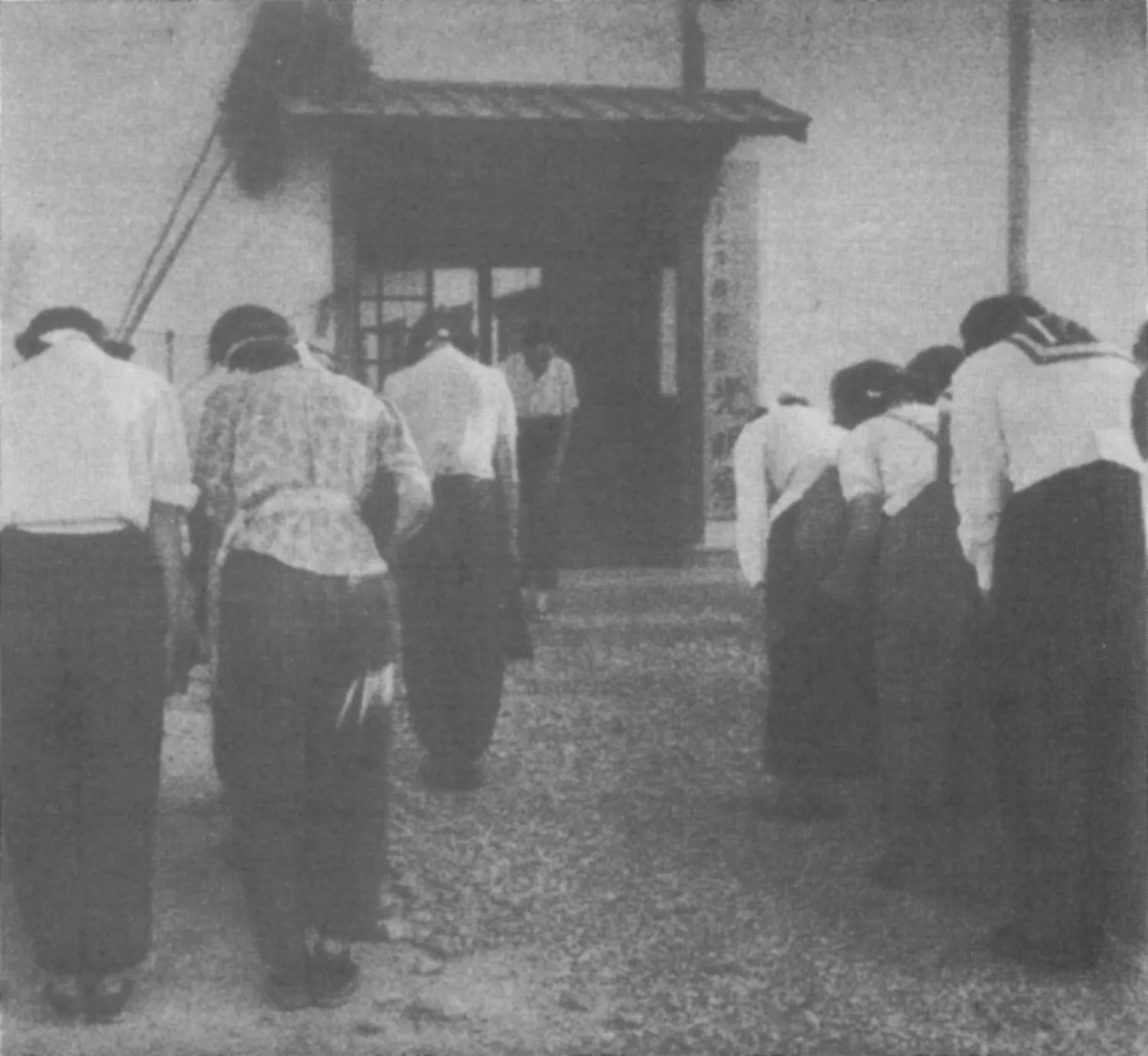
Known as ojigi, the custom of bowing as a salutation is characteristically Japanese. You’ll receive bows from shop assistants, restaurant and hotel staff, and flight attendants. It appears in places that many visitors do not anticipate. Modern Japanese bow everywhere: train stations, elevators, even on phone calls where nobody can see them. It is muscle memory, cultural DNA that kicks in automatically.
Bowing is also used to thank, apologize, make a request, or ask someone a favor. That breadth is worth absorbing slowly. Every moment of gratitude, every apology, every farewell – the bow carries all of it. Recognizing this in real time, rather than being caught off guard by it, makes your experience of Japan significantly richer.
What Travelers Are Actually Expected to Do
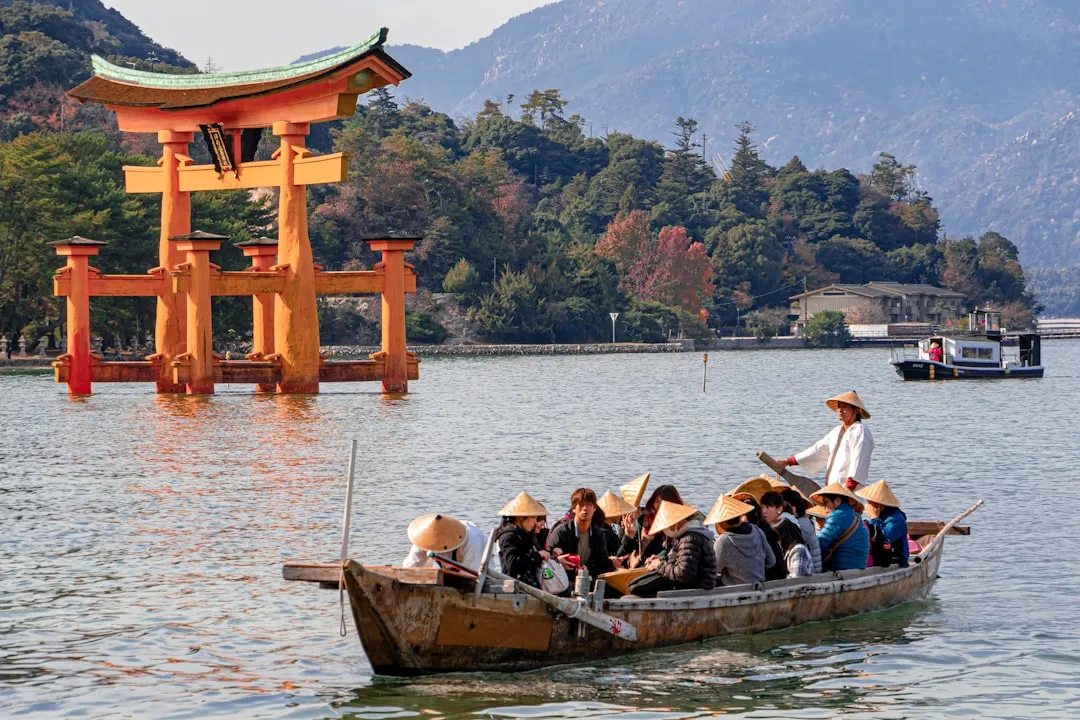
Most Japanese do not expect foreigners to know proper bowing rules, and a nod of the head is usually sufficient. That is genuinely reassuring, but it is also an invitation rather than a permission slip to disengage. There are many complexities to the bowing ritual, but as a tourist, you won’t be expected to know these details. Simply making the effort will endear you to others.
As a foreigner, no one expects you to bow back, but it is definitely a nice and well-received gesture. The difference between a traveler who makes no attempt and one who offers a small, sincere nod is real. Locals notice, and they appreciate it.
The Common Mistakes to Avoid
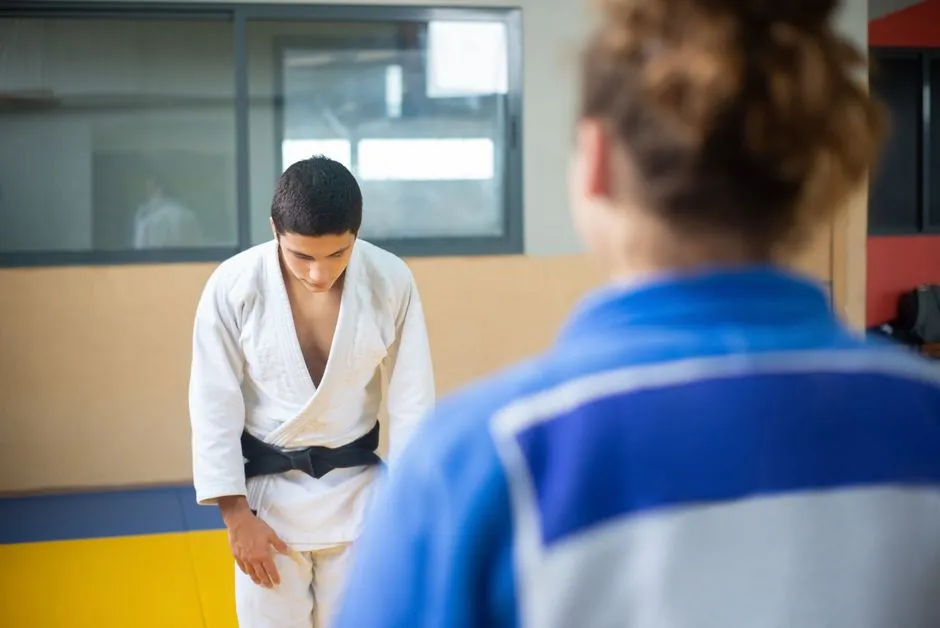
A few errors come up again and again with foreign visitors, and they are easy to sidestep once you know about them. Bowing with your palms together at chest level, as done in Thailand, is not customary in Japan. That particular gesture, while respectful in other Asian countries, can cause quiet confusion in a Japanese context. It is one of the most common mix-ups among travelers moving through multiple Asian destinations on a single trip.
Do not bow while speaking. This can be seen as rude. Similarly, do not bow while walking. You must always stop to bow. The pause itself carries meaning. Stopping to bow signals that you are giving someone your full, undivided attention, which is precisely the point.
Bowing in Business Settings

Shaking hands is uncommon in Japan, but exceptions are made, especially in international business situations. At formal meetings, business cards are exchanged during introductions. In formal professional contexts, the bow becomes even more structured and deliberate. Different sub-categories of ojigi vary mainly in the angles of inclination of one’s body and the positions of one’s hands, which are determined both by the status of the person one is bowing to and the scenario or context of the gesture.
Japanese who have traveled abroad or have experience dealing with foreigners may extend their hand for a handshake, though they probably won’t be able to stop from giving a slight bow as well. That hybrid moment, where a handshake and a bow happen simultaneously, is one of those quietly charming realities of cross-cultural exchange. Go with it graciously.
The Role of Bowing in Temples and Shrines
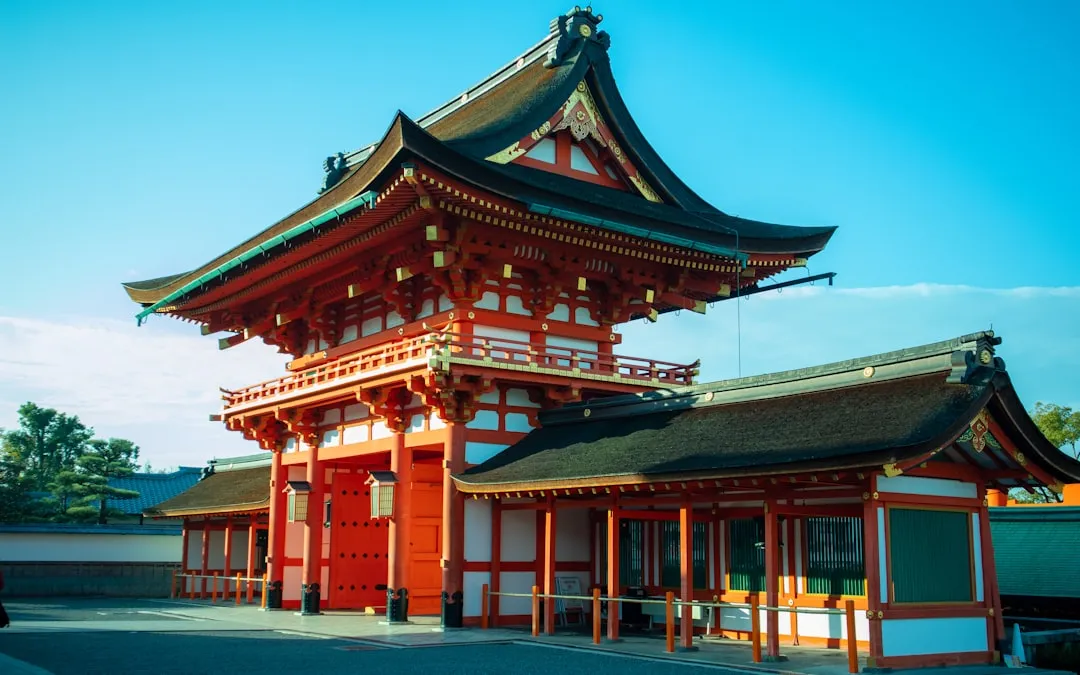
Beyond everyday social greetings, bowing carries sacred weight in Japan’s spiritual spaces. Bowing once in front of the torii gate, which marks the boundary between the sacred area and the secular world, is correct etiquette. Shrines and temples operate on their own bowing protocols, and observing them is a form of respect for the living faith communities that use these spaces every day, not just for tourists passing through.
With Buddhism came the custom of bowing as a gesture of piety and respect. In religious contexts, devotees would bow to Buddha statues as a sign of deep devotion, while disciples would show their admiration by bowing to their masters. When you bow at a shrine or temple, you are participating in a tradition that stretches back over a thousand years. That weight deserves a moment of mindfulness.
Why Cultural Preparation Matters More Now
Japan’s tourism surge in recent years has made the question of visitor behavior more urgent than it once was. Ishikawa Prefecture and Kanazawa City launched a targeted social media campaign aimed at foreign visitors, seeking to curb behaviors such as littering, eating while walking, unsolicited photography, and last-minute reservation cancellations. Japan is being thoughtful about how it welcomes the world, and the world has a responsibility to respond in kind.
Visitors and operators are being encouraged to travel respectfully, learn about local customs, and participate in community-based experiences that give back to host regions. Learning the bow before you arrive is a small act, but it belongs to a larger mindset. In 2025, travelers increasingly sought authentic, hands-on journeys, including cultural workshops, traditional festivals, and local food tours. Cultural curiosity is already trending upward. The bow is simply where it begins.
The Deeper Meaning You Carry Home
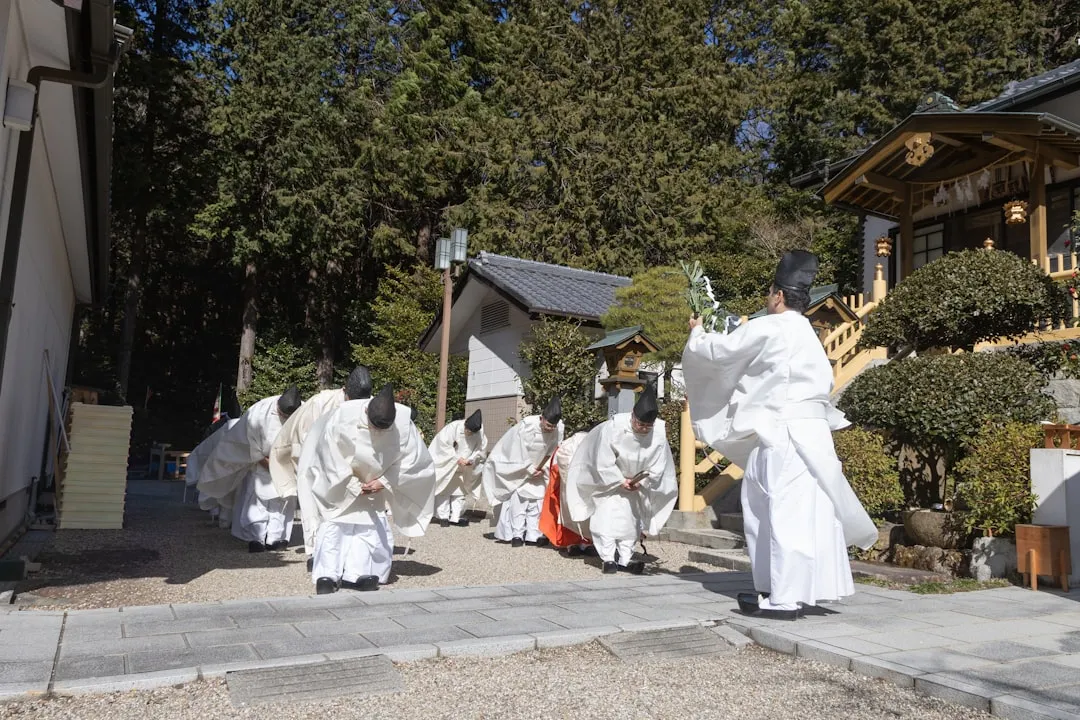
Bowing in Japanese culture is a symbolic manifestation of deep respect, extending beyond simple politeness. Rooted in the core values of modesty and connectivity, bowing signifies acknowledgment of societal hierarchy and shared humanity. This traditional gesture serves as a non-verbal language, conveying unspoken sentiments and intentions, reinforcing the importance of respect and social bonds.
There is something quietly transformative about learning a greeting that asks you to lower yourself, literally and figuratively, in acknowledgment of another person. Learning about new cultures can foster tolerance and acceptance, allowing others to understand why people act in a certain way. The bow does exactly that. It slows you down, orients you outward, and reminds you that you are a guest in someone else’s world.
A Quiet Takeaway
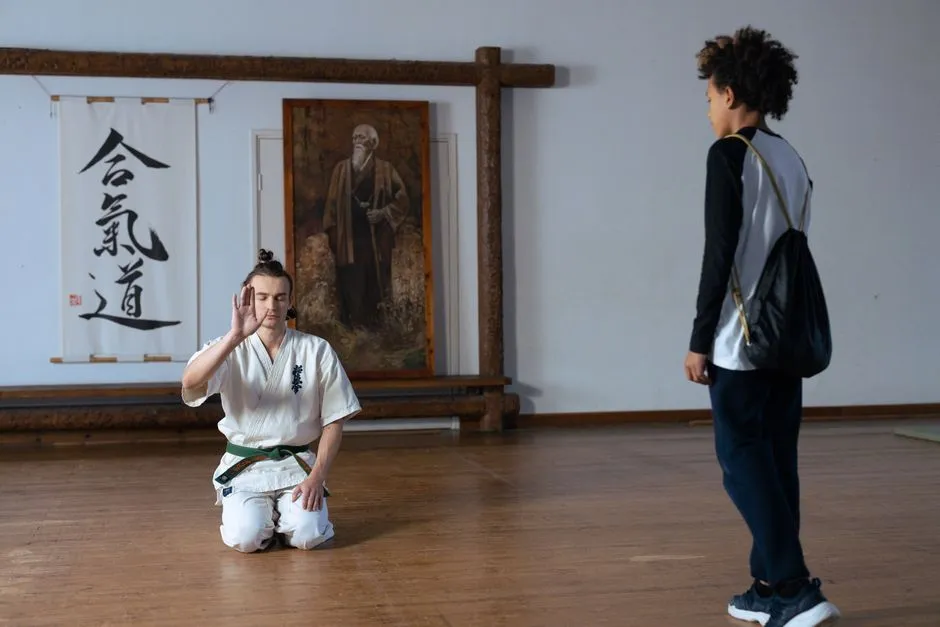
Traveling well has always been less about where you go and more about how you arrive. Japan rewards the prepared traveler not with grander sights, but with warmer ones. A shop owner who notices your modest nod, a host who senses your genuine effort, a fleeting connection across a cultural gap that a handshake simply cannot bridge.
The bow costs nothing to learn and carries more than most travelers expect. Before your flight, practice it once. Let it be the first real conversation you have with Japan, before a single word is spoken.
AI Disclaimer: This article was created with the assistance of AI tools and reviewed by a human editor.