
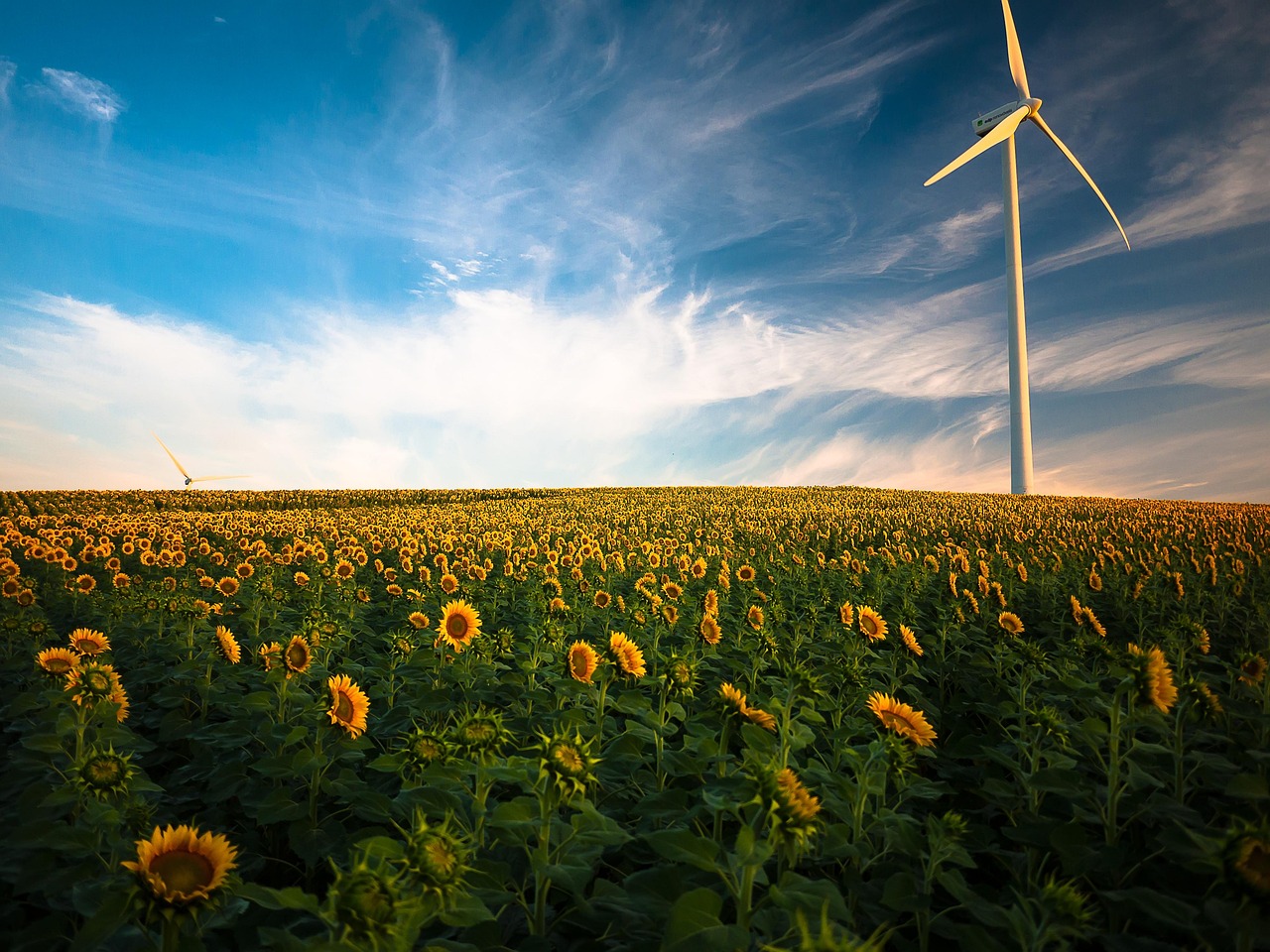

The Exact Window When Everything Turns Yellow
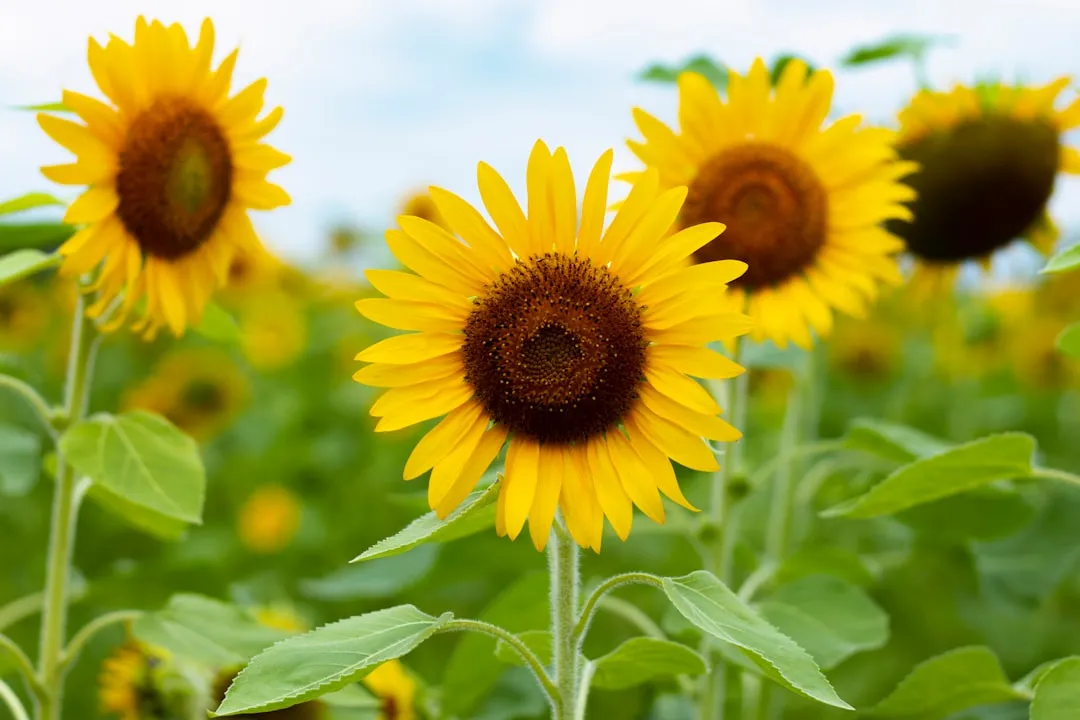
Timing a sunflower trip well means understanding the biology first. Sunflowers in the Northern Hemisphere generally begin blooming in late June or early July and reach their peak magnificence in August. The calendar alignment is not accidental; it is rooted in how the plant responds to heat and daylight.
The common sunflower, known scientifically as Helianthus annuus, blooms between July and October each year according to the U.S. Forest Service, while cultivated sunflowers in a farm setting usually hit their peak bloom in mid-August up to early October. That mid-August window is the sweet spot most farm-town visitors are chasing.
Most sunflower fields reach their peak of perfection for only two to three weeks, which is part of what makes the experience feel so charged. The urgency is real, not manufactured.
How Geography Shapes the Bloom Calendar
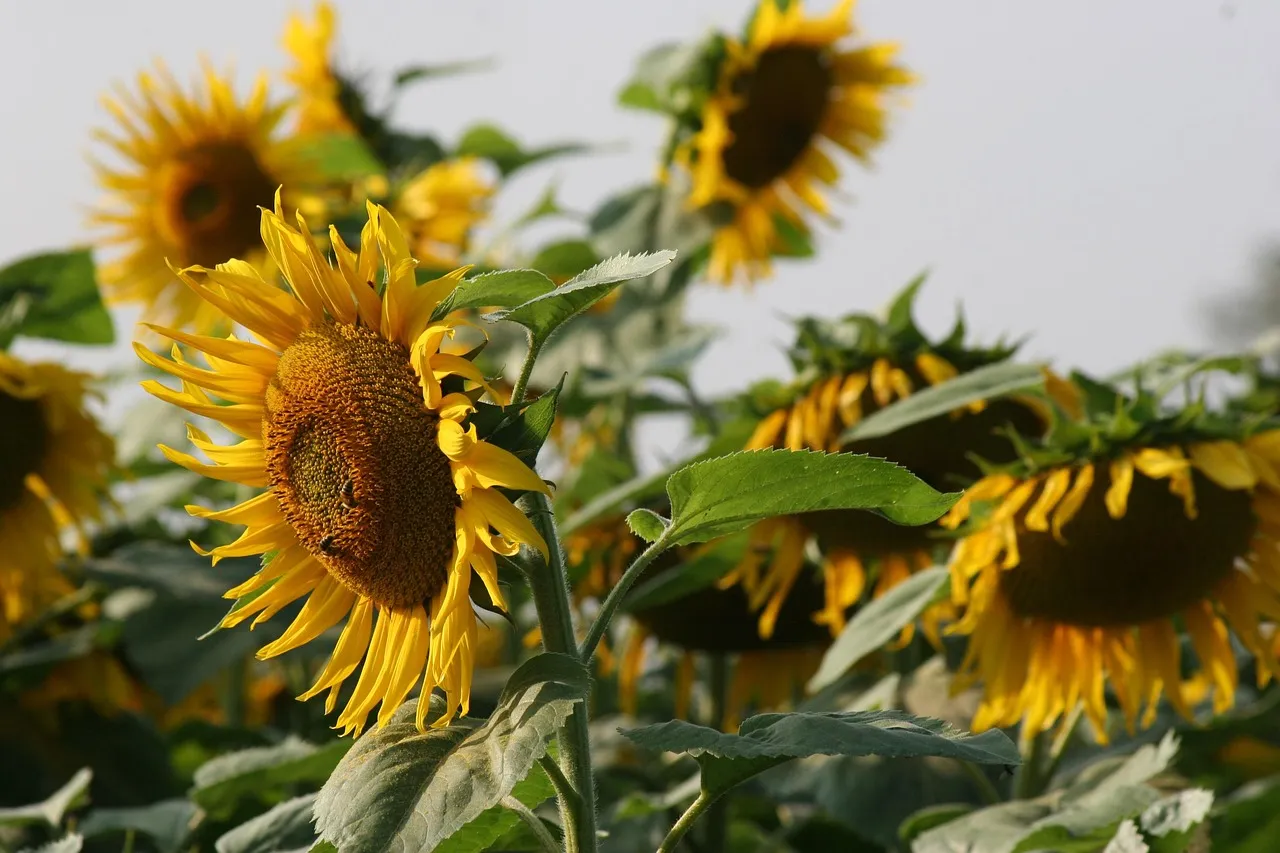
In the United States, sunflowers begin blooming in June in southern states like California, Arizona, Texas, and Florida, and as summer heat moves northward, the sunflower season progresses into July, August, and September across the Midwest, Northeast, and Northwest. This gradual northward progression means that a dedicated traveler could technically follow the bloom across multiple states from early summer into fall.
In the Midwest, sunflowers are usually planted in late April or May once the soil warms, and peak bloom often occurs from July through August, creating the stunning yellow landscapes that many people associate with the American Midwest. The region’s flat, wide-open terrain also makes those golden waves of color particularly dramatic to see.
In cooler climates, sunflowers may not start blooming until July or August and may only bloom for a few weeks before being killed by the first hard frost in the fall. That narrow window, far from being a drawback, gives the whole thing its distinct urgency.
The Farms That Have Built a Culture Around It
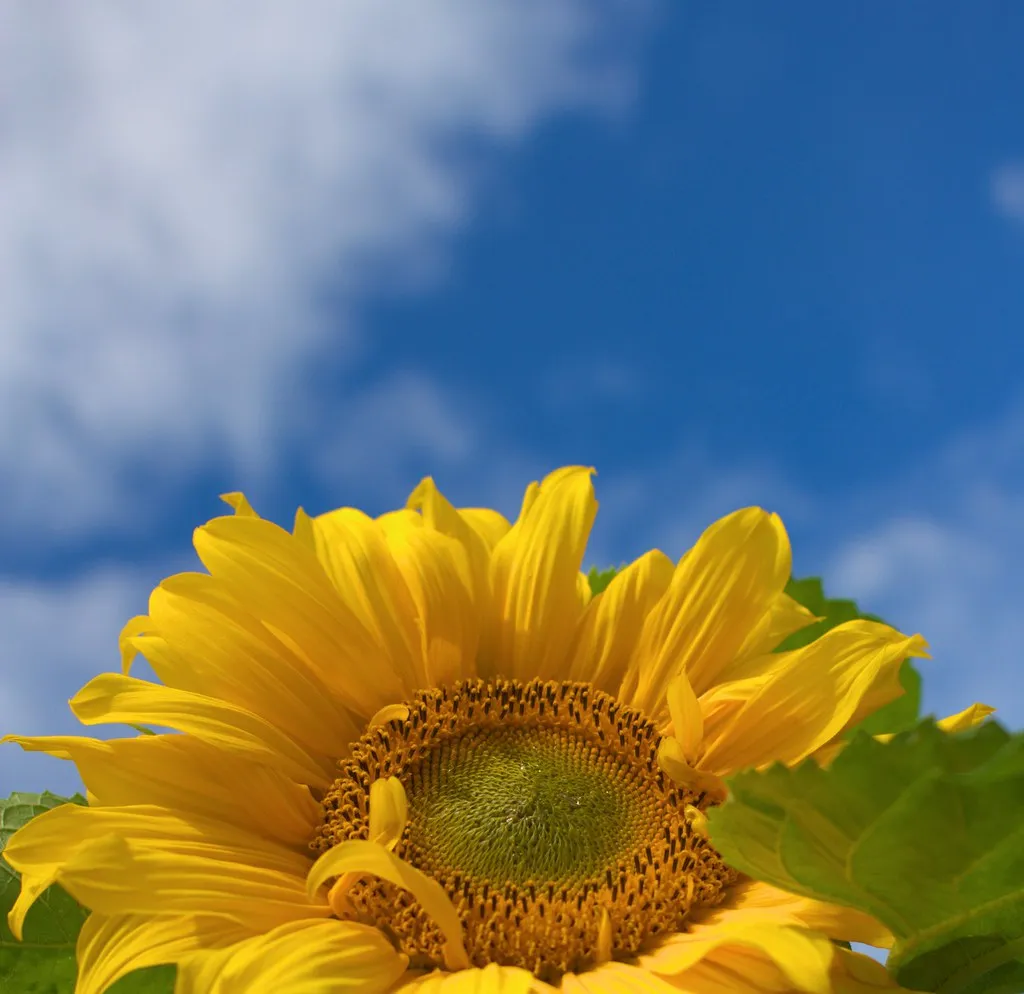
Several farms across the country have turned the August bloom into an annual community event worth planning for. Lee Farms in Oregon holds its Sunflower Festival from August 6 to 24 every Friday through Sunday, nestled on 120 acres of picturesque farmland, promising a vibrant celebration of nature, community, and joy. The festival format transforms a simple bloom into a shared seasonal experience.
Daniel Thorn Farm, a 200-year-old family farm, exhibits extraordinary sunflower blooms across 200 acres annually. Farms with that kind of deep history carry something extra in their fields: a sense that this land has been tended across generations, and August is simply when it announces itself.
Around August 15 each year, growers and bloom-watchers search for the first sunflower blooms at places like Hopkins Farm in Pittsford, New York, with the entire field fully blooming within just a few days, though this can vary depending on weather and the timing of the farmer’s seeding. That year-to-year variation is part of the charm.
North Dakota: The Nation’s Sunflower Capital
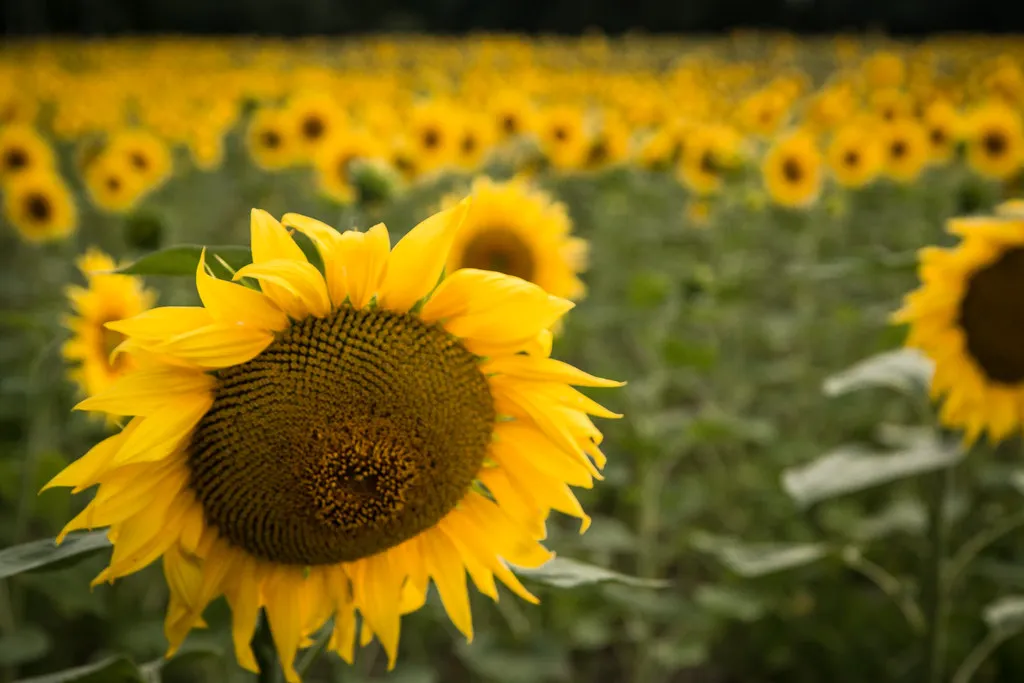
Sunflowers were in full bloom in mid-August in North Dakota, which leads the nation in the crop most years, and as tourists stop to see the bright blooms, markets and growing conditions were strong. The scale of what you see in the Dakotas in August is genuinely difficult to prepare for. Fields go on longer than the eye can comfortably follow.
When the U.S. Department of Agriculture’s Farm Service Agency released its first round of data on certified crop acres for the 2025 growing season, the numbers held a surprise for sunflowers: a 24% increase in acreage nationwide. That kind of growth means more fields, more communities with a claim on the golden season, and more August destinations worth visiting.
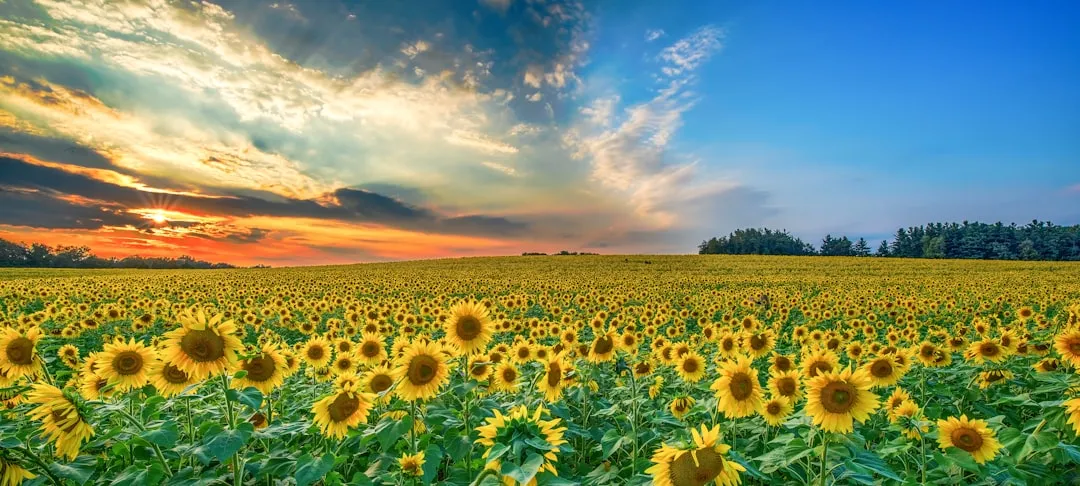
Approximately 95 to 100% of the region’s sunflowers were in bloom as of mid-August 2025, making the flowers a bright sight not just for agriculture but also for tourism. When nearly every plant in a region peaks at once, the visual effect becomes something else entirely.
What a U-Pick Experience Actually Looks Like
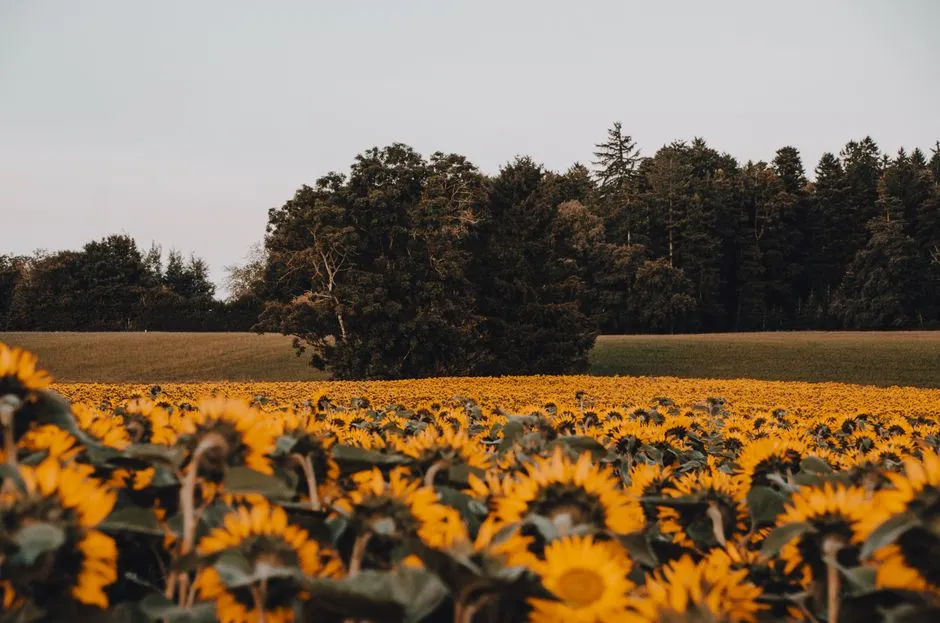
Walking into a U-pick sunflower field for the first time is disorienting in the best way. The plants are tall, often reaching well above eye level, and the scale of color around you does something to your sense of proportion. At farms like Westview Orchards in Michigan, visitors can pick sunflowers by the half-dozen, dozen, or an all-you-can-fit bucket, with a wagon ride out to the field included.
At farms like Beaver Creek Sunflowers in Iowa, sunflowers are expected to be in bloom in early August, and all visitors must have advanced registration. That kind of pre-registration reflects how seriously communities take the narrow bloom window, keeping crowds manageable and the experience genuinely pleasant.
Some farms, like Circle S Farms in Columbus, Ohio, offer pick-your-own sunflowers across seven acres with over one million sunflowers in the field. One million plants in bloom at once is not a figure that registers until you are standing inside the field itself.
The Science of Why Sunflowers Face the Sun
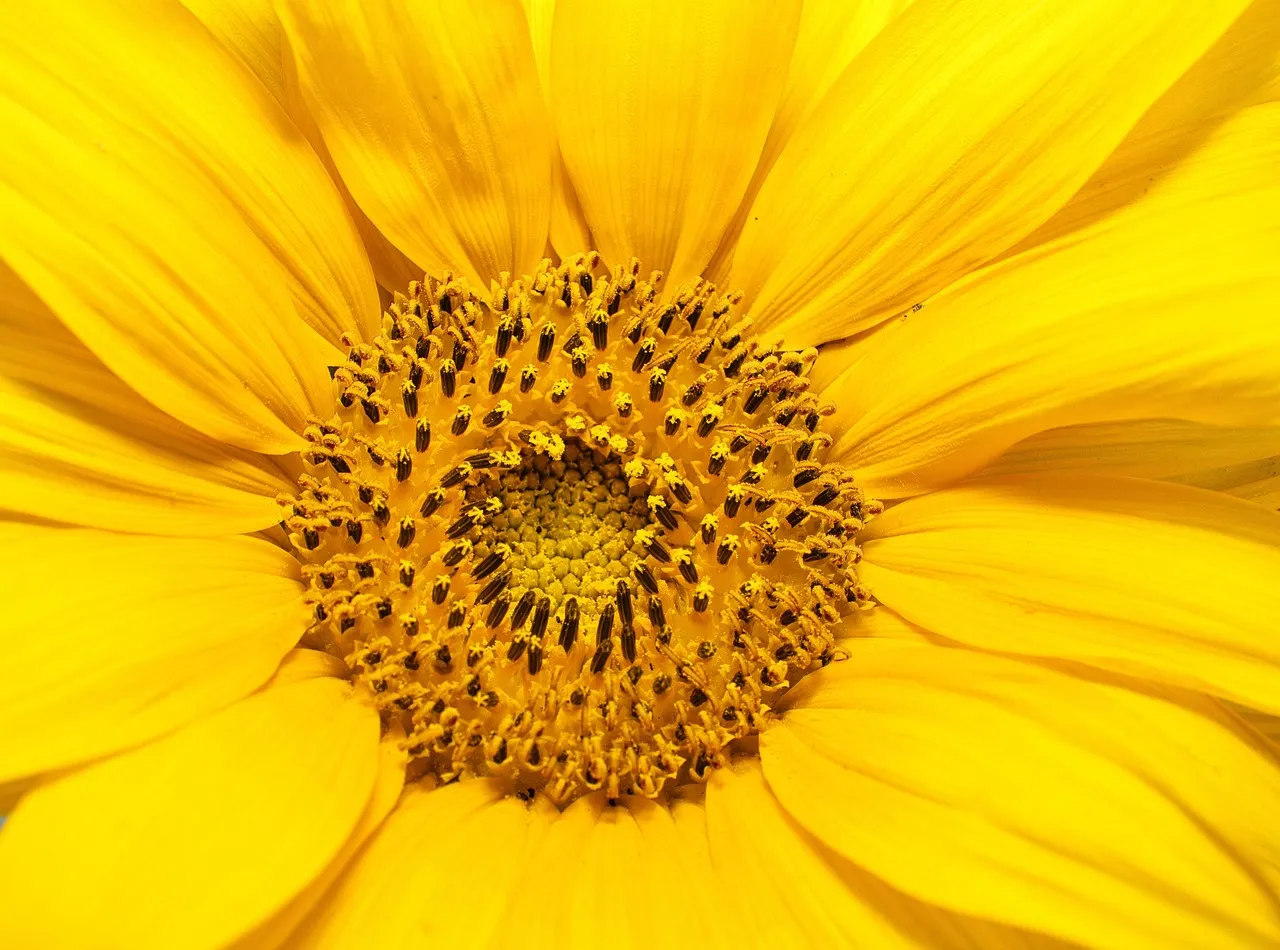
One of the most frequently asked questions at sunflower fields is also one of the most interesting to answer. Young sunflowers follow the sun across the sky during the day, a behavior driven by asymmetric growth on the stem. Because sunflowers are heliotropic and produce multiple florets sequentially across the disk, a single head remains showy for up to three weeks.
The overwhelming majority of ornamental and cut-flower sunflower varieties deliver their most vigorous, abundant, and visually impactful floral display during the core summer months of July and August. This is not coincidence. The plant has evolved to time its peak performance to the season of maximum sunlight and warmth.
Once a sunflower matures fully, it stops tracking the sun and settles facing east, which is why morning light in a sunflower field produces photographs of an entirely different quality than afternoon visits. Peak visual impact aligns with the longest daylight hours and highest average temperatures of late July through early August.
Sunflower Festivals as Community Anchors
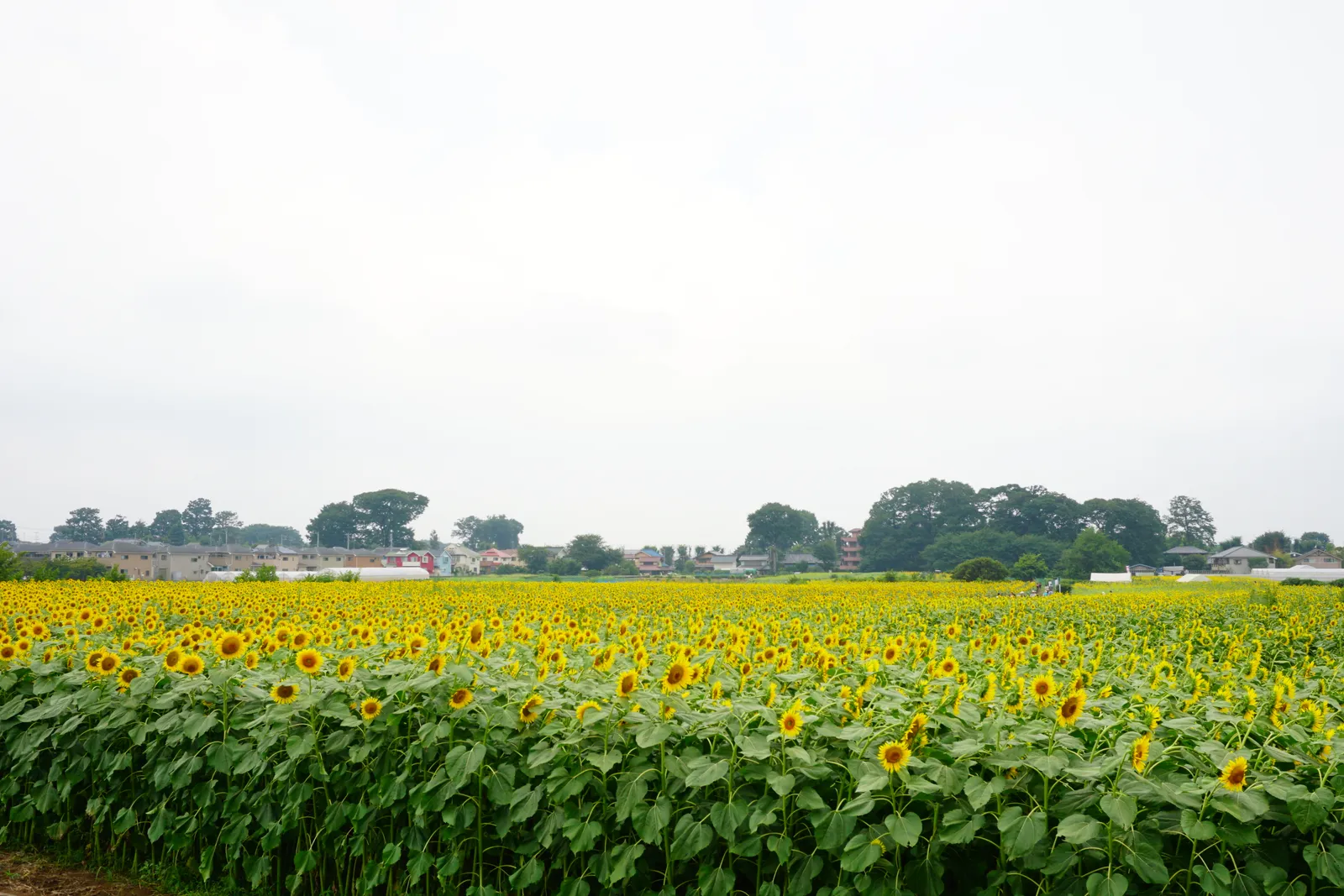
The festival dimension of sunflower season has grown considerably in recent years, and the reasons are both cultural and practical. Agritourism is helping farms across the country bring in additional revenue, with sunflower festivals becoming a meaningful part of late-summer farm programming in states like Kentucky. These events are not simply about flowers. They are about community gathering, local pride, and sustainable farm economics.
In Hokuryu Town in Hokkaido, Japan, a Sunflower Village festival runs each year from mid-July through mid-August, covering approximately 23 hectares with around two million sunflowers, with early August representing the best time to visit. The fact that a small Japanese farming town has built an internationally recognized identity around this single seasonal phenomenon says something about how deeply sunflower fields can define a place.
Agritourism at its best grants valuable opportunities to both educate and entertain individuals and families, and contributes to the revitalization of local communities economically, socially, and culturally. A sunflower festival is one of the most natural expressions of that principle.
The Economic Weight of Golden Fields
The financial stakes behind a field of sunflowers are more significant than many visitors realize. According to the USDA, agritourism brought more than $14 million to Kentucky farms alone in 2024, and agritourism overall is an industry worth more than $1 billion nationally. Sunflower fields, with their photogenic appeal and natural draw for families and photographers, are a meaningful piece of that number.
Agritourism contributed $1.26 billion in agricultural revenues in 2022 and is expected to grow in the coming years, according to the USDA National Agricultural Statistics Service. The growth trajectory is steady, and farm towns are taking note.
Total gross receipts from agritourism and recreational services increased by roughly $310 million between 2017 and 2022, representing a 33% increase over the earlier total. For small farm communities relying on seasonal visitors, that kind of revenue growth can determine whether a family farm survives another generation.
How to Visit Responsibly and Get the Most from the Experience
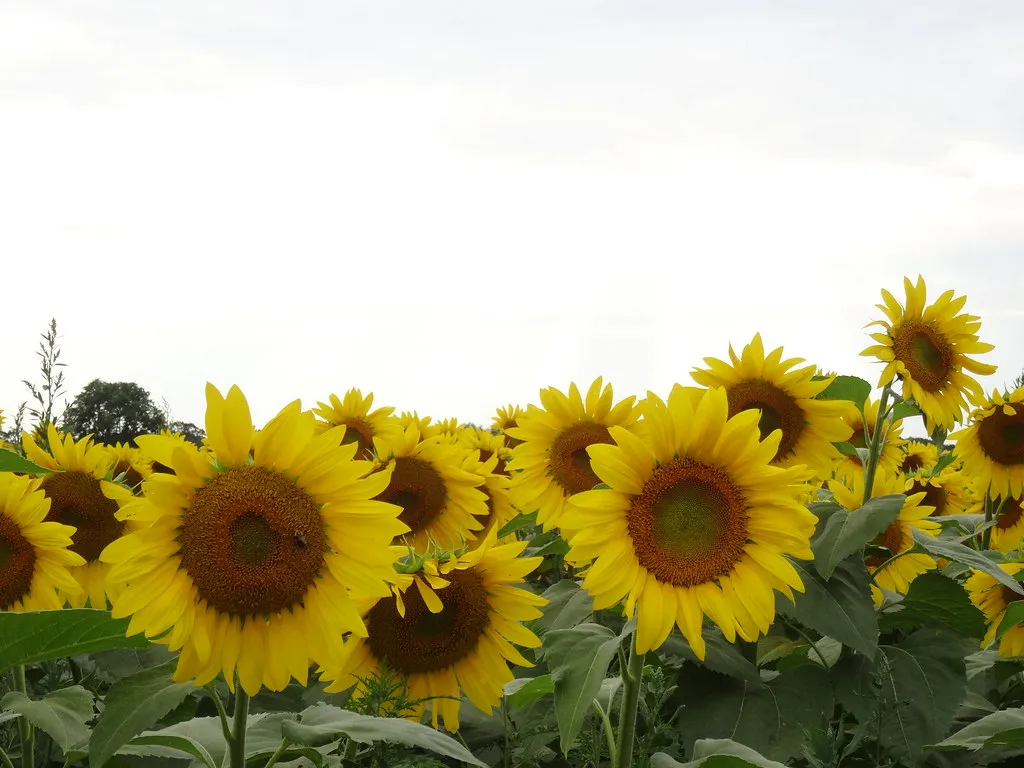
Visiting a working sunflower farm is a guest experience, not just a photo opportunity, and the best farms make that distinction clear. Visiting a sunflower farm is not only a feast for the senses but also an opportunity to support local farmers, and by purchasing sunflower products directly from the farm, visitors contribute to the local economy and encourage sustainable farming practices.
Timing your visit on a weekday morning is almost always the better choice. Crowds are thinner, the light is softer, and the staff at smaller farms have more time to share what they know about the varieties growing around you. Some fields, like Hopkins Farm in Pittsford, are entirely free to view, with no planned activities or entertainment, just acres of magnificent sunflowers to enjoy.
Some varieties, like mammoth sunflowers, bloom into September or even early October before the first fall frost, though sunflower bloom times can vary slightly depending on weather patterns each year. Checking a farm’s social media or website in the week before your visit is always the safest way to confirm the field is actually at peak color.
What the Fields Look Like After the Peak Passes
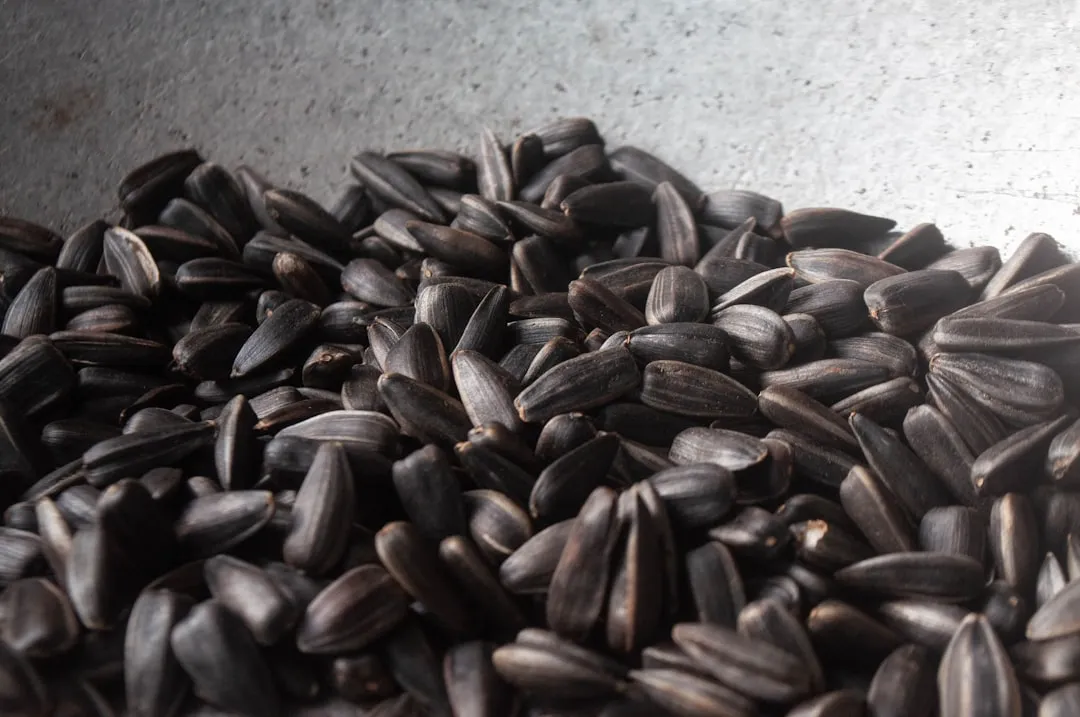
There is something worth noting about the days that follow peak bloom, a phase that most visitors never see. The heads begin to droop and darken, turning from gold to a deep, papery brown. Seeds fill in behind the spent petals, and what was a landscape of dazzling color transforms into something quieter and equally purposeful. Sunflower seeds are typically harvested later in September, meaning the field that delighted visitors in August has already started its next chapter.
The seeds are harvested for their oil, which is widely used in cooking, cosmetics, and even biofuels, and the seeds themselves are a popular snack rich in nutrients. The crop cycle that visitors intersect during those brief August weeks is part of a larger economic and ecological system that farms have managed for generations.
Agritourism generates new revenue streams, supports local businesses, and promotes job growth in areas that may have traditionally struggled with economic development, and this influx of tourism revenue revitalizes rural economies while preserving the charm and culture of rural life. The sunflower field, in that sense, does double duty: it sustains the farm in August and sustains the community long after the petals have fallen.
The Quiet Pull of Going Back Year After Year
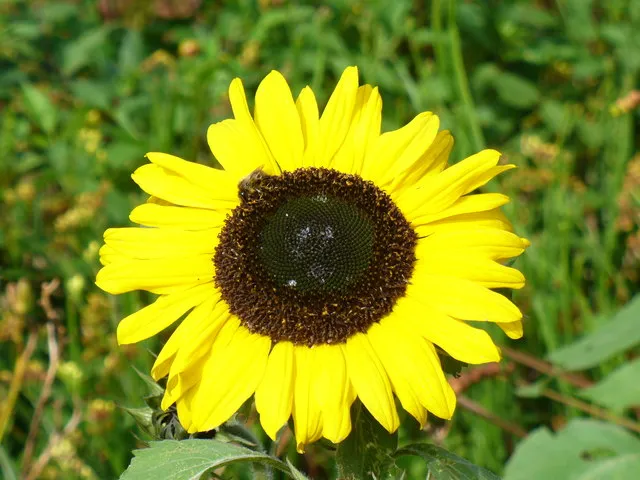
Regular visitors to the same farm often describe something that is hard to explain to someone who has only been once. The field changes every year, sometimes slightly and sometimes dramatically, depending on rainfall, planting dates, and the particular varieties chosen. At Hopkins Farm in New York, full bloom date was August 17 in 2024, while in 2025 it shifted to August 22, a reminder that the field follows its own rhythm, not a fixed calendar.
That variability is actually part of the draw. There is no guarantee that August 15 will look the same this year as it did last year, which means showing up with flexibility and a little patience tends to be rewarded. The peak blooming period represents the culmination of the sunflower’s growing cycle, which begins with spring planting after the last frost, and weather conditions significantly influence the timing and quality of the bloom.
Farm towns that have built their August identity around sunflowers have essentially made a case for slowing down, for trading the familiar for the golden and temporary. The fields are there for a few weeks each summer, doing what they have always done: turning toward the light, holding nothing back, and making the whole landscape briefly, extravagantly gold.
AI Disclaimer: This article was created with the assistance of AI tools and reviewed by a human editor.