
The Ideal Wind Speed Range for a Smooth Launch
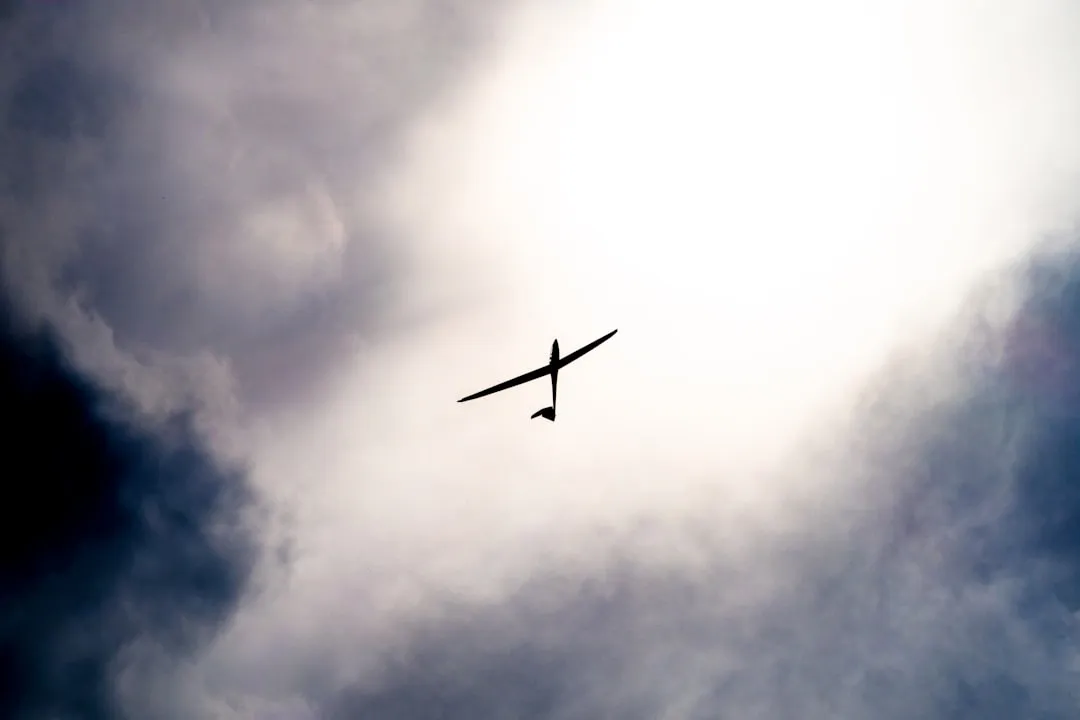
Hang gliders can be launched, flown, and landed in winds ranging from zero to about 30 mph for experienced pilots, while novice pilots are generally limited to around 18 mph or less. Ideal winds for launching and landing typically fall between 5 and 20 mph, depending on the flying site. That range isn’t arbitrary. It reflects the sweet spot where a pilot can generate enough airspeed without being overpowered by the conditions.
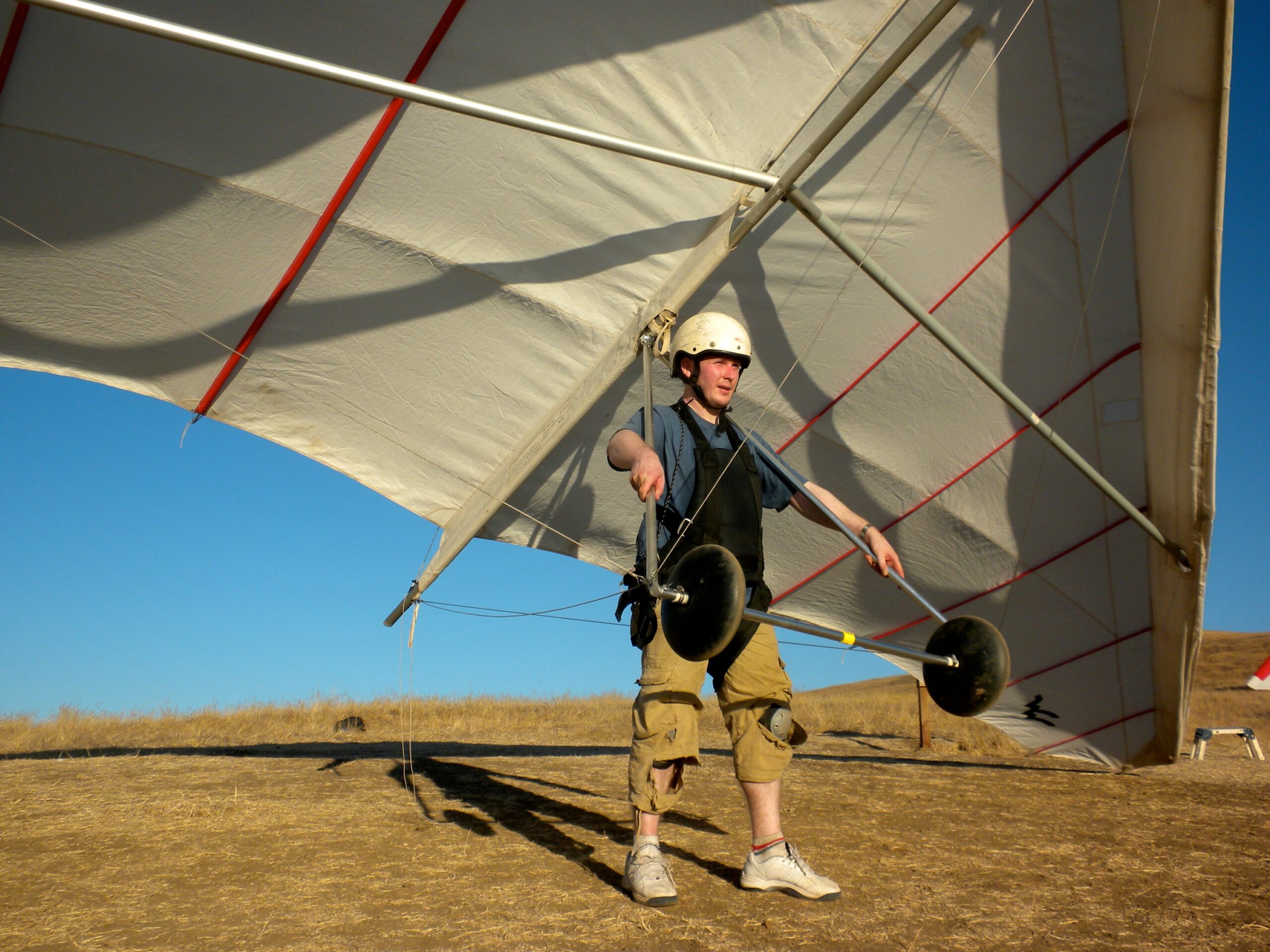
The best condition for launching a hang glider is in a 5 to 20 mile per hour wind, and foot launching – the most common method – involves jogging down a slope to catch a ridge lift. Launch on a day outside that range, and the margin for error shrinks fast.
Why Wind Alignment with the Slope Matters More Than Speed

When foot launching, pilots should launch only on slopes where the wind is within 25 degrees of being straight up the slope. That alignment is not a preference, it’s a safety threshold. A crosswind of even moderate strength can push a glider sideways during the critical first seconds off the ground, when the pilot has the least room to recover.
Hang gliding requires a pilot to launch from a ridge or cliff where the wind characteristics need to be known for efficiency and safety. Ridge lift is the phrase used to describe wind behavior near a hill or cliff – as the air mass passes over the hill, the air is compressed and forced up and over the contour of the land. Getting that angle right is what separates a clean launch from an ugly one.
The Role of Atmospheric Stability in Smooth Air
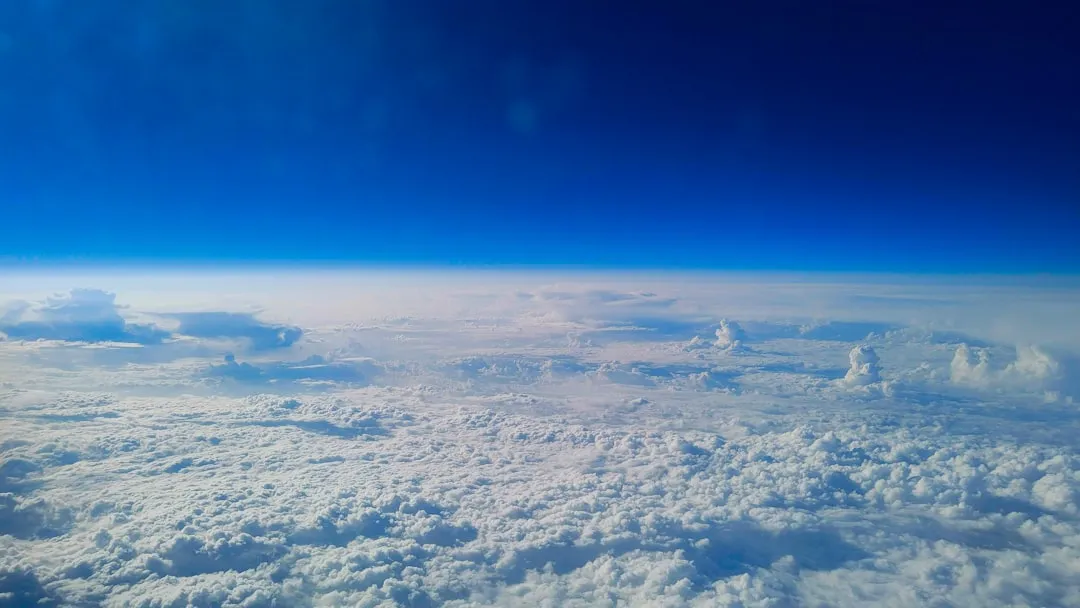
A light breeze offers the best flying conditions, providing enough updraft for ridge lift while the pilot waits for thermal lift. With a light wind, the drift of a thermal will be slow, giving the pilot plenty of time to gain altitude while staying within gliding range of the launch point. Stability, in other words, buys time to make good decisions.
In unstable air, the flow becomes more chaotic – rising air continues to rise while falling air replaces it, and any object in the path of the wind can trigger turbulence that may intensify downwind. The air can also be stable at one level and unstable at another, and during the course of the day, the degree of atmospheric instability will change. This is why the same hillside can feel completely different in the morning compared to mid-afternoon.
Reading Gust Differentials Before You Ever Leave the Ground

Beginner pilots are advised to fly only in winds of 12 mph or less, with a gust differential of 5 mph or less. That gust differential is arguably the more important figure. A steady 15 mph wind is often far more manageable than a 10 mph wind that spikes to 20 mph every few minutes.
As pilots begin to soar, it is far safer to get up in a steady 15 to 20 mph wind than in 10 to 15 mph with significant gusts. There is a critical difference between 18 mph of wind with a 3 mph gust factor and 15 mph of wind with a 10 mph gust factor – the gust factor measures how much stronger potential gusts will be. Experienced pilots keep one eye on the streamer and one on the sky for that reason.
What Happens When Wind Exceeds the Safe Ceiling
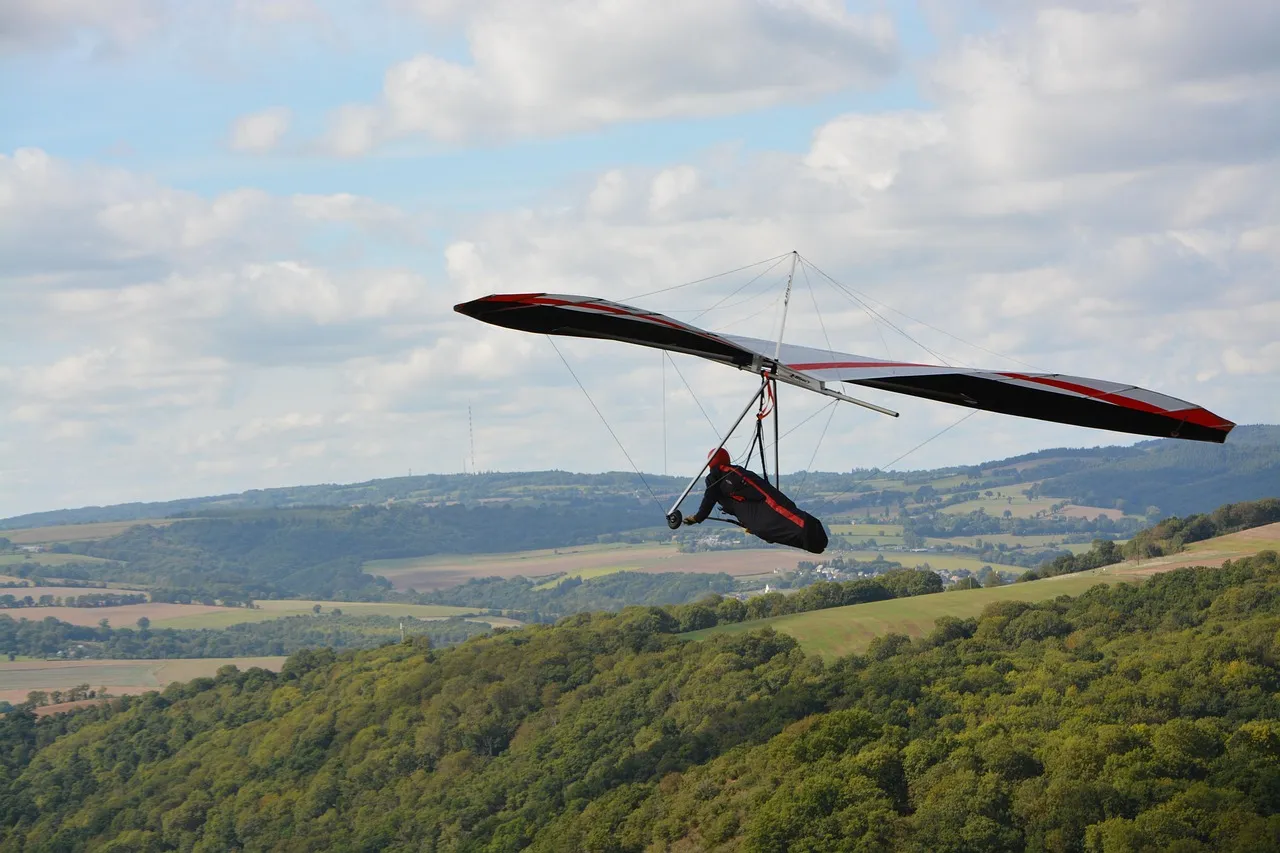
Hang gliding can tolerate winds of up to 30 mph, but stronger winds are usually very turbulent and unpleasant to fly in. They are also restrictive because, in order to remain over the same spot of ground, the pilot must fly the glider at an airspeed equivalent to the speed of the wind. At that point, flying becomes more about survival than enjoyment.
Experienced pilots consider 22 to 25 mph to be a practical maximum for many sites. Once wind exceeds 25 mph, additional factors come into play, including gusts, turbulence, and rotors. The physics are unforgiving: as wind speed doubles, the energy it carries increases by a factor of four.
Ridge Lift – The Backbone of Sustained Smooth Flight
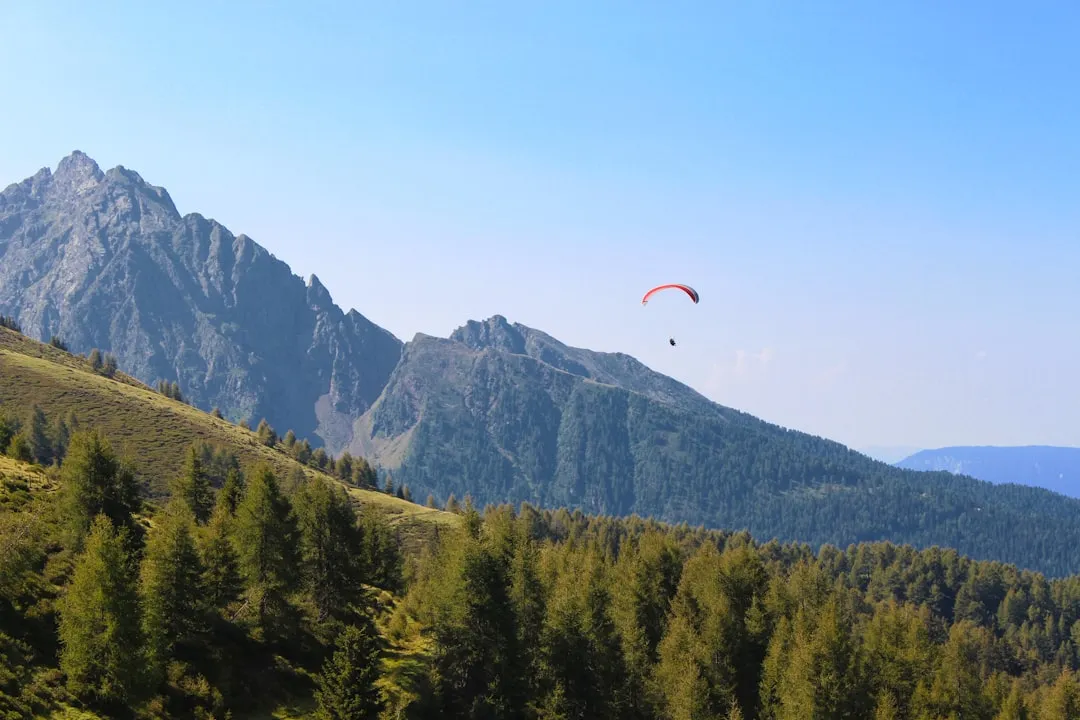
Ridge lift is created when wind strikes an obstacle, usually a mountain ridge or cliff, that is large and steep enough to deflect the wind upward. If the wind is strong enough, the ridge lift provides enough upward force for hang gliders to stay airborne for long periods or travel great distances through ridge soaring. This is the foundation of most smooth, extended flights.
Although unpowered aircraft are usually descending through the air, they will climb if the surrounding air is rising faster than their sink rate. Getting into that band of rising air – and staying there – is the central art of hang gliding. The smoother the wind and the steadier the ridge, the easier it becomes to hold that position without constant bar input.
Thermal Lift and the Wind Window That Opens It
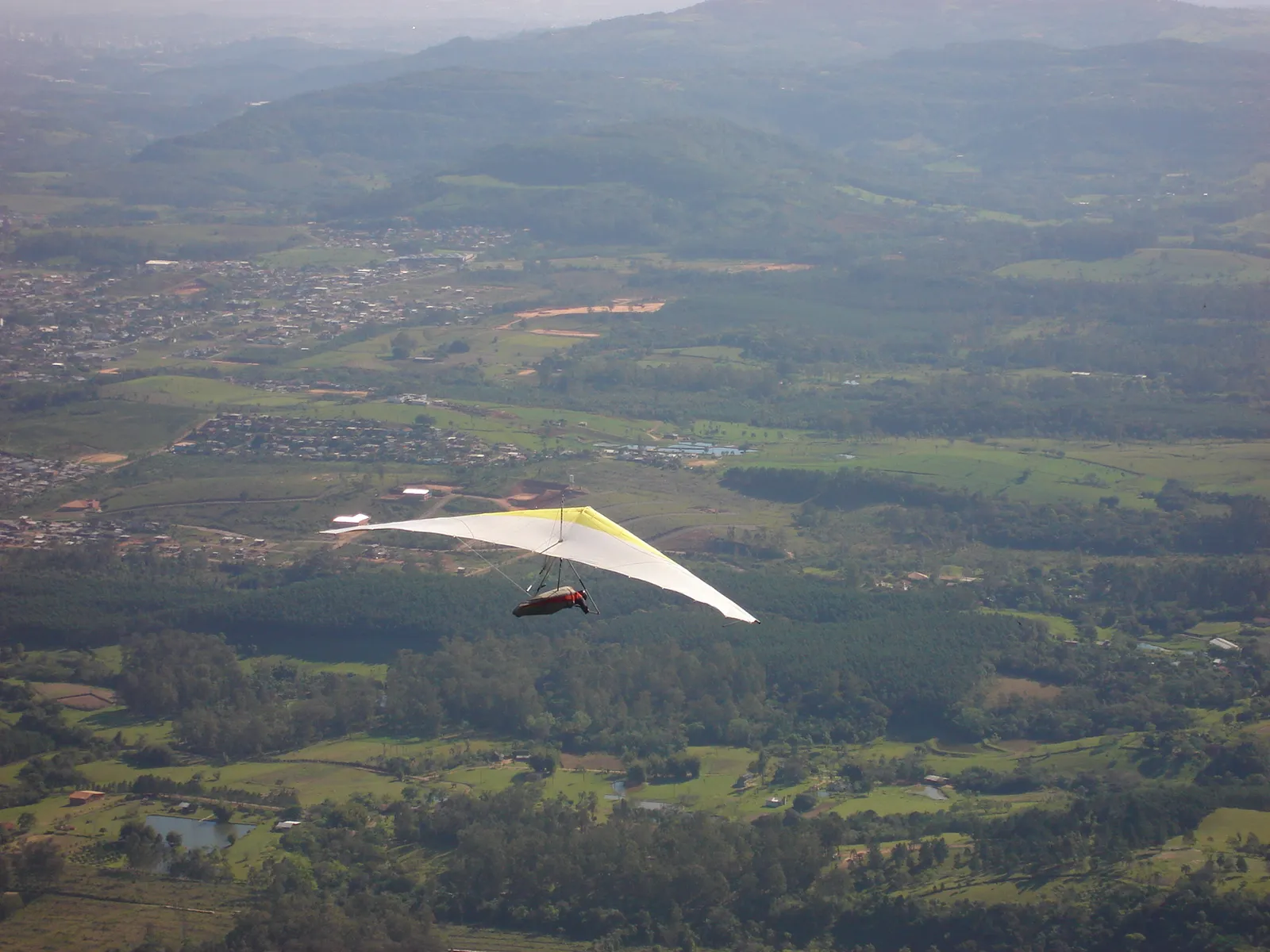
The lightweight aluminum frame and flexible nylon wings of a hang glider enable it to catch thermal lifts, which are columns of rising hot air, as well as ridge lifts that occur when air reaches a mountain and is deflected upward. Thermals and ridge lift often work together, and knowing how to move between them is one of the clearest signs of an experienced pilot.
When a patch of ground – such as a rocky hillside – gets hot enough, it begins to heat the air above it. Hot air rises, creating a thermal. The trick to flying distance is to find a thermal, use it to gain as much altitude as possible, and then fly on to find the next one. On the best days, pilots string together dozens of thermals across miles of open country, using wind and lift in near-perfect harmony.
The Perfect Wind Direction: What Pilots at Established Sites Know
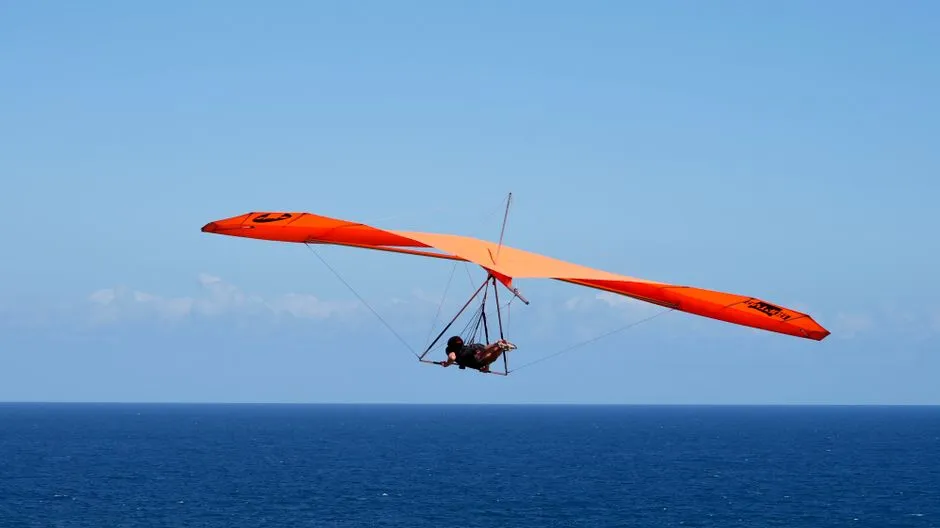
At sites like Torrey Pines Gliderport in California, hang gliding tandems fly in winds ranging from 230 to 290 degrees at 14 to 20 mph. The perfect wind direction at that location is noted at 270 degrees, due west. Every established flying site has a similar sweet spot baked into its local knowledge, usually passed down from instructor to student over years of observation.
For ridge foot launches, experienced gliders run and jump from high cliffs, and a headwind from a specific direction is desired for good lift. That direction changes from site to site, which is why local expertise matters as much as raw weather data. A pilot flying a new site without local knowledge is working at a real disadvantage, no matter how experienced they are.
The Critical Role of the Gust Factor and Stall Speed
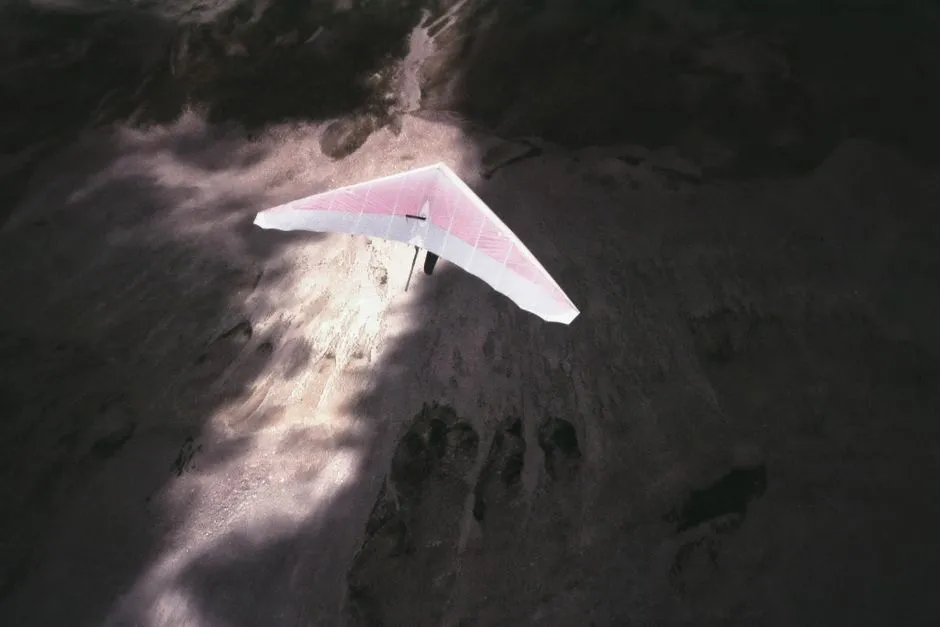
Most hang gliders have a stalling speed of about 15 mph, meaning that to avoid a gust-induced stall, an airspeed of at least 25 mph must be maintained when winds are gusty. If the wind is gusting between 5 and 15 mph, a hang glider on a glide could experience a 10 mph swing in airspeed. That kind of variability is what makes gusty conditions genuinely dangerous, even for experienced pilots.
Modern hang gliders will recover from a stall without pilot input, but they will lose up to 60 feet of altitude before regaining airspeed and directional control. Stronger wind generally produces more turbulence through interaction with obstacles on the ground. This is why smooth, steady wind is so prized – it keeps the airspeed consistent and the flying predictable.
Timing the Window: When the Best Conditions Actually Appear
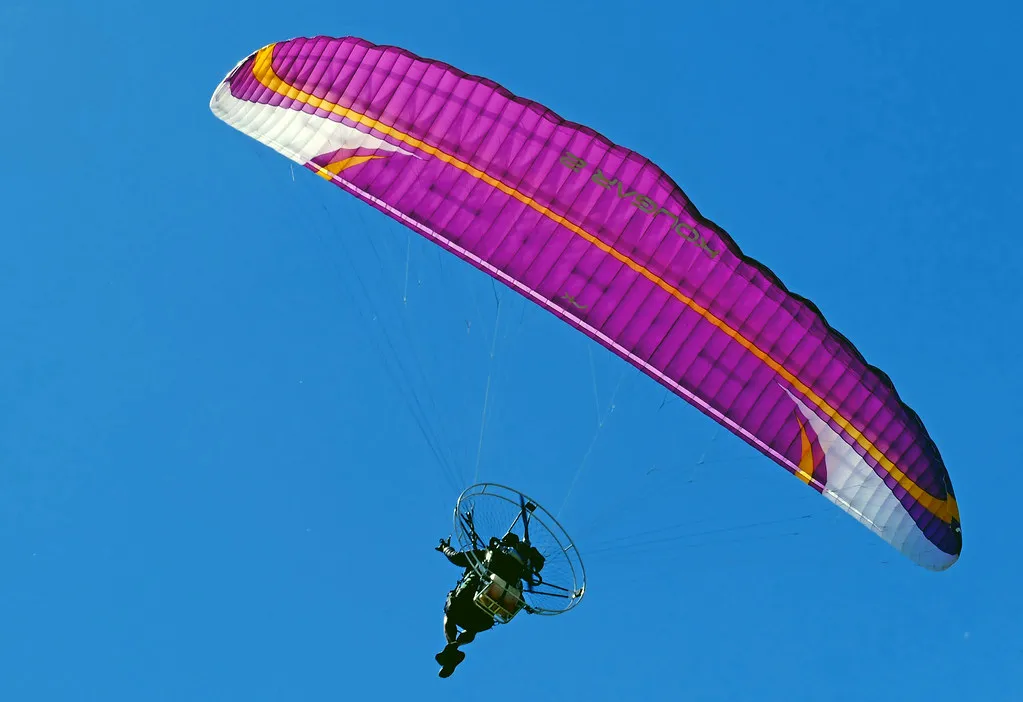
On light wind days, there is often a narrow window when conditions are genuinely ideal – and missing it can mean a long wait or no flying at all. Experienced pilots develop an almost instinctive sense for when that window is opening, watching cloud formation, vegetation movement, and other pilots already in the air.
As the sun moves around a mountain, the upslope wind shifts and the best faces begin to work from late morning. Thermals start weak and pilots will be scratching for altitude in the dynamic lift, topping up as thermals come through. Thermal strength and frequency increase as the day progresses, and the upslope wind on launch will get stronger. The window narrows as the afternoon matures, and reading its edges is part of what separates a memorable flight from a frustrating one.
What the Smoothest Flights Actually Feel Like – and What Created Them
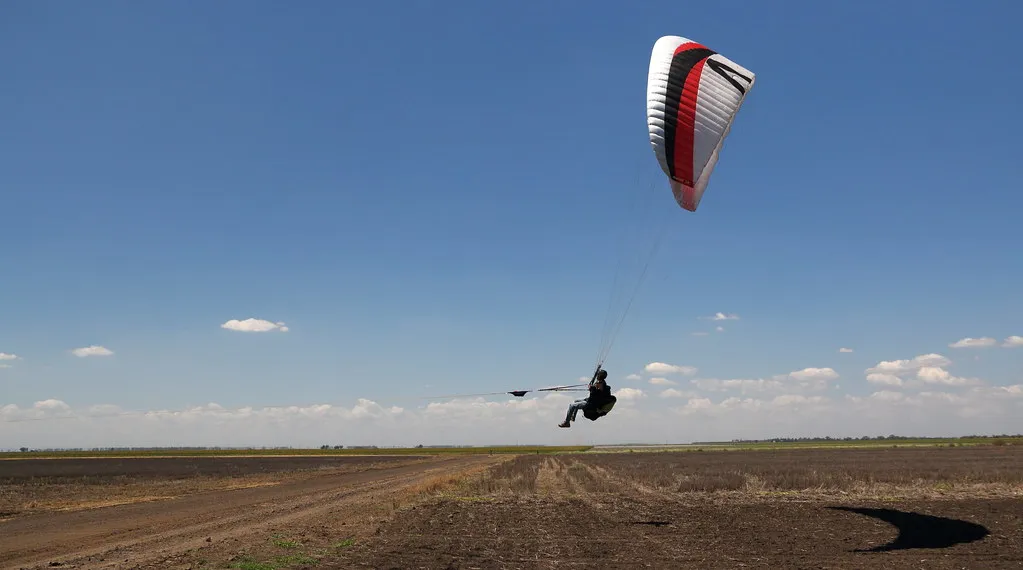
Pilots who have logged hundreds of hours in the air describe the smoothest flights in strikingly similar terms: steady, predictable lift, a wind that aligns cleanly with the ridge, and a gust differential that stays narrow throughout the flight. There’s no bar-fighting, no sudden sink, and no anxious scanning for emergency landing zones. A light breeze offers the best flying conditions overall, where there is enough updraft to provide ridge lift while the pilot waits to encounter thermal lift.
The center of strongest lift moves constantly, requiring constant adjustments to stay in the core. Responding to the lumps and bumps in the air is what allows a pilot to avoid falling out of the thermal. The smoothest flights aren’t necessarily the calmest. They’re the ones where the pilot has read the wind window accurately enough to stay inside it, moving with the air rather than against it.
Final Thoughts
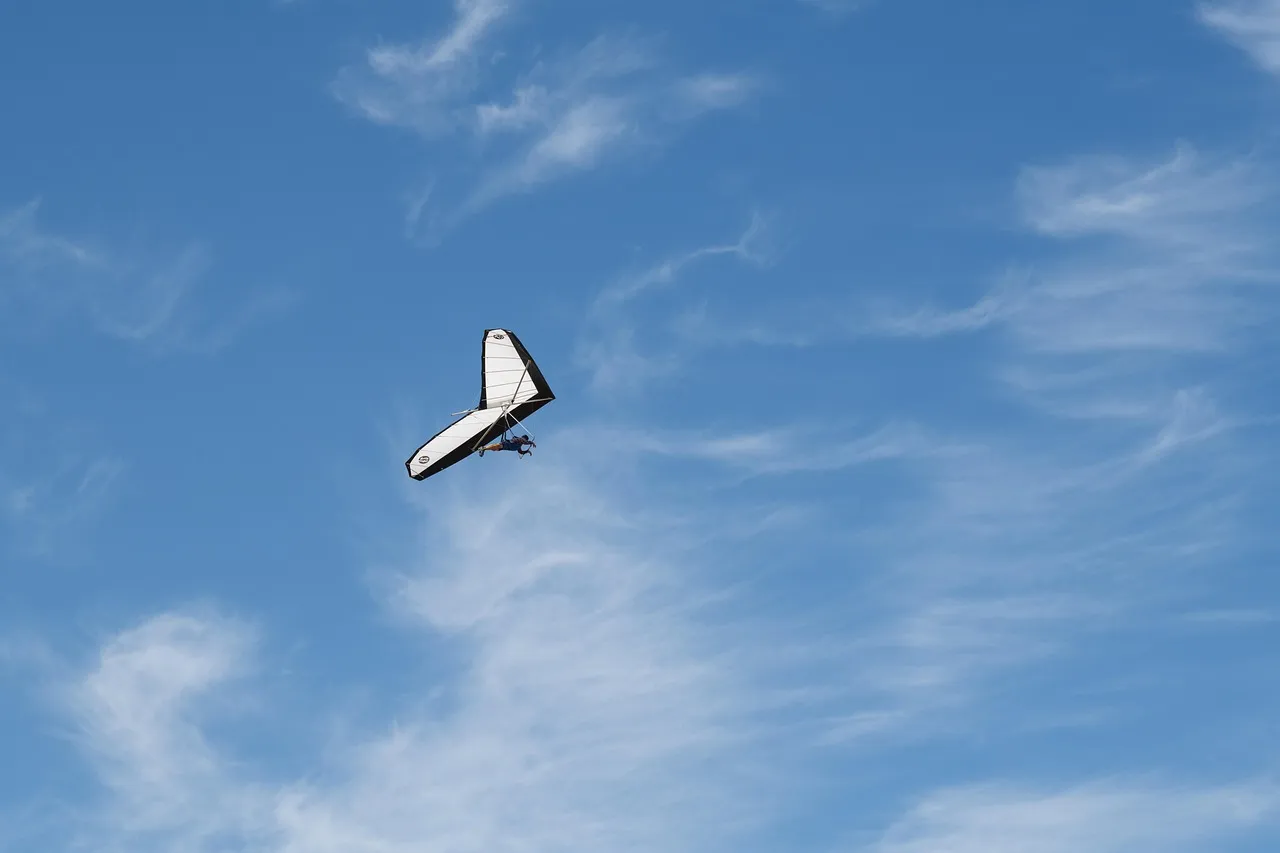
The wind window that makes for the smoothest hang gliding flight isn’t a fixed number on a chart. It’s a combination of steady speed, proper directional alignment, atmospheric stability, and timing that experienced pilots spend years learning to recognize. The data points exist – ideal launch speeds, maximum gust differentials, stall thresholds – but the skill is in weaving them together in real time, above real terrain.
What pilots consistently reveal is that smoothness is earned, not stumbled upon. It comes from patience, local knowledge, careful observation, and a willingness to walk away when the window isn’t open. The mountain will be there tomorrow. The right wind comes to those who understand what they’re waiting for.
AI Disclaimer: This article was created with the assistance of AI tools and reviewed by a human editor.