
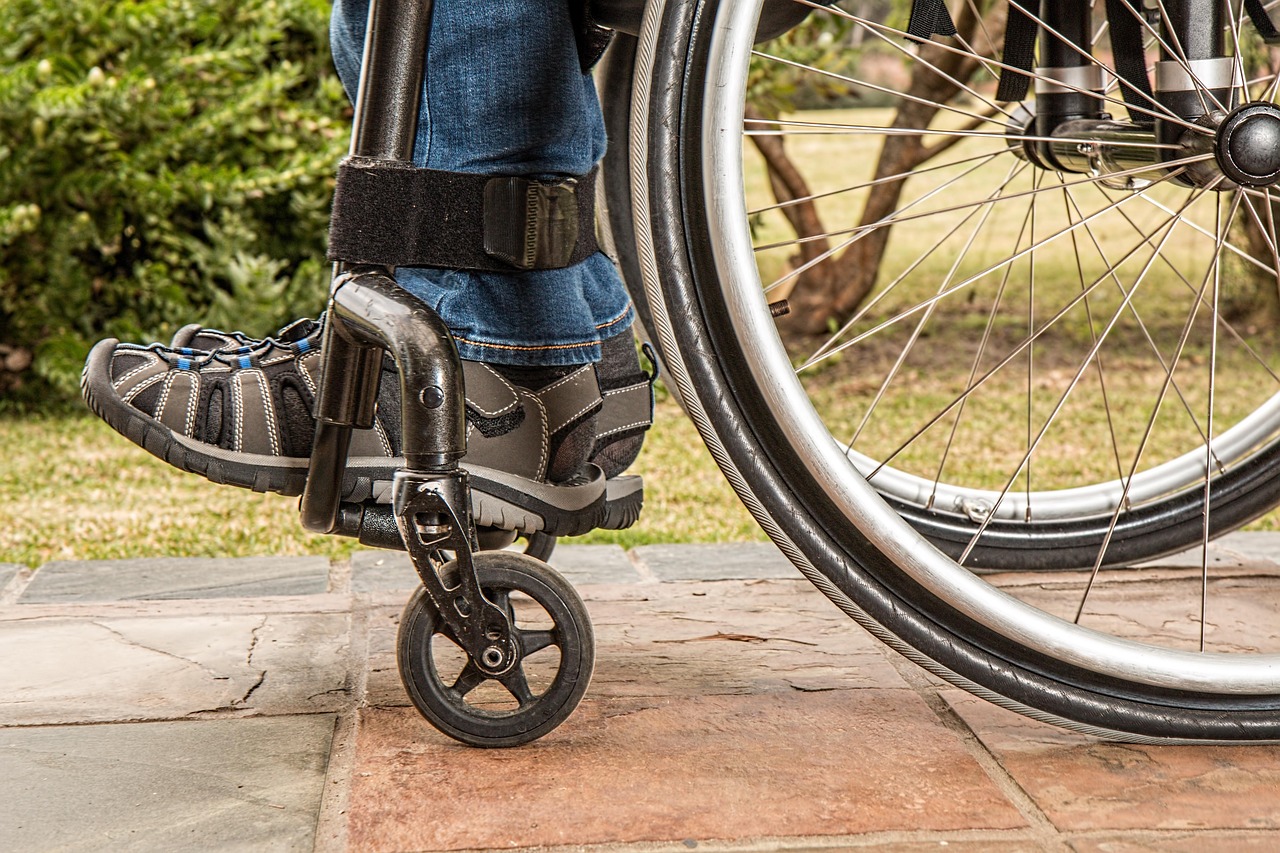

There’s a quiet shift happening across America’s national parks. Boardwalk trails, once seen as simple walkways over wetlands, have become something far more meaningful: genuine gateways for visitors of every ability level to connect with wilderness up close. For wheelchair users, families with strollers, older adults, and anyone who simply can’t manage rough terrain, a well-built boardwalk changes everything.
The parks featured here aren’t just checking accessibility boxes. They’re investing in infrastructure, updating aging structures, and rethinking what it means to welcome every visitor into their landscapes. Each one offers something distinct, something worth the trip.
1. Yellowstone National Park: Where Accessibility Came Early
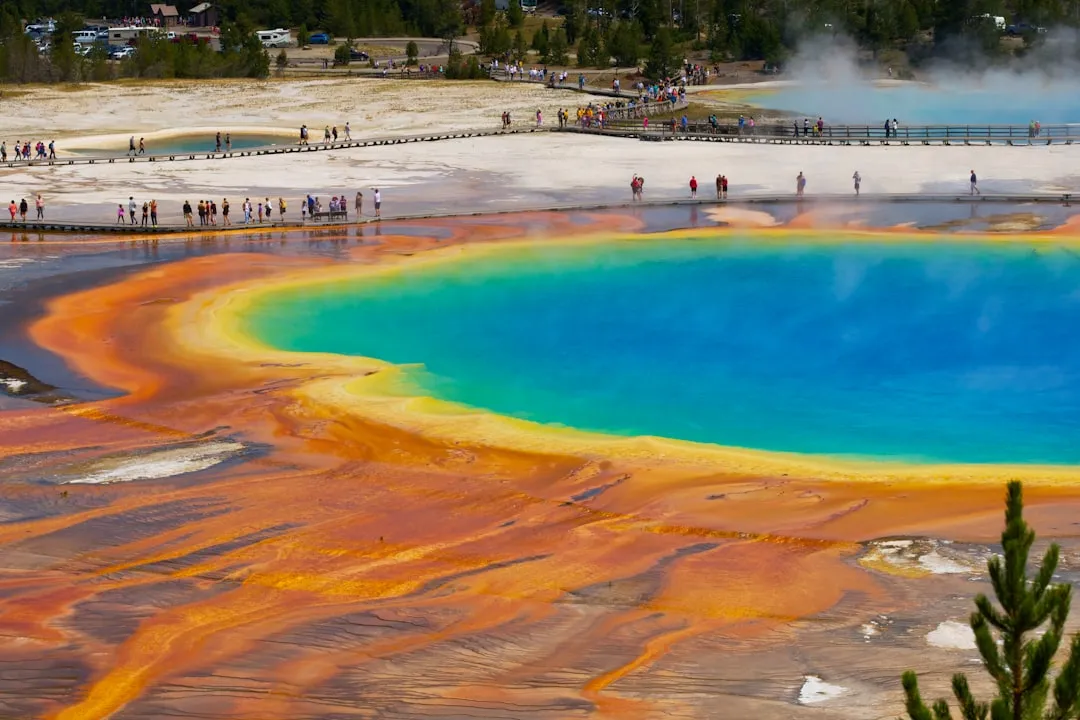
Thanks to the abundance of steaming geothermal ground, many of Yellowstone’s sites have had boardwalk trails since before the ADA even existed. That long history means the park has had decades to refine its approach. When it comes to wheelchair accessibility and family friendliness, Yellowstone consistently stands out among all national parks.
Iconic landmarks like Old Faithful and the colorful Grand Prismatic Spring are fully accessible, with paved trails and accessible boardwalks that allow visitors to experience each geyser eruption and vivid hot spring up close. Biscuit Basin and Midway Geyser Basin also have wheelchair-accessible boardwalks, giving visitors multiple destinations to explore without any single point of fatigue.
Old Faithful doesn’t disappoint as one of the most wheelchair-accessible destinations in the U.S., offering easy viewing of each geyser eruption thanks to its smooth, elevated boardwalk. ADA-compliant visitor centers at major hubs like Old Faithful, Canyon Village, and Fishing Bridge offer accessible restrooms, exhibits, and parking. Yellowstone is, in many ways, the benchmark.
2. Congaree National Park: A Boardwalk Reborn
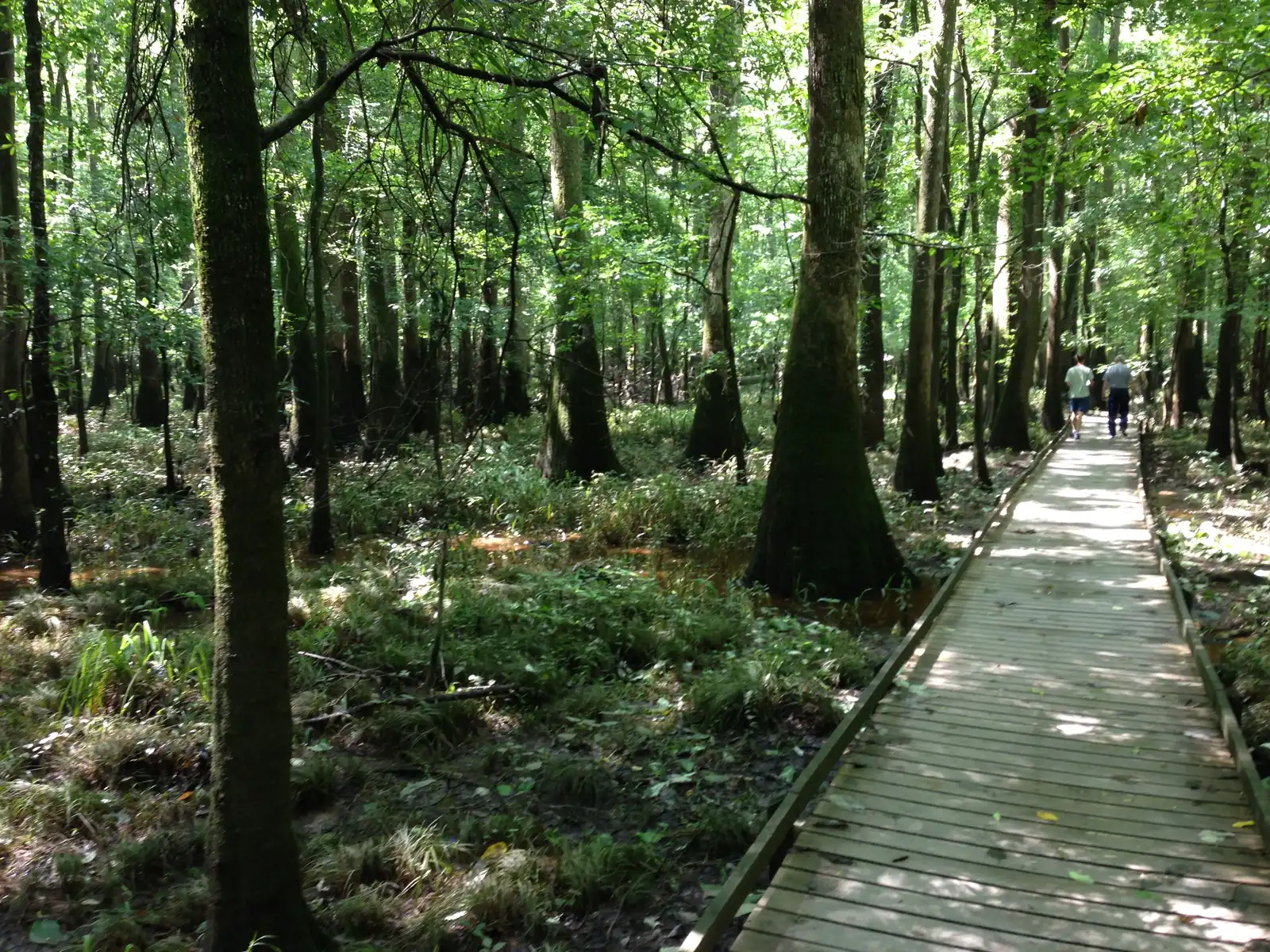
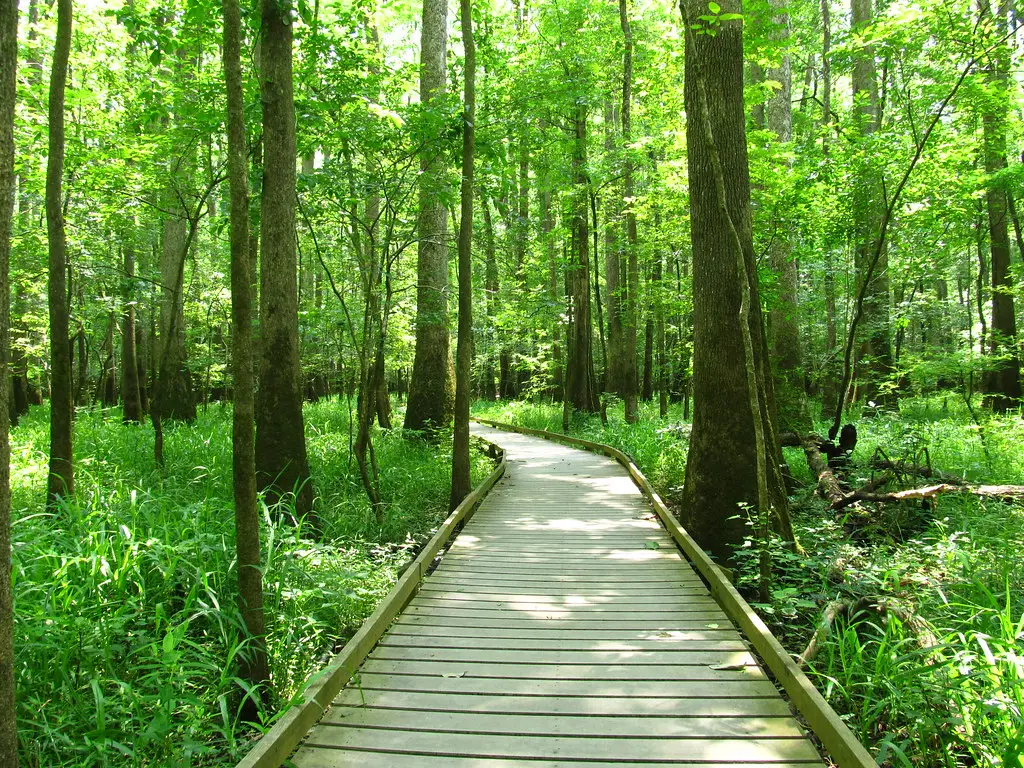
Congaree sits quietly in South Carolina, protecting the largest old-growth bottomland forest remaining in the country. Its signature attraction is its famous Boardwalk Loop, and as of 2026, that trail has just come out the other side of a major transformation. As of May 2026, the Boardwalk is currently open following an extensive reconstruction project.
The dynamic nature of the floodplain means the park experiences an average of ten flood events per year. Upon completion of the project, three-quarters of the Boardwalk Trail is now elevated above the average water levels the park regularly sees during flood events, meaning greater access to experience the park’s most dynamic landscapes.
The 2.6-mile boardwalk provides a flat, accessible surface and a leisurely way to experience the Congaree wilderness. From the visitor center, the trail takes visitors through a lush forest filled with towering bald cypress and massive tupelo trees draped in Spanish moss, with the elevated boardwalk offering an up-close look at the rich flora and fauna without disturbing the ecosystem. An additional overlook at the eastern end of Weston Lake provides a different vantage point of the oxbow lake and its wildlife, including turtles, alligators, and wading birds.
3. Everglades National Park: Multiple Boardwalks, Constantly Improving
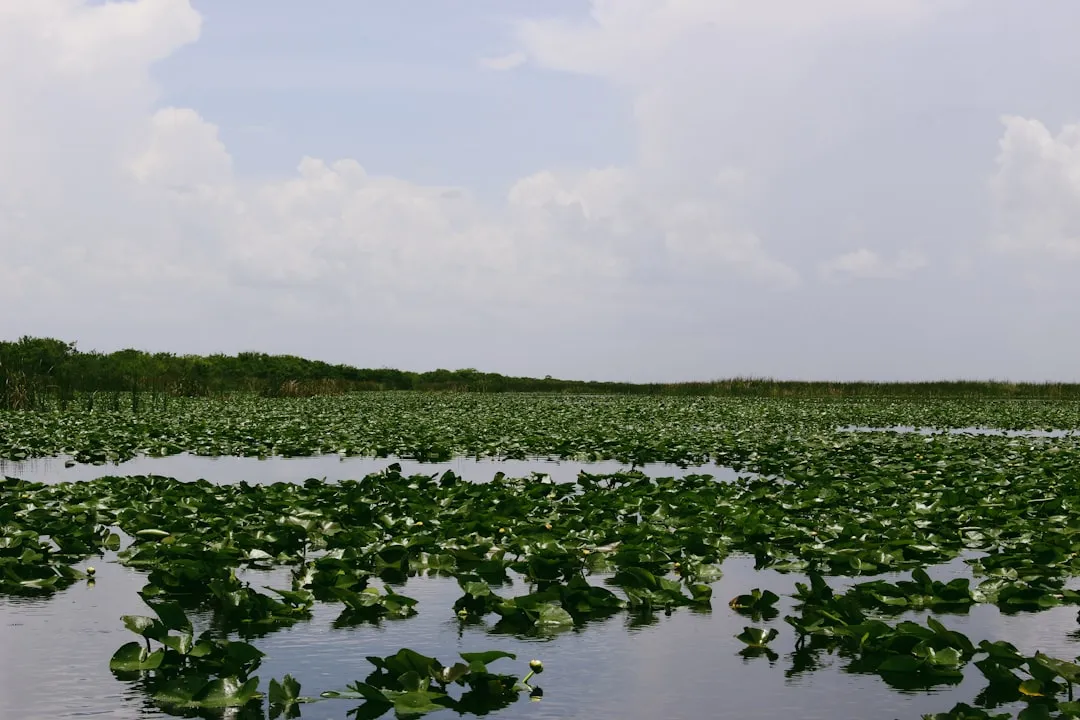
Everglades National Park doesn’t rely on one accessible trail. It maintains several, and has been actively investing in their renewal. The famous Anhinga Trail is a self-guiding pavement and boardwalk trail winding through and over sawgrass marsh and freshwater slough, with a paved path leading along the water and to a looping boardwalk that provides views into the prairie and the clear waters of the slough.
The Anhinga Trail is one of the most popular in the park because of its abundance of wildlife, offering sweeping views of open sky over water and grass. It is wheelchair accessible and runs 0.8 miles round trip. Visitors may see alligators, fish, turtles, anhingas, and many other birds, especially during winter when lower dry-season waters concentrate aquatic wildlife.
The Pa-Hay-Okee Overlook and boardwalk reopened in winter 2026 following a full renovation that addressed safety, accessibility, and durability. Updates included a wider boardwalk and roof for visitor comfort, a new ceiling reflecting the original 1959 design, and improved accessible parking spaces. The trail is just 0.16 miles round trip and is fully wheelchair accessible, with a raised observation platform offering sweeping vistas of the “river of grass.”
4. Acadia National Park: Coastal Maine at Every Ability Level
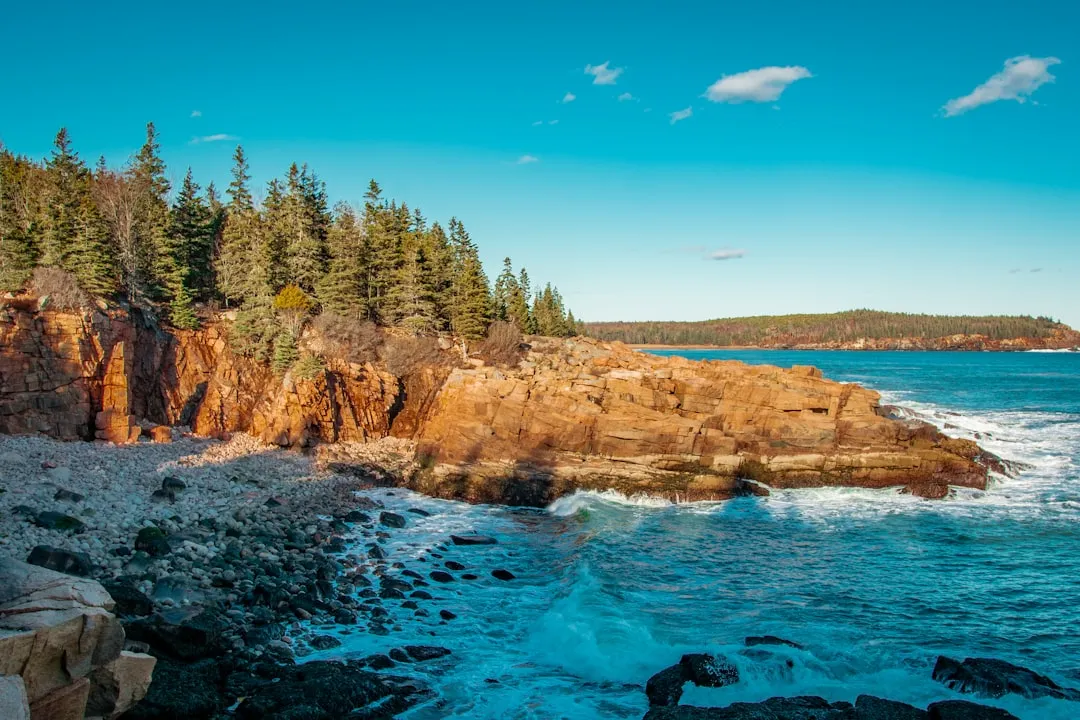
Acadia, perched on the rocky coast of Maine, might not be the first park that comes to mind when thinking about accessibility. Its rugged granite landscapes can seem uninviting for those with mobility limitations. Yet the park has built a meaningful accessible infrastructure around its most beloved spots. Acadia offers free, wheelchair-accessible shuttles to neighboring village centers and all the main attractions.
The park has several shuttles to main attractions that are all handicap accessible, and several trails feature boardwalk sections that are also handicap accessible, including Jesup Path and Thunder Hole. Jesup Path is a boardwalk trail winding through a white birch forest, offering one of the more serene and sensory-rich accessible walks in the entire national park system.
What sets Acadia apart is how its accessible options pair with the broader park experience. Even from flat, well-surfaced terrain, visitors encounter old-growth birch stands, coastal light, and the particular quiet of a Maine morning. Accessibility here doesn’t feel like a compromise. It feels like a curated way in.
5. Great Smoky Mountains National Park: Accessible Trails in the Most-Visited Park

Great Smoky Mountains is the most visited national park in the United States, drawing more visitors per year than any other unit in the system. For a park that busy, accessibility infrastructure matters enormously. Accessibility at Great Smoky Mountains primarily focuses on mobility disabilities, with wheelchair-accessible visitor centers and both the 0.5-mile Sugarlands Valley Nature Trail and the path to the John Oliver Cabin at Cades Cove being paved.
Four GRIT Freedom Chairs, which are off-road manual wheelchairs, are available to borrow for free, a practical detail that opens up terrain well beyond the paved paths. That kind of loan program reflects a park that’s thinking seriously about inclusion rather than just minimal compliance.
The Sugarlands Valley Nature Trail in particular offers a genuine taste of the Smokies’ signature forest atmosphere, complete with towering hemlocks, birdsong, and the kind of damp, green stillness that makes this mountain range so beloved. It’s short enough to be approachable and rich enough to feel like a real encounter with the landscape.
Why Boardwalks Matter More Than Many Realize
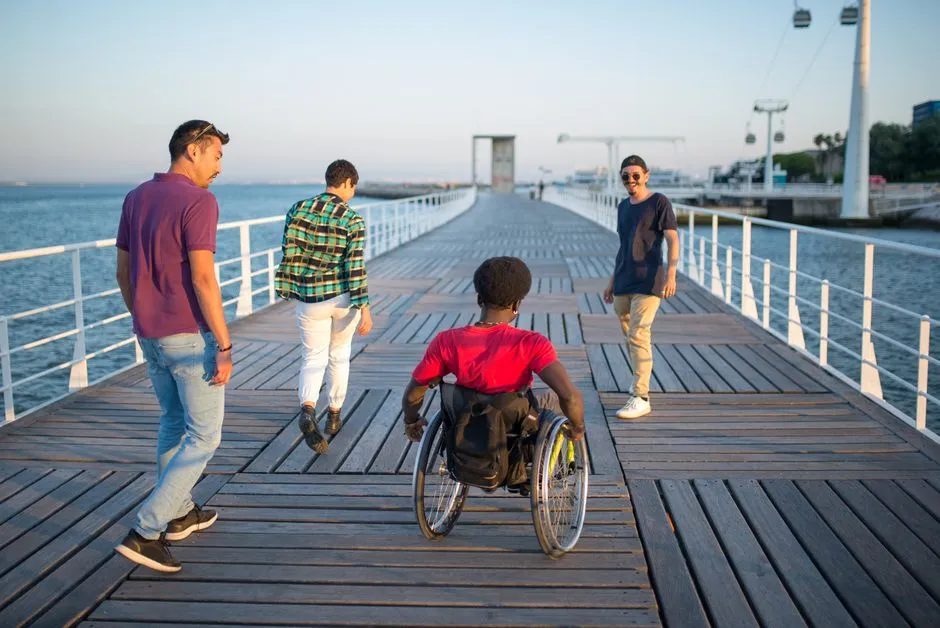
A boardwalk isn’t just a convenience. For a significant portion of the traveling public, it’s the only viable path into a natural landscape. What makes a trail genuinely wheelchair-friendly begins with surface type: firm and smooth surfaces, including concrete, asphalt, boardwalk, or well-packed gravel with minimal tread obstacles, are the foundation of true accessibility. Without that foundation, a trail is, practically speaking, closed to a large segment of visitors.
The Americans with Disabilities Act, signed in 1990, pushed parks to begin building accessible infrastructure in earnest. After the ADA’s passage, parks started to build wheelchair-accessible trails, campgrounds, exhibits, and accommodations. Decades later, the work is far from finished, but the parks profiled here show what real commitment looks like in practice.
Boardwalk Renovations: A Quiet National Investment
Several parks have recently committed serious resources to rebuilding aging boardwalk infrastructure. Congaree’s major reconstruction project and Everglades’ Pa-Hay-Okee renewal are two clear examples. In Everglades, the Pa-Hay-Okee project improved the parking area and enhanced accessibility and pedestrian flow alongside the structural replacement itself.
The Congaree Boardwalk Loop has long been an iconic feature of the park, with the first sections built in the 1980s. The dynamic floodplain environment means the park experiences an average of ten flood events per year, and the boardwalk is regularly subjected to harsh conditions, often submerged during even minor flooding events. Replacing rather than patching those sections was the right call, and the result is a more durable, more accessible trail for years to come.
These improvement projects are funded through recreation fee funds collected from park entrance fees and reinvested directly into park improvements. That’s a meaningful loop: the visitors who use the parks help pay for the trails that make those parks more welcoming to everyone.
Sensory and Interpretive Features Along Accessible Trails
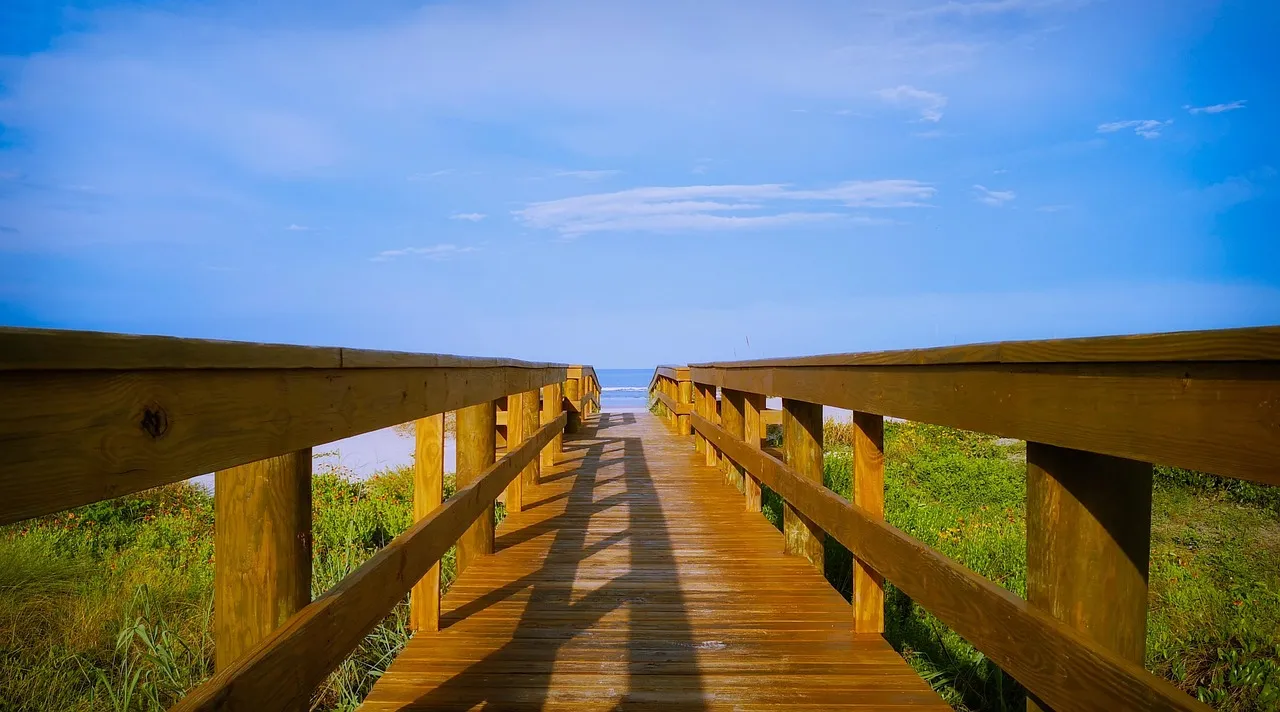
The best accessible boardwalk trails do more than accommodate wheelchairs. They’re designed to inform and engage. Interpretive signs posted throughout trails like Congaree’s Boardwalk Loop provide information about the flora, fauna, and history of the park. Visitors can pick up a self-guided walk brochure at the visitor center to follow along a numbered route and learn more about the park’s natural and cultural resources.
Redwood National and State Parks’ Revelation Trail is wheelchair accessible with a packed gravel surface and guide ropes for people who are blind or have low vision. Along the trail, visitors encounter a platform encircling a large redwood, providing a tactile experience of the breathtakingly large trees. That kind of design thinking, layering sensory engagement into an accessible route, represents the frontier of what park accessibility can become.
Planning Your Visit: What to Know Before You Go
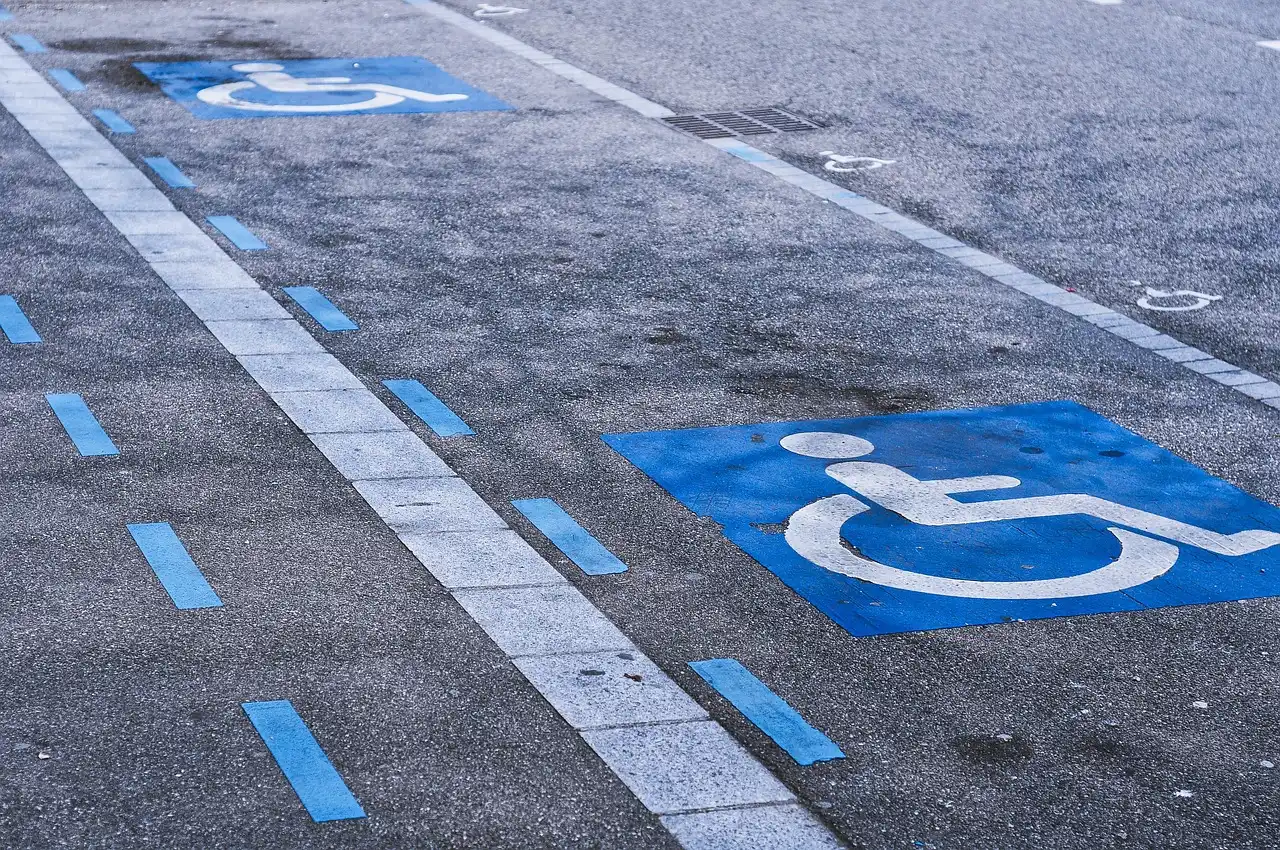
Conditions on boardwalk trails can shift. Flooding, construction, seasonal wildlife activity, and weather all affect what’s accessible on any given day. At Congaree, for example, visitors are advised to check the current park conditions board at the visitor center before starting, as the trail is sometimes closed due to flooding. That kind of real-time check is worth building into any accessible travel plan.
Accessible shuttles at parks like Acadia are free and reach all the main attractions, making it possible to visit multiple sites without the stress of parking logistics. At Yellowstone, most pull-offs and vistas have short, paved trails for easy access, so spontaneous stops along the scenic drives tend to work well for visitors with mobility needs.
Calling ahead, downloading accessible maps in advance, and checking the NPS website for each park’s current conditions page are all habits that make a real difference. The parks profiled here are genuinely committed to welcoming every visitor, but the landscape itself doesn’t always cooperate on a set schedule.
The Bigger Picture: Access as a Form of Belonging
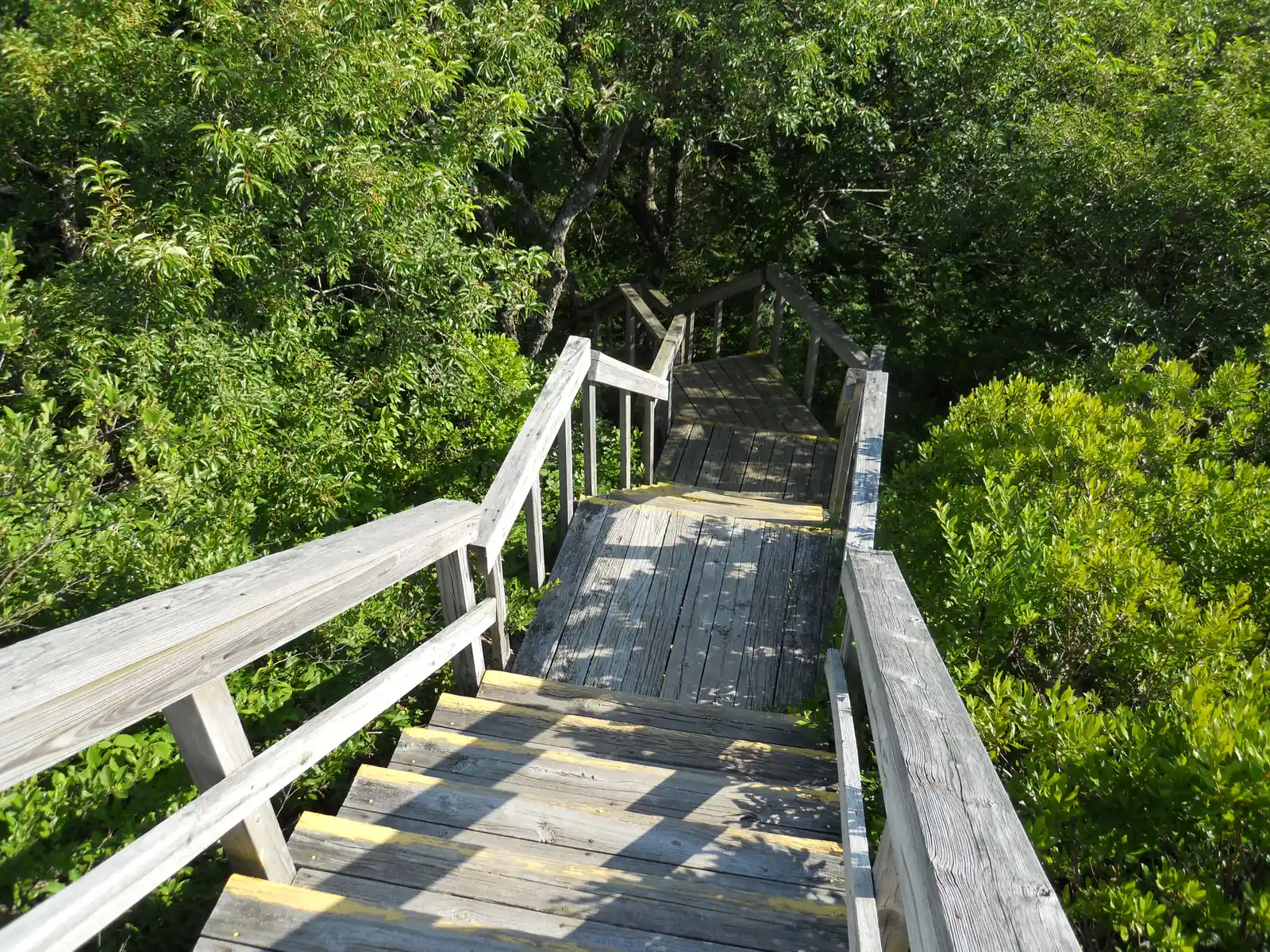
There’s something worth sitting with in all of this. National parks belong to every American. That’s not just a legal principle; it’s a moral one. When a boardwalk makes it possible for a grandmother in a wheelchair or a child with mobility challenges to stand at the edge of a cypress swamp or watch a geyser erupt, the park fulfills a deeper purpose than scenery alone can provide.
The investments these five parks have made in boardwalk infrastructure signal something real. They reflect a growing understanding that access isn’t an afterthought or a legal obligation to be minimally satisfied. It’s a design standard, a measure of a park’s commitment to its full public, and an expression of what public land is for.
The trails described here range from a flat half-mile loop in the Smokies to an elevated journey through one of the country’s last great old-growth forests. What they share is the quiet ambition to make sure that the experience of wild places isn’t reserved for those who can scramble over rocks. That’s a goal worth celebrating, and worth supporting every time you pay an entrance fee.
Final Thoughts
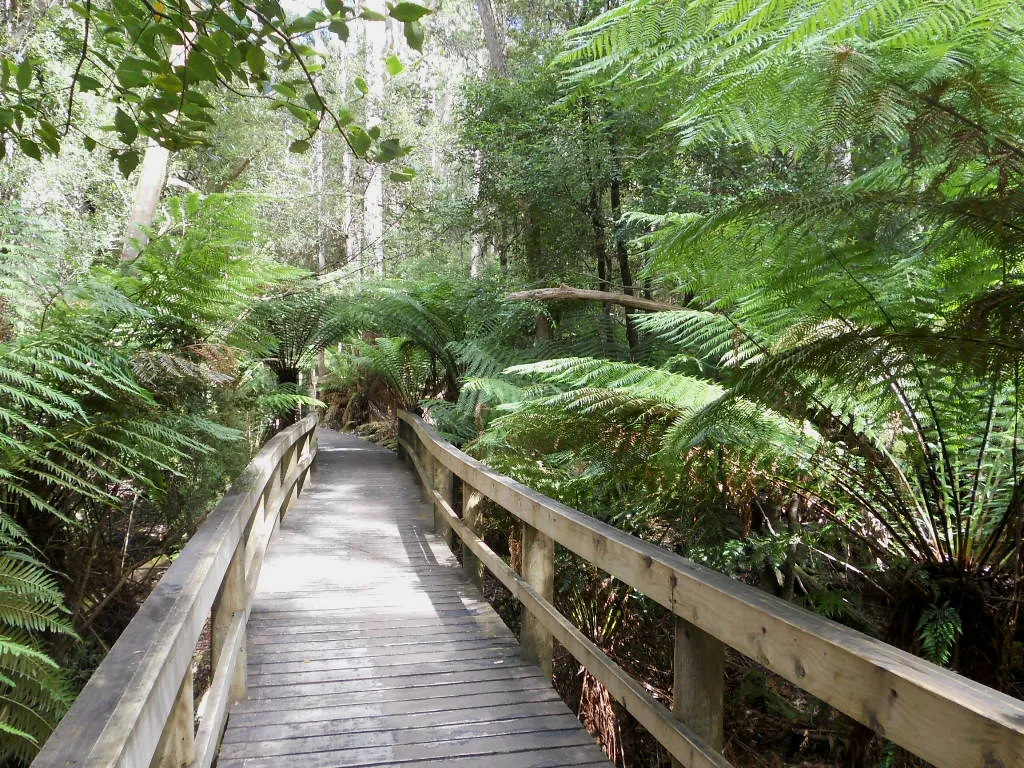
Boardwalk trails in national parks have come a long way since they were first built as simple walkways across wet ground. Today, at their best, they represent a genuine philosophy of inclusion: the idea that the grandeur of America’s wild places should be available to anyone willing to show up. The five parks here lead by example, not through perfection, but through sustained investment and honest commitment.
If you’re planning a trip and accessibility matters to your group, these parks are worth your attention. The trails are real, the infrastructure is improving, and the landscapes on the other side of the boardwalk are every bit as remarkable as anything found on a rugged backcountry route.
AI Disclaimer: This article was created with the assistance of AI tools and reviewed by a human editor.