
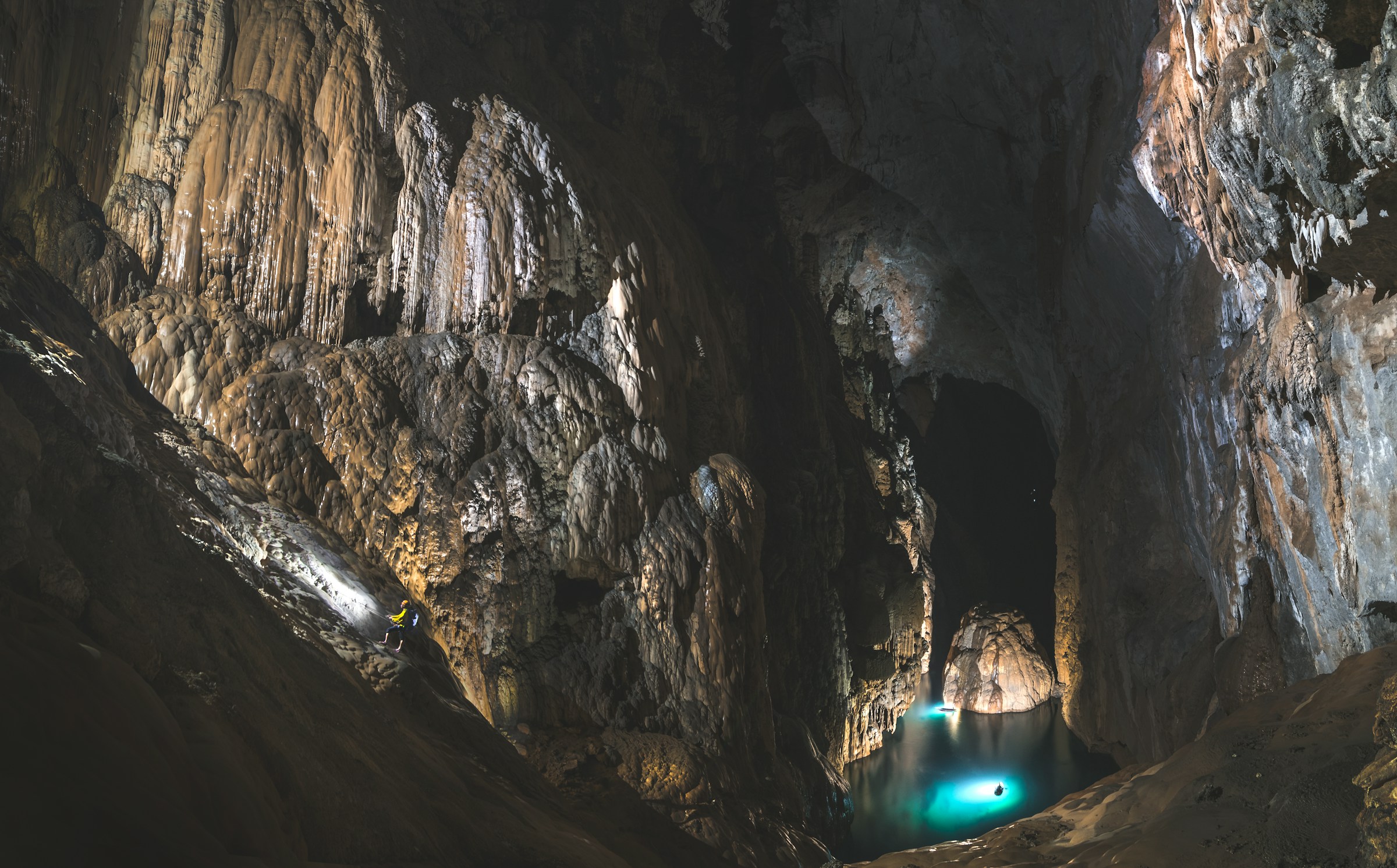

Luray Caverns, Virginia, USA: The Cave That Became an Instrument
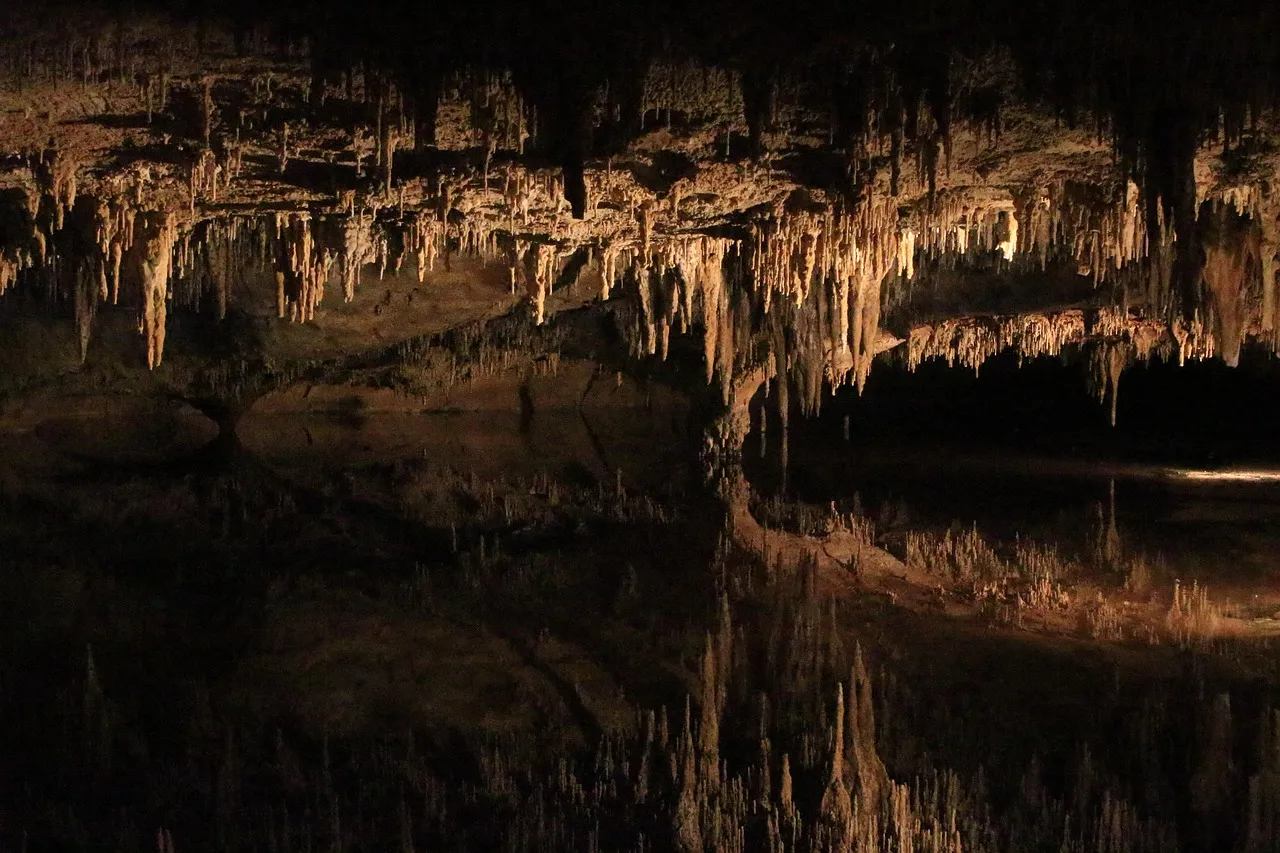
Few underground spaces blur the line between nature and music quite like Luray Caverns in Virginia’s Shenandoah Valley. Deep in the Luray Caverns of Virginia, which are known as the biggest cave complex in the Eastern United States, sits the largest musical instrument in the world. That instrument is the Great Stalacpipe Organ, and its story is as strange as its sound.
The Great Stalacpipe Organ was invented in 1954 by Leland W. Sprinkle of Springfield, Virginia, who worked at the Pentagon as a mathematician and electronics scientist. His inspiration came on a tour in 1954 when he watched a guide tap a stalactite, and fascinated by the natural sound, he began a groundbreaking journey to transform the caverns into the world’s largest musical instrument.
Covering 3.5 acres of the cavern, it is considered the world’s largest instrument by Guinness World Records. It is a pipeless organ that strikes 37 stalactites with solenoid-actuated rubber mallets in order to produce 37 beautiful tones. Due to the enclosed nature of the space, the full sound can be heard anywhere within the cavern.
Archaeoacoustic scientist David Lubman likened the porous rock textures of Luray Caverns to foam or carpet lining the walls of a recording studio, noting that the porous textures absorb enough sound to reduce confusing repetition of notes, but still allow tones to travel through the cave. The result is a tone that doesn’t echo so much as it breathes.
Cumberland Caverns, Tennessee, USA: 333 Feet Below the Music
Sitting 333 feet below the surface of Tennessee, in a natural amphitheater where the acoustics are so perfect that musicians compare it to a recording studio, Cumberland Caverns has earned its reputation quietly. The cave doesn’t need marketing. The room does the work itself.
The underground concert hall lives inside one of the longest cave systems in the state, with over 27 miles of mapped passageways winding through the mountain. The walls are not brick or plaster, but water-carved limestone formed over millions of years. That geology is precisely what shapes its acoustic character.
Bluegrass, folk, and country acts take the stage beneath ancient rock, their voices echoing through chambers that once held nothing but dripping water and silence. The natural reverb here is not a trick of technology. It’s the cave responding to the human voice the way it’s done since long before anyone thought to put a stage inside it.
The Caverns, Grundy County, Tennessee, USA: Where the Big Mouth Speaks

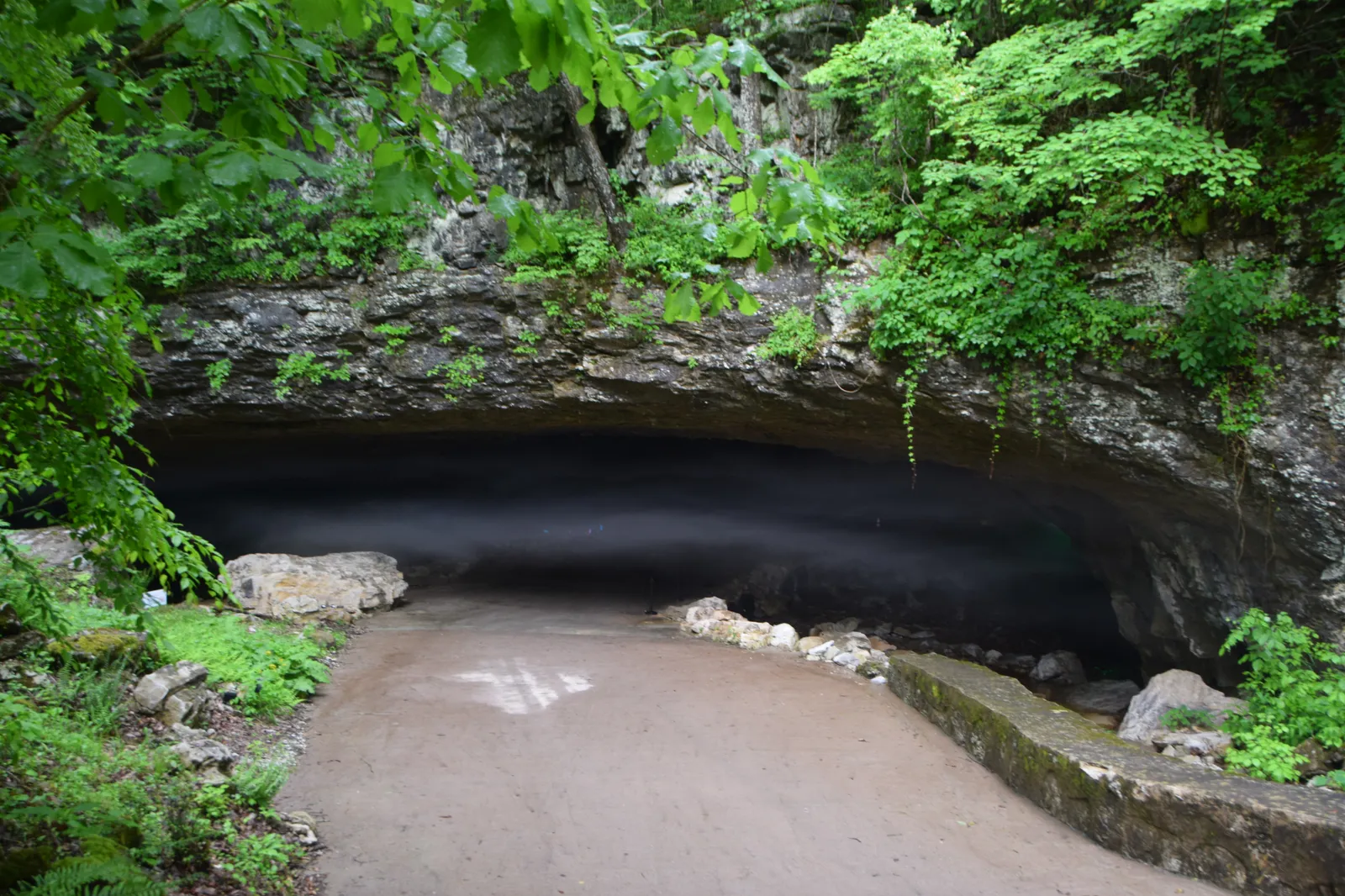
The Caverns is a music and recreation attraction located in Grundy County, Tennessee, at the base of the Cumberland Plateau, with two main caves, Big Mouth Cave and Big Room Cave, and the underground concert venue located in Big Mouth Cave. It opened its underground venue in 2018 and has drawn serious music acts ever since.
Known for its superb natural acoustics featured in the PBS series The Caverns Sessions, this venue offers a unique experience with concerts held in the Big Mouth Cave, recognizable for its large archway entrance. The subterranean venue can host up to 850 guests for seated shows and 1,200 for standing-room-only events.
The venue was founded by Todd Mayo, who previously created Bluegrass Underground at Cumberland Caverns, and was designed to continue presenting underground concerts in a dedicated subterranean setting. The Caverns takes advantage of prehistoric natural acoustics and otherworldly beauty to provide a once-in-a-lifetime experience. There’s no artificial reverb here. The mountain handles that.
Fingal’s Cave, Isle of Staffa, Scotland: Where a Symphony Was Born
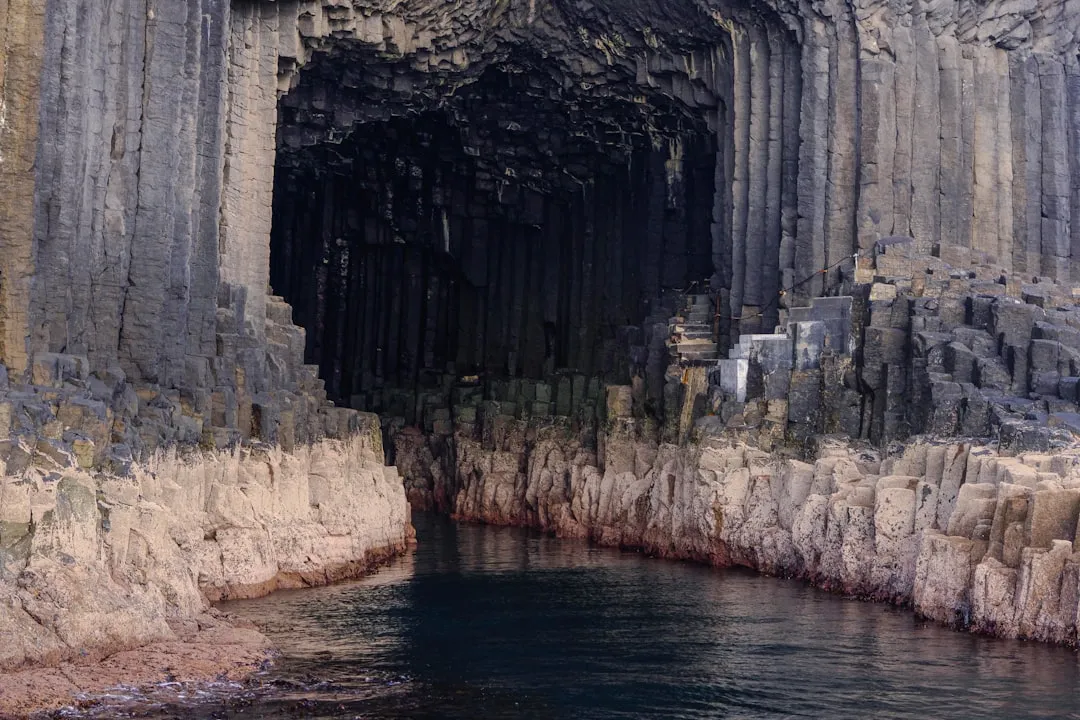
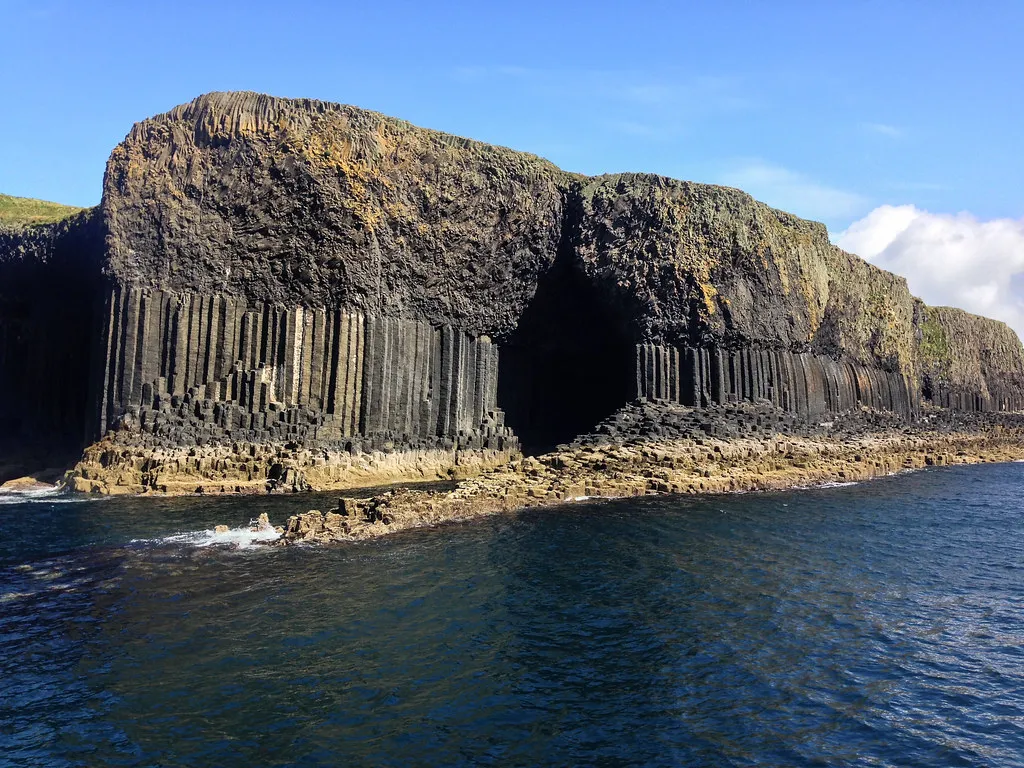
Nature created one of the world’s most perfect acoustic spaces on the uninhabited island of Staffa, where hexagonal basalt columns form a cathedral-like sea cave with extraordinary sonic properties. The geometry here is almost too precise to seem accidental. Columns of basalt, formed through ancient volcanic cooling, line the cave in near-perfect symmetry.
The rhythmic echoes of waves within the cave’s geometric structure create such perfect musical tones that composer Felix Mendelssohn wrote an overture inspired by its natural symphony. Mendelssohn visited Staffa in 1829, and the cave’s low hum and wave-driven resonance directly shaped his Hebrides Overture, one of the most recognized pieces of Romantic orchestral music.
The cave is only accessible by boat, and visits are tide-dependent, which makes reaching it feel earned. When you step inside, the waves don’t crash. They pulse. Each swell compresses the air inside the chamber and forces a low, sustained tone through the basalt columns, as if the rock itself is breathing. It’s one of those rare places where silence and sound are genuinely indistinguishable from one another.
What the Walls Remember: The Science Behind Cave Acoustics
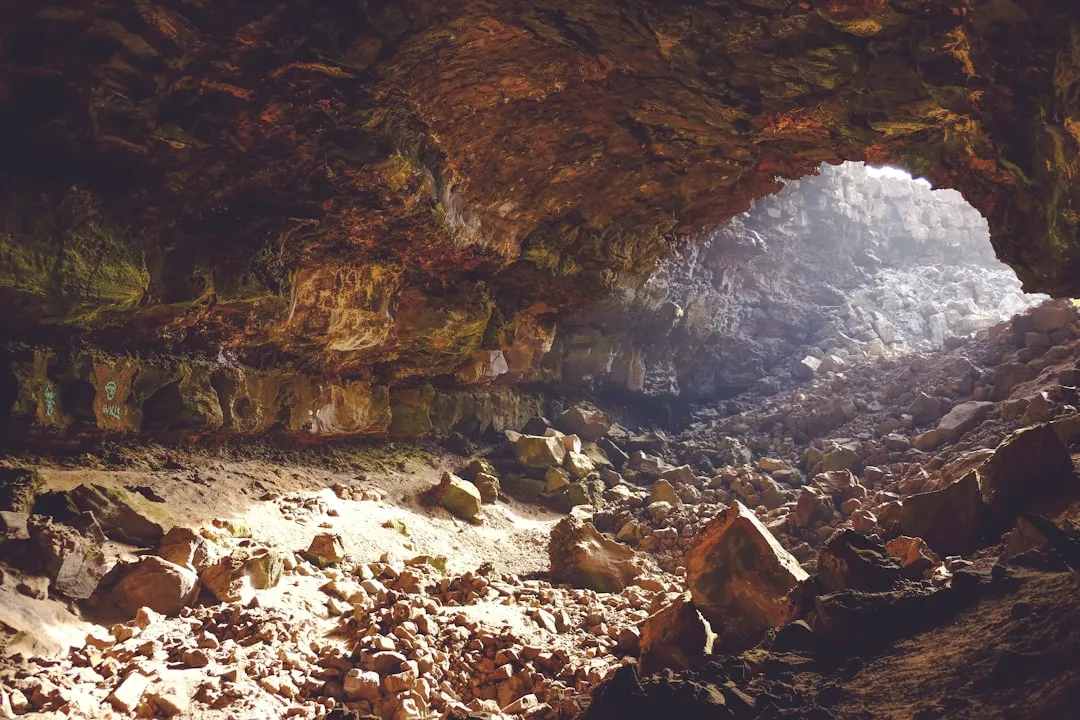
Through measurements and analyses of cave acoustic environments, researchers have found that as early as the Paleolithic era, the acoustic features of natural caves may have been utilized to create primitive music. This isn’t a fringe theory. It’s supported by a growing body of interdisciplinary research connecting cave art placement with acoustic hotspots.
Recent interdisciplinary studies demonstrate that Paleolithic peoples were acutely aware of the acoustic properties of caves, and at sites such as Lascaux, Chauvet, and Altamira, researchers have documented correlations between decorated chambers and zones of unusual resonance. The art wasn’t just placed where the light was good. It was placed where the sound was good.
French musicologist Iégor Reznikoff, one of the founders of the field known as archaeoacoustics, argues that the locations of wall art in these caves are often correlated to points of natural echo, and that these acoustic hotspots are sometimes even indicated in art itself. Sound, in other words, may have been as sacred to our ancestors as the images they painted.
Stalagmites That Sing: Nature’s Own Percussion Section
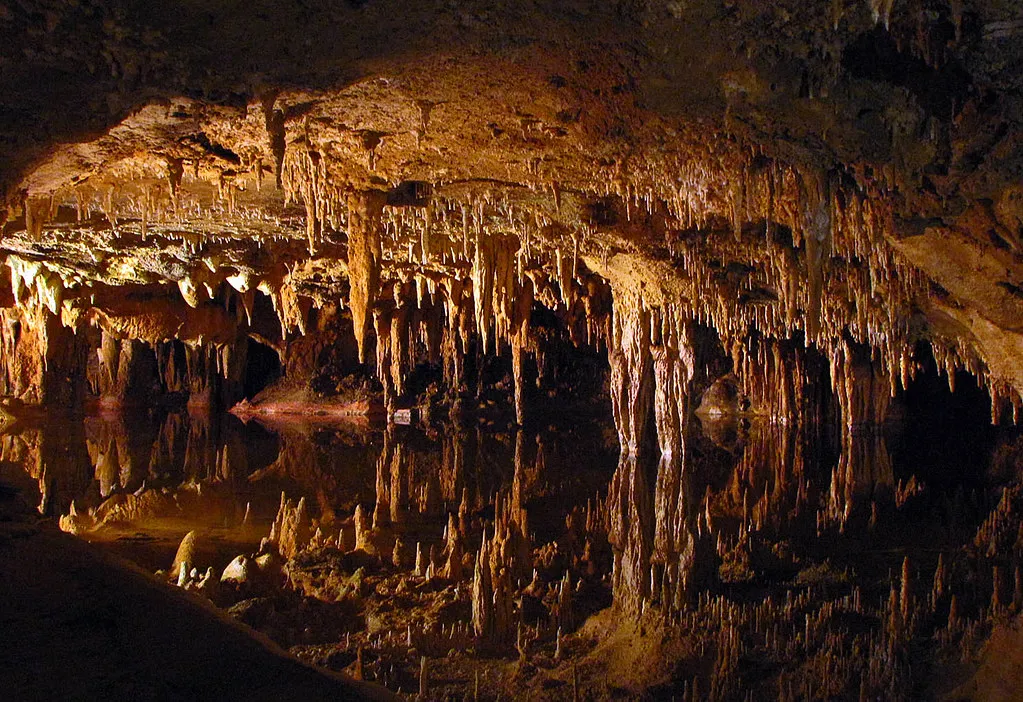
Stalagmite symphony caves, filled with ancient stalactites and stalagmites, produce ethereal sounds when struck gently, transforming the underground world into a natural concert hall. These natural wonders produce musical sounds when their dripstone formations are hit. The effect is not exaggerated. Certain limestone formations ring with bell-like clarity that can sustain for several seconds.
If you play a large drum inside a resonant cave chamber, the bass frequencies can sustain for around 35 seconds, which researchers describe as remarkable. That kind of natural reverb was not lost on prehistoric communities. It would have transformed a simple drumbeat into something overwhelming, immersive, and deeply ritualistic.
During the 1960s, a series of studies highlighted the use of natural rock geological formations, like stalagmites, as lithophones to produce musical notes in prehistoric caves in France. These weren’t improvised instruments. The formations were selected deliberately, suggesting our ancestors understood cave acoustics in a remarkably intuitive way.
Escoural Cave, Portugal: The Amplifier in the Rock

Escoural Cave in Portugal’s Alentejo region is less famous than Lascaux or Altamira, but its acoustic properties have drawn serious attention from researchers in recent years. New research reveals prehistoric caves amplified rituals through extraordinary acoustic properties, and similar experiments have been conducted by archaeologist Fernando Coimbra at the Portuguese Centre for Geohistory and Prehistory, who played replicas of ancient bone flutes at the Escoural cave.
As Coimbra observed: “When I played songs outside the cave, the sound vanished, but inside, the cave acts as an amplifier.” That difference, between a sound that disappears and a sound that is caught and held, is everything. It explains why communities across millennia were drawn to caves not just for shelter, but for ceremony.
Escoural contains Paleolithic art dating back roughly 35,000 years and is open to the public on a restricted schedule, precisely to protect both the paintings and the cave’s fragile atmosphere. The silence inside is dense. It isn’t passive.
Grand Caverns, Virginia, USA: The Oldest Show Cave in America

Grand Caverns has been the oldest, continuously operated show cave in America since 1806 and a National Landmark since 1973. Starting in 2024, Subterranean Sound at Grand Caverns has brought artists together to perform within its cave networks. The program was designed specifically around the cave’s natural acoustic properties, not in spite of them.
Each room of the caves has a different set of acoustics and reverb, crafting the sound of the bands who play there into something unique. The musical showcase has featured many Virginia bands playing intimate shows to an audience of only 75 people. That intimacy is intentional. The cave rewards a small crowd.
The approach taken by the Subterranean Sound series says something meaningful about how caves work as musical spaces. They are not neutral vessels. They shape what goes into them, and what comes out is always something slightly different from what was played.
The Field of Archaeoacoustics: Listening to the Past
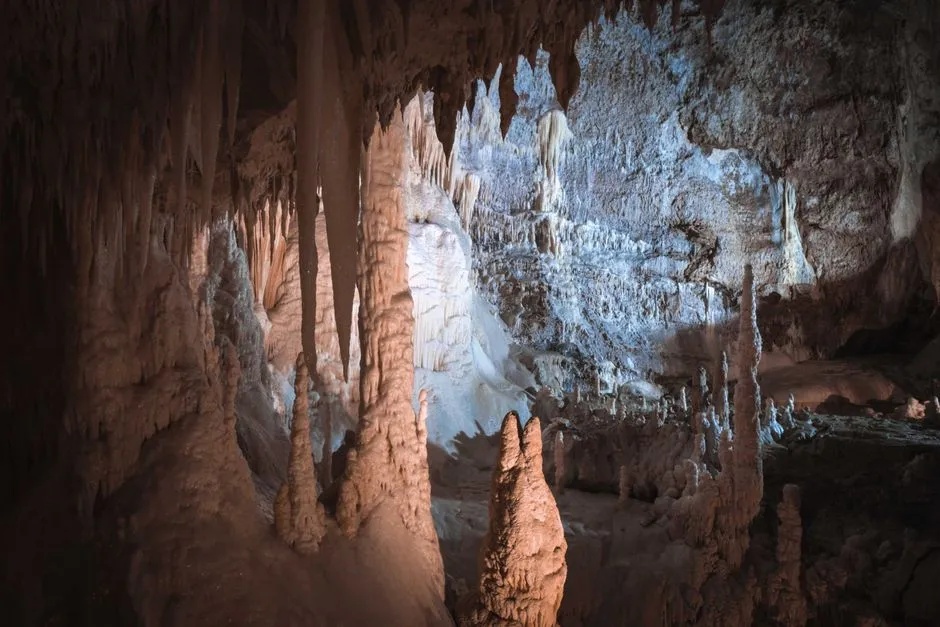
Archaeoacoustics investigates how past societies used and experienced sound, whether through the acoustic properties of sacred sites like caves, temples, or pyramids, the design of musical instruments, or the way sound influenced rituals and communication. It is a relatively young field, but it has produced findings that force a rethinking of what prehistoric life sounded like.
Research projects have explored the acoustics of prehistoric painted caves in Northern Spain, aiming to establish whether a secure relationship exists between the positioning of painted motifs and sonic effects within the caves. Sound has the potential in many fields of archaeology to provide information that is not available by studying visual or material properties.
Virtual reality and 3D acoustic modeling have been applied to caves to replicate resonance patterns and auditory experiences. Museums and heritage projects now incorporate these reconstructions into exhibitions. What was once a felt experience in the dark is gradually becoming something researchers can measure, map, and share.
Why These Caves Still Matter for Travelers Today
The earliest religious use of soundscapes by humans is reflected in their activities within caves, and the evolution and characteristics of cave ambient acoustic environments have been central to research in archaeology, musicology, heritage conservation, and acoustic science. For a traveler, that context changes everything about standing inside one of these spaces.
You’re not just visiting a geological feature. You’re standing in one of the oldest acoustic environments humans ever found meaningful. The drip of water, the low hum of air moving through narrow passages, the way a handclap expands and returns, these aren’t incidental details. They’re the original experience.
Contemporary archaeology increasingly turns to sound reconstruction to recover this neglected dimension of prehistory. Experimental archaeology reproduces Paleolithic instruments and explores their acoustic capacities, while musicians perform within reconstructed cave environments to simulate ancient experiences. You can, on a much smaller scale, do the same thing: go in, go quiet, and listen to what the rock remembers.
The Takeaway
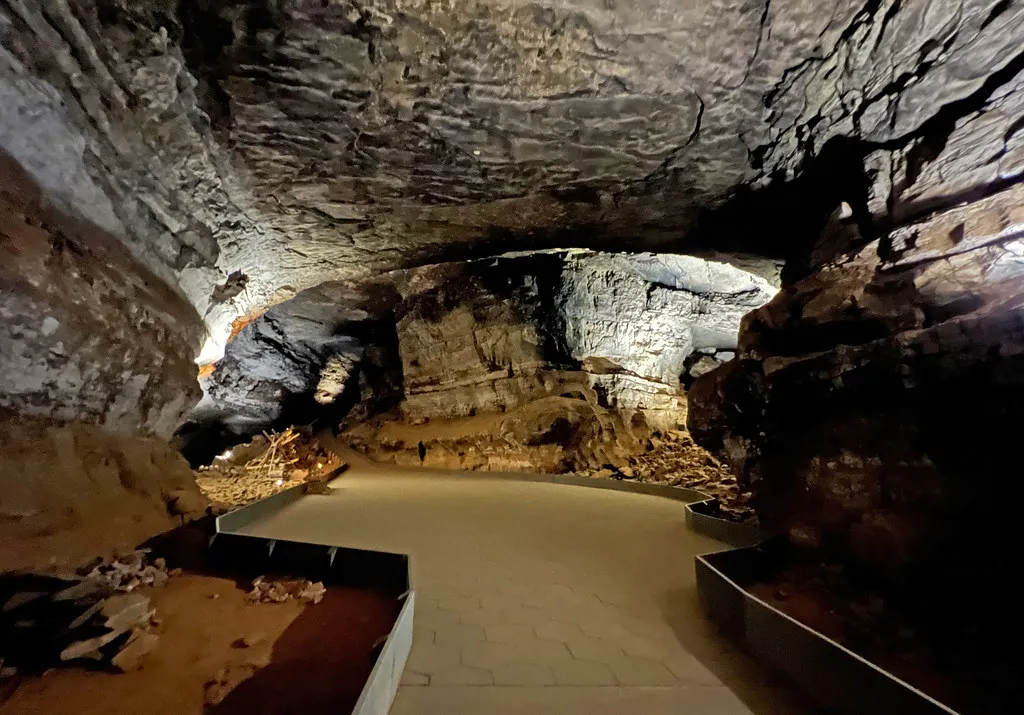
The four caves profiled here, Luray Caverns, Cumberland Caverns, Fingal’s Cave, and the network of prehistoric acoustic sites stretching from Portugal to the Tennessee plateau, share something that’s genuinely difficult to describe until you’ve experienced it. Sound behaves differently underground. It slows. It lingers. It layers.
Whether you’re standing inside a Guinness-record-holding instrument carved from stalactites, watching a bluegrass band play beneath 333 feet of mountain, or simply listening to Atlantic waves compress themselves into music inside a basalt sea cave, the effect is the same. The silence isn’t empty. It’s waiting.
That’s worth traveling for.
AI Disclaimer: This article was created with the assistance of AI tools and reviewed by a human editor.