
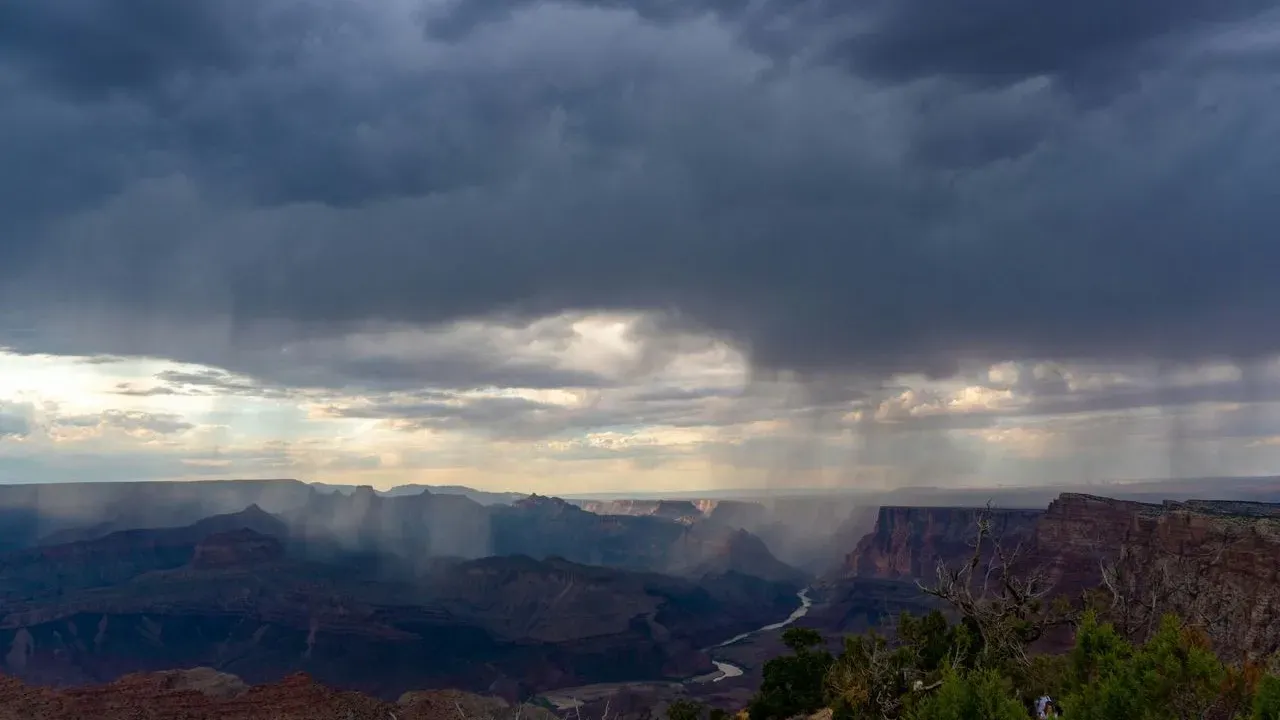

Grand Canyon National Park – Recent flash flooding along trails in the park has drawn renewed attention to a hazard that can transform dry creek beds into raging torrents within minutes. A second hiker was recovered following the Saturday incident, while search efforts continue for another individual still unaccounted for. The event serves as a reminder that even experienced visitors must approach canyon hiking with careful attention to conditions that can shift rapidly.
How Narrow Terrain Amplifies Sudden Water Flows
The Grand Canyon’s steep side canyons and slot-like drainages create natural funnels where rainfall far upstream can arrive without warning. Water from distant storms gathers speed as it descends through confined channels, carrying debris and rising with little visible sign at the trail level. This geography means a clear sky overhead does not guarantee safety below. Hikers who understand these patterns recognize that the same features responsible for the canyon’s dramatic beauty also concentrate runoff. Seasonal monsoon patterns in the Southwest add another layer of variability, with brief but intense downpours capable of overwhelming normally placid routes. Awareness of upstream watersheds becomes part of responsible route planning.
Weather Monitoring as a Daily Practice
Reliable preparation begins with checking forecasts from the National Weather Service and local park alerts before setting out. Conditions can change between the rim and the inner canyon, so multiple sources help build a fuller picture. Many seasoned travelers also consult real-time radar and speak with rangers about current trail reports. Staying flexible with itineraries allows groups to adjust or turn back when warnings appear. Park staff emphasize that no view or destination is worth risking exposure to rising water. Simple habits, such as noting escape routes to higher ground along every segment of a hike, become second nature with experience.
Reading the Landscape for Early Signs
Observing the terrain itself offers practical clues. Dry washes lined with polished rock or scattered debris often indicate past high-water events. Changes in the sound of the wind or sudden cloud buildup can signal developing storms even when the immediate area remains sunny. Travelers who pause to assess these details tend to make safer decisions throughout the day. The park’s vast scale rewards patience; rushing to complete a loop can overlook the very cues that protect against surprise flows. Local knowledge shared through visitor centers and guided programs further refines this observational skill.
Practical Steps for Safer Canyon Travel
Thoughtful hikers integrate several habits into every outing: – Review flash-flood watches and warnings the evening before and again at dawn.
– Carry a map that shows elevation contours and known drainage paths.
– Travel with partners and establish check-in times.
– Pack layers and supplies that support waiting out brief weather events on higher ground.
– Leave detailed itineraries with someone outside the group and respect posted closures. These measures do not diminish the sense of discovery that draws millions to the park each year. They simply allow visitors to engage with its scale more fully and return home with stories shaped by preparation rather than chance. The Grand Canyon continues to reward those who approach it with both wonder and respect. When travelers combine appreciation for its geology with steady attention to its dynamic weather, the landscape remains one of the country’s most profound places to explore on foot.
AI Disclaimer: This article was created with the assistance of AI tools and reviewed by a human editor.