

There’s a particular kind of quiet that settles over a dairy farm in the early morning. The smell of fresh milk, the low sound of animals, the cool air before the day heats up. For most of living memory, that world was invisible to anyone who didn’t actually work in it. Visitors simply didn’t come.
That’s changed, and changed quickly. Across rural communities in North America and Europe, cheese-making classes have quietly become one of the most compelling reasons people travel to farm towns at all. What started as a niche curiosity has grown into something far more economically and culturally significant than anyone quite expected.
A Market That Almost Nobody Saw Coming
The global agritourism market was valued at roughly 8.79 billion dollars in 2025 and is projected to grow to nearly 23.8 billion dollars by 2034, at a compound annual growth rate of 11.7%. That’s not a modest growth curve. It’s a structural shift in how people choose to spend time and money when they travel.
Agritourism is evolving from simple farm visits into sophisticated, multifaceted experiences that blend agriculture with wellness, technology, and culinary innovation, attracting significant attention from farmers, investors, and urban planners alike. Cheese-making sits right at the center of that shift, combining food culture, craft knowledge, and hands-on participation in a way that few other farm activities can.
Why Cheese, Specifically?
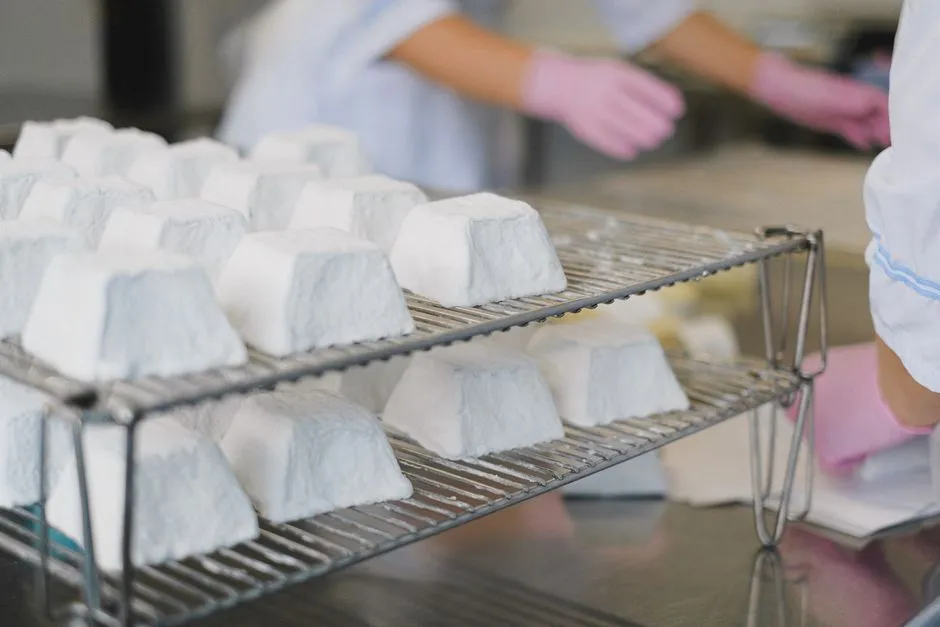
Not every farm activity translates into a compelling visitor experience. Watching crops grow isn’t inherently dramatic. Cheese-making is different because it produces something tangible, something you can smell, touch, taste, and take home. There’s an arc to it, a beginning, a process, and a result you can hold in your hands.
Visitors willingly pay premium fees for seasonal harvest workshops and cheese-making sessions that forge personal memories. That willingness to pay speaks to how deeply people value the sense of genuine craft. Consumers are looking for authentic experiences that provide educational value, such as learning about farming, food production, and local traditions.
The Demand Is Coming from a Specific Kind of Traveler
Millennials and Gen Z are moving away from traditional tourism and gravitating toward unique, experience-driven travel that offers authenticity and personal enrichment, and this behavioral change is a major driver of the agritourism market. Cheese-making classes fit that preference almost perfectly: they’re participatory, educational, and rooted in a real place.
Agritourism appeals to people of all ages, with 40 to 50 year-olds holding the highest share of the market. So the visitor base is genuinely broad, not just young urban professionals looking for Instagram content. Families, retirees, and food-curious couples are just as likely to show up on a Saturday morning with aprons and curiosity.
What Actually Happens in These Classes
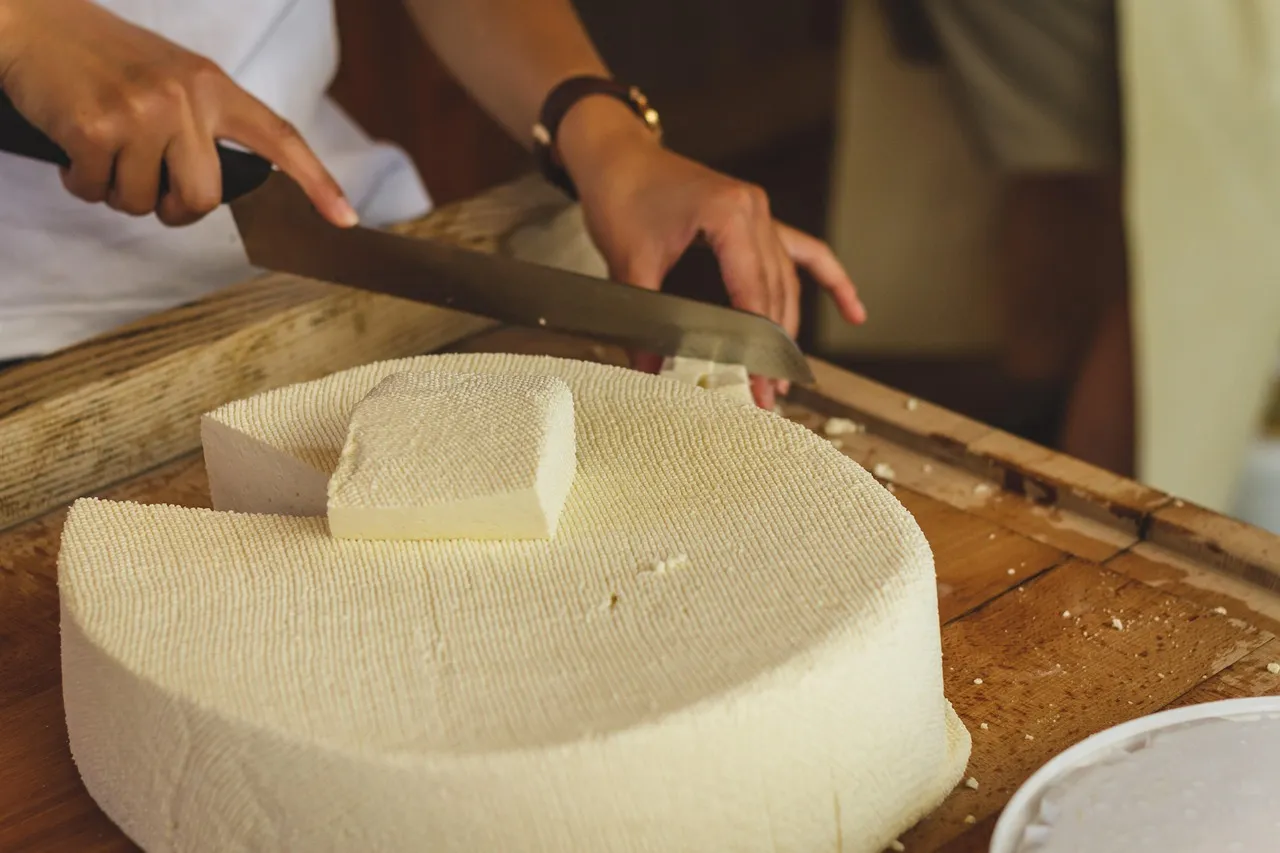
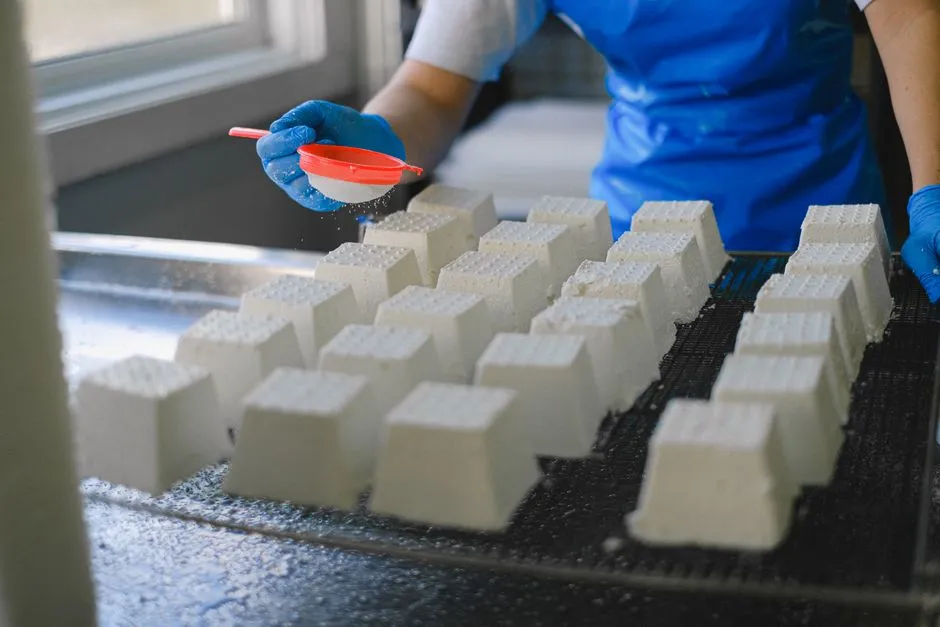
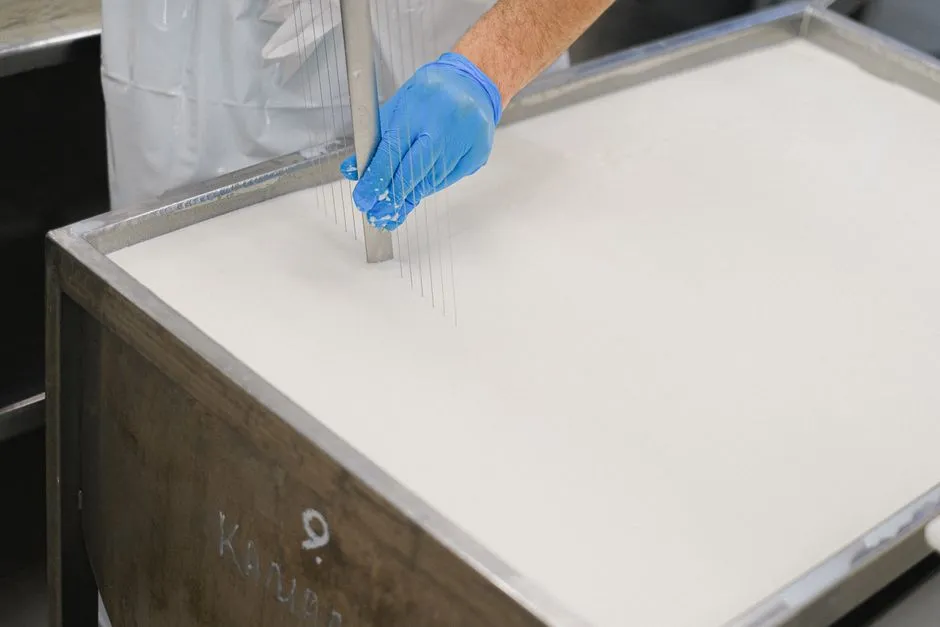
Farmstead cheese-making classes typically combine hands-on experiments with the science of milk and cheese chemistry, all within a licensed, farmstead facility, because nothing can replace the experience of actually working in a real cheese-making setting, especially when accompanied by qualified instruction. Many classes are deliberately kept small, limited to just six or seven students, to provide genuine, real-life experience.
Some structured programs, like the Artisan Cheese Workshop at Michigan State University, pack a 22-hour course into three days, teaching participants the science and art of cheese-making, and participants make five different types of cheeses with no prior experience required. Course fees typically include lunch each day, reference materials, all supplies needed for the cheese-making, packaging to take cheese home, and a cheese-tasting event featuring cheese brought by participants.
The Economic Case for Farm Towns
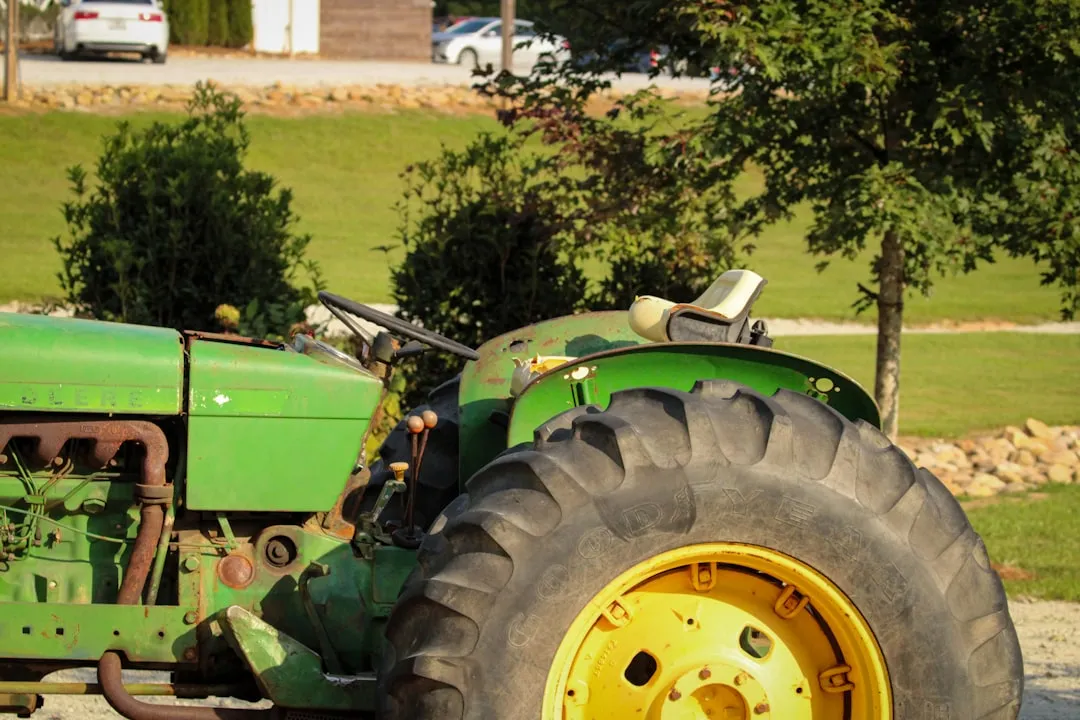
Farms and ranches in the U.S. generated about 1.26 billion dollars in agritourism income in 2022, according to the U.S. Department of Agriculture’s Census of Agriculture, with about 57% of U.S. counties reporting agritourism revenue and a median of roughly 161,000 dollars per county. That income flows through an entire local economy, not just to the farm itself.
The growth of agritourism has tracked meaningful changes in visitor spending, as visitors spend money on food, accommodations, and local goods, which supports small businesses and encourages the growth of new enterprises that cater to tourists, thereby strengthening the local economy as a whole. A cheese class that draws fifty people on a weekend can fill local restaurants, bed-and-breakfasts, and farm stands in ways that have nothing to do with the class itself.
Cheese Tourism Is Building Its Own Infrastructure

It’s not just individual farms operating in isolation. Regional networks, trails, and organized tourism routes are forming around cheese culture. Since 2022, initiatives like the Cheese Trail have expanded their reach, enhancing their impact on agritourism, cheesemakers, and local food economies.
These networks feature events calendars with wine and cheese pairings, farm tours, cheese-making classes, and more, creating a full visitor itinerary rather than a single-stop experience. For a small farm town, being part of a recognized cheese trail can mean the difference between occasional visitors and a reliable seasonal audience.
The Role of Educational Agritourism
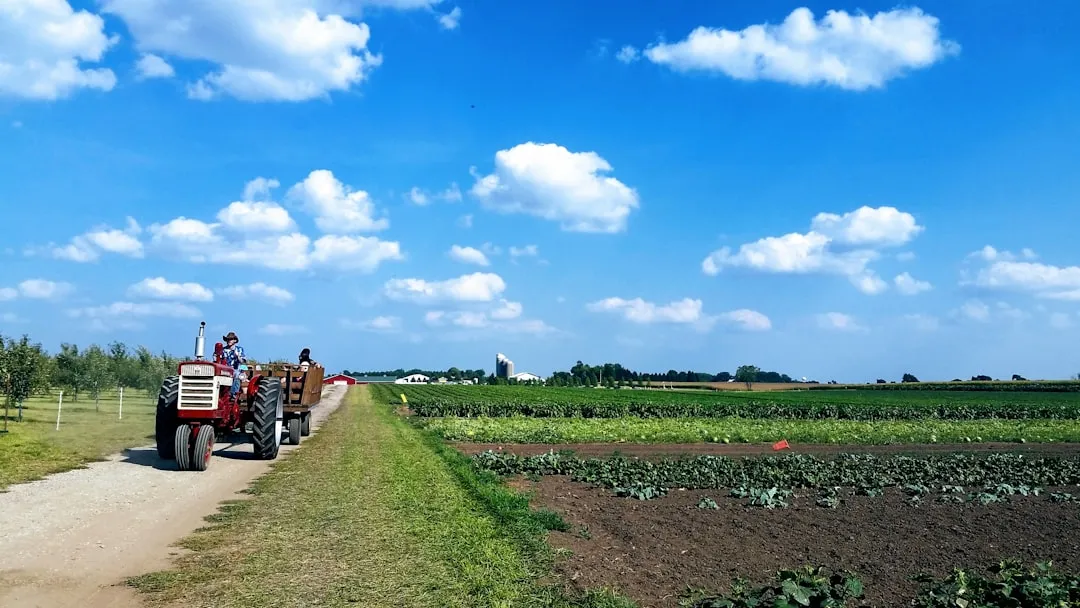
Educational agritourism is expected to grow at a 13.6% compound annual growth rate from 2025 to 2030, reflecting increasing demand for hands-on learning experiences about food production, sustainability, and agricultural heritage. That’s actually the fastest-growing segment within the broader agritourism space.
Educational agro-tourism is one of the fastest-moving rural travel segments, attracting travelers with an interest in on-the-ground agricultural production processes, organic and sustainable agriculture, animal husbandry, and environmental protection. Cheese-making classes thread through nearly all of those interests simultaneously, which helps explain their staying power as an attraction.
The Artisan Cheese Community Behind It All
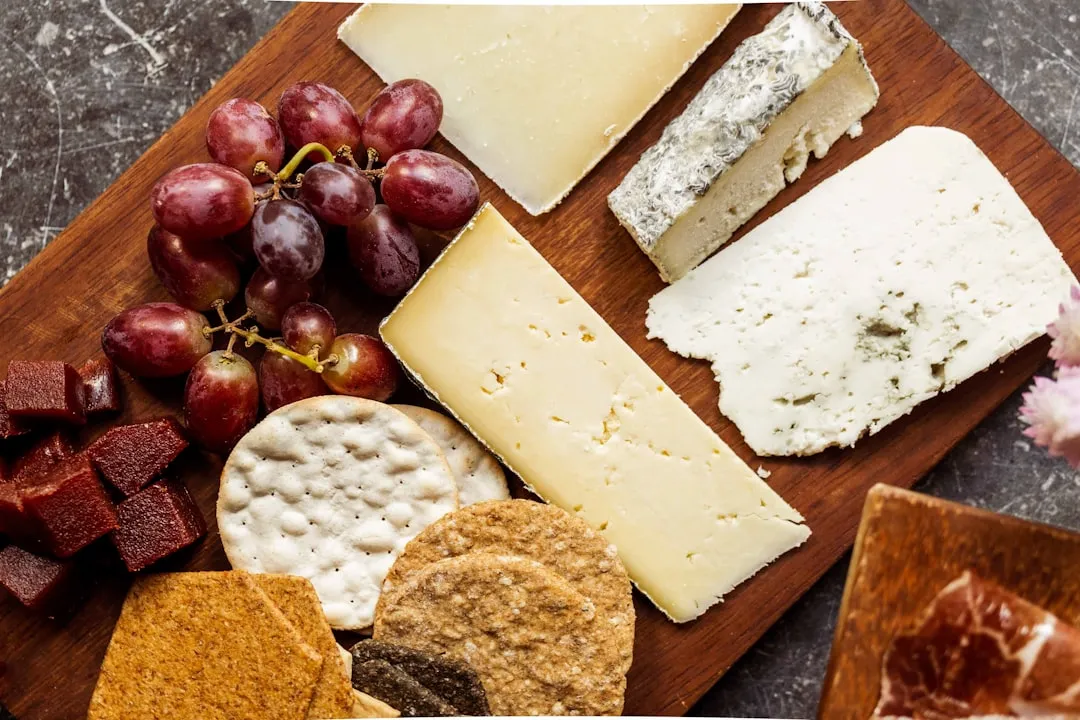
Artisan, farmstead, and specialty cheeses are part of a broader movement that focuses on sustainable agricultural practices, farm-to-table distribution, informed food choices for consumers, and connecting local producers with consumers. The cheese-making class isn’t just a tourism product. It’s an expression of that philosophy made visible and participatory.
Where cheesemaking excellence is pursued, the resulting increase in value can be shared across a whole region, measured both directly through higher milk prices and indirectly through increased cultural value and awareness of a region’s unique farming practices, people, history, and traditions. A class that teaches someone to make a proper farmhouse cheddar is also teaching them about the land those cows grazed on.
Sustainability and Regenerative Farming as Part of the Narrative
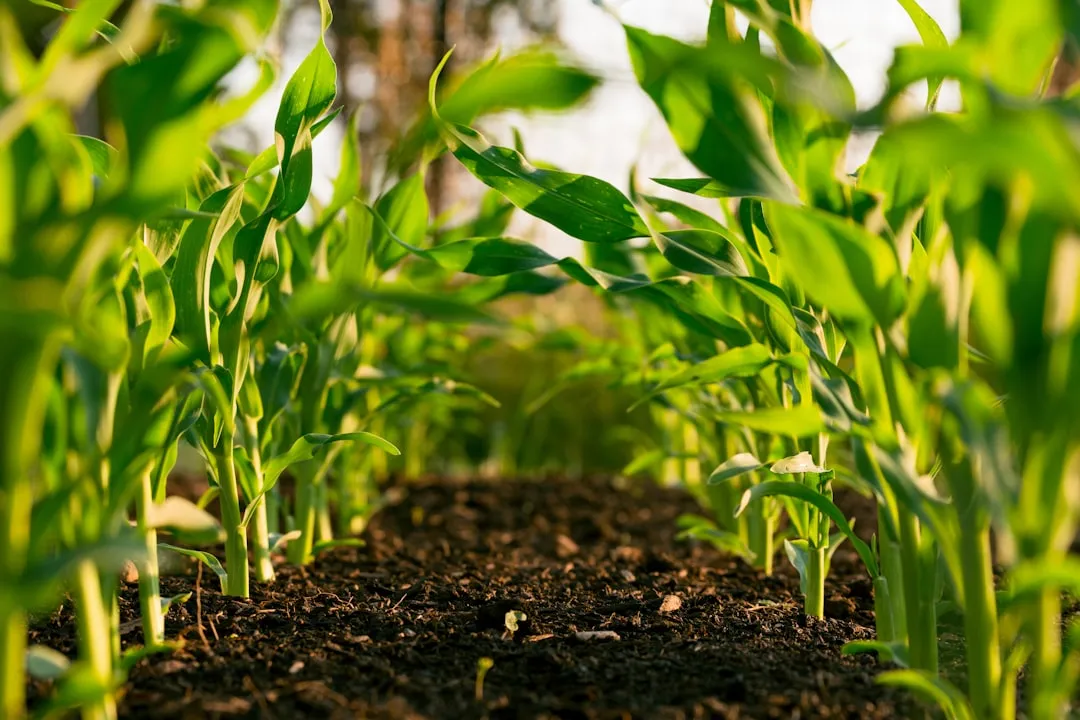
One of the most prominent trends in dairy farming and cheesemaking is the use of regenerative agriculture practices, which emphasize the importance of soil health, and for cheesemakers and dairy farmers, the focus is particularly on grazing and acknowledging the role that livestock play in sequestering carbon in the soil. Visitors who come for a cheese class increasingly want to understand this connection.
Travelers increasingly seek immersive rural experiences such as farm stays, crop harvesting, cheese-making, and wine-tasting that allow them to connect with local cultures and sustainable practices. The sustainability thread is no longer a niche appeal. It’s become part of why people choose these experiences in the first place, particularly among younger visitors who want their travel choices to align with their values.
What Makes a Cheese Class Become a Town’s Defining Feature
The farms that have turned a single cheese-making workshop into something genuinely central to a town’s identity tend to share a few qualities. They’re consistent. They’re tied to a real agricultural story. Counties with high agritourism activity benefit from industry concentration, an effect of well-established regional reputations, and visitors are more likely to visit known agricultural regions or agritourism farms near scenic byways.
Local farms are increasingly transforming into tourist-friendly destinations, offering hands-on activities like cheese-making, berry picking, and beekeeping demonstrations. The farms that succeed longest, though, are usually the ones where the class feels like a genuine invitation into working farm life, not a performance designed for outsiders. That distinction is something visitors feel immediately, and it’s what keeps them coming back.
The Takeaway
There’s something worth noting in the fact that one of the most effective rural economic strategies of the past decade involves teaching strangers how to make cheese. It’s humble and specific, and it works precisely because of that. The popularity of agritourism is on the rise as more individuals look to immerse themselves in nature, and this trend has encouraged farms and rural communities to improve their infrastructure and services for visitors, resulting in increased development across the industry.
Farm towns that once relied entirely on commodity prices and harvest yields now have something else: a story people want to be part of, even briefly. The cheese-making class is, in a sense, the most honest version of that story. It asks visitors to slow down, use their hands, and pay attention to something that takes time to get right. That’s not a bad way to spend a morning, and it turns out, it’s not a bad way to sustain a community either.
AI Disclaimer: This article was created with the assistance of AI tools and reviewed by a human editor.