
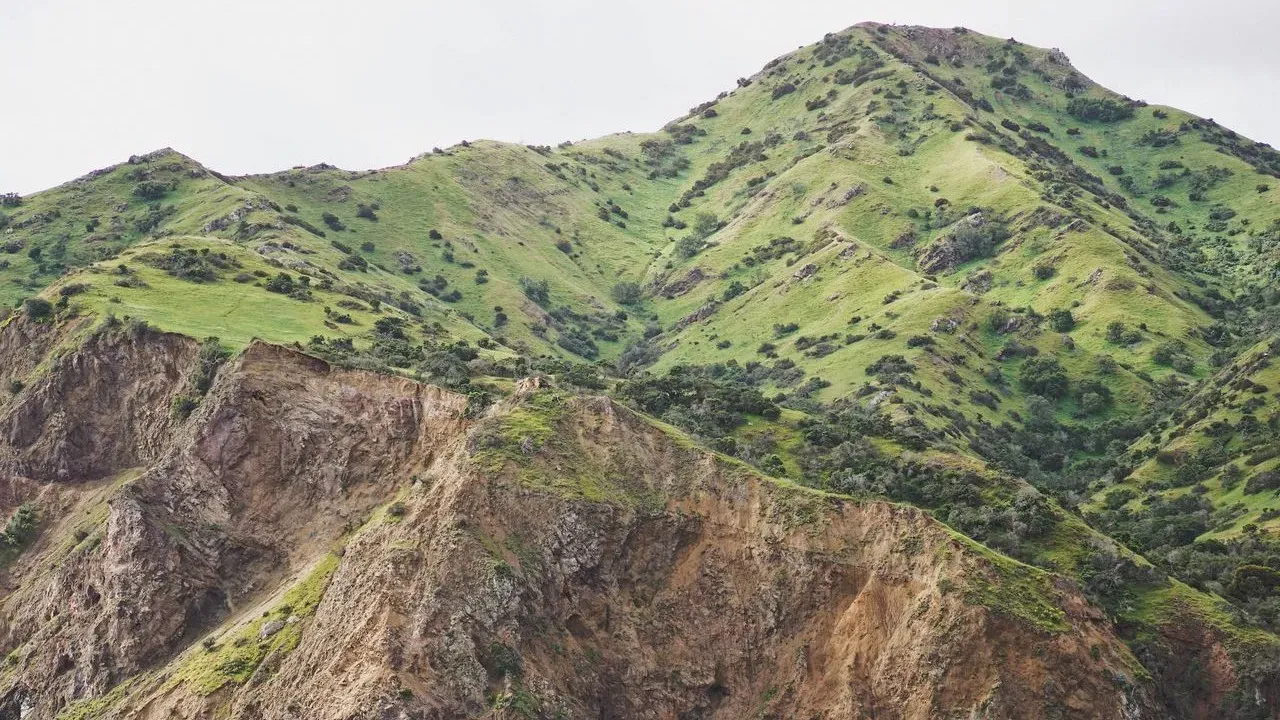

Catalina Island stands at a pivotal moment in its long history of balancing human enjoyment with natural preservation. A recent court decision has cleared the way for the Catalina Island Conservancy to proceed with its plan to remove the island’s non-native mule deer population, a step aimed at safeguarding the unique habitats that define this beloved Southern California destination. The ruling comes amid ongoing discussions about how best to protect the island’s biodiversity for generations of visitors and residents alike.
A Landscape Shaped by Decades of Change
The mule deer on Catalina trace their presence to introductions in the late 1920s, when a small number arrived for recreational hunting. Over time their numbers grew substantially, reaching around 2,000 animals. While many island visitors have come to appreciate seeing these graceful creatures during hikes or drives, their browsing habits have altered the island’s vegetation in noticeable ways. Native chaparral and shrubs that once thrived have given way in places to faster-growing invasive grasses, shifting the character of the hillsides and canyons that draw so many travelers each year. The Conservancy, which oversees the majority of the island’s land, has studied these effects closely. The deer consume plants that help stabilize soil and retain moisture, contributing to greater erosion risks and changes in water availability. These shifts also affect the food and shelter available for species found nowhere else, such as the Catalina Island fox. Restoration efforts have long been complicated by the presence of these non-native herbivores, prompting the current approach after years of evaluating alternatives.
Timeline and Practical Steps Ahead
Under the approved plan, an initial phase begins this fall with the removal of roughly 200 deer between September and October. This stage serves as a careful test of methods and equipment before broader work expands in 2027. The full process is expected to unfold over four to five years, allowing time for monitoring and adjustment. Recreational hunting on the island, long a seasonal activity, will conclude after this year’s season. The decision follows a tentative ruling by a Los Angeles Superior Court judge who declined to issue a preliminary injunction halting the effort. A final determination on the legal challenge is anticipated within 90 days. Throughout, the Conservancy has emphasized that scientific assessments support complete removal as the most effective path to meaningful habitat recovery.
Implications for Visitors and the Island Community
For the roughly one million people who visit Catalina annually, the changes will unfold gradually. The island’s signature trails, coves, and open spaces will continue to offer their distinctive beauty, now with renewed focus on supporting native plants and wildlife. Over time, the return of more resilient chaparral could enhance the scenic quality and ecological stability that make the destination special. Residents and local stakeholders hold a range of perspectives on the plan. Some appreciate the deer as part of the island’s character, while others recognize the long-term benefits of restoring conditions that favor endemic species and reduce certain environmental pressures. The Conservancy has noted that maintaining a reduced deer population would likely require ongoing intervention, making full removal the chosen strategy after extensive review. – Initial testing phase: September–October 2026
– Expanded operations: Beginning 2027
– Projected completion: Four to five years
– Key goal: Recovery of native vegetation and support for species like the island fox
Looking Toward a Restored Future
This chapter in Catalina’s story reflects the careful choices island stewards make to ensure its natural wonders endure. As the landscape gradually returns to a state closer to its pre-introduction balance, the island’s appeal as a place of discovery and quiet reflection can only deepen. Travelers drawn to its shores will continue to find an environment shaped by thoughtful stewardship, where the rhythms of native ecosystems invite a deeper appreciation of the place itself.
AI Disclaimer: This article was created with the assistance of AI tools and reviewed by a human editor.